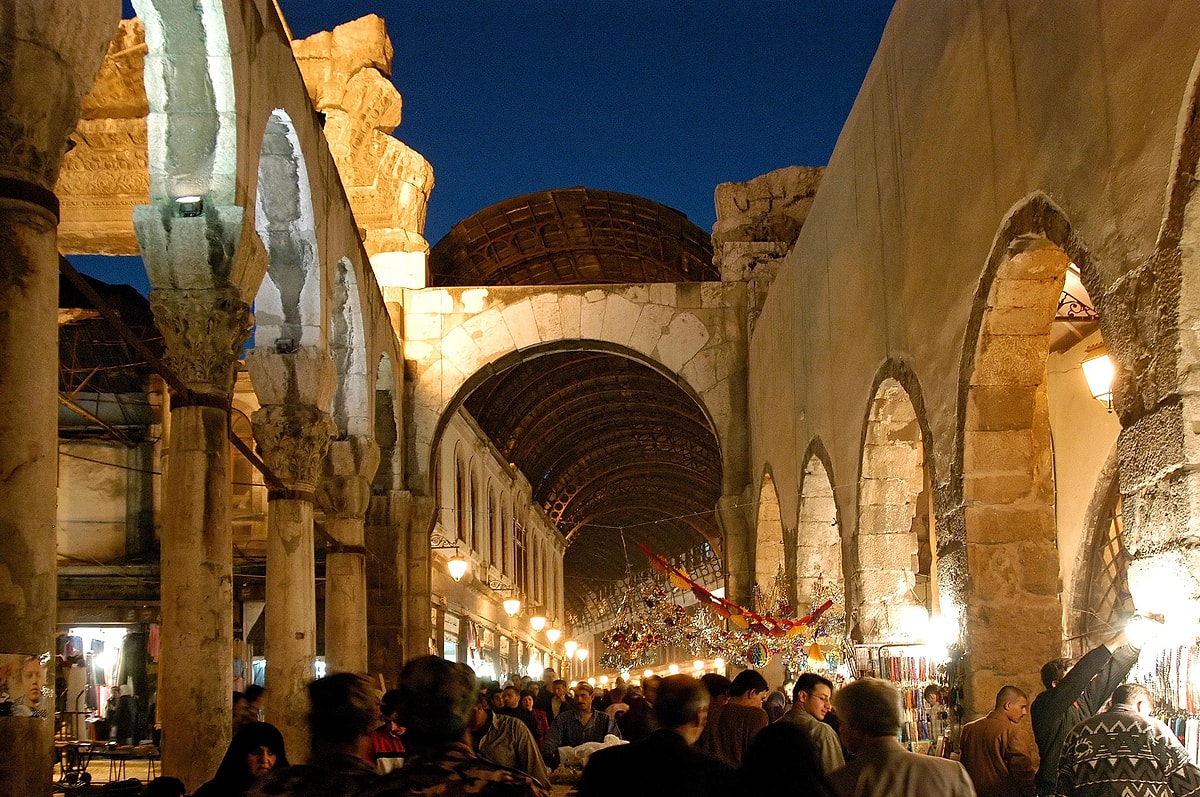
Damascus Traditional Markets is not just a shopping experience—it’s a journey into the living history of one of the world’s oldest cities. Known in Arabic as souks, these bustling, maze-like bazaars are the beating heart of the Old City, preserving centuries of trade, craftsmanship, storytelling, and human connection. With their narrow cobbled alleys, vaulted roofs, aromatic spice clouds, and the rhythmic clinking of artisans at work, the Damascus Traditional Markets awaken all the senses. Each turn reveals a new treasure—textiles, gold, perfumes, and sweets—echoing the city’s enduring spirit of commerce and culture.
Walking through the Damascus Traditional Markets means retracing the footsteps of traders from Rome, Byzantium, Persia, and the Islamic Caliphates. These souks are more than places of exchange; they are the soul of Damascus itself, where history still whispers through every stone and scent.
Today, Damascus Traditional Markets continue to thrive as vibrant centers of life, blending ancient tradition with modern energy and welcoming visitors into the timeless rhythm of the Old City.
Damascus Traditional Markets | Quick Info
| Topic | Quick Info |
|---|---|
| Name | Damascus Traditional Markets / أسواق دمشق القديمة |
| Location | Old City of Damascus, Syria |
| Historical Period | Origins date back to the Roman and early Islamic eras (1st century CE onward) |
| Notable Markets | Souk al-Hamidiyah, Souk al-Bzourieh, Souk al-Harir, Souk al-Qasabiyyin, Souk Midhat Pasha |
| Function | Centers of trade, craftsmanship, and social life for over a millennium |
| Architectural Features | Vaulted stone roofs, cobbled alleys, khans (caravanserais), and traditional shops |
| Goods Sold | Spices, textiles, gold, perfumes, sweets, handicrafts, and antiques |
| Cultural Significance | Reflects Damascus’s role as a crossroads of civilizations and hub of Levantine commerce |
| Current Status | Still active, blending traditional artisanship with modern tourism |
| UNESCO Connection | Part of the Old City of Damascus, a UNESCO World Heritage Site since 1979 |
Historical Background
For over 4,000 years, Damascus Traditional Markets have stood at the crossroads of civilizations, thriving thanks to the city’s strategic location on ancient caravan routes such as the Silk Road and the King’s Highway. The souks of the Old City took their recognizable form during the Umayyad and Mamluk eras, later expanded under Ottoman rule into the vibrant bazaars we see today.
Each section of the Damascus Traditional Markets was traditionally organized by guild or craft, creating entire streets devoted to specific goods—brass, wool, spices, soap, or textiles. Many of these specialized lanes still carry their original names, preserving the medieval layout and spirit of Damascus as one of the world’s oldest and most enduring trading hubs.
Souk al-Hamidiyah
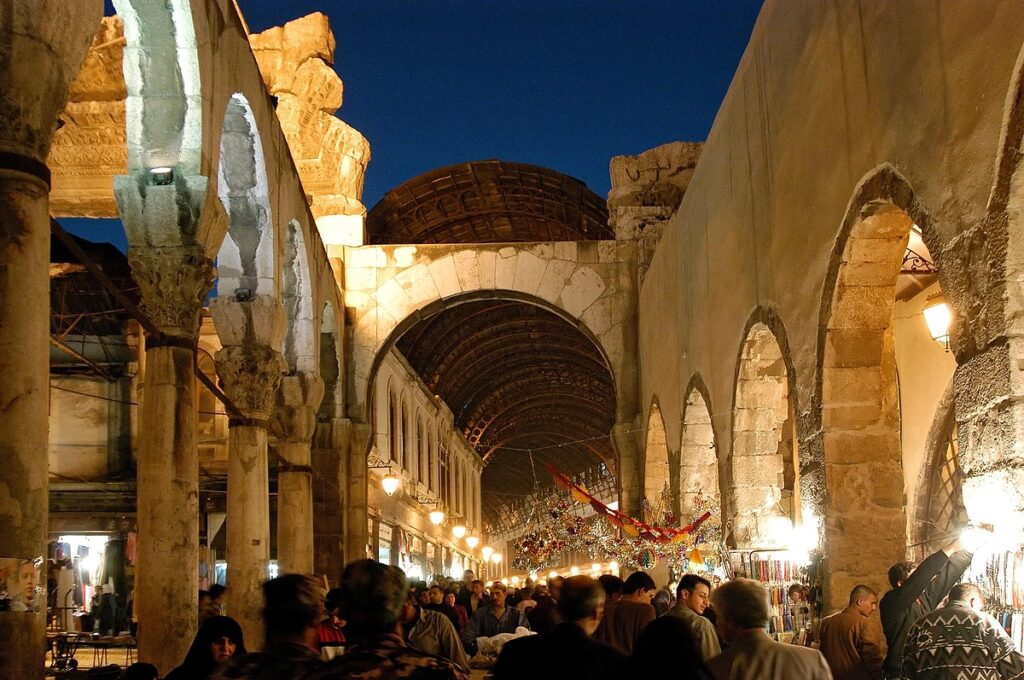
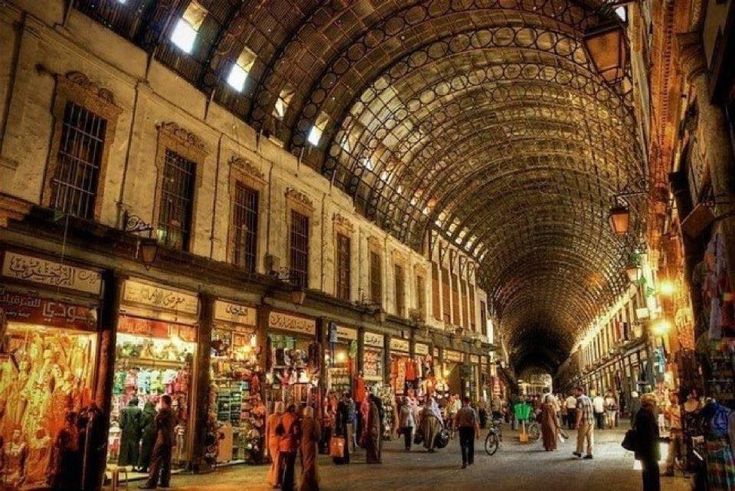
At the heart of the Damascus Traditional Markets, Souk al-Hamidiyah stands as Syria’s most iconic bazaar. Stretching from the ancient Roman gate near Bab al-Nasr to the courtyard of the Umayyad Mosque, it serves as the main artery of commerce and culture in the Old City. Its soaring iron roof, built during the late Ottoman era, still bears tiny holes left by French bullets from the colonial period. The wide, stone-paved corridor is lined with both traditional shops and modern storefronts, offering a vibrant mix of history and everyday life.
Within the Damascus Traditional Markets, Souk al-Hamidiyah captures the true spirit of Damascus craftsmanship. Visitors can find traditional sweets like baklava, barazek, and ma’amoul, alongside fine textiles such as brocade and silk. The market also dazzles with copperware, incense burners, inlaid woodwork, and Damascene swords. No visit is complete without stopping at Bakdash, the legendary ice cream parlor serving handmade pistachio booza since 1895.
Souk al-Bzourieh
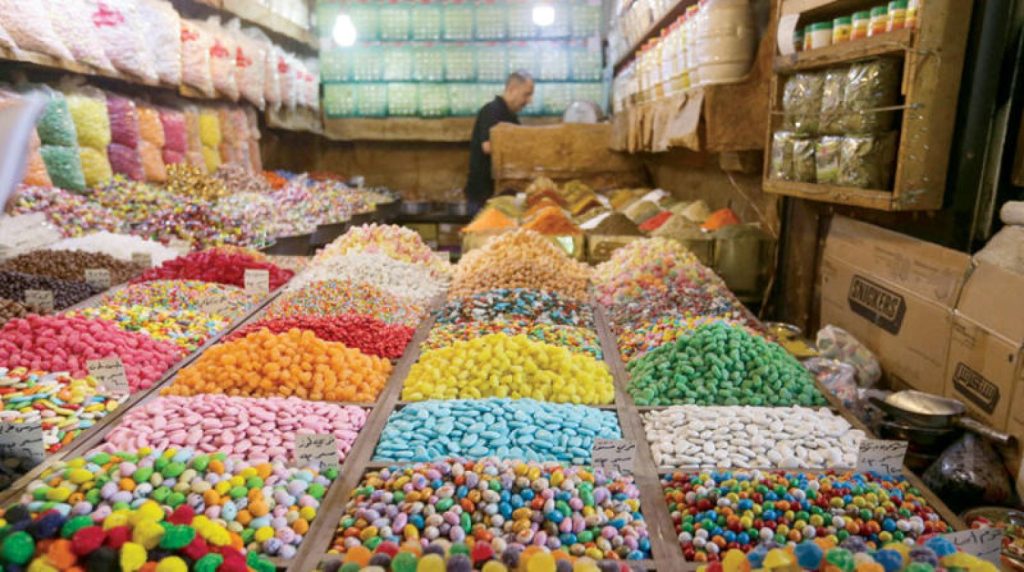
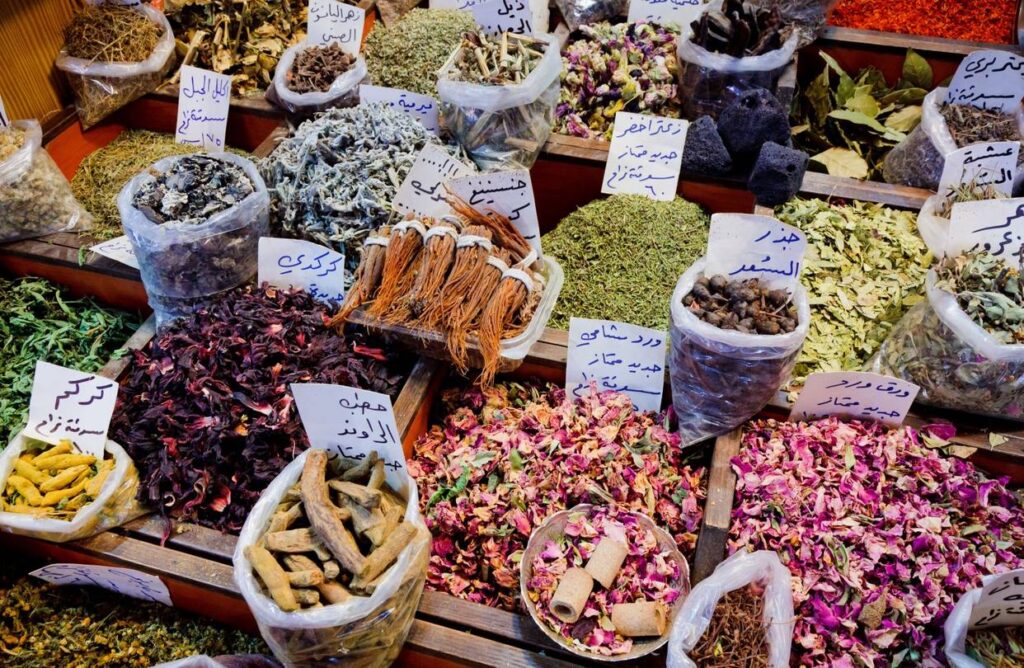
Hidden behind the southern wall of the Umayyad Mosque, Souk al-Bzourieh is one of the most enchanting corners of the Damascus Traditional Markets. Known as the city’s historic spice market, it greets visitors with clouds of fragrance and color. Stalls overflow with mounds of spices, dried flowers, and herbs—cardamom, cinnamon, rose petals, and anise—creating an irresistible sensory experience that captures the essence of Damascus.
As part of the vibrant network of Damascus Traditional Markets, Souk al-Bzourieh offers more than just spices. Shoppers can explore natural remedies, dried fruits like Damascene figs and apricots, traditional tea blends, and rich scents of amber, myrrh, and oud. The souk’s proximity to landmarks such as Khan As’ad Pasha and the Azem Palace makes it an ideal stop for anyone discovering the historic heart of the Old City.
Souk al-Harir
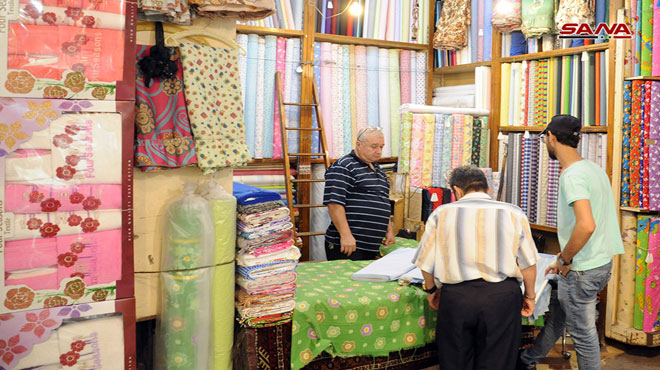
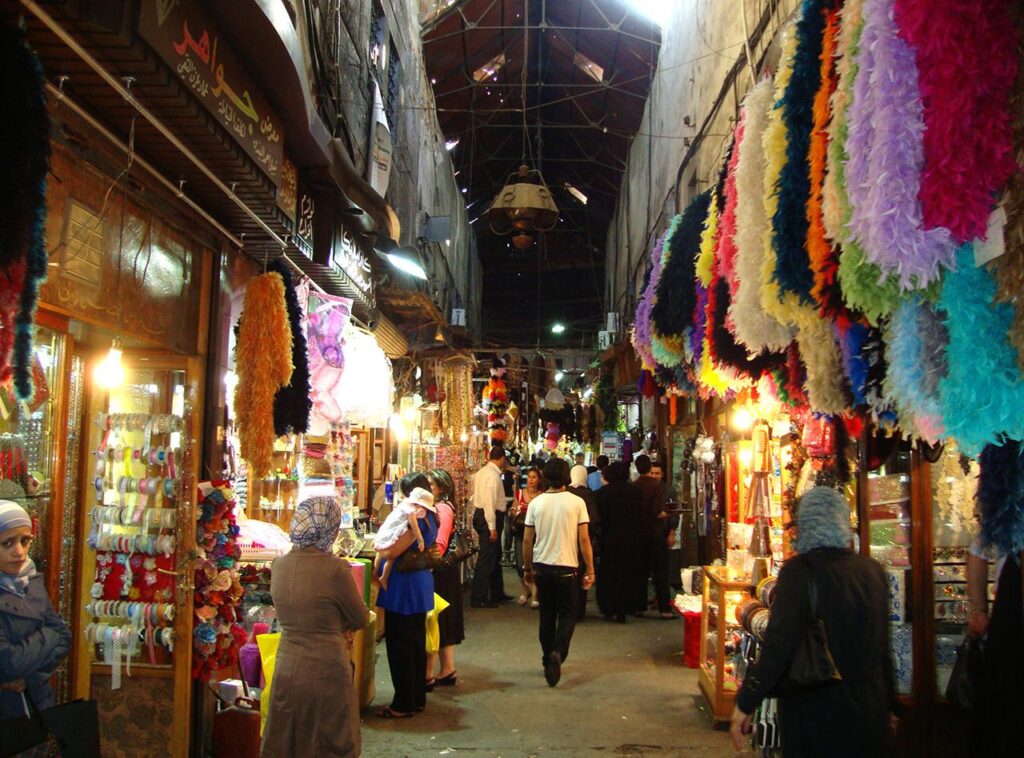
Among the most elegant of the Damascus Traditional Markets, Souk al-Harir—literally “The Silk Market”—once stood at the heart of the city’s thriving silk and textile trade between the 12th and 19th centuries. It was here that merchants and artisans crafted the famed brocarde fabric, a richly woven silk threaded with gold and silver. This luxurious material once adorned royalty and clergy across Europe, becoming one of Damascus’s most prized cultural exports.
Today, Souk al-Harir continues to celebrate that legacy within the vibrant web of Damascus Traditional Markets. Visitors can browse exquisite brocade scarves, dresses, and hand-woven abayas, or watch artisans still working on traditional wooden looms. From embroidered garments to custom-tailored fabrics, every stall tells a story of craftsmanship, heritage, and the enduring elegance of Damascene silk.
Souk al-Qasabiyyin


Nestled behind the Umayyad Mosque, Souk al-Qasabiyyin is one of the most enchanting corners of the Damascus Traditional Markets. For centuries, this narrow alleyway has been home to perfumers, herbalists, and alchemists who mastered the art of blending fragrances and natural remedies. The air here is thick with history and scent—a living museum of aromas once traded along the Silk Road.
Visitors exploring the Damascus Traditional Markets will find shelves lined with frankincense, myrrh, jasmine oil, and delicate bottles of attar (rose oil). Local perfumers invite travelers to mix their own signature scent, preserving an ancient Damascene tradition where perfume-making is both a craft and a form of art.
Souk Midhat Pasha
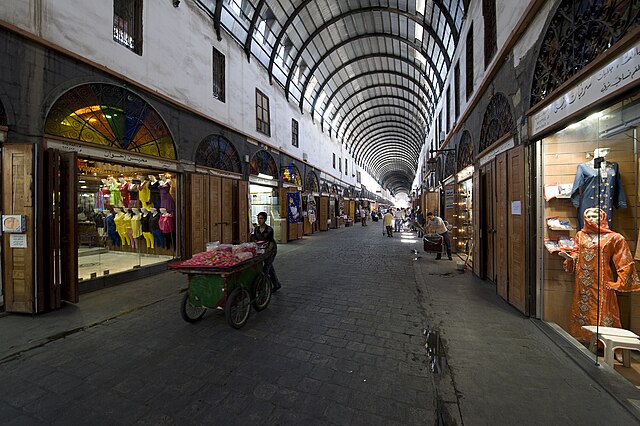
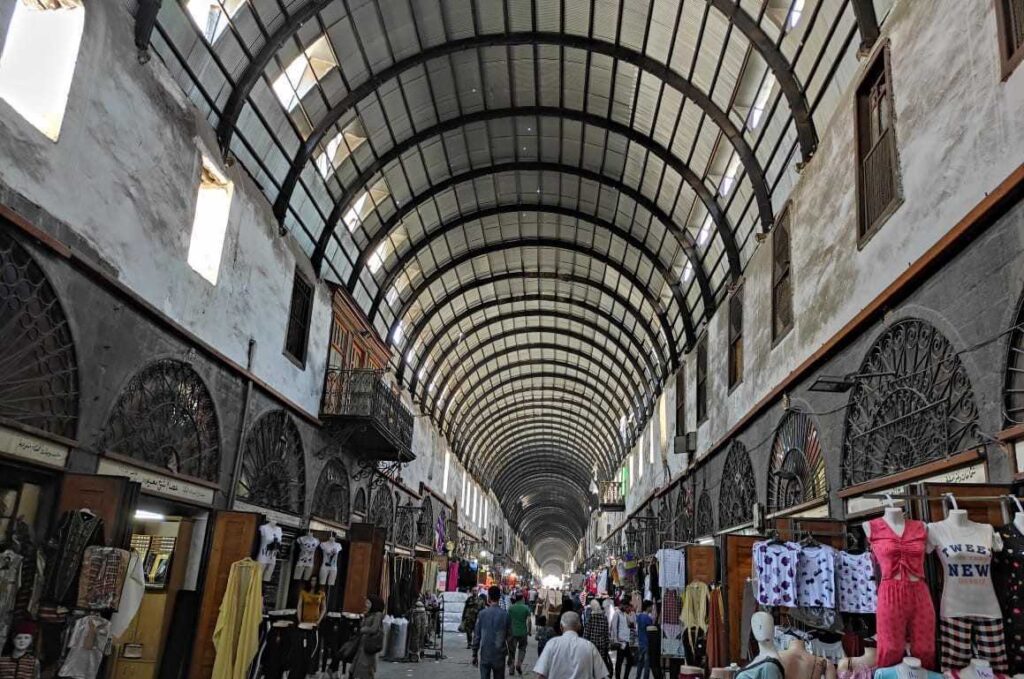
Stretching along the path of the ancient Via Recta, Souk Midhat Pasha is one of the oldest and most historically rich parts of the Damascus Traditional Markets. Once called Souk al-Tawil (the Long Market), this vibrant thoroughfare dates back to Roman times and was renamed during the Ottoman era in honor of Governor Midhat Pasha. Walking through it feels like traveling through layers of history—Roman, Islamic, and Ottoman—all blending seamlessly in the daily rhythm of Damascus life.
Among the Damascus Traditional Markets, this souk offers a more authentic and less touristy experience. Visitors can find household goods, traditional sweets, handmade leather slippers, and local crafts while mingling with merchants who have carried on their family trade for generations. The market’s southern end opens toward Bab Sharqi, where history, culture, and commerce meet in perfect harmony.
See Also: Khan As’ad Pasha
Souk Sarouja
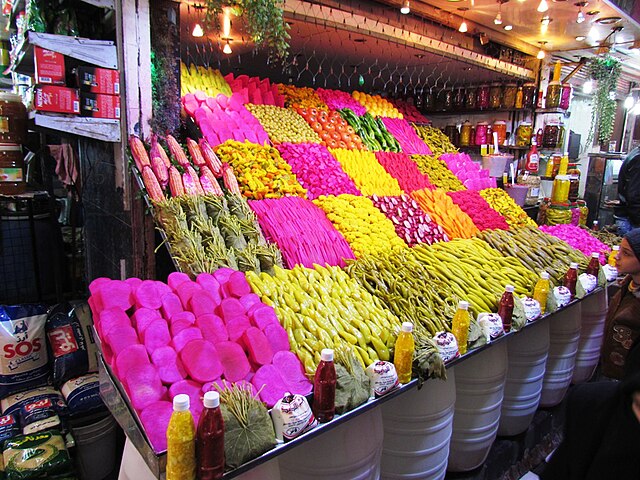
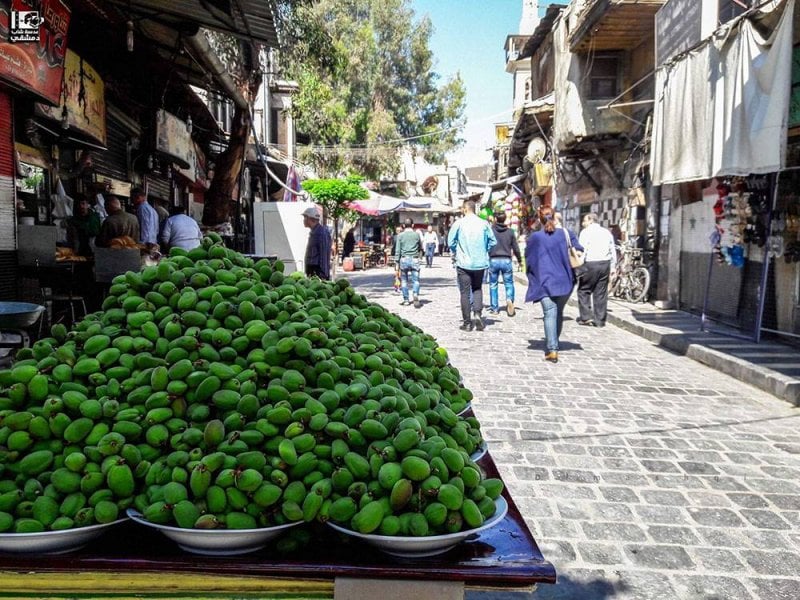
Just beyond the northern walls of the Old City lies Souk Sarouja, one of the most atmospheric corners of the Damascus Traditional Markets. Dating back to the Mamluk era, this district was once known as the “Paris of the East” for its graceful architecture, intellectual vibrancy, and refined urban charm. Even today, walking through its alleys reveals glimpses of a bygone era where merchants, poets, and travelers once gathered.
Among the Damascus Traditional Markets, Souk Sarouja stands out for its antiques and timeless craftsmanship. Visitors can explore shops filled with rare books, Qur’ans, manuscripts, hand-hammered brassware, and vintage rugs. Despite recent damage, the souk still preserves the essence of old Damascus, where history lives on through restored hammams and Ottoman-era caravanserais that now host cultural and artistic spaces.
Traditional Crafts and Artisanship
What makes Damascus markets extraordinary is not just the products—but the people behind them. Many artisans in the Old City are masters of ancestral crafts, such as:
- Wood inlay work (marquetry) using mother-of-pearl
- Glass blowing and colored lanterns
- Calligraphy on leather and parchment
- Copper engraving by hand with Arabic patterns
Visitors are often welcomed into workshops to observe or participate in short demonstrations.
Tips for Visiting the Souks
Best Time to Visit
- Mornings (9 AM – 12 PM) are great for photography and peaceful browsing.
- Late afternoons (4 PM – 7 PM) bring more energy and social buzz.
- Avoid Fridays, when many stalls close for prayers.
What to Wear and Bring
- Wear comfortable walking shoes—many paths are uneven.
- Dress modestly, especially when visiting religious areas nearby.
- Bring cash, as many shops don’t accept cards.
- Use a translator app or basic Arabic phrases—locals appreciate the effort.
Bargaining Culture
Haggling is a part of the experience—but always keep it respectful. A friendly exchange can lead to discounts and good conversation.
Safety and Hospitality
Markets are safe and welcoming. Shopkeepers are known for their hospitality—offering tea, sharing stories, or helping tourists find their way. It’s not unusual to be invited to sit down and learn about the history behind an item you’re buying.
Cultural Etiquette
- Ask permission before taking photos of people or inside stores.
- Avoid eating or drinking in public during Ramadan hours.
- Be mindful of gender norms—while markets are mixed, conservative manners are appreciated.
Final Thoughts
The traditional markets of Damascus are far more than retail destinations—they are living museums, cultural schools, and sacred spaces. Every alley has a story, every scent evokes history, and every handcrafted object carries a memory of Syria’s deep artistic soul.
For tourists, exploring these souks is one of the most rewarding experiences in Damascus—an opportunity to connect with the city’s heart, one shop at a time.
Finally.. If you have any questions, please contact us. To explore further, visit our website gallery for rare images and cultural highlights.
Sources & References:
UNESCO – World Heritage Centre: https://whc.unesco.org
Archnet – Architecture & Heritage Database: https://www.archnet.org
World History Encyclopedia: https://www.worldhistory.org
Syrian Heritage Archive Project: https://syrian-heritage.org
Global Encyclopedia: Wikipedia