Deir Mar Musa: Located in the arid hills of Al-Nabk, about 80 kilometers north of Damascus, Deir Mar Musa al-Habashi (The Monastery of Saint Moses the Abyssinian) is one of Syria’s most extraordinary spiritual and cultural landmarks. Isolated, peaceful, and ancient, Deir Mar Musa offers a profound retreat for travelers seeking meaning, quiet, and beauty — both natural and spiritual.
Founded over a millennium ago, rebuilt with devotion, and reopened to all faiths, Deir Mar Musa is far more than a historic site. It is a living monastery that welcomes dialogue, hospitality, and reflection. Today, Deir Mar Musa continues to stand as a beacon of peace and understanding — a place where history, faith, and the stillness of the desert come together in timeless harmony.
Deir Mar Musa | Quick Info.
| Topic | Quick Info |
|---|---|
| Name | Deir Mar Musa al-Habashi (Monastery of Saint Moses the Abyssinian) / دير مار موسى الحبشي |
| Location | In the desert mountains near Al-Nabk, about 80 km north of Damascus, Syria |
| Founded / Rebuilt | Originally founded in the 6th century CE, restored in the 11th–12th centuries, and revived in modern times (1980s) |
| Founder | Associated with Saint Moses the Abyssinian (Mar Musa al-Habashi) |
| Function | Monastery and interfaith spiritual retreat promoting dialogue, prayer, and hospitality |
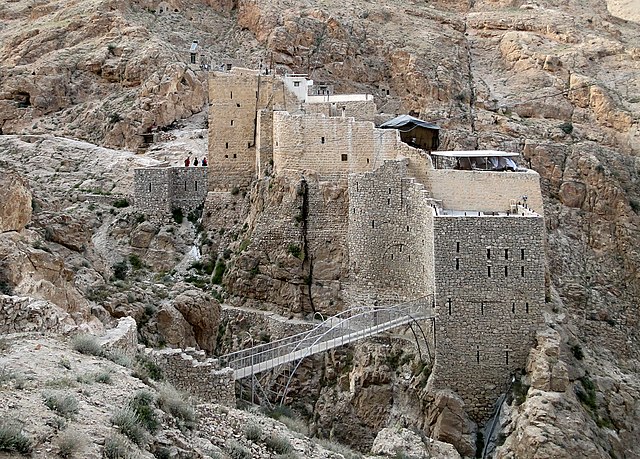
| Architecture | Stone monastery complex clinging to a cliff; includes a church with ancient frescoes from the 11th–12th centuries |
| Significance | One of Syria’s most important Christian monastic sites, blending spirituality, history, and desert landscape |
| Current Use | Active monastic community open to visitors of all faiths for meditation and cultural exchange |
Introduction to Deir Mar Musa
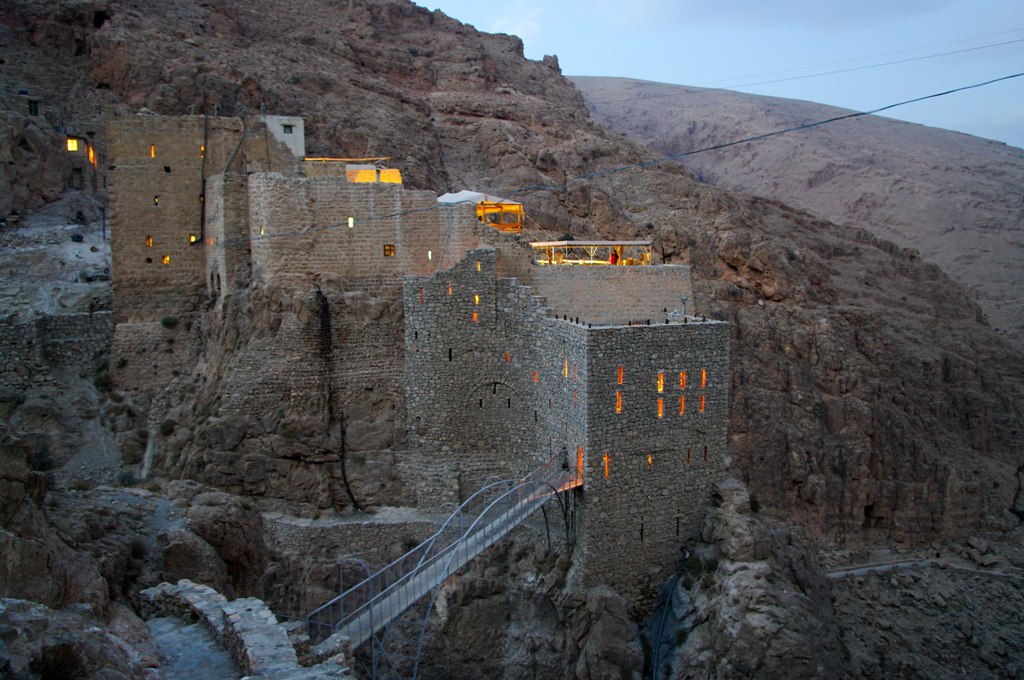
Where It Is and What Makes It Unique
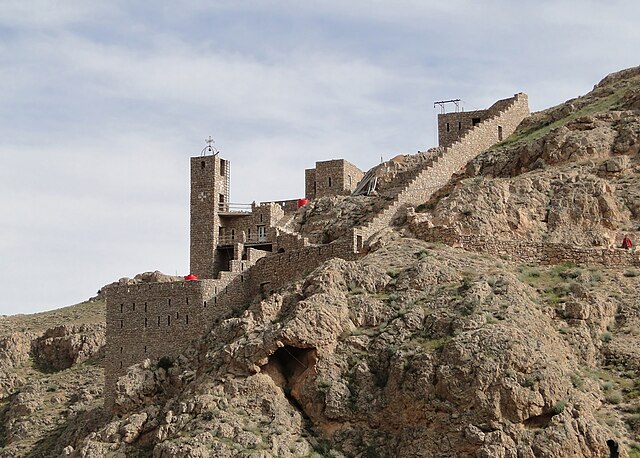
Deir Mar Musa is located high above the desert plateau in the mountains overlooking Al-Nabk, a town along the ancient caravan route that once connected Damascus to Palmyra. Unlike many Christian monasteries that are easily accessible by road, reaching Deir Mar Musa requires a short hike up a rocky path. This ascent — modest but symbolic — prepares visitors for a deeply contemplative experience.
What makes the monastery remarkable is not only its dramatic setting but also its interfaith spirit, hospitality, and the living community of monks and nuns who continue its enduring mission of peace.
Historical Background
Origins in the 6th Century
The site Deir Mar Musa was originally established as a hermitage during the 6th century, though the current buildings largely date to the 11th century. The monastery was named after Saint Moses the Abyssinian, an Ethiopian Christian who, according to tradition, lived a life of solitude, humility, and service in the Syrian desert.
It was used by Christian monks for centuries before falling into disuse during the Ottoman period and eventually becoming abandoned.
Restoration in the Late 20th Century
The revival of Deir Mar Musa began in the early 1980s when Father Paolo Dall’Oglio, an Italian Jesuit priest, initiated the restoration of the monastery as both a physical sanctuary and a spiritual center for Muslim-Christian dialogue. With the help of local residents, he repaired the ancient stone walls, preserved the frescoes, and built a community grounded in hospitality and peace.
Over time, Deir Mar Musa became a beacon for pilgrims, volunteers, researchers, and travelers from around the world — a living symbol of interfaith understanding and the enduring power of shared spirituality.
Architecture and Art
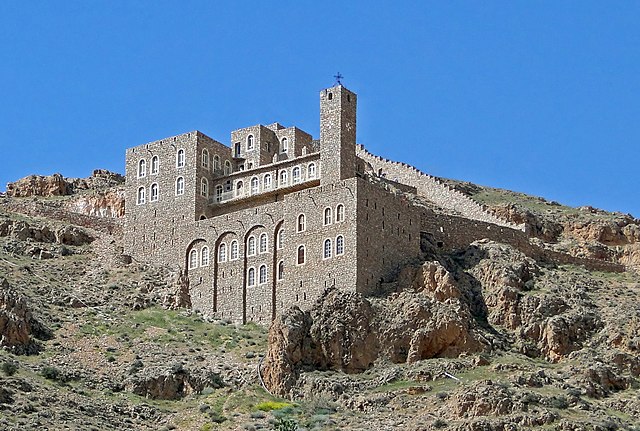
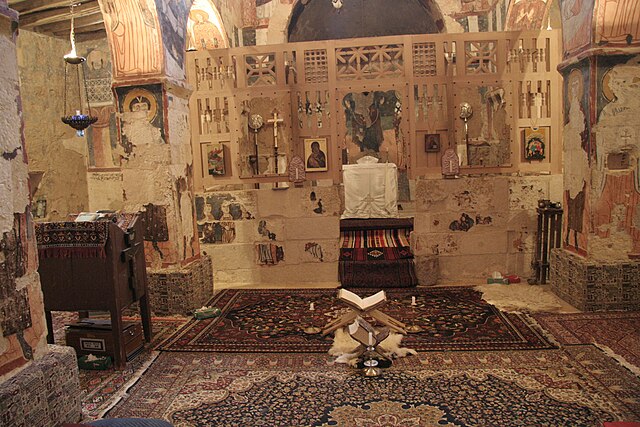
A Cliffside Wonder
The monastery clings to a mountainside overlooking the barren desert landscape, and its architecture reflects both Byzantine and local Syrian traditions. Built mostly of stone, it features arched halls, flat rooftops, small cells, and a central church.
The dramatic location offers incredible panoramic views, especially at sunrise and sunset. The sense of isolation is both humbling and meditative.
The Monastic Church and Its Frescoes
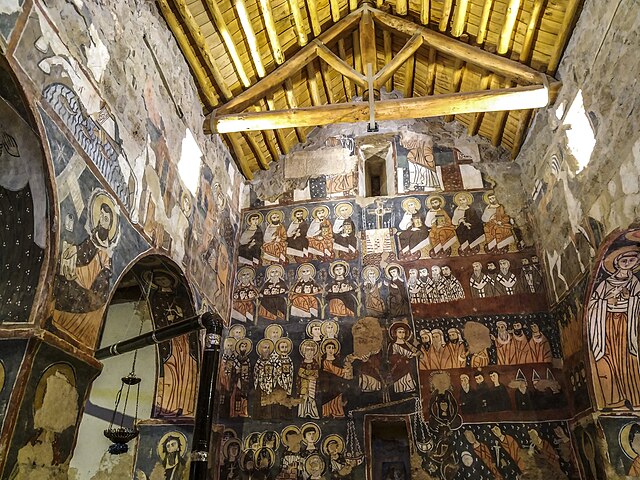
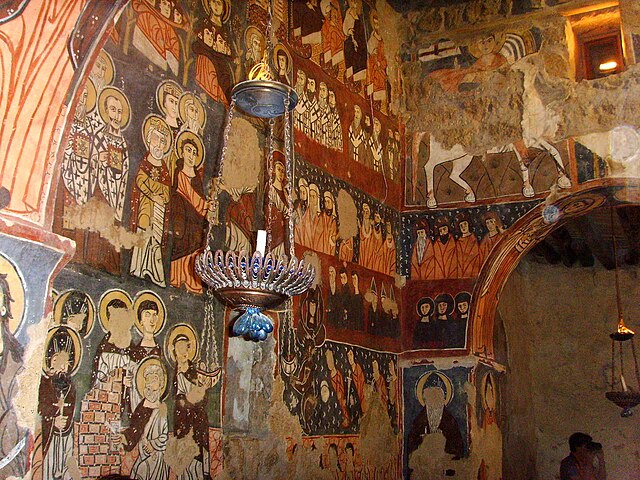
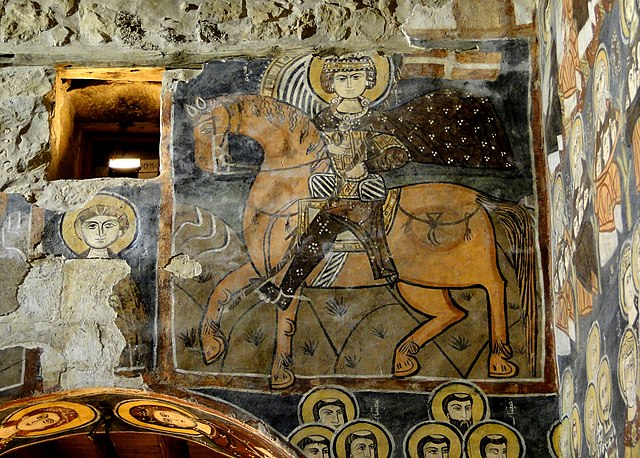
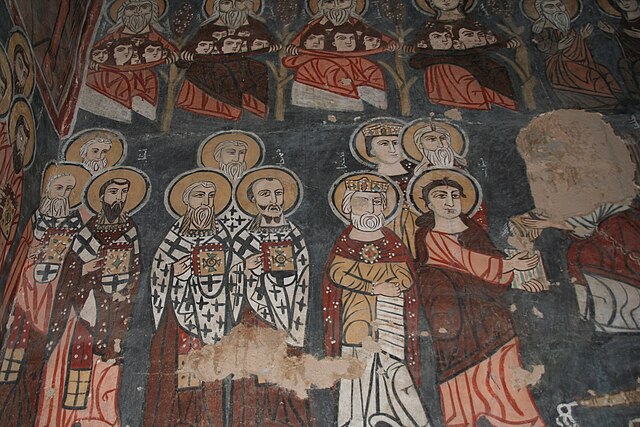
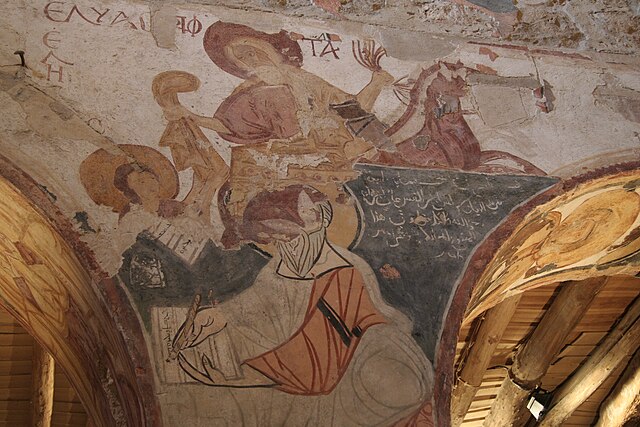
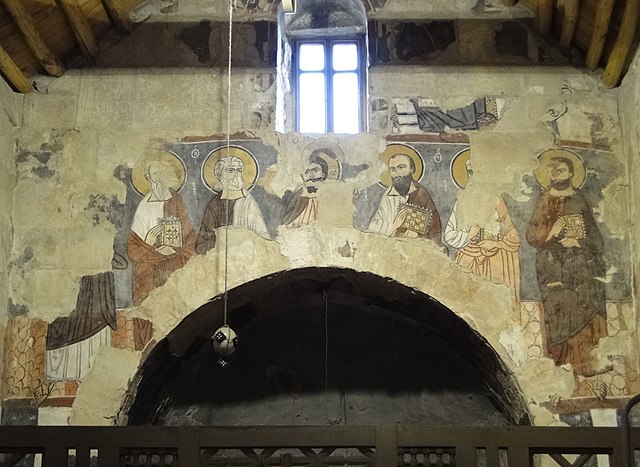
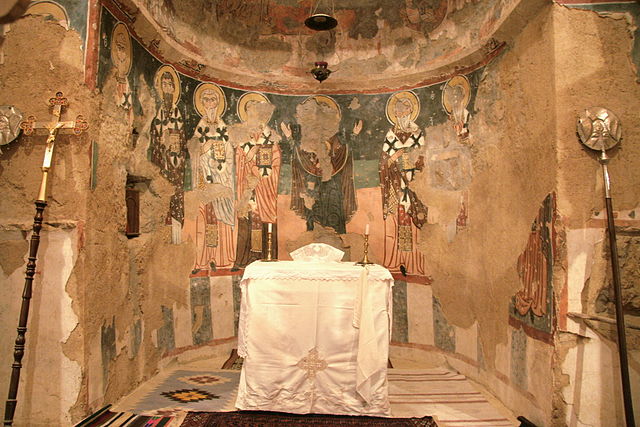
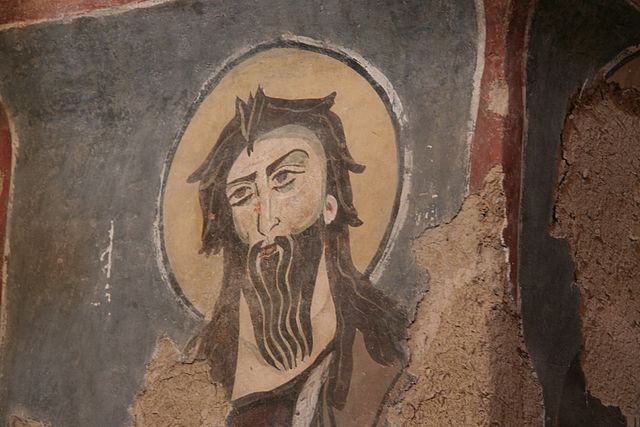
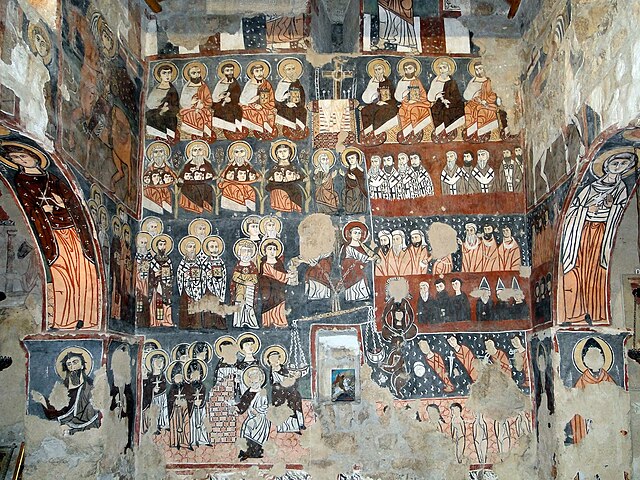
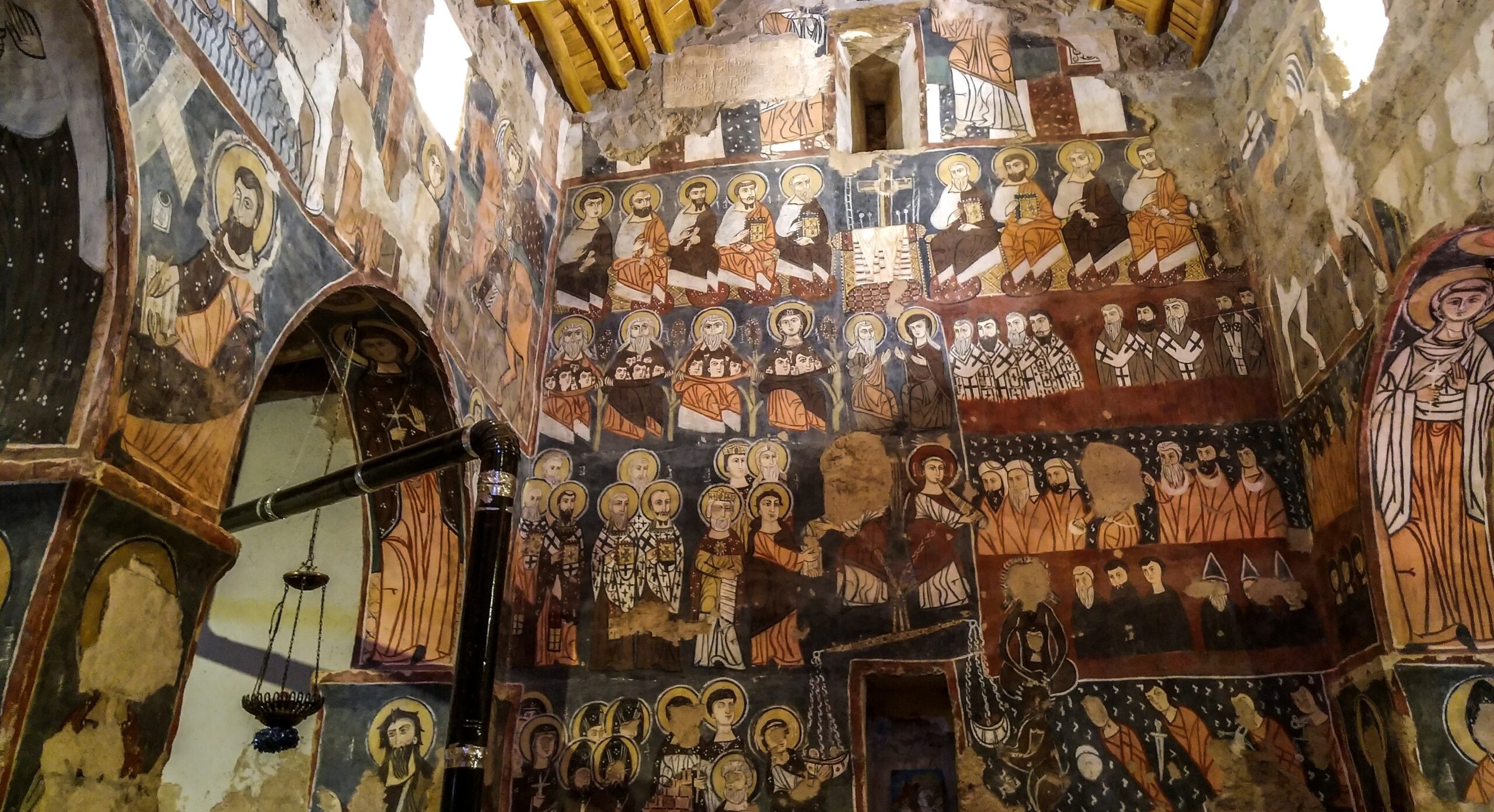
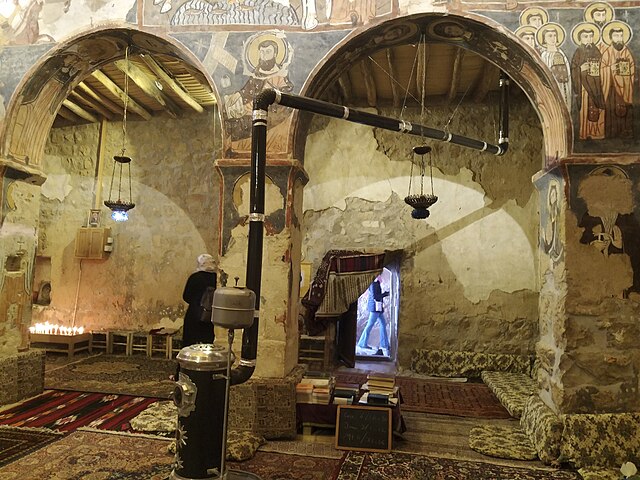
At the heart of the complex is the Church of Saint Moses, a small but beautiful place of worship filled with 11th and 12th-century frescoes. These murals depict scenes from the New Testament, the lives of saints, and theological symbols. Despite centuries of wear, many frescoes remain vibrant and moving.
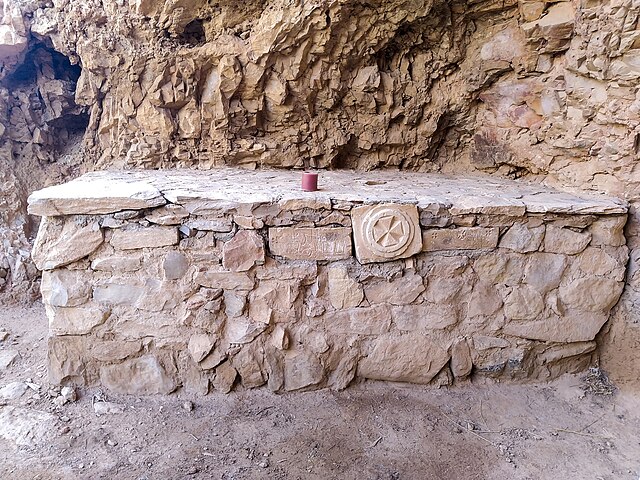
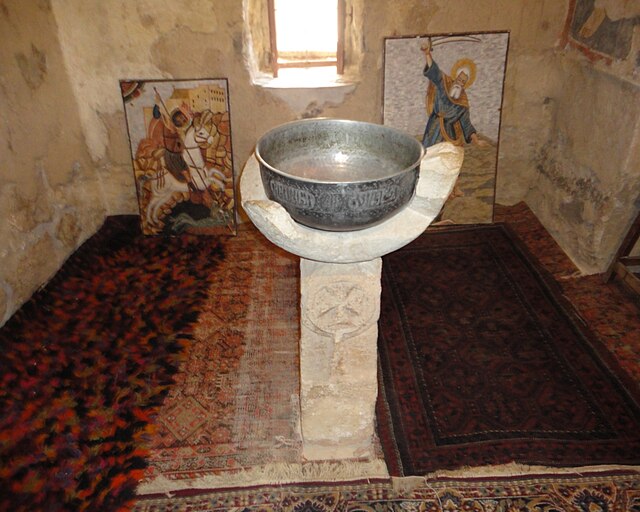
The sanctuary is quiet, lit by oil lamps and candles, and infused with the scent of stone, incense, and silence. Visitors often sit in peaceful reflection or participate in the monastery’s evening prayers and chants.
The Spiritual Experience
Hospitality and Shared Life
One of the monastery’s core values is open hospitality. Visitors are welcomed regardless of their background or beliefs. Accommodations are simple but comfortable, with shared meals, communal spaces, and opportunities for spiritual conversations or solitary retreat.
Guests often participate in daily activities such as:
- Shared prayer or meditation
- Gardening or maintenance tasks
- Silent reflection on the terraces
- Discussions with monks, nuns, or other guests
Interfaith Dialogue and Peace
Mar Musa is internationally respected for its promotion of peaceful coexistence between Christians and Muslims. The community holds interreligious seminars, ecological initiatives, and cultural exchanges aimed at bridging divides through shared values of compassion, simplicity, and justice.
Many travelers report that a stay at Mar Musa is among the most transformative experiences of their lives.
Things to Do at Mar Musa

Hiking and Scenic Views
Reaching the monastery involves a 20–30 minute uphill hike from the parking area near Al-Nabk. The path is clearly marked, and while not overly difficult, it requires basic fitness. Along the way, you’ll enjoy views of:
- Rugged desert landscapes
- Dry river valleys (wadis)
- Local flora like thyme and wild herbs
Once at the monastery, you can explore walking trails, rest in shaded areas, and enjoy breathtaking sunsets and stargazing.
Explore the Library and Museum Room
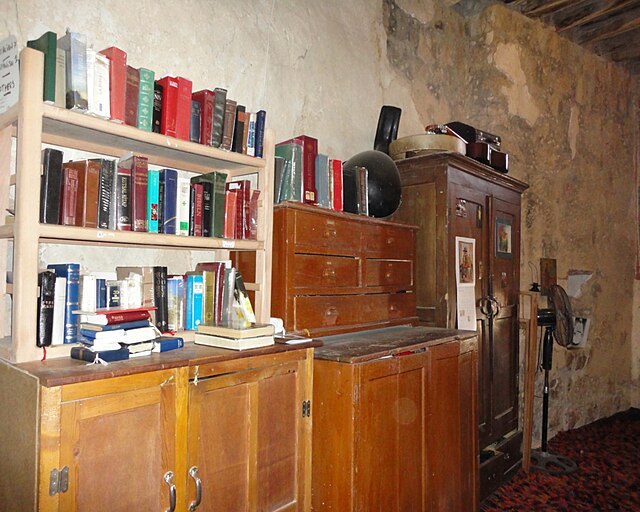
The monastery contains a small library with books on theology, desert spirituality, and Arabic literature. There is also a heritage room where artifacts and photographs document the history of Mar Musa and its restoration.
Participate in Monastic Life
Travelers are welcome to observe or join:
- Evening liturgy or chants in Arabic and Syriac
- Meals prepared from local, vegetarian ingredients
- Conversations with the religious community about faith, peace, and daily life
How to Get There
Distance from Damascus
Mar Musa is located about 80 km (50 miles) north of Damascus and can be reached in 1.5 to 2 hours by car, depending on traffic and road conditions.
Transportation Options
- Private taxi or driver: Best option for convenience and time flexibility
- Group tour: Some Damascus-based agencies offer day trips to Mar Musa and Al-Nabk
- Public transport: Buses to Al-Nabk are available, but you’ll need local transport from town to the monastery path
Once in Al-Nabk, locals can help you locate the start of the trail. It is recommended to arrive early in the day to allow enough time for the full experience.
Best Time to Visit
- Spring (March–May): Ideal for weather and blooming desert flowers
- Autumn (September–November): Cool, dry, and peaceful
- Summer: Very hot, but still manageable early in the morning
- Winter: Cold, with occasional snow and wind — limited hiking but spiritual stillness
For overnight visitors, bring warm layers, especially outside of summer months.
See Also: Deir Mar Jerjes
Visitor Tips and Etiquette
- Wear modest, respectful clothing (long sleeves and pants recommended)
- Be prepared for walking uphill and bring water
- Silence is respected in certain areas — phones should be kept on silent mode
- Visitors are encouraged to disconnect digitally and engage in presence
- Meals are usually vegetarian and simple, with fresh bread, cheese, herbs, and fruit
If you plan to stay overnight, it’s best to email the monastery in advance, although walk-in guests are often welcomed when space allows.
A Hidden Jewel of Desert Spirituality
Deir Mar Musa is not just a place to visit — it is a place to experience. Surrounded by silence and sunlight, carved into the rock of the Syrian desert, it invites travelers to pause, breathe, and reconnect with something deeper.
Whether you are a spiritual seeker, an architecture lover, or simply a curious traveler, Deir Mar Musa leaves a lasting impression. Its peaceful monks and nuns, the frescoed church, and the ancient stones all remind visitors that sacredness still thrives in quiet places, far from the noise of the world.
Finally.. If you have any questions, please contact us. To explore further, visit our website gallery for rare images and cultural highlights.
Sources & References:
UNESCO – World Heritage Centre: https://whc.unesco.org
Archnet – Architecture & Heritage Database: https://www.archnet.org
World History Encyclopedia: https://www.worldhistory.org
Syrian Heritage Archive Project: https://syrian-heritage.org
Global Encyclopedia: Wikipedia