Shahba and Qanawat : For travelers with a passion for history and archaeology, Syria offers some of the richest and most underappreciated sites in the world. While destinations like Palmyra and Bosra often receive the spotlight, Shahba and Qanawat in the southern province of As-Suwayda promise a quieter yet equally captivating experience. Just under two hours from Damascus, the ancient Roman cities of Shahba and Qanawat stand out for their remarkably preserved ruins, imperial heritage, and untouched atmosphere. This guide invites you to explore Shahba and Qanawat—two hidden gems offering an authentic, off-the-beaten-path archaeological journey through Syria’s Roman past.
Shahba and Qanawat | Quick Info
| Topic | Quick Info |
|---|---|
| Names | Shahba and Qanawat / شهبا و القنوات |
| Location | As-Suwayda Province, southern Syria – about 90 km south of Damascus |
| Historical Period | Roman Era (1st–3rd century CE) |
| Founder / Patron | Shahba was founded by Emperor Philip the Arab (c. 244–249 CE) as his hometown city; Qanawat was an earlier Nabataean and later Roman settlement |
| Archaeological Highlights | Temples, theaters, colonnaded streets, baths, and basalt architecture |
| Cultural Role | Centers of Roman urban planning and imperial culture in southern Syria |
| Current Status | Well-preserved archaeological sites surrounded by rural landscapes, open to visitors |
| Significance | Among the best-preserved Roman cities in Syria, offering an authentic and less-crowded archaeological experience |
Shahba: The Forgotten Roman Imperial City
Birthplace of an Emperor
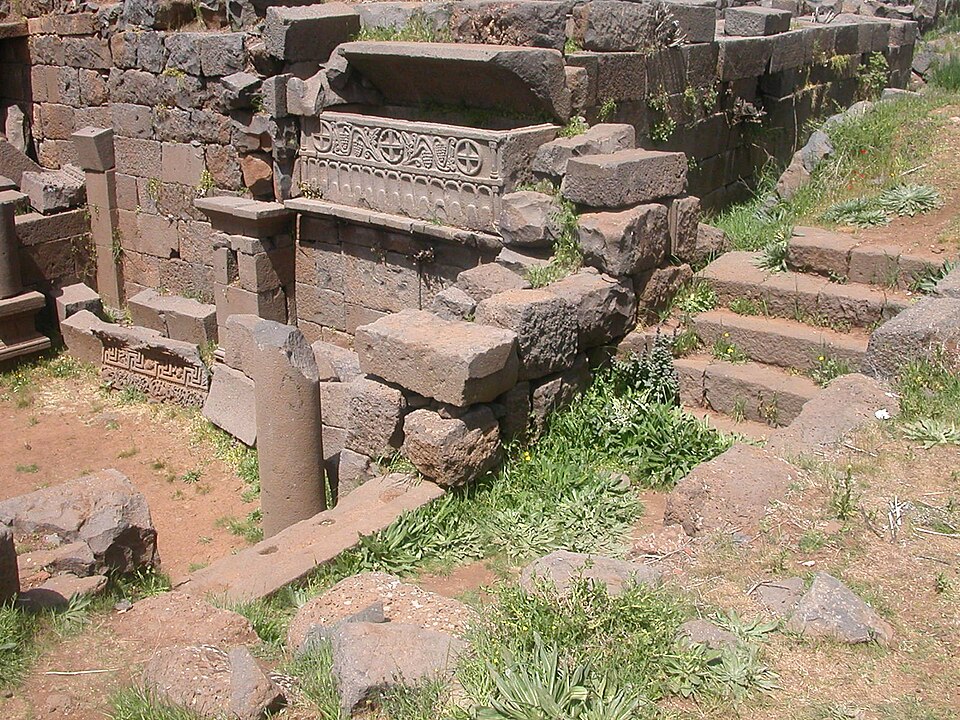
Shahba, known in antiquity as Philippopolis, is unique in Syrian history. It was the birthplace of the Roman Emperor Philip the Arab, who ruled from 244 to 249 AD. As a tribute to his homeland, Philip initiated a grand urban development project in Shahba, intending to transform the modest village into a full-fledged Roman city. The city was built following the Roman grid plan and featured a complete set of public buildings, including temples, baths, and a theater.
Roman Urban Design
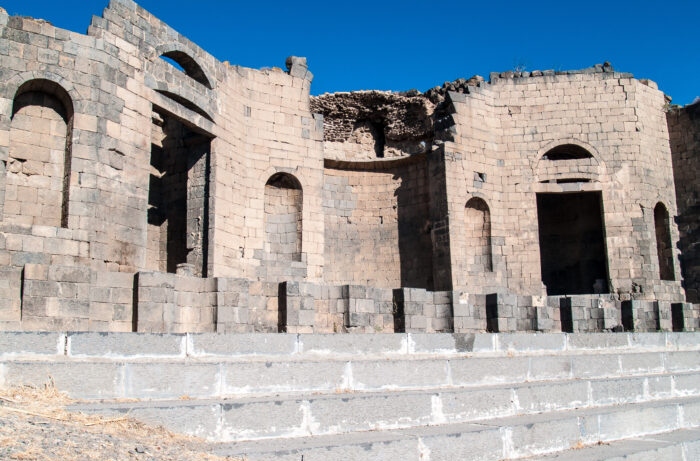
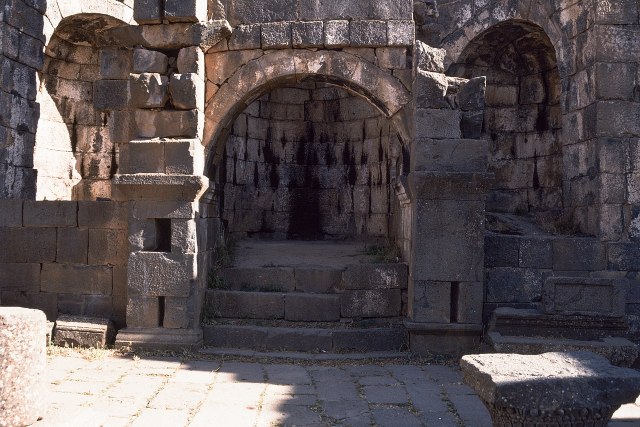
The layout of Shahba still follows the classic Roman plan:
- A cardo maximus, the main north-south street
- A decumanus, running east-west, intersecting the cardo at the city center
- Public spaces, temples, and entertainment structures strategically placed along these axes
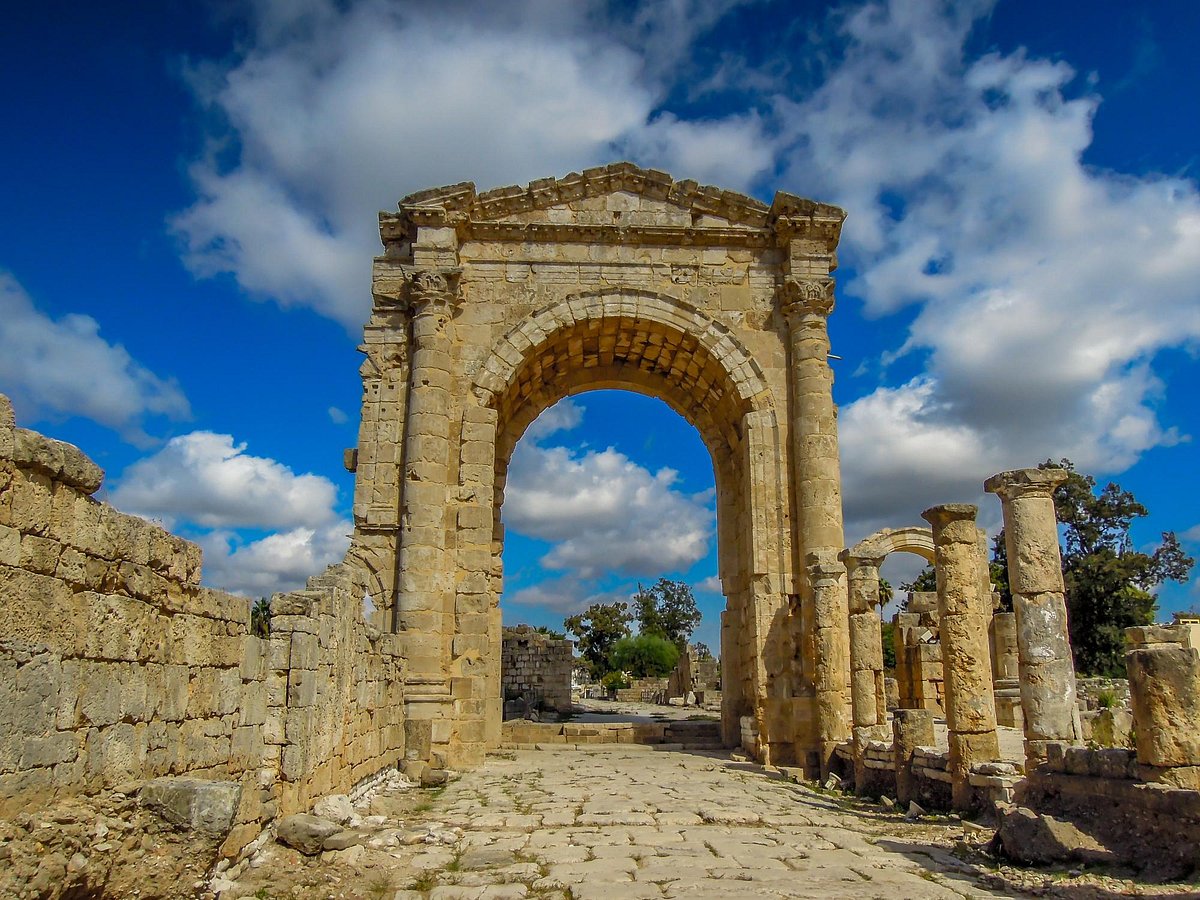
Walking through Shahba today, visitors can still see the faint outlines of these streets, now covered in local homes and fields, with ancient columns and stones repurposed into modern life.
The Theater of Shahba
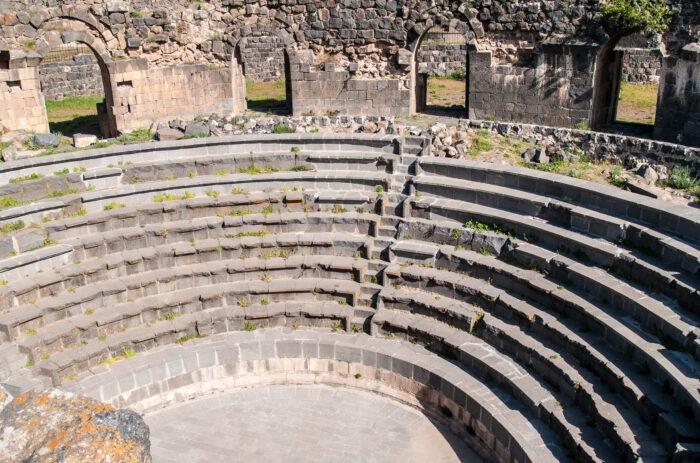
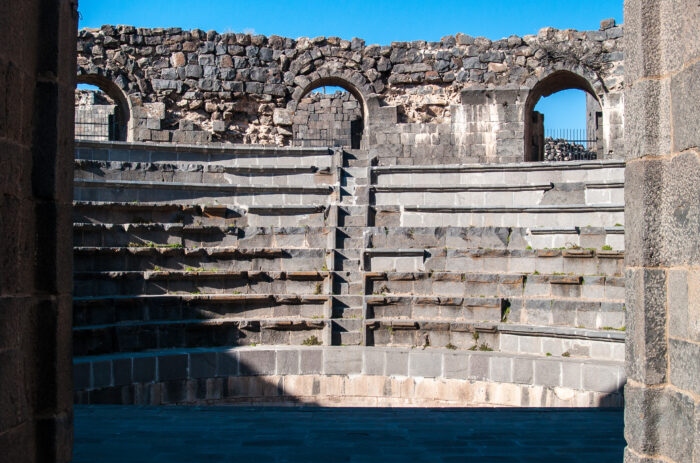
Located on the edge of the archaeological site, the Roman theater in Shahba is small but remarkably preserved. Built into a natural slope, the theater has several rows of seating and a stage area, providing a glimpse into Roman cultural life in this remote part of the empire.
Though not as large as the theaters in Bosra or Palmyra, it is significant for being part of an integrated imperial vision by a Roman emperor born in Syria. It also provides a quiet, meditative space with no tourist crowds, ideal for those who want to reflect on the passage of civilizations.
The Mosaic Museum of Shahba
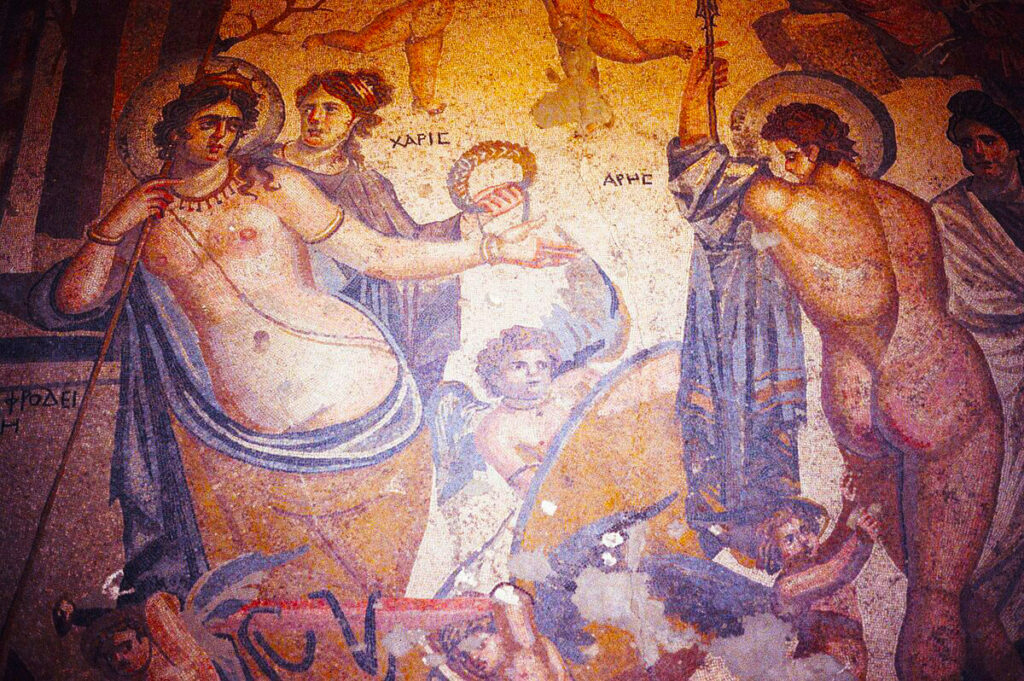
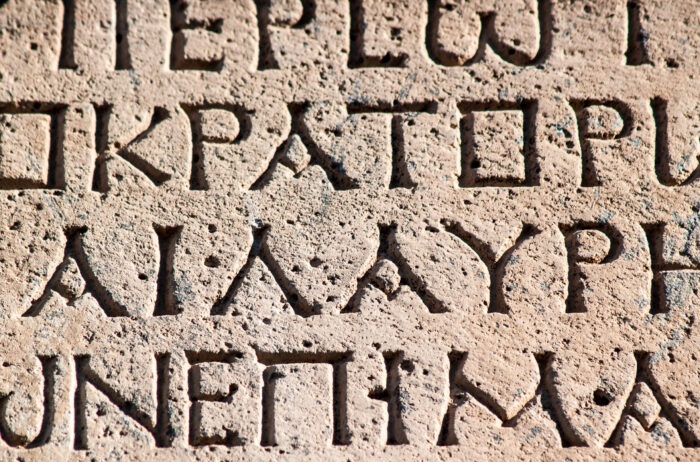
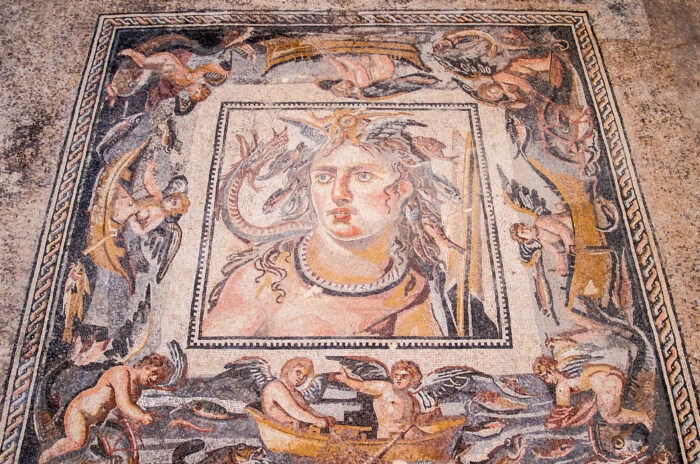
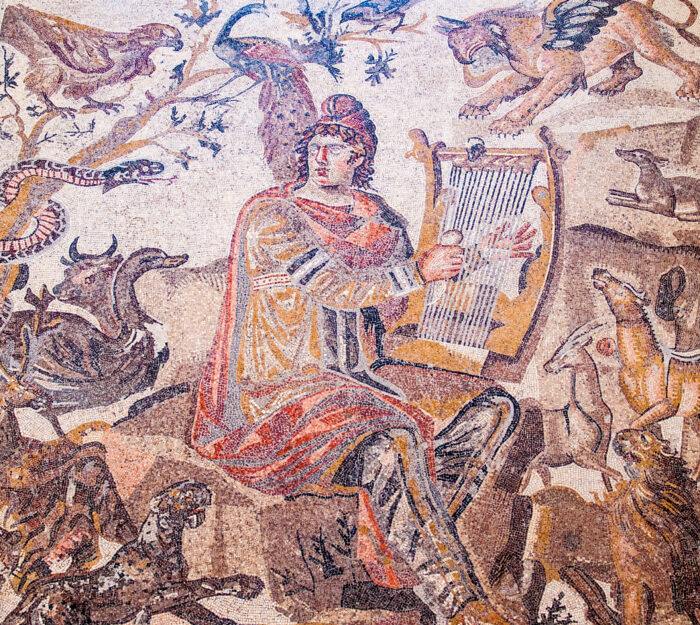
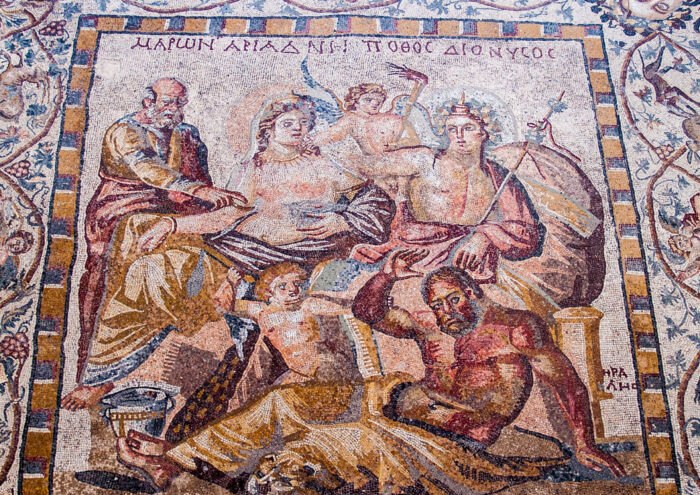
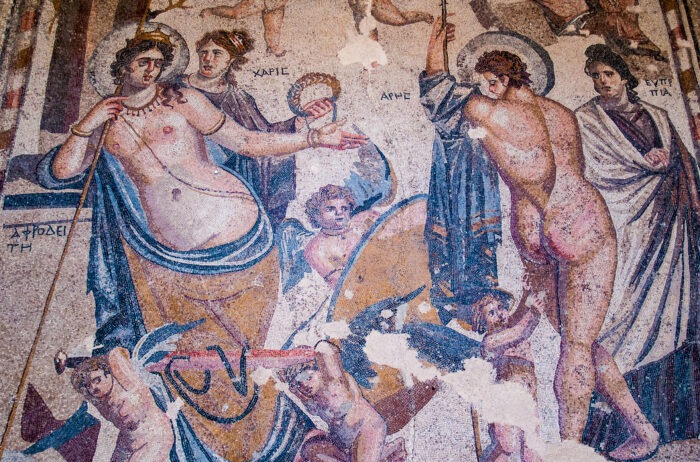
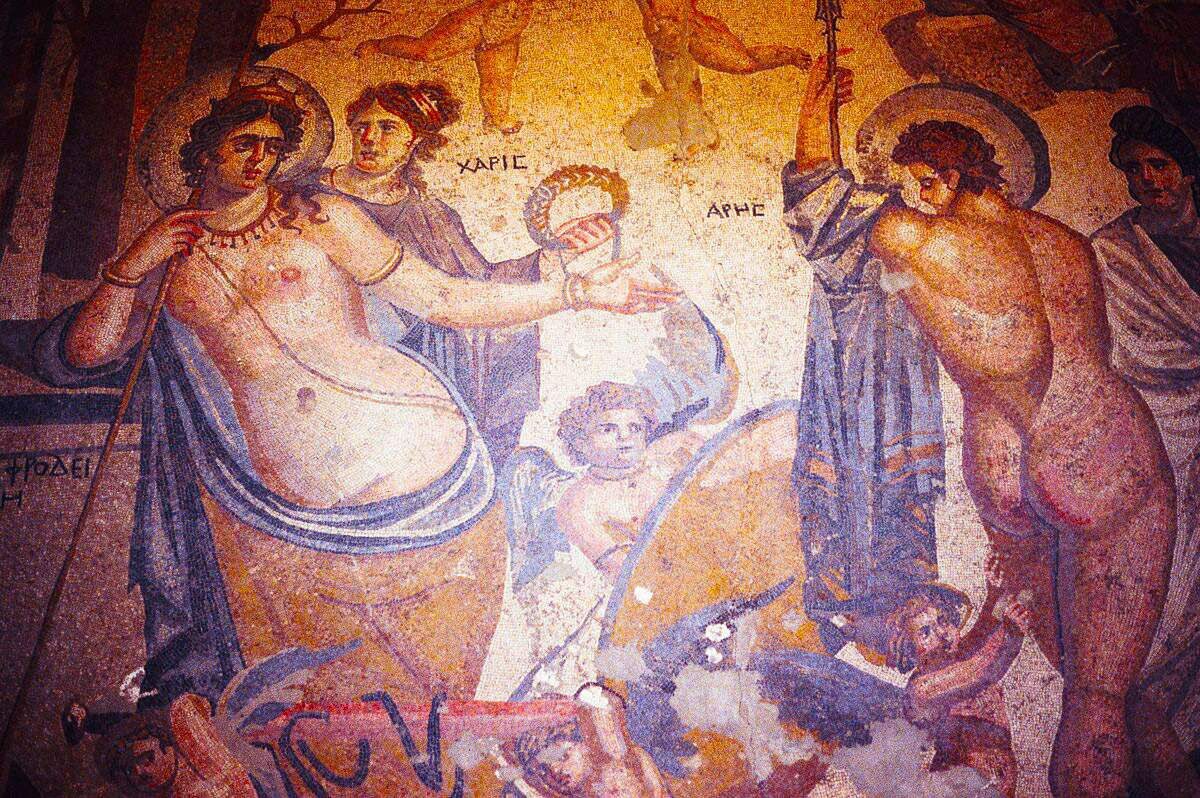
One of the true highlights of Shahba is the Shahba Mosaic Museum, which houses some of the finest examples of Roman and early Byzantine mosaic art in Syria. The museum is built around the original location of the mosaics, which were uncovered in a Roman villa.
Key features include:
- The Orpheus Mosaic, showing the legendary figure playing music surrounded by animals and mythological creatures
- Other scenes depicting gods, heroes, and daily life, crafted with extraordinary detail and vibrant colors
These mosaics rival those of Antioch and Palmyra and are a testament to the artistic sophistication of the region.
Temples and Baths
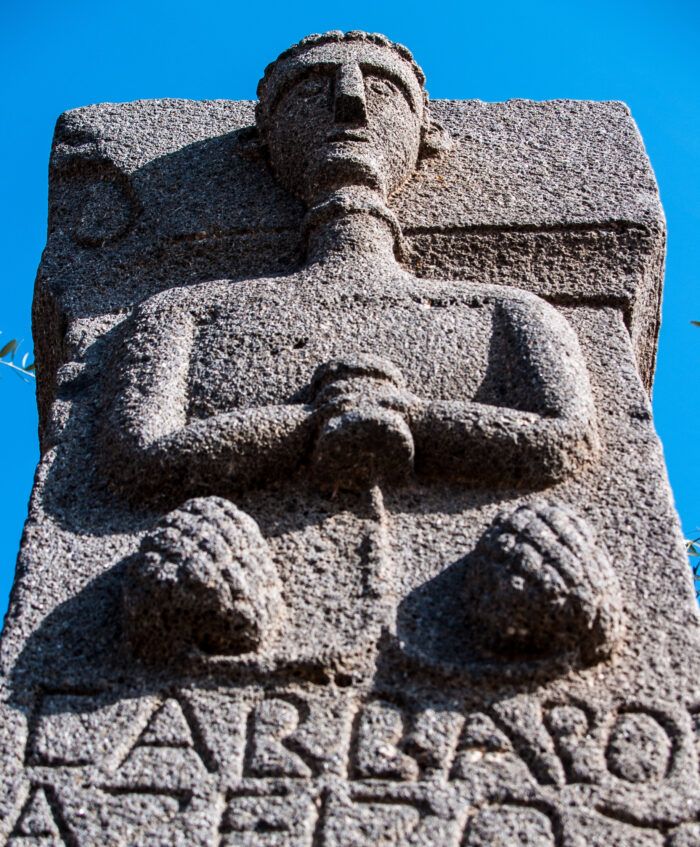
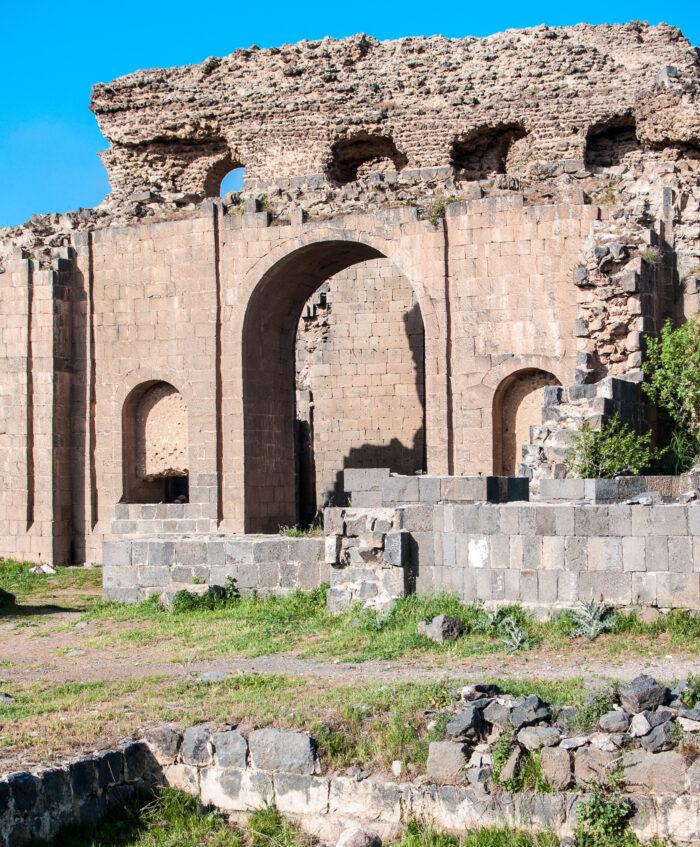
Archaeological remains of Roman temples, some likely dedicated to local deities or Roman gods like Jupiter or Venus, can still be found scattered across Shahba. There are also remnants of a Roman bath complex, with water channels, flooring, and fragments of the heating system visible.
Modern Village Life
Part of Shahba’s charm lies in the way its ruins intermingle with everyday village life. Children play on Roman columns, and local residents are often happy to offer information or a cup of tea. This blending of ancient and modern adds an authentic and warm layer to any visit.
Qanawat: A City of Temples
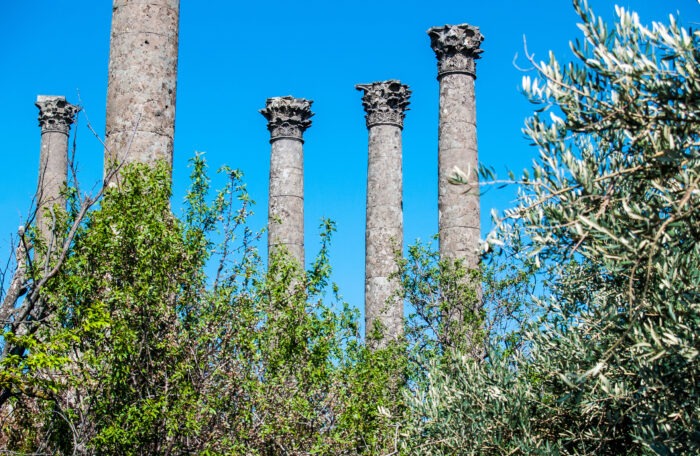
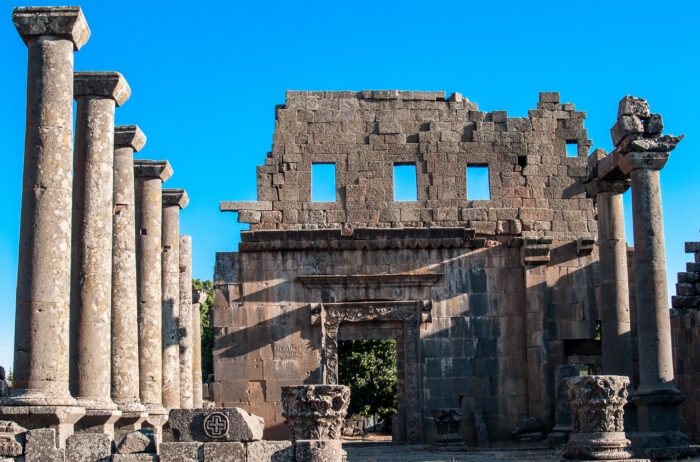
Qanawat, located about 7 kilometers northeast of As-Suwayda city, is another remarkable archaeological site that dates back to the Nabatean and Roman periods. Unlike Shahba, which was an imperial project, Qanawat grew organically as a religious and administrative center.
The site is famous for its monumental architecture, particularly its temples and civic buildings. Its elevated position and proximity to mountain springs made it an attractive location for settlement and religious devotion.
The Temple of Rabbos
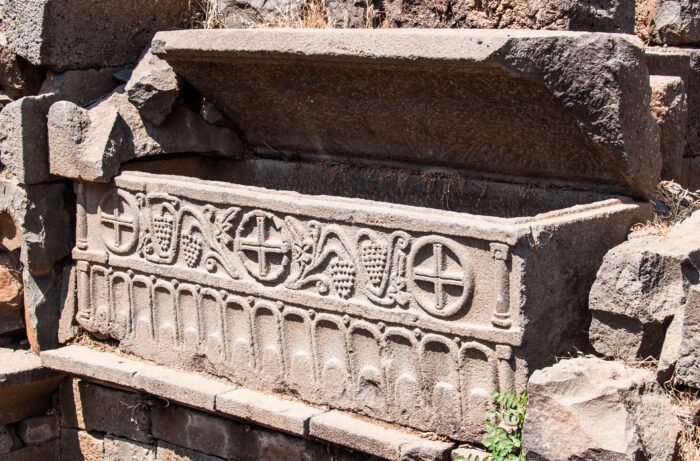
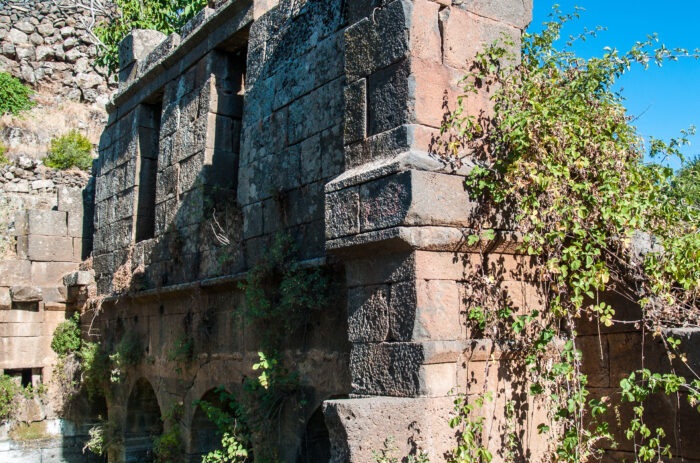
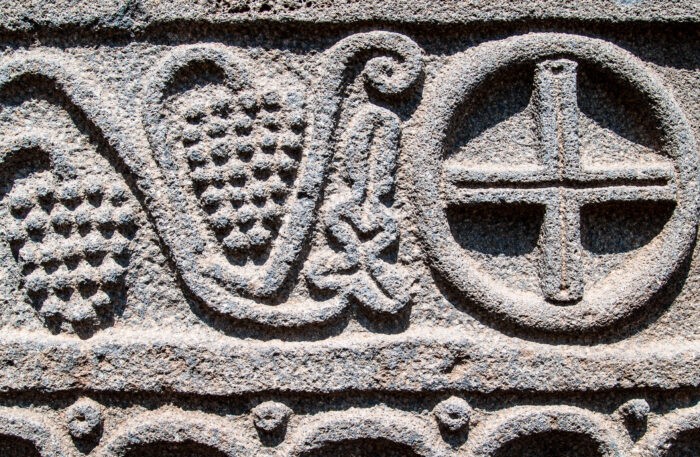
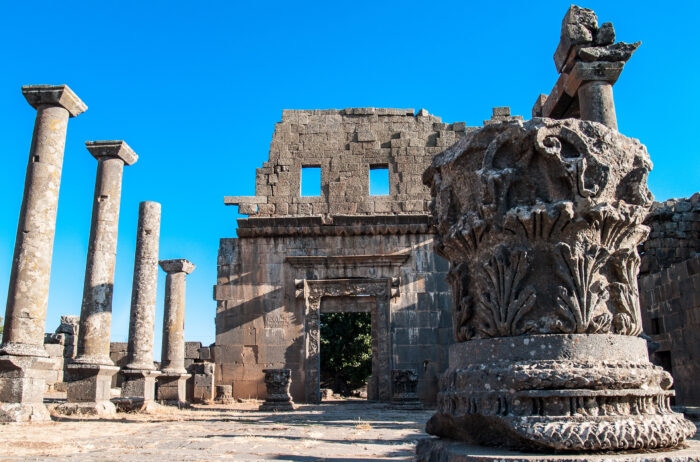
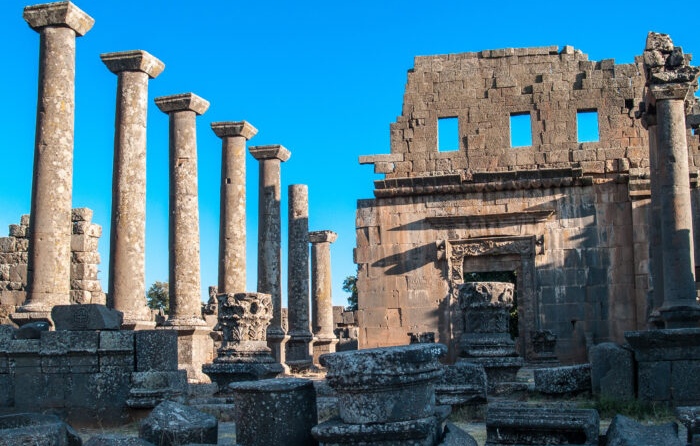
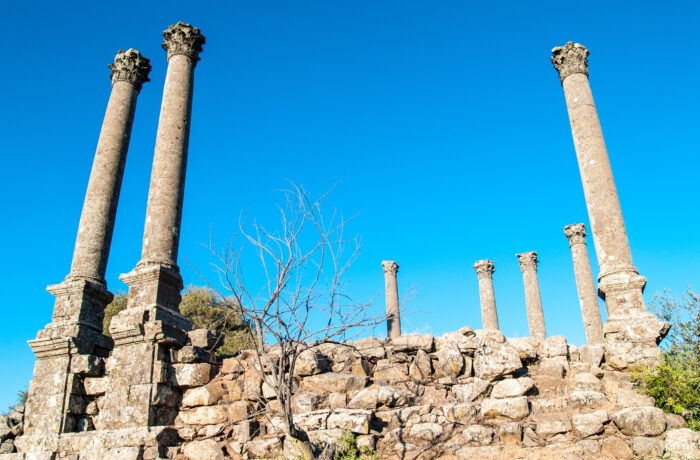
Arguably the most iconic structure in Qanawat, the Temple of Rabbos is a massive Roman sanctuary dedicated to an ancient local god. The temple complex includes:
- A large colonnaded courtyard
- A main sanctuary area with remnants of high columns
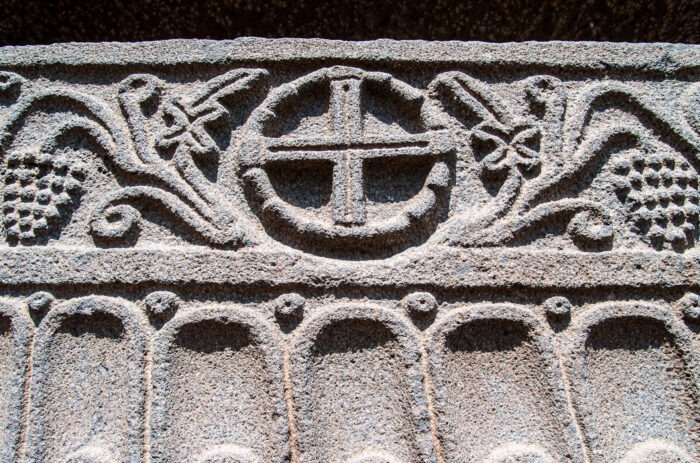
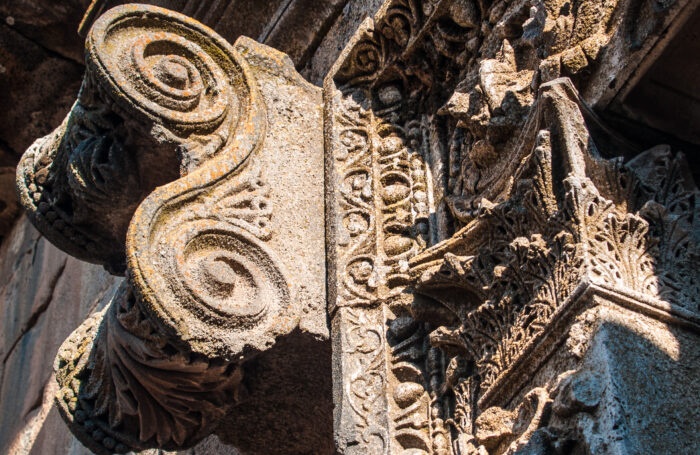
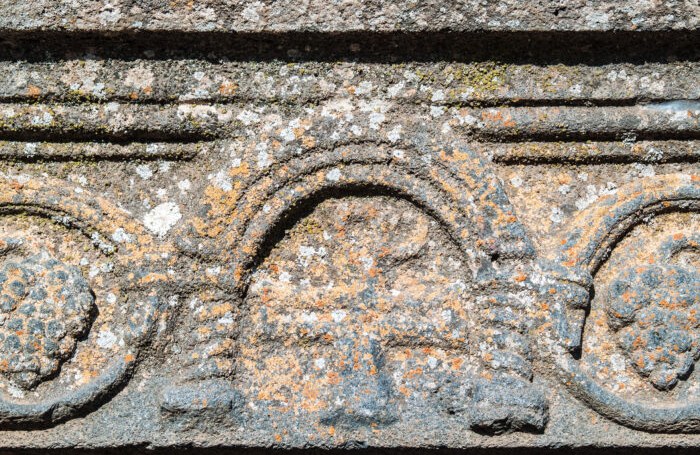
- Decorative stonework showing both Roman and Eastern stylistic influences
Though partially ruined, the temple’s scale and atmosphere remain deeply impressive.
The Byzantine Basilica
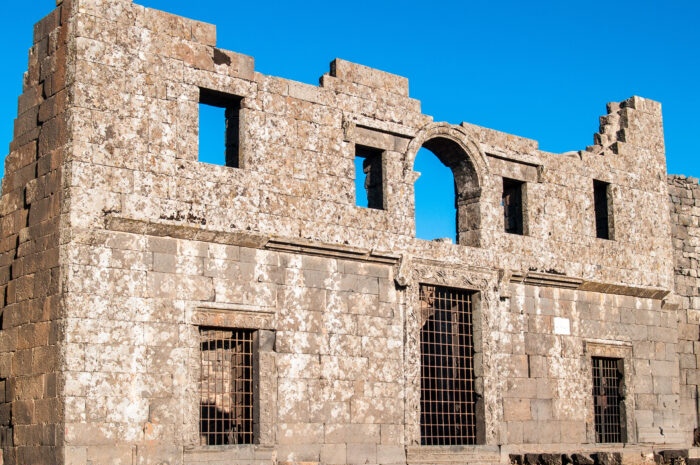
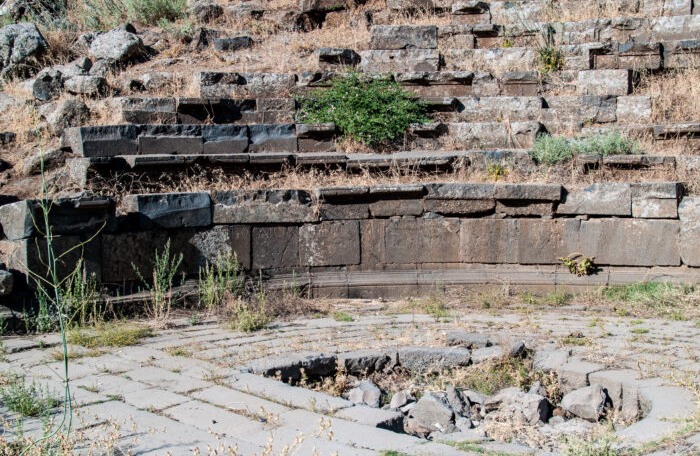
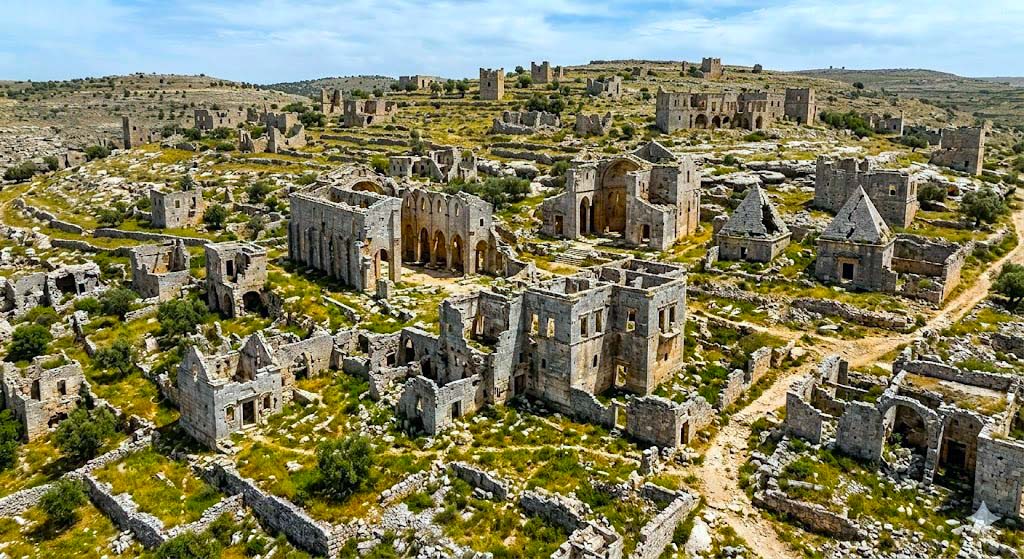
Among the few churches that remain from early Christian Syria, the Byzantine basilica at Qanawat is a significant structure. Its layout and semi-preserved columns illustrate the shift in religious architecture from pagan temples to Christian churches. You can still trace the nave and aisles, as well as parts of the apse and stone altar.
The Roman Aqueduct and Water System
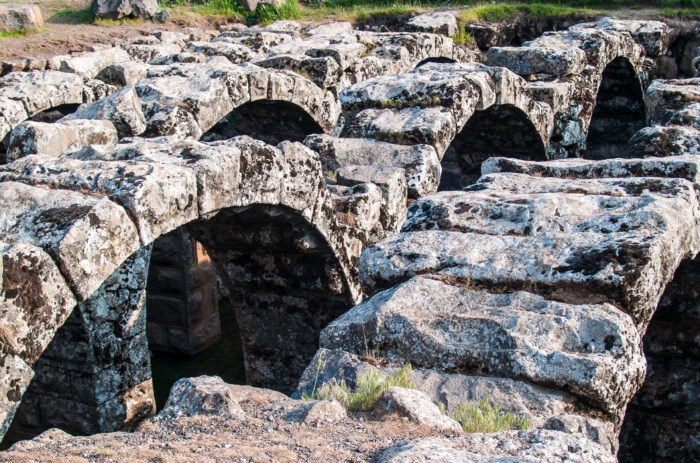
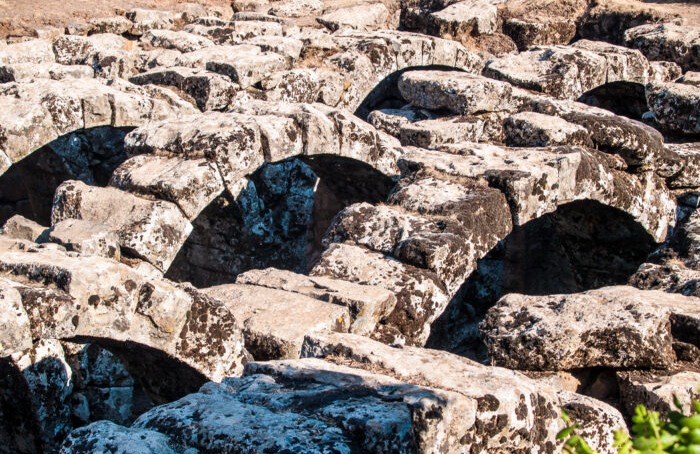
Qanawat is home to one of the most sophisticated water systems in southern Syria. The aqueduct runs through the town, bringing fresh mountain water to its ancient residents. Visitors can still walk along parts of the channel, noting its engineering precision.
The Theater and Public Structures
Similar to Shahba, Qanawat also features a small Roman theater, though it is less well-preserved. More striking are the remains of civic buildings:
- Administrative halls
- A possible Roman nymphaeum (fountain house)
- Columns scattered across the hills, creating a dramatic skyline
The site remains largely unexcavated in parts, suggesting that much more lies beneath the surface for future exploration.
How to Visit from Damascus
Distance and Access
Shahba is located approximately 95 kilometers south of Damascus, while Qanawat is slightly farther but still accessible within a single trip. The best way to visit Shahba and Qanawat is by private car or organized tour, as public transport to these villages is limited. Travel time ranges from 1.5 to 2.5 hours depending on traffic and road conditions.
Suggested Itinerary
- Morning: Depart Damascus early and head to Shahba. Explore the theater, walk the Roman streets, and visit the mosaic museum.
- Lunch: Enjoy a traditional meal in Shahba or nearby As-Suwayda city.
- Afternoon: Drive to Qanawat. Visit the Temple of Rabbos, the basilica, and the aqueduct.
- Return: Head back to Damascus before sunset.
Alternatively, consider spending the night in As-Suwayda city for a more relaxed experience.
Best Time to Visit
Spring and early autumn offer the most pleasant weather. In summer, the high elevation helps keep the temperatures more comfortable than in Damascus or Bosra.
What to Bring
- Comfortable walking shoes
- Sunscreen and hat
- Water and snacks
- A camera with wide-angle lens for capturing panoramic ruins
Local Etiquette and Culture
Shahba and Qanawat in Suwayda Province is predominantly Druze, known for their hospitality and respect for tradition. Modest dress and polite behavior are appreciated. Photography is generally allowed at all sites, but it is courteous to ask before photographing people.
Why Shahba and Qanawat Matter
- Uncrowded, Authentic Exploration: Unlike Palmyra or Bosra, Shahba and Qanawat are rarely visited by large tour groups. This allows travelers to explore at their own pace, take uninterrupted photographs, and truly connect with the setting. The quiet streets and preserved ruins of Shahba and Qanawat make every visit feel like a private discovery.
- Rare Glimpses into Rural Roman Syria; Shahba and Qanawat reveal how Roman civilization thrived far beyond major capitals. Their temples, streets, and mosaics demonstrate that cultural sophistication reached deep into the countryside, challenging the notion of these sites as mere provincial towns.
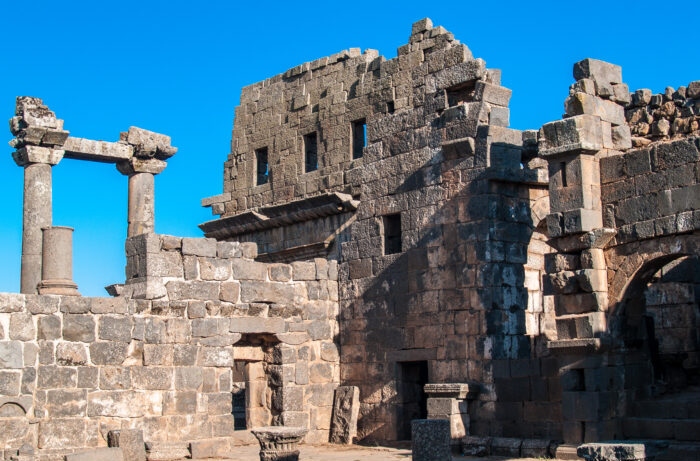
- An Intimate Experience with History: Walking through the ancient basilicas or standing beneath basalt columns that have endured for two thousand years, visitors to Shahba and Qanawat experience a rare closeness to history — one that few major archaeological destinations can offer.
See Also: Bosra Old City
Conclusion
Shahba and Qanawat are hidden archaeological jewels that tell rich stories of emperors, gods, and everyday Roman life in the Syrian south. Their accessibility from Damascus makes them ideal for day trips, and their untouched character adds to their charm. For travelers seeking a deeper understanding of Syria’s Roman legacy beyond the famous landmarks, Shahba and Qanawat offer mystery, majesty, and meaning in equal measure.
Finally.. If you have any questions, please contact us. To explore further, visit our website gallery for rare images and cultural highlights.
Sources & References:
UNESCO – World Heritage Centre: https://whc.unesco.org
Archnet – Architecture & Heritage Database: https://www.archnet.org
World History Encyclopedia: https://www.worldhistory.org
Syrian Heritage Archive Project: https://syrian-heritage.org
Global Encyclopedia: Wikipedia