Ugarit (Ras Shamra) The Bronze Age City That Gave the World an Alphabet: Just a few kilometers north of Latakia on Syria’s Mediterranean coast lies the ruins of Ras Shamra, the ancient city of Ugarit. Though not as famous as Rome or Athens, Ugarit holds a place in world history that few cities can claim. It was here, over 3000 years ago, that one of the world’s earliest alphabets was developed—changing human communication forever.
Today, Ras Shamra is a fascinating destination for travelers interested in archaeology, ancient civilizations, and lost cultures. Walking through its streets is like stepping into a time before empires, when trade, religion, and writing first came together in one of the most advanced cities of the Late Bronze Age.
Ugarit | Quick Info
| Topic | Quick Info |
|---|---|
| Name | Ugarit (Ras Shamra) / أوغاريت – رأس شمرة |
| Location | Near Latakia, on Syria’s Mediterranean coast |
| Historical Period | Late Bronze Age (c. 1450–1200 BCE) |
| Discovery | Excavated in 1928 after a farmer uncovered an ancient tomb |
| Archaeological Importance | Birthplace of one of the world’s earliest alphabets |
| Key Discoveries | Clay tablets with Ugaritic script, palaces, temples, and archives |
| Language & Writing | Ugaritic alphabetic cuneiform, bridging pictographic and phonetic writing systems |
| Role in History | Major port city and cultural bridge between the Mediterranean, Anatolia, and Mesopotamia |
| Current Status | Important archaeological site and open-air museum near Latakia |
| Significance | Offers crucial insight into the origins of alphabetic writing and Late Bronze Age civilization |
Where Is Ras Shamra Located
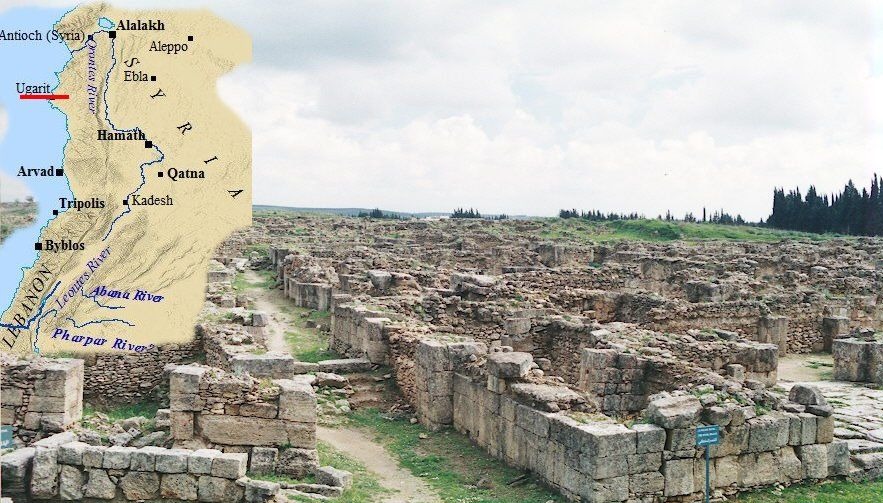
Ras Shamra is located about 10 kilometers north of Latakia, on a hill overlooking the Mediterranean Sea. The name Ras Shamra means “Cape of Fennel” in Arabic, a reference to the wild fennel that grows in the area.
The site is easy to reach from Latakia by car or taxi, and many travelers combine it with visits to nearby coastal attractions or the castles of the interior. Despite its importance, the site remains quiet and peaceful, offering a personal and intimate archaeological experience.
The Discovery of Ugarit
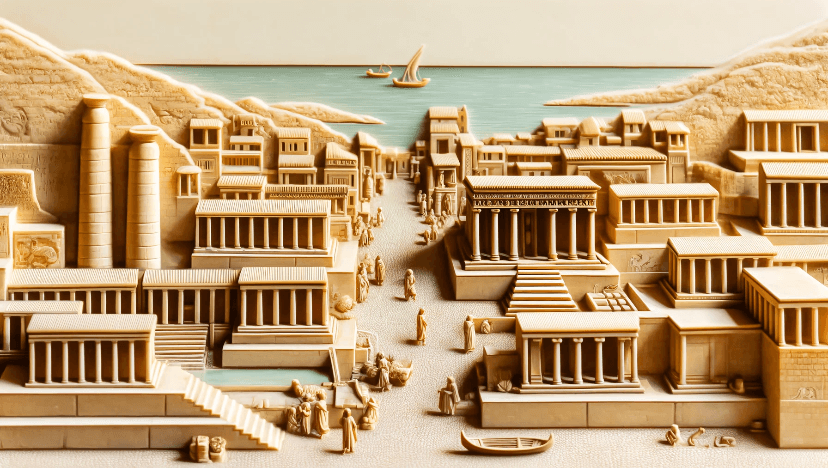
The world knew nothing of Ugarit until 1928, when a local Syrian farmer accidentally uncovered a stone tomb while plowing his field. French archaeologists soon arrived to investigate, and what they uncovered was astounding: the ruins of a large Bronze Age city filled with palaces, temples, and thousands of clay tablets inscribed in a previously unknown alphabetic script.
Over the following decades, excavations revealed that Ugarit had been a powerful port city, a trading center that connected Mesopotamia, Egypt, Anatolia, and the Aegean. It had flourished for centuries before being suddenly destroyed around 1200 BCE, during the mysterious Bronze Age collapse.
The Ugaritic Alphabet A Gift to Civilization
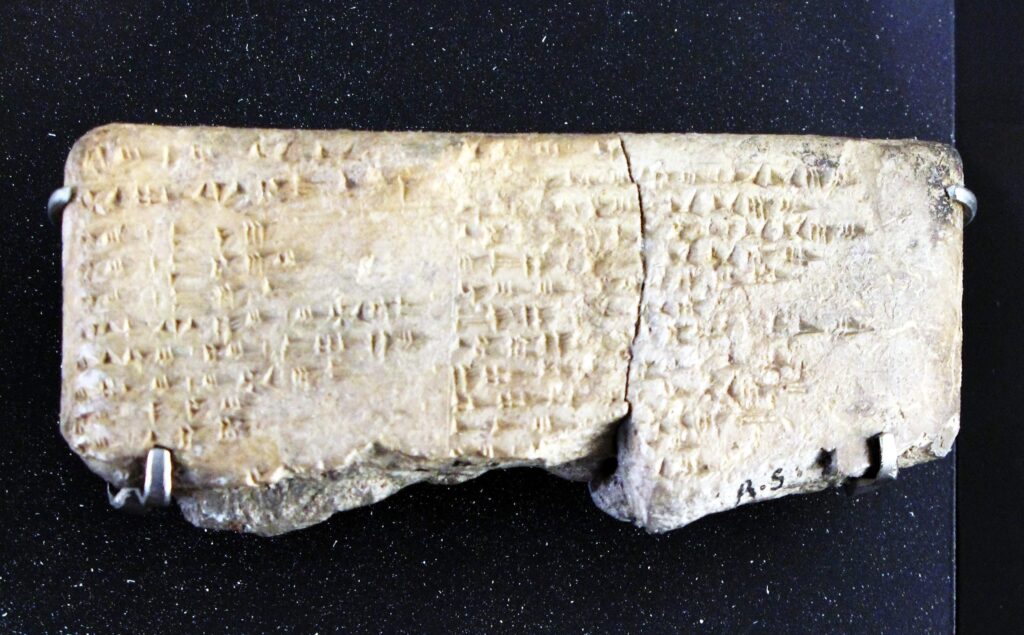
One of the most remarkable discoveries at Ras Shamra was the Ugaritic alphabet, the oldest known fully alphabetic writing system in the world.
Unlike earlier writing systems like cuneiform or Egyptian hieroglyphs, which used hundreds of symbols, the Ugaritic script used only 30 characters, each representing a sound. This made writing and reading faster and more accessible, laying the foundation for modern alphabets, including Phoenician, Greek, Latin, Arabic, and Hebrew.
The Ugaritic tablets cover a wide range of subjects, including religious texts, diplomatic letters, trade records, legal agreements, and myths. Many of these texts were found in the royal palace and temple archives, giving scholars valuable insights into ancient Near Eastern thought and society.
A Thriving Bronze Age Civilization

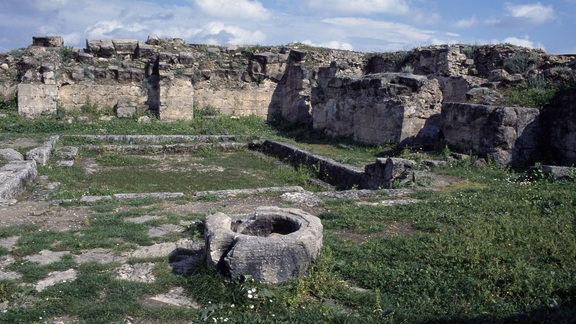
Ugarit was not just an inventor of alphabets. It was also a cosmopolitan, multicultural city that flourished between 1800 and 1200 BCE.
Trade and Diplomacy
Ugarit’s position along the coast made it a hub for maritime trade. Its merchants dealt in goods such as grain, wine, olive oil, copper, ivory, and luxury items, shipping them across the eastern Mediterranean.
The city had diplomatic connections with Egypt, the Hittite Empire, Cyprus, Mesopotamia, and Canaanite city-states. Archaeologists have uncovered diplomatic letters written in Akkadian (the international language of the time) as well as correspondence with pharaohs like Ramses II.
Religion and Mythology
Ugarit was deeply religious, and its myths have influenced later traditions. Many texts discovered in Ras Shamra contain epic poems about gods such as Baal, El, Anat, and Mot—names that appear in later Canaanite and even Biblical traditions.
The Baal Cycle, one of the most famous Ugaritic texts, describes the battle between Baal, the storm god, and Mot, the god of death. These stories offer scholars insight into early Semitic religion and its influence on Judaism and Christianity.
Art and Daily Life
Ugaritic society was organized and hierarchical. The city had kings, scribes, merchants, farmers, and craftsmen. Artifacts discovered on-site include pottery, bronze tools, jewelry, musical instruments, and seals used for trade.
The presence of imported goods from Cyprus, Egypt, and Mycenaean Greece shows just how connected Ugarit was to the wider world.
The Destruction of Ugarit
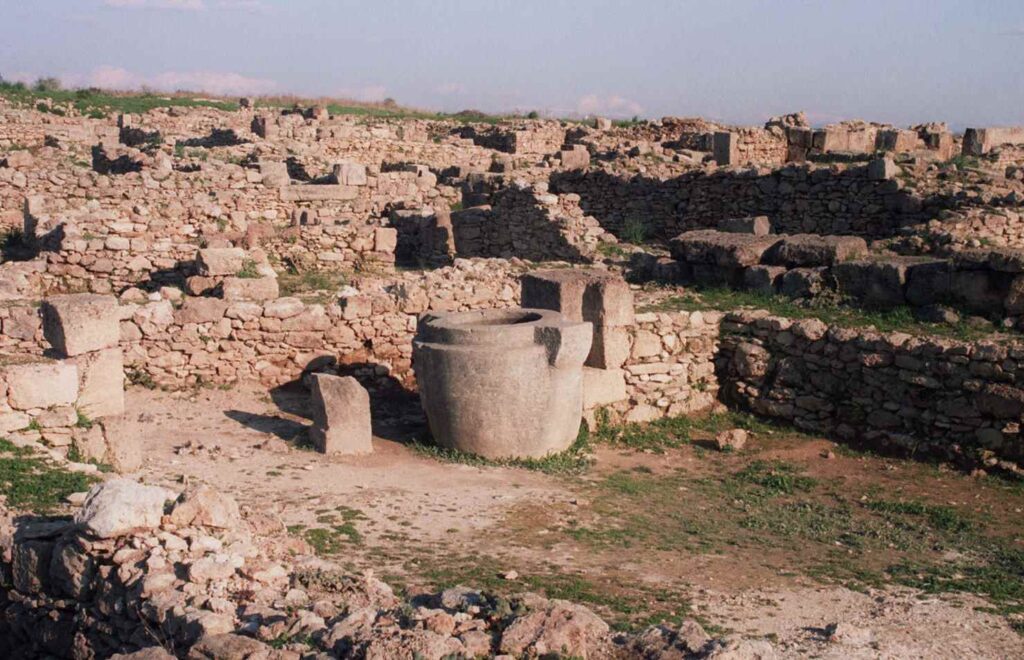
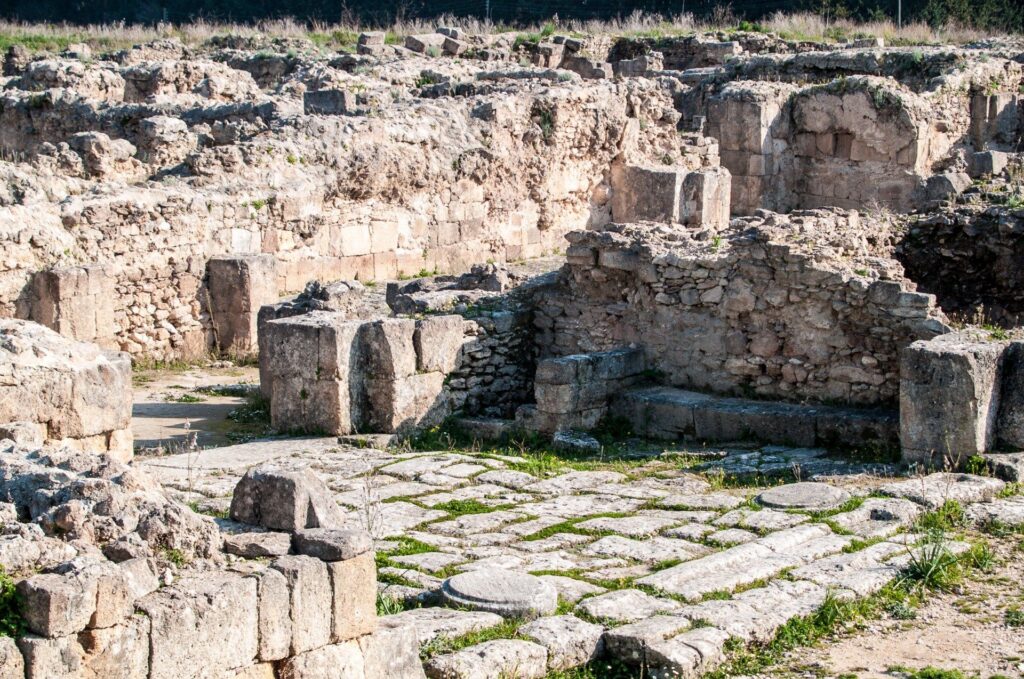
Around 1200 BCE, Ugarit was destroyed, and the city was never rebuilt. The cause of this destruction remains a mystery, but most historians believe it was part of the larger Bronze Age Collapse, a period when many eastern Mediterranean civilizations fell almost simultaneously.
Some believe invasions by the Sea Peoples, combined with internal revolts, drought, or economic collapse, contributed to Ugarit’s sudden end. A famous clay tablet discovered at the site records a desperate message from a Ugaritic official warning of enemy ships offshore—but it was never delivered.
Exploring the Ruins of Ras Shamra Today
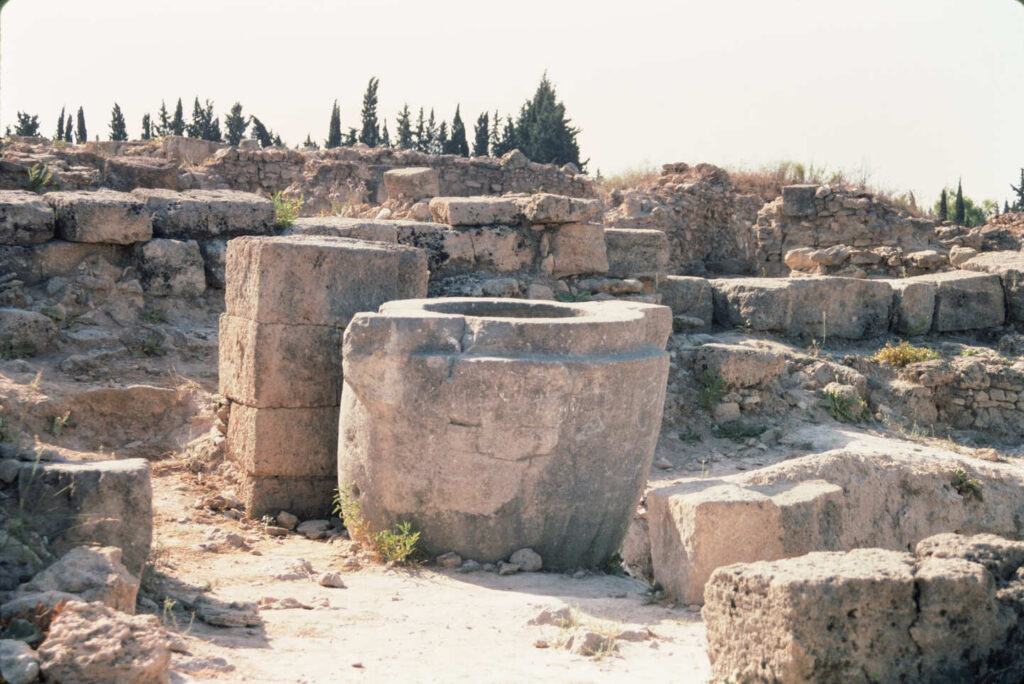
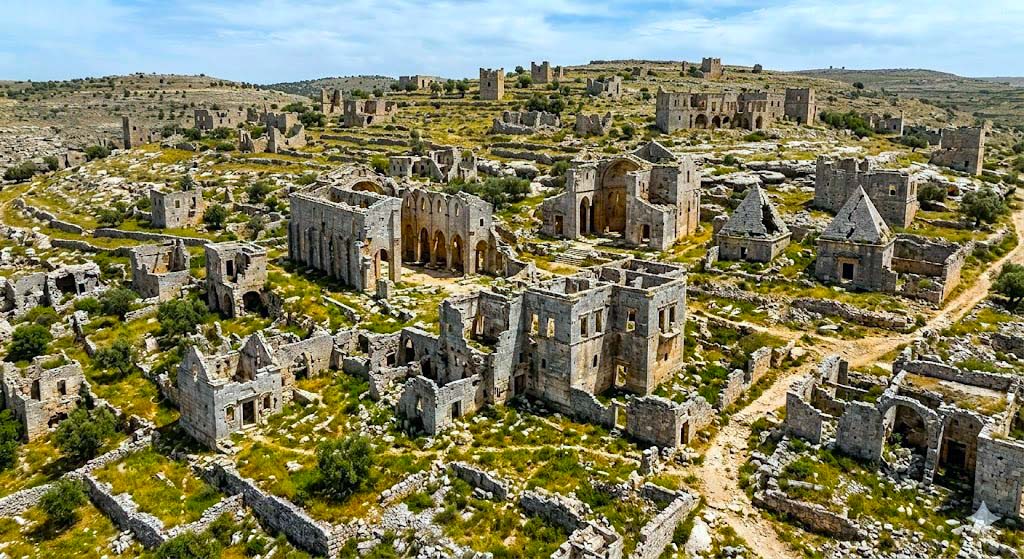
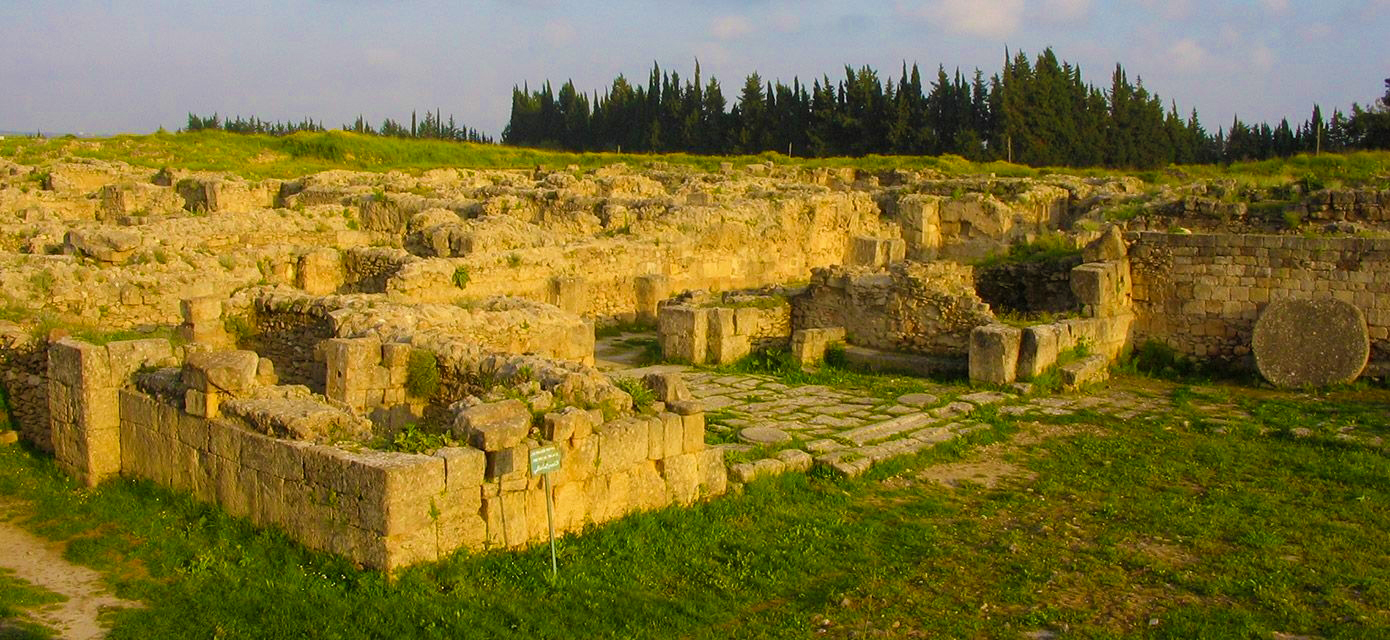
Despite its age and destruction, the ruins of Ugarit are remarkably well preserved. Visitors can walk through the remains of palaces, temples, houses, and streets that were once alive with activity.
The Royal Palace
The royal palace is one of the largest buildings on site, covering over 6000 square meters. It once held hundreds of rooms, including reception halls, archives, and storage chambers. Clay tablets discovered here include royal correspondence and economic records.
Temples and Religious Complexes
Two main temples have been excavated—the Temple of Baal and the Temple of Dagon. These were central to Ugaritic religious life and housed altars, offering tables, and statues of the gods.
Religious texts found in these areas provide a glimpse into rituals, festivals, and sacrificial practices, many of which influenced later Semitic religions.
Residential Quarters
Visitors can also explore the city’s residential districts, where narrow alleys wind between stone houses. These everyday homes show how common citizens lived, cooked, stored food, and conducted business.
The Archives
One of the most impressive features of Ugarit is its archives, where thousands of clay tablets were discovered in near-perfect condition. Though the originals are housed in the National Museum of Damascus, replicas and signs on-site explain the significance of these writings.
The Significance of Ugarit Today
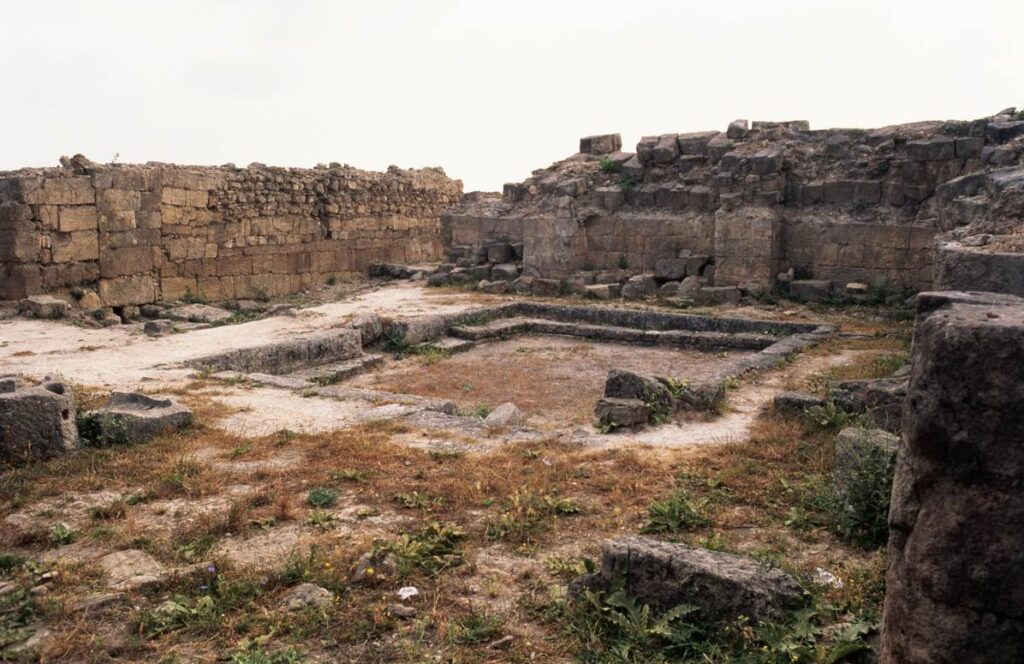
Ugarit is not as famous as Egypt or Mesopotamia, but its contributions to human history are just as important. Its development of an alphabet revolutionized the way humans record and share knowledge. Its literature and mythology laid foundations that still echo in religious and literary traditions today.
For Syria, Ugarit is a symbol of the country’s deep-rooted civilization and intellectual heritage—a reminder that before modern nations, this land was already shaping the course of human history.
Tips for Visitors
- The site is open to the public and usually quiet
- Wear comfortable shoes, as paths are unpaved and uneven
- Bring water and sun protection, especially in summer
- Visiting with a local guide adds depth and historical context
- Combine the visit with nearby attractions in Latakia, Qalaat Salah al-Din, or Ugaritic Museum (if open)
Nearby Attractions
- Latakia A modern coastal city with beaches, restaurants, and remnants of Roman-era buildings
- Saladin Castle One of the most majestic Crusader-era castles in Syria
- Jableh An ancient city with a well-preserved Roman theater
- The Al-Haffah forests A scenic region of mountains and pine forests great for nature lovers
See Also: Amrit
Final Thoughts
Ras Shamra, the ancient city of Ugarit, is more than just a collection of ruins. It is a gateway into one of the earliest complex societies in the Mediterranean, a place where trade, diplomacy, religion, and writing came together in powerful ways.
For travelers passionate about archaeology and ancient history, Ugarit offers a rare chance to walk through a city that changed the world—not through war or conquest, but through words and ideas.
Finally.. If you have any questions, please contact us. To explore further, visit our website gallery for rare images and cultural highlights.
Sources & References:
UNESCO – World Heritage Centre: https://whc.unesco.org
Archnet – Architecture & Heritage Database: https://www.archnet.org
World History Encyclopedia: https://www.worldhistory.org
Syrian Heritage Archive Project: https://syrian-heritage.org
Wikipedia Global Encyclopedia: Wikipedia