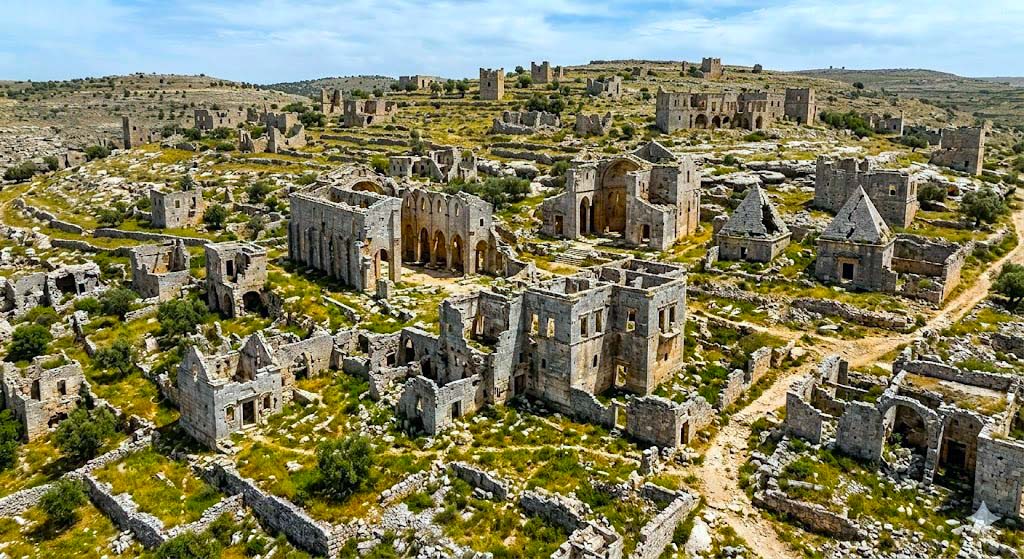
Kingdom of Mari : In the heart of Syria’s eastern desert, near the modern-day border with Iraq, lies one of the most remarkable archaeological sites of the ancient Near East — Tel al-Hariri, known in antiquity as the Kingdom of Mari. This Bronze Age city was once a bustling metropolis, a hub of trade, diplomacy, religion, and royal power that rivaled the great cities of Mesopotamia.
The ruins of the Kingdom of Mari are a treasure for archaeologists and a dream for culturally curious travelers. With its grand palace, extensive archives of clay tablets, and well-planned urban design, the site reveals how ancient civilizations governed, worshiped, and interacted thousands of years ago. Today, exploring the Kingdom of Mari offers a fascinating journey into the rise of early Mesopotamian culture and the deep history of Syria.
Kingdom of Mari | Quick Info.
| Topic | Quick Info |
|---|---|
| Name | Kingdom of Mari / مملكة ماري |
| Location | Tell Hariri, near the Euphrates River in eastern Syria (close to Deir ez-Zor) |
| Period | Bronze Age – c. 2900–1759 BCE |
| Founded | Around 2900 BCE |
| Peak Era | During the Early and Middle Bronze Age, before destruction by Hammurabi of Babylon (~1759 BCE) |
| Discovery | Excavated in 1933 by French archaeologists led by André Parrot |
| Notable Finds | Royal Palace of Zimri-Lim, archives with over 20,000 cuneiform tablets, statues, and wall paintings |
| Culture | Semitic kingdom known for trade, diplomacy, and advanced urban planning |
| Importance | Provided crucial insight into Mesopotamian politics, trade routes, and administration during the Bronze Age |
| Current Status | Archaeological site; artifacts preserved in the National Museum of Damascus and Louvre Museum |
Where is Kingdom of Mari Located
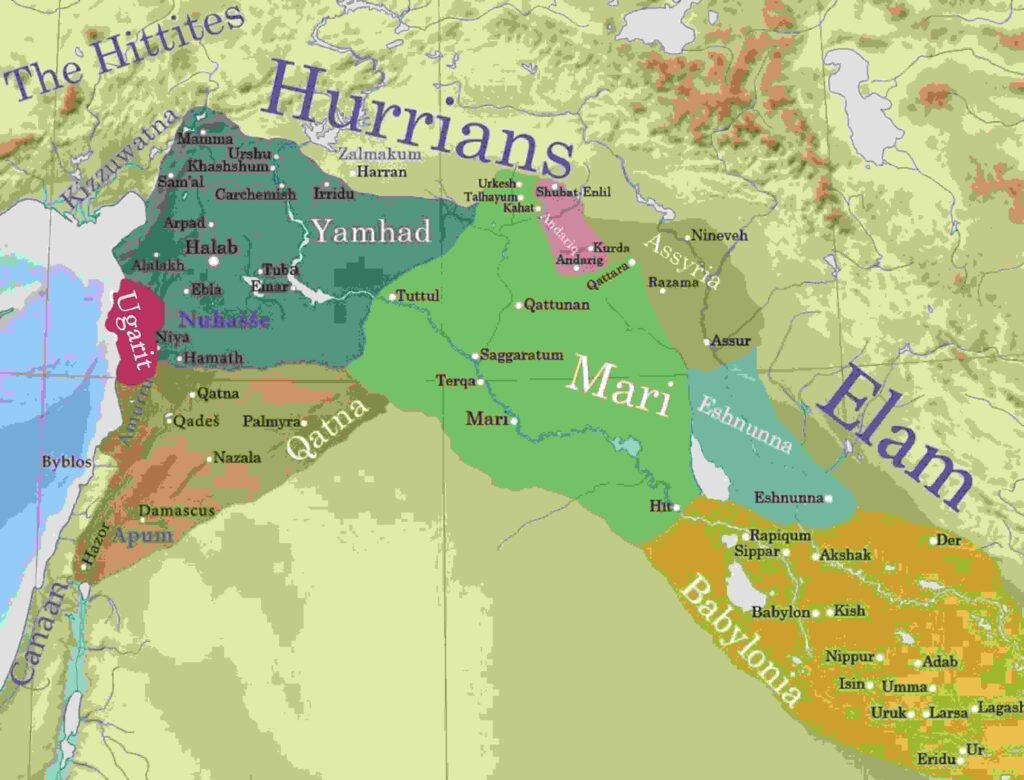
Tel al-Hariri is located in eastern Syria, approximately 11 kilometers northwest of Abu Kamal and near the Euphrates River. It sits strategically between Mesopotamia and the Levant, making it a vital link in the trade and cultural networks of the ancient world.
The site covers a large mound of about 300 hectares, with most excavations focusing on the palace and temple areas in the central part of the city.
The Discovery of Kingdom of Mari
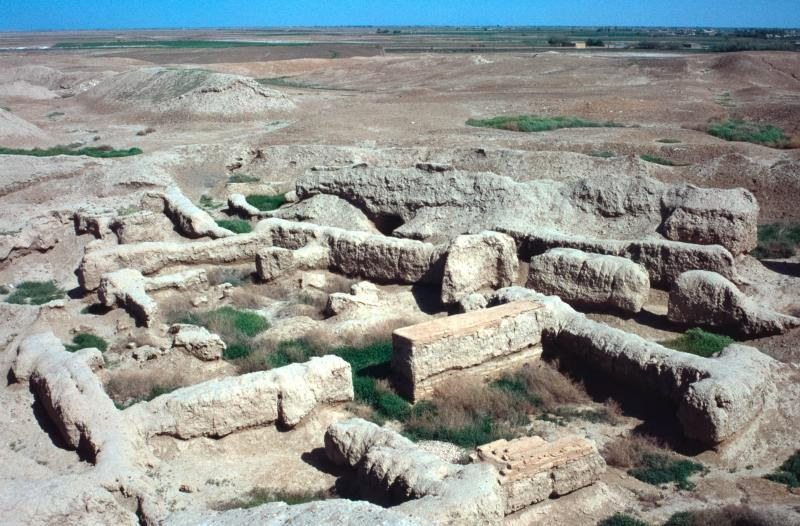
Mari was discovered in 1933 by chance when Bedouins stumbled upon a statue while digging in the ground. French archaeologist André Parrot began formal excavations shortly after, revealing the ruins of a majestic palace and thousands of cuneiform tablets.
Over the following decades, Kingdom of Mari became one of the most important archaeological discoveries in the Middle East, especially for the study of the Bronze Age.
A City from the Early Dynastic Period
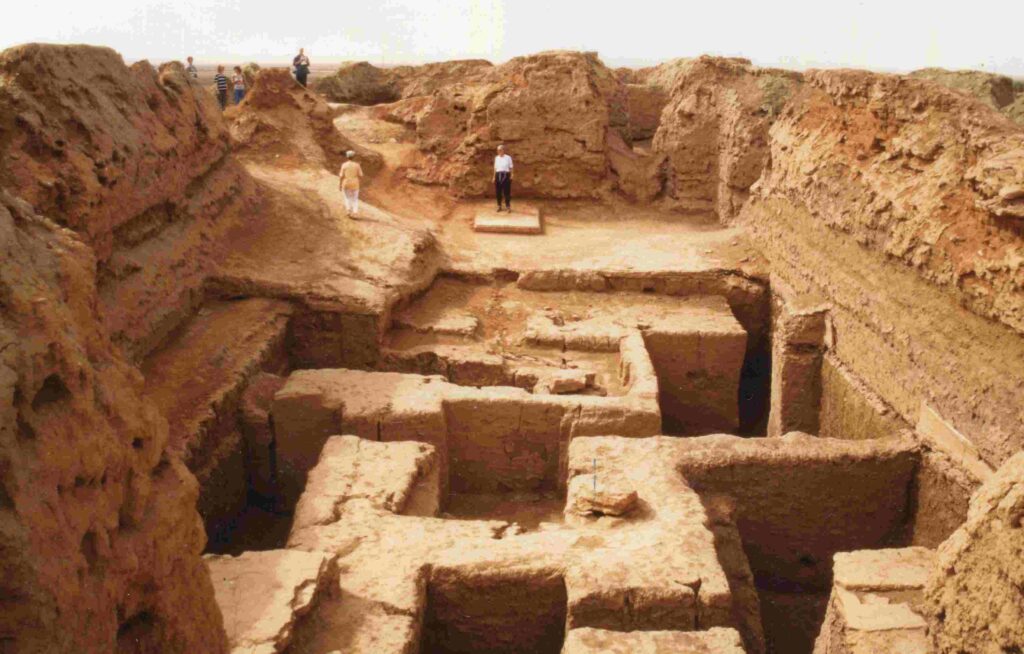
Kingdom of Mari dates back to around 2900 BCE, during the Early Dynastic Period. It was a planned city, built with advanced urban features such as streets, administrative zones, and religious centers. Its layout reflected both functionality and grandeur.
Mari was not part of Sumer but had strong cultural and political connections with the Sumerian world. The city’s elite spoke Akkadian, and many of its records were written in the cuneiform script.
The Great Palace of Zimri-Lim
One of the most iconic features of Kingdom of Mari is the royal palace, built and expanded over centuries but most famously ruled by King Zimri-Lim in the 18th century BCE.
This palace is among the largest and most complex from the ancient world, covering over 2.5 hectares and consisting of:
- Over 260 rooms on the ground level
- Administrative offices
- Audience halls
- Residential quarters
- Painted wall murals
- Religious shrines
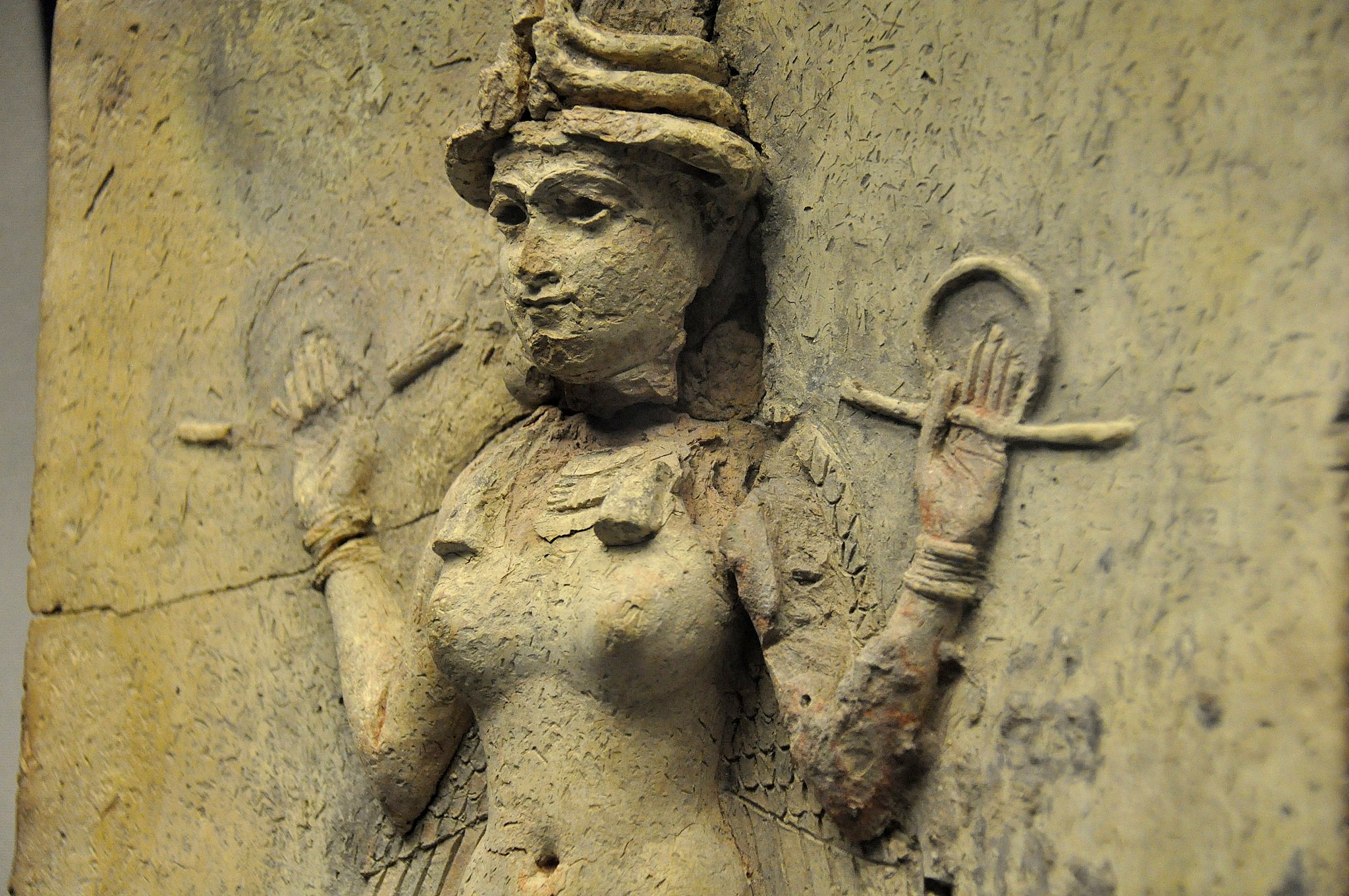
One of the palace murals depicts a royal investiture scene with the goddess Ishtar, one of the earliest known political-religious artworks in history.
The Archive of 25,000 Tablets
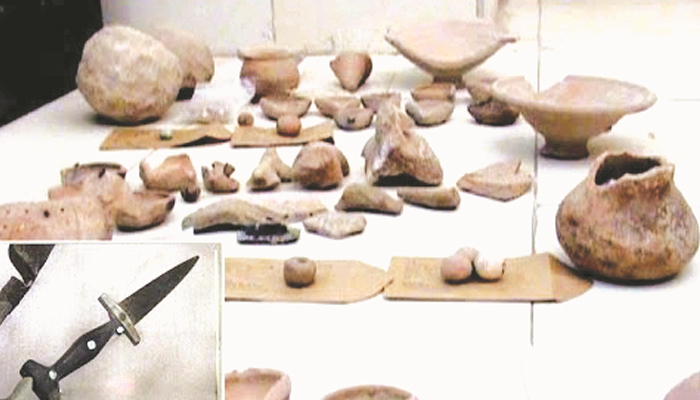
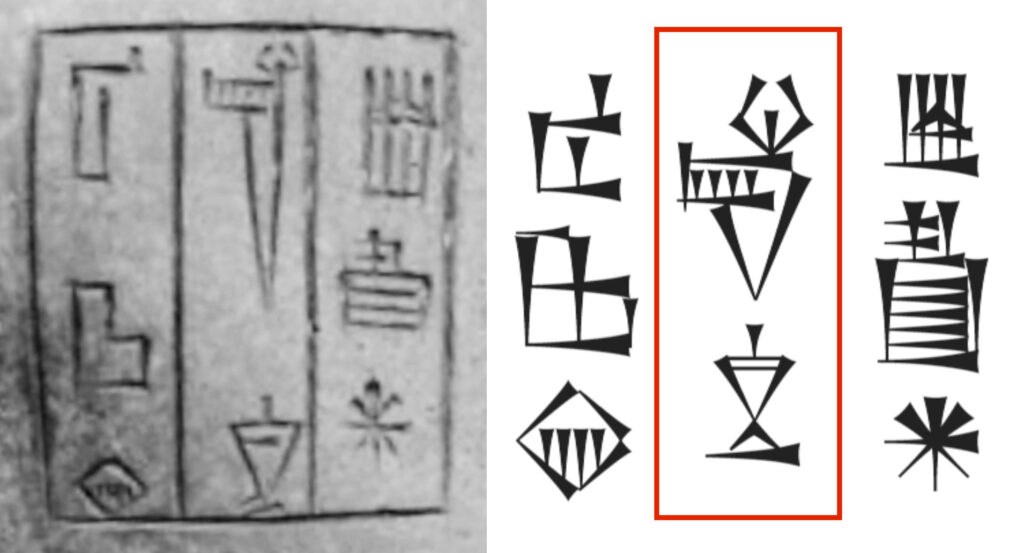
The greatest discovery at Kingdom of Mari was the archive of over 25,000 clay tablets, written in Akkadian. These documents included:
- Royal correspondence
- Legal contracts
- Administrative records
- Diplomatic letters
- Ritual and religious texts
These tablets offer unmatched insight into how a Bronze Age kingdom operated — from tax systems and agricultural planning to foreign policy and religious life.
Some of the most famous letters are exchanges between Zimri-Lim and powerful rulers of the time, including those from Babylon and Assyria. These texts give Kingdom of Mari the nickname the archive of the Bronze Age world.
Religion and Temples in Kingdom of Mari
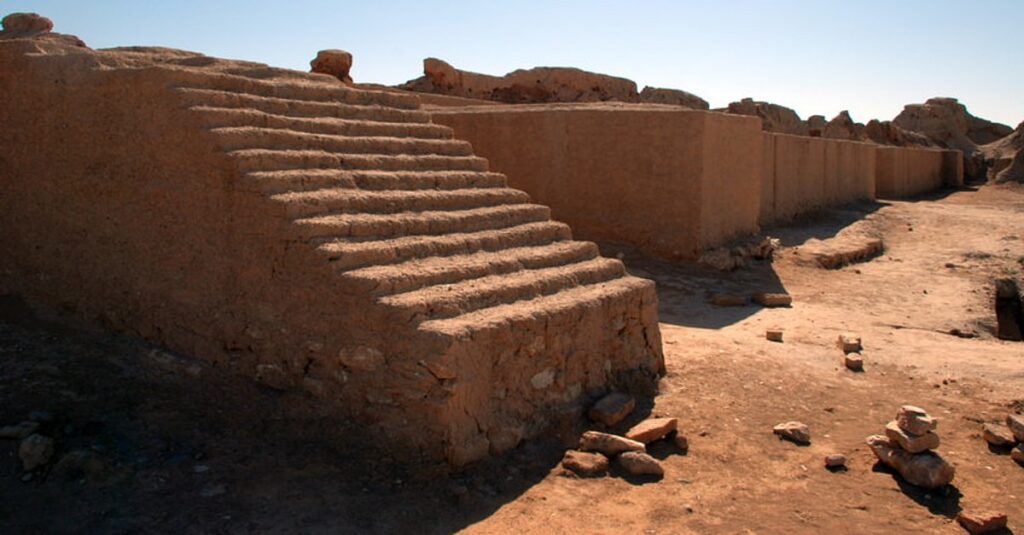
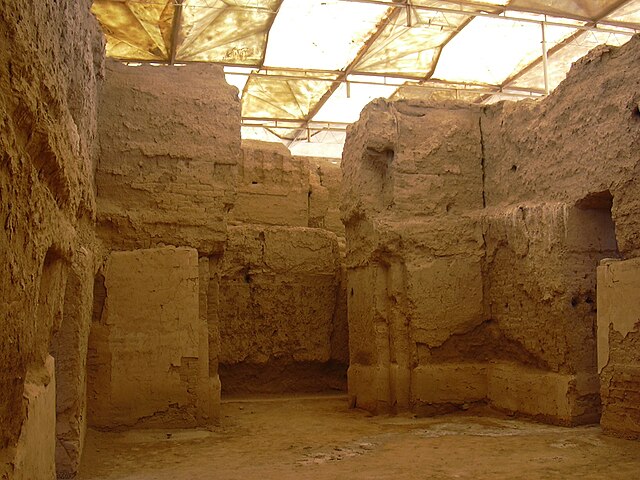
Kingdom of Mari was a religiously rich city with temples dedicated to major Mesopotamian deities, including:
- Ishtar (goddess of love and war)
- Shamash (sun god)
- Dagan (god of storms and fertility)
- Ninhursag (goddess of earth and creation)
Temples were often built alongside administrative centers, showing the close link between political power and divine authority.
The Temple of Ishtar, one of the most beautifully preserved, featured religious statuary, altars, and ritual spaces that reinforced the king’s divine right to rule.
The Fall of Kingdom of Mari
Despite its wealth and power, Mari’s political fortunes were fragile. In the 18th century BCE, Mari was conquered by Hammurabi of Babylon, who saw the city as a rival in both military and trade matters.
After a brief alliance between Zimri-Lim and Hammurabi, relations soured. Around 1759 BCE, Hammurabi captured Mari and burned much of the city, including its palace. The city never recovered.
Ironically, this destruction helped preserve the clay tablet archive for modern archaeologists, as the fire baked the tablets and made them more durable.
Artistic and Cultural Legacy
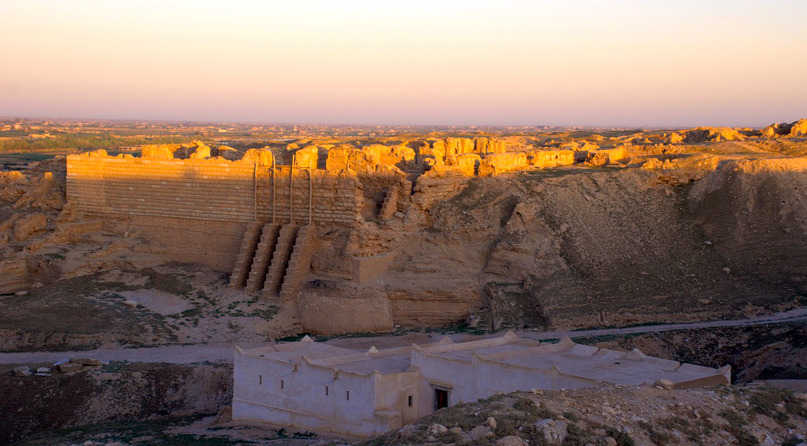
Mari was not just a political center, but also a cultural one. The wall paintings from the palace are some of the earliest large-scale murals known from the ancient world. They show a strong sense of movement, symbolism, and color.
Artisans in Mari crafted objects from imported materials like lapis lazuli, gold, and ivory, indicating that the city was connected to long-distance trade routes that stretched from the Indus Valley to Anatolia.
Why Kingdom of Mari Matters Today
For historians and archaeologists, Mari is a key site for understanding:
- The structure of early kingdoms
- The relationship between religion and governance
- The evolution of writing and bureaucracy
- Interactions between different cultures in the ancient Near East
For tourists and heritage lovers, Mari represents a lost world that thrived on intellect, trade, and spirituality.
Although the site is currently inaccessible due to regional instability, its artifacts are displayed in museums in Damascus, Aleppo, and Europe, and ongoing digital initiatives are preserving its legacy.
What Can Visitors Expect (When Open)
In peaceful times, a visit to Mari offered:
- A walk through the foundations of the royal palace
- Viewing the outlines of ancient streets
- Seeing excavated temples and the city’s central layout
- Experiencing the desert landscape along the Euphrates
Although much of the architecture is in ruins, the sheer scale and layout give visitors a strong sense of what life must have been like in this grand city.
Mari in the Context of Syrian Heritage
Syria is home to many ancient wonders — from Ugarit and Ebla to Palmyra and Dura Europos — but Mari holds a special place as one of the oldest well-documented cities in the world. Unlike Roman or Greek ruins, Mari speaks to the Semitic and Mesopotamian roots of civilization.
Its archive alone would be enough to consider it a world heritage treasure, but its architecture, urban planning, and visual culture elevate it further.
See Also: Dura Europos
Final Thoughts
Mari, or Tel al-Hariri, is more than a ruin in the desert. It is a symbol of ancient human complexity. It shows us that even 4000 years ago, people were writing letters, negotiating alliances, building empires, worshipping gods, and living in structured societies.
Though currently silent, Mari’s story is preserved in clay, stone, and memory — and it continues to shape how we understand our ancient past.
For any traveler passionate about archaeology and lost cities, Mari should be on the top of the list when peace and access return to the region.
Finally.. If you have any questions, please contact us. To explore further, visit our website gallery for rare images and cultural highlights.
Sources & References:
UNESCO – World Heritage Centre: https://whc.unesco.org
Archnet – Architecture & Heritage Database: https://www.archnet.org
World History Encyclopedia: https://www.worldhistory.org
Syrian Heritage Archive Project: https://syrian-heritage.org
Global Encyclopedia: Wikipedia