Al-Nabi Houri (Cyrrhus) A Forgotten Roman Gem in Northern Syria: Hidden in the hills near the Turkish border in northern Syria lies one of the country’s lesser-known yet striking archaeological sites — al-Nabi Houri. Often overshadowed by the grand ruins of Palmyra or Apamea, this ancient Roman city offers a peaceful, unspoiled, and deeply atmospheric experience for visitors seeking a glimpse into Syria’s classical past.
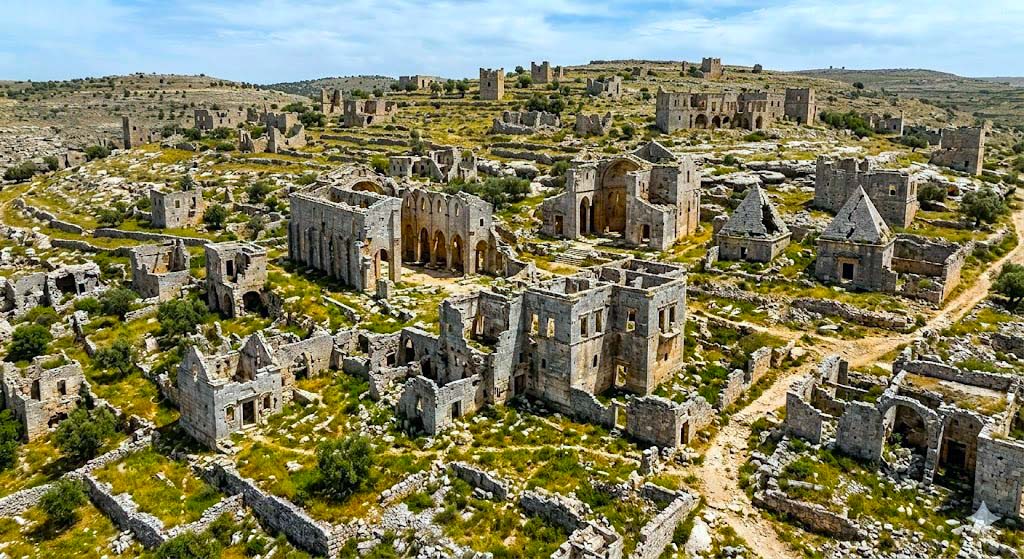
Known in antiquity as Cyrrhus, the site includes impressive colonnaded streets, Roman tombs, a theater, bridges, and the remnants of city walls. Its remote location helped protect it for centuries, and even though it remains partly in ruins, al-Nabi Houri is a treasure for archaeologists, history lovers, and travelers interested in the lesser-traveled routes of Roman Syria.
Al-Nabi Houri | Quick Info.
| Topic | Quick Info |
|---|---|
| Name | Al-Nabi Houri / النبي هوري |
| Ancient Name | Cyrrhus |
| Location | Northern Syria, near Afrin, about 70 km northwest of Aleppo, close to the Turkish border |
| Founded | Around the 3rd century BCE by Seleucus I Nicator, a general of Alexander the Great |
| Periods of Occupation | Hellenistic, Roman, Byzantine, and Islamic periods |
| Historical Importance | Regional administrative and military center under the Romans; later a Byzantine religious site and Islamic shrine |
| Main Structures | Colonnaded street, Roman theater, tombs and mausoleums, city walls and gates, Roman bridge over the Afrin River |
| Religious Significance | Associated with Saints Cosmas and Damian (Christian era) and the Prophet Houri (Islamic era) |
| Architectural Style | Roman urban planning with Hellenistic and Byzantine influences; later Islamic elements |
| Current Condition | Partially ruined but well-preserved; some damage due to time and conflict |
| Surroundings | Set amid olive groves and hills, offering scenic and peaceful landscapes |
| Modern Significance | A hidden archaeological gem showcasing Syria’s layered cultural, religious, and architectural heritage |
Where is Al-Nabi Houri Located
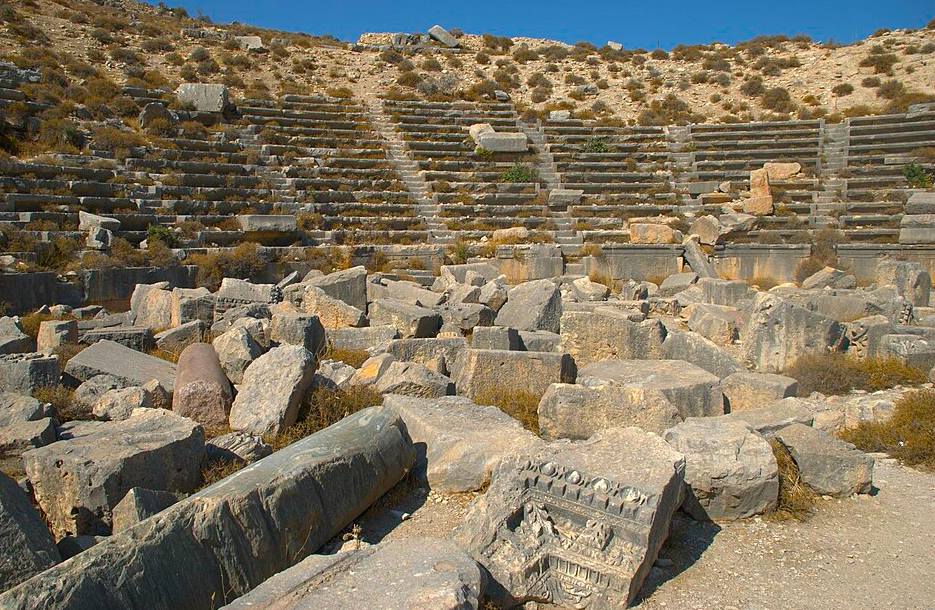
Al-Nabi Houri is located in northern Syria, near the modern town of Afrin, roughly 70 kilometers northwest of Aleppo. It lies in a green, hilly landscape close to the Turkish border and is part of the ancient region of Cyrrhestica, which played an important role during the Roman and Byzantine periods.
Today, the archaeological site is surrounded by olive groves and rural villages. Despite its isolation, it remains one of the best-preserved examples of a Roman city in Syria’s north.
Historical Background of Cyrrhus (Al-Nabi Houri)
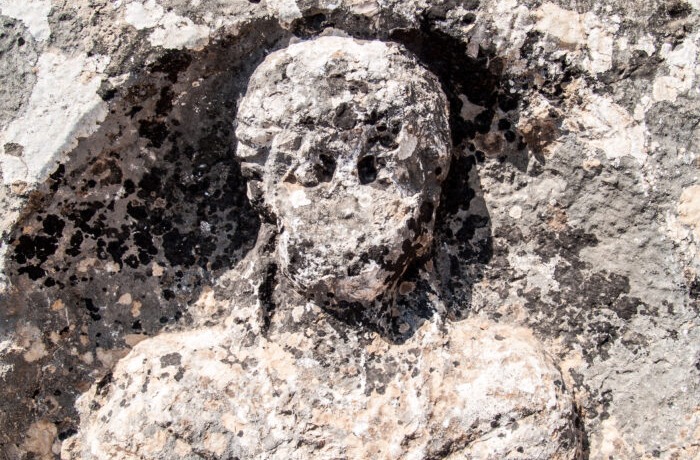
The ancient city of Cyrrhus was founded by Seleucus I Nicator, one of the generals of Alexander the Great, around the 3rd century BCE. It became part of the Seleucid Empire, then later integrated into the Roman Empire.
Under Roman rule, especially from the 1st to the 3rd century CE, Cyrrhus flourished as a regional administrative and military center. Its location on important east-west and north-south trade routes allowed it to thrive economically.
During the Byzantine period, Cyrrhus remained significant as a religious center. According to Christian tradition, it was the birthplace of Saints Cosmas and Damian, twin brothers and physicians who became Christian martyrs. The city also housed a bishopric and several early churches.
The Name Al-Nabi Houri
The modern Arabic name al-Nabi Houri (meaning “The Prophet Houri”) reflects Islamic traditions that emerged in later centuries. Local legends associate the site with a prophetic figure named Houri, and a tomb believed to be his exists within the ruins, though it likely dates to a much later period.
This blending of ancient Roman urbanism and later Islamic reverence adds a spiritual layer to the site’s identity.
Architectural Features of Al-Nabi Houri
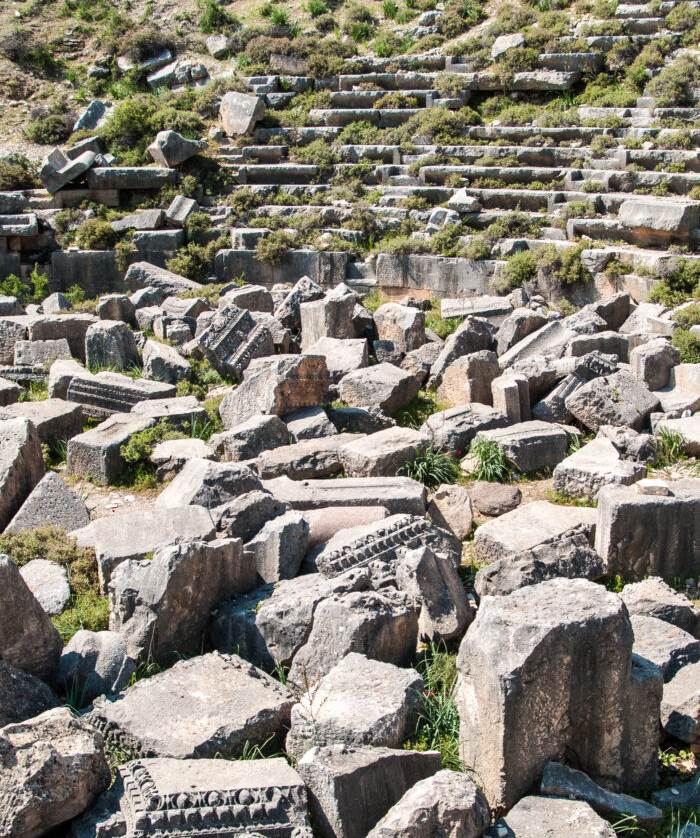
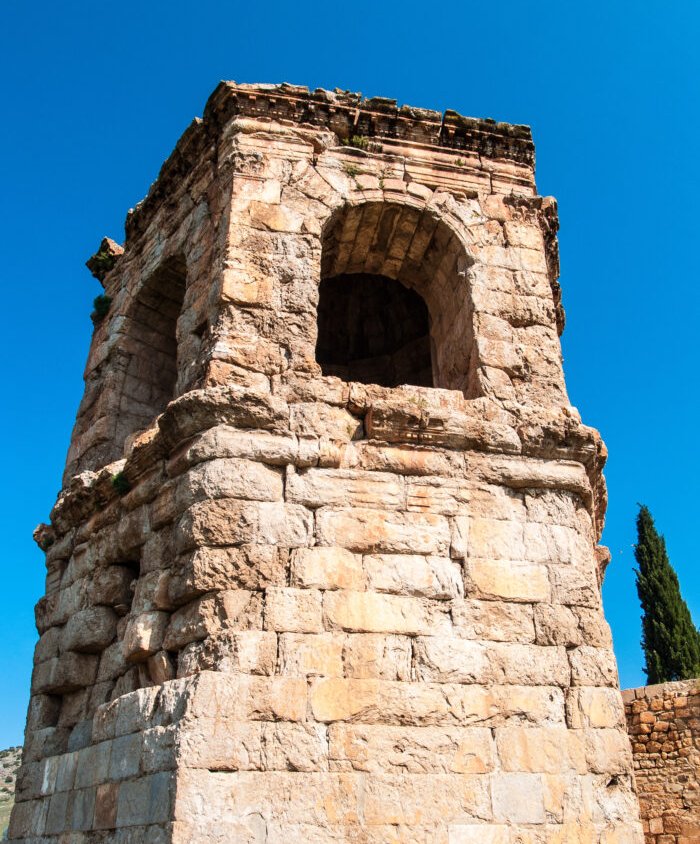
Al-Nabi Houri contains many structures that showcase the urban planning and architectural brilliance of Roman cities. Though many buildings have suffered from erosion and neglect, the surviving features provide a vivid picture of ancient life.
1. The Colonnaded Street
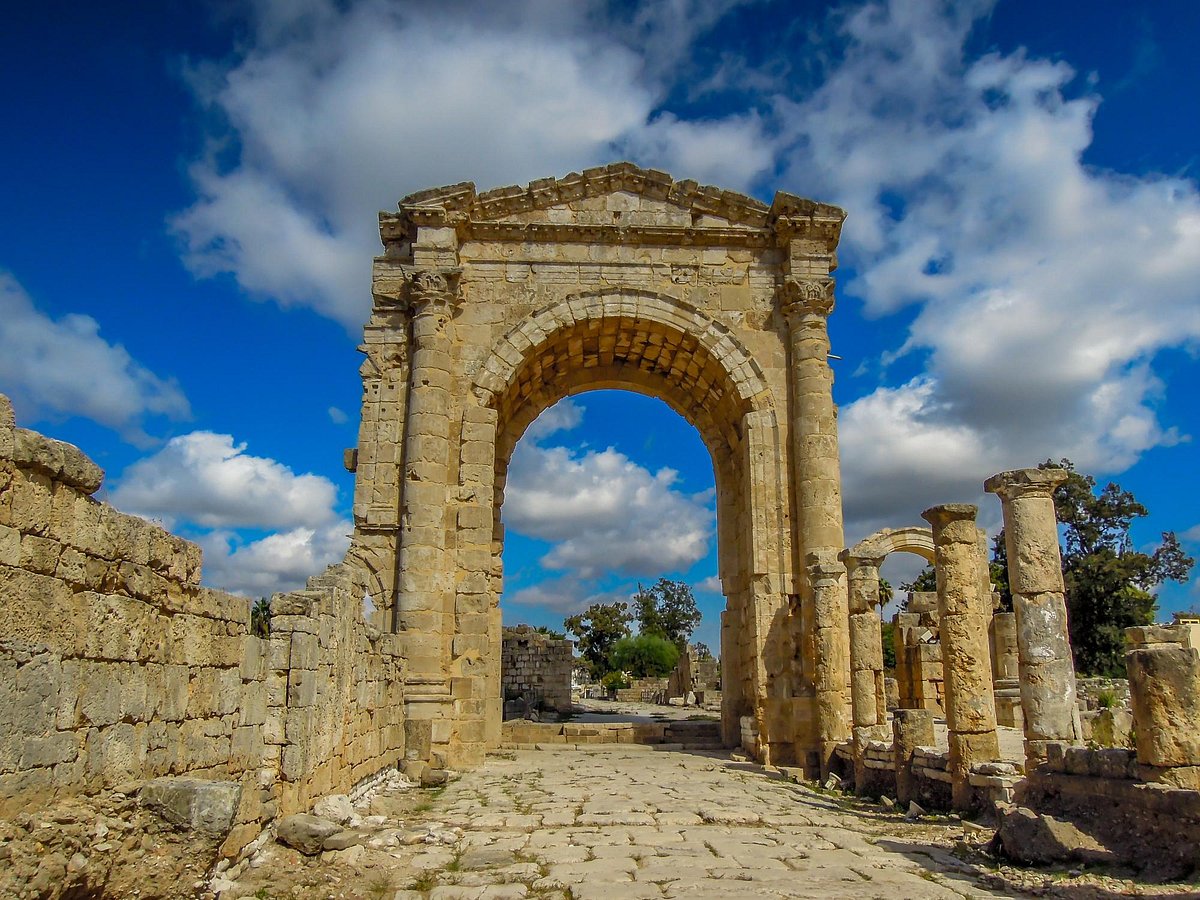
The most iconic feature of the site is the colonnaded avenue, a Roman-style street flanked by rows of columns on both sides. This was the main thoroughfare of the city and would have been lined with shops, administrative buildings, and public monuments.
- Some columns are still standing, offering a sense of the city’s original grandeur.
- The street stretches for several hundred meters and leads toward the city’s center.
2. The Theater
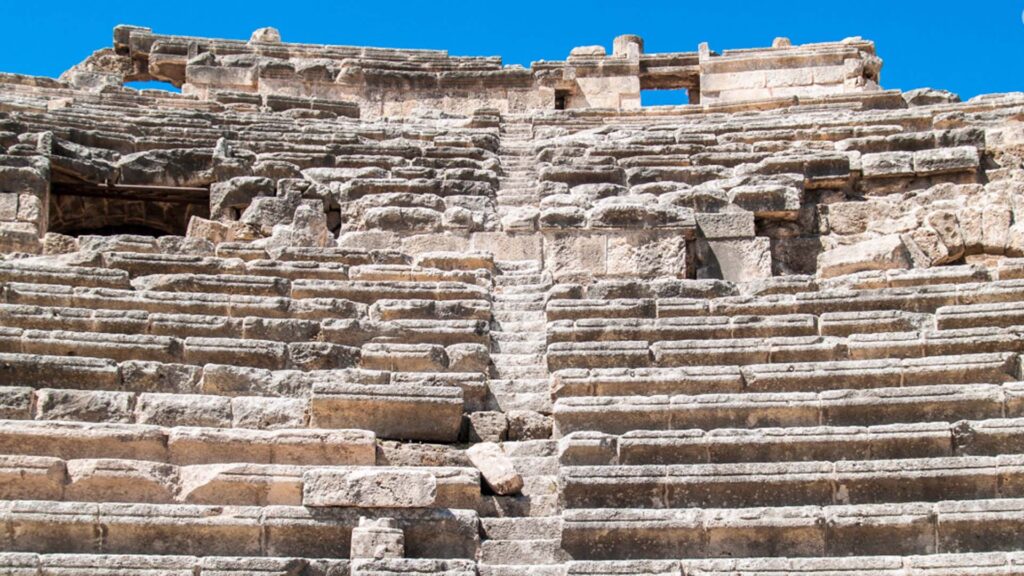
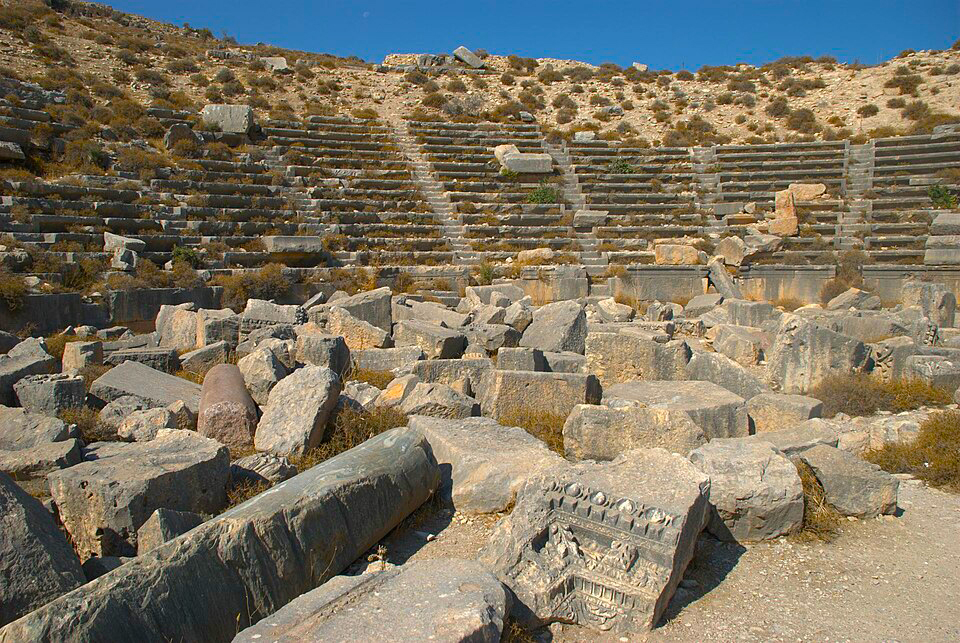
On a hillside overlooking the ancient city is the Roman theater, partially carved into the slope.
- It had a capacity of several thousand spectators.
- Much of the seating area is still intact, as are sections of the stage and access corridors.
- The theater likely hosted public speeches, dramas, and ceremonial gatherings.
3. Tombs and Funerary Monuments
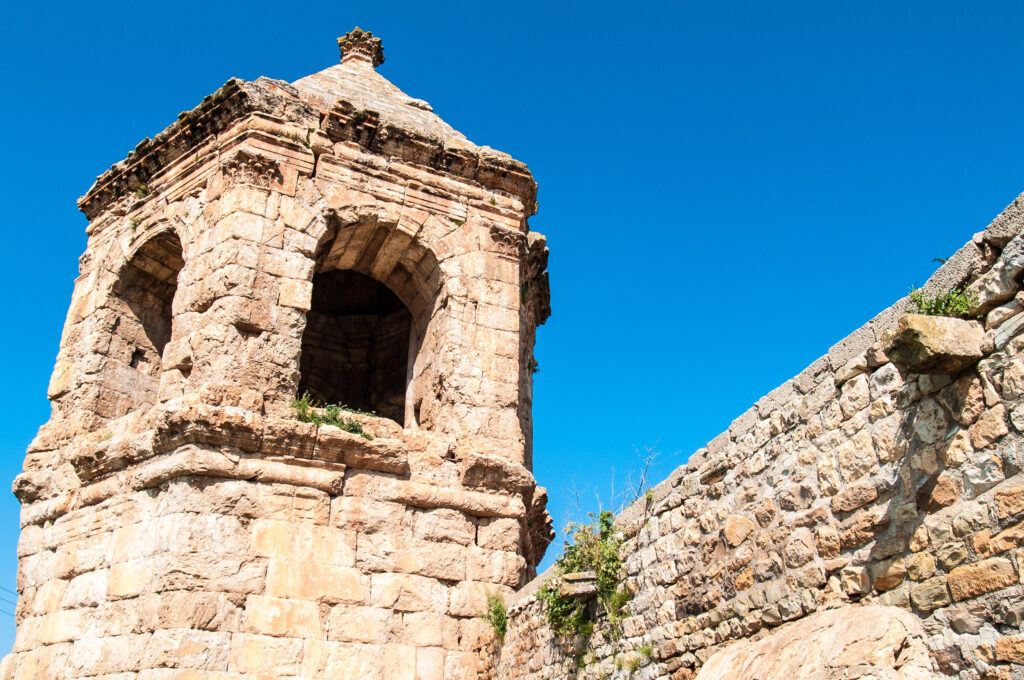
Several tower tombs and mausoleums are located just outside the main city, showcasing Roman funerary traditions.
- Some of these tombs have multi-level interiors and carved reliefs.
- The most famous tomb is associated with Saints Cosmas and Damian, though this is likely symbolic rather than authentic.
4. City Walls and Gates
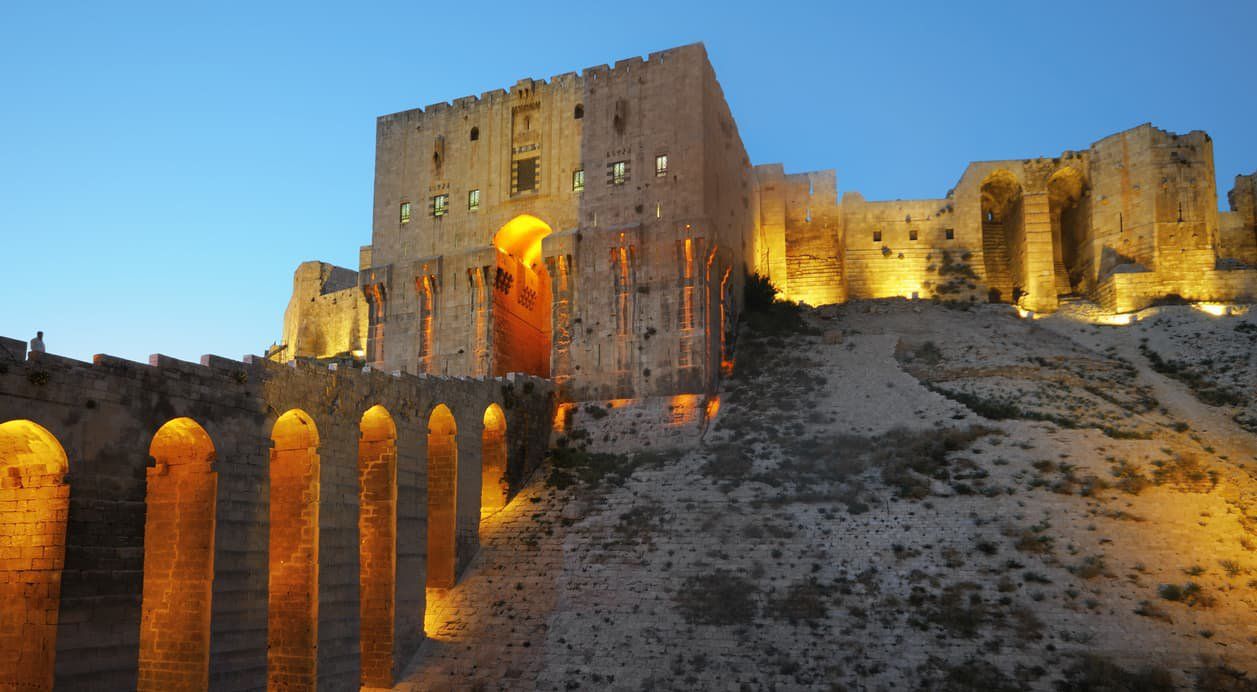
Remnants of the fortification walls that once enclosed Cyrrhus are still visible. These walls protected the city from raids and also defined its boundaries.
Several gates and corner towers remain standing or partially preserved, allowing visitors to trace the city’s ancient outline.
5. Bridges and Aqueducts
The Roman bridge over the Afrin River, located near the site, is another remarkable feature. It is still used today by locals and demonstrates Roman engineering skill.
- Built of large, neatly cut stone blocks.
- Features arches and a central span that once accommodated water flow during seasonal floods.
Religious Importance
Cyrrhus gained religious significance during the Byzantine period, especially as the legendary home of Saints Cosmas and Damian. These twin saints were famous for practicing medicine without charging fees and became symbols of charity, healing, and piety.
A basilica was built over their supposed burial site, turning the city into a pilgrimage destination. Though little remains of this church today, historical texts affirm its importance.
During Islamic times, the site maintained its sanctity through the tomb of al-Nabi Houri, which became a local shrine. This layered religious heritage makes the site unique among Roman ruins in Syria.
Cultural and Artistic Legacy
Al-Nabi Houri represents a meeting point between Hellenistic, Roman, Christian, and Islamic traditions. It holds special interest for scholars studying the transition from pagan to Christian architecture and later Islamic influence on sacred spaces.
The use of ashlar masonry, decorative capitals, fluted columns, and monumental tombs reflects high craftsmanship and regional stylistic elements.
Fragments of inscriptions in Greek and Latin have been found, along with coins and pottery, offering clues into trade, governance, and daily life.
Damage and Preservation
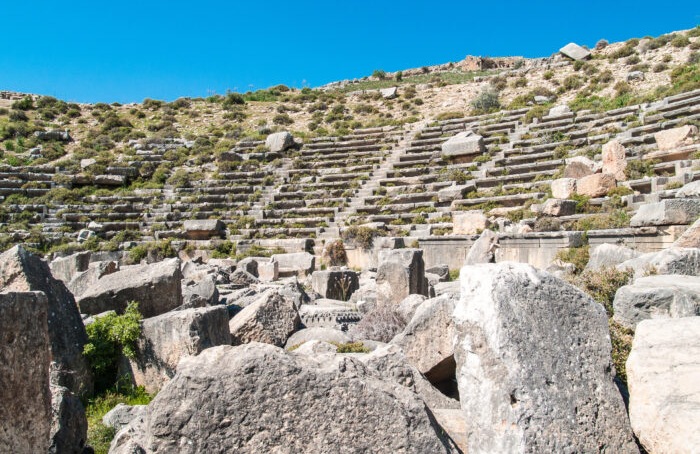
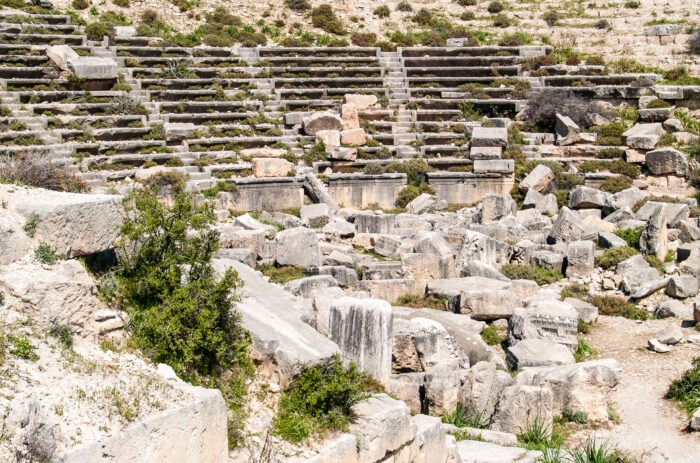
Despite being a relatively isolated site, al-Nabi Houri has suffered damage from time and, more recently, from conflict in the region. However, it remains in better condition than many other Roman sites in Syria.
- Some parts have been looted or vandalized.
- Local and international scholars have documented the site through surveys and photography.
There are hopes that once peace returns, al-Nabi Houri will be included in broader restoration and tourism development efforts.
Visiting Al-Nabi Houri
Before the Syrian crisis, al-Nabi Houri was visited by archaeologists, pilgrims, and tourists looking for off-the-beaten-path experiences.
What Visitors Could Expect
- Walking the colonnaded streets and imagining ancient processions.
- Climbing the steps of the Roman theater and enjoying hillside views.
- Exploring Roman tombs in peaceful olive groves.
- Connecting with layers of history that blend Roman, Christian, and Islamic narratives.
The area’s natural beauty, cool mountain air, and quiet setting added to the charm of the visit.
Importance in Syrian Heritage
While not as famous as Palmyra or Bosra, al-Nabi Houri is one of the best-preserved Roman cities in northern Syria. Its significance lies in its:
- Clear urban planning
- Rich architectural features
- Religious heritage
- Unique location and spiritual continuity
It provides a valuable counterbalance to the desert-based Roman cities of southern Syria, showing how imperial culture extended into highland and border regions.
See Also: Serjilla
Final Thoughts
Al-Nabi Houri is a silent witness to centuries of history. From Hellenistic foundations to Roman urbanism, from Christian pilgrimage to Islamic reverence, the site captures the multicultural essence of Syria’s past.
For travelers who value history, architecture, and authenticity, al-Nabi Houri is a hidden jewel waiting to be rediscovered. Though the road may be long and the site remote, the reward is a powerful journey through time — one that tells the story not only of a forgotten city, but of an entire region’s layered identity.
Finally.. If you have any questions, please contact us. To explore further, visit our website gallery for rare images and cultural highlights.
Sources & References:
UNESCO – World Heritage Centre: https://whc.unesco.org
Archnet – Architecture & Heritage Database: https://www.archnet.org
World History Encyclopedia: https://www.worldhistory.org
Syrian Heritage Archive Project: https://syrian-heritage.org
Global Encyclopedia: Wikipedia