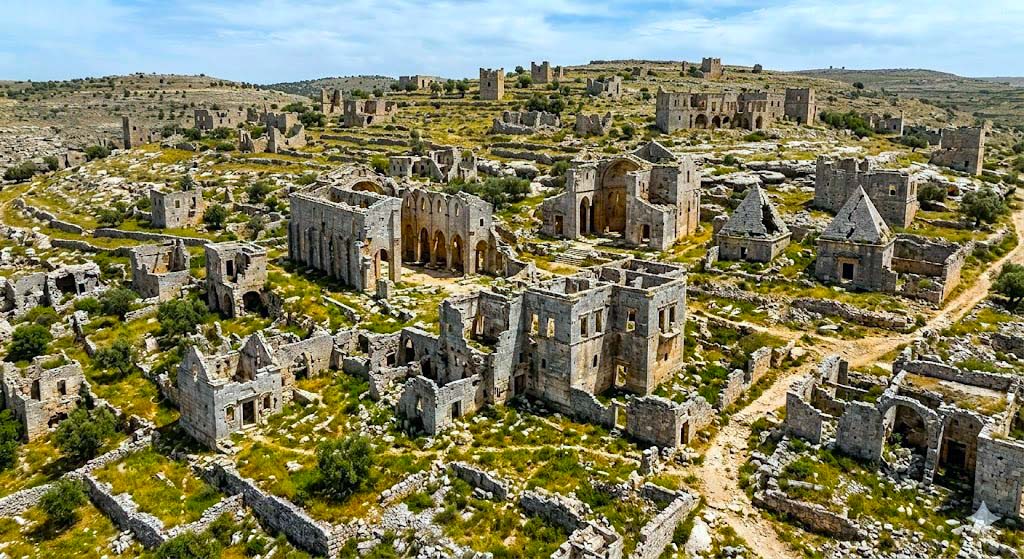
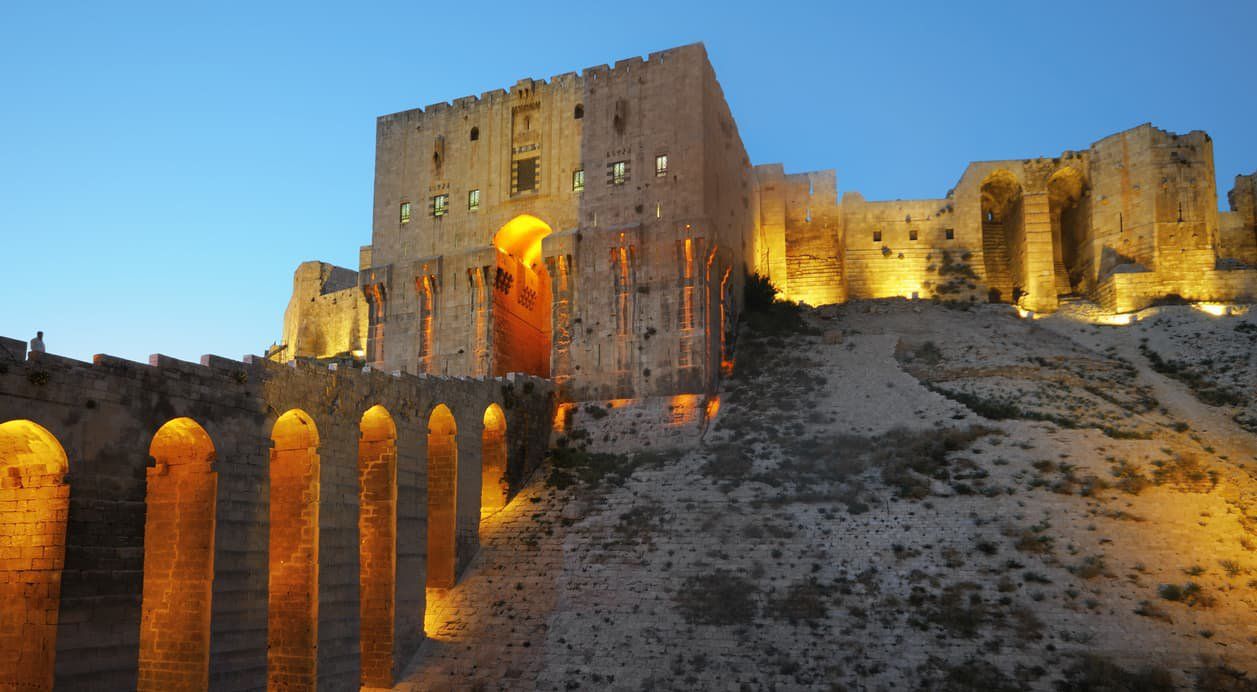
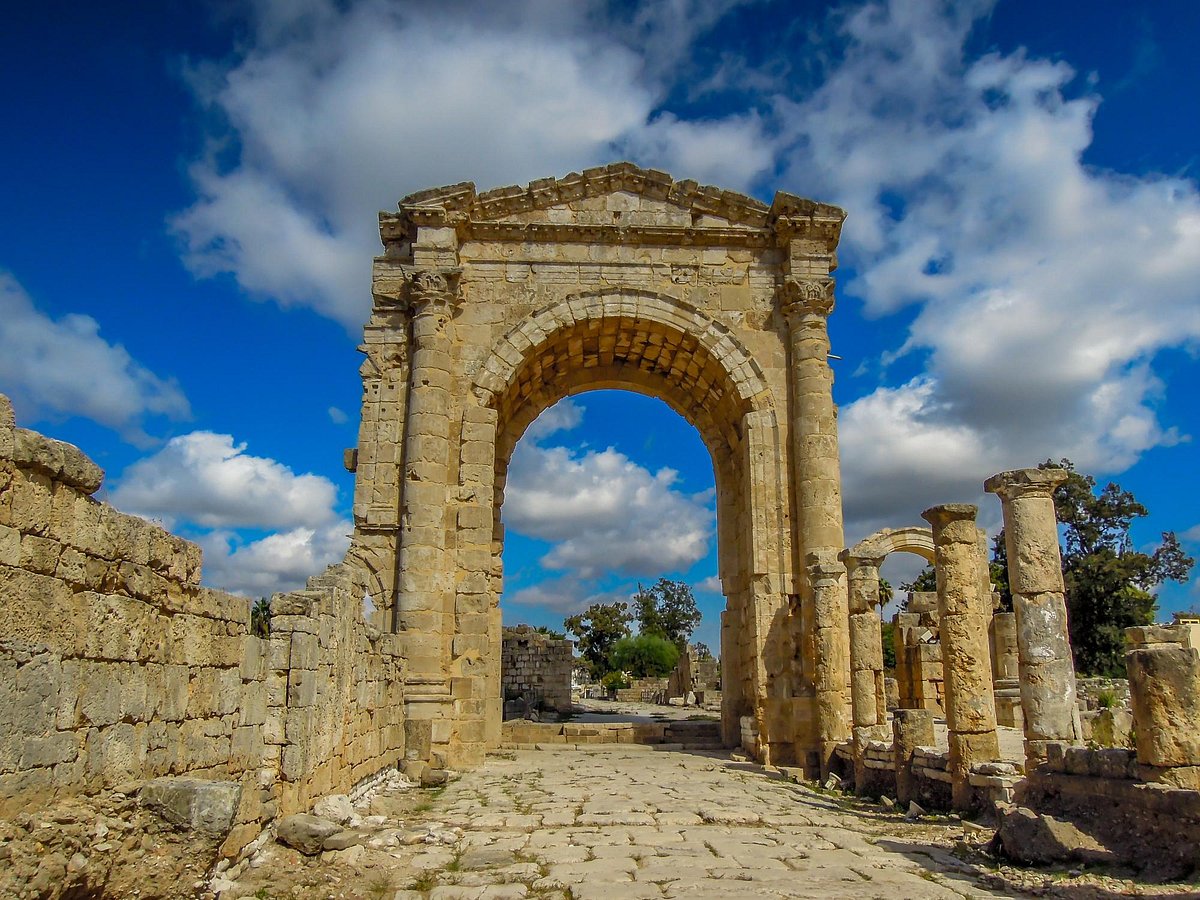
Aleppo Old City: one of the oldest continuously inhabited cities in the world, stands as a living testament to over 8,000 years of human civilization. Located at the crossroads of ancient trade routes, Aleppo Old City flourished as a key hub along the Silk Road, blending influences from Hittite, Greek, Roman, Islamic, and Ottoman eras. Its architectural gems — from the iconic Citadel to the Great Mosque and traditional caravanserais — showcase the depth of its historical and cultural legacy.
Despite enduring heavy damage during the Syrian conflict, Aleppo Old City continues to symbolize resilience and rebirth. Restoration projects aim to revive its souqs, mosques, and ancient homes, keeping the city’s timeless character alive. For travelers, walking through Aleppo Old City is not just a journey through stone and ruins — it’s an encounter with the enduring spirit of Syria’s past, present, and future.
Aleppo Old City | Quick Info.
| Landmark / Site | Era / Date | Key Features | Significance | Notes |
|---|---|---|---|---|
| Great Mosque of Aleppo (Umayyad Mosque) | 8th century, Umayyad Caliphate | Courtyard, arcaded colonnades, mihrab, wooden minbar, minaret (1090 CE) | Religious, educational, communal hub | Undergoing restoration after conflict |
| Churches | 15th century–ancient | Mar Assia al-Hakim, Church of Saint Elijah, Church of the Forty Martyrs – frescoes, bell towers, courtyards | Christian heritage & worship | Reflects Aleppo Old City’s religious diversity |
| Al-Madina Souq | 14th century | 13 km covered market, vaulted ceilings, shops | Largest Middle East market; cultural & commercial heart | Damaged during conflict; partially restored |
| National Museum of Aleppo | Founded 1931 | Cuneiform tablets, Hittite statues, Greco-Roman artifacts, Islamic manuscripts | Cultural and historical insight from prehistoric to Islamic era | Partially reopened; restoration ongoing |
| Al-Bimaristan Al-Arghuni | 1354 | Patient rooms, courtyard, fountains, muqarnas, inscriptions | Islamic Golden Age hospital; mental & physical healing | Symbol of medical advancement and public welfare |
| Khanqah Al-Farafira | 13th century | Courtyard, central fountain, domed rooms, prayer hall | Sufi lodge; spiritual center, introspection & devotion | Offers insight into medieval Sufi life |
| Khans / Caravanserais | 17th century / restored | Khan al-Wazir, Khan al-Shouneh – shops, crafts, cafés | Commercial & cultural legacy | Silk Road trade & economic revival |
| Quarters / Gates | Ancient–medieval | Jdeydeh Quarter, Bab Antakya, Bab al-Faraj – cobbled streets, defensive gates, inscriptions | Neighborhoods & entry points into Aleppo Old City | Highlight city’s urban and defensive fabric |
The Great Mosque of Aleppo (Umayyad Mosque)
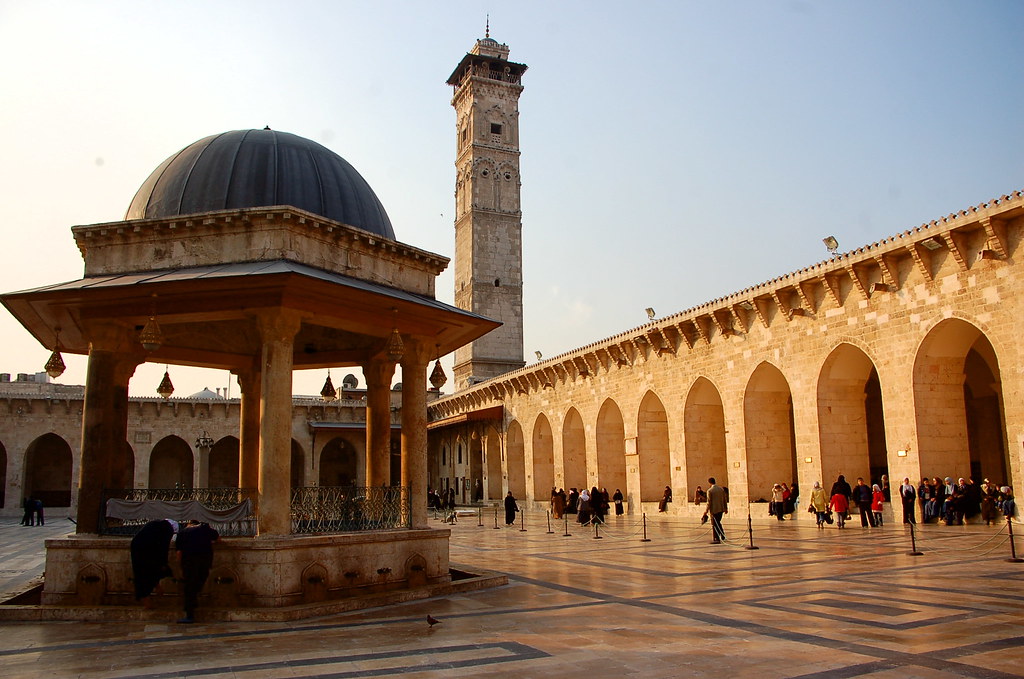
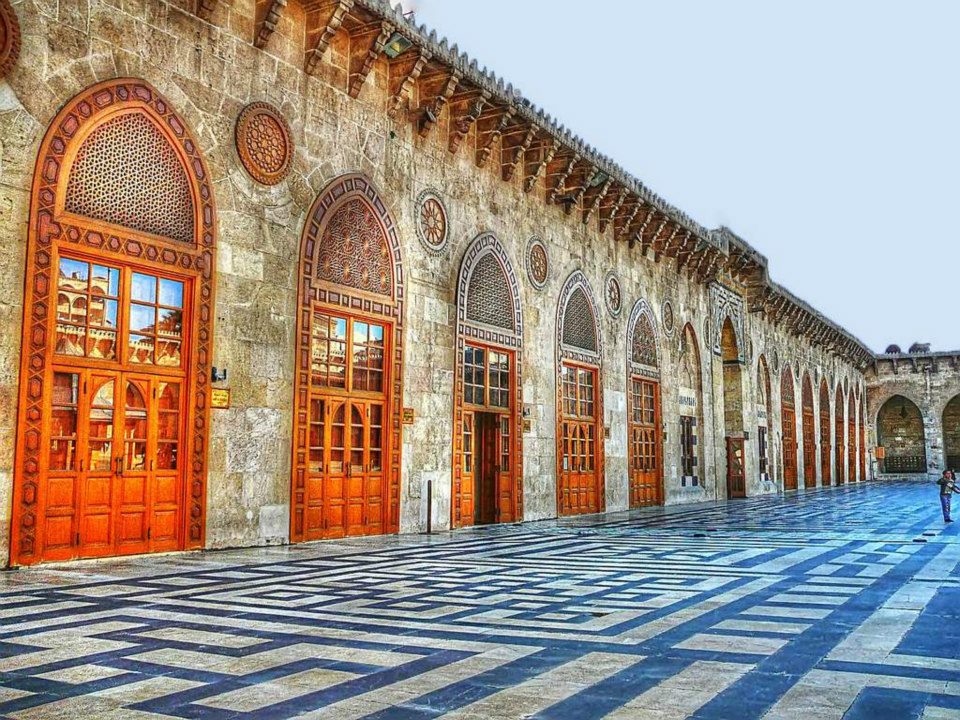
The Great Mosque of Aleppo, also known as the Umayyad Mosque, stands as one of the oldest and most revered monuments in the Islamic world. Dating back to the 8th century, it represents the architectural brilliance of the Umayyad Caliphate and the enduring legacy of Aleppo Old City. Its vast courtyard, arcaded colonnades, and once-iconic 1090 CE minaret showcased the elegance of early Islamic architecture, while its intricately decorated mihrab and wooden minbar reflected the artistry of Syrian craftsmen.
For centuries, the Great Mosque of Aleppo has been more than a place of worship—it has been a center of learning, faith, and community life within Aleppo Old City. Despite the severe damage it suffered during recent conflicts, restoration efforts are bringing this spiritual landmark back to life, reaffirming the resilience and cultural depth that define Aleppo Old City.
Al-Madina Souq: The Ancient Marketplace
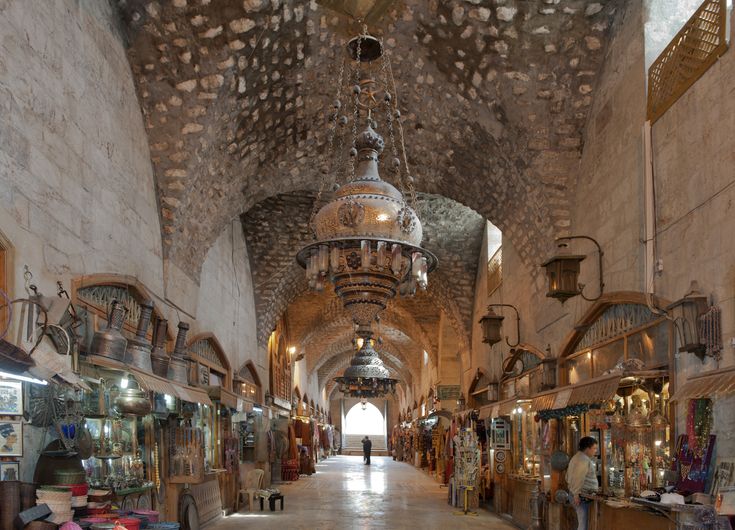
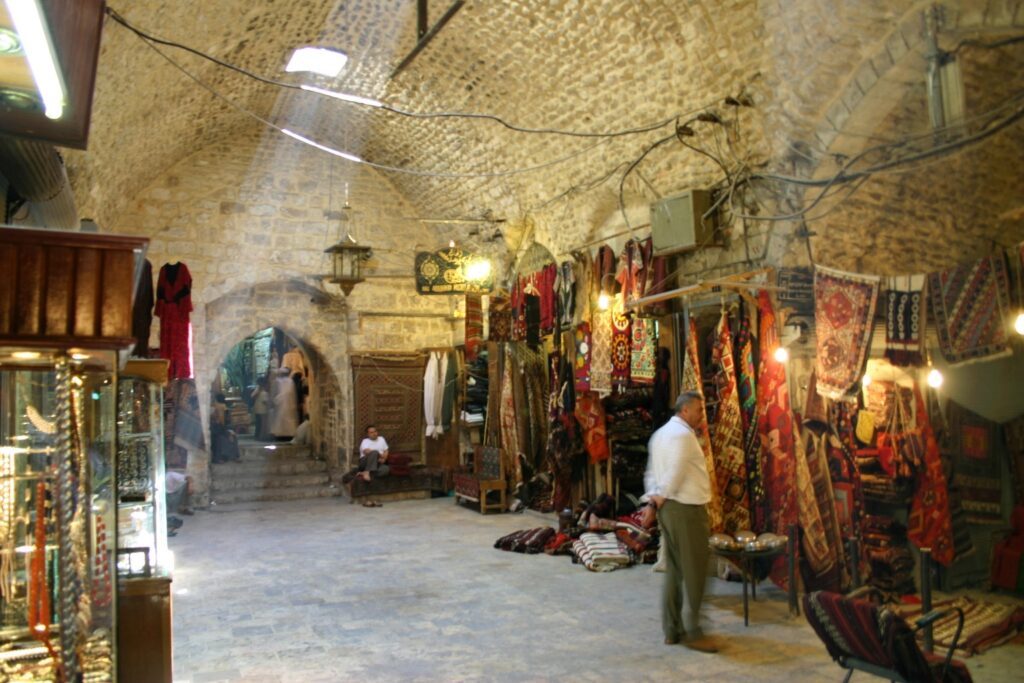
Al-Madina Souq, located in the heart of Aleppo Old City, is one of the largest covered markets in the Middle East and a symbol of Syria’s commercial heritage. Dating back to the 14th century, it stretches for more than 13 kilometers through winding alleys lined with vaulted ceilings and centuries-old shops. Visitors can immerse themselves in a vibrant atmosphere filled with the scents of spices, silk, gold, laurel soap, and traditional crafts—a sensory experience that captures the essence of Aleppo Old City.
Despite suffering extensive damage during the conflict, Al-Madina Souq is steadily coming back to life through dedicated restoration efforts. Parts of this historic market have reopened, allowing travelers to witness not just trade, but the enduring spirit and resilience that define Aleppo Old City.
The National Museum of Aleppo
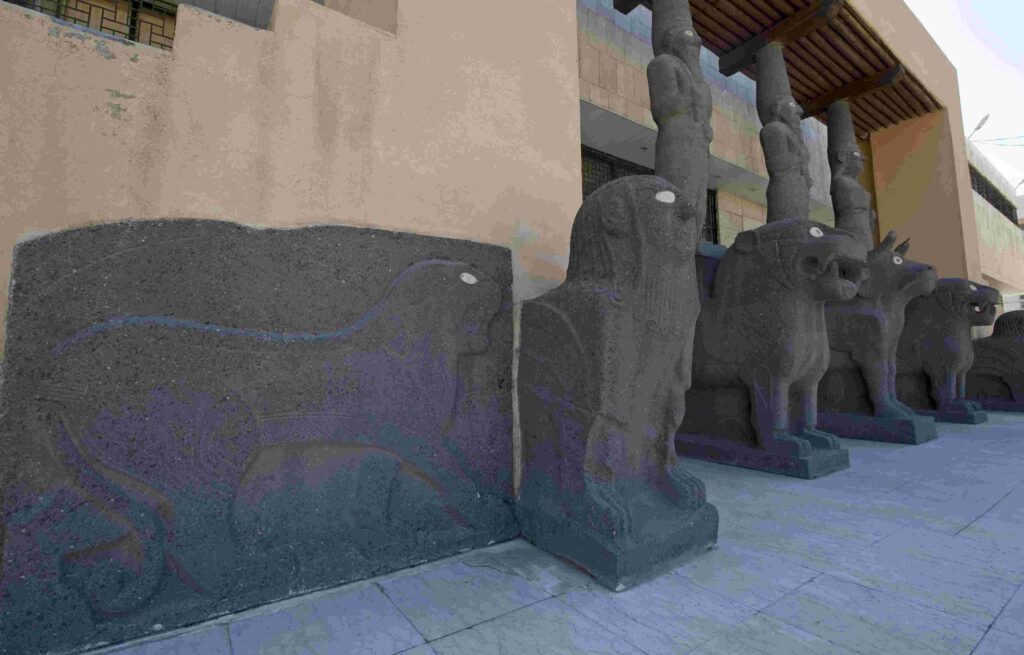
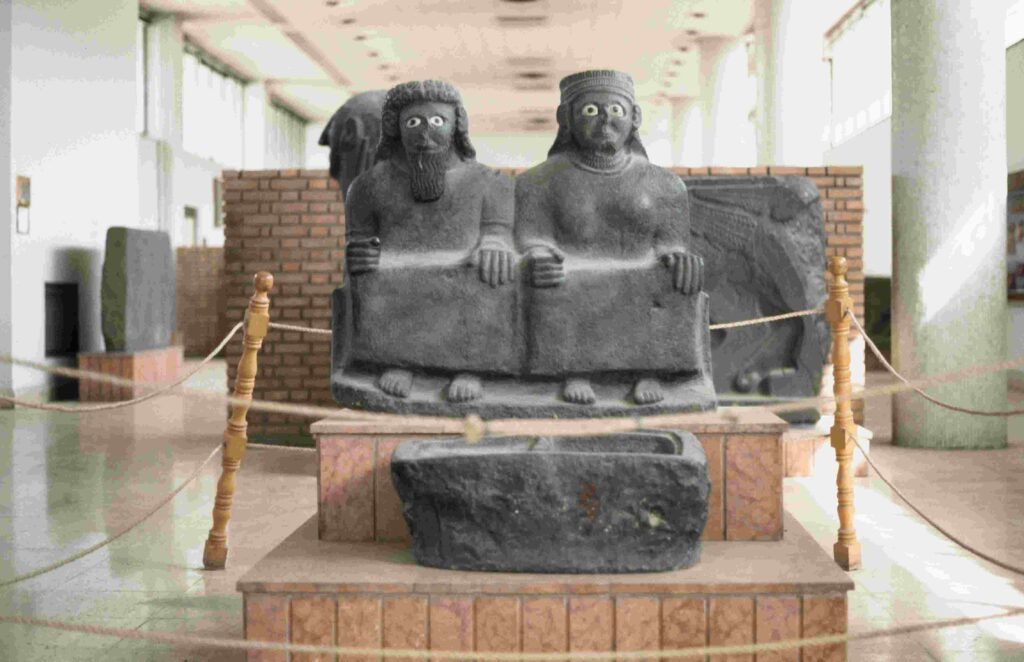
The National Museum of Aleppo, founded in 1931, stands as a cornerstone of Syria’s cultural and historical identity. Located near Aleppo Old City, it houses one of the country’s most significant archaeological collections, tracing the story of civilization from prehistoric times through the Islamic era. Visitors can explore treasures such as cuneiform tablets, Hittite statues, Greco-Roman relics, and early Islamic manuscripts—all testaments to Aleppo Old City’s long-standing role as a center of knowledge and trade.
After years of closure during the conflict, the National Museum of Aleppo has gradually reopened its doors. Restoration and preservation efforts continue, allowing visitors a rare opportunity to witness ancient artifacts—including pieces from Ebla, Mari, and Ugarit—while reflecting on the enduring legacy and resilience of Aleppo Old City.
Al-Bimaristan Al-Arghuni
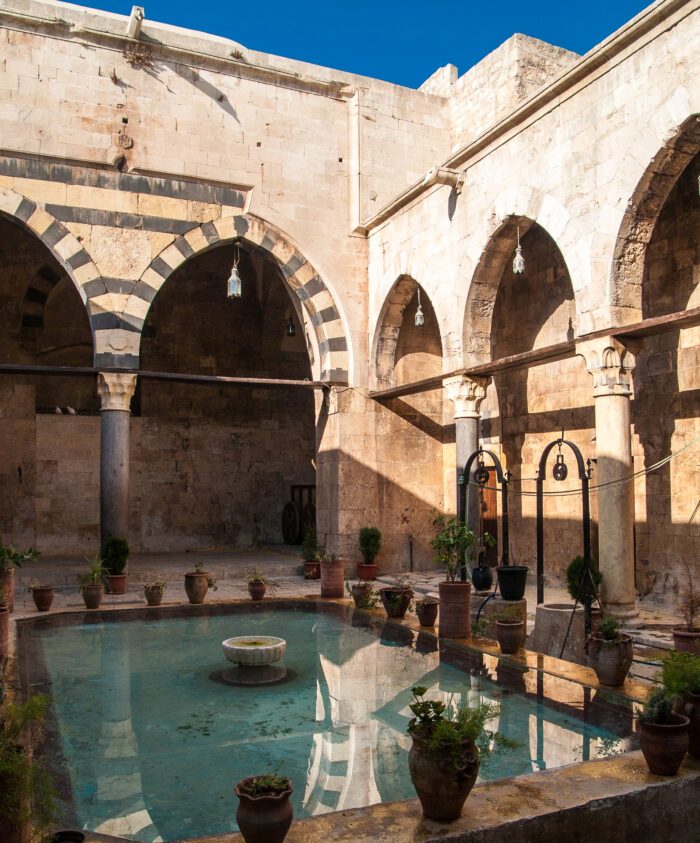
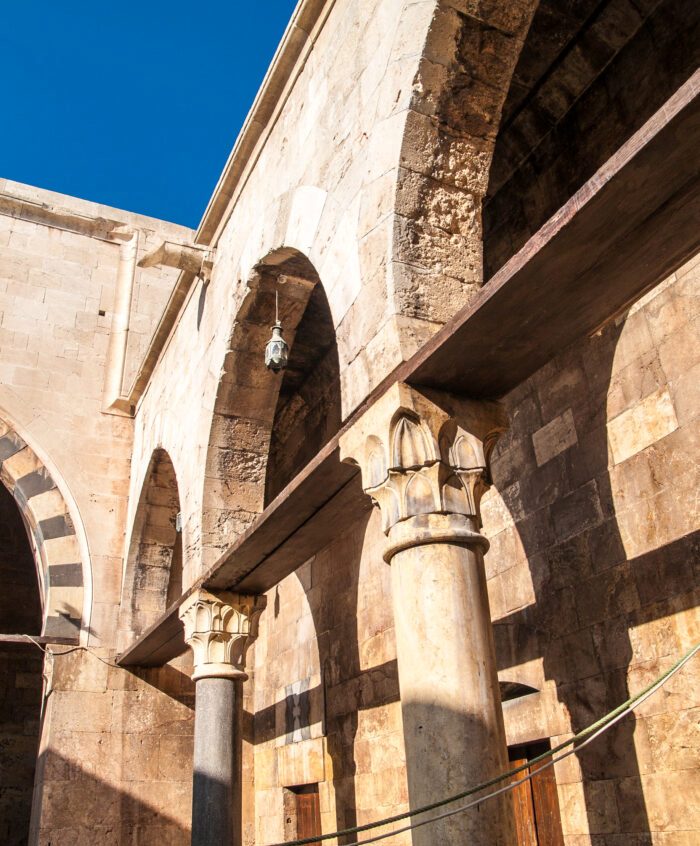
Al-Bimaristan Al-Arghuni, built in 1354 by Arghun al-Kamili, is one of Aleppo Old City’s finest examples of a bimaristan, or hospital, from the Islamic world. This historic institution showcases the advanced medical knowledge and compassionate care of the Islamic Golden Age, featuring patient rooms, a serene courtyard with fountains, and intricate inscriptions detailing treatments. Its architecture is adorned with muqarnas (stalactite vaulting) and geometric patterns, reflecting both aesthetic beauty and functional design. Beyond serving as a center for physical healing, it also provided mental care and educational opportunities, standing today as a remarkable testament to Aleppo Old City’s enduring contributions to medicine and public welfare.
Khanqah Al-Farafira
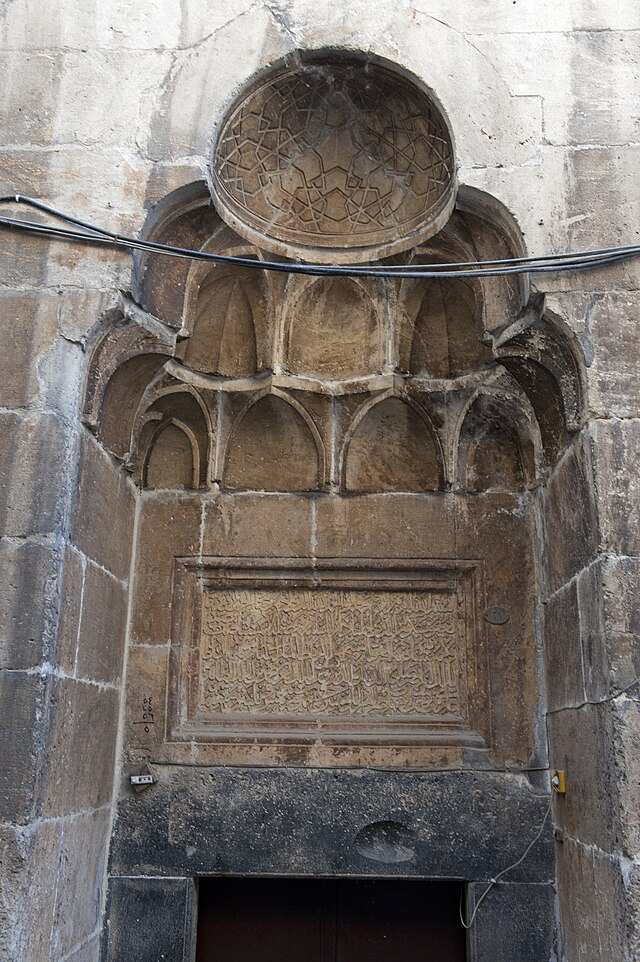
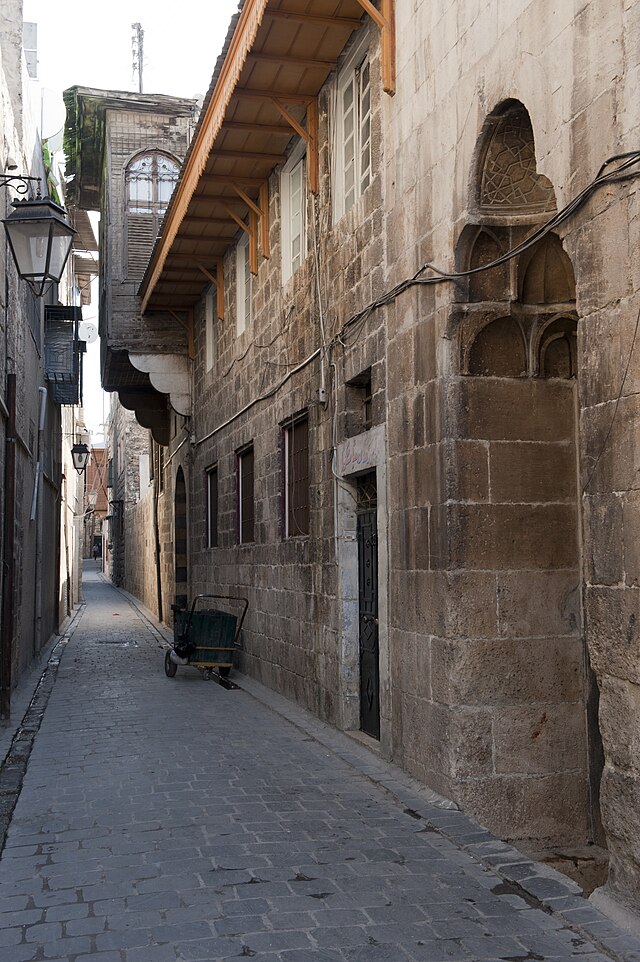
Khanqah Al-Farafira, a 13th-century Sufi lodge in Aleppo Old City, served as a khanqah where dervishes lived, worshiped, and studied, reflecting the city’s rich spiritual diversity and the flourishing of Sufi traditions in medieval Syria. The building is centered around a courtyard with a central fountain, surrounded by small domed rooms for residents, while the prayer hall features intricate stone carvings and inscriptions. As a deeply spiritual site, Khanqah Al-Farafira offers visitors a rare glimpse into Sufi life, highlighting practices of introspection, devotion, and communal learning within Aleppo Old City.
Mosques of Old Aleppo
Al-Khusaibiya Mosque, Al-Tawashi Mosque, and Al-Adiliyah Mosque are notable religious sites within Aleppo Old City, each reflecting different periods and styles of Islamic architecture. Al-Khusaibiya Mosque, near the heart of the old city, combines Seljuk and Mamluk elements with elegant stonework and a serene interior. Al-Tawashi Mosque is distinguished by its richly decorated minaret and tiled prayer niches, offering a quiet yet visually striking alternative to the Umayyad Mosque. Al-Adiliyah Mosque, commissioned in the 16th century by Ottoman governor Darwish Pasha near the Citadel, exemplifies classic Ottoman architectural design and adds to the rich spiritual and cultural tapestry of Aleppo Old City.
Churches in Old Aleppo
Mar Assia al-Hakim Church, the Church of Saint Elijah, and the Church of the Forty Martyrs are key Christian landmarks in Aleppo Old City, each highlighting the city’s rich religious heritage. Mar Assia al-Hakim Church, an ancient Catholic site, remains a place of worship and ongoing restoration despite war damage. The 15th-century Church of Saint Elijah, an Armenian Catholic church, showcases unique architectural features and a resilient congregation serving the local community. Meanwhile, the Church of the Forty Martyrs, located in the Jdeydeh Quarter, stands out with its beautiful frescoes, bell tower, and serene courtyard, reflecting Aleppo Old City’s enduring spiritual and cultural diversity.
Khans and Caravanserais
Khan al-Wazir and Khan al-Shouneh are historic caravanserais in Aleppo Old City that reflect the city’s commercial and cultural legacy. Khan al-Wazir, dating back to the 17th century, once hosted Silk Road traders and continues to accommodate artisan shops and cafés today. Khan al-Shouneh, a carefully restored khan, offers handmade crafts and traditional Syrian goods while serving as a hub for cultural preservation and economic revival within Aleppo Old City.
Exploring the Quarters of Old Aleppo
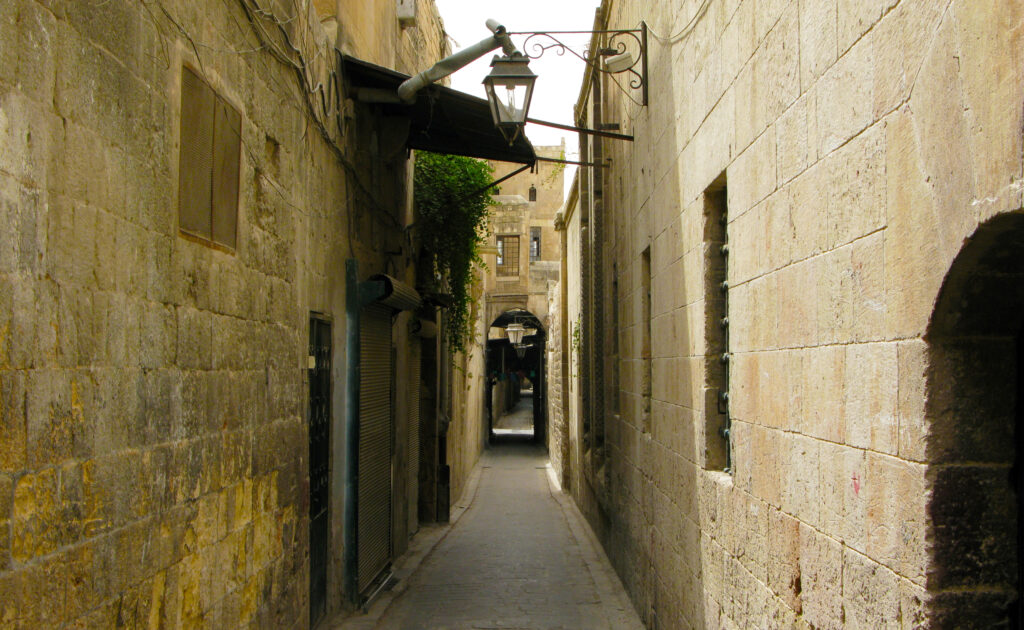
The Jdeydeh Quarter and Aleppo’s historic city gates, such as Bab Antakya and Bab al-Faraj, are key highlights of Aleppo Old City. Jdeydeh Quarter, a Christian neighborhood, is characterized by cobbled streets, traditional houses with inner courtyards, and close proximity to historic churches and khans, offering a quieter and more reflective experience than the busy souqs. The ancient city gates, including Bab Antakya and Bab al-Faraj, showcase Aleppo’s defensive architecture with watchtowers and inscriptions, marking the historic entry points into the fortified old city.
See Also: Beit Ajqabash in Aleppo
Practical Tips for Tourists
- Best Time to Visit: Spring (March to May) or autumn (September to November) offer mild weather and clear skies for exploring Aleppo Old City.
- Dress Code: Wear modest clothing, such as long trousers or skirts and covered shoulders, especially at religious sites in Aleppo Old City.
- Language and Communication: Arabic is the primary language; many locals in tourist areas speak some English or French. Learning a few Arabic greetings is helpful.
- Safety and Entry: Check current travel advisories before visiting Syria. Travel in Aleppo should be cautious and ideally with a local guide.
- Currency and Payments: The Syrian Pound (SYP) is the official currency; cash is preferred, and foreign credit cards may not work. Carry small denominations.
- Photography Etiquette: Photography is generally allowed, but always ask for permission before photographing individuals or inside religious buildings.
The Spirit of Aleppo
Despite the scars of war, Old Aleppo remains a city of deep faith, vibrant culture, and enduring beauty. Its blend of Islamic, Christian, and ancient traditions continues to captivate and inspire. Walking through its alleys is like reading a living history book written in stone, faith, and resilience.
For travelers with a passion for history, culture, and architecture, Old Aleppo offers an unforgettable experience—a testament to human creativity and the unbreakable spirit of a city that refuses to be forgotten.
Finally.. If you have any questions, please contact us. To explore further, visit our website gallery for rare images and cultural highlights.
Sources & References:
UNESCO – World Heritage Centre: https://whc.unesco.org
Archnet – Architecture & Heritage Database: https://www.archnet.org
World History Encyclopedia: https://www.worldhistory.org
Syrian Heritage Archive Project: https://syrian-heritage.org
Global Encyclopedia: Wikipedia