Damascus Old City, Sham, famously known as the City of Jasmine, is one of the world’s oldest continuously inhabited cities. The Damascus Old City offers a vibrant tapestry of history, culture, and architectural marvels, reflecting layers of Roman, Mamluk, Ottoman, and modern influences. Walking through the Damascus Old City feels like stepping back in time—every alley, courtyard, and minaret tells a story of faith, trade, and artistry. This article invites you on an immersive walking tour through five of its most historic neighborhoods—Sarouja, Kanawat, Bab Touma, Qaymariyyeh, and Bab al-Sreijeh—each revealing a different facet of the Damascus Old City and its timeless charm.
Damascus Old City | Quick Info.
| Neighborhood | Era / Founded | Historical Significance | Key Highlights & Landmarks | Visitor Experience |
|---|---|---|---|---|
| Sarouja | 13th century (Mamluk era) | First suburb outside Damascus walls; home to elites and Ottoman palaces | Al-Azm & Al-Yusuf Palaces, Souq Sarouja, historic mosques, schools, bathhouses | Quiet, reflective area with ornate architecture and preservation efforts after 2023 fire |
| Kanawat | Roman origins; developed during Ottoman era | Blend of Roman water channels and traditional Damascene life | Roman arches, Hejaz Railway Station, Fakhri al-Baroudi House, Saada School | Peaceful, authentic feel; mix of heritage and local daily life |
| Bab Touma | Rebuilt 13th century (Ayyubid period) | Historic Christian quarter; site of 1860 massacre | Mariamite Cathedral, House of Saint Ananias, Syriac Orthodox Cathedral | Vibrant alleys, cafés, and religious sites; lively during festivals |
| Qaymariyyeh | Ayyubid origins; flourished during French Mandate | Historic market and artisan hub near Umayyad Mosque | Souq Qaymariyyeh, crafts, spice shops, sweets, antiques | Ideal for shopping, photography, and experiencing authentic commerce |
| Bab Sharqi & Straight Street | Roman period (64 BCE) | Ancient Roman axis (Via Recta); Biblical significance (St. Paul) | Bab al-Sreijeh Market, Midhat Pasha Street, Umayyad Mosque | Busy market life, historic architecture, mix of sacred and urban charm |
01- Sarouja: The First Suburb and Secret Heritage
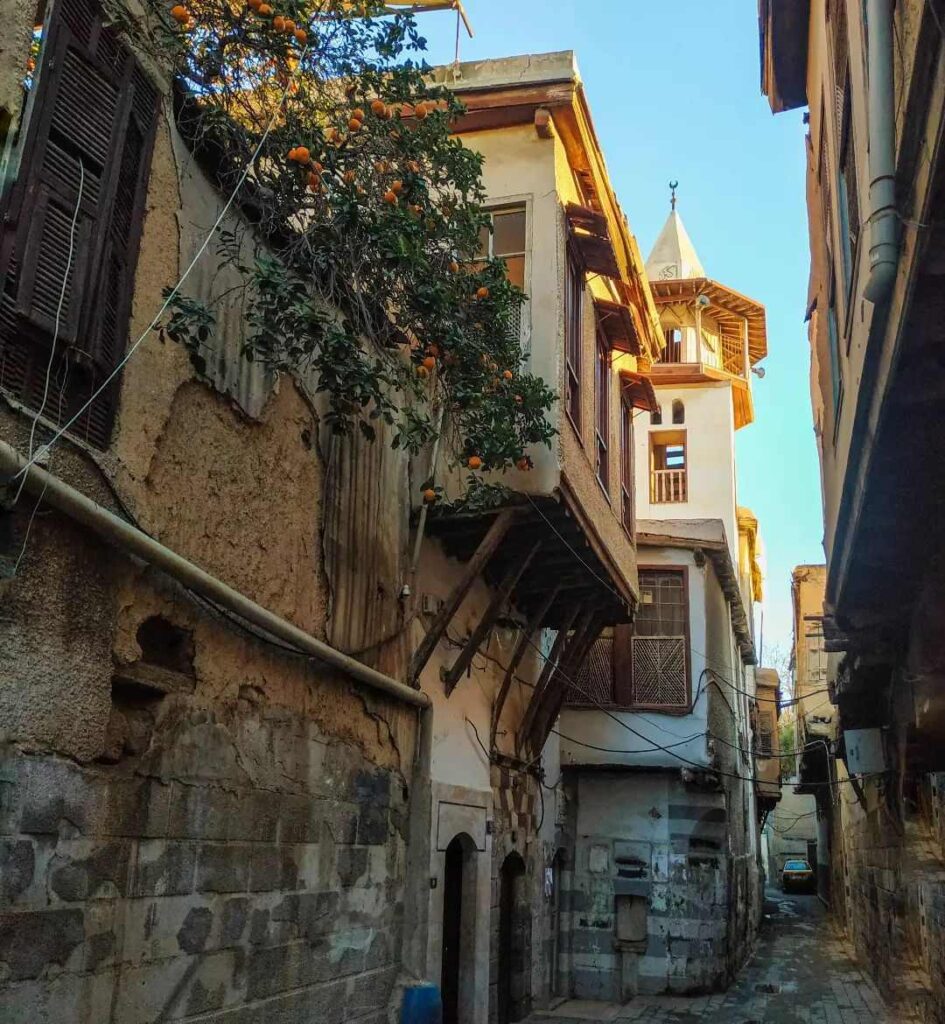
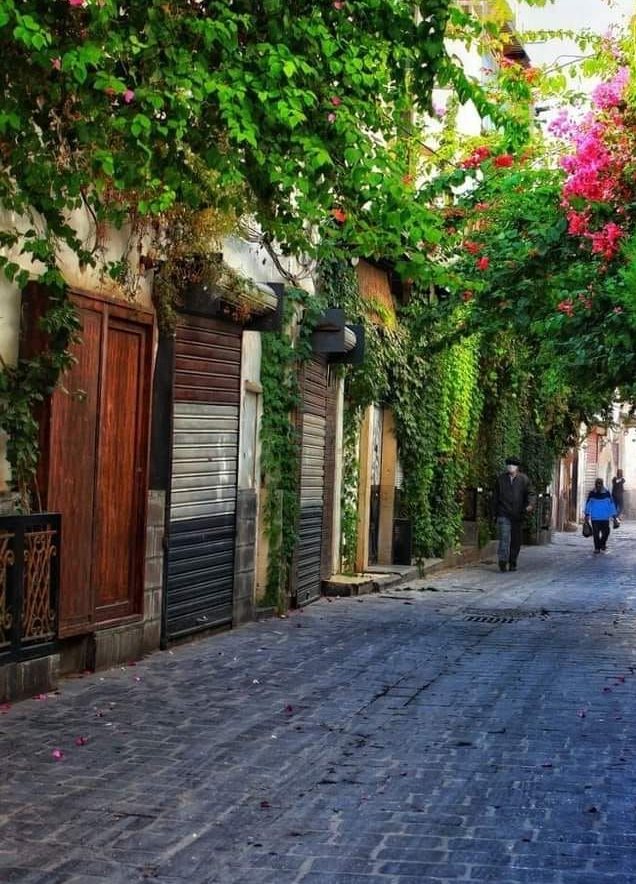
Sarouja stands out as the first suburb constructed outside the ancient city walls of Damascus Old City, dating back to the 13th century during the Mamluk era. Named after Sarim al-Din Sarouja, a local notable who died in 1342, this neighborhood quickly became a prestigious district where the city’s elite built grand mansions, mosques, schools, and bathhouses. Nicknamed “Little Istanbul,” Sarouja reflects strong Ottoman architectural influence visible in its historic palaces, including Al-Azm and Al-Yusuf’s, which highlight its political and cultural significance within Damascus Old City. The historic Souq Sarouja, established around the 12th century, was once a bustling market for antiques, manuscripts, and traditional goods, serving as the social and spiritual heart of the community.
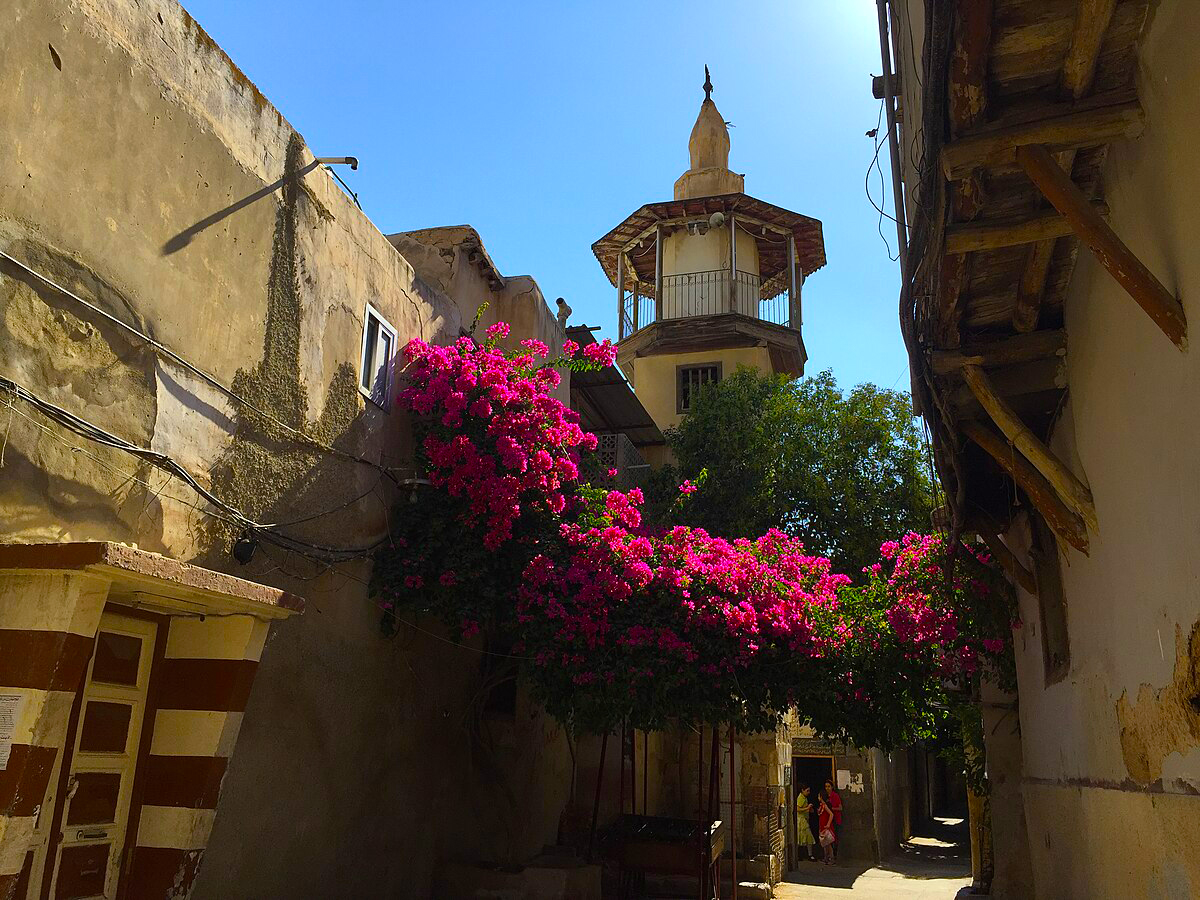
Despite a major fire in 2023 that damaged parts of the Al-Azm Palace and other heritage buildings, local and international preservation efforts continue to protect Sarouja, making it a resilient emblem of history. Today, wandering through Sarouja’s narrow alleys, visitors can admire ornate doorways, intricately carved wooden windows, and stone fountains, experiencing a quieter, more reflective side of Damascus Old City. This historic neighborhood offers a serene escape from the busiest streets, showcasing the enduring charm and layered history that define Damascus Old City for anyone exploring its rich past and architectural treasures.
02- Kanawat: Roman Roots Meet Damascus Living

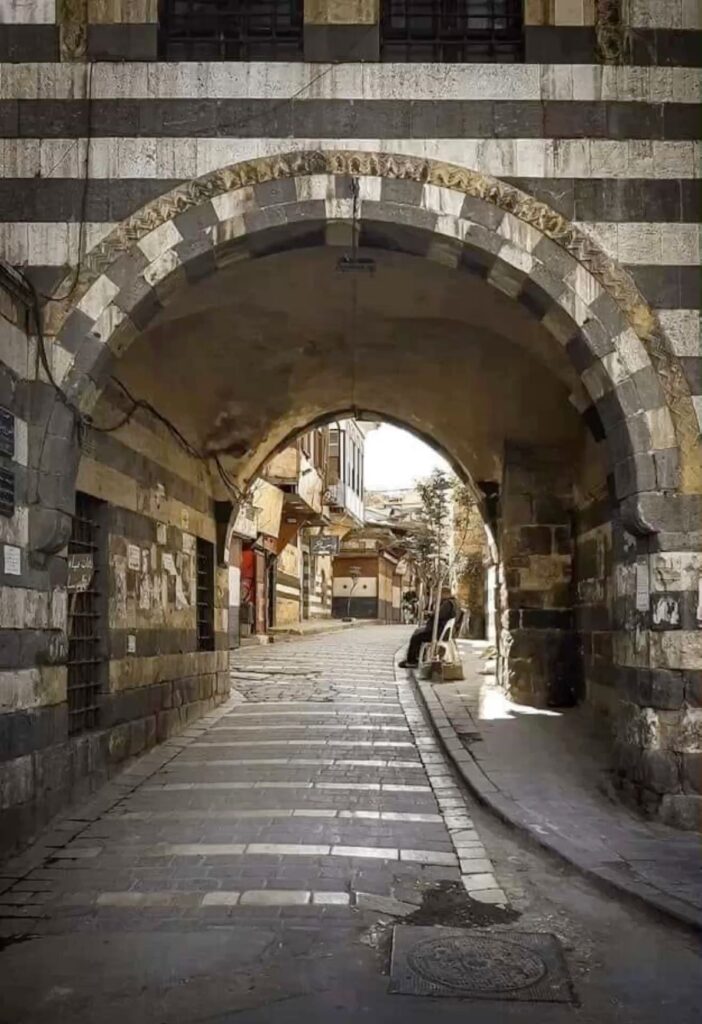
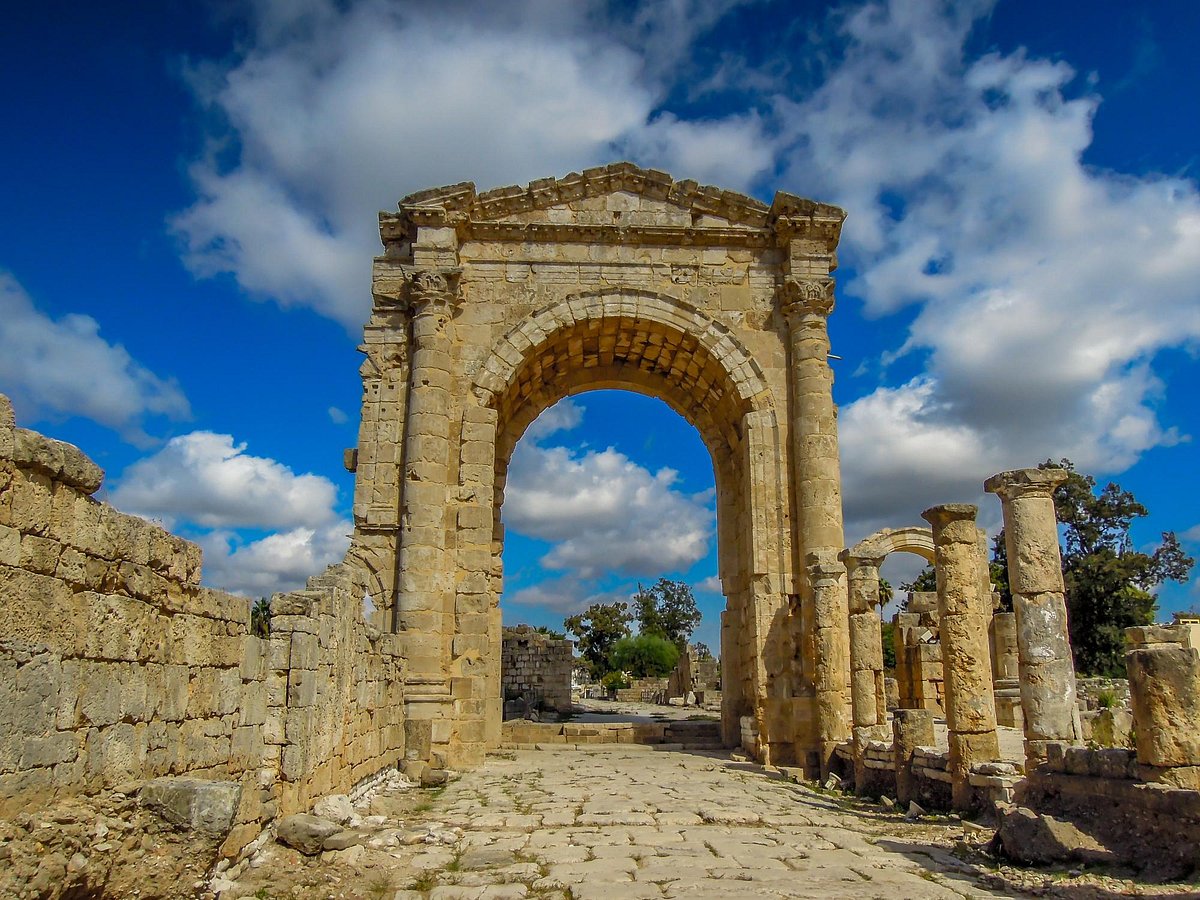
Kanawat is a historic and charming neighborhood just outside the walls of Damascus Old City, founded by wealthy Damascenes centuries ago. The area is famous for its Roman-era water channels, wide traditional homes, and rich cultural heritage. Walking through Kanawat, visitors can admire impressive stone arches along the ancient canals, carved stone doors, and wooden lattice windows on houses dating from the Mamluk, Ottoman, and early 20th-century periods. Cultural landmarks such as Saada Secondary School, the house of poet-politician Fakhri al-Baroudi, an early printing press, and the historic Hejaz Railway Station highlight Kanawat’s significance within Damascus Old City and its historical urban fabric.
Centrally located near major streets like Khalid ibn al-Walid and Al-Nasr, Kanawat blends the charm of Damascus Old City with the rhythms of daily life, featuring quiet alleys, small shops, cafés, and a welcoming local community. Visitors are encouraged to stroll from Khalid ibn al-Walid to Bab al-Jabiyah to see the Roman arches, explore Shadhbakiya alley, and sample traditional Damascene food. This neighborhood provides a unique window into the past and present, making it one of the most authentic and memorable experiences among Damascus Old City neighborhoods for those seeking culture, history, and everyday local life.
03- Bab Touma: Christian Quarter and Gate of Thomas
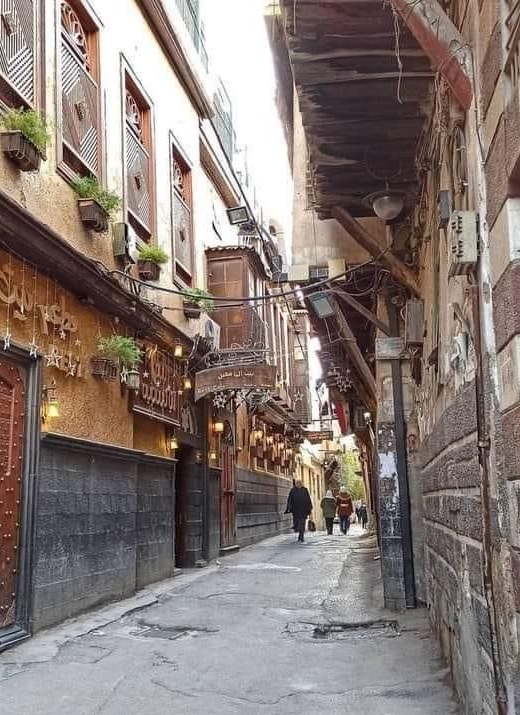
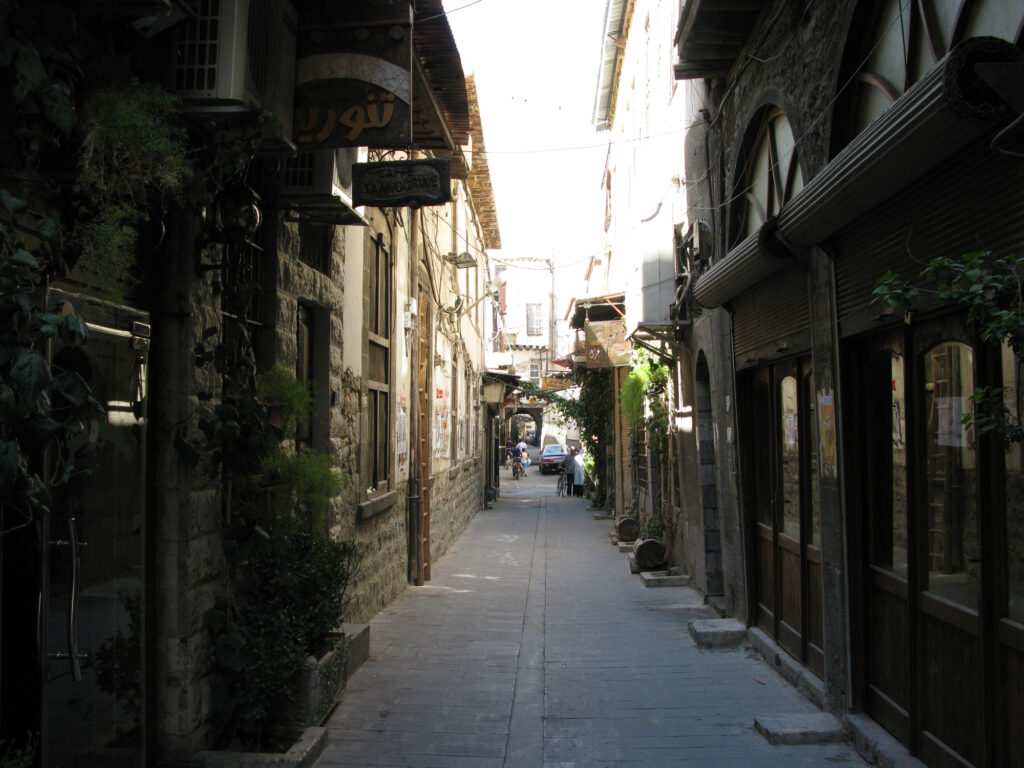
Bab Touma, named after Saint Thomas the Apostle, is the historic Christian quarter of Damascus Old City. Originally one of the seven Roman gates to the city, it was rebuilt during the Ayyubid dynasty in the 13th century and became the heart of Damascus’s Christian community, witnessing pivotal moments such as the 1860 massacre. Visitors can explore its significant religious sites, including the Mariamite Cathedral, the Syriac Orthodox Cathedral of Saint George, and the ancient underground chapel known as the House of Saint Ananias, which together showcase the quarter’s rich spiritual heritage within Damascus Old City.
Wandering through Bab Touma, visitors encounter narrow stone alleys, historic bridges linking traditional homes, and lively cafés such as Havana Café and Beit Jidi. The quarter comes alive during Christian festivals, offering an authentic blend of history, culture, and local hospitality, making it one of the most vibrant and memorable neighborhoods to experience in Damascus Old City.
04- Qaymariyyeh: Crafts, Souqs, and the City’s Inner Spine
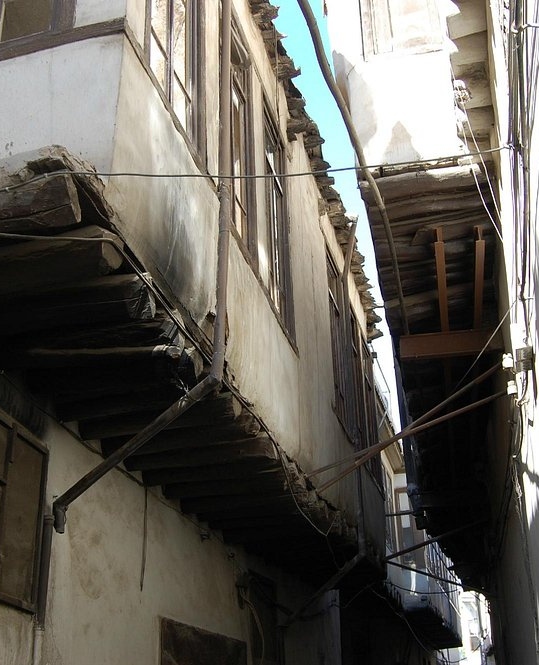
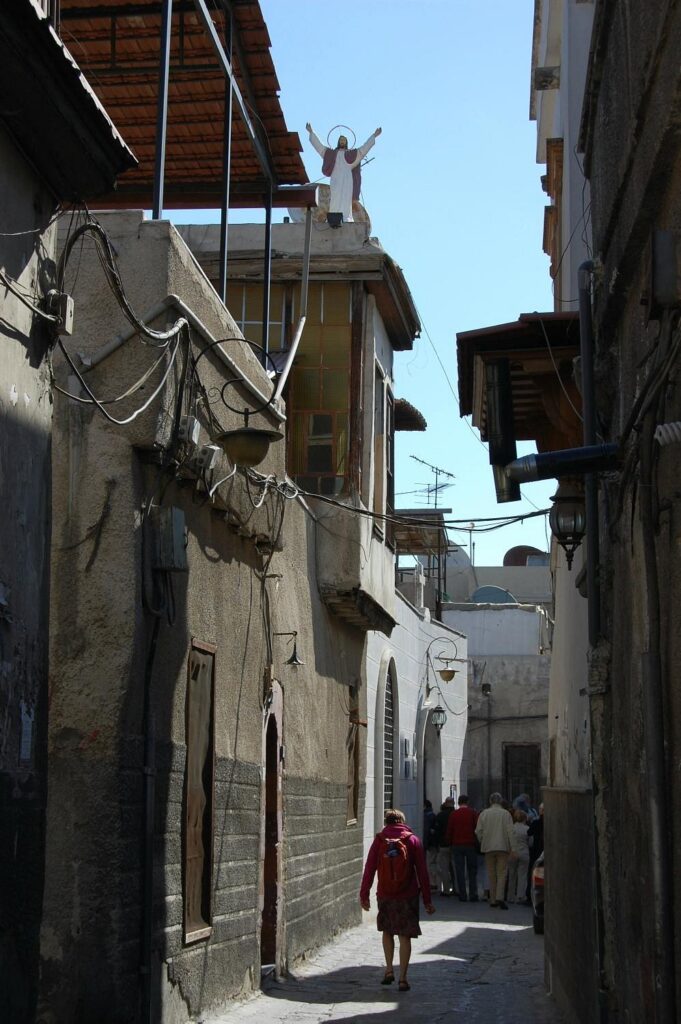
Qaymariyyeh is a bustling neighborhood near the Umayyad Mosque, one of the central landmarks of Damascus Old City. Named after an Ayyubid emir, the quarter flourished during the French Mandate era as a diverse middle-class neighborhood. Its streets retain a timeless charm, featuring carved stone arches, vine-covered walkways, and a rich architectural heritage that reflects centuries of Damascus history within Damascus Old City.
The Souq of Qaymariyyeh is famous for antiques, spices, leather goods, and sweets, where traditional crafts continue to thrive. Visitors can wander picturesque alleys, sample local delicacies, and shop for unique souvenirs, experiencing authentic Damascene commerce and culture. Its vibrant atmosphere and historic charm make Qaymariyyeh a must-visit neighborhood for anyone exploring the heart of Damascus Old City.
05- Bab Sharqi & Straight Street: Ancient Axis and Market Life
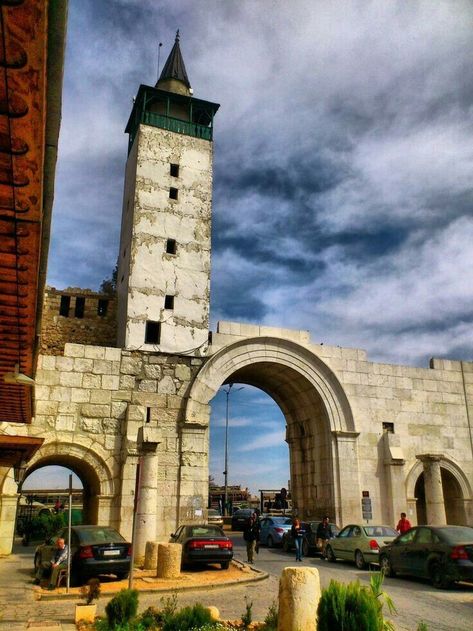
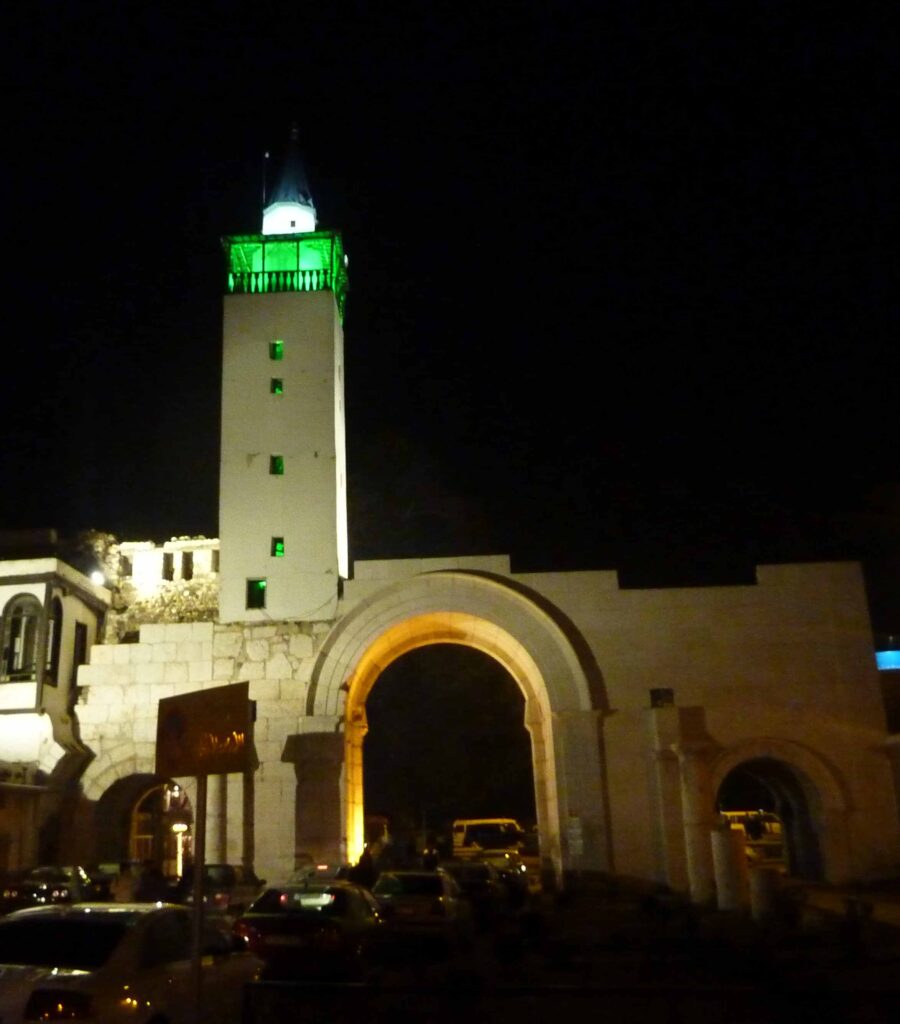
Straight Street, or the Via Recta, is one of Damascus Old City’s most famous thoroughfares. Constructed by the Romans around 64 BC, it runs east to west across the old city and holds biblical significance as the place where Saint Paul is said to have stayed. Walking along this ancient route, visitors can appreciate the layers of history embedded in the surrounding architecture and streets, experiencing a direct connection to Damascus’s rich past.
Just outside the city walls, Bab al-Sreijeh hosts a vibrant market filled with textiles, clothing, street food, and spices, offering an authentic slice of daily life in Damascus Old City. The western section, known as Midhat Pasha Street, is lined with famous markets such as Al-Hamidiyah Souq and passes by the Umayyad Mosque, providing a seamless blend of commerce, religion, and historic charm for visitors exploring the heart of the old city.
Suggested Walking Itinerary Through Old Damascus
- Start at Sarouja, exploring antique shops and the remains of heritage buildings.
- Walk to Kanawat, observing Roman and Ottoman architectural details.
- Enter Bab Touma, visiting churches, cafes, and historic bridges.
- Move on to Qaymariyyeh for shopping and experiencing traditional souqs.
- Finish along Straight Street, soaking in vibrant market life and visiting the Umayyad Mosque.
Why Visiting These Neighborhoods Matters
These neighborhoods offer a rich mosaic of history, religion, and culture. Visitors experience how Damascus’s ancient urban fabric continues to support vibrant, modern life. The coexistence of mosques, churches, markets, and homes highlights the city’s unique multi-faith harmony.
See Also: Photo Gallery for Damascus Old City
Practical Tips for Visitors
- Visit early morning or late afternoon for comfortable weather and lighting.
- Dress modestly to respect local customs, especially near religious sites.
- Carry cash for small purchases as many vendors do not accept cards.
- Always ask before taking photos inside religious buildings or private courtyards.
- Consider hiring a local guide for deeper historical insights.
Final Thoughts
Walking through Sarouja, Kanawat, Bab Touma, Qaymariyyeh, and Bab al-Sreijeh is more than sightseeing. It’s a journey through time and culture in a city that has stood for thousands of years. This tour through Damascus Old City lets travelers connect with its heart and soul, experiencing the resilience, diversity, and timeless beauty that make Damascus Old City one of the world’s most captivating historic destinations.
Finally.. If you have any questions, please contact us. To explore further, visit our website gallery for rare images and cultural highlights.
Sources & References:
UNESCO – World Heritage Centre: https://whc.unesco.org
Archnet – Architecture & Heritage Database: https://www.archnet.org
World History Encyclopedia: https://www.worldhistory.org
Syrian Heritage Archive Project: https://syrian-heritage.org
Global Encyclopedia: Wikipedia