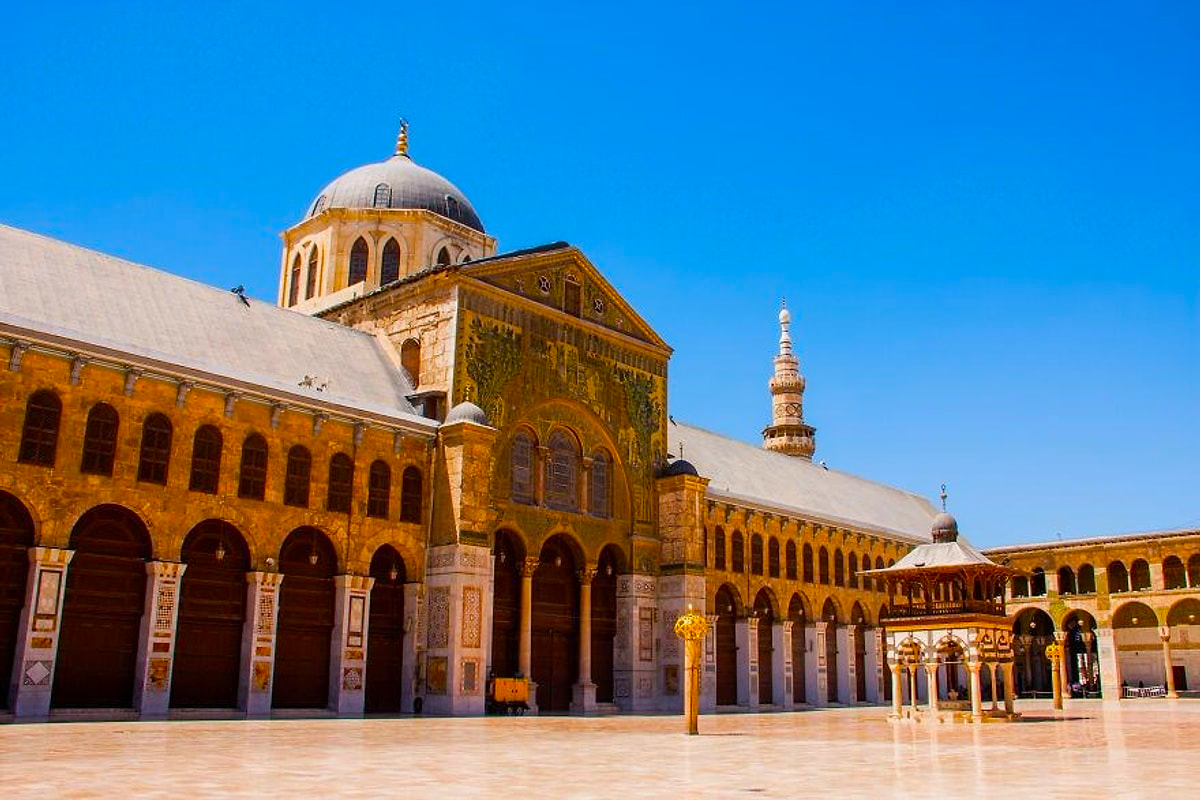
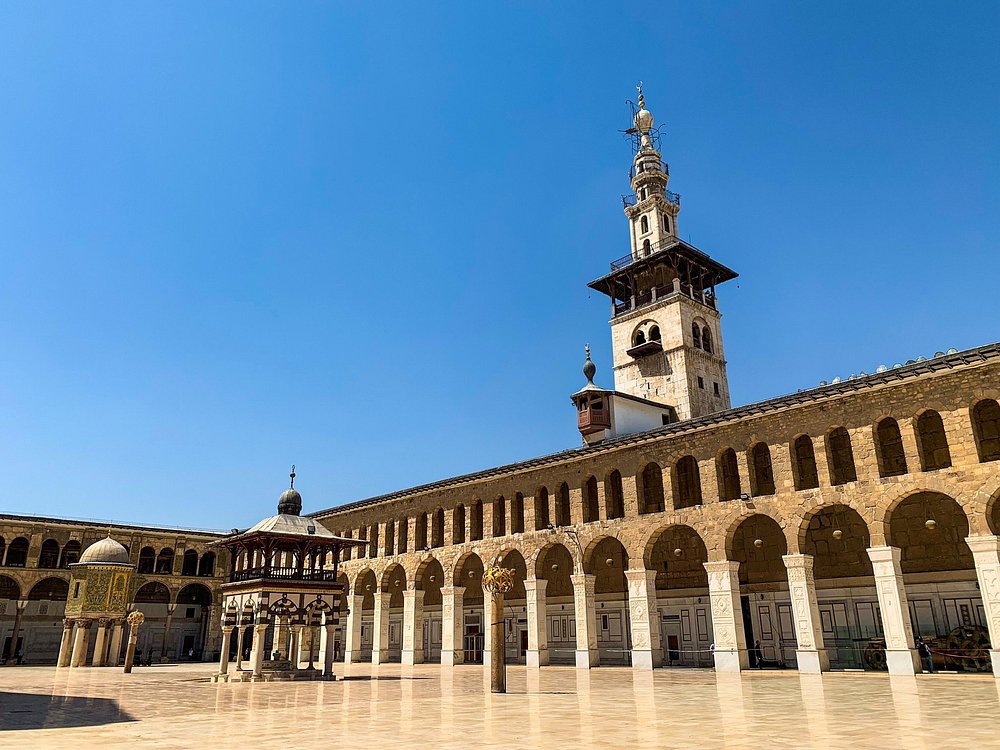
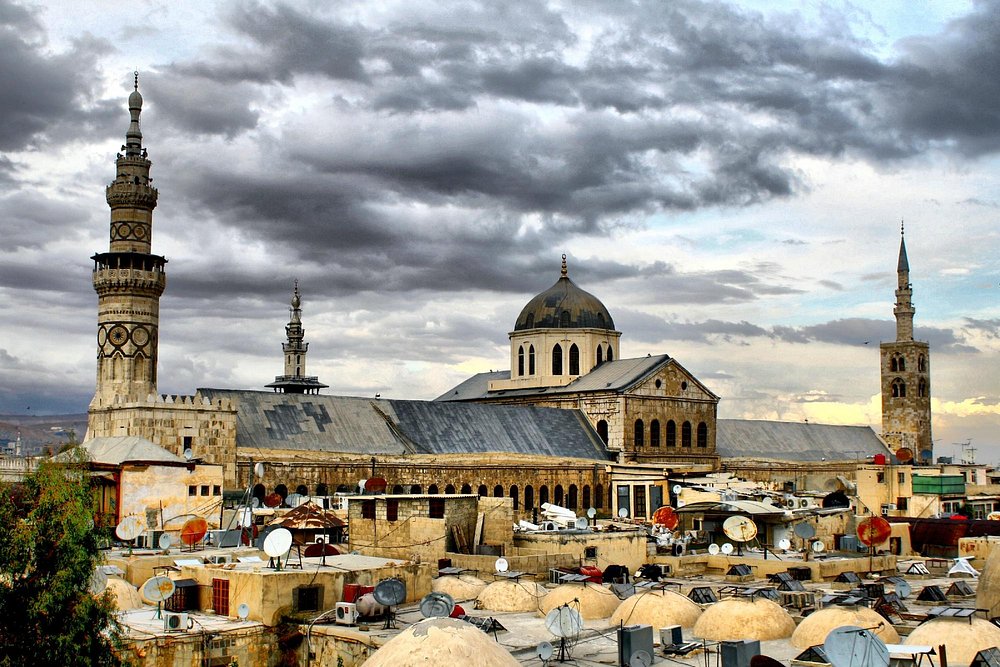
Great Mosque of Damascus (جامع الاموي) also known as the Umayyad Mosque, is one of the most iconic landmarks in the Middle East and a must-visit for anyone exploring Syria. Located in the heart of Old Damascus, this magnificent structure is one of the oldest and largest mosques in the world. Built in 715 AD by the Umayyad Caliph al-Walid I, it stands on the site of a Roman temple and a former Byzantine church, making it a place where history, architecture, and spirituality beautifully merge.
| Feature | Details |
|---|---|
| Name | Umayyad Mosque / Great Mosque of Damascus |
| Location | Old City, Damascus, Syria |
| Historical Significance | One of the oldest and largest mosques in the world; built in 715 CE on a former church site |
| Religious Importance | Sacred to both Muslims and Christians (contains shrine of John the Baptist/Yahya) |
| Architectural Style | Early Islamic architecture with Roman and Byzantine influences |
| Dress Code | Modest clothing; women may need to wear a robe and cover hair |
| Visiting Hours | Typically open daily, except during prayer times (especially Friday prayers) |
| Photography | Allowed, but respectful behavior required |
| Best Time to Visit | Early morning or late afternoon for fewer crowds and better lighting |
Why Visit?
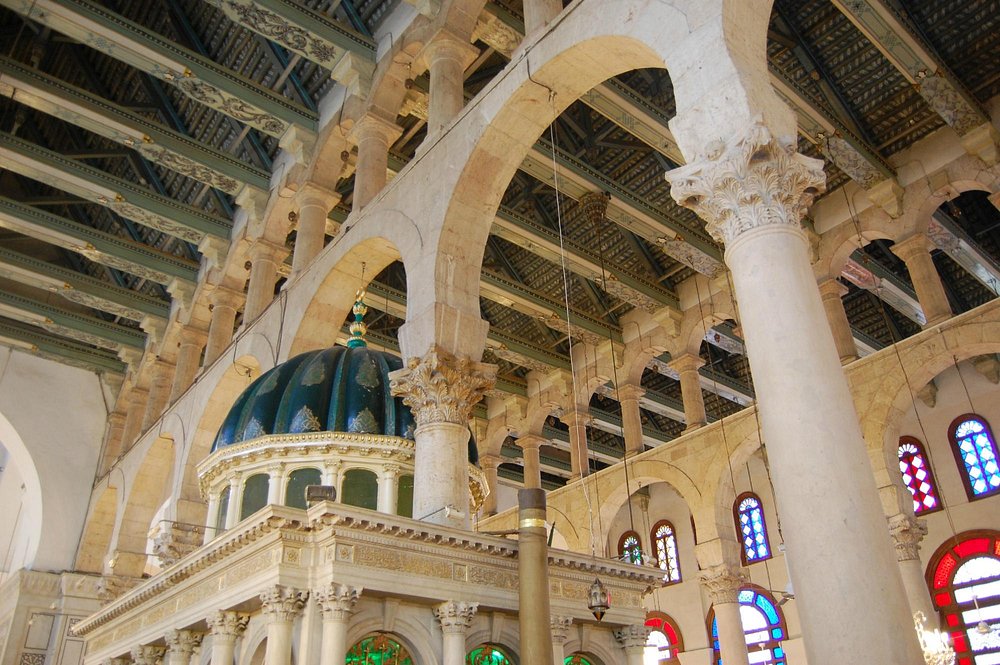
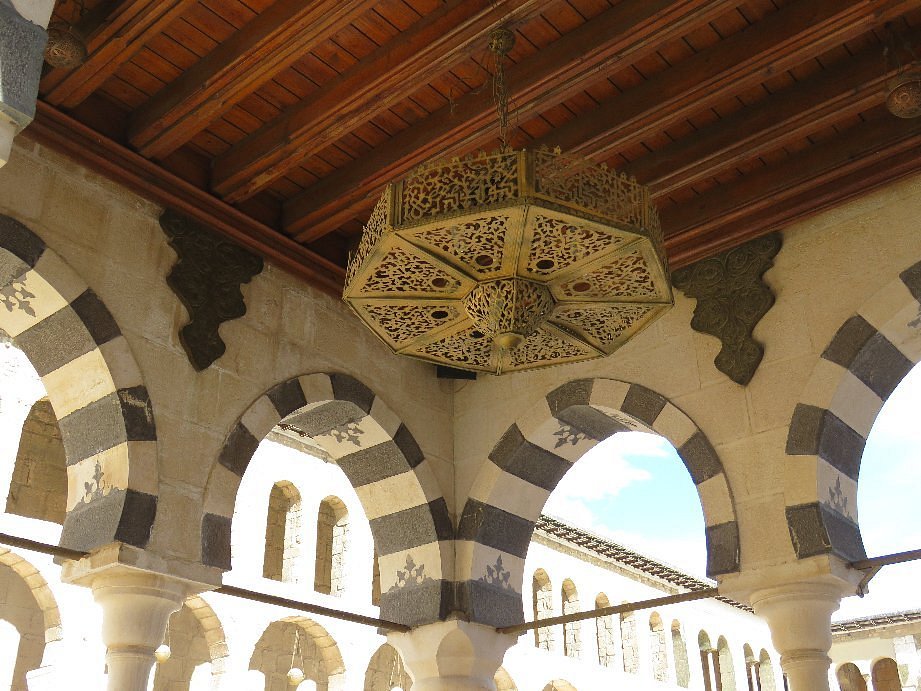
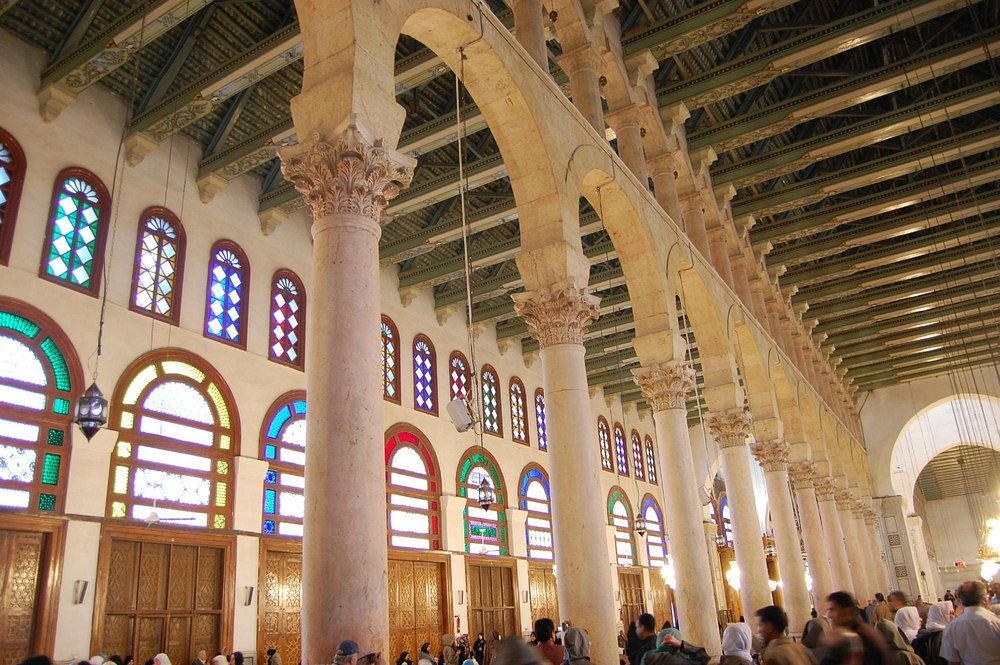
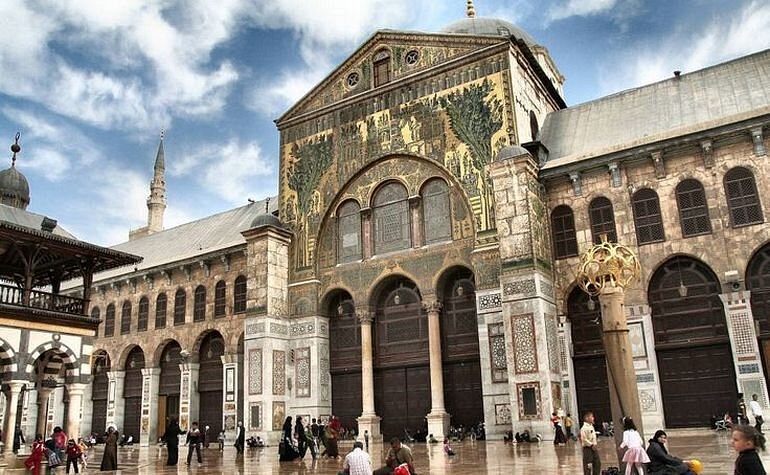
The Great Mosque of Damascus is more than a place of worship—it’s a living museum that tells the story of civilizations that once shaped the ancient city. Built in the 8th century under Caliph al-Walid I, the mosque incorporates influences from Roman, Byzantine, and early Islamic architecture. Inside, you’ll find exquisite mosaics depicting paradisiacal landscapes, a vast marble courtyard surrounded by arcades, and a grand prayer hall filled with serenity.
One of the most remarkable features of the Great Mosque of Damascus is the shrine of John the Baptist (Prophet Yahya), revered by both Muslims and Christians. According to tradition, his head is buried within the mosque, drawing visitors of multiple faiths. The site also has strong connections to Imam Hussein, as it served as a resting place for his family after the tragedy of Karbala. These elements make the Great Mosque of Damascus a powerful destination for reflection and understanding among different religious communities.
Visitors often describe the experience as humbling and unforgettable. The gentle light filtering through the arches, the call to prayer echoing across the courtyard, and the sight of families and pilgrims from around the world all contribute to the spiritual atmosphere that defines the Great Mosque of Damascus.
How to Reach
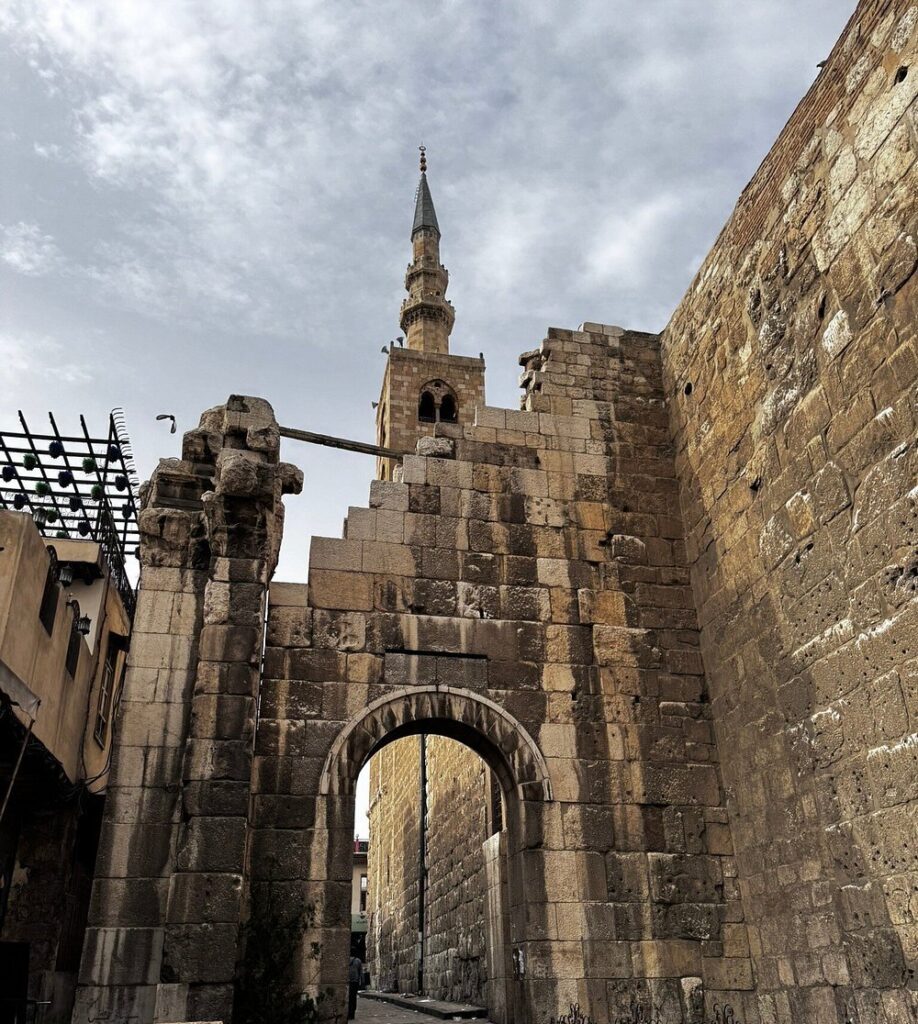
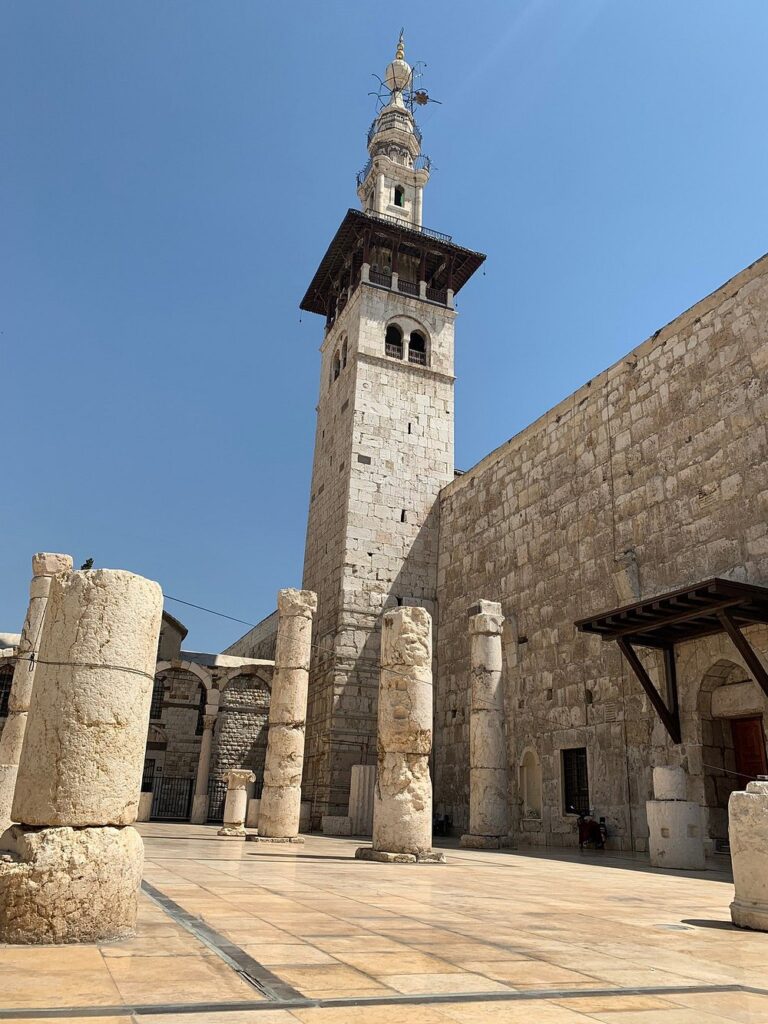
Situated in Old Damascus, the mosque is easily accessible on foot through the ancient gates such as Bab al-Jabiya or Bab Sharqi. Most travelers staying in central Damascus can reach the Great Mosque of Damascus within a 10–20-minute walk from major hotels or souks. Taxis are also available, and local guides can lead you through the narrow historic streets.
What to Know Before You Go
- Dress modestly: Women should cover their hair, arms, and legs. Robes are usually available at the entrance.
- Photography is allowed, but be respectful of worshippers.
- Visiting hours may vary during prayer times, especially on Fridays.
- Entry is free for locals; tourists may pay a small fee (around $4–5 USD).
Nearby Attractions
- Al-Hamidiyah Souq – A traditional market just outside the mosque, perfect for souvenirs.
- Azem Palace – An Ottoman-era house museum nearby.
- Mausoleum of Saladin – The tomb of the famous Muslim leader is right next to the mosque.
- Straight Street (Via Recta) – A historic Roman road nearby.
Whether you come for history, architecture, or faith, the Great Mosque of Damascus remains a timeless jewel of Syria and a must-see destination for anyone visiting the Middle East.
To read more about this topic, click here. To explore further, visit our Facebook Syria Collection for rare images and cultural highlights.