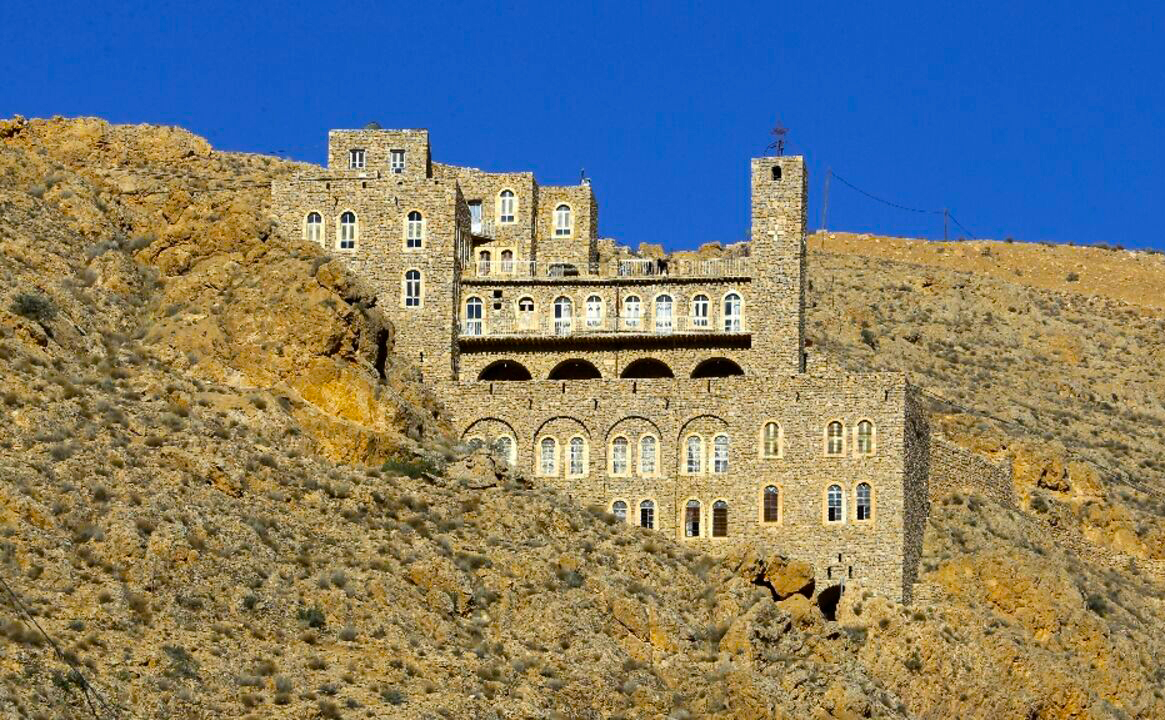
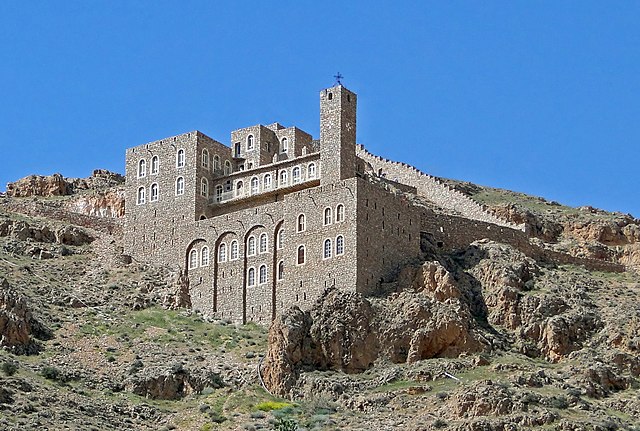
Monastery of Saint Moses (دير مار موسى الحبشي) : Deir Mar Musa al-Habashi is one of Syria’s most unique and peaceful spiritual sites, perched high in the desert hills above Al-Nabek. Originally built in the 6th century, this ancient Christian monastery was revived in modern times by Jesuit priest Paolo Dall’Oglio, transforming it into a hub of spiritual reflection, interfaith dialogue, and historical preservation. Dedicated to Saint Moses the Abyssinian, the monastery is renowned for its stunning frescoes, panoramic views, and role as a symbol of coexistence between Christians and Muslims. Visiting the Monastery of Saint Moses is as much a spiritual journey as it is a historical exploration.
| Name | Deir Mar Musa al-Habashi (Monastery of Saint Moses the Abyssinian) |
|---|---|
| Location | Near the town of Al-Nabek, ~90 km north of Damascus |
| Elevation | Approx. 1,300 meters above sea level |
| Known For | Remote monastery, spiritual retreats, interfaith dialogue |
| Founded | Originally 6th century; restored in the 1980s |
| Religious Significance | Christian monastery promoting Christian-Muslim understanding |
| Accessibility | Reachable by car; final approach requires a 20–30 min uphill walk |
| Dress Code | Modest, respectful attire |
| Best Time to Visit | Spring and autumn |
| Photography | Allowed, except in certain prayer areas |
| Facilities | Basic accommodation, communal meals (advance notice needed) |
Why Visit
The Monastery of Saint Moses is perfect for travelers seeking quiet, reflection, and a genuine sense of spirituality. The monastery sits atop a hill, requiring a moderate 30-minute uphill walk from Al-Nabek, which adds a sense of pilgrimage to the experience. Once at the top, visitors are rewarded with breathtaking views over the Syrian desert, rolling hills, and distant mountain ranges.
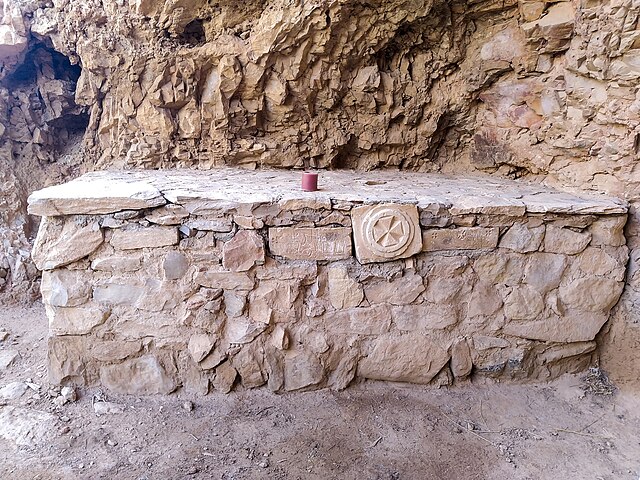
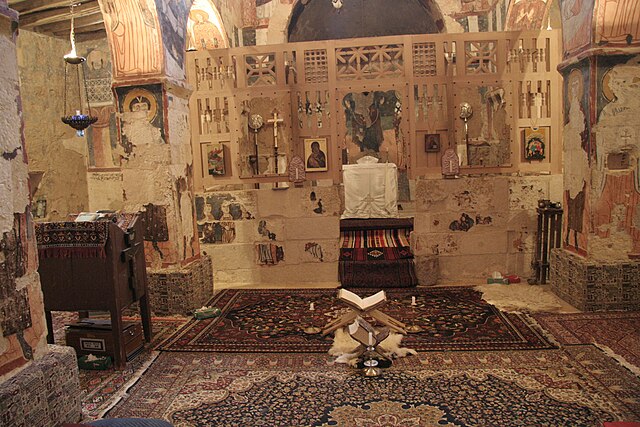
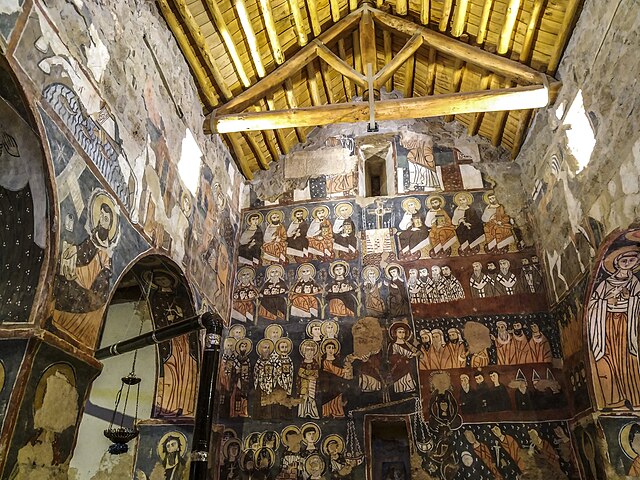
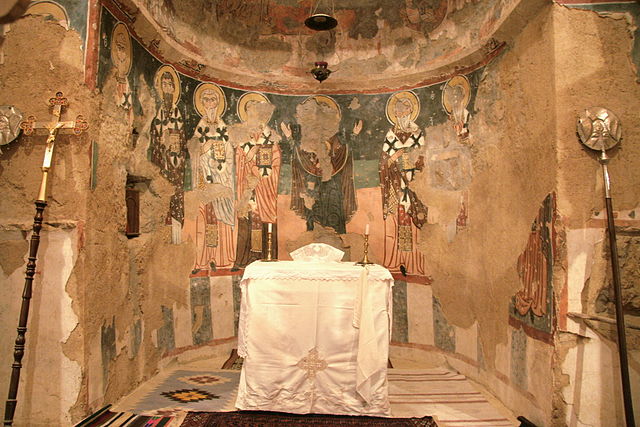
Inside the monastery, beautifully preserved frescoes and simple, austere architecture provide insight into early Christian monastic life. The walls depict biblical scenes, saints, and symbolic imagery, all painted in vibrant colors that have survived centuries. Beyond its historical and artistic significance, the Monastery of Saint Moses is internationally recognized for its interfaith mission. It hosts retreats, workshops, and volunteer programs that encourage dialogue, cultural understanding, and community living, making the monastery a living example of peaceful coexistence.
Walking through the corridors of the Monastery of Saint Moses, one can feel the rhythm of monastic life, with moments of prayer, silence, and contemplation creating an atmosphere of deep spiritual resonance. It is an experience that connects visitors to centuries of Christian tradition while promoting modern values of dialogue and mutual respect.
How to Reach

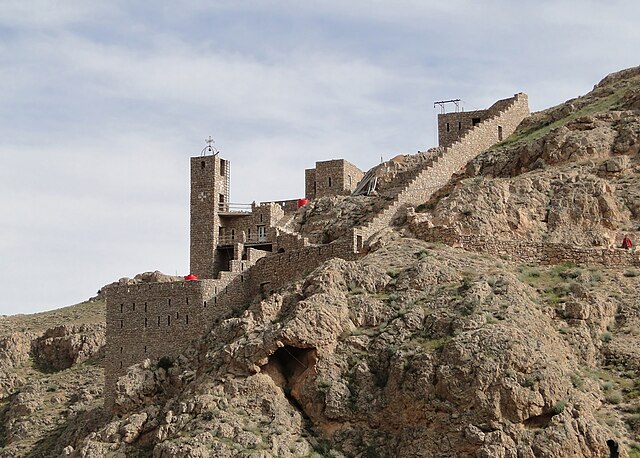
The Monastery of Saint Moses is located about 1.5 to 2 hours north of Damascus by car. Travelers take the Damascus-Homs highway toward Al-Nabek and then follow signs or ask locals for directions to the monastery trail. Visitors must park in the village of Al-Nabek and begin a 30-minute uphill hike to reach the monastery. The climb is manageable in spring or fall but can be challenging during the hot summer months. Comfortable shoes, water, and sunscreen are essential for this journey.
What to Know Before You Go
- Prepare for the hike: The walk to the Monastery of Saint Moses is part of the experience, offering scenic views and a sense of pilgrimage.
- Contact ahead: If you wish to stay overnight or share meals, contact the monastery in advance.
- Respect the monastic rhythm: Silence is observed during prayer hours, and visitors should act respectfully.
- Dress modestly: Modest clothing is required; headscarves for women are appreciated though not mandatory.
- Photography: Allowed in most areas, but avoid disrupting prayers or retreats.
Nearby Attractions
- Al-Nabek town
- Qalamoun mountain views
- Maaloula (1 hour away)
- Saidnaya (1.5 hours away)
- Hidden desert monasteries and shrines
To read more about this topic, click here. To explore further, visit our Facebook Syria Collection for rare images and cultural highlights.