Amrit Syria (عمريت) Ancient Phoenician City by the Coast: a hidden archaeological sanctuary just south of Tartus, offering a rare look into the heart of ancient Phoenician culture. Once known as Marathus, this coastal settlement blends natural beauty with historical depth—featuring a sea temple, carved stadium, and mysterious funerary towers. Peaceful, uncrowded, and surrounded by open landscapes, Amrit Syria is a perfect destination for travelers seeking authentic and untouched historical sites.
| Name | Amrit |
|---|---|
| Location | ~7 km south of Tartus, Syria |
| Ancient Name | Marathus |
| Founded | Around 3rd millennium BCE |
| Known For | Phoenician ruins, sea temple, ancient stadium |
| Best Time to Visit | Spring and early autumn |
| Accessibility | Reachable by car or taxi from Tartus |
| Dress Code | Casual; modest in rural areas |
| Photography | Allowed |
| Duration | 1–2 hours visit |
Why Visit

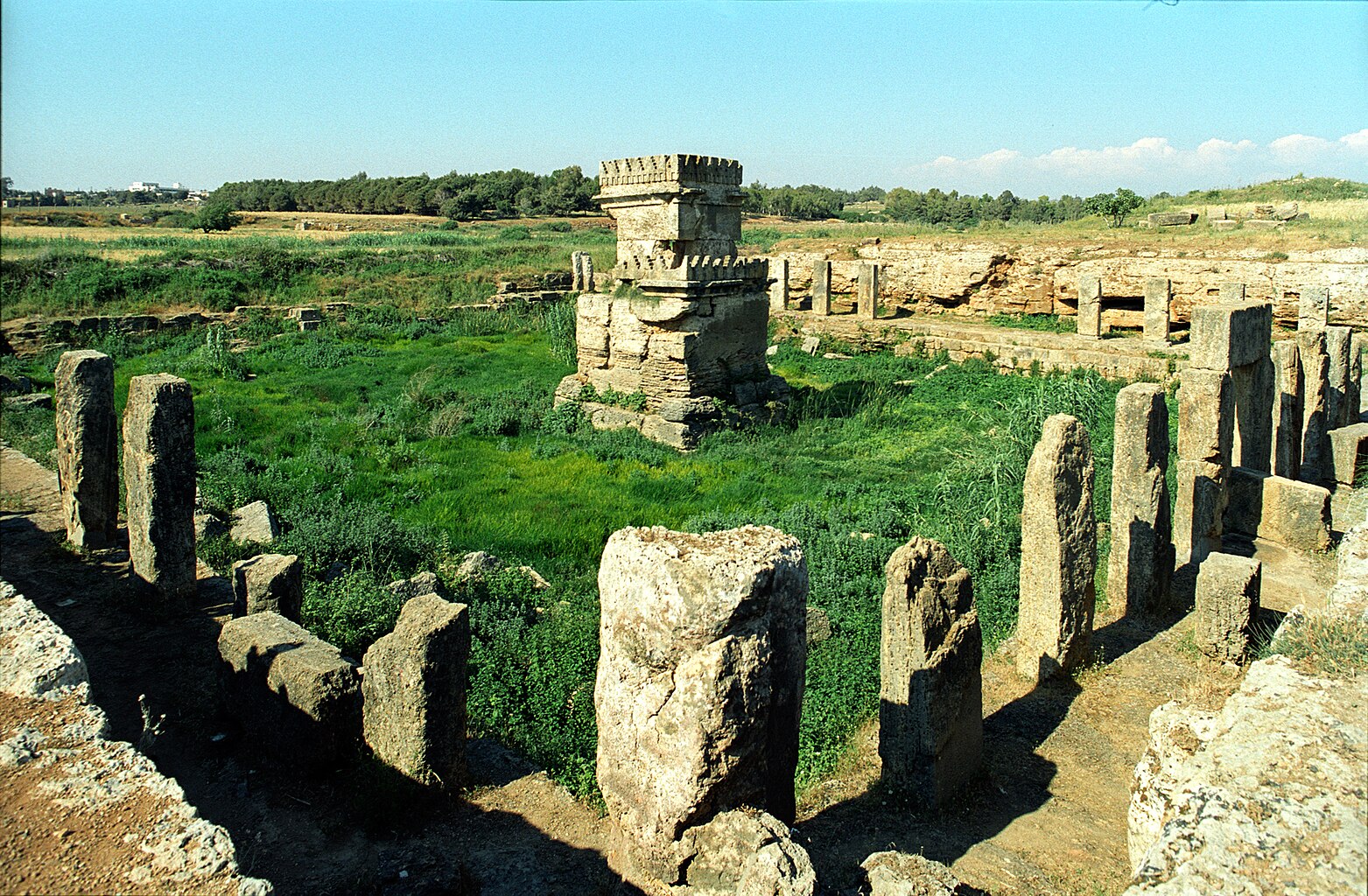
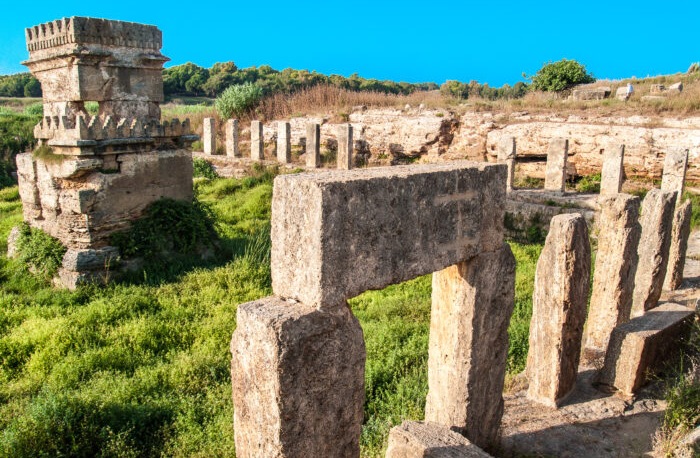
What makes Amrit Syria remarkable is the combination of its natural coastal setting and its exceptionally preserved Phoenician structures. The site’s most famous feature—the seaside temple—was built over a natural spring, creating a sacred space uniquely tied to nature and spiritual ritual. This structure, dedicated to the god Melqart, reflects the deep maritime identity of the Phoenicians.
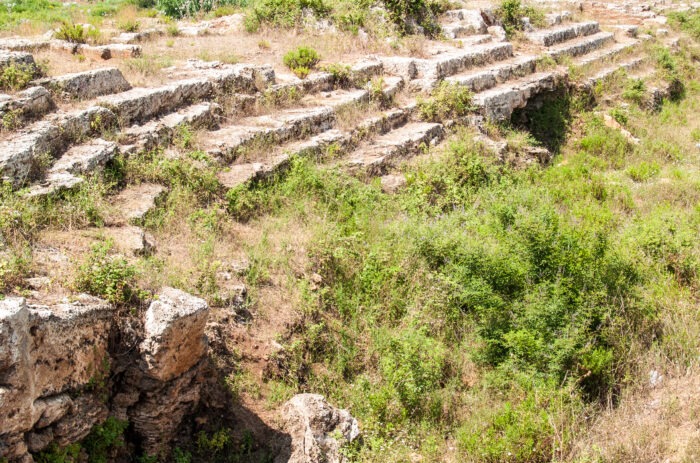
A highlight for many visitors is the ancient sports stadium, an extraordinary oval arena carved directly into the earth. At nearly 230 meters long, it predates Roman amphitheaters and provides one of the clearest examples of early spectator culture. Walking on its earthen floor, visitors can almost hear the echoes of ancient competitions, community gatherings, and celebrations.
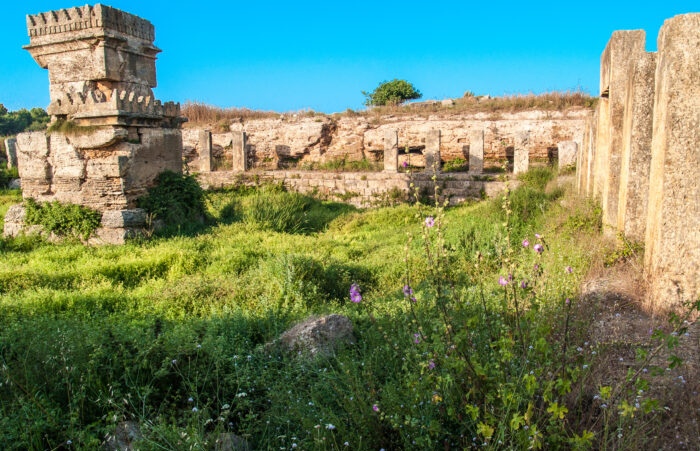
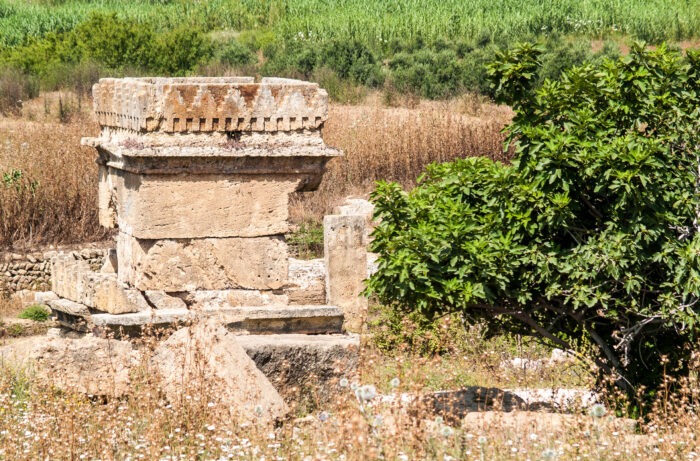
Throughout Amrit Syria, you’ll also find funerary towers, carved sarcophagi, and burial chambers scattered across the fields. These quiet monuments make the experience haunting, reflective, and deeply atmospheric. The entire site feels untouched by time—no crowds, no modern noise—just wide skies, Mediterranean breezes, and the ruins of a once-powerful city.
Photographers, archaeology lovers, and travelers seeking calm will all find something special here. The blend of nature and ruins gives Amrit Syria a serene, timeless beauty that stands out among Syrian heritage sites.
How to Reach


Reaching Amrit Syria is simple and scenic. The site sits only 10 minutes south of Tartus along the coastal highway. Because there is little signage and almost no official visitor infrastructure, the best way to reach the ruins is by:
- Taxi from Tartus (quick and inexpensive)
- Private car or rented vehicle
- Local guidance from residents who know the site well
Many people combine a visit to Amrit Syria with a day exploring Tartus city or taking the ferry to Arwad Island, making it a convenient cultural stop along the Mediterranean.
What to Know Before You Go
Since Amrit Syria is undeveloped, visitors should prepare for a simple, independent exploration. Wear comfortable shoes, as the terrain includes grass, uneven soil, and open ground around the temple and stadium. The site has almost no shade, so bring water, sun protection, and anything else you may need—there are no shops, ticket booths, or official guides.
Although the area is generally peaceful, keep in mind that Amrit Syria is a delicate archaeological site. Please avoid climbing on ruins or touching fragile stones, especially near the temple pool and burial structures. Because of the open layout, mornings and late afternoons offer the best light, cooler temperatures, and a more immersive atmosphere.
Nearby Attractions
A trip to Amrit Syria often pairs beautifully with other coastal destinations:
- Tartus City – seaside cafés, old town, museums
- Arwad Island – reachable by ferry, rich in Phoenician history
- Qalaat al-Marqab – a stunning basalt Crusader fortress overlooking the sea
- Coastal villages – great for fresh seafood and relaxing views


To read more about this topic, click here. To explore further, visit our Facebook Syria Collection for rare images and cultural highlights.