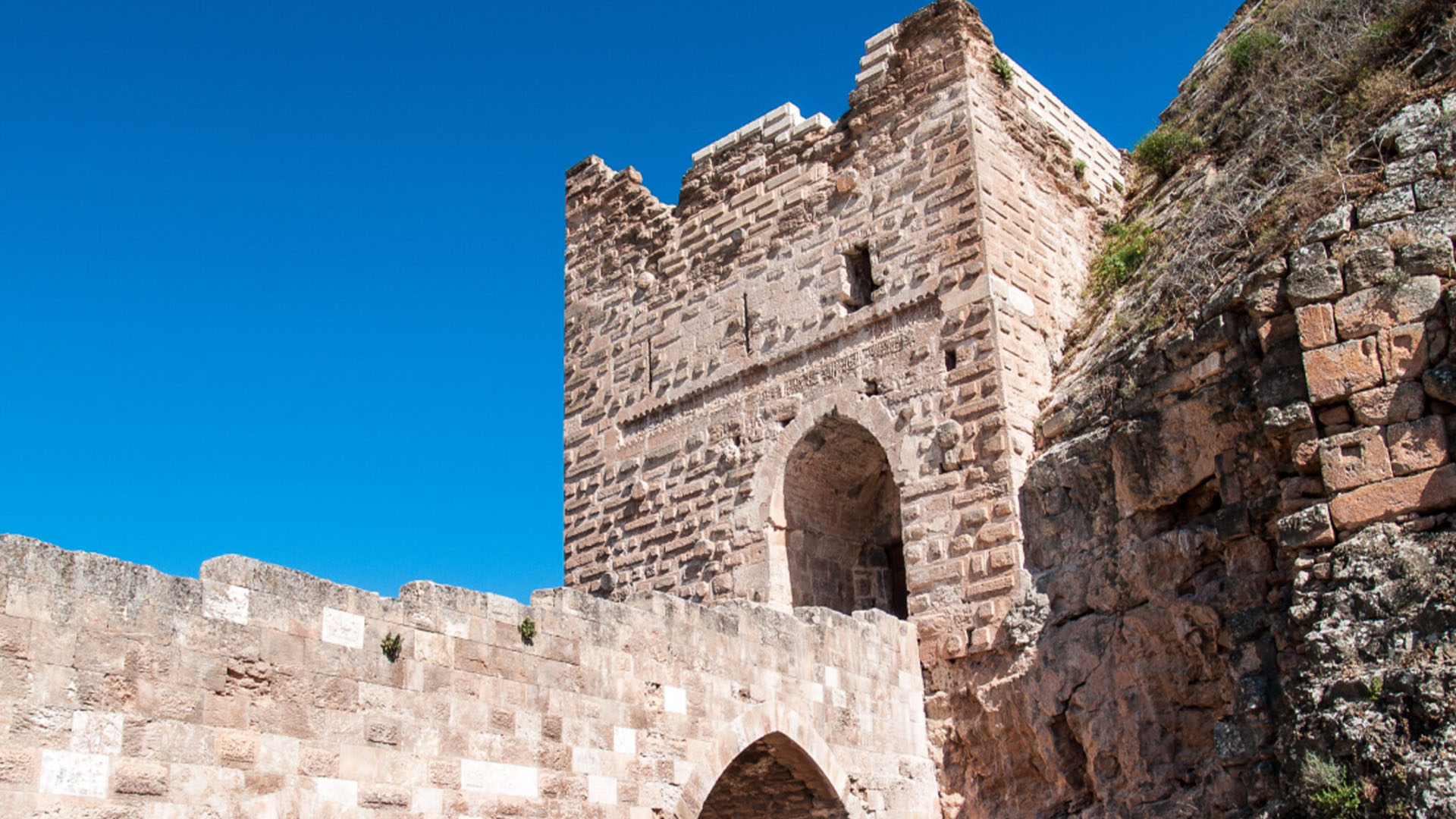
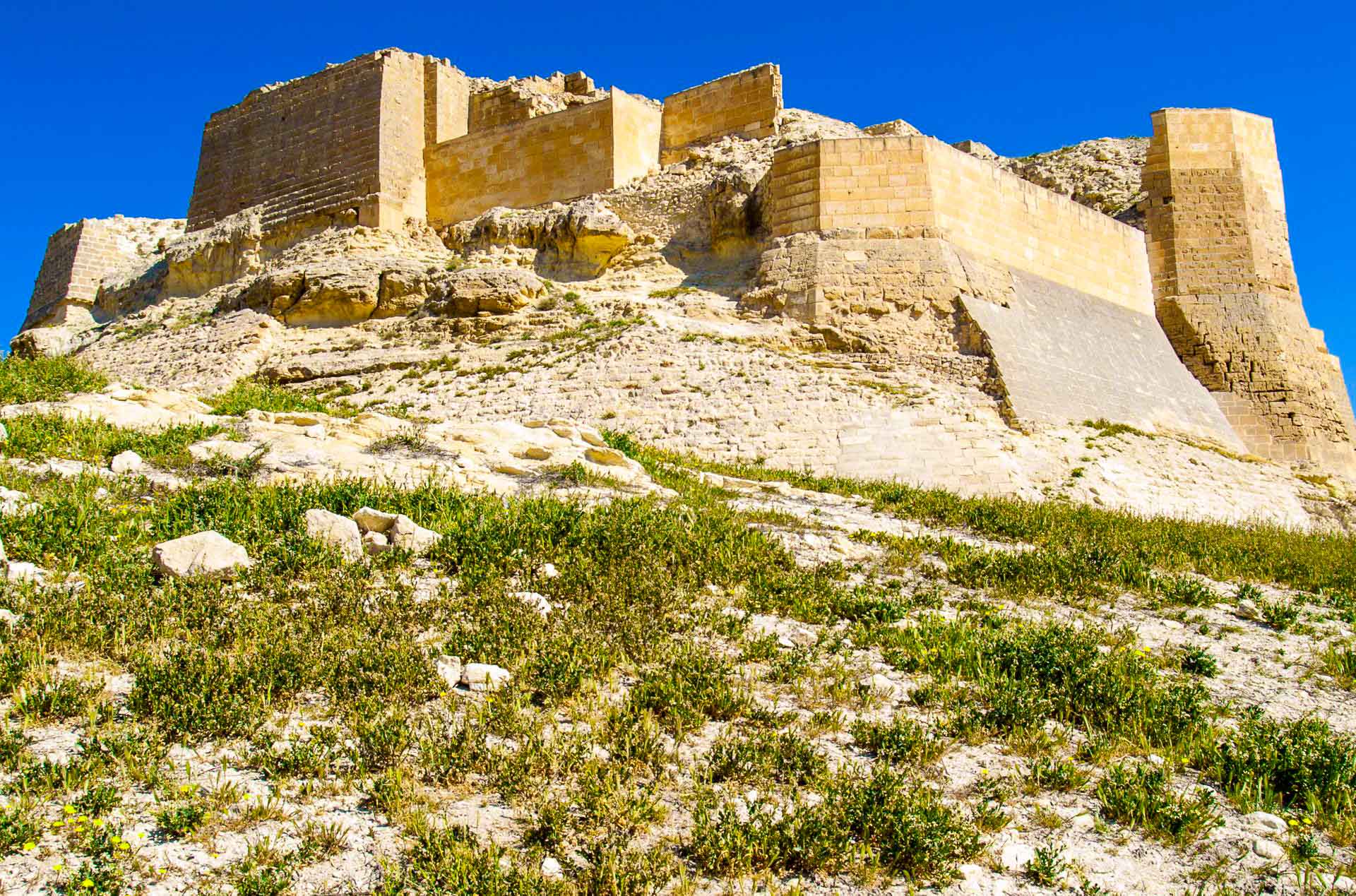
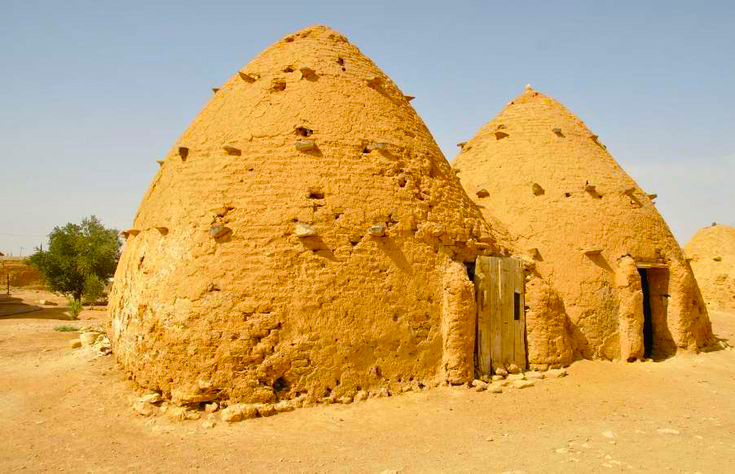
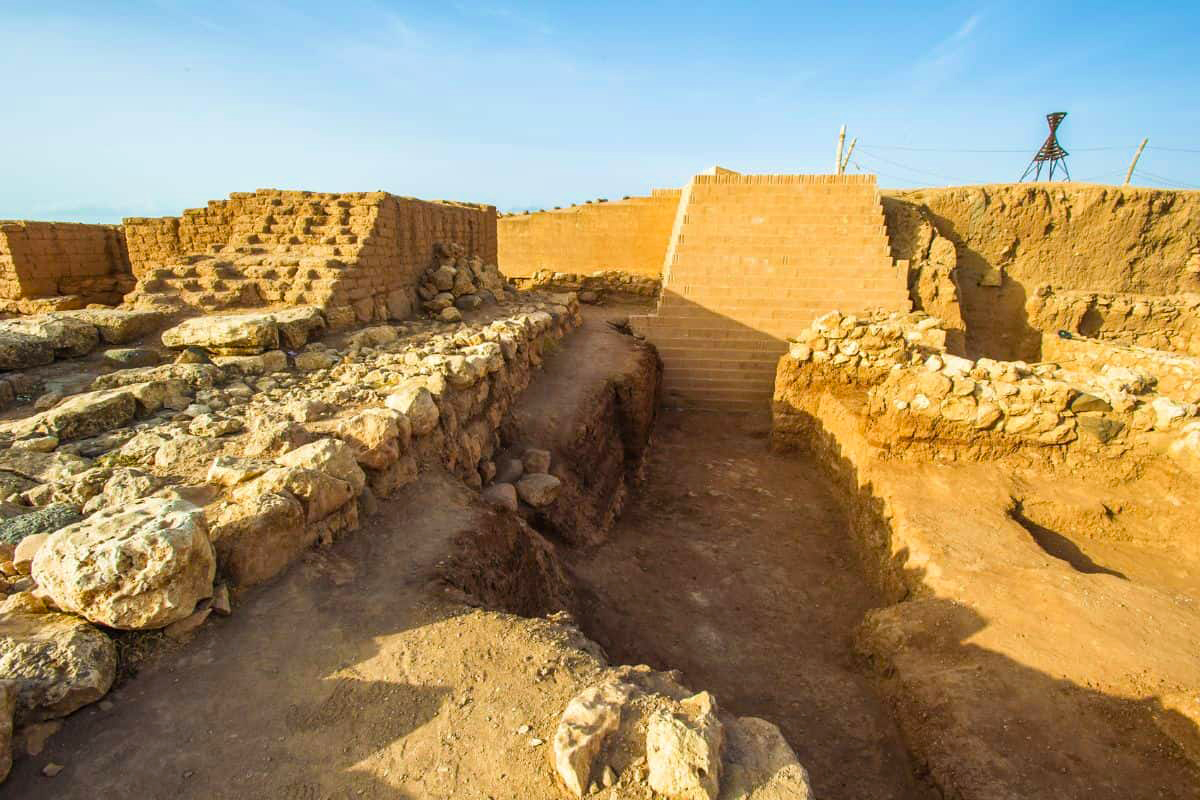
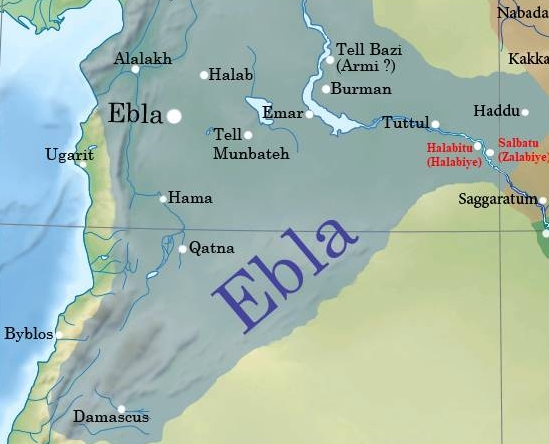
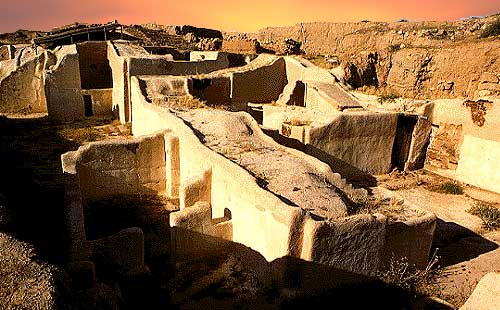
Tell Mardikh (Ebla) (تل مرديخ – ممكلة ايبلا) , located in northern Syria about 55 km southwest of Aleppo, is one of the most extraordinary archaeological discoveries of the 20th century. Flourishing more than 4,500 years ago, Tell Mardikh (Ebla) was the capital of a powerful kingdom that dominated much of northern Syria during the 3rd millennium BC. Once a thriving city-state and a major center of commerce, administration, and culture, it played a vital role in connecting Mesopotamia, Anatolia, and the Levant. The discovery of this site transformed historians’ understanding of the ancient Near East and shed light on the early development of Semitic languages, trade, and diplomacy.
| Category | Details |
|---|---|
| Location | ~55 km southwest of Aleppo, ~280 km from Damascus |
| Founded | Around 3000 BCE |
| Era | Early Bronze Age to Iron Age |
| Size | ~60 hectares (approx. 150 acres) |
| Needed Time to Visit | 1–2 hours |
| Key Highlights | Palace ruins, archive of 17,000+ cuneiform tablets, monumental gates |
| Accessibility | Reachable by road from Aleppo; no major tourist infrastructure |
| Nearby Sites | Apamea, Aleppo Citadel, Qalaat Samaan, Dead Cities |
| Why Visit | One of the world’s earliest known kingdoms; pivotal in Mesopotamian history |
Why Visit
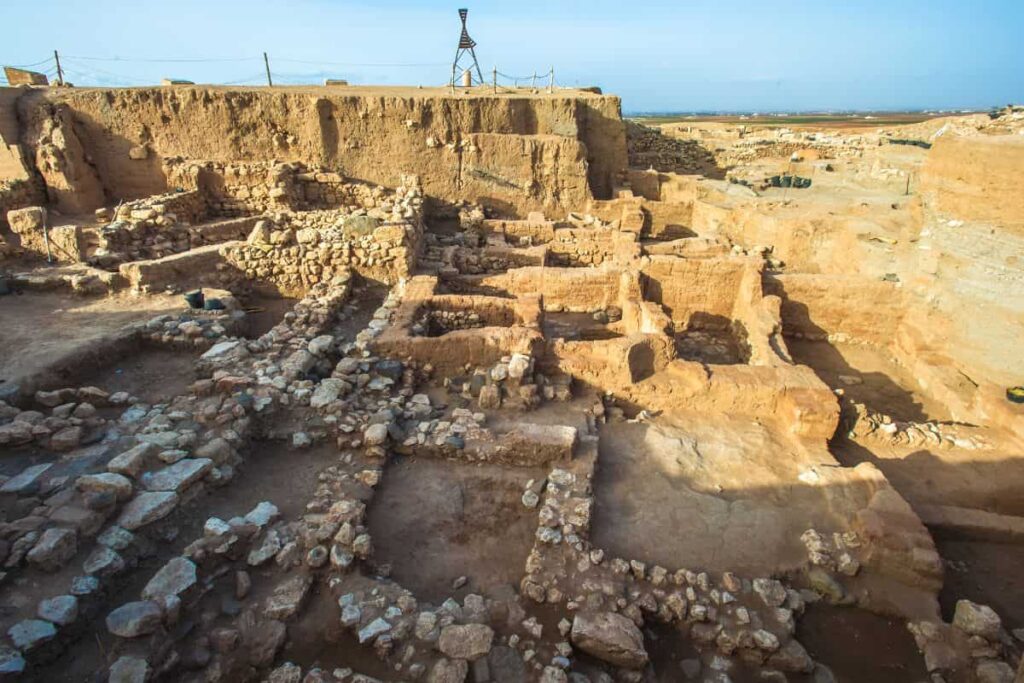
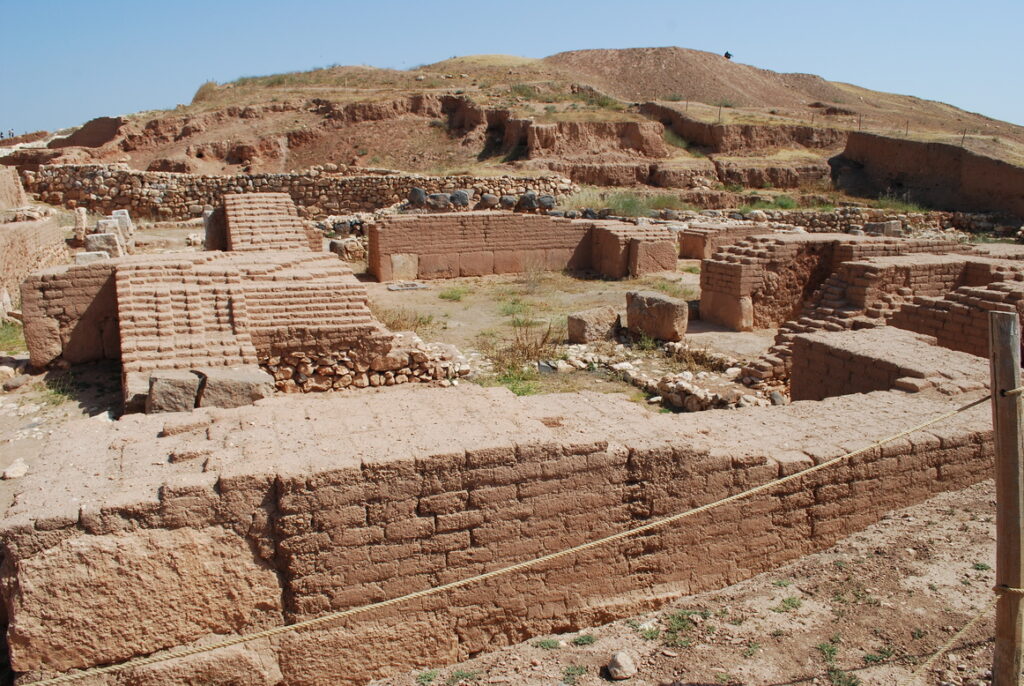
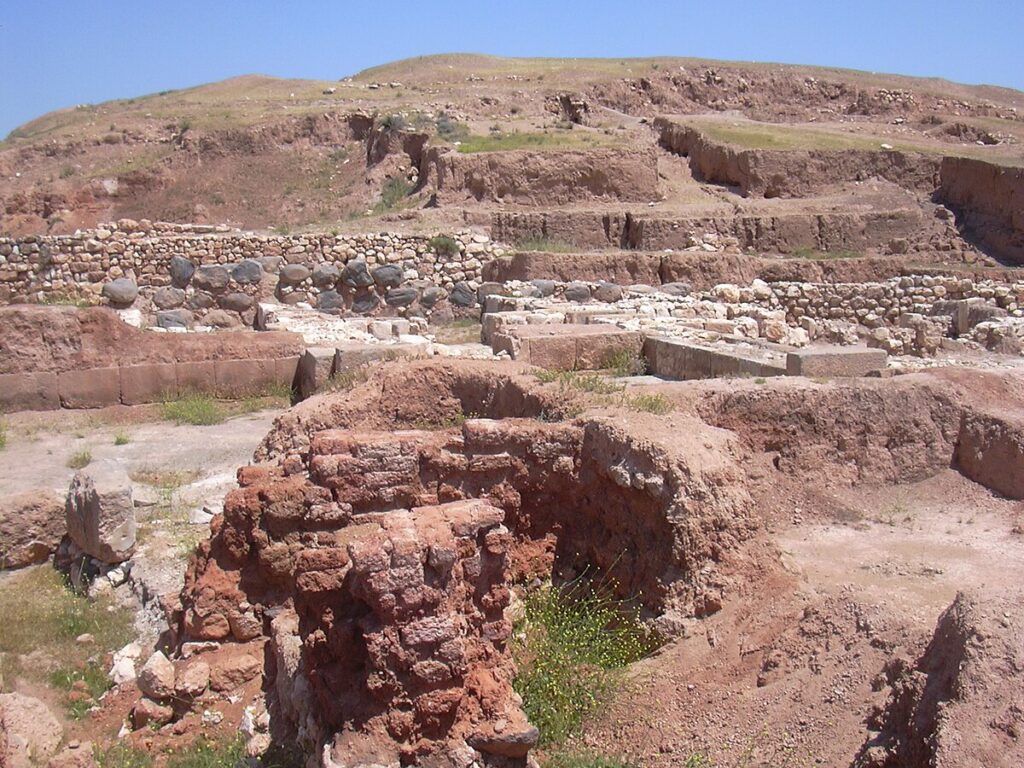
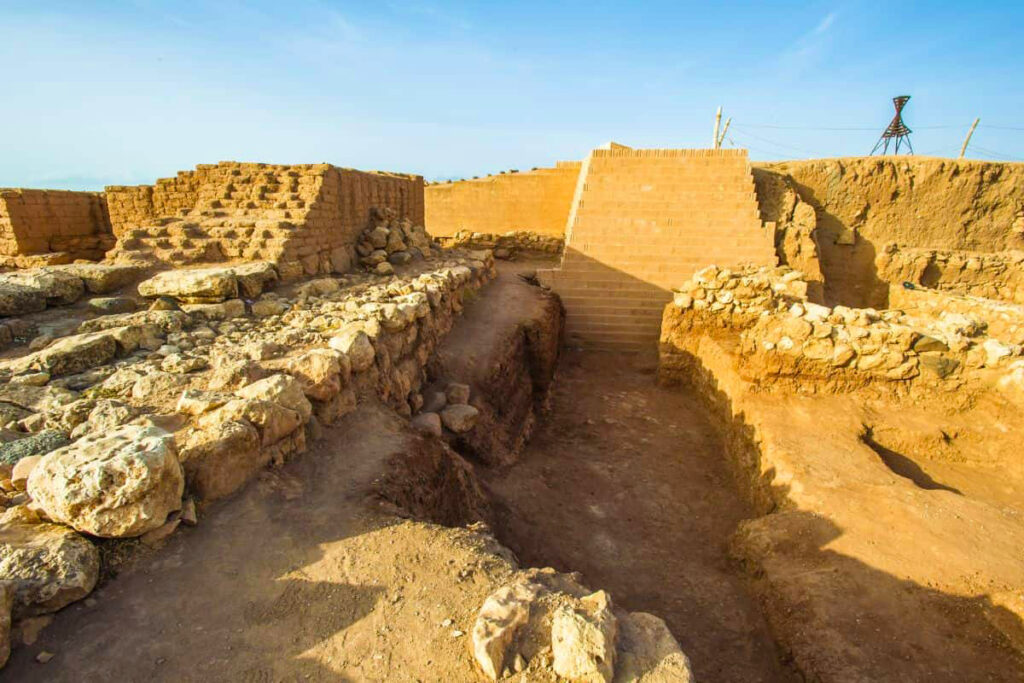
A Window into an Ancient Civilization: At its height, Tell Mardikh (Ebla) was a flourishing Bronze Age metropolis home to tens of thousands of inhabitants. The city’s rulers oversaw a vast network of trade routes linking Syria with Mesopotamia and the Mediterranean. Excavations uncovered the impressive royal palace complex, temples, and administrative buildings that once formed the heart of Ebla’s political and religious life.
The most remarkable find at Tell Mardikh (Ebla) came in the 1970s, when archaeologists unearthed an archive of more than 17,000 cuneiform tablets written in both Sumerian and Eblaite. These texts documented diplomacy, trade agreements, laws, religious rituals, and even educational materials. They revealed a sophisticated bureaucracy and one of the earliest known examples of organized record-keeping. Thanks to these discoveries, Tell Mardikh (Ebla) became a key reference point for understanding Bronze Age civilizations and the early development of writing in the ancient world.
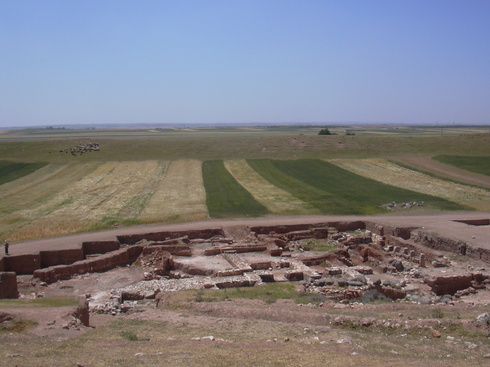
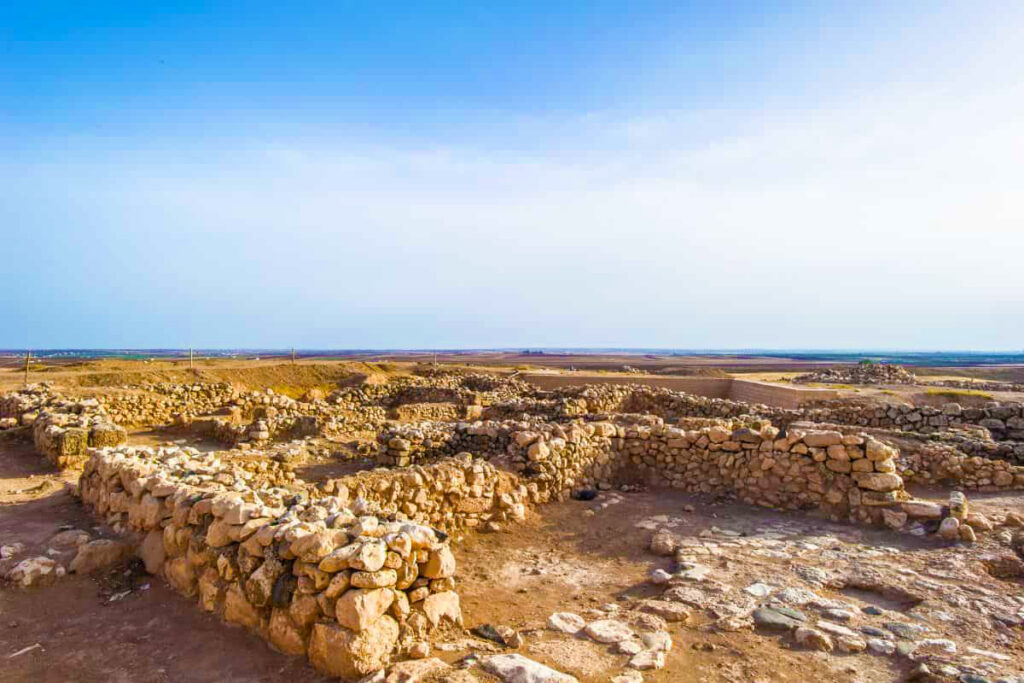
For visitors fascinated by ancient history, Tell Mardikh (Ebla) offers a rare chance to walk through a 4,500-year-old city. The site’s appeal lies in its vast palace remains, open courtyards, and the authentic atmosphere that still lingers across the ruins. Unlike heavily reconstructed sites, Ebla retains a sense of untouched antiquity, allowing travelers to imagine life during the time of early kings and scribes. Standing atop the mound, visitors can enjoy panoramic views of the Syrian countryside and reflect on how this once-mighty city shaped regional politics and culture millennia ago.
What to Know Before You Go
- There are no formal visitor facilities, so bring water and wear sun protection.
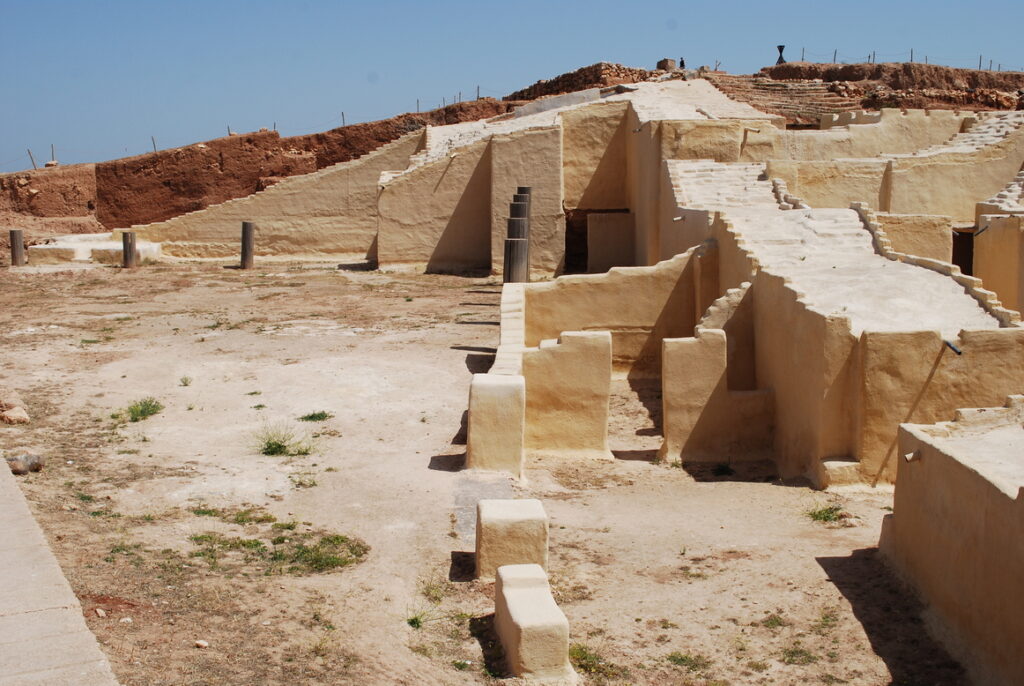
- The site is uncovered and partially restored, offering raw and authentic ruins.
- Guided tours are rare; a personal guide or preparation is highly recommended.
- Best visited in spring or autumn due to the hot climate.
How to Reach
From Aleppo, Tell Mardikh (Ebla) is roughly an hour’s drive southwest, following the road toward Idlib and continuing to the village of Mardikh. From Damascus, it’s about a 4.5- to 5-hour drive (approximately 280 km), depending on road conditions. Public transportation options are very limited, so hiring a private driver or joining a small guided tour is the best way to reach the site.
Nearby Attractions
- Aleppo Citadel – One of the oldest and largest fortresses in the world.
- Qalaat Samaan (St. Simeon’s Basilica) – A well-preserved Byzantine pilgrimage site.
- Apamea – Roman colonnaded city near Hama.
- Dead Cities – Abandoned Byzantine towns scattered nearby.
For a complete overview of sites across Syria, see the Visit Syria Travel Guide.
To read more about this topic, click here. To explore further, visit our Facebook Syria Collection for rare images and cultural highlights.