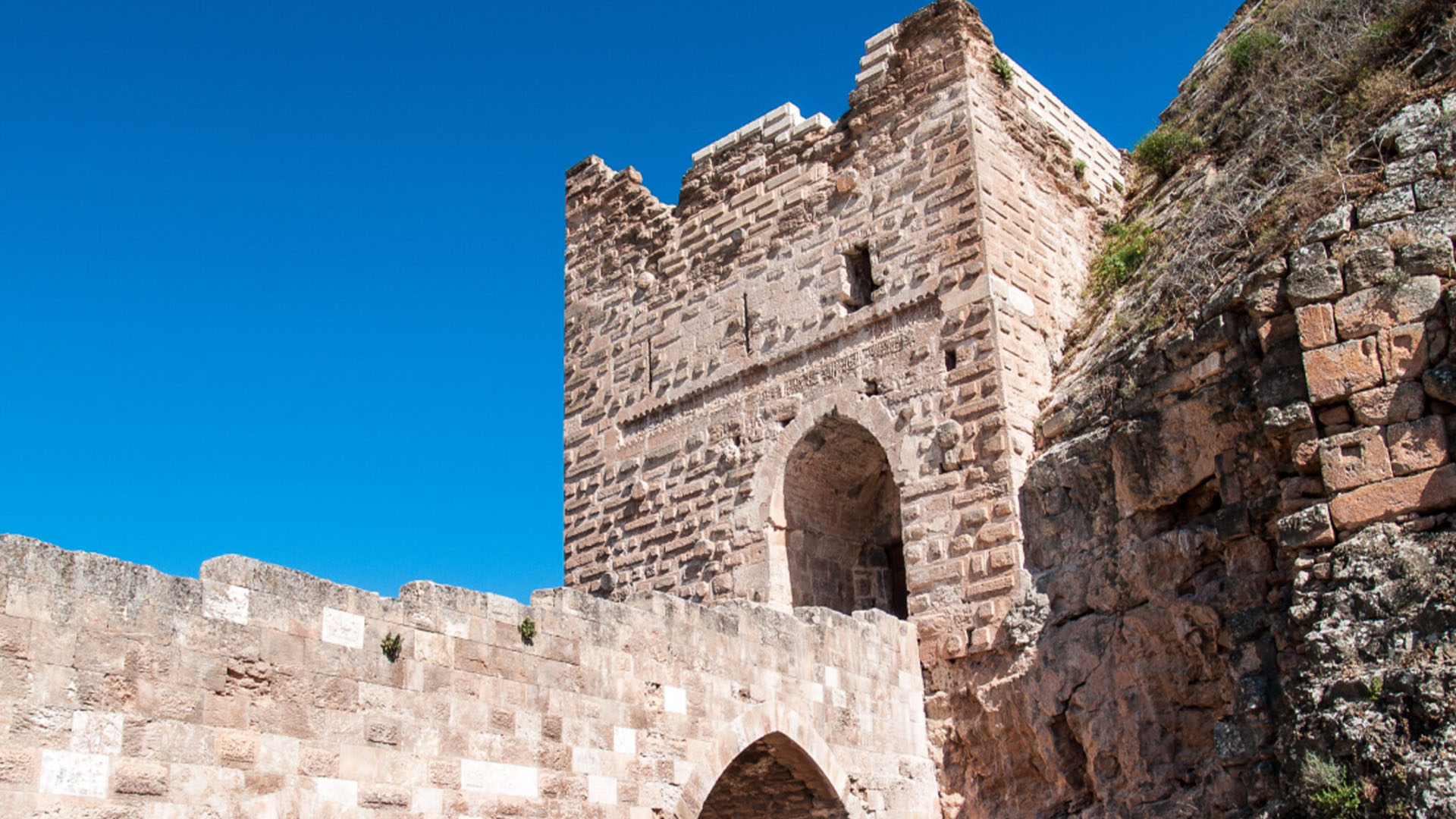
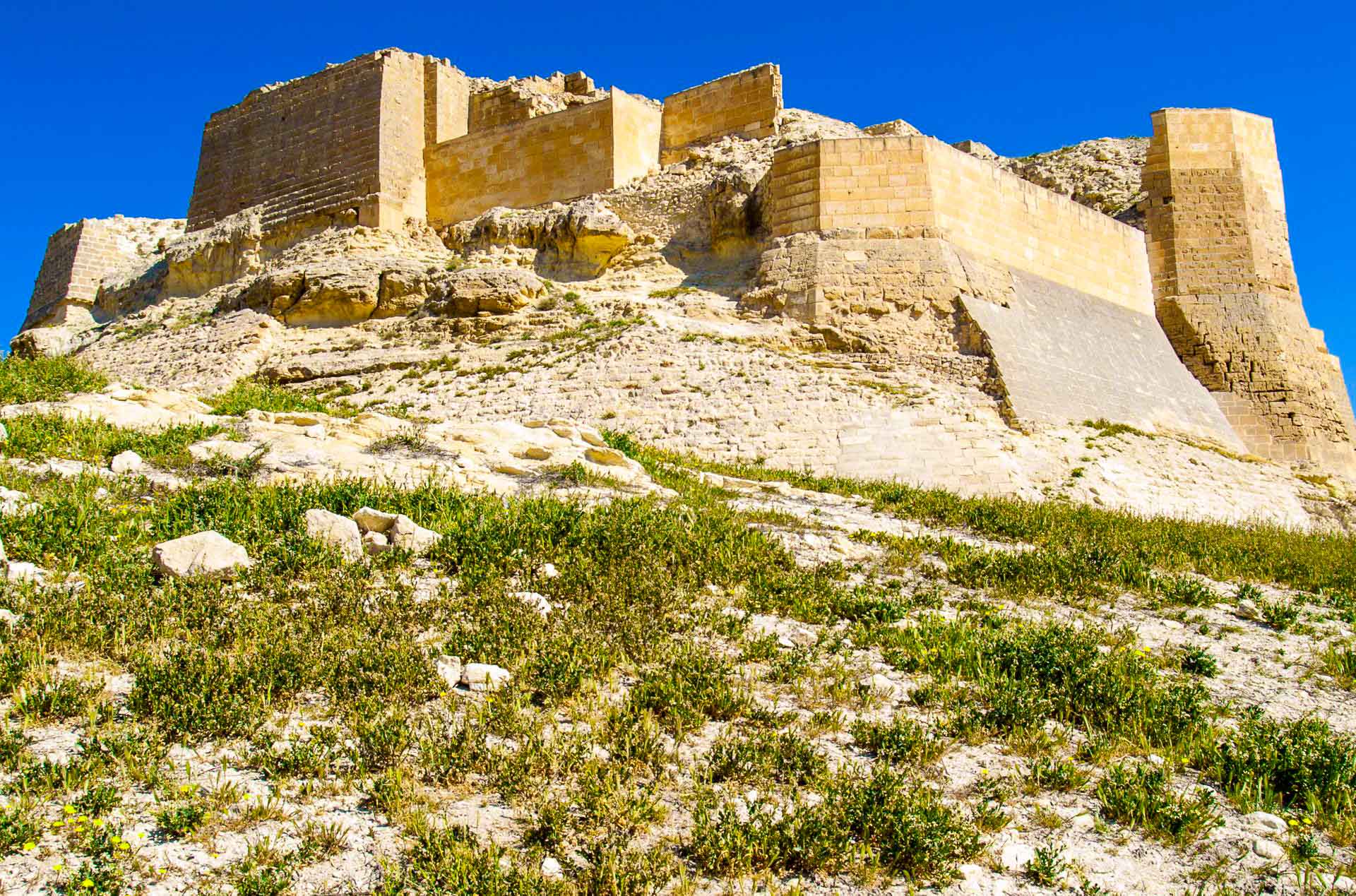
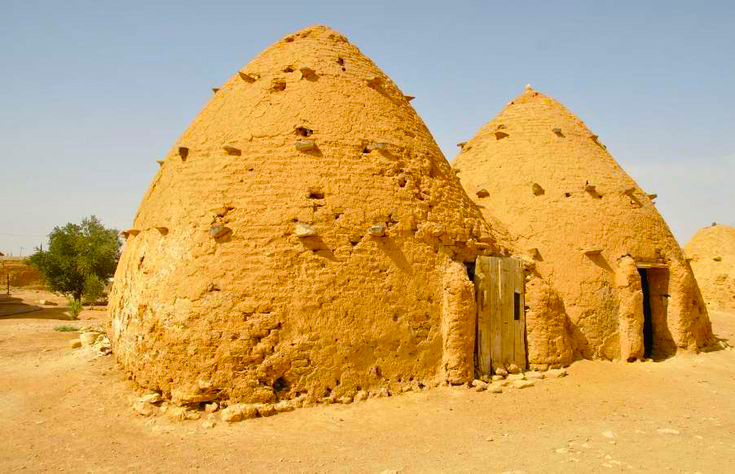
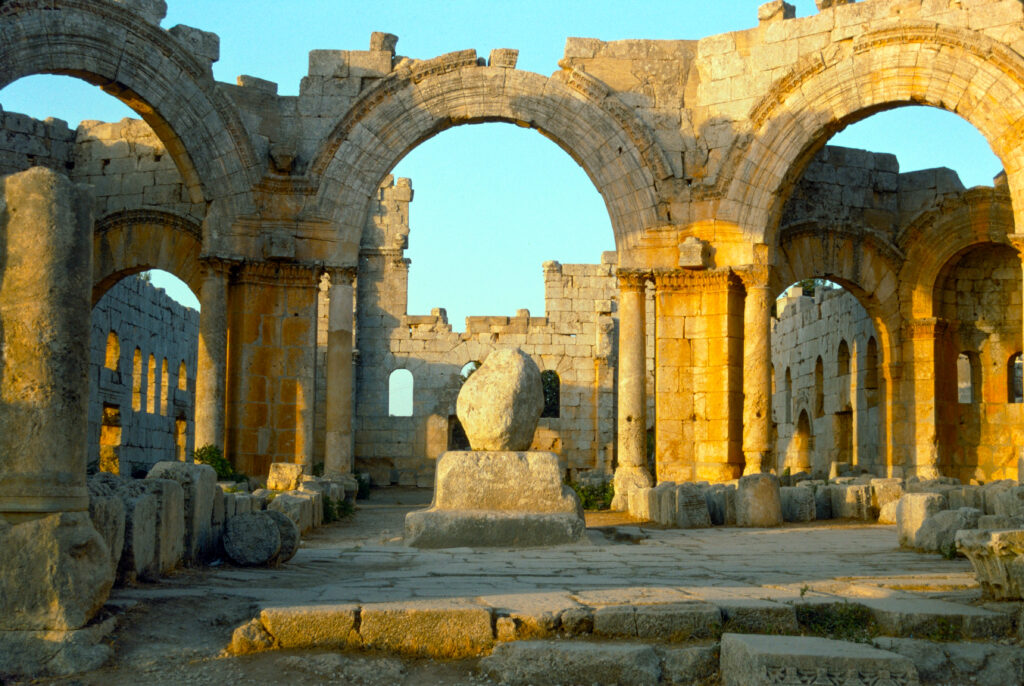
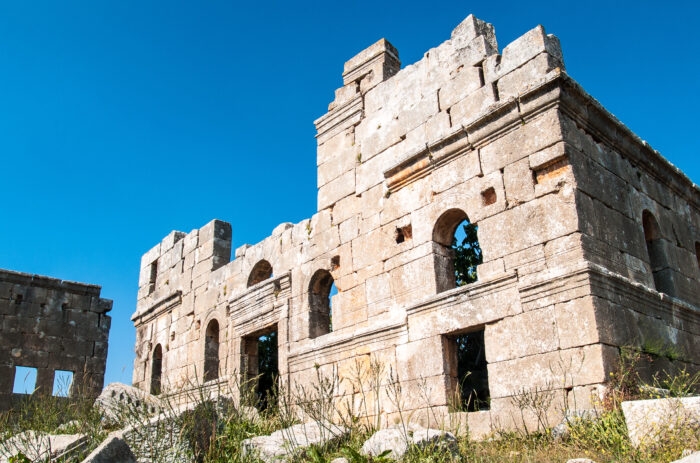
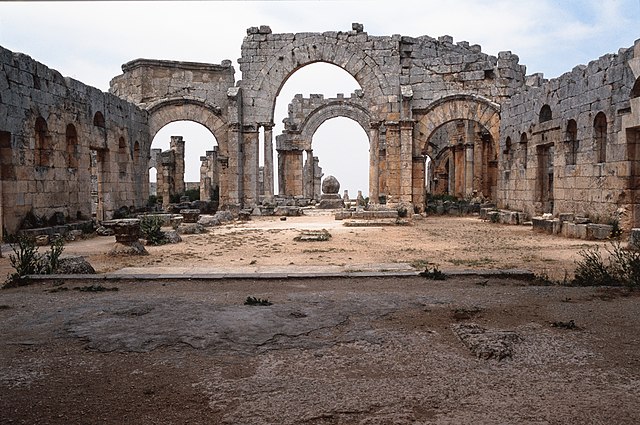
Qalaat Samaan (قلعة سمعان) rises above the Aleppo countryside as one of northern Syria’s most remarkable archaeological sites. Built between 476 and 491 AD, this grand Byzantine complex honors Saint Simeon Stylites, the ascetic who spent nearly forty years atop a stone pillar in devotion. His faith drew countless pilgrims, turning Qalaat Samaan into a thriving spiritual center. The ruins of its vast church, monasteries, and surrounding buildings still reflect the grandeur of Byzantine architecture and the lasting legacy of Saint Simeon.
| Category | Details |
|---|---|
| Location | ~30 km northwest of Aleppo; ~370 km from Damascus |
| Founded | Circa 475 AD |
| Era | Byzantine |
| Size | One of the largest church complexes of its time |
| Needed Time to Visit | 1–1.5 hours |
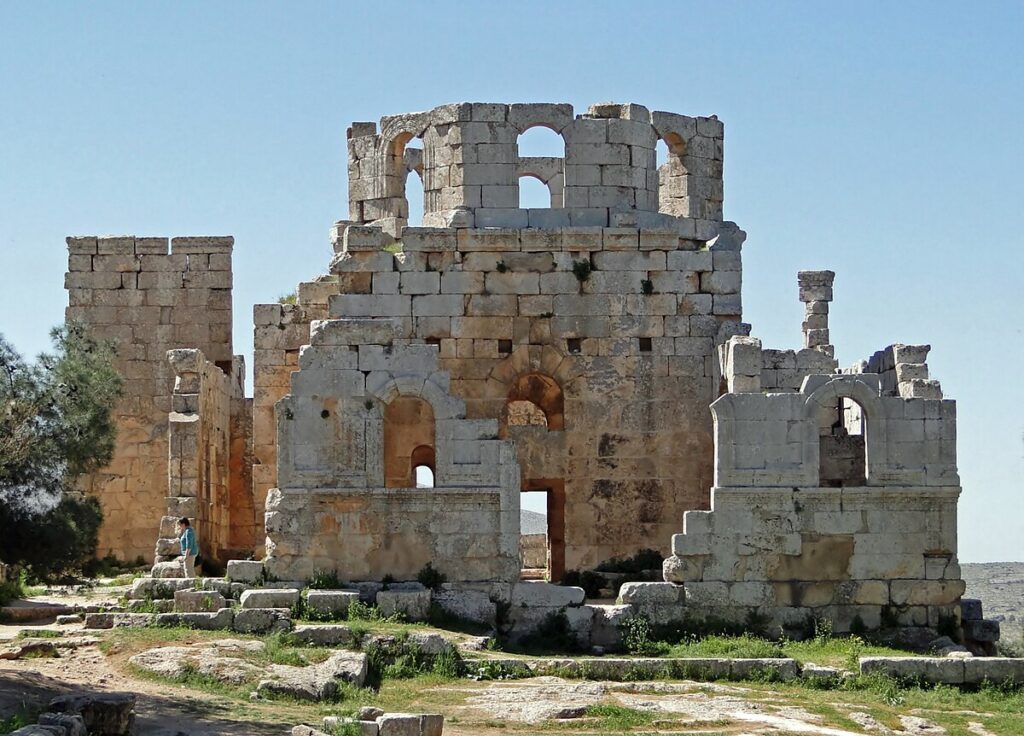
| Key Highlights | Central octagonal church, Stylite column base, panoramic hilltop views |
| Accessibility | Paved road access from Aleppo; no public transport available |
| Nearby Sites | Dead Cities, Ain Dara, Ebla, Aleppo Citadel |
| Why Visit | Unique architectural site built around Saint Simeon’s pillar |
Why Visit?
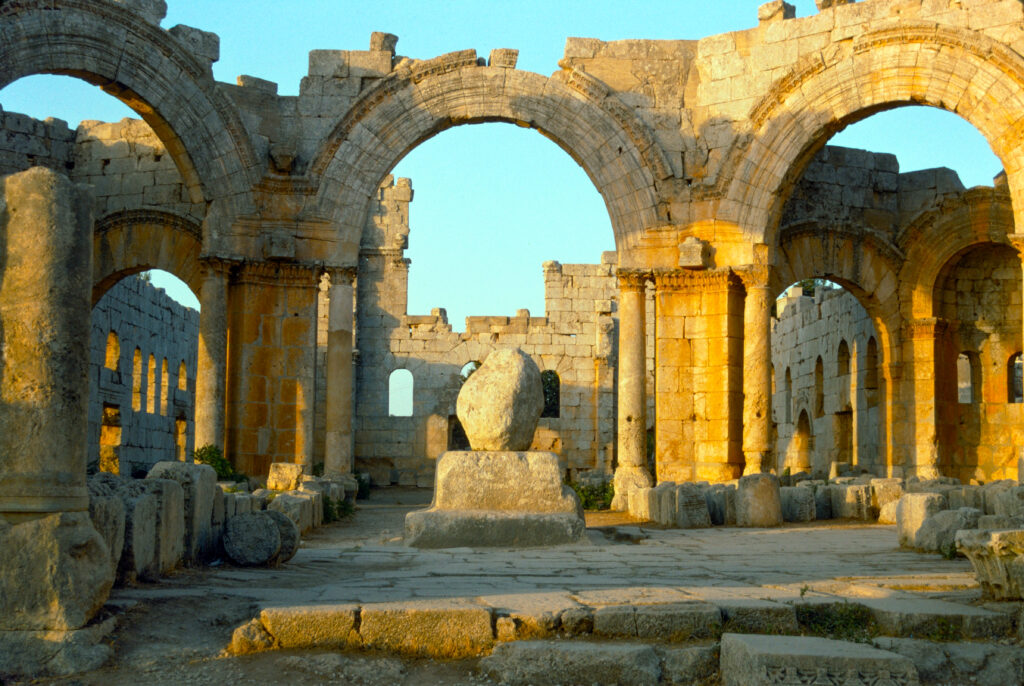
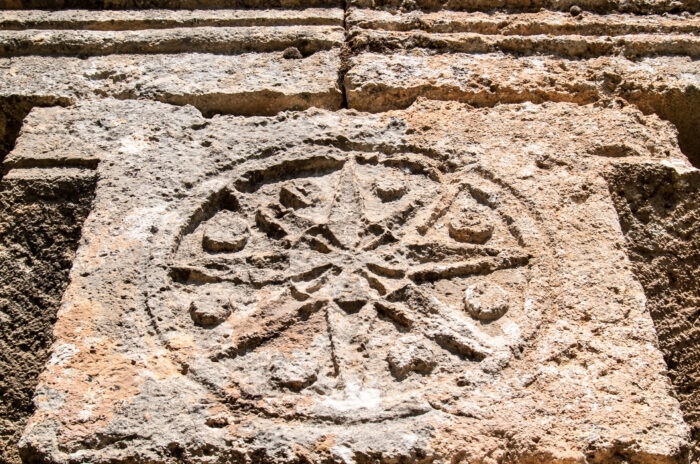
Qalaat Samaan offers a rare glimpse into the early Christian era and its deep traditions of monasticism and pilgrimage. The site is remarkable not only for its history but also for its scale and preservation. The vast cruciform basilica, with its soaring arches and intricate stonework, was one of the most ambitious religious buildings of the Byzantine world.
Visitors stand at the exact place where Saint Simeon’s pillar once stood, symbolizing the spiritual power that drew thousands of pilgrims during the 5th and 6th centuries. Beyond its religious importance, Qalaat Samaan illustrates the cultural exchange between local Syrian Christianity and the Byzantine Empire, which eventually supported the construction of the complex despite early tensions.
For those interested in archaeology, architecture, or spirituality, Qalaat Samaan provides a profound experience. Its ruins are set on a commanding hilltop, offering sweeping views of the surrounding countryside and connecting the visitor to centuries of history, devotion, and struggle. Today, Qalaat Samaan stands as both a symbol of Saint Simeon’s enduring legacy and one of Syria’s most extraordinary archaeological treasures.
What to Know Before You Go
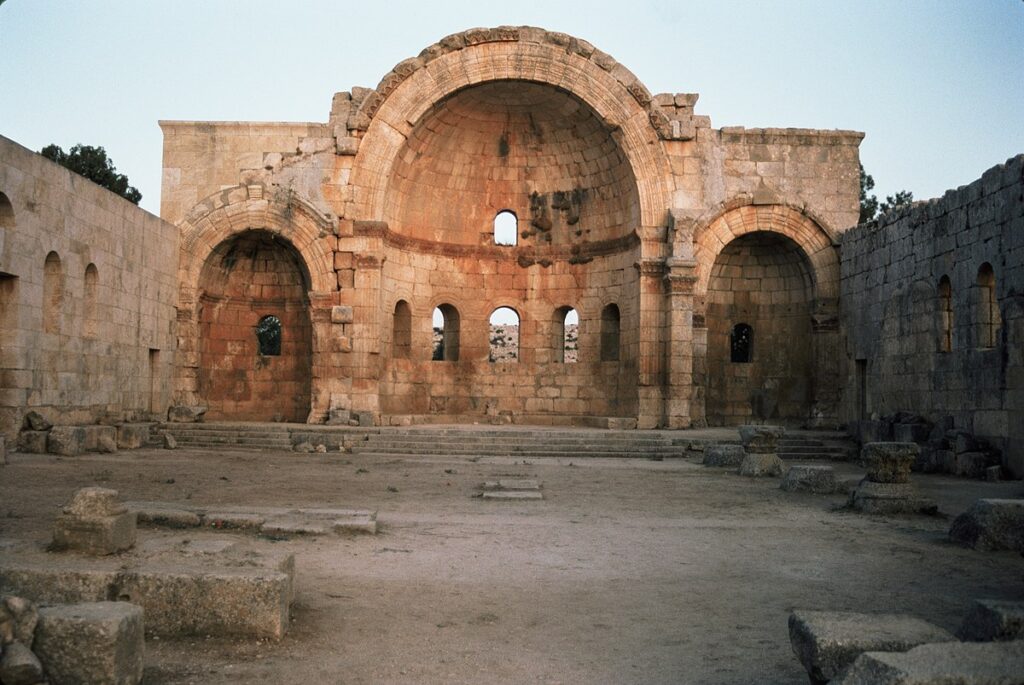
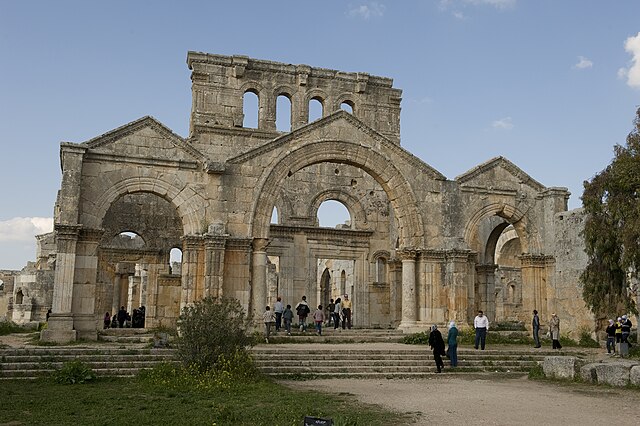
- Historical Context: Simeon Stylites was born in 388 in Cilicia (modern Adana, Turkey) and joined a monastery near Telanissos (modern Deir Samaan). Seeking greater isolation, he lived atop a pillar here until his death in 459. His life inspired a movement of “stylites”—ascetics who practiced faith from atop columns.
- Architectural Highlights: The cruciform church, the baptistry on the southern end, and the remains of the monastery and chapels reveal the grandeur of early Byzantine religious architecture. A “triumphal way” once connected the basilica to the lower town of Telanissos, where pilgrims stayed.
- Preservation Issues: Earthquakes in the 6th century damaged parts of the complex, and later wars between Byzantines and Muslims further weakened it. In recent years, armed conflict has put the site at risk, with reports of damage and military occupation.
- Cultural Sensitivity: This is not only an archaeological site but also a sacred space with deep meaning for Christian heritage. Respectful conduct is essential.
How to Reach
Qalaat Samaan is located about 30 kilometers northwest of Aleppo. In earlier times, visitors could travel by road from Aleppo to the nearby village of Deir Samaan and then ascend the hill to the basilica complex. The ancient route connected the lower town with the upper church through a grand ceremonial pathway.
At present, access to the site is highly restricted due to ongoing security concerns in northern Syria. Travelers should seek up-to-date advice from reliable authorities before considering a visit. For those unable to go in person, many academic resources and online archives document the site’s history and architecture in detail.
Nearby Attractions
- Deir Samaan (دير سمعان): This village below the hill once supported pilgrims with inns, monasteries, and churches, offering a glimpse of daily life around the basilica.
- Aleppo City: One of the world’s oldest continuously inhabited cities, featuring the Citadel, Umayyad Mosque, and traditional souks.
- Other Dead Cities: Abandoned Byzantine settlements nearby reveal rural life and Christian architecture from late antiquity.
For a complete overview of sites across Syria, see the Visit Syria Travel Guide.

To read more about Deir Samaan village click here. To explore further, visit our Facebook Syria Collection for rare images and cultural highlights.