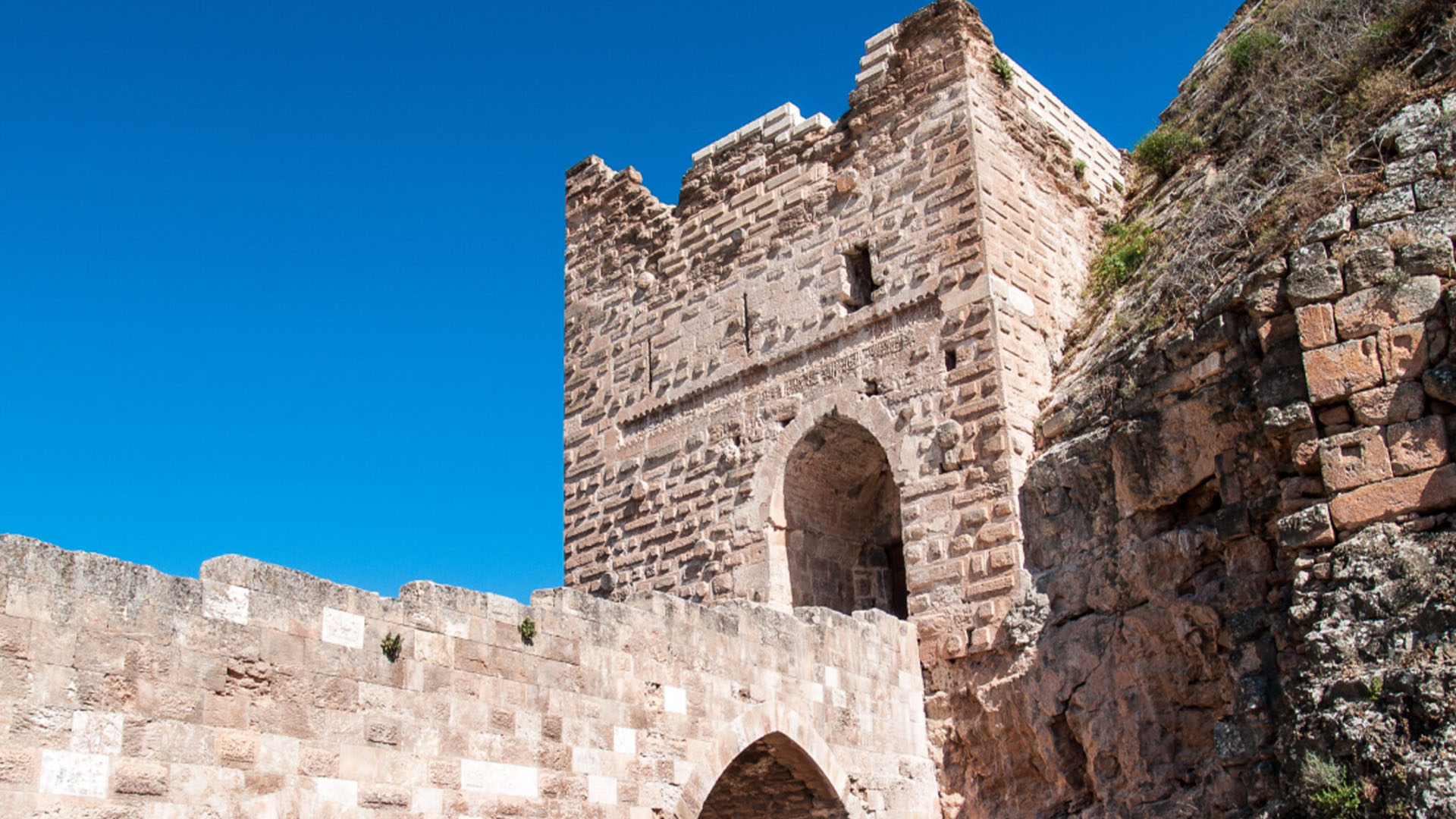
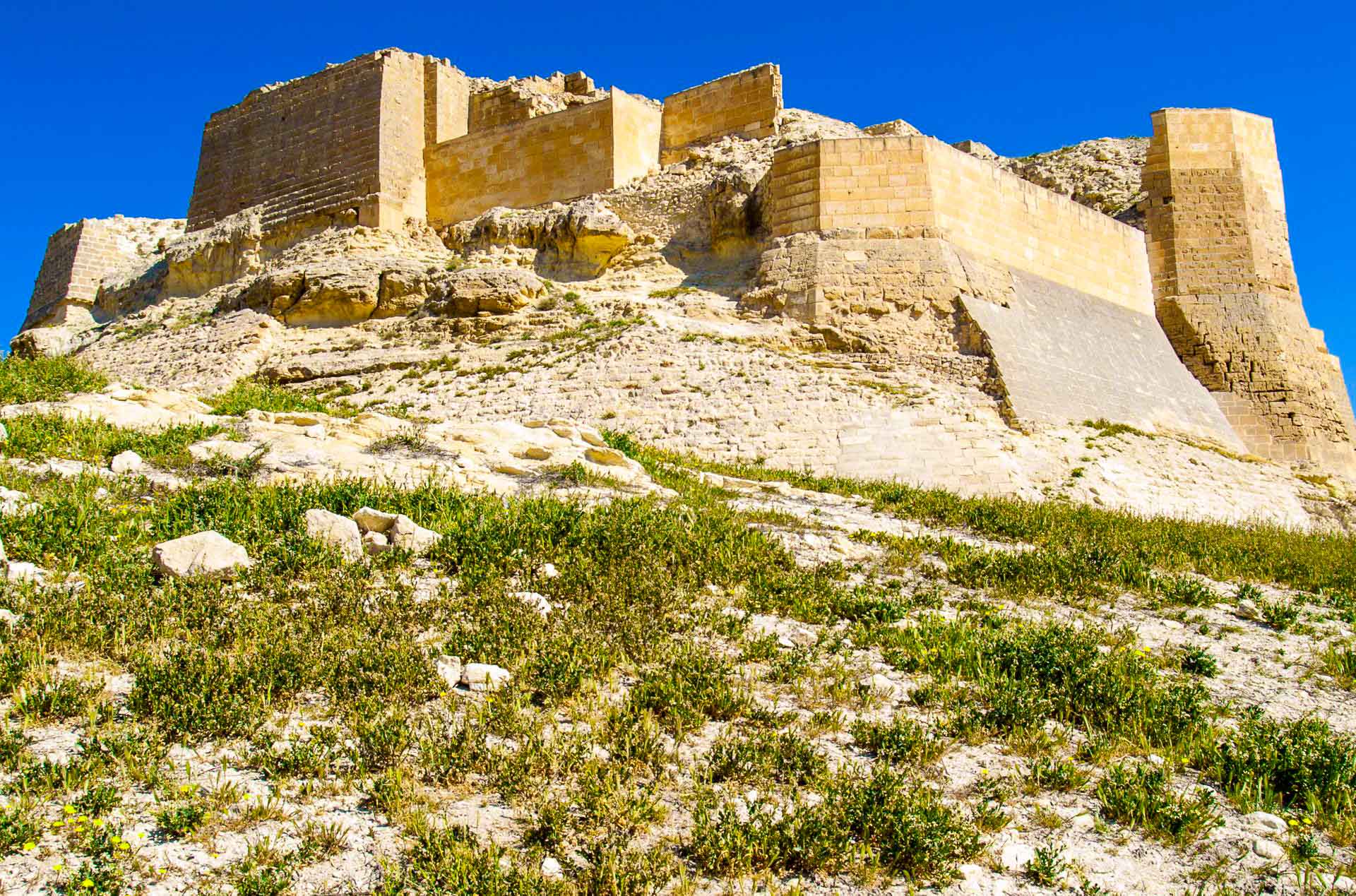
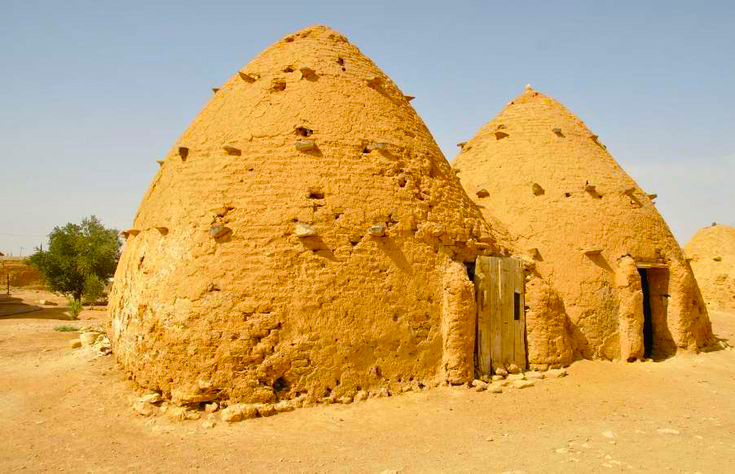
Dead Cities of Syria (المُدُن المنسية) are a collection of nearly 40 perfectly preserved ghost towns spanning across the high ridges of the Jabal Zawiya and Jebel Barisha mountains in Northwestern Syria (Idlib and Aleppo Governorates). This UNESCO World Heritage area offers an unparalleled window into rural life during the Late Roman and Byzantine periods (1st to 7th centuries AD). The towns became “dead” due to gradual abandonment, primarily after the 7th-century Islamic conquests caused the lucrative olive oil economy to collapse. Their remarkably well-preserved stone houses and churches offer unique insights into early Christian communal living. The Dead Cities of Syria are one of the world’s greatest archaeological treasures.
| Feature | Details |
| Location | Limestone Massif (Jabal Zawiya, etc.), NW Syria |
| Primary Era | 4th to 7th centuries AD (Late Byzantine) |
| UNESCO Name | Ancient Villages of Northern Syria |
| Number of Sites | Over 40 known major “Dead Cities” |
| Architecture Focus | Early Christian basilicas, Roman-style villas, olive presses |
| Why Abandoned | Economic collapse after 7th–10th centuries AD |
Why Visit?
Visitors are drawn to the Dead Cities of Syria because they offer a complete, three-dimensional picture of life in late antiquity found almost nowhere else.
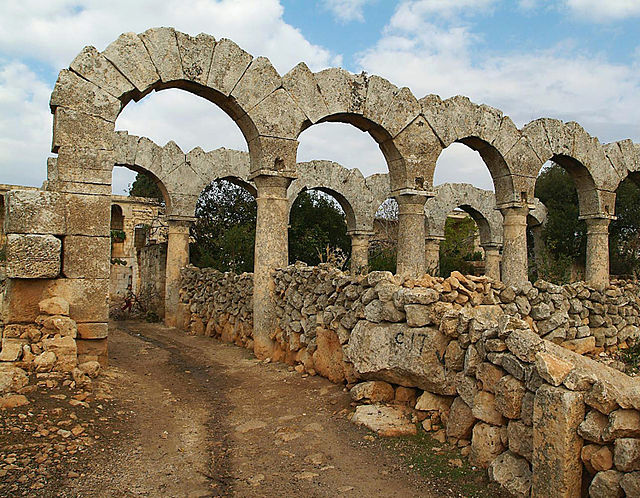
- Architectural Preservation: Unlike classical ruins that usually only retain foundations, the stone construction techniques used here—primarily large blocks without mortar—allowed houses, churches, and presses to survive nearly whole. You can walk through two-story villas, stand in domestic courtyards, and see the details of daily infrastructure.
- The Rise of Christianity: The sites document the triumphant rise of Christianity, featuring numerous early churches, large basilicas, and monasteries built between the 4th and 6th centuries. The scale and density of these religious structures highlight the wealth and fervent faith of the Byzantine populace.
- An Economic Snapshot: Dead Cities of Syria were built on olive oil production. The sites are filled with incredibly preserved olive presses and cisterns, providing a unique look into the agricultural economy that fueled their prosperity before their eventual decline.
What to Know Before You Go
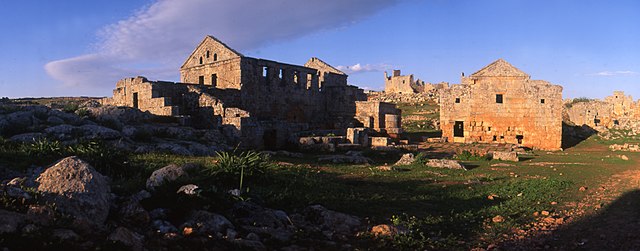
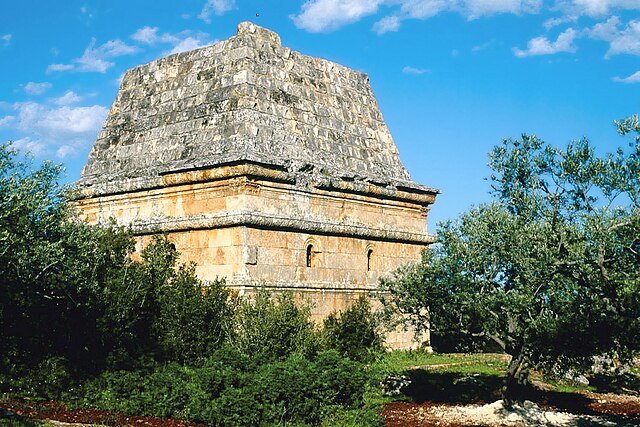
While the sheer number of Dead Cities (over 40 recognized sites) is astounding, the following clusters stand out for their exceptional preservation and unique architectural features:
| Site Name | Governorate | Key Architectural Feature(s) |
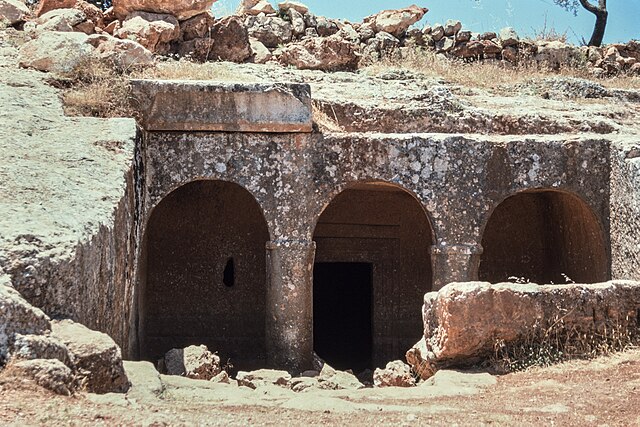
| Al-Bara | Idlib | Large, two-story villas and unique pyramidal-roofed tombs. |
| Ruweiha | Idlib | Stunning basilicas and monastic remains; known for elaborate carved reliefs. |
| Al-Mushabak | Aleppo | One of the most complete and structurally sound 5th-century basilicas in the network. |
| Barad | Aleppo | Expansive site known for the massive Basilica of Julianos and its strategic location. |
| Deir Turmanin | Idlib | Noted for the ruins of a highly elaborate basilica and complex monastic structures. |
| Qatura | Aleppo | Features numerous well-preserved houses, villas, and domestic architecture. |
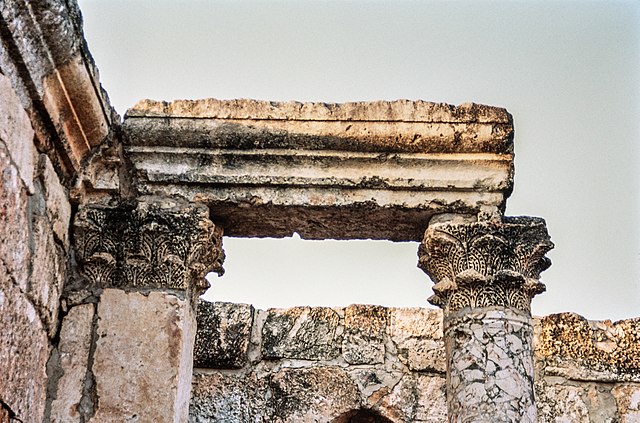
| Jeradeh | Idlib | Known for its large public buildings and impressive stone columns. |
| Qalaat Kaluta | Aleppo | A key monastic site featuring a large, well-defined church complex. |
How to Reach
Historically, Dead Cities of Syria were accessed via the major hubs of Aleppo or Hama. Today, the starting point depends entirely on the current security lines.
- Transport: Specialized, secured 4×4 transport is necessary to navigate the rough rural roads.
- From Hama: ~80 km (~2 hours)
- From Aleppo: ~115 km (~2.5 hours)
- From Damascus: ~320 km (~5.5–6 hours)
- Accessible by private vehicle or with a local guide.
Nearby Attractions
- Serjilla: More compact but extremely well-preserved, with a bathhouse and tavern.
- Qalb Lozeh: A pristine early Christian church with a spectacular façade.
- Basilica of St. Simeon Stylites (Qalaat Samaan), a massive monastery built around the pillar of the famous ascetic saint, located near the town of Barad.
For a complete overview of sites across Syria, see the Visit Syria Travel Guide.

To read more about this topic, click here. To explore further, visit our Facebook Syria Collection for rare images and cultural highlights.