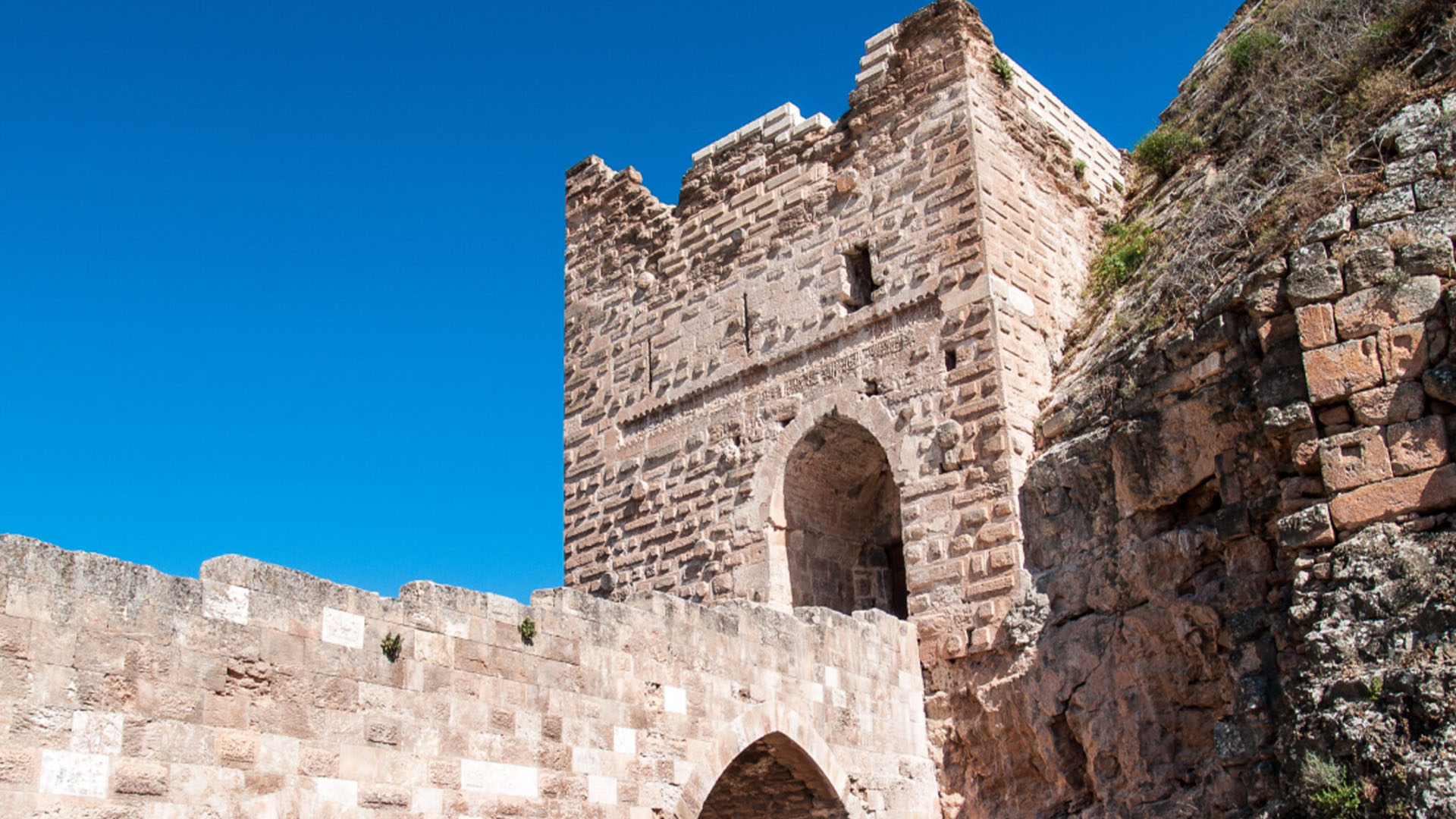
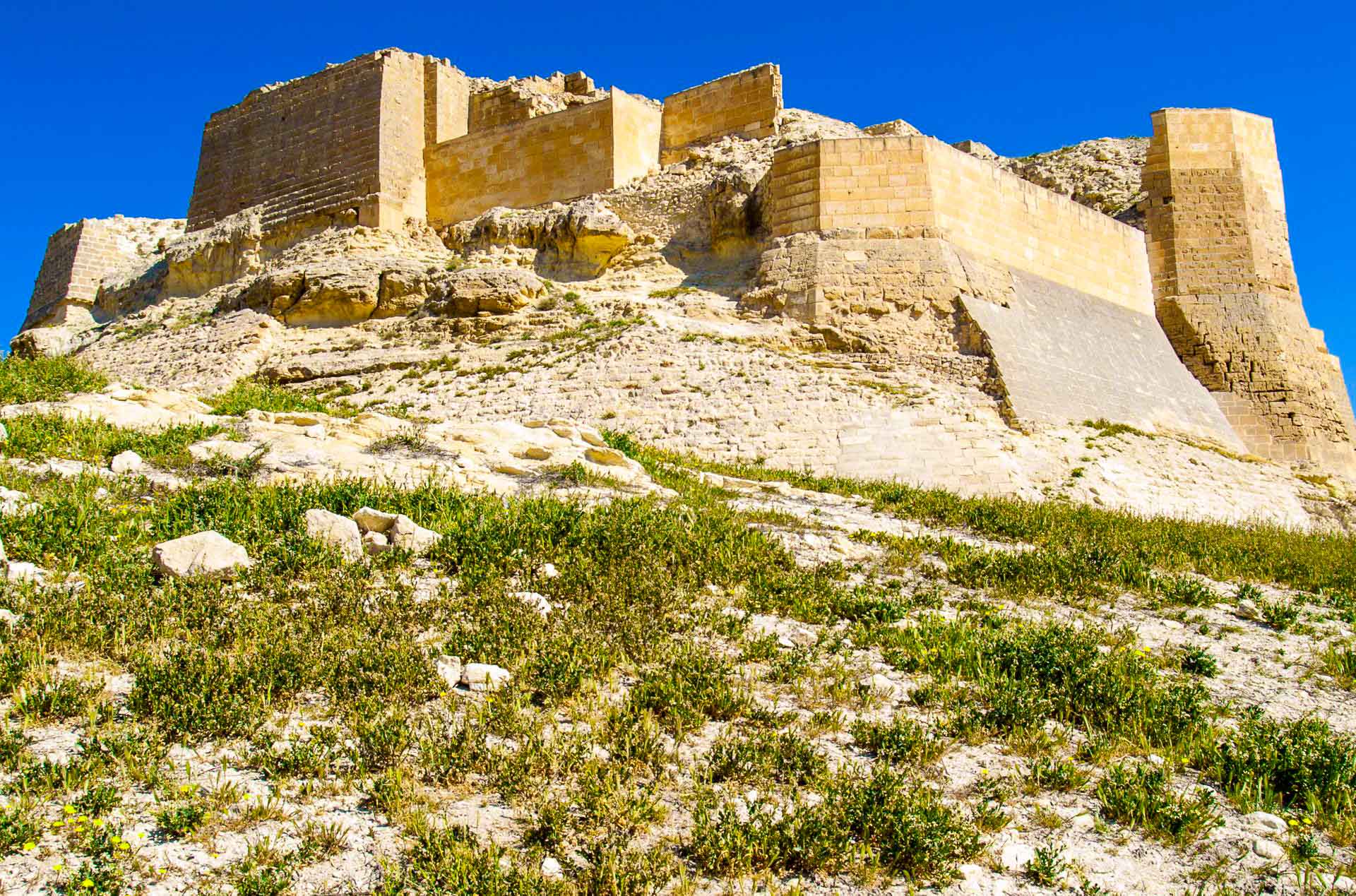
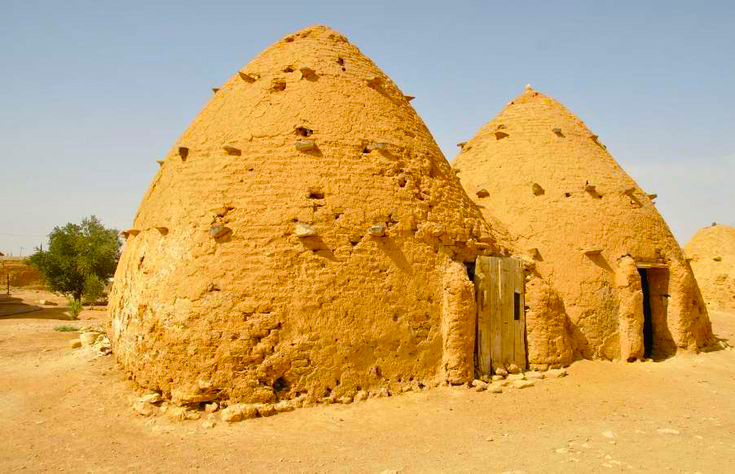
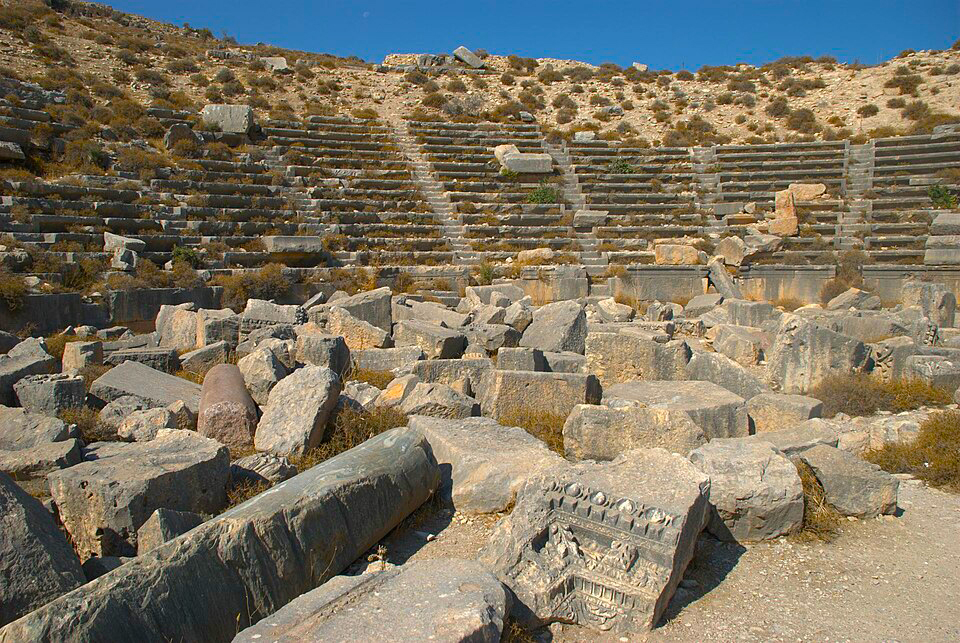
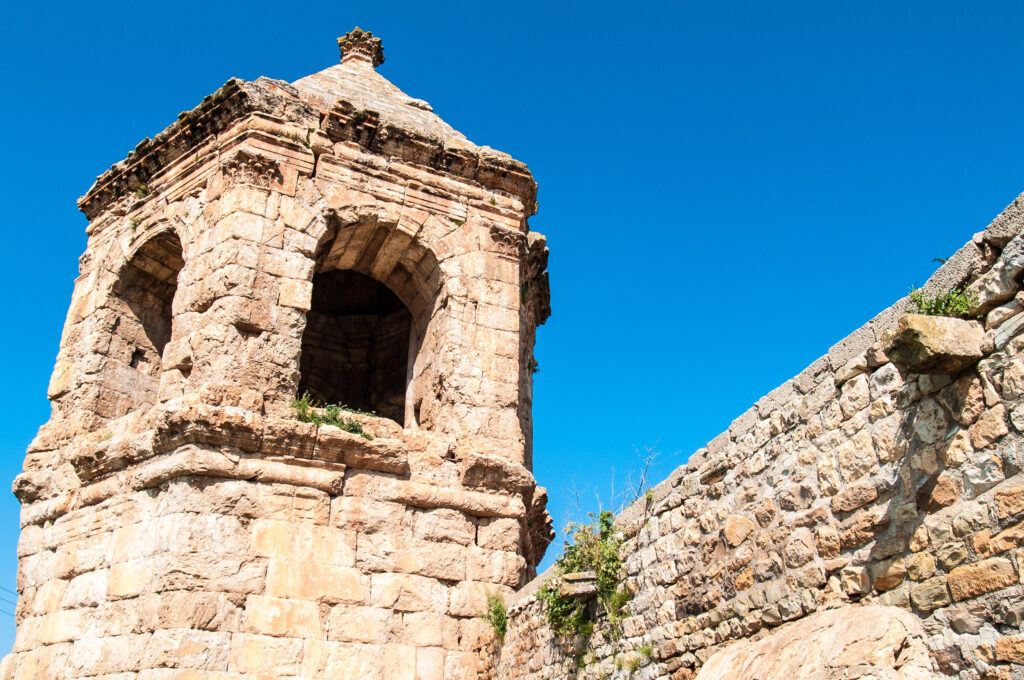
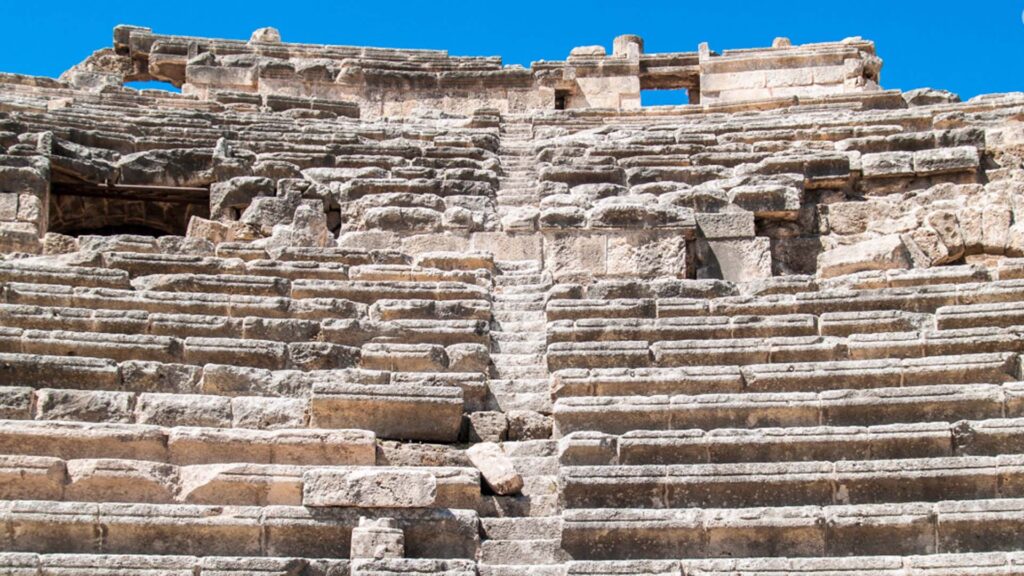
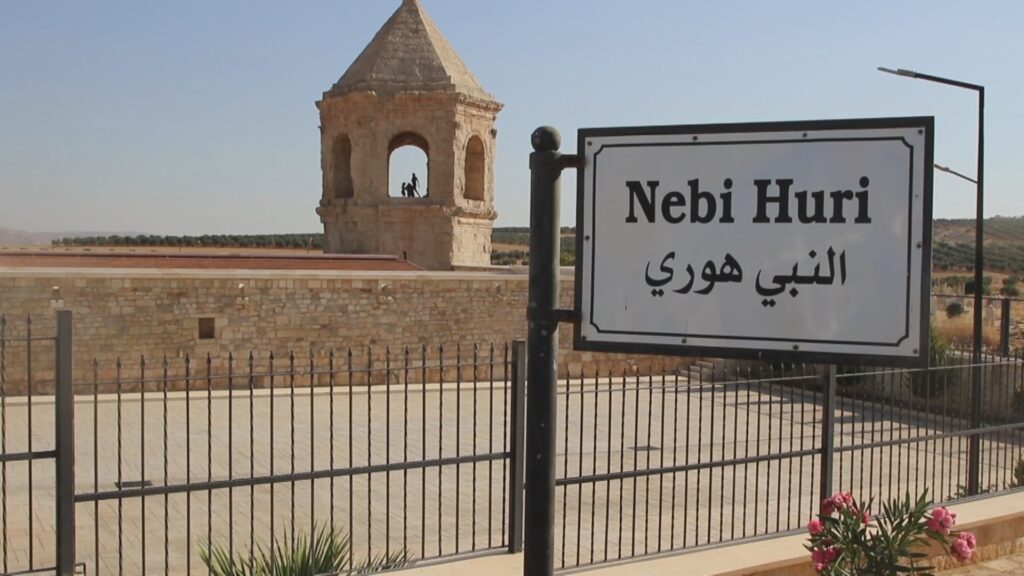
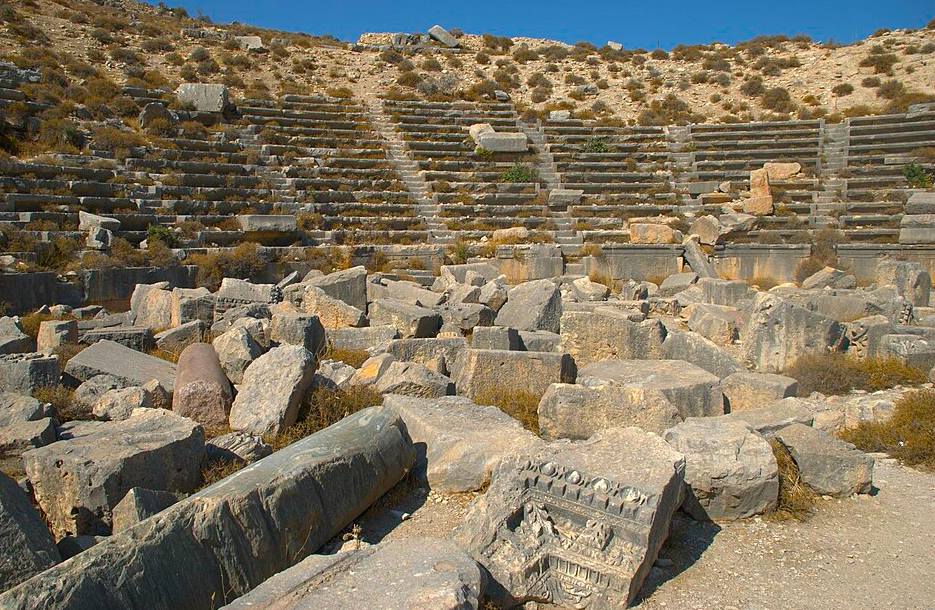
Al-Nabi Houri ruins (النبي هوري), also known as ancient Cyrrhus, are among the most enchanting Roman archaeological treasures in northern Syria. Nestled in the rolling hills near Afrin and surrounded by olive groves, this quiet site reveals the beauty and sophistication of a once-prosperous Roman city. Founded around the 3rd century BCE, Al-Nabi Houri ruins stand as a testament to Syria’s deep historical layers, linking Hellenistic, Roman, and Byzantine civilizations through stunning architecture and timeless charm.
| Category | Details |
|---|---|
| Location | Near Afrin, northwestern Aleppo Governorate |
| Founded | 2nd–3rd century AD |
| Era | Roman |
| Key Monuments | Roman temple, colonnaded street, ancient tombs |
| UNESCO Status | Not individually listed, but often included in Dead Cities circuits |
| Size | Small to medium-sized archaeological site |
| Time to Visit | Around 45 minutes |
| Entry Fee | Free (subject to local updates) |
| Accessibility | Reachable by car from Aleppo or Afrin |
| Nearby Sites | Ain Dara, Cyrrhus (Nabi Huri Bridge), Qalaat Samaan |
Why Visit?
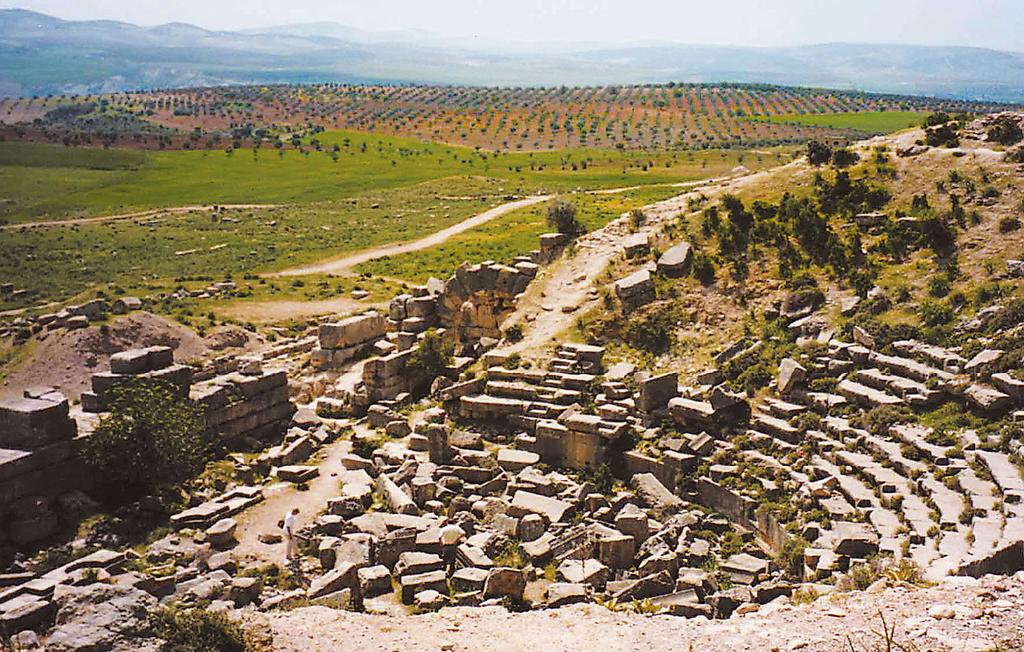
A Hidden Roman Gem: Unlike the famous ruins of Palmyra or Apamea, the Al-Nabi Houri ruins offer a serene and intimate experience. Visitors can stroll along the remnants of a grand Roman colonnaded avenue, explore the outlines of ancient temples, and discover rock-cut tombs scattered across the hills. The highlight of the site is its temple, an architectural jewel featuring elegant symmetrical columns and an elevated platform that has survived centuries of wind and time. Walking among these ruins feels like stepping into a living open-air museum—one that whispers stories of the Roman Empire’s northern frontier.
Peaceful Atmosphere: The Al-Nabi Houri ruins are perfect for travelers seeking authenticity and tranquility. Unlike other major archaeological destinations crowded with tourists, this site allows visitors to explore freely, take in panoramic views of the countryside, and experience a genuine connection with history. It’s an ideal place for archaeologists, photographers, and history enthusiasts who appreciate the beauty of solitude among ancient stones.
What to Know Before You Go
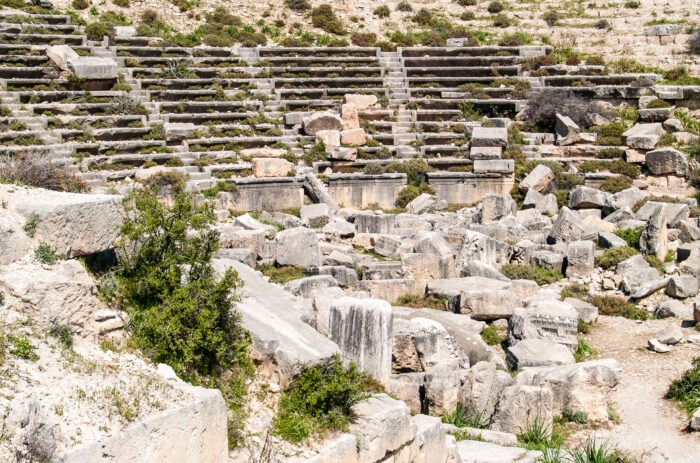
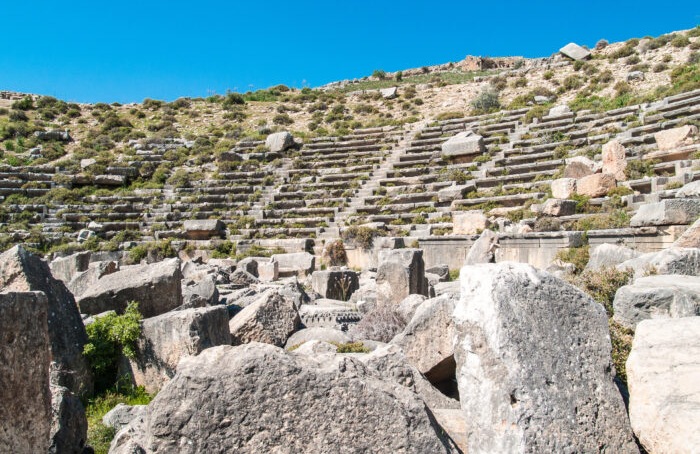
The Al-Nabi Houri ruins are a window into Syria’s Roman past—an untouched archaeological landscape where history and nature coexist. Visiting this site offers not only a glimpse into the grandeur of ancient Cyrrhus but also the rare peace of a destination yet to be transformed by mass tourism. For anyone exploring Syria’s northern heritage trail, the Al-Nabi Houri ruins are a must-see chapter in the story of the ancient world.
- The Al-Nabi Houri ruins have limited facilities—bring water, sun protection, and wear sturdy footwear.
- Early morning or late afternoon offers the best lighting for photography, highlighting the textures of the columns and stonework.
- The area is partially overgrown but easily walkable for those who enjoy gentle exploration.
- Respect local customs and remember that nearby residents consider the site spiritually significant, as it is associated with the Prophet Houri.
How to Reach
The Al-Nabi Houri ruins lie about 80 km north of Aleppo, roughly a two-hour drive through Afrin’s scenic hills. From Afrin city itself, the drive takes around 25 minutes. Access is easiest by private car or with a local guide who can combine the visit with other nearby archaeological gems. Despite being somewhat remote, the journey is rewarding, offering views of green valleys and ancient olive terraces that have flourished for millennia.
Nearby Attractions
- Ain Dara – Known for its basalt lion statues and temple dedicated to ancient Near Eastern deities, this site complements the Al-Nabi Houri ruins beautifully.
- Qalaat Samaan – The famous Church of Saint Simeon, a UNESCO World Heritage Site, lies not far away and provides insight into Syria’s early Christian architecture.
- Cyrrhus Bridge – A remarkably preserved Roman bridge believed to be more than 1,700 years old, still standing as a symbol of Roman engineering genius.
To read more about this topic, click here. To explore further, visit our Facebook Syria Collection for rare images and cultural highlights.