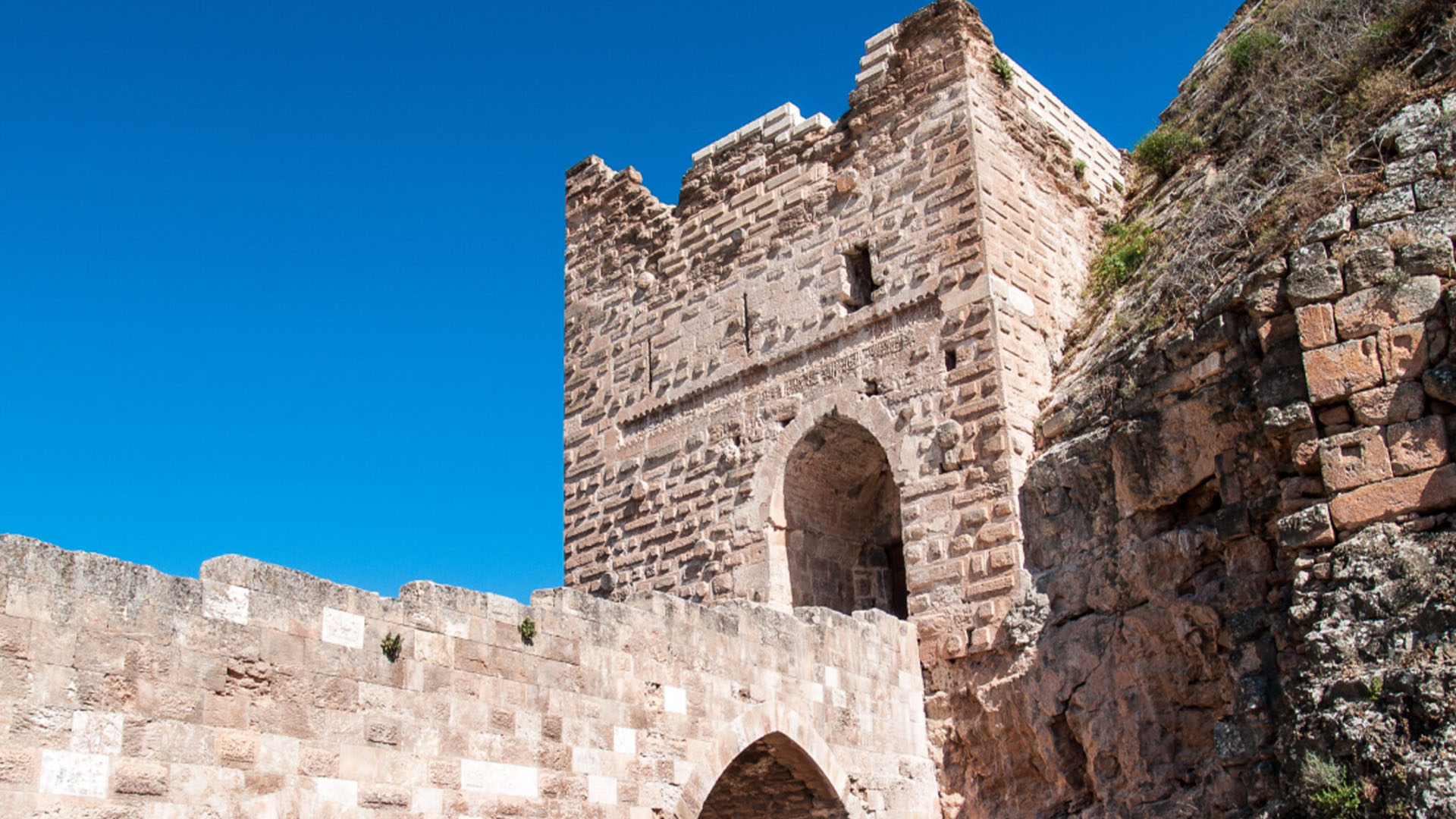
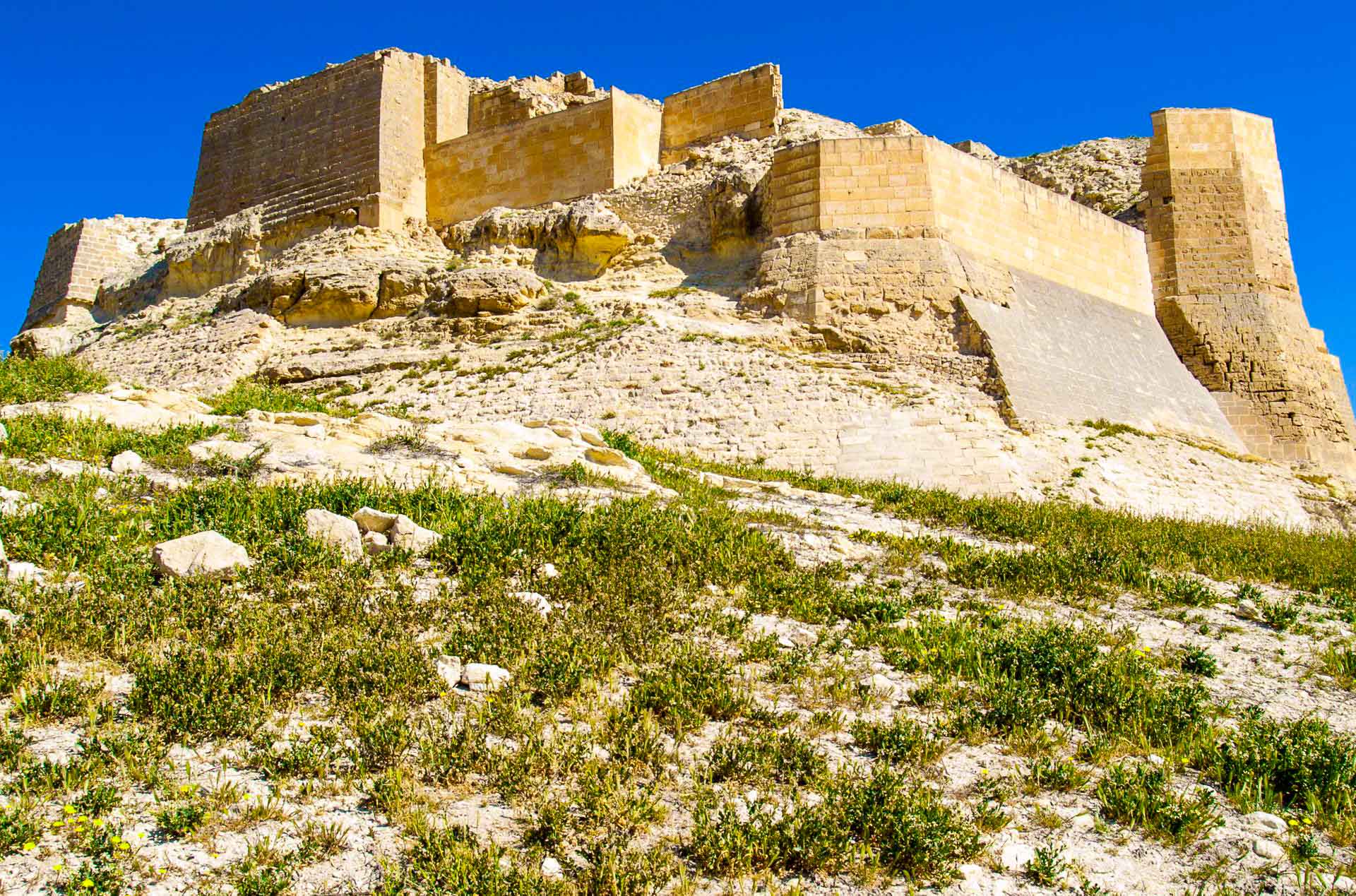
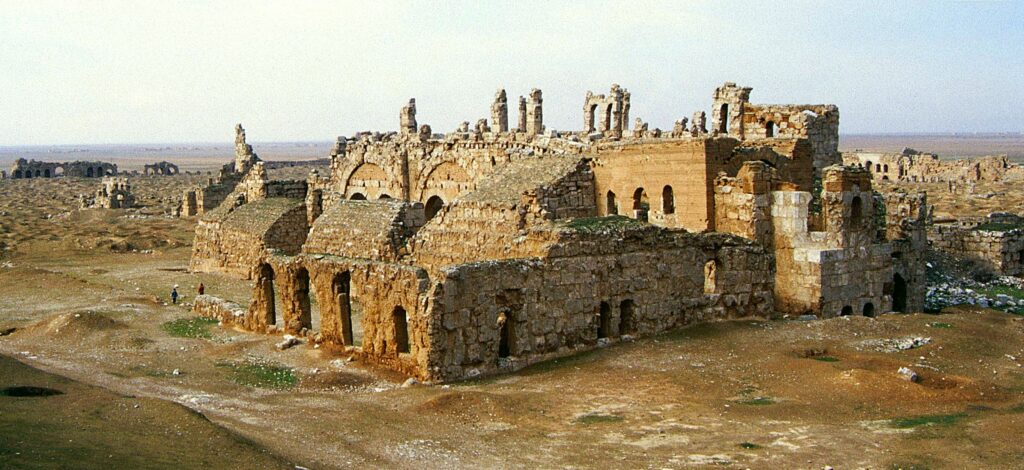
Resafa – Sergiopolis Byzantine City (الرصافة): Rising out of the vast Syrian desert, Raesafa, once known as Sergiopolis, is a striking historical city with a rich and layered past. Originally established as a Roman military post, Resafa gained prominence as a center of Christian pilgrimage due to the martyrdom of Saint Sergius, a Roman soldier who became an enduring symbol of faith. Over the centuries, the city transformed into a fortified hub under the Byzantine and Umayyad empires, blending military strength with religious significance. Today, Resafa stands as an evocative archaeological site, where visitors can walk among the remnants of basilicas, cisterns, and fortress walls, all surrounded by the endless desert plains.
| Category | Details |
|---|---|
| Location | Northern Syrian Desert, southwest of Raqqa |
| Founded | 3rd century CE (earlier settlement may date back to Assyrian times) |
| Era | Roman, Byzantine, Islamic (Umayyad) |
| Original Name | Sergiopolis |
| Size | Approx. 550 x 500 meters (fortified city) |
| Key Features | Fortified walls, gates, basilicas, cisterns, Umayyad structures |
| Time to Visit | 1.5 to 2.5 hours |
| Accessibility | Accessible from Raqqa or Deir ez-Zor by car |
| Nearby Attractions | Euphrates River, Al-Rahba Castle, Qalaat Jaabar |
Why Visit?
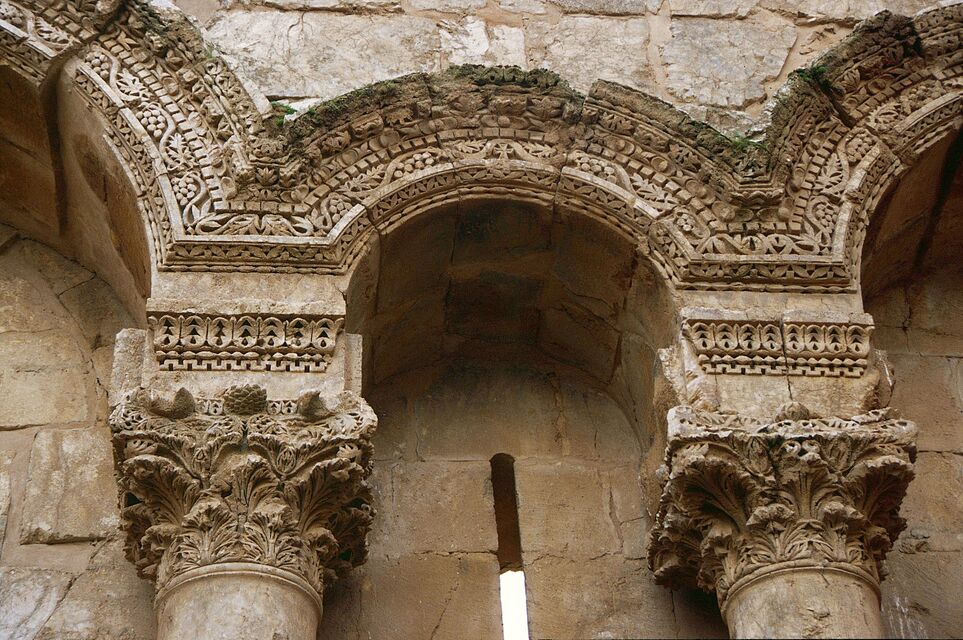
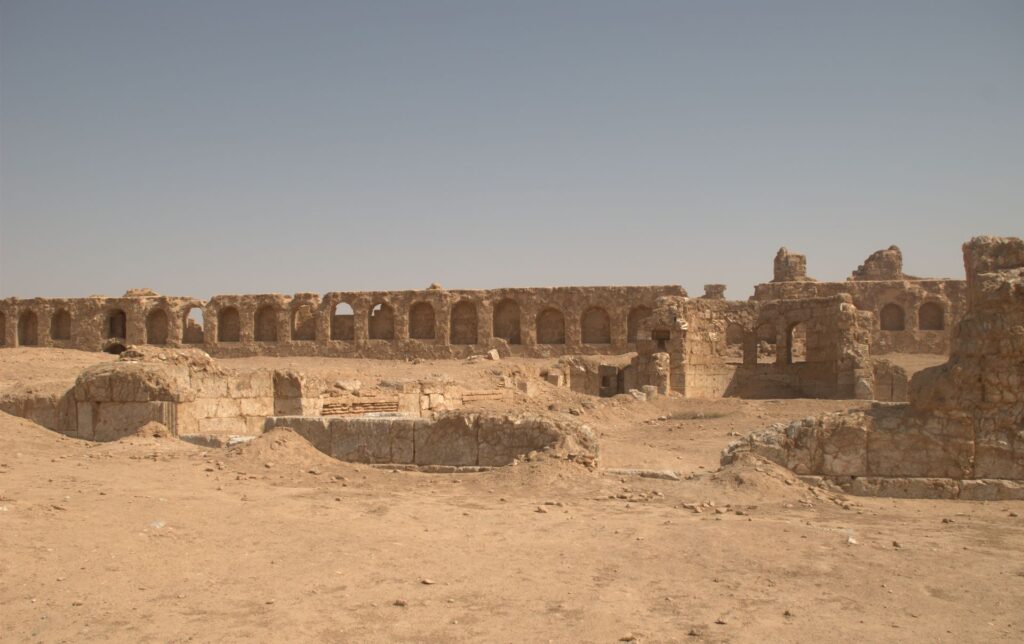
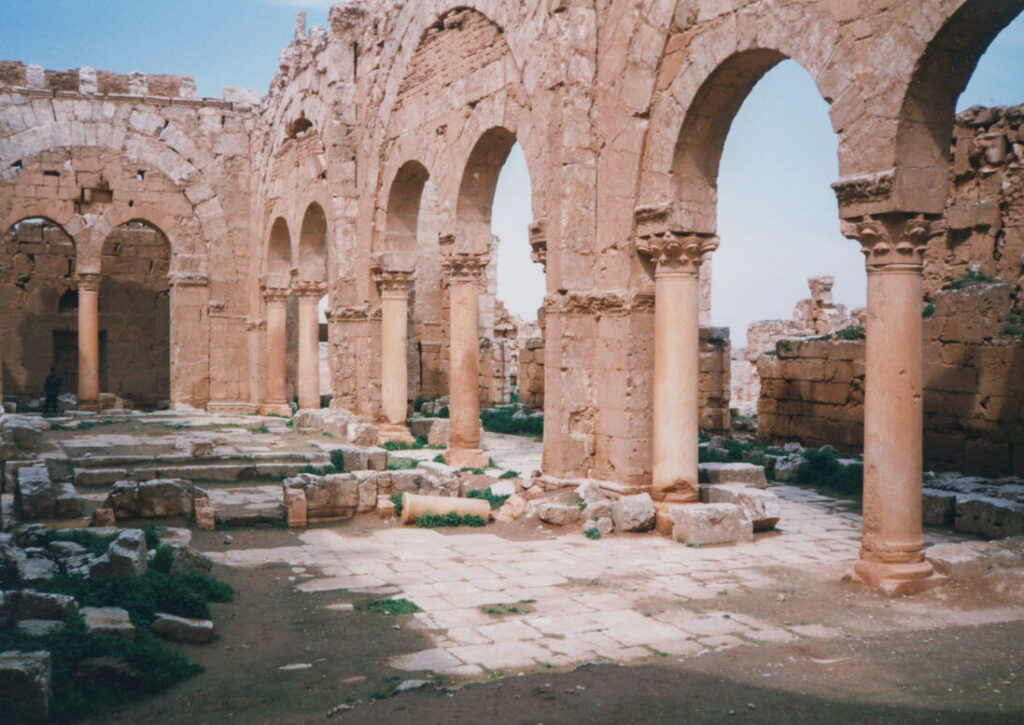
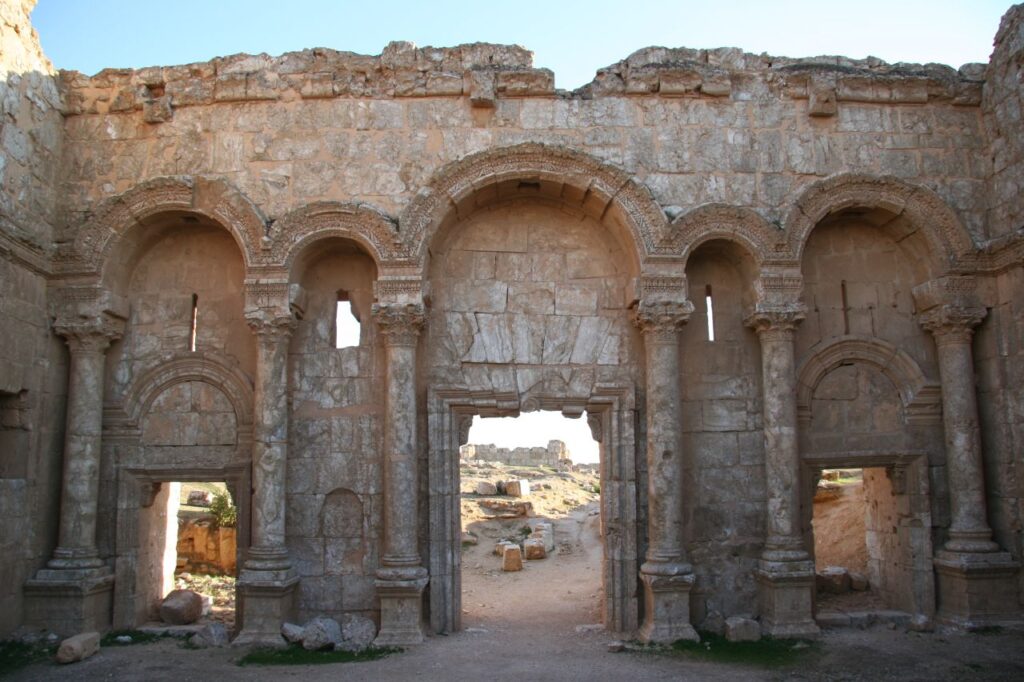
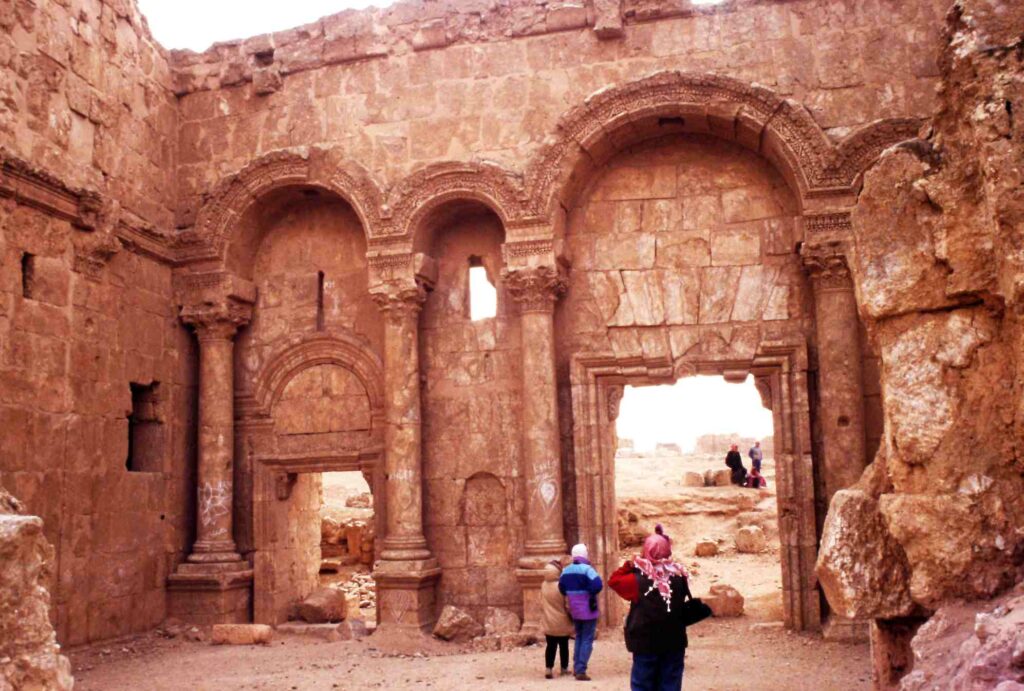
Monumental Desert Architecture: The limestone walls, towers, and city gates of Resafa are among the most impressive examples of desert fortifications in Syria. Walking through the main entrance transports visitors back in time, evoking the era when empires clashed and faiths intersected. The scale of the city’s defensive structures, combined with their preservation, offers a fascinating glimpse into ancient urban planning adapted to a harsh desert environment. Every corner of Resafa tells a story of strategic importance, resilience, and architectural skill.
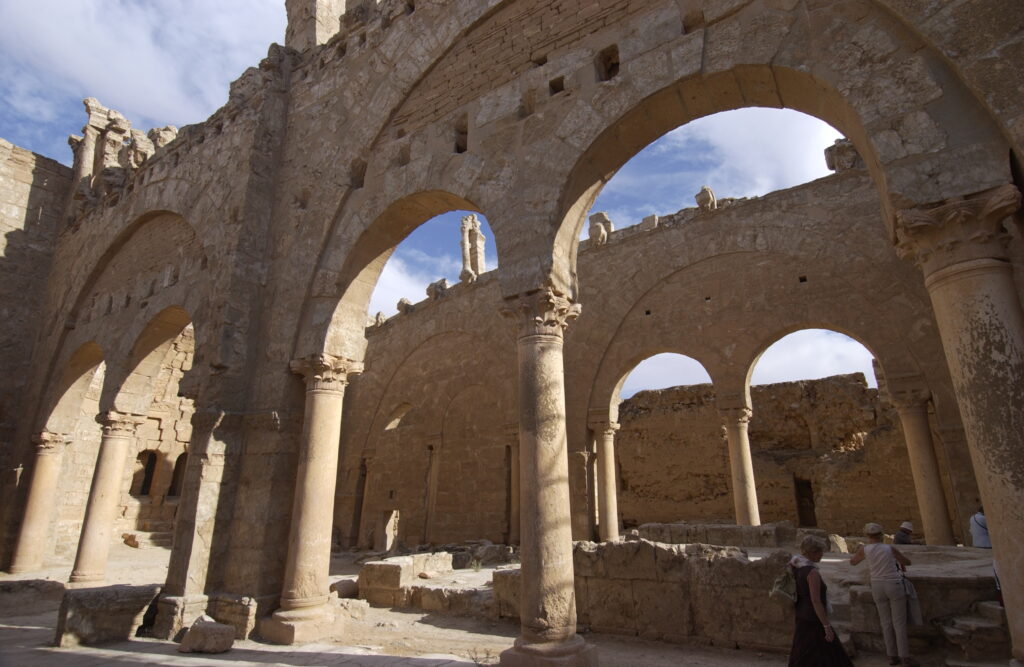
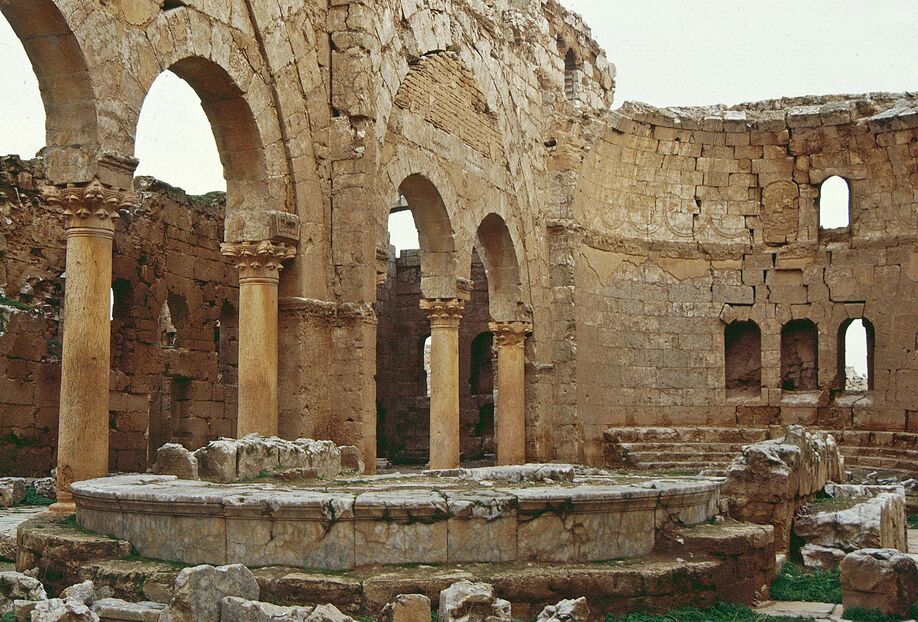
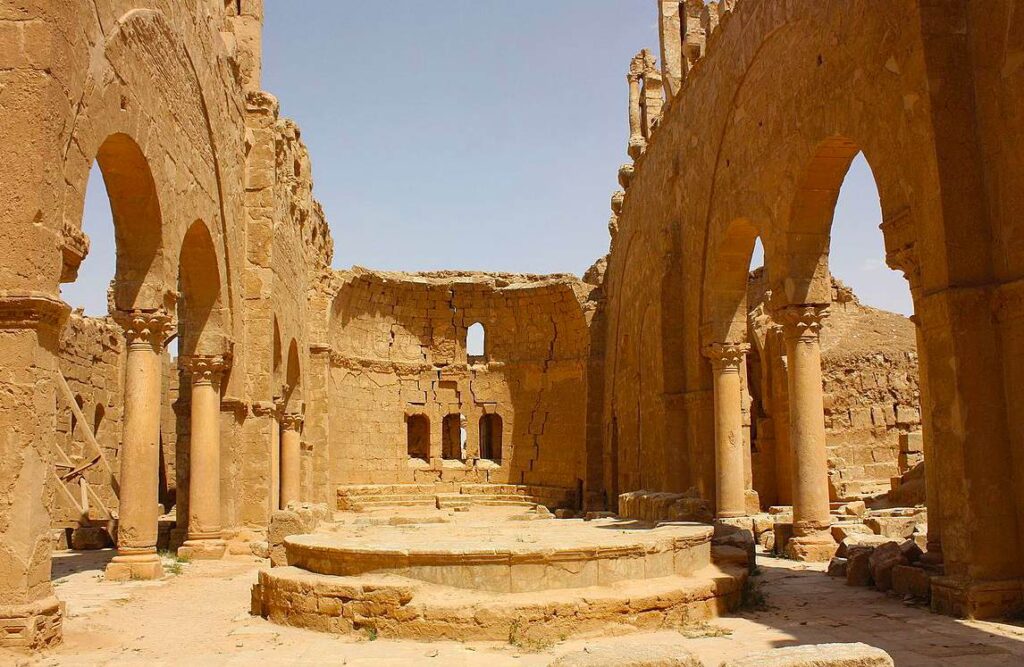
Christian Heritage: Resafa became one of the most important pilgrimage centers in the Byzantine world, attracting devotees of Saint Sergius. The Basilica of St. Sergius, though partially ruined, still conveys the spiritual significance of the city. Pilgrims in antiquity traveled long distances to honor the martyr, and the city’s churches, shrines, and chapels reflect a deep historical devotion that shaped its identity. Even today, walking through Resafa, visitors can sense the lingering aura of faith that once defined this desert city.
Umayyad Transformation: Under early Islamic rule, Resafa was adapted into a fortified administrative center by the Umayyads. New structures, including palaces, mosques, and water systems, integrated Islamic architectural styles while preserving the grandeur of previous empires. This layered history makes Resafa a unique site where Roman, Byzantine, and early Islamic influences coexist, allowing visitors to experience the evolution of urban life in the desert over centuries.
Desert Vibes and Quiet Majesty: One of the most captivating aspects of Resafa is its solitude. The surrounding desert amplifies a sense of timelessness, giving the site a spiritual and almost mystical aura. Unlike many tourist-heavy locations, Resafa allows travelers to explore freely, hear the wind across ancient walls, and imagine life in a city that once thrived in a remote corner of the world. Photography enthusiasts will particularly appreciate the stark beauty of desert light illuminating ancient stone.
What to Know Before You Go
- The site is remote: bring sufficient water, snacks, and sun protection.
- Best visited in spring or autumn to avoid extreme summer heat.
- Wear solid shoes: the ground is uneven and sometimes sandy.
- Guided tours help make sense of the various layers of history.
How to Reach
- Located approximately 30 km southwest of Raqqa.
- Can be reached by private car or organized tour from Raqqa or Deir ez-Zor.
- From Damascus, it’s a long journey requiring stops and planning, often combined with other Euphrates Valley attractions.
Nearby Attractions
- Qalaat Jaabar: A hilltop fortress on the shore of Lake Assad, about 90 km away.
- Euphrates River: Scenic views and historical riverbanks, important throughout antiquity.
- Al-Rahba Castle: Near the town of Mayadin, another key fortification in the Euphrates region.
- Dura Europos: Further downstream but well worth visiting for its Roman-Parthian remains.
For a complete overview of sites across Syria, see the Visit Syria Travel Guide.
To read more about this topic, click here. To explore further, visit our Facebook Syria Collection for rare images and cultural highlights.