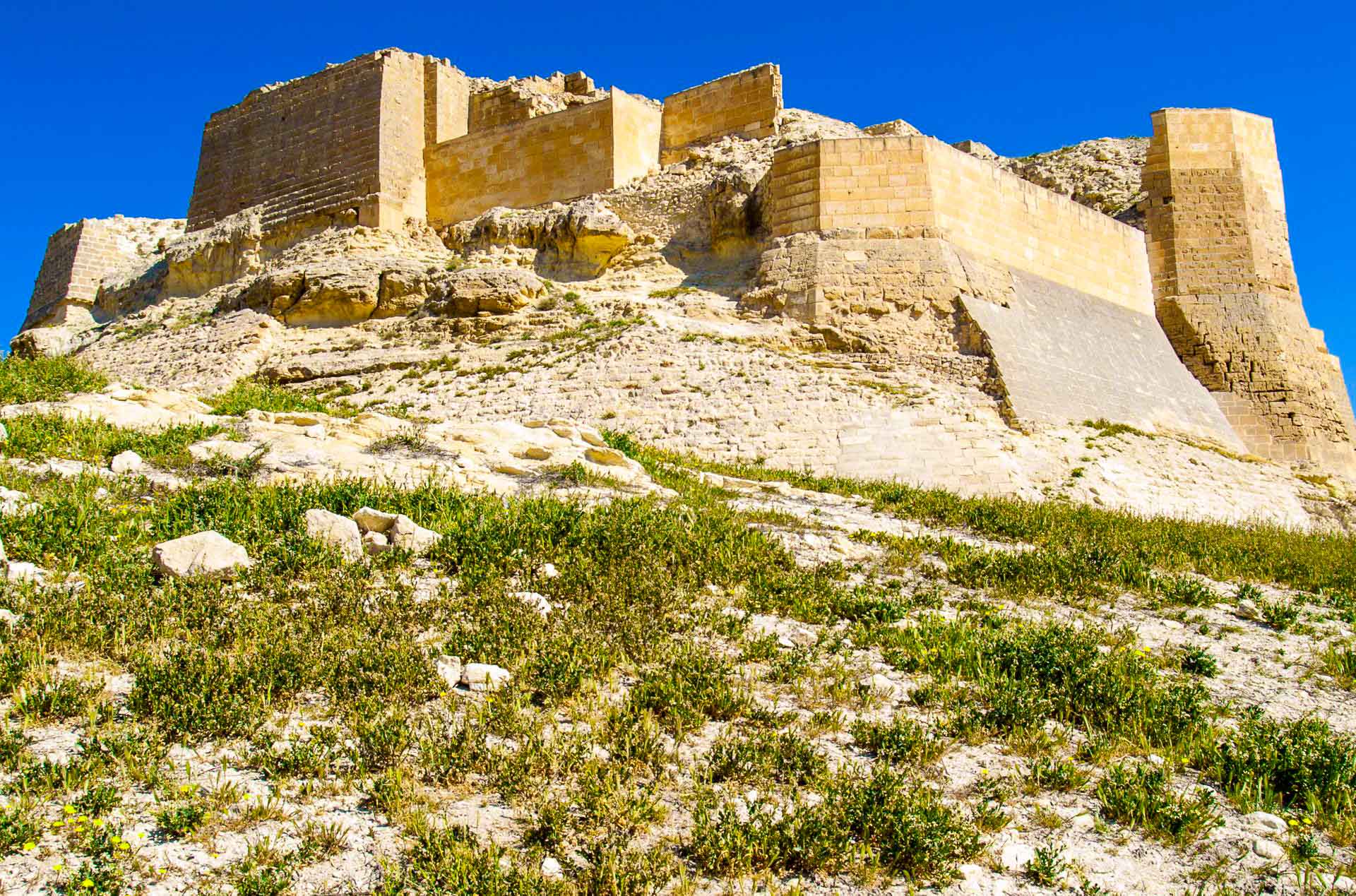
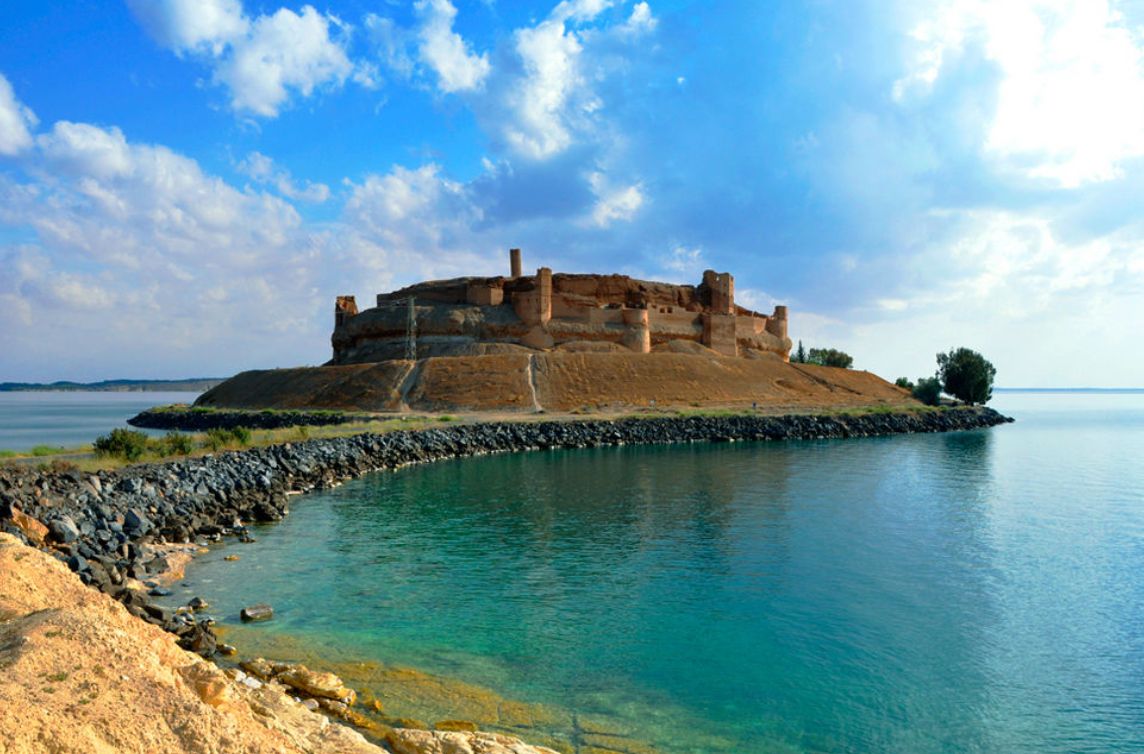
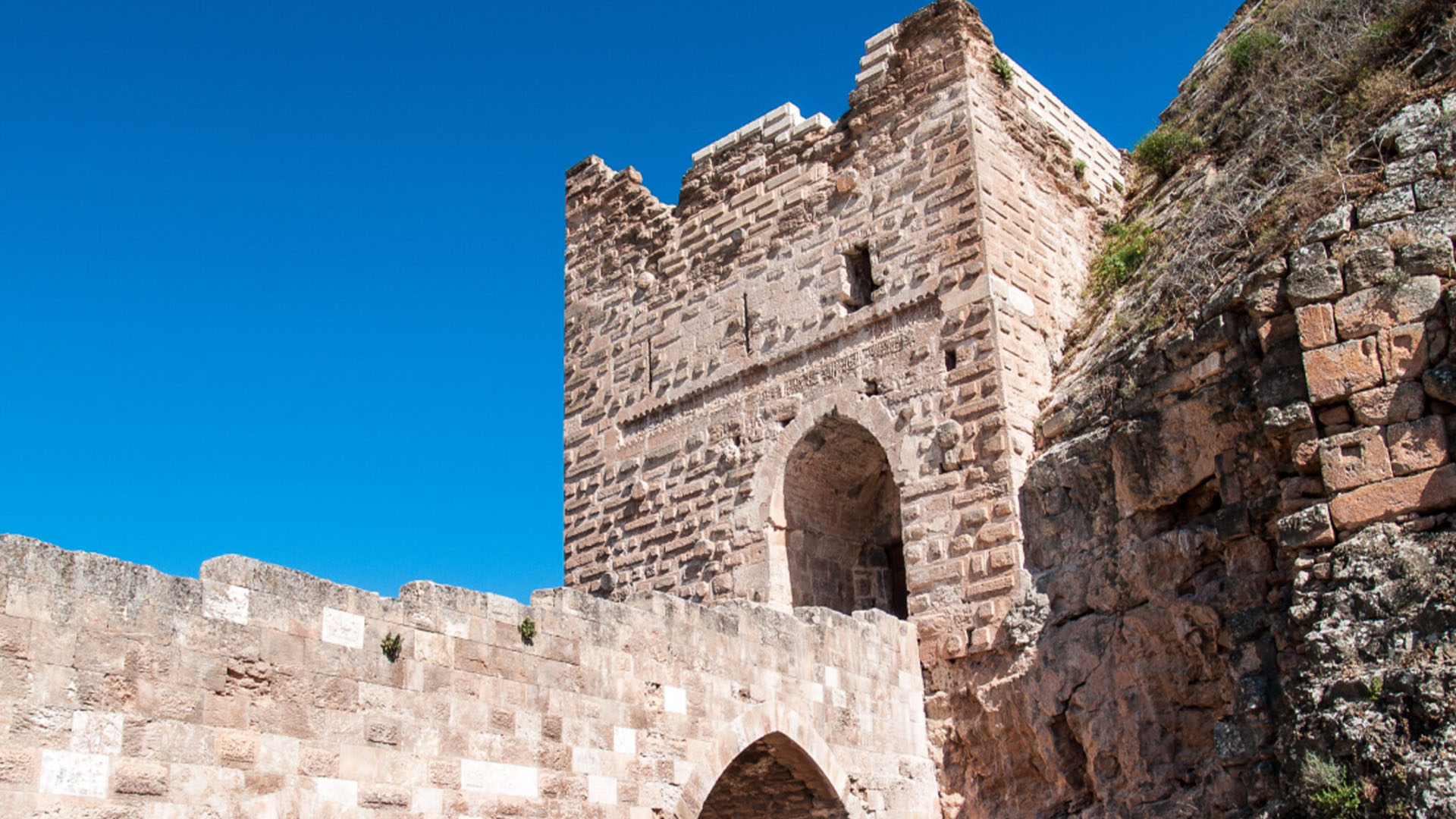
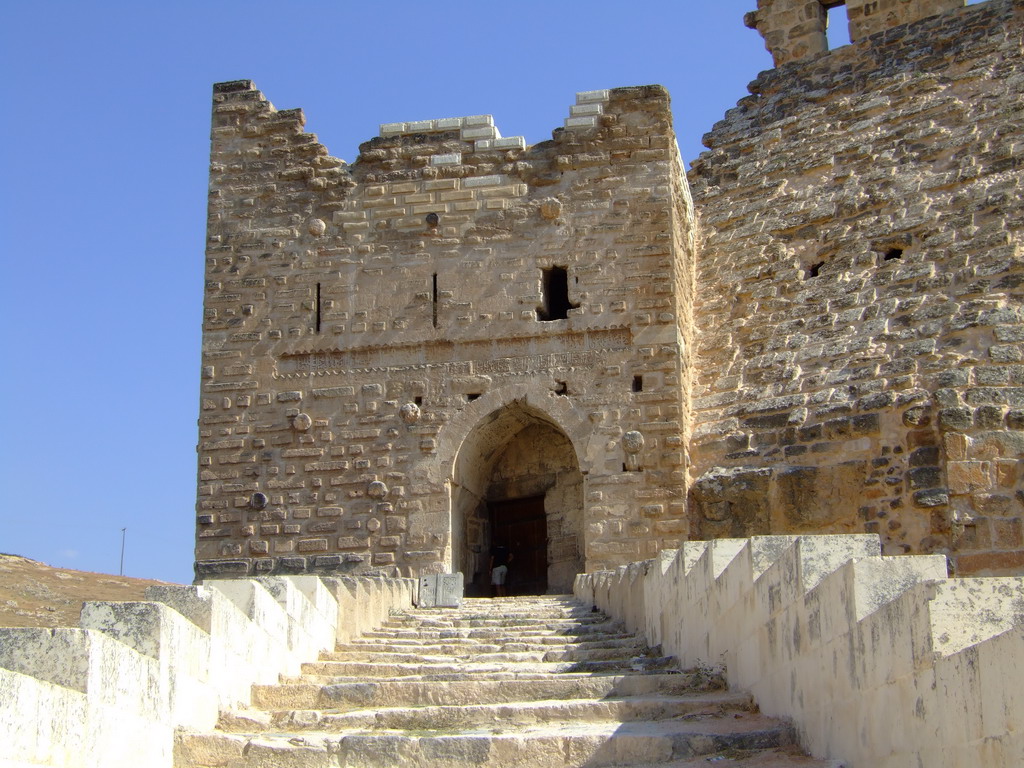
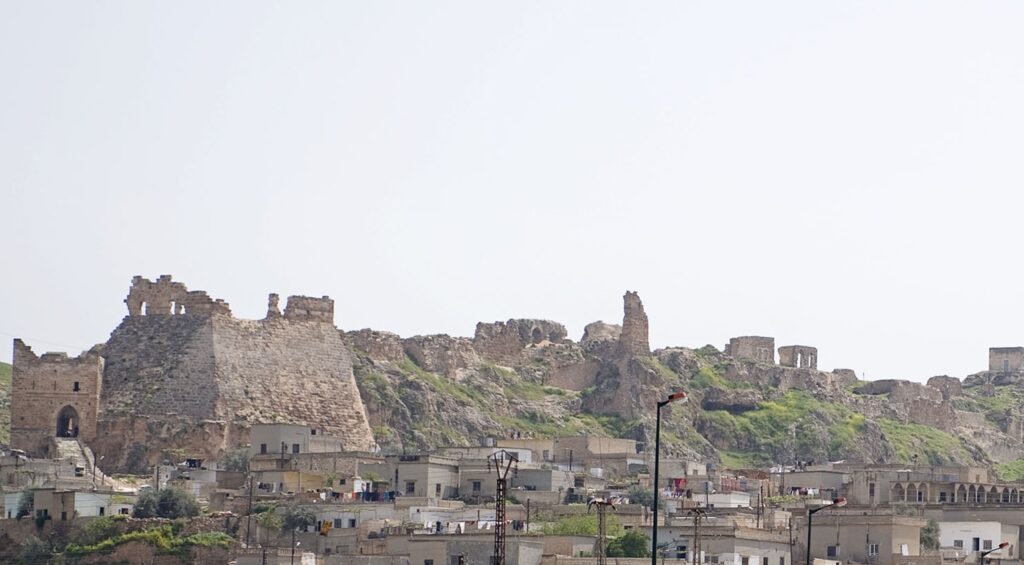
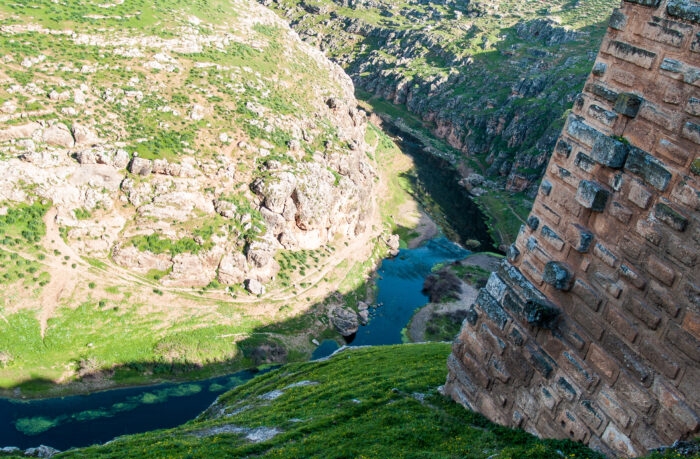
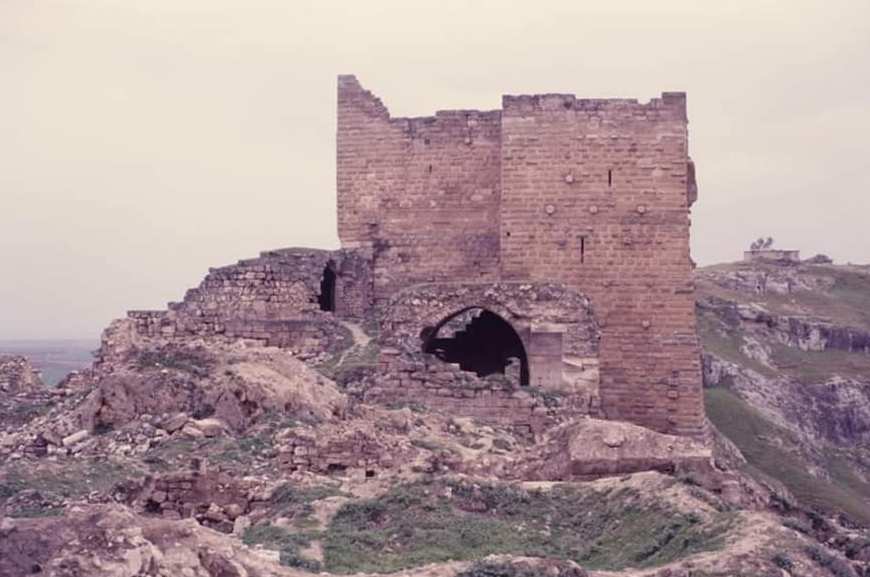
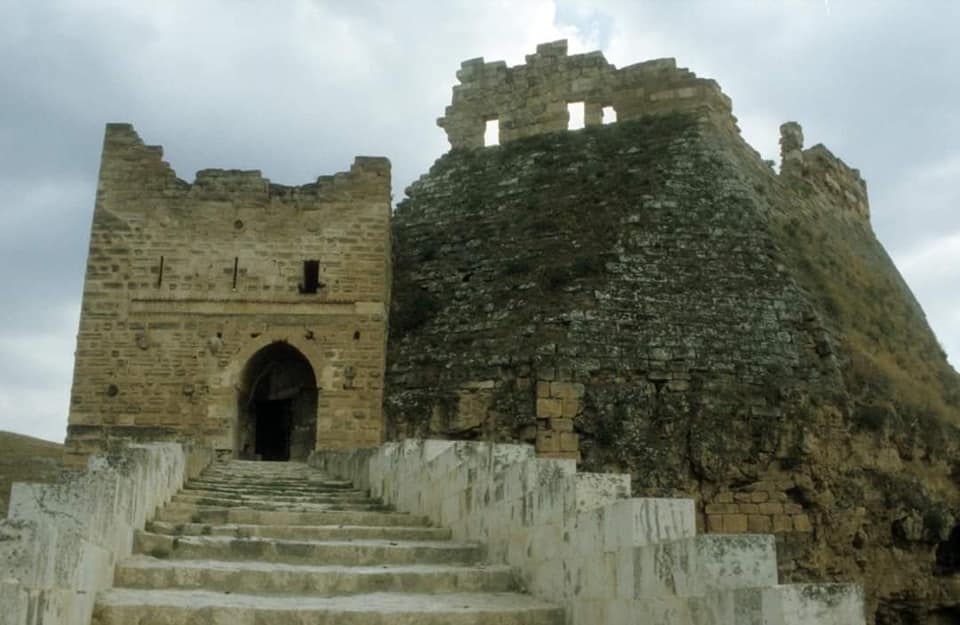
Qalaat Shaizar (قلعة شيزر) holds one of the most compelling histories in Syria. Dramatically situated atop a steep, narrow rocky ridge, with the historic Orontes River (Nahr al-Asi) flowing just beneath its walls, this site was the powerful seat of the Arab Banu Munqidh dynasty during the turbulent 11th and 12th centuries. For travelers seeking the true landscape of the Crusades and a connection to ancient Arabic literature, Qalaat Shaizar is an indispensable destination. It represents not only a brilliant military position but also a center of intellectual and political life in the face of constant conflict.
| Feature | Details |
| Location | On the Orontes River (Nahr al-Asi), approx. 30 km northwest of Hama |
| Era of Fame | Crusader Period (11th–12th centuries) |
| Dynasty | Banu Munqidh (local Arab emirs) |
| Historical Event | Destroyed by a catastrophic earthquake in 1157 AD |
| Literary Connection | Home of the famous writer and diplomat, Usama ibn Munqidh |
| Architecture | Castle extends along a spectacular natural limestone ridge |
Why Visit
Visitors are drawn to Qalaat Shaizar primarily for its breathtaking natural setting and its deep historical connections to one of the most famous eras in Syrian history.
- Dramatic Scenery: The castle’s location is arguably its most spectacular feature. It is a natural fortress, with the swift-flowing Orontes guarding its western flank and deep ravines protecting the others. The views from the top of the ridge provide an unparalleled panorama of the fertile Orontes Valley.
- The Age of the Crusades: The walls of Qalaat Shaizar whisper tales of diplomacy, siege, and survival. It frequently stood against the Crusaders, acting as a buffer between the Crusader states on the coast and the inland Muslim heartlands. The castle’s history is crucial for understanding the military dynamics of the era.
- Literary Heritage: The fortress was the birthplace of Usama ibn Munqidh, a celebrated Arab prince, diplomat, and writer whose autobiography offers one of the most vivid and priceless accounts of life in the Levant during the 12th century, detailing interactions between Muslims and Crusaders. Exploring Qalaat Shaizar allows you to walk through the setting of his famous narratives.
Things to Know Before You Go
Visiting this historic stronghold requires specific preparation, as its location is both remote and historically volatile.
- Security Context: Like much of rural Syria, the region near Qalaat Shaizar has been impacted by recent conflicts. The security situation requires constant vigilance. Independent travel is highly discouraged, and official clearance must be secured beforehand.
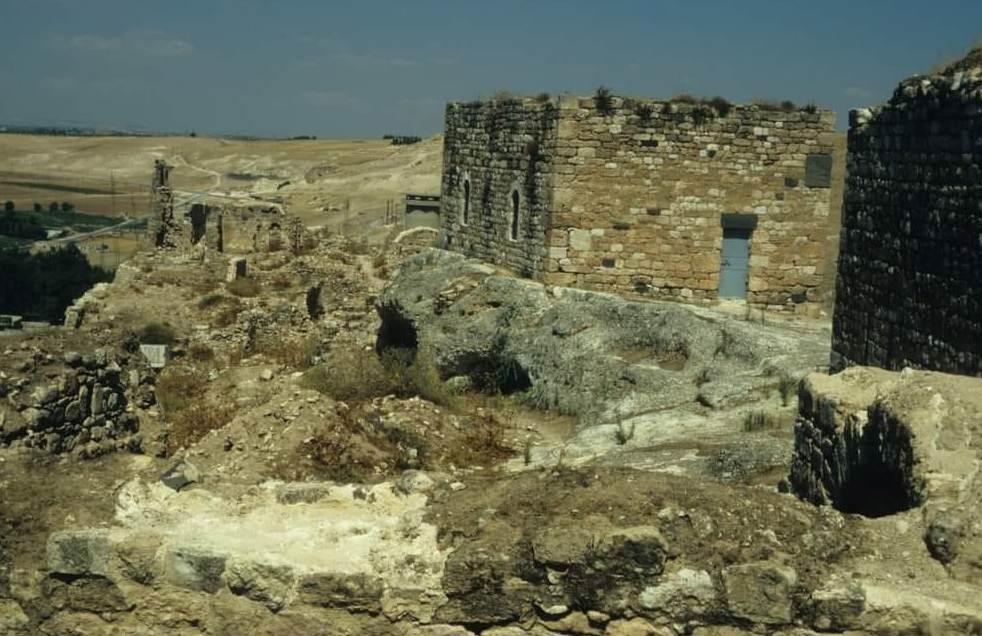
- Earthquake Damage: While Nur ad-Din Zengi rebuilt the castle after the devastating 1157 earthquake, the structure today is complex. Earthquakes and time have left parts of the complex severely fractured, requiring visitors to navigate carefully.
- Physical Challenge: The castle is built along a steep ridge. The visit involves a moderate climb and walking over uneven, historical stonework. Wear sturdy footwear.
- Amenities: Do not expect organized tourist services, restrooms, or formal facilities near the site.
How to Reach
Qalaat Shaizar is easily accessible from the city of Hama, which serves as the logistical base for the region.
- Base City: Hama, located about 30 km (18 miles) southeast, is the main starting point.
- Transport: Access requires pre-arranged, secured transport, as public transport does not serve the specific site. Given the security landscape, securing official travel permission and a local guide is mandatory for the short drive from Hama to Qalaat Shaizar.
- The Journey: The drive is short but offers beautiful views of the Orontes River and the surrounding agricultural land, providing context to the region’s importance.
Nearby Attractions
To complete your historical tour of the central Syrian region, consider visiting:
- The Norias of Hama: The giant, ancient wooden waterwheels (Norias) in Hama are a mandatory stop, offering a beautiful contrast to the austere military architecture.
- Apamea (Qalaat al-Mudiq): A spectacular ruined Roman city featuring one of the world’s most impressive colonnaded streets. It is located close to Shaizar, making them ideal to combine in a single day trip.


To discover more about this topic, click here. To explore further, visit our Facebook Syria Collection for rare images and cultural highlights.