Nassan Palace (قصر النعسان) is an 18th-century qasr (traditional house) in Old Damascus, Syria, representing the opulent and private lifestyle of affluent residents during the Ottoman era. Concealed near the Bab Sharqi (Eastern Gate), the Nassan Palace reveals inner courtyards and breathtaking opulence. It is a living museum, still inhabited by the Nassan family, dedicated to preserving the legacy of the Nassan Palace‘s art and architecture.
Nassan Palace | Quick Info
| Feature | Description |
| Location | Near Bab Sharqi (Eastern Gate), Old Damascus, Syria. |
| Construction Era | Late 18th Century (c. 1720 AD) |
| Architect/Builder | Georges Nassan, a master artisan from Houran. |
| Style | Traditional Damascene House / Ottoman-era domestic architecture. |
| Area | Approximately 4,000 square meters. |
| Architectural Element | Central rectangular courtyard (Sahn), Double Iwan, Ajami ceilings, Ablaq stonework. |
| Current Status | Privately owned and inhabited by the Nassan family; open to visitors. |
| Historical Significance | Embodies the preservation of traditional Syrian handicrafts (brocade, mosaic, arabesque). |
| Notable Visitors | Queen Elizabeth II (materials for coronation dress), Gamal Abdel Nasser, Richard Nixon, Jimmy Carter. |
Architecture and History
The Damascene House Model
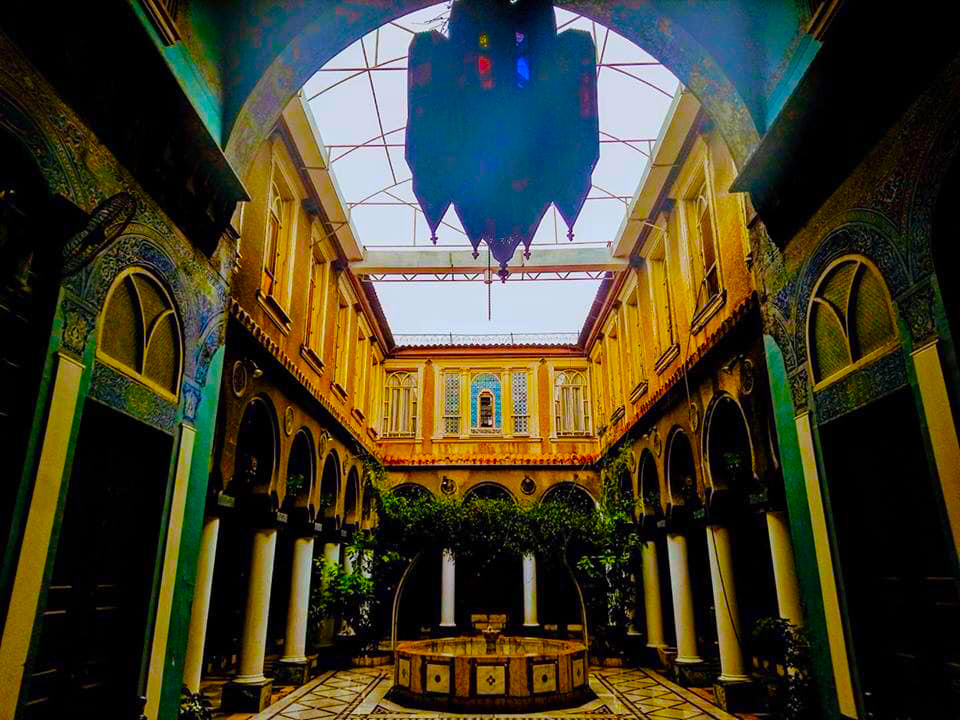
The Nassan Palace is an exceptional example of the traditional Damascene house, an architectural model deeply rooted in Islamic and local cultural values. This style is characterized by a stark contrast between a simple, unadorned exterior and a lavish, intricate interior. The modest external walls and singular, unassuming main gate served several purposes: to maintain a sense of community equality, deter potential thieves, and, most importantly, safeguard the family’s privacy and create an oasis of tranquility away from the bustling streets of the Old City.
Entry to the palace is typically via a long, winding, or angled corridor known as a dahlez. This intentional design prevents any outside observer from peering directly into the central heart of the home, thus protecting the privacy of the residents, particularly the women. This design element speaks to the social structure of the time, often incorporating segregated spaces like the haramlek (women’s quarters) and salamlek (men’s reception area), although the modern use of the palace is adapted.
The Central Courtyard (Sahn)
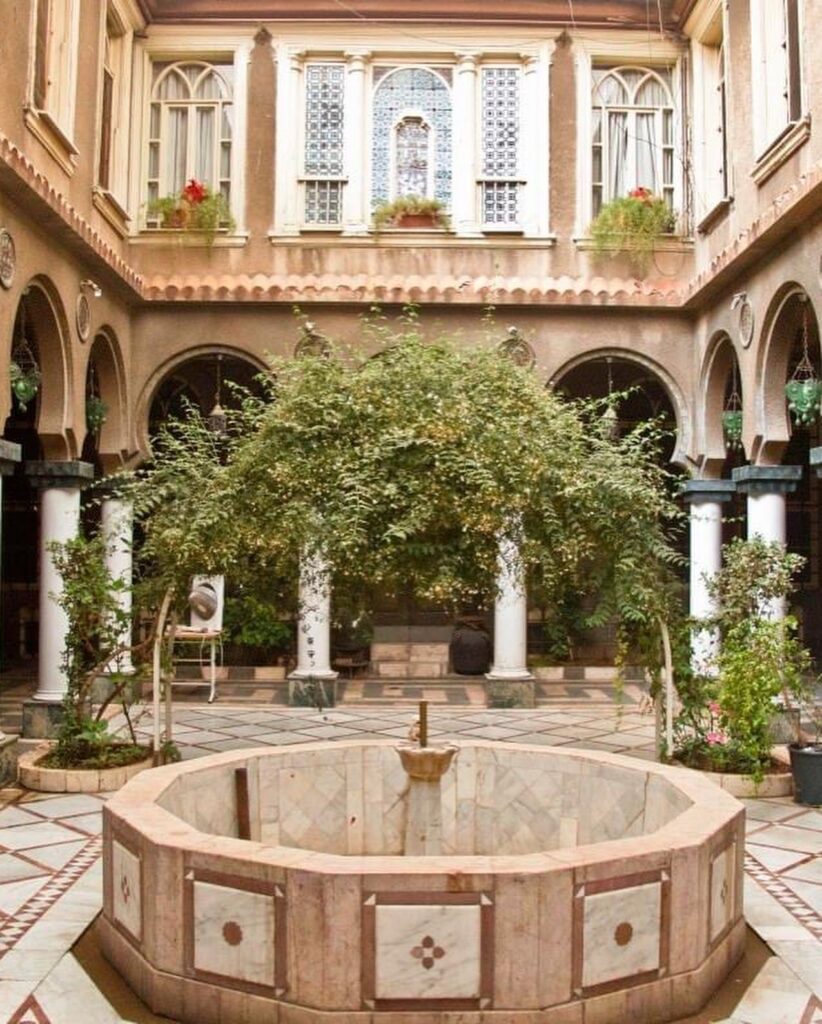
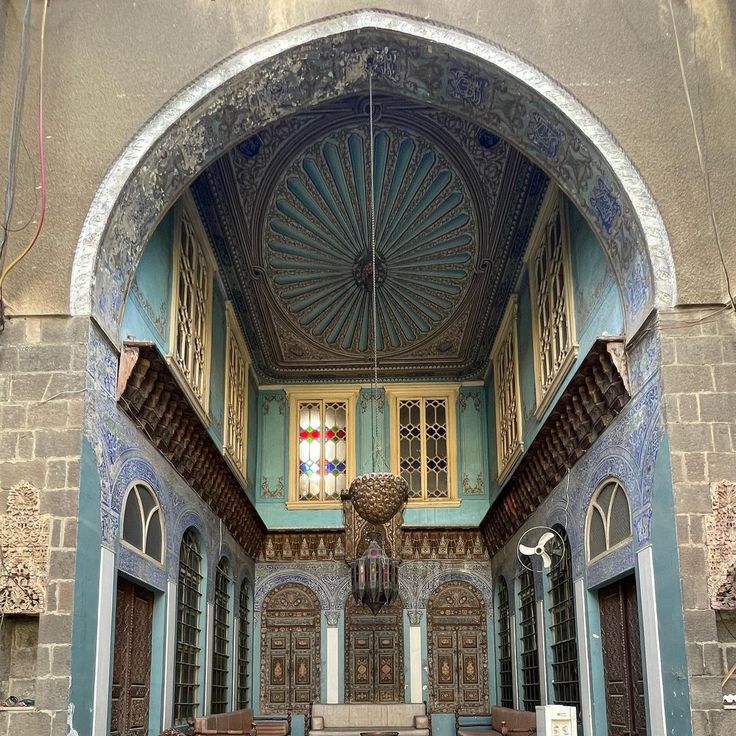
Upon passing through the entrance corridor, a visitor is immediately struck by the sudden revelation of the vast, sunlit central courtyard (sahn or hosh). Covering over 4,000 square meters, the Nassan Palace courtyard is a serene, rectangular space and the social and climatic nucleus of the entire structure. It is centered around a spectacular octagonal marble fountain (bahra) guarded by four marble lion figures—a classic symbol of authority and water as a life source. The courtyard is often adorned with fragrant citrus trees and jasmine, earning Damascus its nickname, the “City of Jasmine.”
The courtyard serves as the primary source of light and ventilation for the surrounding rooms. Its open-air nature, combined with the thick basalt stone walls sourced from the south of Damascus, provides natural cooling during the hot Syrian summers—a brilliant early example of sustainable, climate-adapted design.
Grand Reception Halls
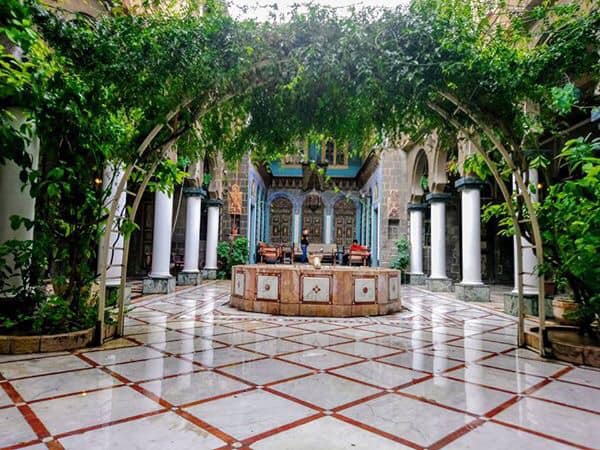
Encircling the courtyard are arcaded galleries that lead to the palace’s numerous reception rooms, or qa’a (guest rooms), which were typically the most lavishly decorated spaces, designed to impress visitors and display the owner’s wealth and taste. The palace boasts around 30 rooms in total.
The Iwan and Double Arches
The most spectacular feature of the ground floor is the Iwan, a rectangular, vaulted hall, walled on three sides, with one end entirely open to the courtyard. The Nassan Palace features a dramatic double iwan on the south side, rising under high arches painted with lush, vivid vegetal frescos. The Iwan served as the main ceremonial space, a setting for formal festivities and gatherings, especially in the warmer months when the courtyard air was most inviting.
Decorative Artistry
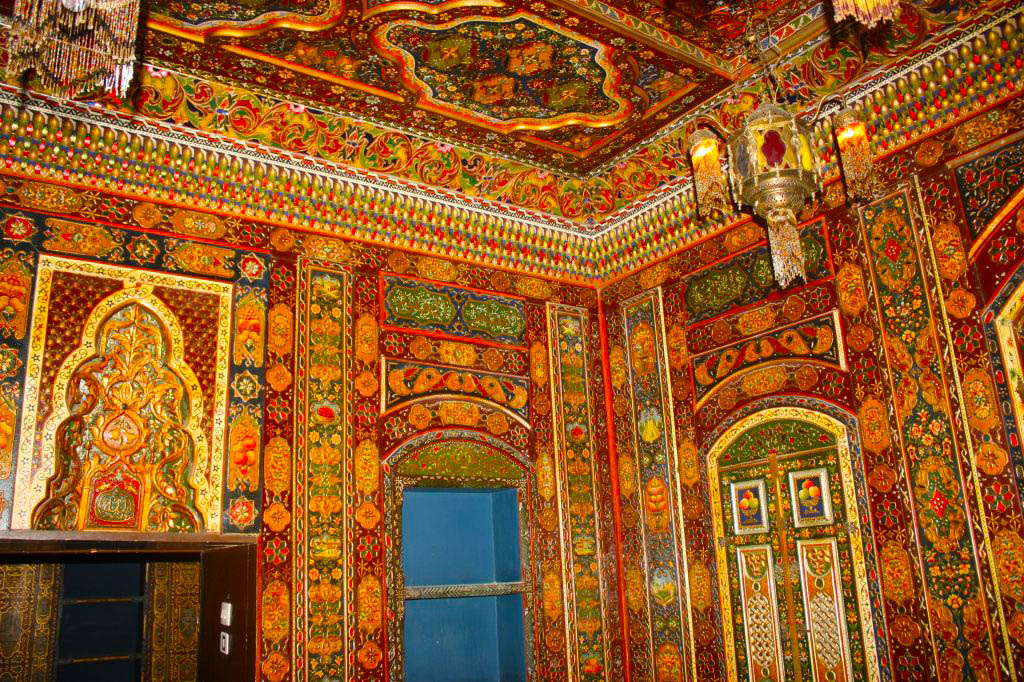
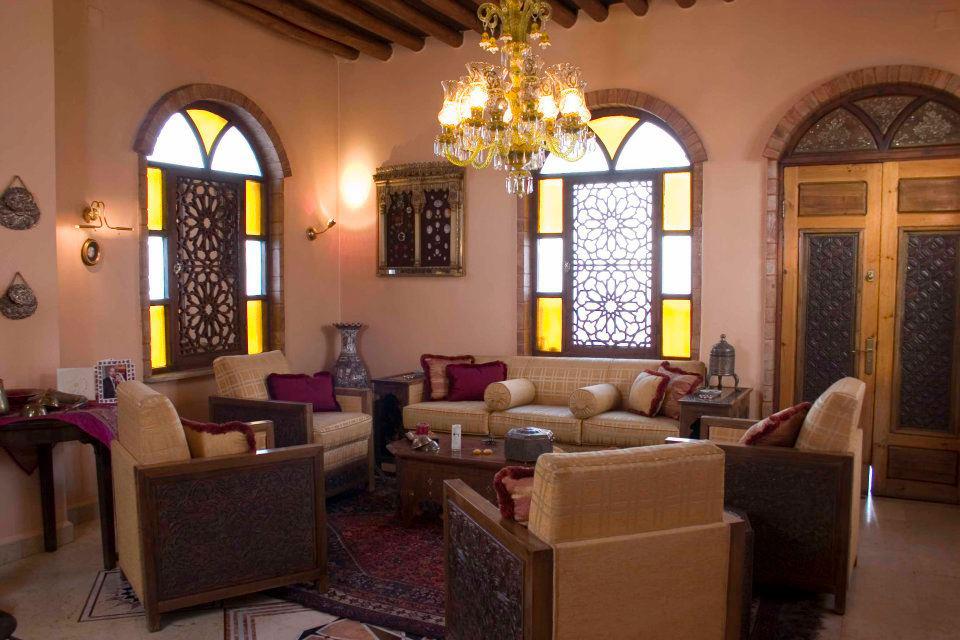
The interiors of the reception rooms are renowned for their breathtaking decorative elements:
- Ajami Ceilings: These elaborate ceilings are crafted from cedar paneling and painted with brilliant colors, gold leaf, and intricate patterns. The Ajami style, which literally means “foreign” or “non-Arab” (referencing a foreign cultural influence), is a signature feature of Ottoman-era Syrian domestic architecture, displaying scenes, calligraphy, and complex geometric designs.
- Ablaq Stonework: The alternating courses of black basalt and yellowish limestone—known as ablaq—are prominent in the palace’s arcades and framing elements. This distinctive, two-toned masonry is a hallmark of Mamluk and Ottoman architecture throughout the Levant.
- Mashrabiyyas: Intricately carved wooden latticework windows, or mashrabiyyas, filter the harsh Damascus sunlight into patterned shadows within the northern halls, adding an element of mystery and providing ventilation while maintaining privacy.
The Nassan Family and Craft
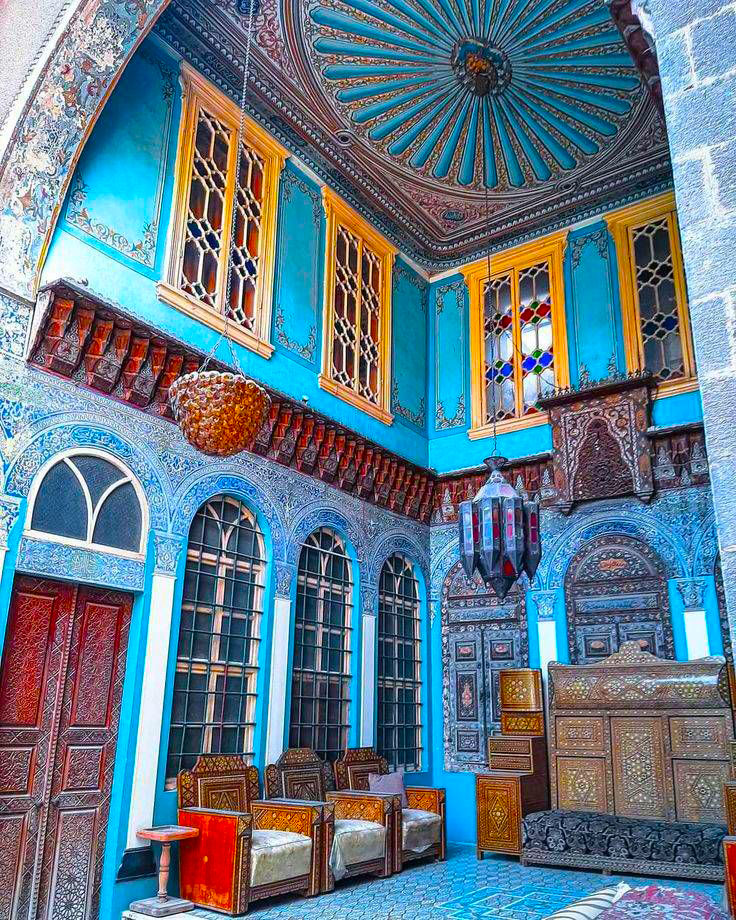

What truly distinguishes the Nassan Palace is its profound connection to the Nassan family and the living tradition of Syrian handicrafts. The palace was built by Georges Nassan, a master artisan who moved to Damascus from the Houran region in the 18th century.
- The Workshop: The palace complex includes adjoining workshops that, for generations, have been a center for the production of fine Syrian handicrafts, including arabesque woodworking, mosaic, and the famed Damascene brocade silk fabrics. At its height, the factory employed hundreds of skilled workers.
- Cultural Preservation: The Nassan family were pioneers in the Arabesque arts, and their continued residence in and dedication to the palace ensures that it remains a vibrant cultural nexus rather than a static museum. They still open their home to visitors, sharing their family’s heritage and the story of their ancestral crafts.
- International Connection: The palace’s fame extended internationally, symbolized by the story that the brocade fabric for Queen Elizabeth II’s coronation dress was sourced from the Nassan factory. The guest book is a testament to the palace’s significance, featuring the signatures of global figures like former US Presidents Jimmy Carter and Richard Nixon, and former Egyptian President Gamal Abdel Nasser.
Private Quarters and Daily Life
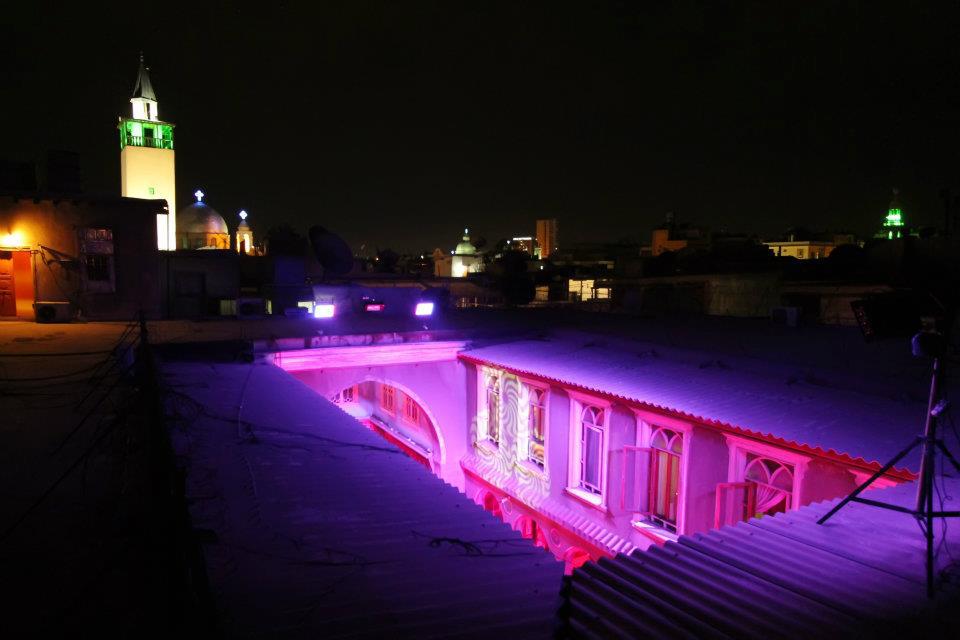
Stone stairs on the eastern side lead to the upper chambers. These rooms are typically the private family quarters, offering carved balconies and stained-glass transoms that overlook the grand courtyard below. Although the ground floor is preserved for its historical and reception functions, the upper floors are where the Nassan family continues its daily life, a blend of ancient tradition and contemporary existence. This dual function as a private home and a public cultural monument makes the Nassan Palace a unique and powerful symbol of resilience.
See Also: Modern Damascus
Conclusion
The Nassan Palace is a layered narrative etched in stone and wood, telling a story of architectural ingenuity that prioritizes privacy, climate control, and aesthetic beauty. It preserves the memory of the Ottoman era’s refined urban lifestyle. Most importantly, the Nassan Palace stands as a testament to a family’s commitment to keeping a centuries-old tradition alive, serving as a tangible link between the glorious past of Damascus and the hope for its cultural future. Its intricate designs, from the vibrant Ajami ceilings to the serene central fountain, articulate the identity of Old Damascus—a city of hidden splendors and enduring cultural wealth. Visiting the Nassan Palace offers a unique glimpse into this enduring heritage.
Finally.. If you have any questions, please contact us. To explore further, visit our website gallery for rare images and cultural highlights.
Sources & References:
UNESCO – World Heritage Centre: https://whc.unesco.org
Archnet – Architecture & Heritage Database: https://www.archnet.org
World History Encyclopedia: https://www.worldhistory.org
Syrian Heritage Archive Project: https://syrian-heritage.org
Global Encyclopedia: Wikipedia