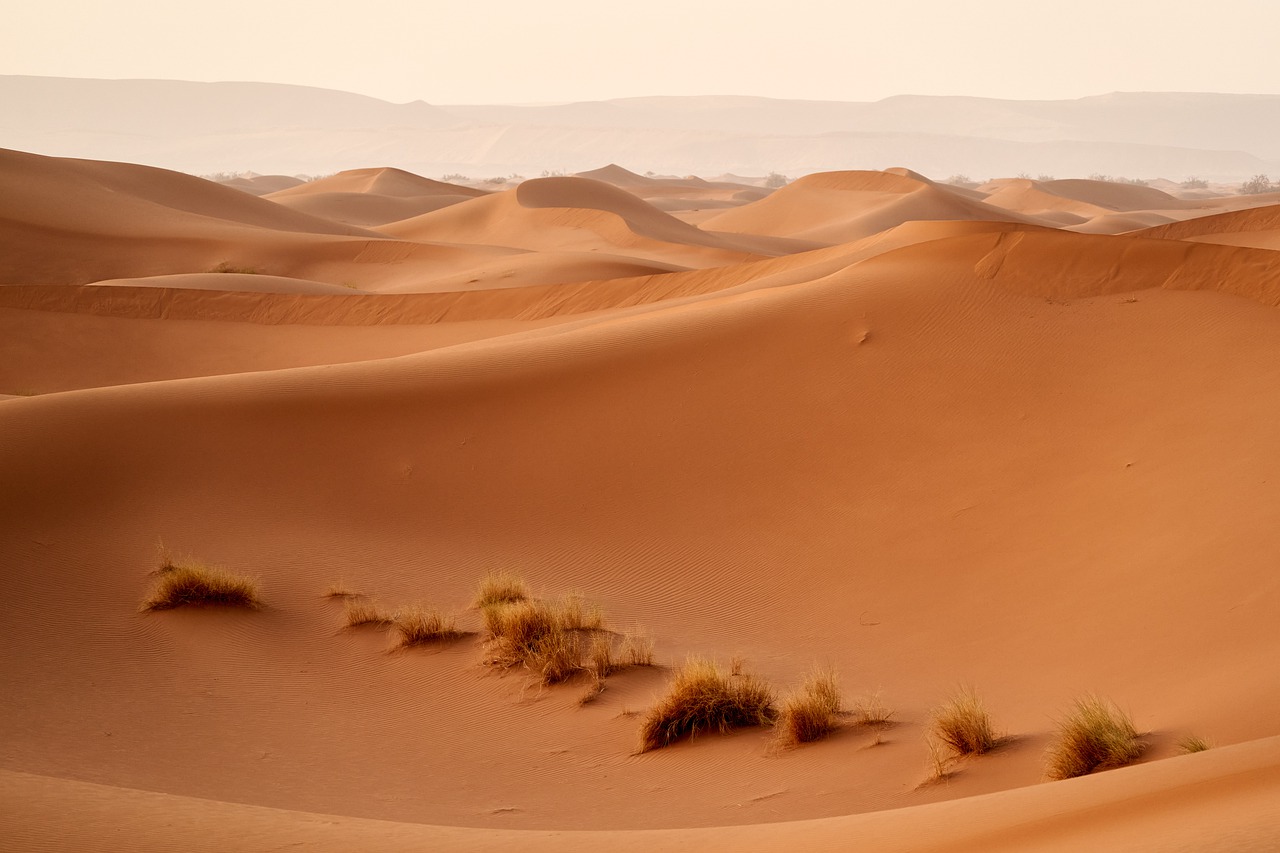
Syrian Desert: Most travelers search for waterfalls, forests, or lakes when looking for natural destinations. But the Syrian Desert offers a completely different kind of beauty — vast open horizons, dramatic silence, golden landscapes, and ancient routes stretching toward the Euphrates.
Why the Syrian Desert Is Different From Traditional Nature Tourism
Most natural tourism focuses on movement and sound:
- flowing water
- forests
- waterfalls
- tropical landscapes
The Syrian Desert, however, offers something else entirely:
- silence
- massive open horizons
- dramatic sunsets
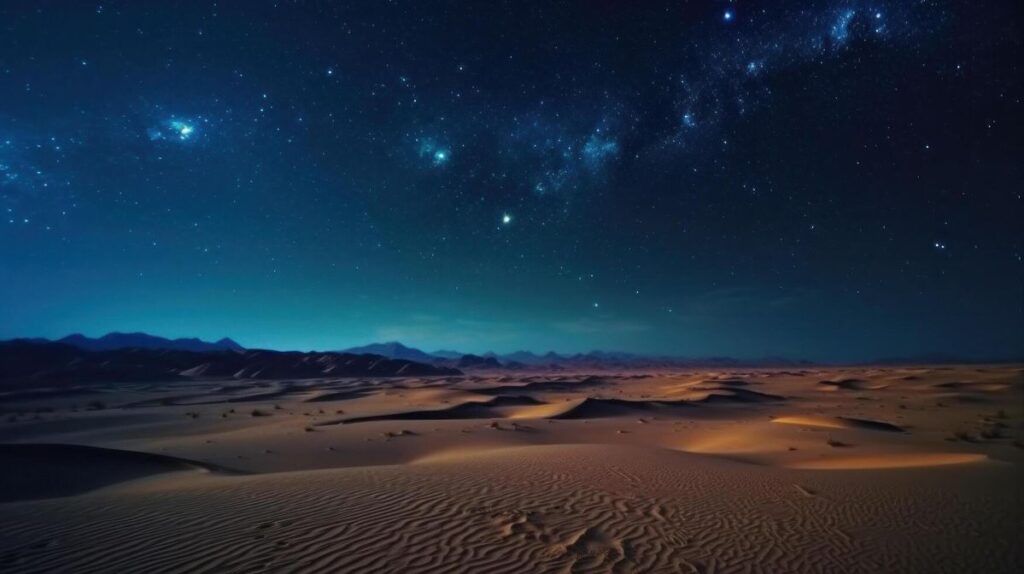
- clear night skies
- raw untouched landscapes
This is why desert tourism has become increasingly popular worldwide. Many travelers now search for experiences that feel isolated, authentic, and visually powerful. The Syrian Desert delivers that atmosphere naturally.
Exploring the Syrian Desert: Landscapes and Experiences
The Syrian Desert is not just one type of terrain. The region includes:
- sandy plains
- rocky desert plateaus
- volcanic black desert landscapes
- isolated valleys
- ancient caravan routes
- areas connected to the Euphrates River
The Syrian Badia: Open Landscapes and Desert Silence
Unlike crowded tourist destinations, the Badia offers:
- complete silence
- uninterrupted views
- minimal urban development
- a strong feeling of isolation and freedom
For travelers interested in slow travel, meditation, photography, or off-road exploration, this environment creates a unique connection with nature.
Sunrise and sunset in the Desert often become the highlight of the journey. The shifting desert colors transform the landscape every hour.
Destinations to Visit in the Syrian Desert
The Syrian Desert is not only about open landscapes and desert scenery. Across the Syrian Badia and along the Euphrates route, travelers can discover ancient cities, desert fortresses, archaeological sites, and unique natural viewpoints that turn the journey into a complete travel experience.
From the ruins of Palmyra to the Euphrates fortresses of Halabiye and Zalabiye, these destinations reveal how the Desert has connected trade routes, civilizations, and natural landscapes for thousands of years.
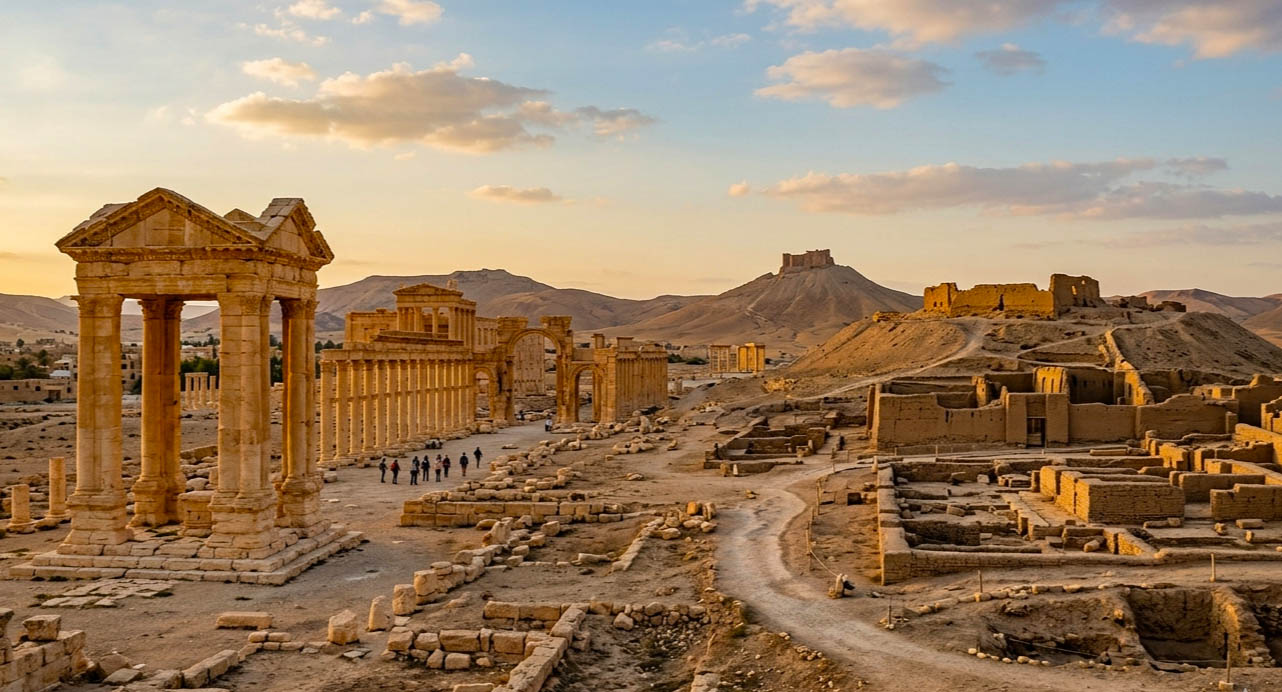
Palmyra: The Gateway to the Syrian Desert
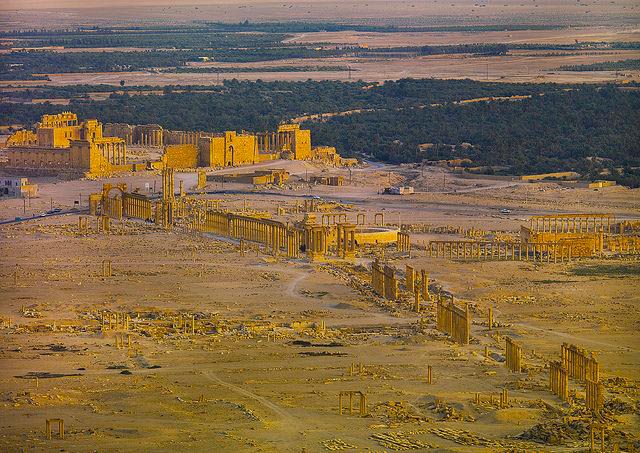
No journey through the Desert is complete without visiting Palmyra.
Known historically as one of the most important caravan cities of the ancient world, Palmyra stands between civilization and the open desert. The ruins rise directly from the desert landscape, creating one of the most visually striking scenes in the Middle East.
For many travelers, Palmyra is the starting point of a larger Syrian Desert travel experience.
The surrounding desert roads, wide horizons, and golden evening light make the area ideal for:
- photography
- road trips
- cultural travel
- desert exploration
Resafa and the Desert Cities of Syria
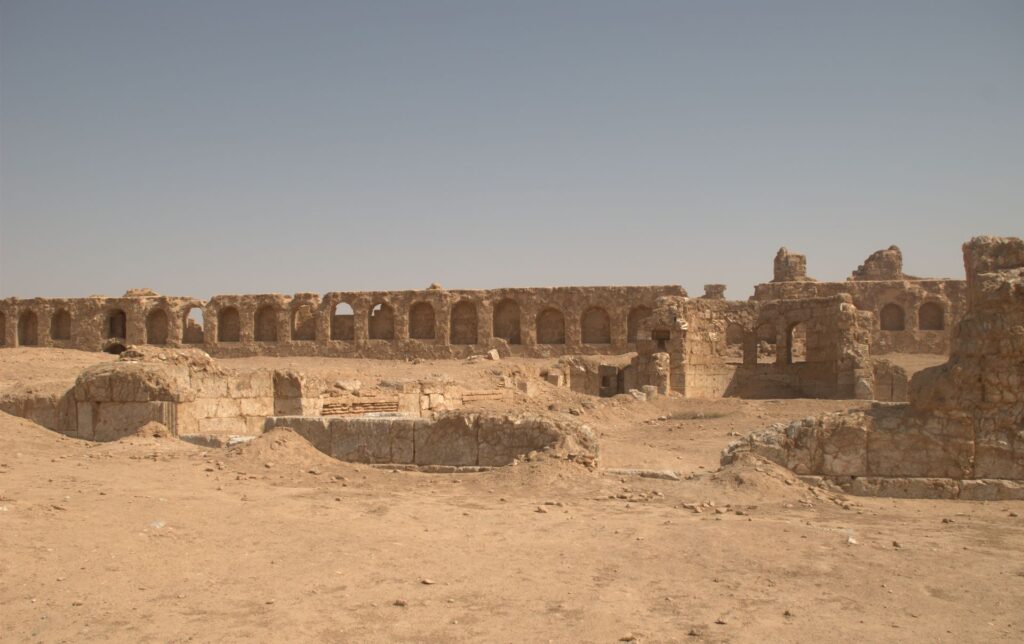
Deep inside the Desert lies Resafa, one of the region’s most remarkable historic desert settlements.
Surrounded by vast dry landscapes, Resafa feels almost unreal — an ancient stone city standing alone in the middle of the desert.
Sites like Resafa show that the Syrian Desert was never completely empty. Instead, it functioned for centuries as a corridor connecting trade, religion, and civilization across the Middle East.
the Euphrates River
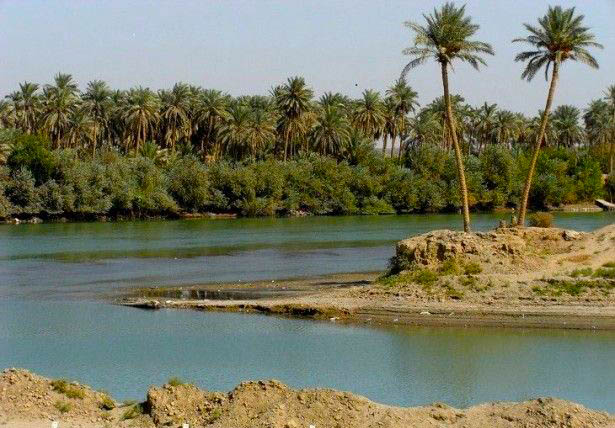
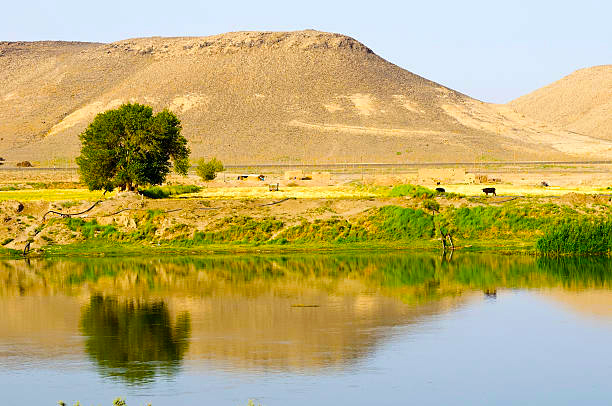
One of the most fascinating parts of the journey is the transition from dry open landscapes to the waters of the Euphrates.
This contrast gives the route a unique identity rarely found in other travel destinations.
Mari: An Ancient Kingdom on the Edge of the Desert
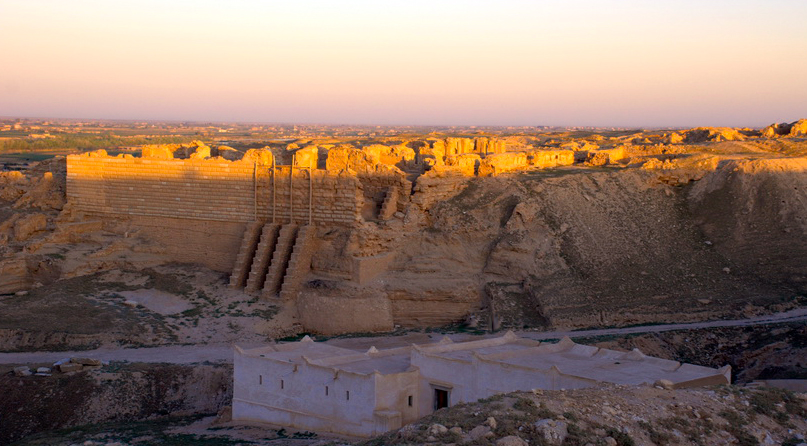
Mari was one of the oldest and most influential kingdoms of ancient Mesopotamia.
Located near the Euphrates River, Mari represents the meeting point between desert caravan routes and river civilizations.
Travelers can experience how ancient societies adapted to both harsh desert conditions and fertile river environments.
Dura-Europos: Desert Cliffs Above the Euphrates
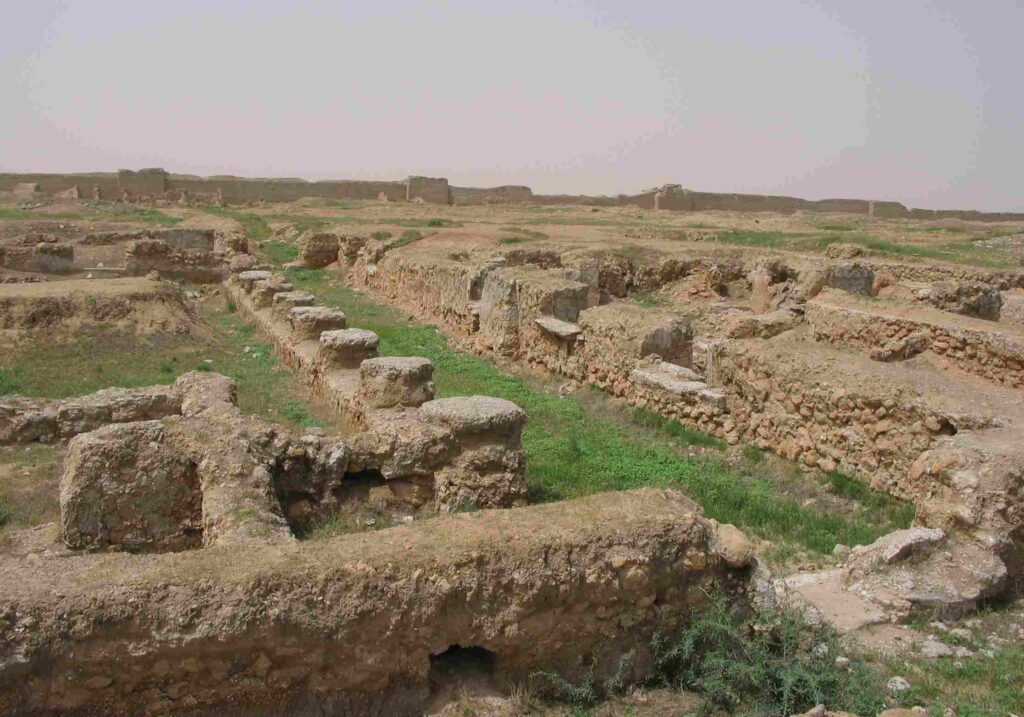
Another remarkable destination is Dura-Europos.
Built above the Euphrates on elevated desert terrain, Dura-Europos blended Greek, Roman, and Eastern cultures.
The site demonstrates how the Desert historically connected civilizations rather than separating them.
The surrounding landscapes also create dramatic panoramic views where desert cliffs overlook the river below.
Qal’at Ja’bar: Where Desert Meets Water
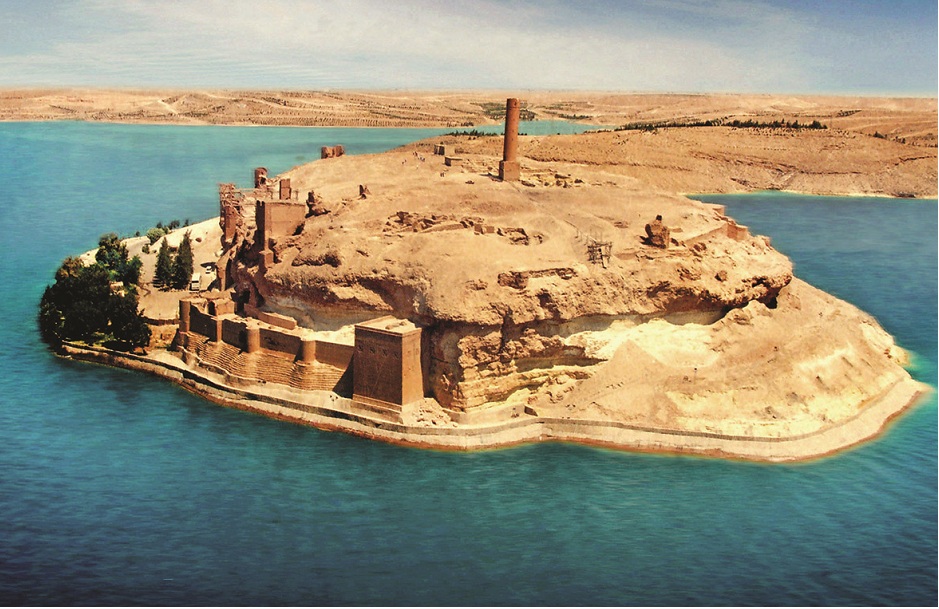
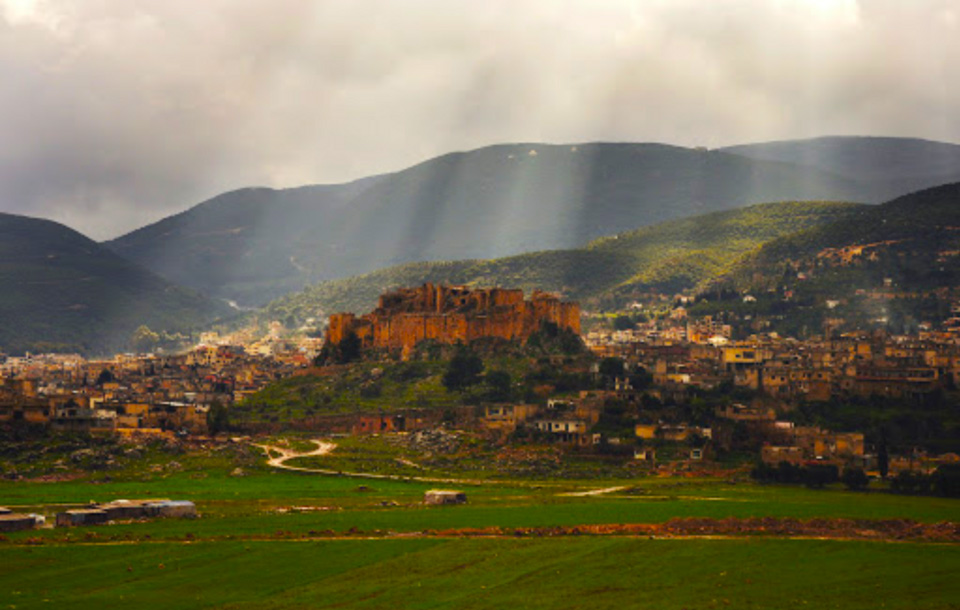
Qal’at Ja’bar is one of the most visually impressive locations near the Syrian Desert.
The fortress overlooks Lake Assad, part of the Euphrates system, creating a rare combination of:
- desert scenery
- water views
- historic architecture
- open horizons
This contrast between dry desert landscapes and the blue waters of the Euphrates makes the area especially attractive for photography and cultural tourism.
Halabiye and Zalabiye: Fortresses Along the Euphrates
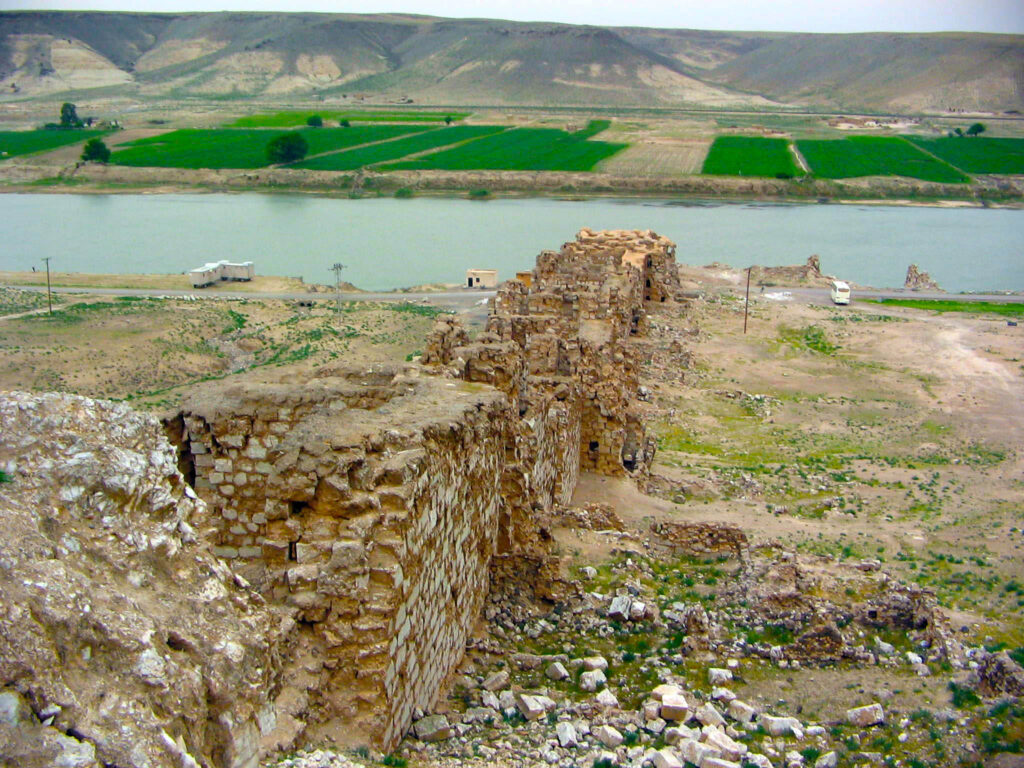
The historic settlements of Halabiye and Zalabiye controlled narrow passages along the Euphrates River.
These sites combine dramatic desert terrain with river landscapes and ancient military architecture.
For travelers interested in history and natural scenery together, this region offers one of the most unique desert travel experiences in Syria.
Beehive Houses and Desert Architecture
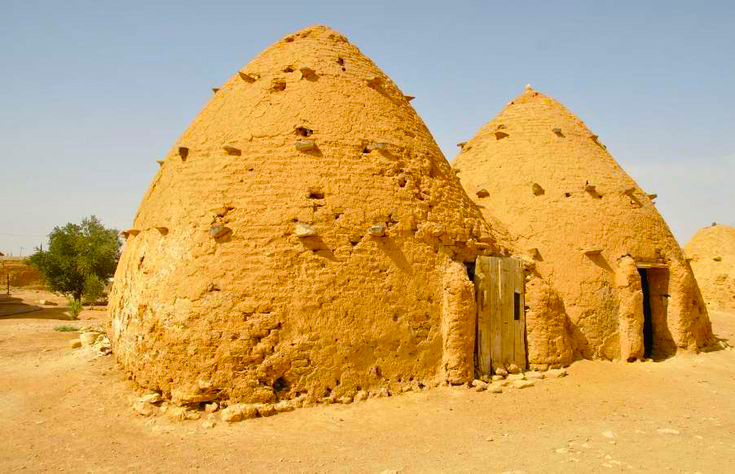
Another fascinating aspect of the Syrian Desert region is its traditional desert architecture.
In some areas near the Syrian Badia, travelers can still find traditional Beehive Houses — cone-shaped mud structures designed to naturally regulate temperature in hot climates.
These structures reflect how people adapted to life near the Syrian Desert for centuries using sustainable local materials.
For cultural travelers and photographers, Beehive Houses add a human dimension to the desert landscape.
Syrian Desert Tourism and Adventure Travel
The Syrian Desert has strong potential for:
- desert camping
- overland road trips
- off-road driving
- stargazing
- landscape photography
- cultural tourism
- historical travel routes
Unlike highly commercialized desert destinations, much of the Syrian Desert still feels raw and undiscovered.
That sense of authenticity is becoming increasingly valuable in modern tourism.
Best Time to Visit the Syrian Desert
- Spring (March to May)
- Autumn (September to November)
During these months:
- temperatures are more comfortable
- desert exploration becomes easier
- outdoor activities are more enjoyable
Is the Syrian Desert Safe for Travel?
Parts of the Syrian Desert experienced instability during periods of conflict in previous years. Conditions may vary significantly depending on the specific region and current circumstances.
Travelers interested in Syrian Desert tourism should always:
- check updated local conditions
- coordinate with local authorities or experienced guides
- avoid isolated travel without regional knowledge
As with many emerging travel destinations, preparation and local guidance are essential.
The Syrian Desert Is More Than Empty Space
The Syrian Desert is not simply a barren landscape. It is a place where silence becomes part of the experience, where ancient cities rise unexpectedly from open terrain, and where the journey gradually transforms from desert horizons to the waters of the Euphrates.
For travelers seeking something beyond traditional green tourism, the Syrian Desert offers a completely different connection with nature — one based on space, light, history, and atmosphere.
From Palmyra to Mari, from Dura-Europos to Qal’at Ja’bar, the Syrian Desert reveals a side of the Middle East that many travelers have never imagined.
Sources & References: Global Encyclopedia: Wikipedia