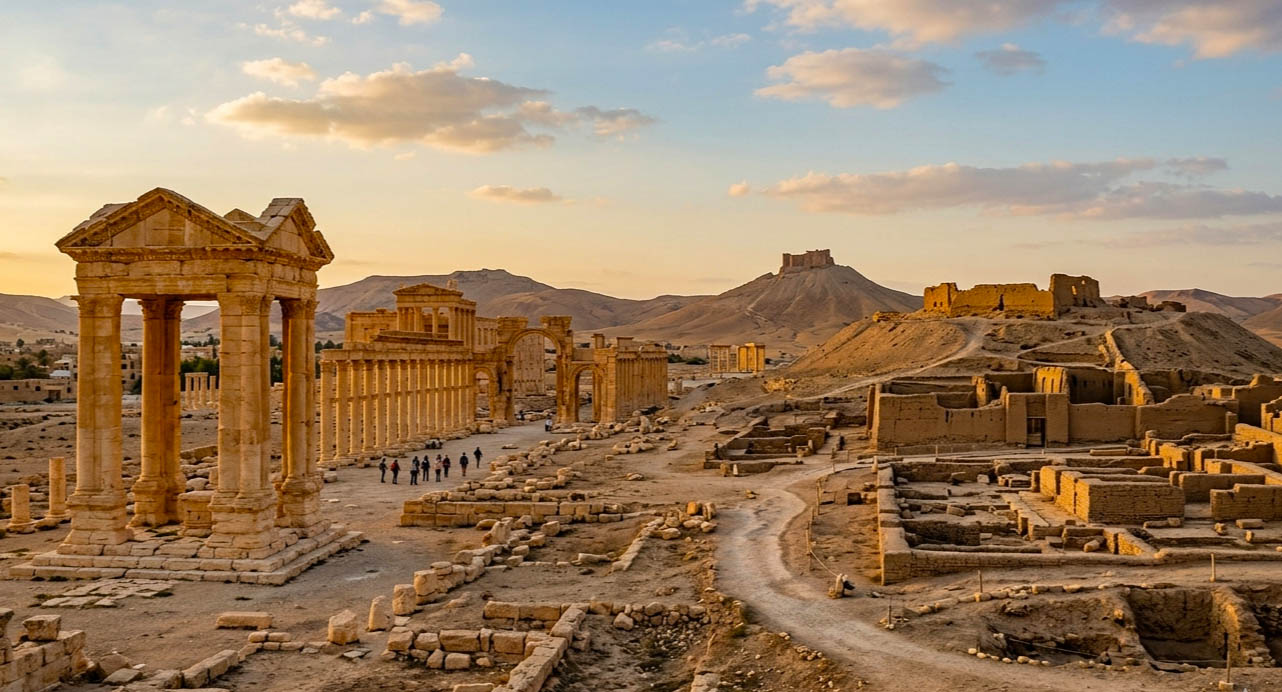
Archaeological Tourism in Syria: To all archaeologists, researchers, and history lovers: Syria invites you to experience human history in its purest form. This is not a typical holiday, but a real journey to the birthplaces of the world’s first cities and empires.
Here, you can touch the ancient mud-bricks of Mari, explore the world’s first royal library in Ebla, and stand where the very first alphabet was written in Ugarit. The return of Archaeological Tourism in Syria is your invitation to step back in time and discover the true roots of human civilization.
Archaeological Tourism in Syria
Phase 1: The Central Plains & The Coast
- Day 1: Arrival in Damascus. Rest and handle administrative logistics.Pro Tip: As of 2026, ensure you have the updated entrance fee schedule (most sites are now 100,000 SYP for foreigners). Visit the National Museum first—it houses the reconstructed Dura Europos Synagogue and the Ugaritic tablets, providing the essential “indoor” context before you hit the field.
- Day 2: Damascus → Qatna → Amrit → Tartous.
- Stop at Qatna (Tell Mishrifeh). The royal palace and the deep wells are impressive but require at least 2 hours.
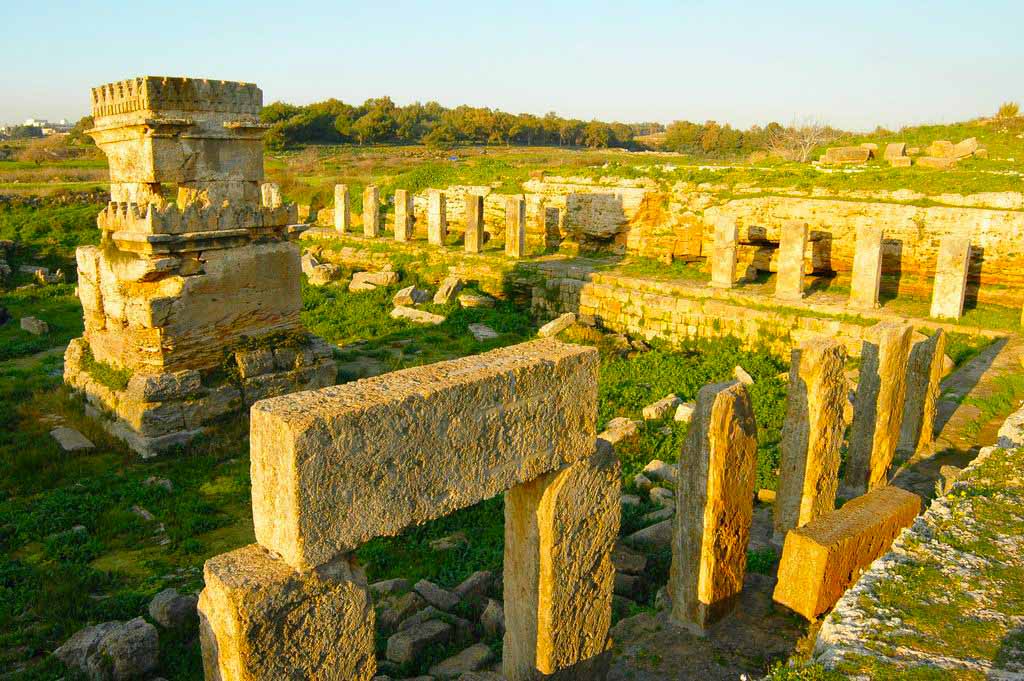
- Push to the coast for Amrit at sunset. The Phoenician “Maabed” is at its best in low light.
- Day 3: Arados & Ugarit.
- Morning: Boat to Arados (Arwad Island).
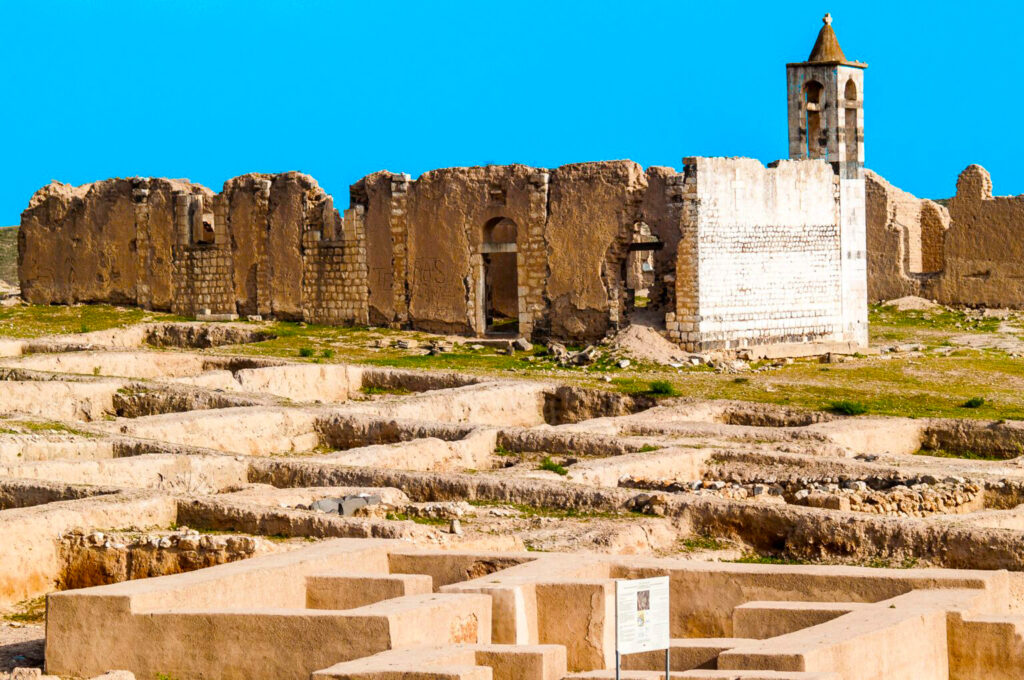
- Afternoon: Ugarit. Don’t just see the palace; hike up to the Acropolis to see where the alphabet was found.
- Stay: Latakia or Tartous.
Phase 2: The Northern Hubs
- Day 4: The Iron Age & Ebla.
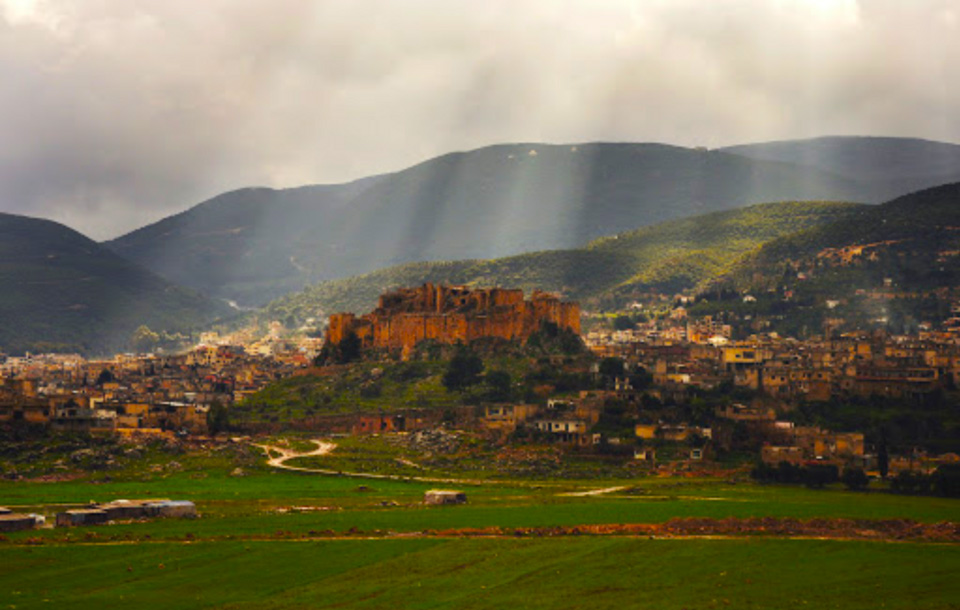
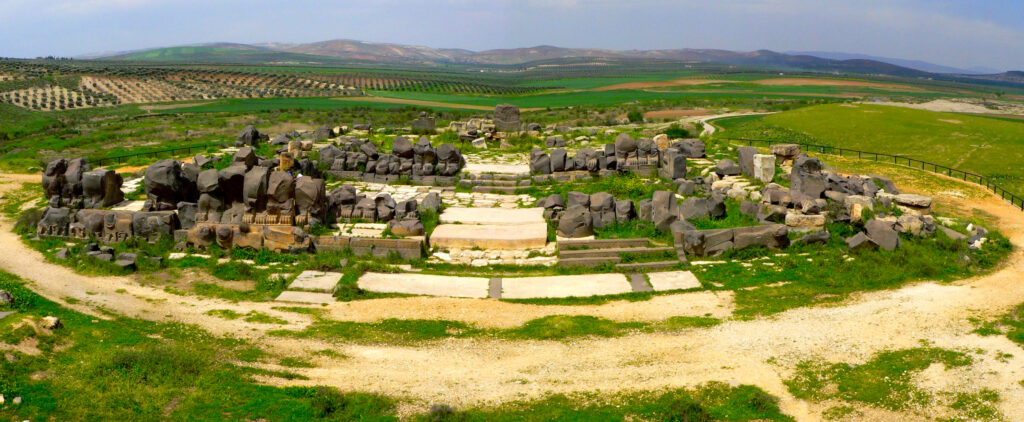
- Drive toward Aleppo. Visit Ain Dara (the basalt temple). Check local road status, as some northern routes near the border have been upgraded under the new administrative transitions.
- Spend the afternoon at Ebla (Tell Mardikh). With the return of the Ebla tablets to the Idlib Museum in early 2026, the site has renewed energy.
- Day 5: Aleppo & The Euphrates Bend.
- Aleppo exploration (Citadel/Museum).
- Afternoon drive to Emar (Meskene) overlooking Lake Assad.
- Day 6: Tuttul & The Gateway to the East.
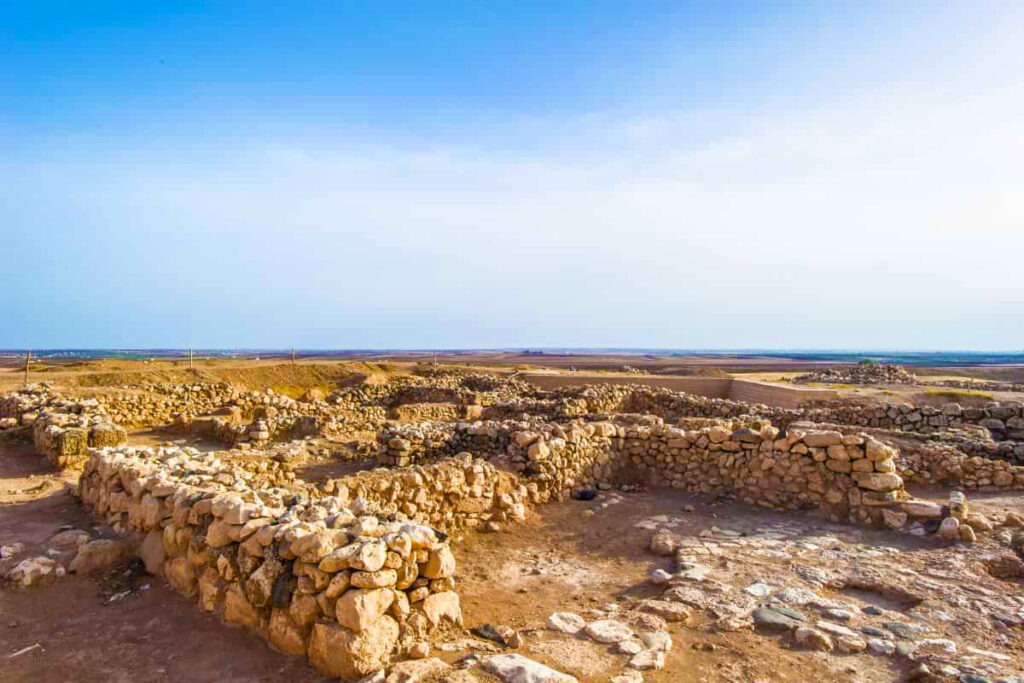
- Visit Tuttul (Tell Bi’a) in Raqqa.
- Continue east. This is the long haul into the Khabur region.
- Stay: Hasakah or Qamishli.
Phase 3: The Khabur Triangle (The “Deep Discovery” Zone)
- Day 7: The Hurrian Heartland.
- Tell Mozan (Urkesh): A “must” for anyone interested in Hurrian ritual sites.
- Tell Leilan: Massive site near the Turkish border.
- Day 8: Tell Brak & The Eyes of History.
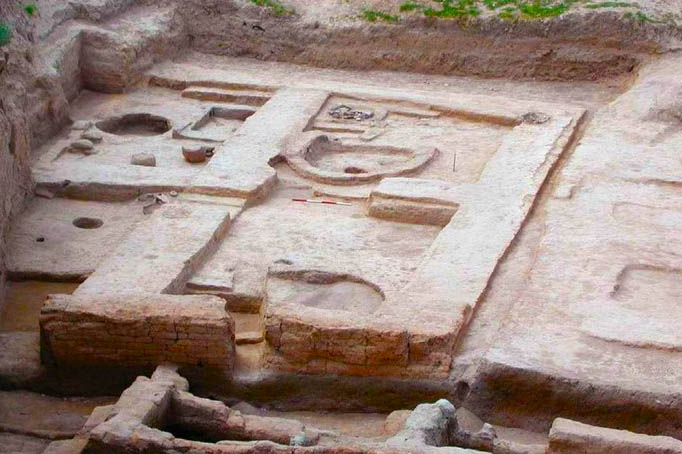
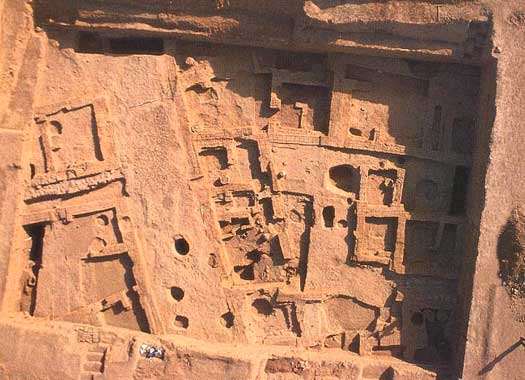
- Morning: Tell Brak (Nagar). This is one of the largest tells in the world—give it 3 hours. It’s where Agatha Christie’s husband, Max Mallowan, excavated the Eye Idols.
- Afternoon: Drive south toward the Euphrates via Dur-Katlimmu (Tell Sheikh Hamad) on the Khabur river.
- Stay: Deir ez-Zor. Explore Full Guide
Phase 4: The Euphrates Descent
- Day 9: The Roman Frontier.
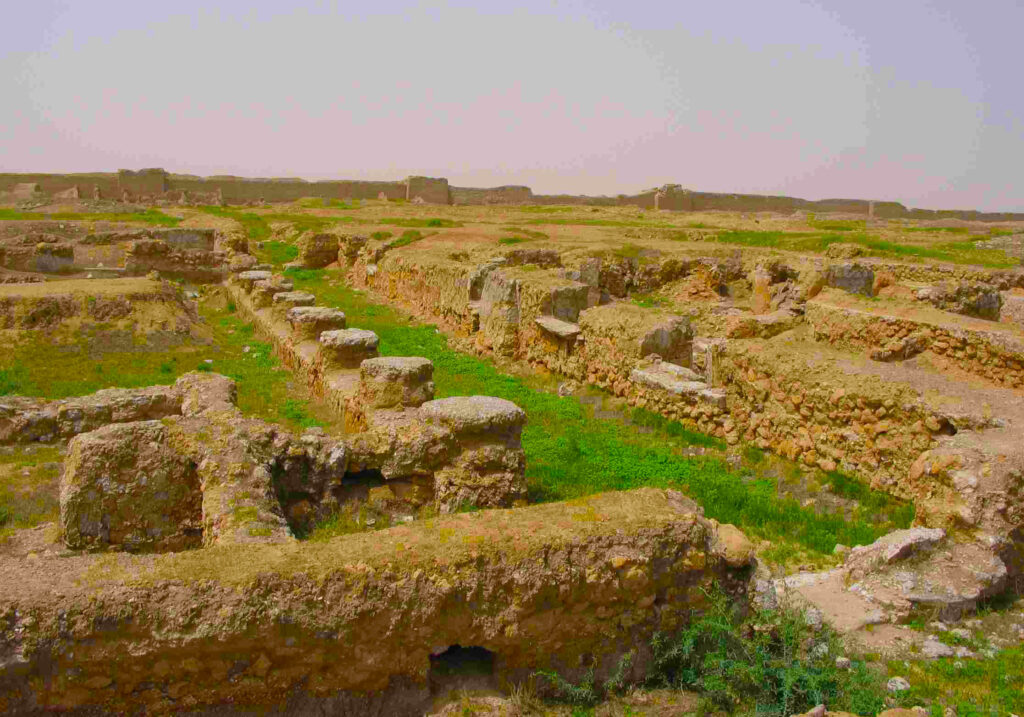
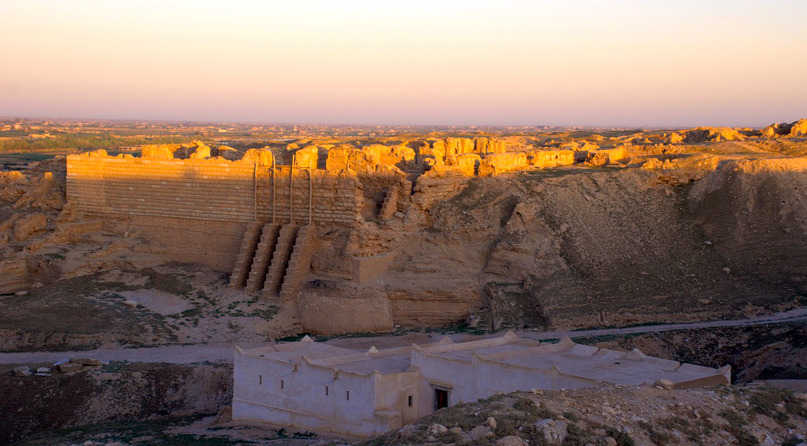
- Full day for Dura Europos. The “Pompeii of the Desert” is vast. You need time to walk the walls and the Citadel overlooking the river. More Detail Here
- Day 10: The Kingdoms of Mari & Terqa.
- Terqa (Tell Ashara) followed by the crown jewel: Mari (Tell Hariri). The Palace of Zimri-Lim is an architectural labyrinth. Since it’s near the border, ensure your 4×4 has full fuel tanks; services are limited here.
- Stay: Deir ez-Zor. See more
Phase 5: The Steppe Return
- Day 11: The Long Drive Back.
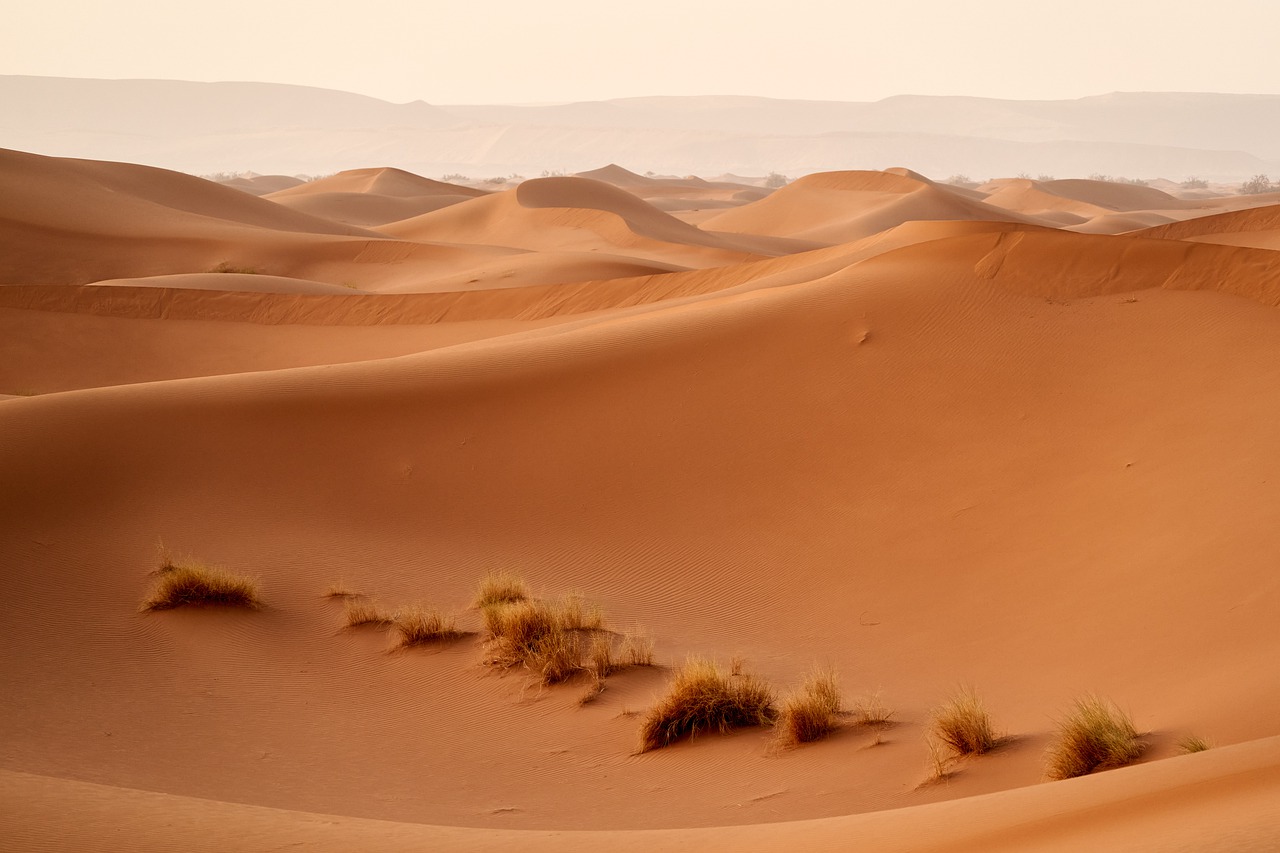
- Deir ez-Zor to Damascus. It’s a 6-7 hour drive through the desert.
- Day 12: Final Damascus Wrap-up.
- Reflection at a café in the Old City before heading to the airport.
Archaeological Tourism in Syria: Logistic
- Transport: A 4×4 vehicle is highly recommended for Archaeological Tourism in Syria, especially when visiting the eastern “Tells” where roads can be unpaved.
- Seasonality: The best months are March–May or September–November. The summer heat in the eastern desert (Mari/Dura Europos) can exceed 40°C.
- Connectivity: Download offline maps (like Maps.me) as GPS can be intermittent in the Khabur and Euphrates valleys.
- Guides: Specialized archaeological guides are invaluable for translating the “layers” of a Tell, which can look like simple hills to the untrained eye.
The Final Word on Archaeological Tourism in Syria
Traveling from the Mediterranean to the Euphrates is a journey to the absolute beginning of human life. From the ancient archives of Ebla to the giant walls of Dura Europos, you can see history in its purest form. Whether you are a researcher or a traveler looking for true discovery, the revival of Archaeological Tourism in Syria brings these ancient kingdoms back to life, inviting you to walk where civilization first began.
Sources & References: Global Encyclopedia: Wikipedia