Is Syria safe to travel: For any global traveler, adventurer, or history enthusiast looking to explore the cradle of civilization, the absolute first question that comes to mind is: is Syria safe to travel? For years, mainstream media headlines have painted a monolithic picture of the region, leaving independent explorers wondering if it is truly safe now to packed their bags and book a flight.
As we move through 2026, the administrative and geopolitical reality on the ground has fundamentally shifted. Thousands of diaspora members, independent travel bloggers, and cultural tourists are currently walking the ancient streets of Damascus, Aleppo, and beyond.
If you are actively searching whether the country is safe to visit or if you are looking for an honest assessment of the security situation at the moment, this definitive guide delivers the raw truth straight from local experience on the ground. We will break down why it is realistic to travel now, how the entry process has been revolutionized for tourists, and exactly which regions are fully ready to visit now in 2026.
The New 2026 Reality: Open Borders and Zero Bureaucracy
When people research is syria safe to travel, they often stumble upon older travel blogs from years past. Those outdated articles describe a highly restrictive system involving mandatory group tours, expensive security clearances, and months of waiting for government approval.
If you are looking to travel now, you can completely forget about those old complications. Under the current administrative era, all previous bureaucratic hurdles have been completely abolished to encourage international travel and economic revival.
Today, the answer to whether it is safe for tourists begins right at the border. The entry process is incredibly straightforward (Check this topic):
- Visa on Arrival: International passport holders no longer need pre-arranged papers. You can fly directly into Damascus International Airport or cross the land borders to receive your physical entry visa on the spot.
- Simple Processing: You pay a standard, transparent fee at the immigration desk, your passport is stamped, and you are welcomed into the country.
This total elimination of the old security clearance framework proves that the country is actively welcoming global citizens and is fully prepared for foreigners to visit now.
Detailed On-Ground Security Breakdown: Is Syria Safe to Travel Now?
To give a transparent, expert answer to anyone asking if the country is safe now, we must look at the real geographical map objectively. Safety is no longer a generalized question; it depends entirely on where you go. The vast majority of the country’s historical, cultural, and economic core is completely stable, peaceful, and open for tourists.
The Fully Stable and Safe Core (100% Accessible)
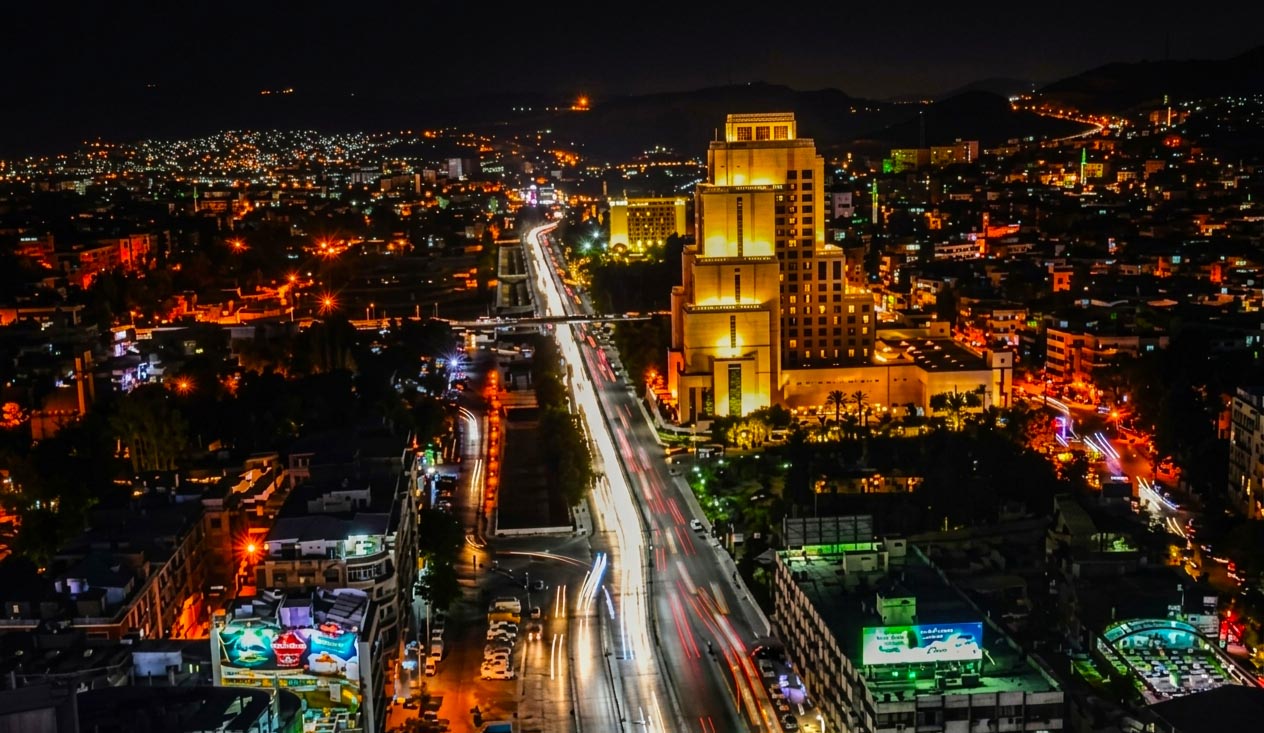
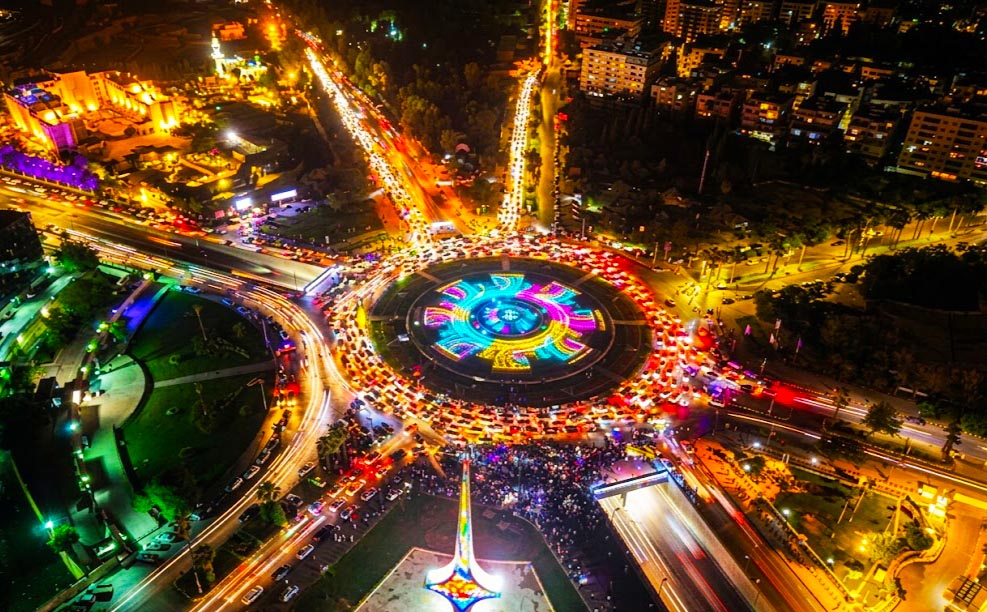
- Damascus and Aleppo: The two oldest continuously inhabited capitals in the world are remarkably secure. Street life thrives long past midnight, cafes are packed with locals, and foreign travelers can wander through the ancient souks and historic quarters with absolute peace of mind.
- Idlib: Historically serving as a crucial, safe haven for the vulnerable and displaced populations, Idlib has successfully transitioned into a highly secure and stable province. Today, it is fully integrated into the country’s renewed economic, administrative, and developmental framework, making it completely safe and thriving for commerce, local transit, and visitors.
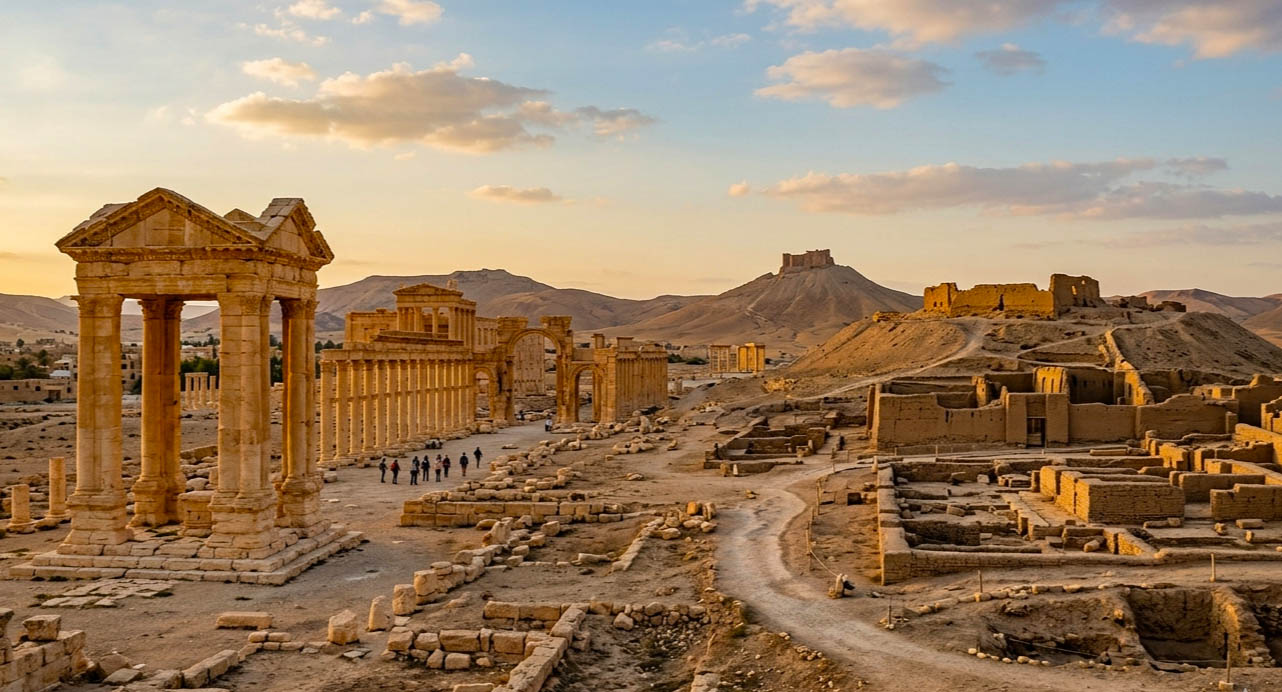
- Homs, Hama, and Palmyra: The central plains and the magnificent Roman ruins of the desert oasis are fully secure. Checkpoints along the main highways are professional, streamlined, and dedicated entirely to maintaining public safety.
- The Mediterranean Coast (Lattakia & Tartous): These coastal regions have remained peaceful havens for years, offering vibrant seaside resorts, clean beaches, and a completely relaxed atmosphere for anyone looking to visit the country’s modern side.
Is Syria safe to travel: Areas of Relative Instability
A truly honest guide for people wanting to travel now must maintain absolute transparency. While 90% of the country is unified and peaceful, there are specific, isolated border zones that experience relative instability due to complex external political factors rather than internal lawlessness:
1. Quneitra (The Southern Border Zone)
Quneitra experiences a state of relative instability primarily due to recurring, unprovoked, and hostile cross-border military strikes from external forces. It is a zone impacted by regional foreign friction rather than domestic insecurity.
2. As-Suwayda
This southern province faces periodic, localized tensions. These brief disruptions are largely driven by external political instigation aiming to stir up local friction among specific groups to create political leverage for future regional negotiations.
3. Al-Hasakah (The Far Northeast)
While the vast majority of the northeast was successfully stabilized and integrated by late 2025, minor pockets in the far corners remain relatively unstable. This is due to localized, politically backed insurgent groups who still hold onto outdated dreams of creating independent enclaves.
Aside from these clearly defined, isolated geopolitical friction points, the entire rest of the nation stands as a secure, unified, and peaceful territory. When evaluating if it is safe at the moment, staying within the vast core of the country guarantees a completely secure journey.
Is Syria safe to travel: Essential On-Ground Logistics for Tourists
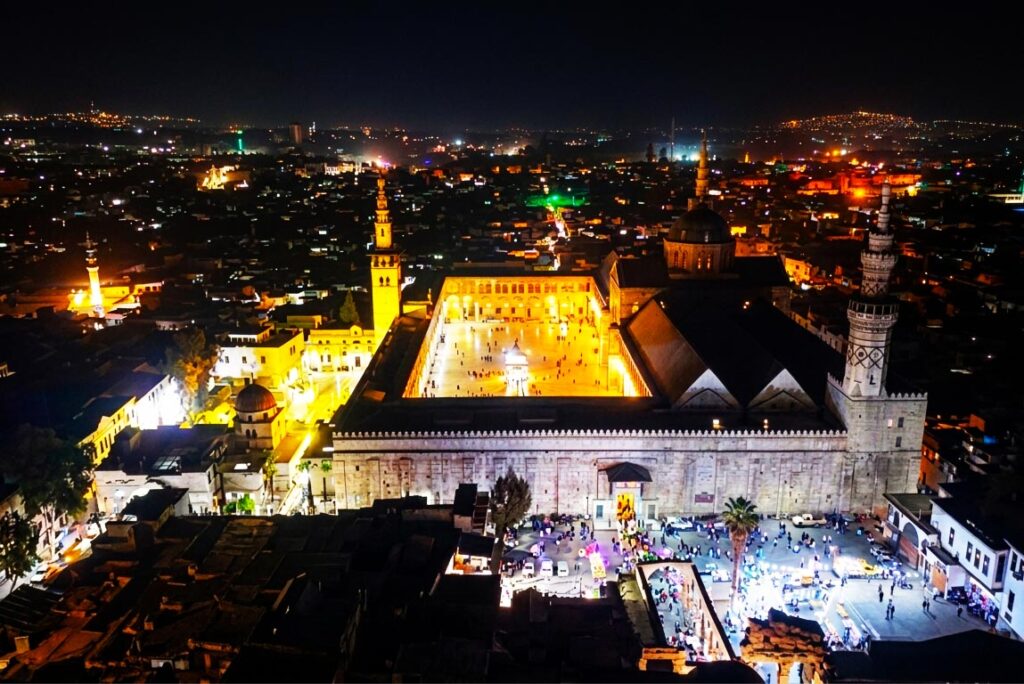
If you decide that it is safe now for your personal travel goals and want to visit now, navigating the country requires knowing a few unique operational rules for 2026:
The Cash Economy and International Sanctions
Due to ongoing international banking sanctions, global credit cards, debit cards, and Western ATMs do not work anywhere in the country. You cannot rely on digital banking. Every tourist must bring clean, uncreased, physical cash (US Dollars or Euros) to exchange locally for Syrian Pounds ($SYP$).
Transportation and Seamless Transfers
Moving between the major cities—from Damascus up to Aleppo, through Idlib, and down to the coast—is entirely seamless. Modern highway networks are fully open, and booking reliable intercity transfers or private drivers is incredibly easy. Having a dedicated vehicle ensures you navigate the regular security checkpoints smoothly, as guards simply verify passports and warmly welcome foreign guests.
The Power of Legendary Local Hospitality
Perhaps the greatest safety feature of traveling here is the people themselves. Syrian hospitality is globally unmatched. Because the country was isolated from mass tourism for so long, locals are genuinely thrilled to see foreign tourists discovering their culture. You will routinely find yourself invited for tea, guided through winding streets, and welcomed with open arms by everyday citizens proud to show that their country is vibrant and stable.
Final Verdict: Is Syria safe to travel in 2026?
When analyzing the popular search queries—is syria safe to travel, is it safe now, or is it wise to visit now—the concrete answer regarding security is a resounding yes. If you are asking strictly about safety, the country is stable and secure for travelers at the moment.
However, if you are looking for advanced tourism infrastructure, you must know that it is not yet fully serviced or developed as you might expect in commercialized global destinations. Instead, it is a raw, untouched country in its most authentic and natural state. For the true adventurer, this lack of mass commercialization is not a drawback, but a massive incentive. If you are a traveler searching for tourists spots that are free from artificiality, pretense, and synthetic crowds, this raw authenticity makes it the perfect, pure destination to travel now in 2026.
Ready to plan your journey? Click here to explore our official Syria Tour Packages
Sources & References: Global Encyclopedia: Wikipedia