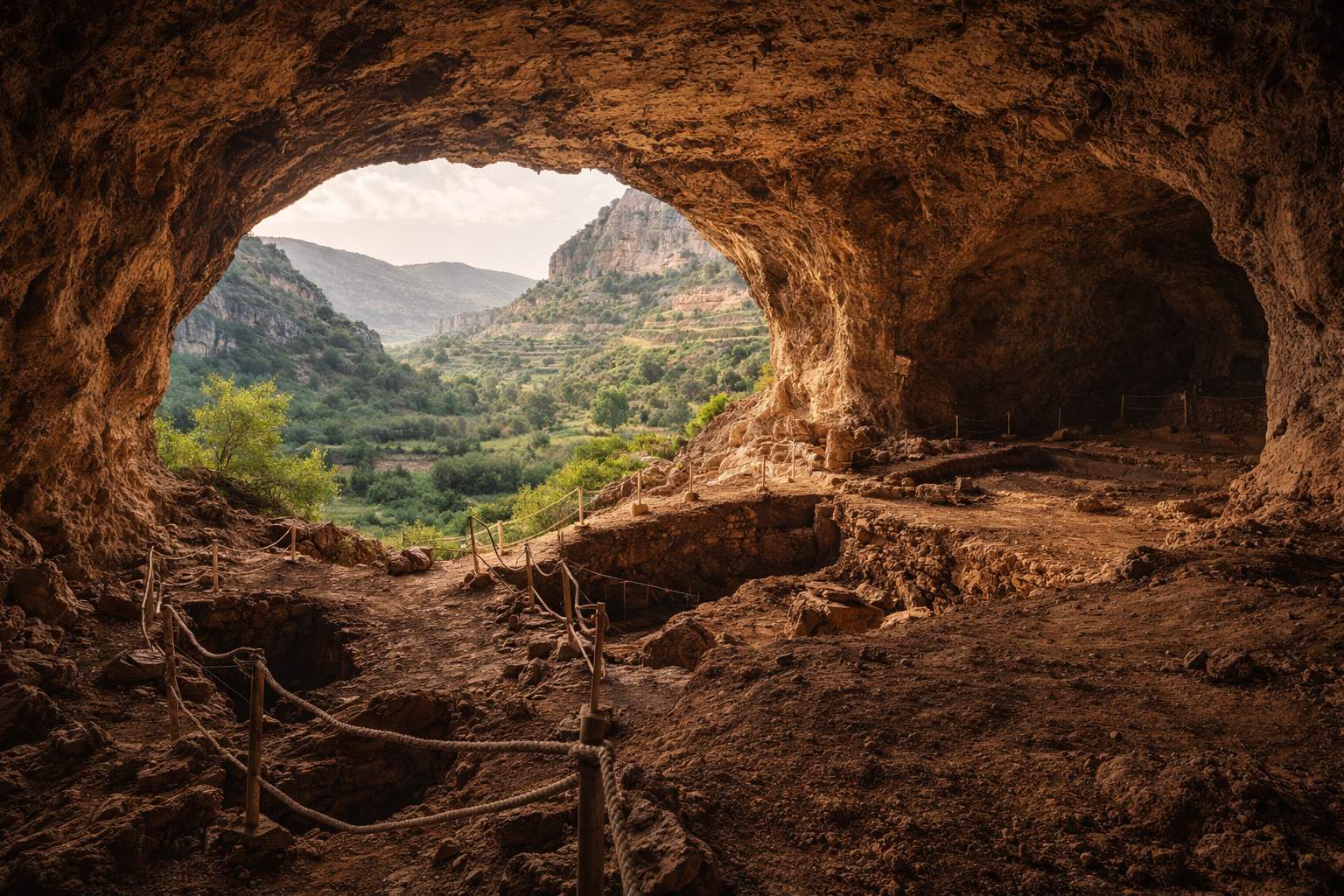
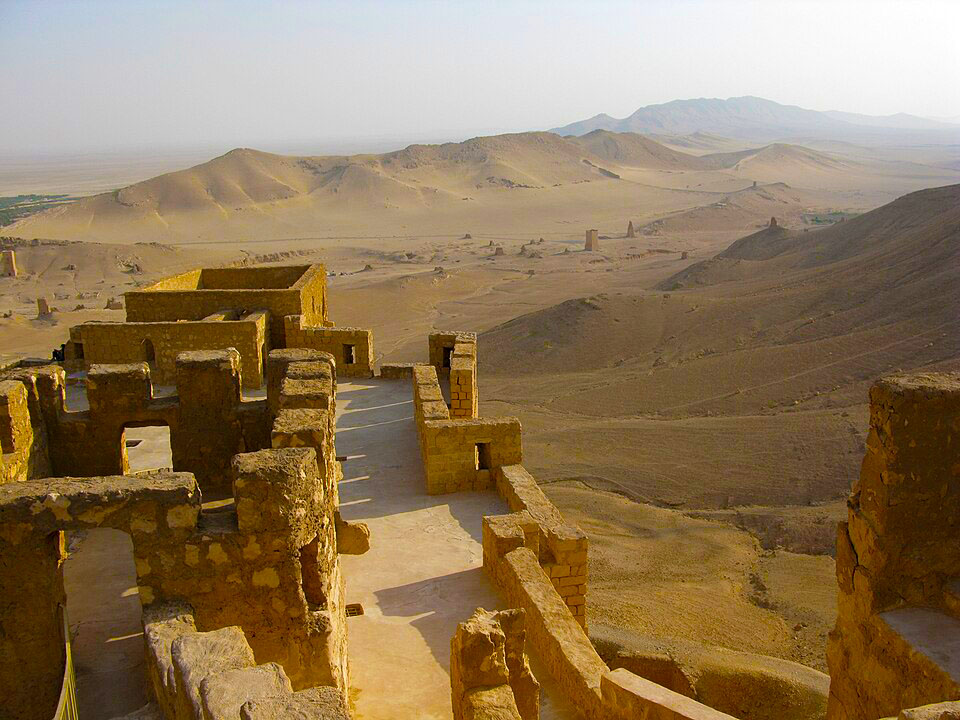
Al-Bara (البارة) The Majestic Ruins of a Forgotten City: Nestled within the limestone hills of northwestern Syria lies one of the largest and most dramatic archaeological sites in the region. Known as al-Bara, this once-flourishing city was a hub of trade, agriculture, religion, and wealth during the Byzantine era. Today, it stands abandoned, its crumbling towers and monumental tombs rising in silence amid olive groves and rocky terrain.
Unlike many ancient ruins that focus on palaces or temples, al-Bara tells a more intimate story. It was a city built by and for its people. The scale and diversity of its remains make it one of the most important examples of early Christian urbanism in the Levant. For travelers and historians alike, al-Bara offers a chance to walk through a city where life was rich, complex, and deeply human.
Al-Bara | Quick Info.
| Topic | Quick Info |
|---|---|
| Name | Al-Bara / البارة |
| Location | Northwestern Syria, in the Jebel al-Zawiya region of the limestone massif |
| Founded | 4th–5th century CE (Byzantine era) |
| Peak Period | 5th–7th centuries CE, thriving as a Byzantine Christian town |
| Type of Site | Ancient urban settlement and necropolis |
| Key Features | Tower tombs, churches, olive presses, villas, cisterns, and rock-cut graves |
| Historical Role | Center of agriculture, trade, and Christian life in Late Antiquity |
| Abandonment | Gradually deserted after the 12th century due to conflicts and earthquakes |
| Current Status | Part of Syria’s Dead Cities (Ancient Villages of Northern Syria) UNESCO World Heritage zone |
| Significance | One of the largest and best-preserved Byzantine ruins in the Levant, symbolizing early Christian urbanism |
Where Is al-Bara Located
al-Bara is located in the Jebel al-Zawiya region of northwestern Syria, about 32 kilometers south of Idlib and around 85 kilometers southwest of Aleppo. It lies at the heart of what is known today as the Limestone Massif, a highland plateau dotted with dozens of ancient villages.
This area is part of the wider collection known as the Dead Cities, a group of more than 700 abandoned settlements that flourished during the Roman and Byzantine periods. al-Bara is considered one of the most impressive and complex among them.
A City Born from Agriculture and Trade
al-Bara was founded in the late 4th century AD and grew rapidly during the 5th and 6th centuries. The city prospered due to its location along key trade routes connecting Antioch and Apamea with Aleppo and the Euphrates.
However, the true source of its wealth was agriculture. The rocky yet fertile soil was ideal for growing olives and grapes, which were processed into oil and wine. These products were exported throughout the Byzantine Empire. The remains of olive presses and wine production facilities can still be seen among the ruins.
A Monumental City Among the Dead Cities
What sets al-Bara apart from other Dead Cities is the scale and diversity of its architecture. While many villages in the region were relatively small, al-Bara grew into a fully developed urban center with residential quarters, churches, tombs, and even a small fortress.
Residential Architecture
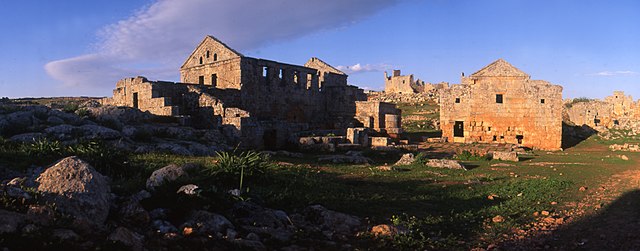
The city contains dozens of stone houses, many of them multi-storey dwellings with courtyards, staircases, arched windows, and carved decorations. These homes reflect a relatively high standard of living and a community that invested in long-term construction.
The buildings were constructed using the local limestone, giving the entire site a harmonious and natural appearance. Some homes had attached olive presses or stables, showing how daily life and work were often integrated.
The Churches of al-Bara
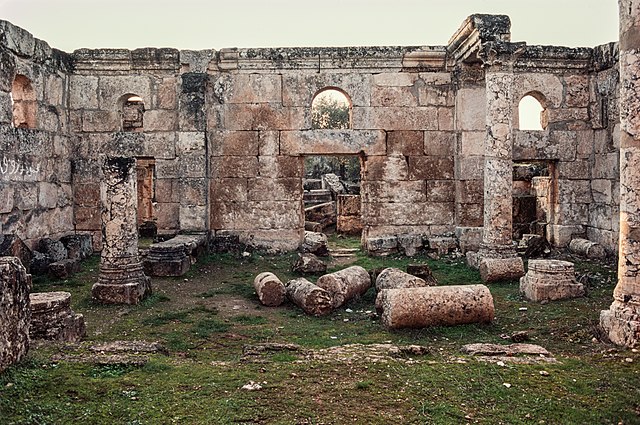
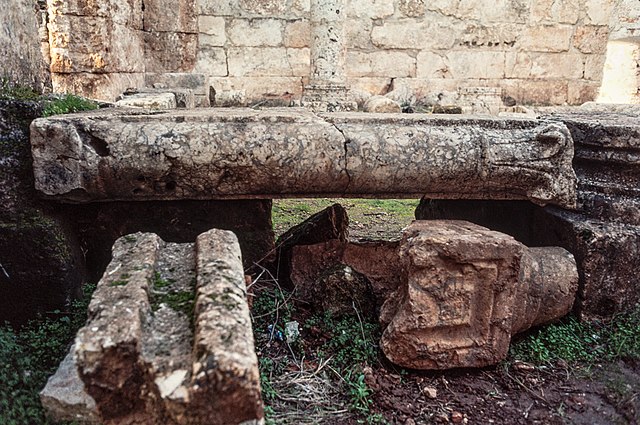
al-Bara was once home to several churches, the largest of which are still visible today. The two most notable are:
- The Eastern Church, with a traditional basilica layout, including an apse and nave
- The Central Church, which is smaller but features fine architectural details and multiple entrances
These structures reflect the strong Christian character of the city during the Byzantine period and the wealth that supported large-scale ecclesiastical buildings.
The Tower Tombs and Pyramidal Mausoleums
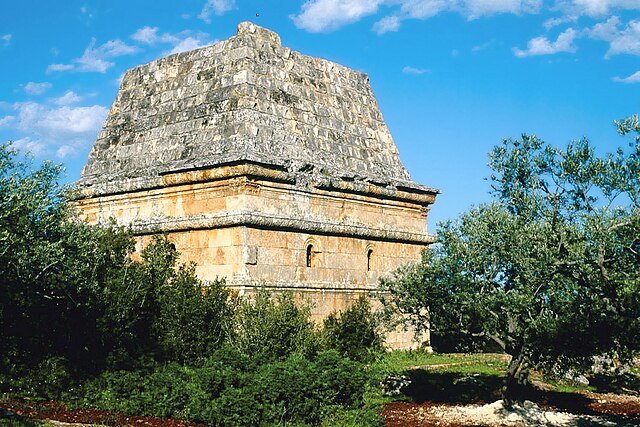
One of al-Bara’s most iconic features is its funerary architecture. Scattered across the site are a variety of tower tombs, sarcophagi, and pyramid-roofed mausoleums. These tombs, some of them built for entire families, showcase a unique blend of Roman, Byzantine, and local influences.
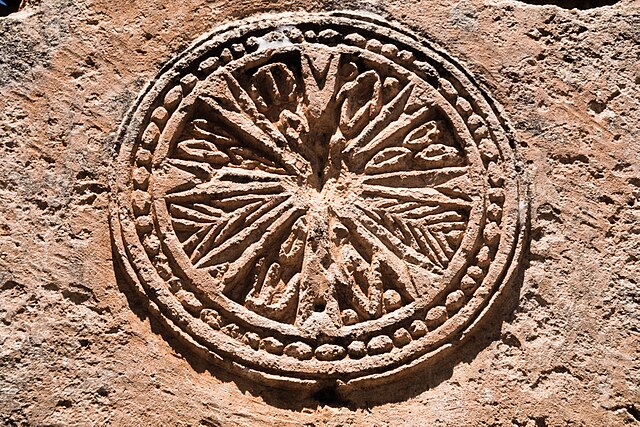
Many of the tombs are decorated with carvings, inscriptions, and even symbolic motifs that reflect the beliefs and status of the deceased. Some are located in elevated positions overlooking the city, suggesting the social importance of those buried within.
The Castle and Water Cisterns
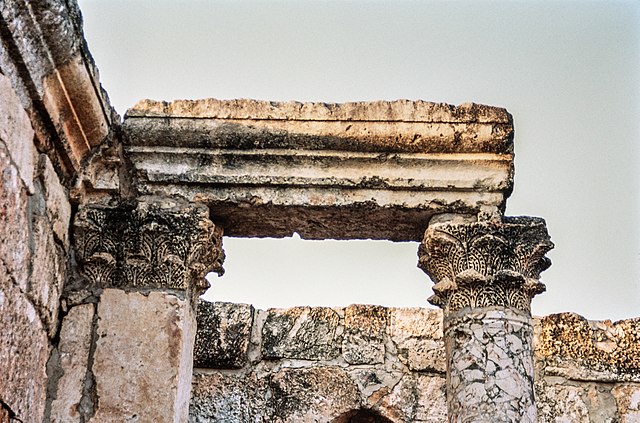
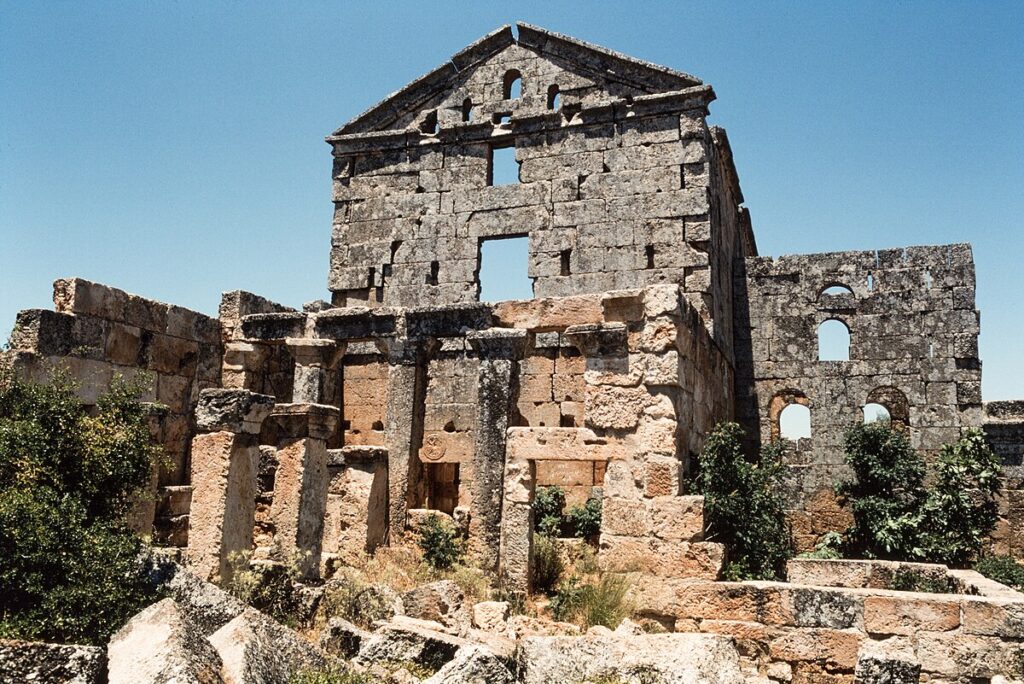
To the east of the city lies a fortified structure often referred to as a small citadel or watchtower. It may have served both military and administrative purposes during the city’s later phases.
al-Bara also features numerous rock-cut cisterns and wells, a testament to the sophisticated water management systems used to support agriculture and daily life in a dry region.
Daily Life in Byzantine al-Bara
Archaeological evidence suggests that the inhabitants of al-Bara were predominantly Christian Aramaic-speaking villagers who had close ties to the larger cities of the region. They lived in stone houses, participated in church activities, and earned their living through farming, olive pressing, and trade.
Their city was not just a collection of homes and churches. It included:
- Public squares where people gathered
- Paths connecting agricultural terraces and homes
- Storage facilities and industrial workshops
The scale of urban planning indicates a high level of organization and social structure.
The Decline and Abandonment of al-Bara

The decline of al-Bara, like many of the Dead Cities, came gradually. Several factors contributed:
- Shifts in trade routes, especially as maritime trade became more dominant
- Religious and political changes, particularly after the Islamic conquest in the 7th century
- Earthquakes, notably one in 1157, which severely damaged buildings and infrastructure
- Invasions and instability, including the Crusader and Mamluk periods
By the 13th century, al-Bara was largely abandoned. Nature slowly reclaimed the land, but the stone structures endured.
Visiting al-Bara Today
Today, al-Bara is an open and hauntingly beautiful archaeological site. The ruins are spread across hills and valleys, with olive trees growing among them. There are no fences, ticket booths, or modern facilities. This gives visitors a deep sense of discovery and peace.
Highlights of a visit include:
- Walking through intact streets and alleyways
- Exploring homes with complete walls and doorways
- Standing in the ruins of a church where liturgies once echoed
- Climbing the tower tombs for a view of the surrounding landscape
The best times to visit are in spring and autumn when the weather is mild and wildflowers bloom around the ruins.
Why al-Bara Is Worth Visiting
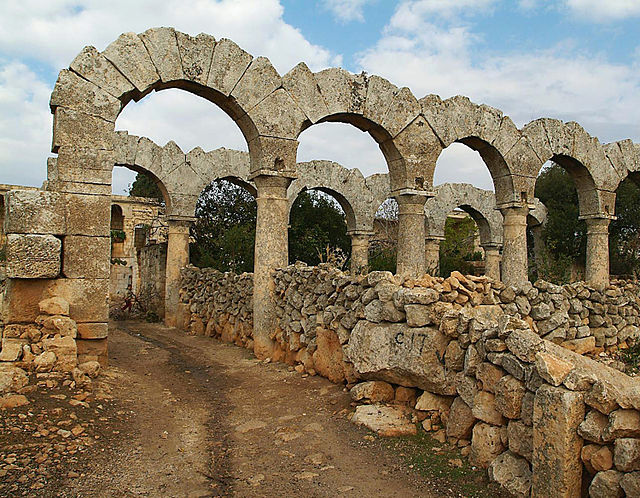
al-Bara is more than just a ruin. It is a city frozen in time, offering a direct link to a past that feels astonishingly present. Unlike many archaeological sites that require imagination to fill in the blanks, al-Bara’s structures are so complete that one can almost feel the life that once filled its streets.
It is also an ideal complement to visits to:
- Serjilla, with its bathhouse and tavern
- Ruweiha, with monumental tombs
- Qalb Lozeh, with its early church
Together, these Dead Cities form a network of memory and history unlike any other in the Middle East.
See Also: Ruweiha
Final Thoughts
In a world where ancient cities are often reduced to a few standing columns or vague outlines, al-Bara stands as a rare exception. It is a place where the stones speak, where architecture reflects life, and where the past feels just around the corner.
For travelers seeking a destination that is off the beaten path but rich in cultural depth, al-Bara is a must. It is not simply a site to visit but a story to walk through—a timeless monument to Syria’s rural and spiritual heritage.
Finally.. If you have any questions, please contact us. To explore further, visit our website gallery for rare images and cultural highlights.
Sources & References:
UNESCO – World Heritage Centre: https://whc.unesco.org
Archnet – Architecture & Heritage Database: https://www.archnet.org
World History Encyclopedia: https://www.worldhistory.org
Syrian Heritage Archive Project: https://syrian-heritage.org
Global Encyclopedia: Wikipedia