Amrit The Forgotten Phoenician City of Syria: Tucked away along the Mediterranean coast near Tartus in western Syria lies one of the most fascinating yet underappreciated archaeological treasures of the ancient world the Phoenician city of Amrit This ancient port was once a thriving spiritual and commercial hub of the Phoenician civilization and today offers visitors a unique opportunity to walk among ruins that predate the Roman Empire and tell stories of an advanced seafaring people who shaped the ancient Mediterranean
For lovers of ancient history architecture and peaceful natural settings Amrit is a site that combines archaeological significance with a quiet charm that remains untouched by mass tourism
| Topic | Quick Info |
|---|---|
| Name (English / Arabic) | Amrit / عمريت |
| Location | Near Tartus, on Syria’s western Mediterranean coast |
| Historical Period | Iron Age / Phoenician period (founded c. 3rd millennium BCE, flourished c. 1000–300 BCE) |
| Discovery | Excavated in the 20th century; identified as the ancient Phoenician city of Marathus |
| Archaeological Importance | One of the best-preserved Phoenician cities in Syria |
| Key Discoveries | Temple of Melqart, rock-cut tombs, harbor remains, and stadium ruins |
| Role in History | Important religious and commercial center of Phoenician Syria |
| Cultural Context | Linked to Phoenician maritime trade and early urban culture along the Levantine coast |
| Current Status | Open archaeological site near Tartus, part of Syria’s ancient coastal heritage |
| Significance | Offers a rare glimpse into Phoenician religion, architecture, and seafaring civilization |
Who Were the Phoenicians
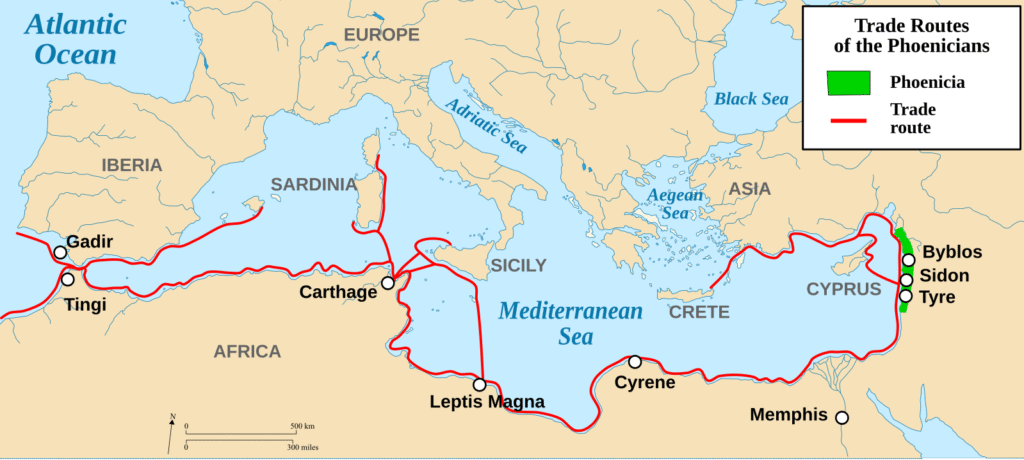
To understand the significance of Amrit we must first understand the Phoenicians One of the most influential civilizations of the ancient world the Phoenicians were a Semitic people who originated in the coastal regions of what is now Lebanon Syria and northern Israel
Known for their incredible skills in navigation trade and writing the Phoenicians established colonies all across the Mediterranean from Cyprus and Carthage to Spain Their most lasting contribution to world history may be the development of the Phoenician alphabet which later influenced Greek Latin and modern alphabets
Amrit known in antiquity as Marathus or Amrith was one of the southernmost cities in the Phoenician world and a major religious and cultural center during the first millennium BCE
The Location of Amrit
Amrit is located about seven kilometers south of Tartus one of Syria’s major coastal cities It sits between the Mediterranean Sea to the west and the coastal mountain range to the east making it an ideal location for trade agriculture and religious activity in ancient times
Today the site can be reached easily by road from Tartus and is surrounded by olive groves hills and open fields Its peaceful atmosphere offers a welcome contrast to the crowded ruins of more well-known destinations
A Brief History of Amrit

Amrit was founded around the third millennium BCE and flourished during the Iron Age reaching its peak between the 9th and 4th centuries BCE when it was under the influence of the powerful Phoenician city of Arwad located on an island just offshore
The city served as a religious center particularly known for its temples and sanctuaries It continued to be inhabited during the Persian and Hellenistic periods but gradually declined in importance with the rise of other regional powers
Despite its historical value Amrit remained largely forgotten for centuries until excavations began in the 20th century revealing one of the best-preserved Phoenician sites in the entire Levant
What to See at Amrit
Amrit is not a single monument but an expansive archaeological site covering sanctuaries sports arenas tombs and the remains of a harbor All of these elements work together to paint a vivid picture of Phoenician civic life and religious practices
The Great Temple or Maabed
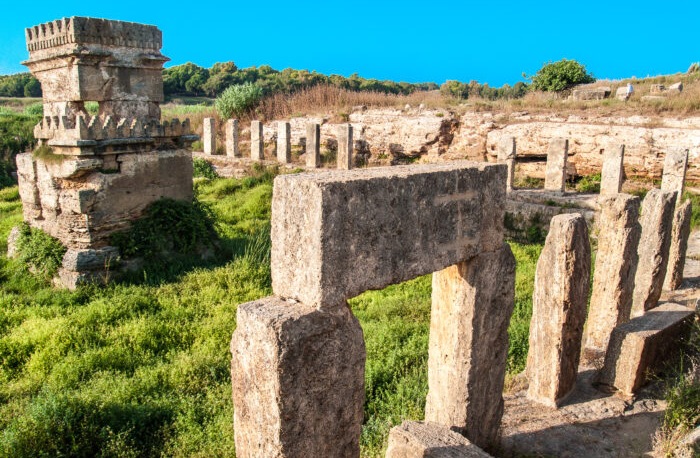
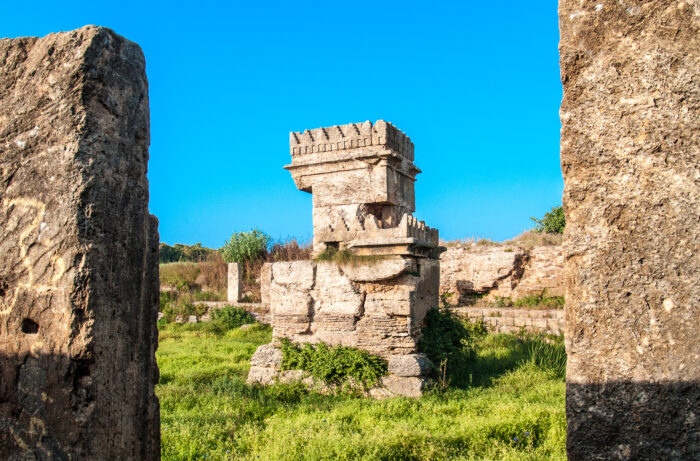
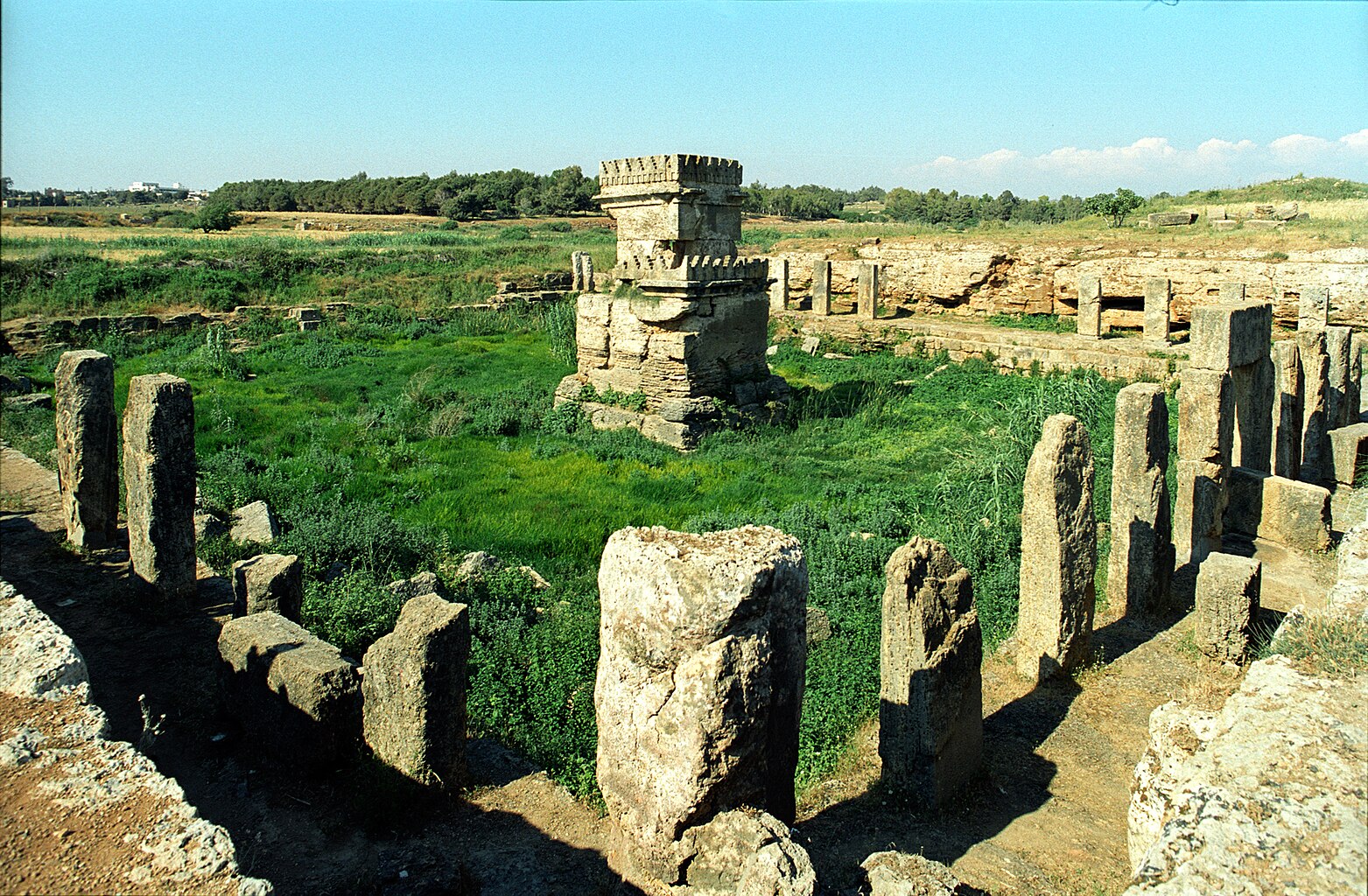
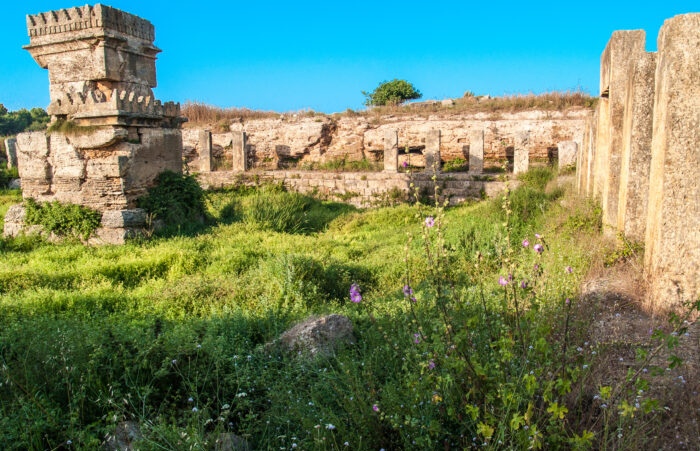
The centerpiece of Amrit is the Great Temple known as the Maabed This sanctuary is unlike any other in the Phoenician world It consists of a large rectangular basin carved into the rock measuring about 48 meters long and 39 meters wide with a small central shrine or cella sitting on a platform in the middle of the basin
This unique design is believed to be related to Phoenician water cults particularly those dedicated to the god Melqart the Phoenician equivalent of Heracles or Baal The temple may have been used for ritual purification or ceremonies involving sacred water
The Maabed is remarkably well preserved and its isolated central altar gives the site a mystical and spiritual feeling unlike any other temple in the region
The Sports Arena or Stadium

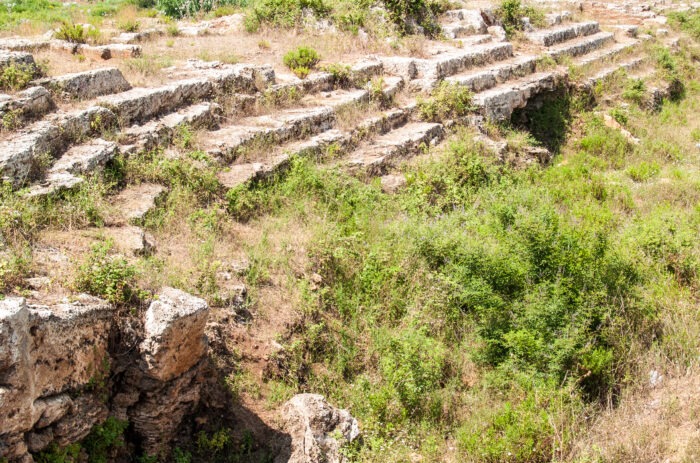
Nearby is a rock-carved sports stadium one of the only known Phoenician athletic structures of its kind Measuring nearly 230 meters in length the arena features stepped seating carved into the hillside suggesting that public games or athletic competitions were held here
This discovery challenges the common perception that only Greeks and Romans held sporting events and offers a rare glimpse into the civic life of the Phoenicians including their appreciation for physical competition and public gatherings
Tower Tombs and Necropolis


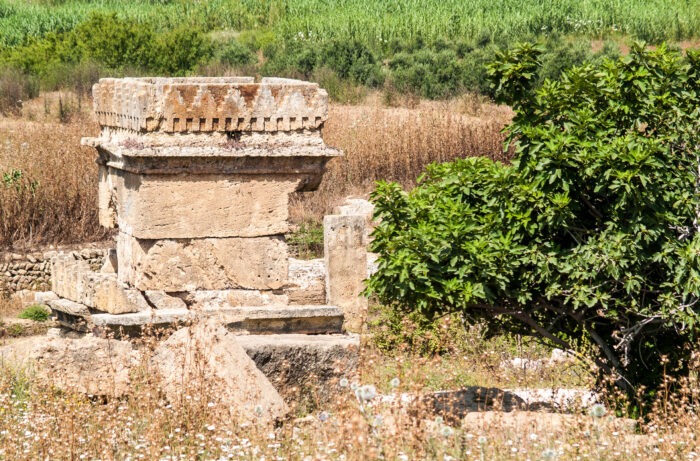
Scattered across the site are several tower tombs and rock-cut graves that reflect the complexity of Phoenician burial practices The tombs vary in design and size indicating that both elite and common citizens were buried in this area
Two of the most prominent towers are cylindrical in shape with finely cut stone blocks and decorative features These structures are unique to the Phoenician coastal zone and further demonstrate the sophistication of Amrit’s ancient architects
Some of the tombs have entrances still intact allowing visitors to carefully explore the interior and see the niches where the dead were placed This direct encounter with ancient funerary architecture gives a powerful sense of connection to the past
Ruins of the Ancient Harbor
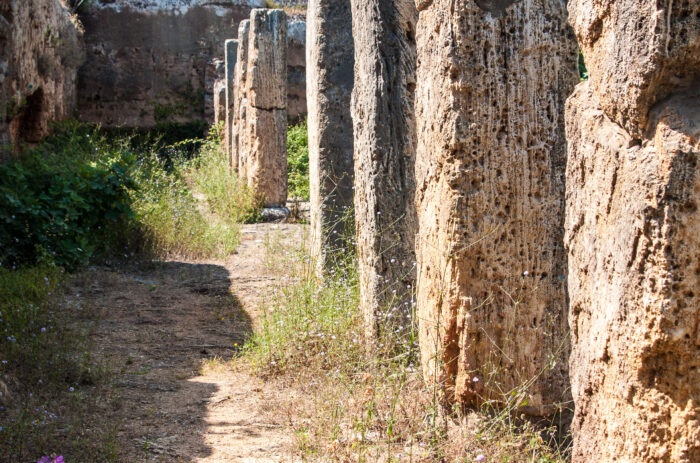
Though much of it remains unexcavated traces of Amrit’s ancient harbor can still be seen near the coastline The port served as a vital link between the city and its mother colony on the island of Arwad just a few kilometers offshore
The remains of jetties docks and possible warehouses indicate that Amrit played an important role in the regional trade network which stretched across the Mediterranean from Egypt to Italy
Why Amrit Is Special
There are many ancient sites across Syria and the Levant but few offer the uniqueness and purity of Amrit Here are a few reasons why this site stands out
- Unspoiled Landscape The site is surrounded by nature offering peace and silence rarely found in other ruins
- Authenticity Unlike more reconstructed ruins Amrit remains largely in its original state giving a raw and honest experience of antiquity
- Historical Rarity The Phoenicians left fewer monumental remains than other civilizations making Amrit’s structures especially valuable
- Spiritual Atmosphere The Maabed temple and its sacred basin evoke a feeling of connection to ancient rituals and beliefs
Best Time to Visit and Practical Tips

Amrit can be visited year-round but the best seasons are spring and autumn when the weather is mild and the countryside is green
- Wear sturdy shoes as the terrain is uneven and some areas are rocky
- Bring water and a hat for sun protection especially during summer
- Visit with a guide if possible to fully understand the significance of the structures
- Combine the trip with a visit to Tartus and the island of Arwad for a complete Phoenician experience
Nearby Attractions
If you are already in the region consider exploring these nearby destinations
- Tartus Old City Explore the Crusader cathedral turned mosque and old souks
- Arwad Island Syria’s only inhabited island and a key Phoenician naval base
- Safita Tower A Crusader-era fortress offering panoramic views of the coast
See Also: Ras Shamra (Ugarit)
Final Thoughts
Amrit is more than just an archaeological site It is a window into the world of the Phoenicians a civilization that quietly shaped the ancient world through trade innovation and culture
Walking through Amrit you are not just seeing stones and ruins you are stepping into an ancient ritual landscape a civic center and a place where people lived worshipped competed and died long before the rise of Rome or Byzantium
For travelers seeking an off-the-beaten-path adventure and a deep connection with the roots of Mediterranean civilization Amrit is one of Syria’s most rewarding and unforgettable destinations.
Finally.. If you have any questions, please contact us. To explore further, visit our website gallery for rare images and cultural highlights.
Sources & References:
UNESCO – World Heritage Centre: https://whc.unesco.org
Archnet – Architecture & Heritage Database: https://www.archnet.org
World History Encyclopedia: https://www.worldhistory.org
Syrian Heritage Archive Project: https://syrian-heritage.org
Global Encyclopedia: Wikipedia