Ananias Chapel: A Journey to One of the Oldest Christian Sites in the World. Tucked away in the narrow alleys of Bab Sharqi in the Old City of Damascus lies one of the most sacred and historically significant Christian landmarks — the Ananias Chapel. Believed to date back to the 1st century AD, this humble underground sanctuary is not only a place of prayer but also a lasting symbol of Damascus’s deep-rooted religious diversity and history.
The Chapel of Saint Ananias, often simply called the Ananias Chapel, is traditionally identified as the house of Saint Ananias, where he baptized Saul of Tarsus (Saint Paul) after his dramatic conversion. Today, the Ananias Chapel remains a living link to the earliest days of Christianity, offering visitors a rare chance to step back in time — surrounded by ancient stone walls, faith, and biblical legacy.
Ananias Chapel | Quick Info
| Topic | Quick Info |
|---|---|
| Name | Chapel of Saint Ananias / كنيسة حنانيا |
| Location | Bab Sharqi, Old City of Damascus, Syria |
| Historical Period | 1st century AD (Early Christian era) |
| Religious Significance | Associated with Saint Ananias, who baptized Saul of Tarsus (Saint Paul) after his conversion |
| Architecture | Simple underground stone chapel believed to be built over the house of Ananias |
| Discovery / Restoration | Rediscovered and restored several times, most notably in the 20th century |
| Current Use | Active Christian pilgrimage site and historical attraction |
| Importance | Considered one of the oldest Christian worship sites in the world, symbolizing Damascus’s ancient religious heritage |
Historical Background
Who Was Saint Ananias?
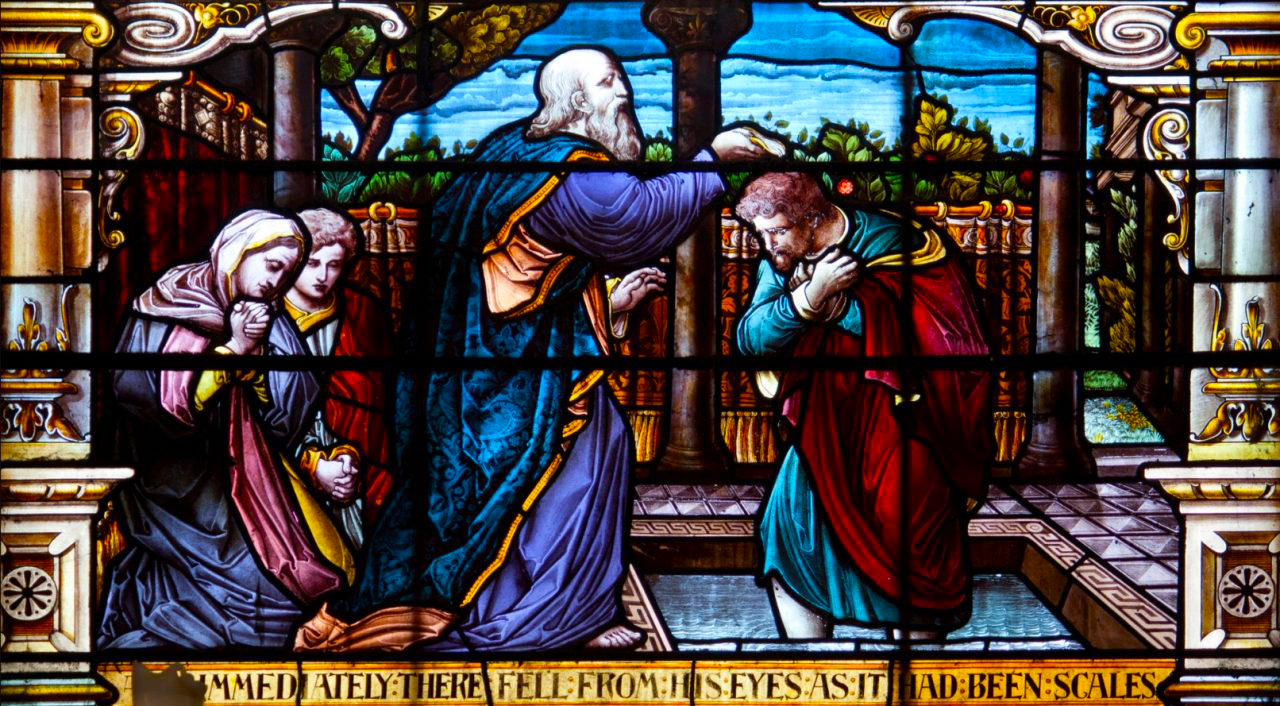
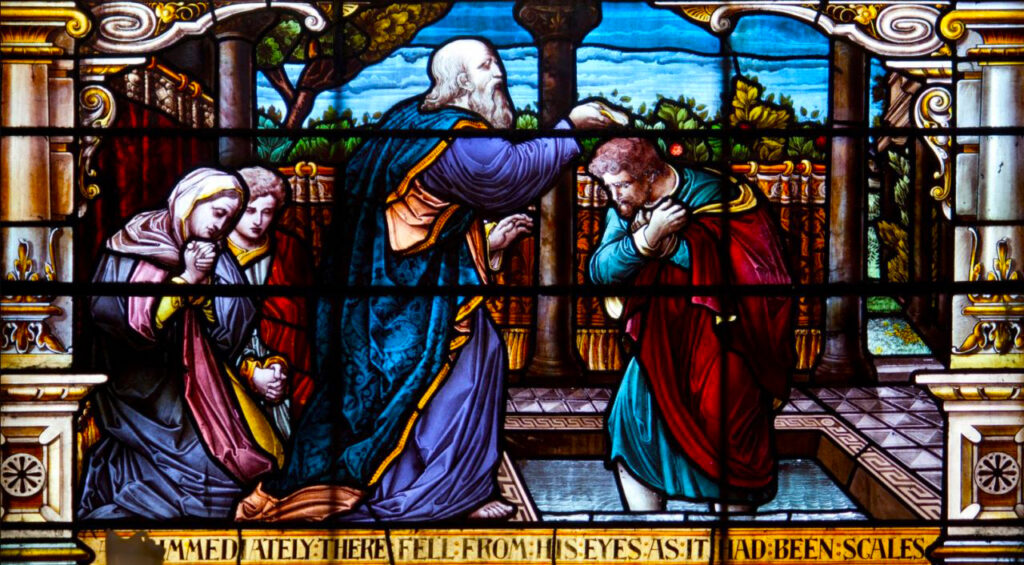
Saint Ananias is best known from the New Testament, specifically in the Book of Acts (Acts 9). He was a devout Christian living in Damascus during the time when followers of Jesus were being persecuted. According to scripture, he was chosen by God to heal and baptize Saul of Tarsus, a feared persecutor of Christians who later became the Apostle Paul.
Ananias, though initially fearful, obeyed the divine vision and welcomed Saul into his home. After praying over him, Saul’s sight was restored, and he was baptized. This moment marked the beginning of one of the most influential conversions in Christian history.
The Chapel’s Origins
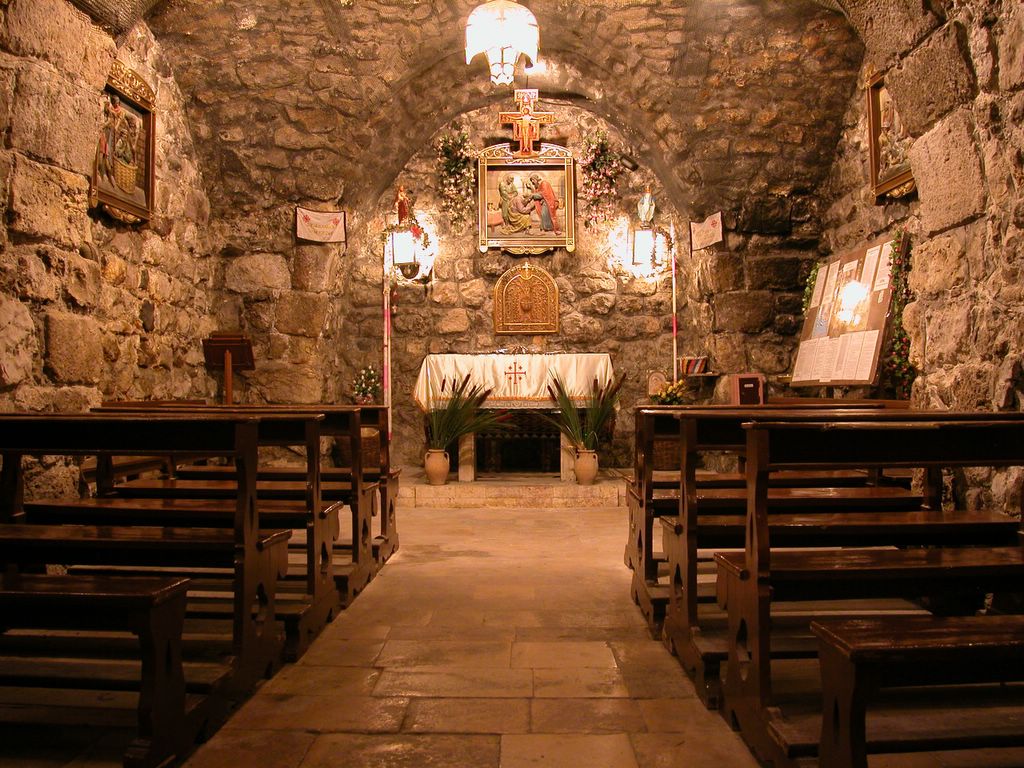
Ananias Chapel is believed to be built over the home of Ananias himself, making it one of the earliest places of Christian worship in existence. While the current structure is not entirely original, excavations suggest that the foundations and underground sections date back to the first or second century AD.
Throughout the centuries, Ananias Chapel has been preserved by local Christian communities and restored multiple times, especially during the Byzantine and later Ottoman periods.
Location and Setting

Ananias Chapel is located in the Christian Quarter of Old Damascus, near Bab Sharqi (the East Gate), one of the city’s seven ancient gates. Visitors typically reach it by walking through winding cobbled alleys that echo with the quiet rhythm of daily life in the Old City.
Despite its religious importance, the chapel is unassuming in appearance. It sits slightly below street level, accessible via a small staircase that leads down to a compact interior lit by natural and soft electric lighting.
Architectural Features
Underground Simplicity
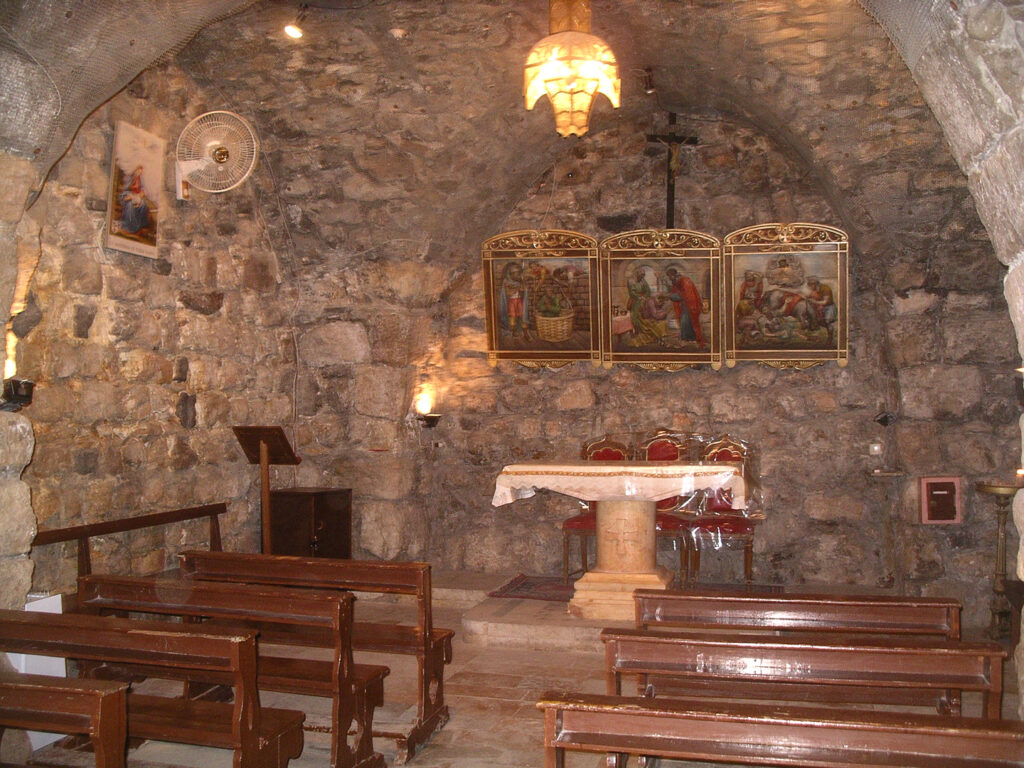
Unlike the ornate churches found in Europe or large cathedrals in the region, Ananias Chapel is simple, modest, and intimate. Its underground stone chamber reflects the early Christian practice of worshiping in secret, especially during times of Roman persecution.
Ananias Chapel consists of:
- A small nave with benches for visitors and worshipers
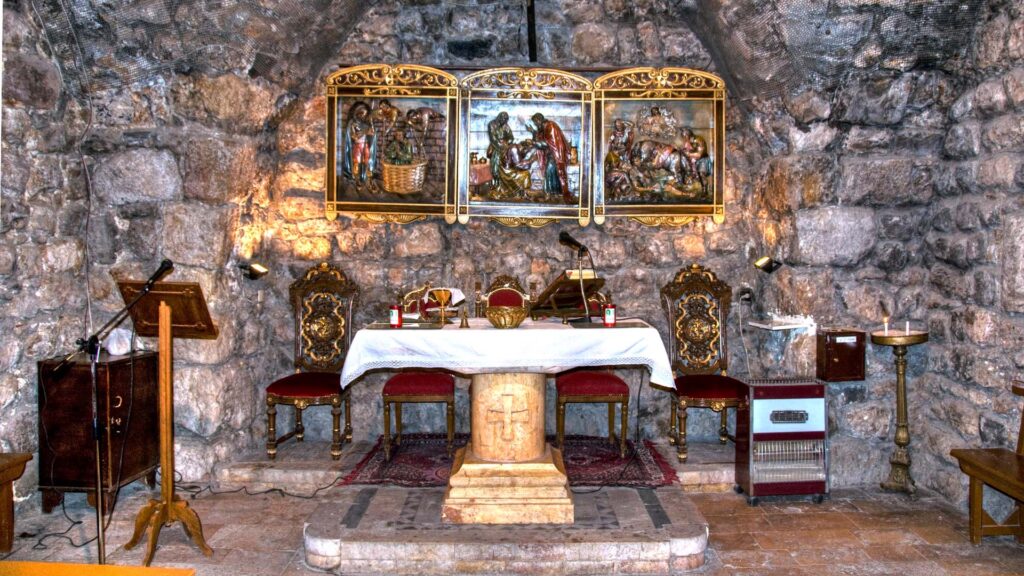
- A simple altar, framed by an arched niche
- Icons and paintings of Saint Ananias and Saint Paul
- Ancient stone walls and ceilings made of basalt and limestone
One of the most remarkable aspects of Ananias Chapel is that it remains close to its original structure, allowing visitors to experience what early Christian worship spaces might have truly felt like.
The Altar and Religious Art
While the architecture is plain, Ananias Chapel contains religious artwork and iconography depicting scenes from the life of Ananias and Paul. These modern additions are carefully chosen to maintain the sacredness of the site without altering its authenticity.
A notable feature is the baptismal font, symbolizing the baptism of Saul by Ananias. Though not the original, it serves as a powerful reminder of the transformation that took place in this very location.
What to Expect When Visiting
- The Chapel of Saint Ananias is open to the public and warmly welcomes visitors of all faiths. Many who visit describe the experience as peaceful, deeply spiritual, and emotionally moving.
- Atmosphere and Experience: The quiet atmosphere, low ceilings, and worn stone floors instantly transport visitors back in time. Despite being in the middle of a vibrant city, the chapel is calm and reflective, offering a brief escape from the outside world.
- Pilgrims often pause to pray or light candles, while others simply sit and absorb the profound history within the walls.
- Guided Visits: Local guides are sometimes available near the entrance, and many are knowledgeable about the biblical and historical context. A guided tour can greatly enhance your understanding of the chapel’s significance and its place in early Christian history.
See Also: Damascus Historical Churches
Practical Visitor Information
- Location: Christian Quarter, Old City of Damascus, near Bab Sharqi
- Opening hours: Typically 9:00 am – 5:00 pm, but may vary during holidays or religious events
- Entrance fee: None, but donations are appreciated to support maintenance
- Dress code: Modest attire is recommended out of respect for the sacred space
- Photography: Allowed, but avoid flash during services or moments of prayer
- Best time to visit: Morning hours are quietest; weekends may be busier with local worshipers
Significance for Christianity

The Chapel of Saint Ananias is not just an archaeological or architectural site. It is a living place of faith, prayer, and pilgrimage. For Christians, it represents:
- The courage and faith of early believers
- The miraculous transformation of Saul into Paul
- The beginnings of Christianity beyond Jerusalem
- Its survival through centuries of change, war, and urban development speaks to its enduring importance.
Nearby Attractions
Visitors to the chapel will find themselves in one of the most scenic and spiritually rich parts of Damascus. Within walking distance, you can also explore:
- Straight Street (Via Recta): Mentioned in the Bible, this ancient Roman road runs near the chapel
- Bab Sharqi (Eastern Gate): A well-preserved Roman gate still in use today
- St. Paul’s Memorial Church: Built to commemorate Paul’s escape from Damascus through a basket
- Souqs and artisan shops: Perfect for experiencing local crafts and culture
Cultural Respect and Interfaith Importance
Damascus is a city where mosques, churches, and synagogues have coexisted for centuries. The Chapel of Saint Ananias stands as a symbol of this religious harmony. Visitors are often touched by the shared respect among locals of different faiths, all proud of their city’s spiritual heritage.
Whether you are Christian or not, visiting this chapel is a lesson in humility, history, and human connection.
Final Thoughts
The Ananias Chapel may be modest in size, but it is monumental in meaning. As one of the oldest surviving Christian worship sites in the world, it offers visitors a deep connection to history, faith, and the earliest roots of Christianity.
In a city as ancient and layered as Damascus, few places bring the past into the present as intimately as the Ananias Chapel. Visiting this small underground sanctuary is more than just a stop on your itinerary — it’s a spiritual and historical journey that stays with you long after you leave.
Finally.. If you have any questions, please contact us. To explore further, visit our website gallery for rare images and cultural highlights.
Sources & References:
UNESCO – World Heritage Centre: https://whc.unesco.org
Archnet – Architecture & Heritage Database: https://www.archnet.org
World History Encyclopedia: https://www.worldhistory.org
Syrian Heritage Archive Project: https://syrian-heritage.org
Global Encyclopedia: Wikipedia