Ancient Monasteries in Syria near Damascus: The Damascus region (Rif Dimashq), known for its rich history and cultural diversity, is home to some of the most remarkable ancient monasteries in the Middle East. Among these, Deir al-Shirubeim, Deir Mar Elias, Deir Mar Touma, and Deir Mar Yaqoub stand out as significant spiritual and historical landmarks. These monasteries not only reflect the deep-rooted Christian heritage of the area but also offer a glimpse into the architectural styles, religious traditions, and enduring legacy of monastic life in Syria.
Ancient Monasteries | Smart Chart
| Name | Era / Year Built | Brief Info |
|---|---|---|
| Deir al-Shirubeim | Early Christian Era (approx. 5th-7th century) | Known for preserving Syriac Christian traditions and ancient manuscripts; simple stone architecture. |
| Deir Mar Elias | Byzantine Period (approx. 6th-8th century) | Famous for frescoes depicting biblical scenes; dedicated to Prophet Elijah; important pilgrimage site. |
| Deir Mar Touma | Early Medieval Period (approx. 7th-9th century) | Monastery of Saint Thomas; blend of early Christian and medieval architecture; active monastic community. |
| Deir Mar Yaqoub | Early Christian to Medieval (approx. 6th-10th century) | Dedicated to Saint Jacob; serene environment; cultural hub with manuscript preservation. |
Deir al-Shirubeim
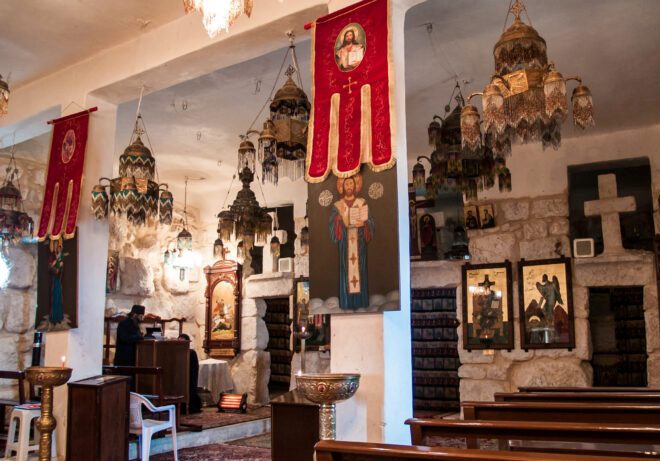
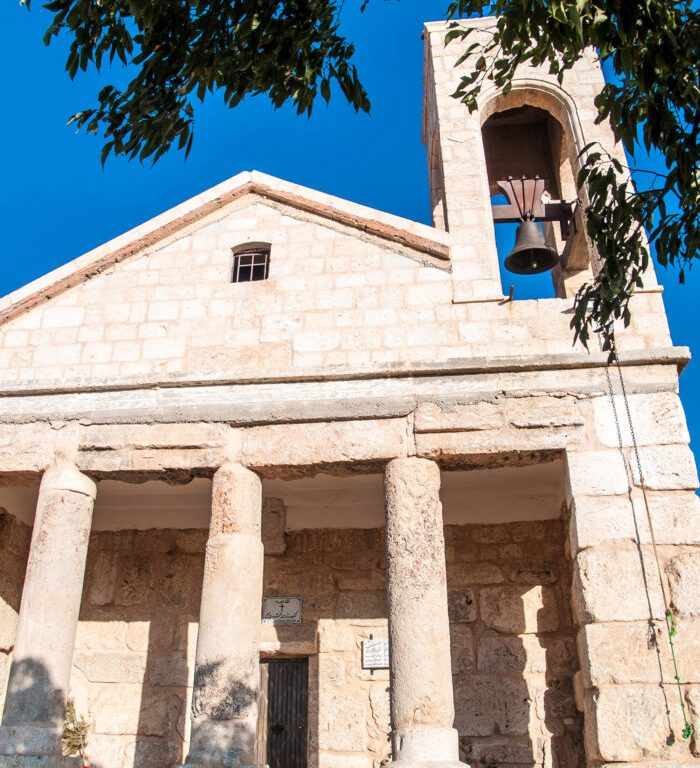
Deir al-Shirubeim (دير الشيروبيم) is one of the lesser-known yet historically significant monasteries near Damascus. Its name is derived from the Syriac word for “cherubim,” indicating a deep spiritual symbolism associated with the site. This monastery has long served as a quiet refuge for monks and pilgrims alike, preserving ancient manuscripts and traditions.
The architecture of Deir al-Shirubeim is notable for its simplicity combined with intricate stonework typical of early Christian monastic constructions. Built mainly from local limestone, the monastery features small chapels, cloisters, and living quarters arranged around a central courtyard. Despite centuries of political upheaval and regional conflict, Deir al-Shirubeim remains remarkably intact, offering visitors a serene atmosphere for contemplation and prayer.
The monastery has played a vital role in preserving the Syriac Christian traditions, especially during periods when Christianity faced challenges in the region. It is also reputed for its small but valuable library, housing ancient texts and liturgical books that have been studied by scholars worldwide.
Deir Mar Elias: The Monastery of Saint Elias

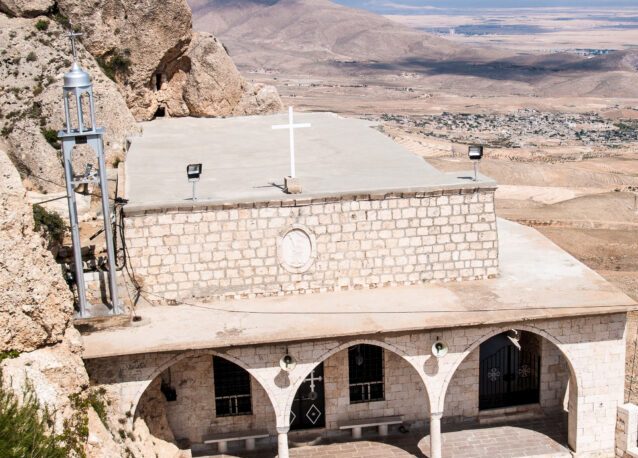
Deir Mar Elias (دير مار الياس), dedicated to Saint Elias (or Elijah), is another important monastic site near Damascus. Saint Elias, a prophet known for his zealous defense of monotheism in the Old Testament, is highly venerated in the Eastern Christian traditions. The monastery named after him reflects the spiritual fervor and devotion that characterize the region’s Christian communities.
This monastery dates back several centuries and is distinguished by its impressive stone facades and well-preserved frescoes depicting biblical scenes and saints, including Saint Elias himself. The frescoes are particularly valuable, as they showcase the unique iconographic style of Syrian Christian art, blending Byzantine influences with local artistic traditions.
Deir Mar Elias has historically functioned as a center for theological education and monastic training. It has also been a pilgrimage destination, especially during the feast days dedicated to Saint Elias. Visitors to the monastery often remark on the peaceful gardens and the panoramic views of the surrounding Damascus countryside, which enhance the spiritual experience.
Deir Mar Touma: The Monastery of Saint Thomas

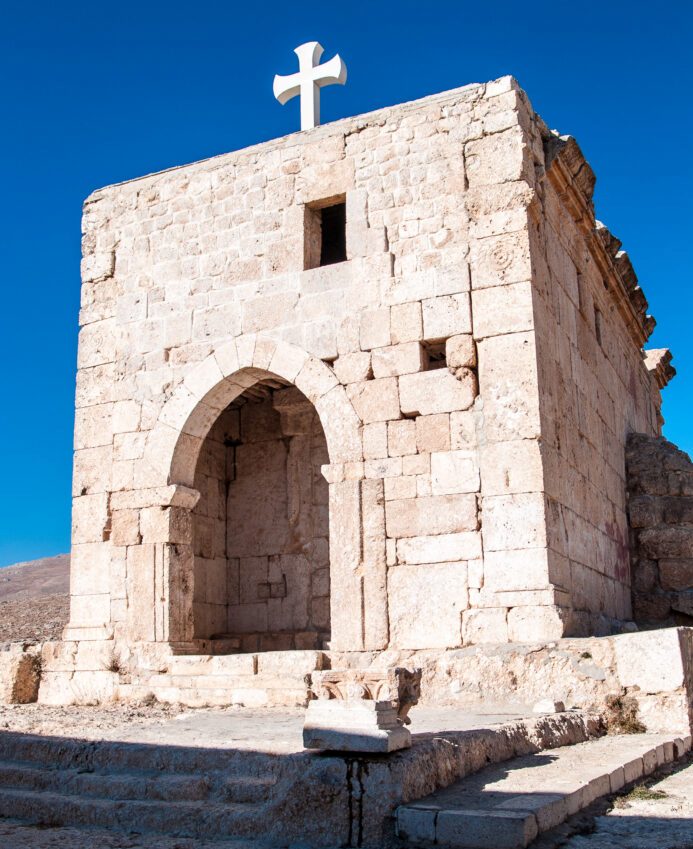
Deir Mar Touma (دير مار توما), named after Saint Thomas the Apostle, holds a special place in the Christian history of the region. Saint Thomas, famously known as “Doubting Thomas,” is honored for his missionary journeys and role in spreading Christianity beyond the immediate followers of Jesus.
This monastery is renowned for its austere beauty and its strategic location, which has served both as a spiritual sanctuary and a place of refuge during tumultuous times. Architecturally, Deir Mar Touma reflects a blend of early Christian and medieval styles, with robust stone walls, vaulted ceilings, and modestly decorated interiors designed to foster an atmosphere of humility and devotion.
The monastery has been continuously inhabited by monks who follow the Eastern Orthodox monastic tradition. It has preserved many liturgical rites and customs that date back to the early centuries of Christianity, making it an invaluable living heritage site.
In addition to its religious significance, Deir Mar Touma has been part of local social history, offering assistance and shelter to travelers and the poor. Its role in the community highlights the interconnectedness of spirituality and daily life in these ancient monastic centers.
Deir Mar Yaqoub: The Monastery of Saint Jacob
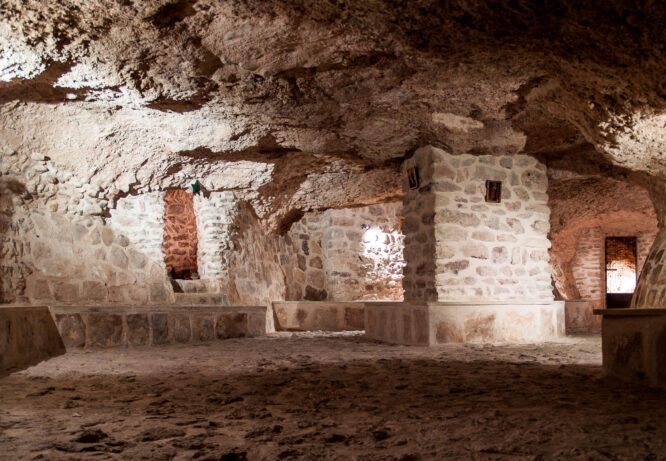

Deir Mar Yaqoub (دير مار يعقوب), dedicated to Saint Jacob (also known as James), is the final monastery in this group and is equally important in the spiritual landscape of the Damascus region. Saint Jacob is one of the prominent figures in early Christianity, often associated with leadership in the Jerusalem church and theological teachings.
The monastery of Deir Mar Yaqoub is notable for its serene environment, which encourages contemplation and prayer. Surrounded by olive groves and natural springs, the site offers a peaceful retreat from the hustle and bustle of city life. Architecturally, it maintains a traditional Syrian monastic style with simple yet elegant design elements that have been preserved through careful restoration efforts.
Deir Mar Yaqoub’s importance extends beyond its religious function. It has historically served as a cultural hub where manuscripts were copied and theological discussions took place. The monks there have contributed to the intellectual and spiritual life of the region, maintaining ties with other monastic communities throughout Syria and the wider Levant.
See Also: Mountain Christian Sanctuaries
The Collective Significance
Together, these four monasteries—Deir al-Shirubeim, Deir Mar Elias, Deir Mar Touma, and Deir Mar Yaqoub—form an essential part of the Christian heritage and are among the most notable Syrian Monasteries Close to Damascus. They reflect the endurance of monastic life through centuries of change, preserving traditions, art, and spirituality in a region often marked by conflict and upheaval.
These monasteries serve not only as places of worship and pilgrimage but also as custodians of history. Their libraries, frescoes, and architecture provide scholars and visitors with deep insights into the development of Christianity, making them significant Ancient Christian Sites Near Damascus.
Furthermore, these monasteries symbolize the multicultural and multi-religious fabric of Damascus and its surroundings. They stand as testaments to coexistence, tolerance, and the shared cultural heritage that continues to inspire local communities and visitors from around the world, highlighting why the Syrian Monasteries Close to Damascus remain essential destinations for history and faith, and why Ancient Christian Sites Near Damascus are treasured by pilgrims and travelers alike.
Visiting Ancient Monasteries
For those exploring ancient monasteries, the Damascus region offers a chance to connect with history and spirituality. Some monasteries still host active communities, while others serve as historical sites for pilgrims and tourists. Visitors should respect their sacred nature, as many ancient monasteries have been carefully preserved. The journey reveals stunning Syrian landscapes—rolling hills, olive orchards, and ancient paths. Whether seeking spiritual renewal, historical insight, or an appreciation of art and architecture, the ancient monasteries near Damascus provide a memorable experience.
Finally.. If you have any questions, please contact us. To explore further, visit our website gallery for rare images and cultural highlights.
Sources & References:
UNESCO – World Heritage Centre: https://whc.unesco.org
Archnet – Architecture & Heritage Database: https://www.archnet.org
World History Encyclopedia: https://www.worldhistory.org
Syrian Heritage Archive Project: https://syrian-heritage.org
Global Encyclopedia: Wikipedia