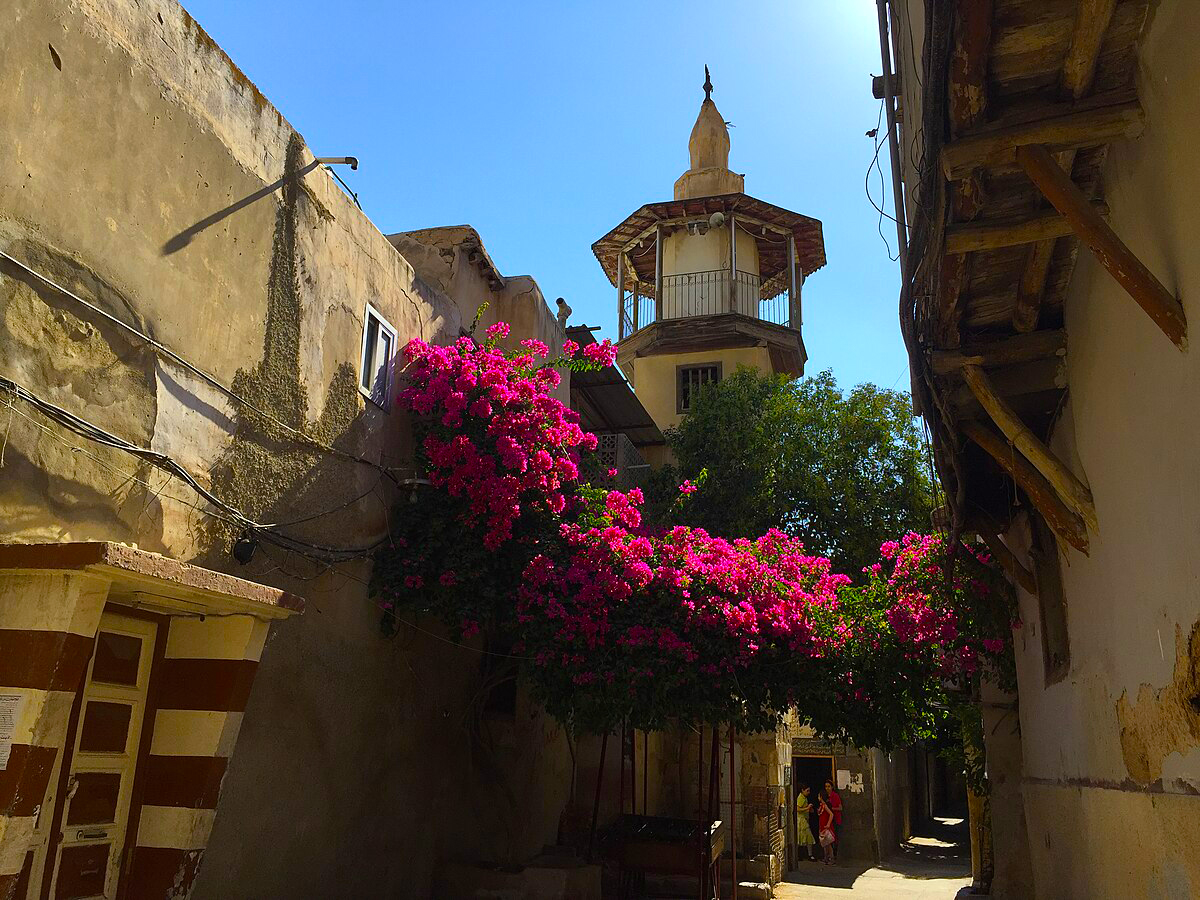
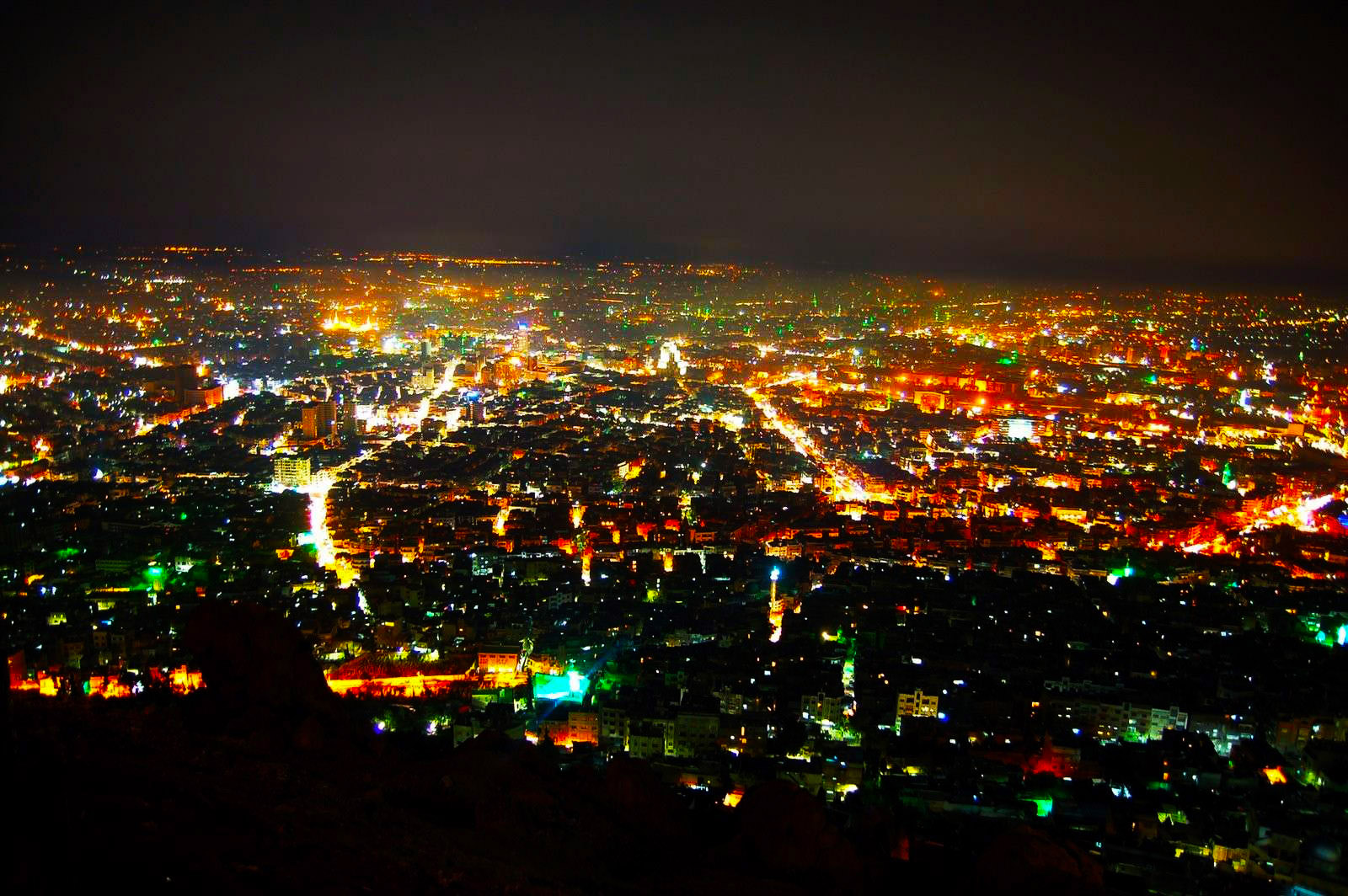
Damascus Old City Bazaars (بازارات دمشق القديمة) capture the timeless spirit of one of the world’s oldest cities. Stretching through narrow stone alleys and vaulted corridors, the Damascus Old City Bazaars are alive with color, fragrance, and sound — from the scent of spices to the shimmer of silk and silver. For travelers and locals alike, the Damascus Old City Bazaars offer a living glimpse into Syria’s trading legacy and the enduring charm of its capital’s historic heart.
| Souk Name | Location | What to Find | Highlights |
|---|---|---|---|
| Souk al-Hamidiyah | Near Umayyad Mosque | Clothes, scarves, sweets, souvenirs | Most famous souk in Damascus; covered arcade with Roman ruins |
| Souk al-Bzourieh | Behind Umayyad Mosque | Spices, herbs, traditional medicine, dried fruits | Strong scents, colorful displays; historic spice market |
| Souk al-Harir | Near Midhat Pasha Souk | Silk fabrics, textiles | Once famous for high-quality Damascene silk |
| Souk al-Qasabiyyin | Near Umayyad Mosque | Walking canes, sticks, handcrafted wood items | Niche market known for handmade walking sticks |
| Souk Midhat Pasha | Parallel to Straight Street | Textiles, clothes, household goods, antiques | Longest souk in Damascus; named after Ottoman governor Midhat Pasha |
Damascus Old City Bazaars
Souk al-Hamidiyah
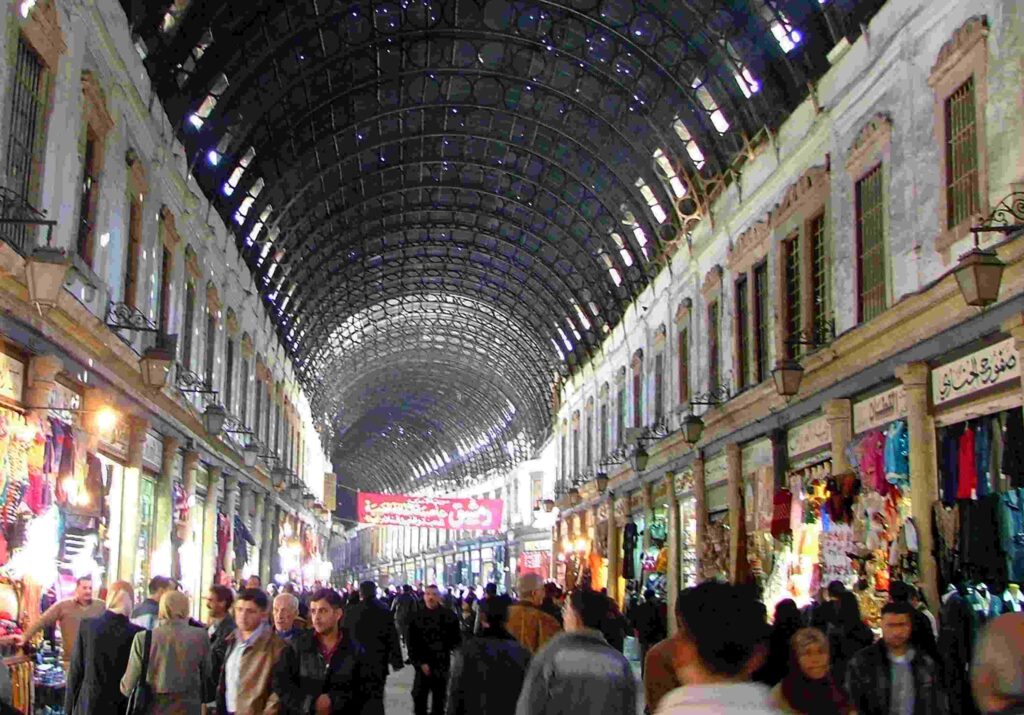
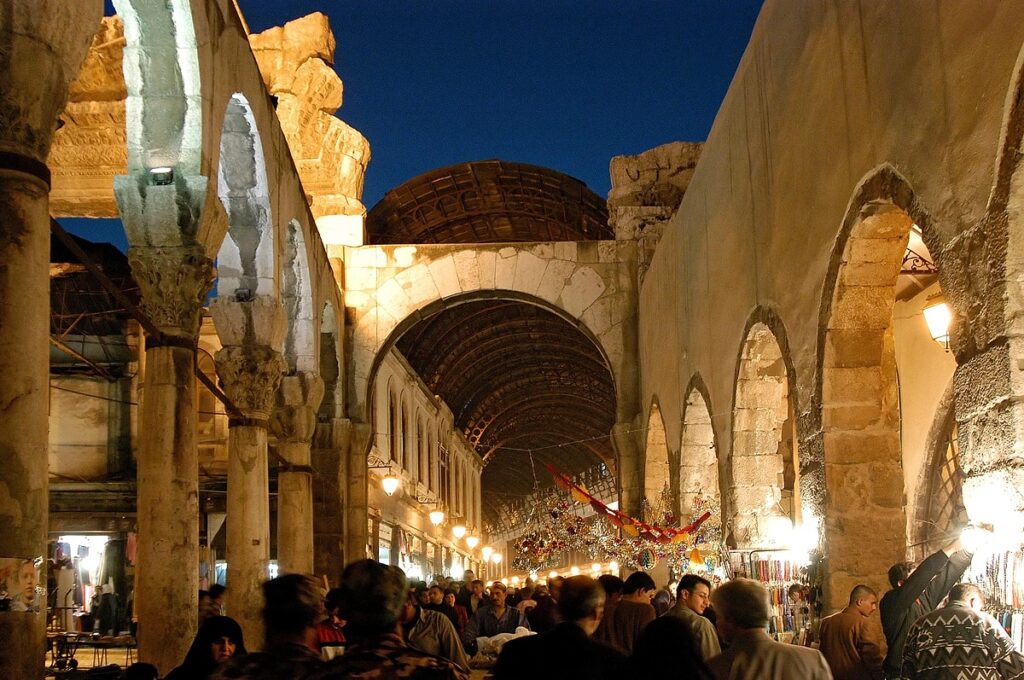
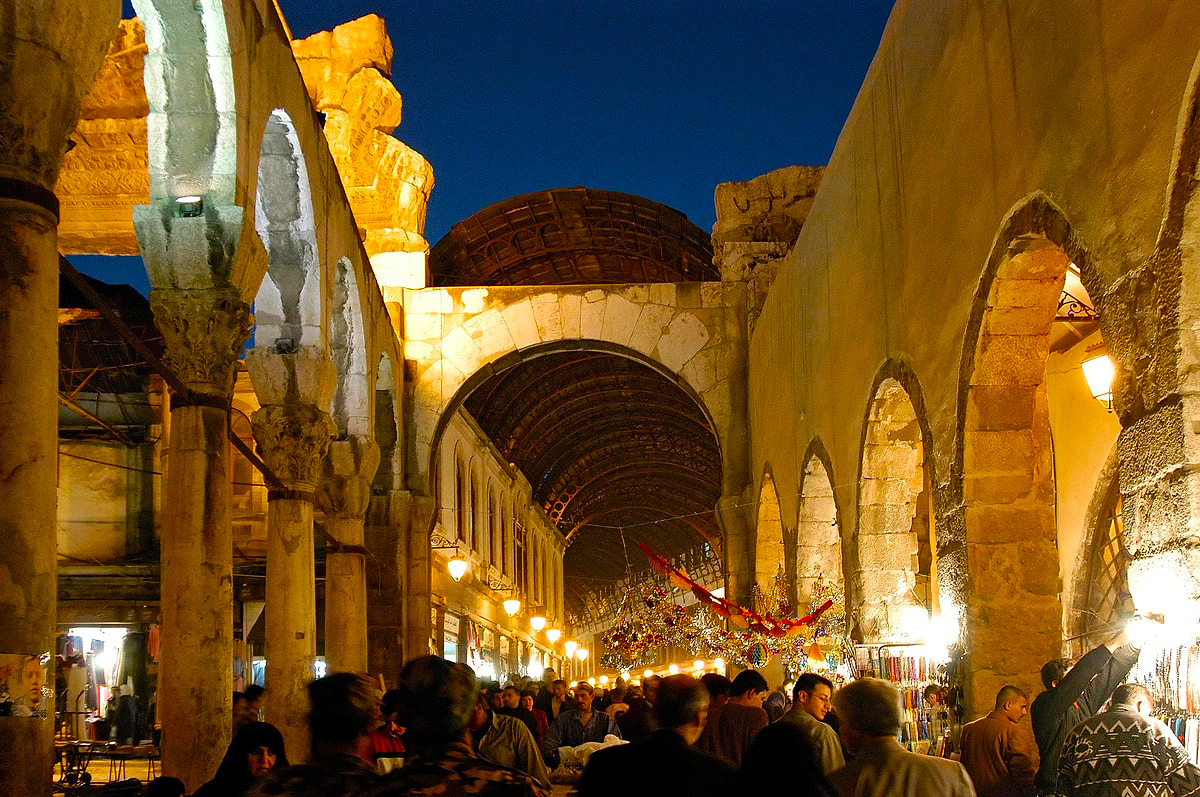
Souk al-Hamidiyah is the largest and most famous market among the Damascus Old City Bazaars, located beside the Roman Arch and leading directly to the Umayyad Mosque. Covered by a towering iron roof marked with bullet holes from the French Mandate era, it’s a vibrant corridor of shops selling clothes, scarves, perfumes, sweets, and souvenirs. Don’t miss the legendary Bakdash ice cream, a Damascus tradition since the 19th century. As one of the highlights of the Damascus Old City Bazaars, Souk al-Hamidiyah offers the perfect mix of history, craftsmanship, and local life — where Roman columns and Ottoman architecture meet the pulse of everyday Damascus.
Souk al-Bzourieh
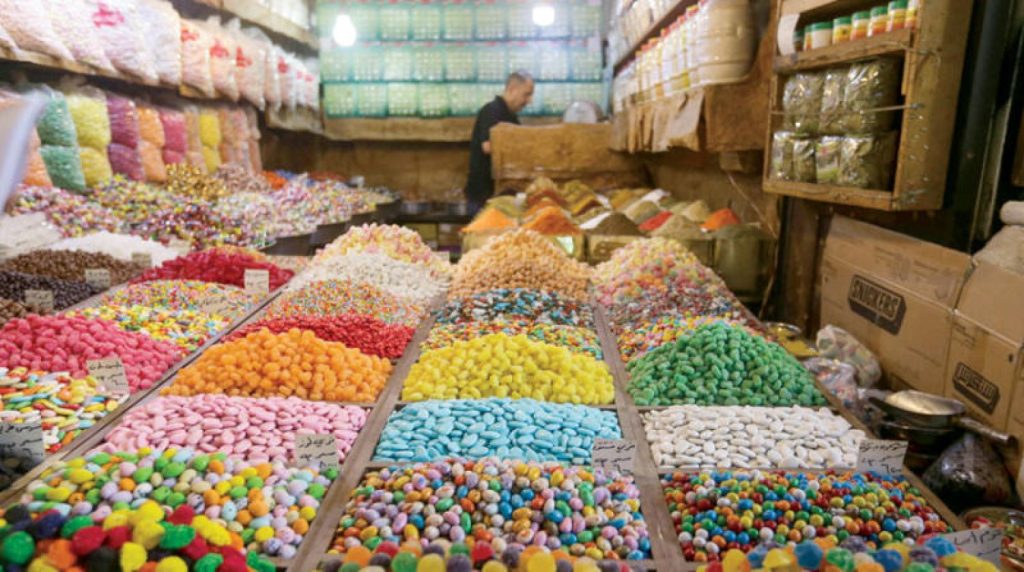
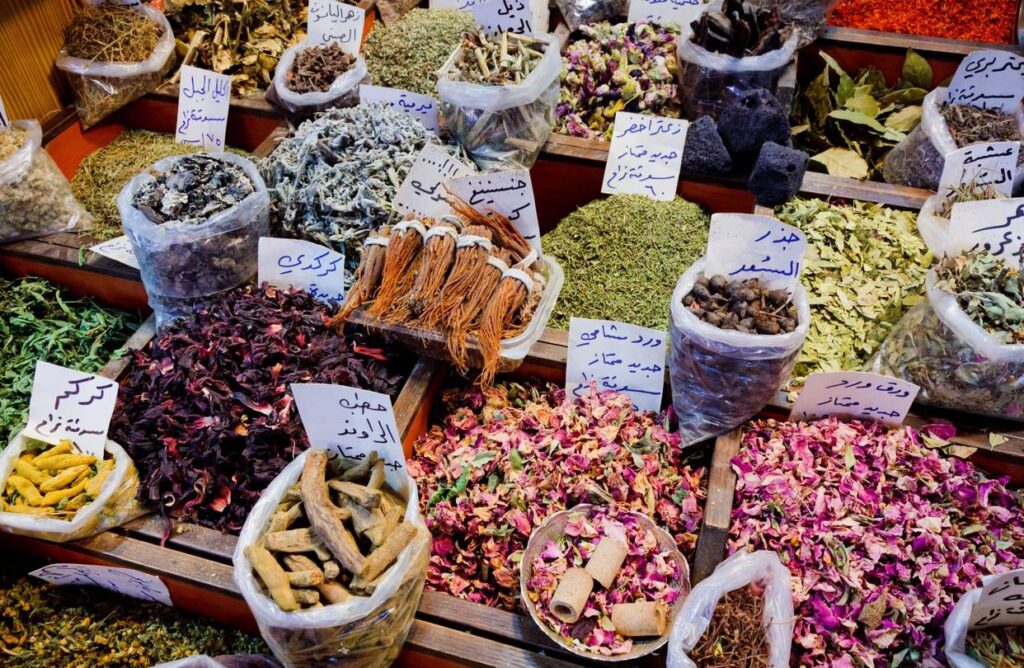
Tucked behind the Umayyad Mosque, Souk al-Bzourieh is one of the oldest and most aromatic markets within the Damascus Old City Bazaars. It’s the perfect destination for spices, herbs, dried fruits, rose water, and traditional remedies. The narrow lanes overflow with history and fragrance, where family-run shops have traded for generations. The scent of cinnamon, cardamom, and jasmine fills the air, inviting visitors to experience the sensory heart of Damascus. As part of the Damascus Old City Bazaars, this market also features historic khans like Khan As’ad Pasha, making it a must-visit for food lovers and culture enthusiasts seeking the authentic flavors of Syria.
Souk al-Harir
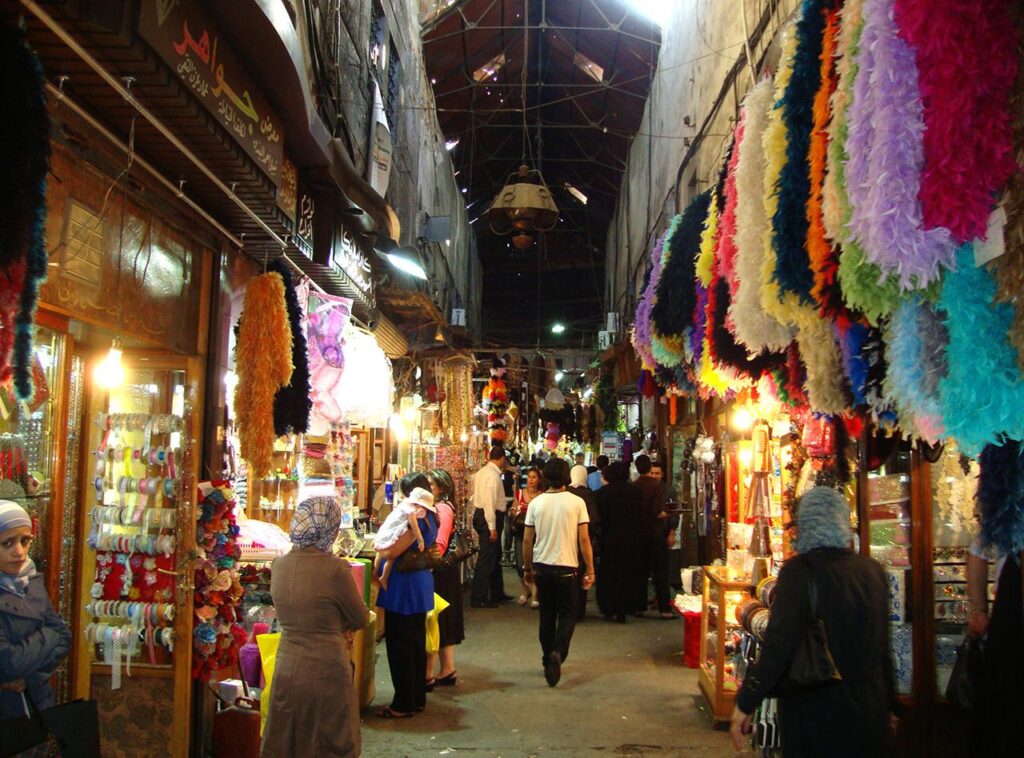
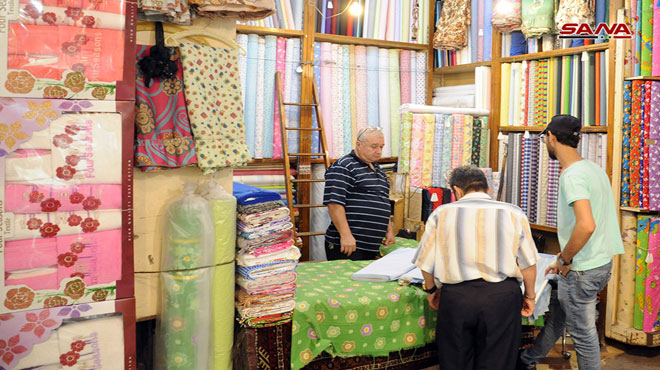
Souk al-Harir, or the Silk Market, is a quieter but historically rich part of Damascus’s commercial life. Located near Souk Midhat Pasha, it was once a center for the silk and textile trade, reflecting the city’s reputation for fine weaving. Though smaller today, it still houses vendors selling silk, brocade (Damask), and luxurious fabrics, much of it handmade. The souk represents Damascus’s long tradition of textile craftsmanship and trade along ancient caravan routes. It’s perfect for those looking to buy authentic Syrian cloth or see where nobles and traders once shopped for fine silks centuries ago.
Souk al-Qasabiyyin


Souk al-Qasabiyyin is a small, specialized market near the Umayyad Mosque, famous for its handcrafted walking canes (qasab) and wooden accessories. The souk’s name comes from “qasab,” meaning cane or reed. It’s a fascinating place to explore Syrian woodcraft traditions, with artisans producing everything from decorative sticks to practical walking canes, often with intricate inlays. Though not large, it’s a unique cultural stop, offering insight into a niche craft passed down through generations. Many of the items sold here are handmade and make memorable, functional souvenirs or collector’s items that reflect Syrian craftsmanship.
Souk Midhat Pasha
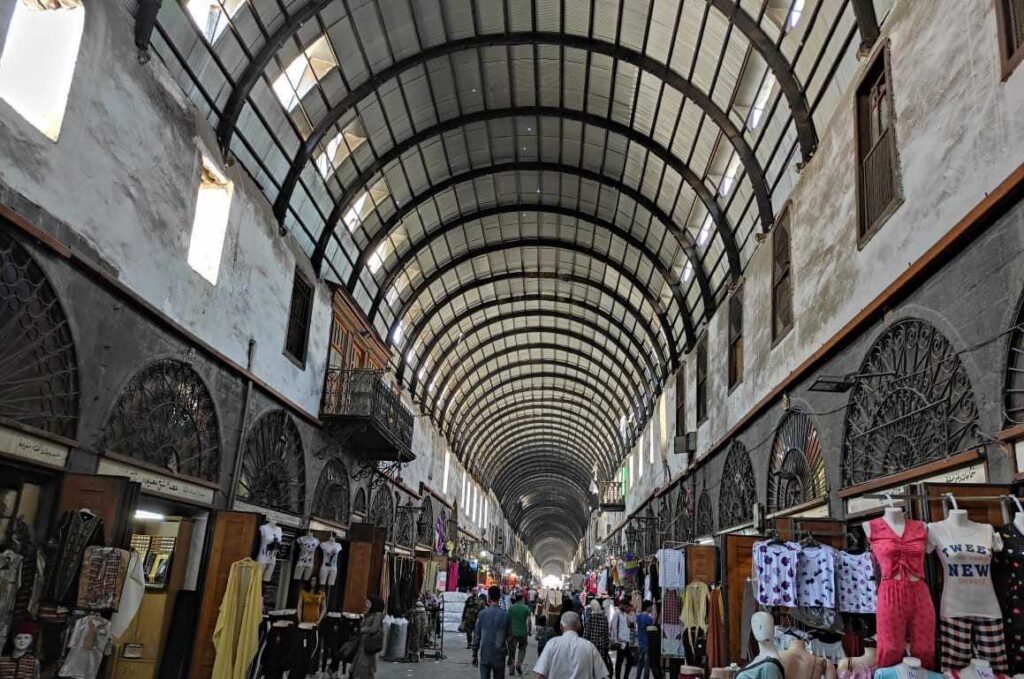
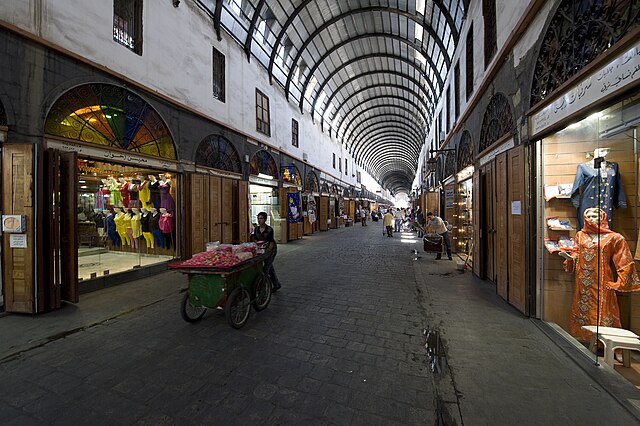
Souk Midhat Pasha is one of the oldest continuously used markets in the world, running parallel to the ancient Straight Street (Via Recta). It’s named after Ottoman governor Midhat Pasha and stretches for over 1 km through Old Damascus. You’ll find a mix of clothing, textiles, housewares, antiques, and traditional sweets. Its historic stone-paved path and arched ceilings offer an atmospheric experience of ancient commerce. With shops selling embroidered garments, brassware, and handmade soaps, it’s an excellent place to explore daily Damascene life and shop for authentic goods while walking a path that dates back to Roman times.
How to Reach the Markets
All five markets that make up the Damascus Old City Bazaars are located in or around Old Damascus, within easy walking distance of each other. The easiest entrances to the Damascus Old City Bazaars are through Bab al-Jabiya or Bab Sharqi, the historic city gates. Souk al-Hamidiyah sits beside the Citadel and leads directly to the Umayyad Mosque. Behind the mosque lie Souk al-Bzourieh and Souk al-Qasabiyyin, while Souk al-Harir and Souk Midhat Pasha run parallel to Straight Street. Taxis can drop you at any main gate, but the markets are best experienced on foot, where every turn reveals the authentic rhythm of Old Damascus.
To read more about this topic, click here. To explore further, visit our Facebook Syria Collection for rare images and cultural highlights.