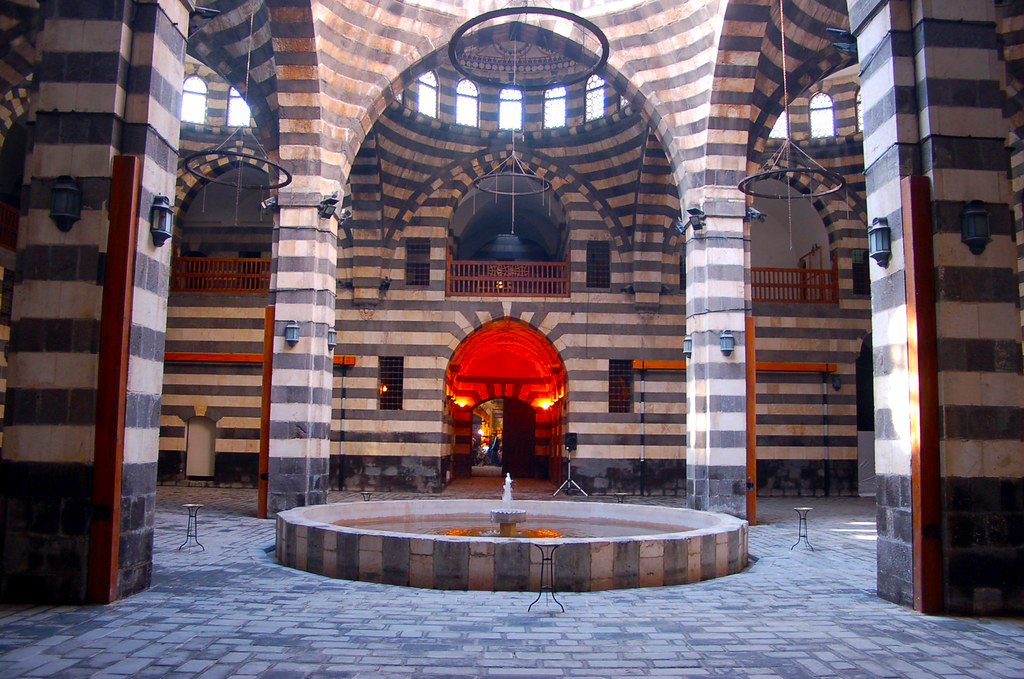
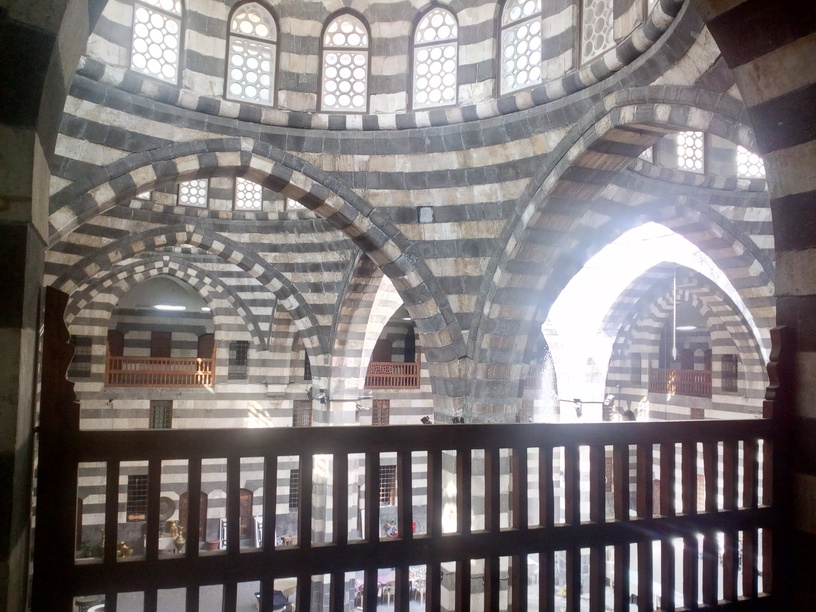
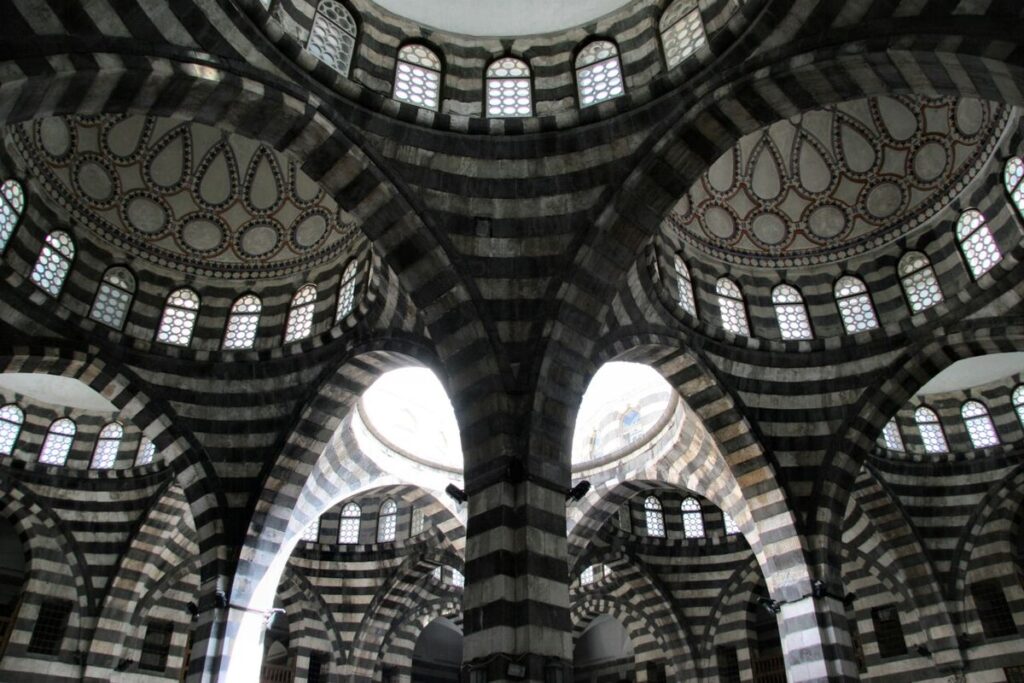
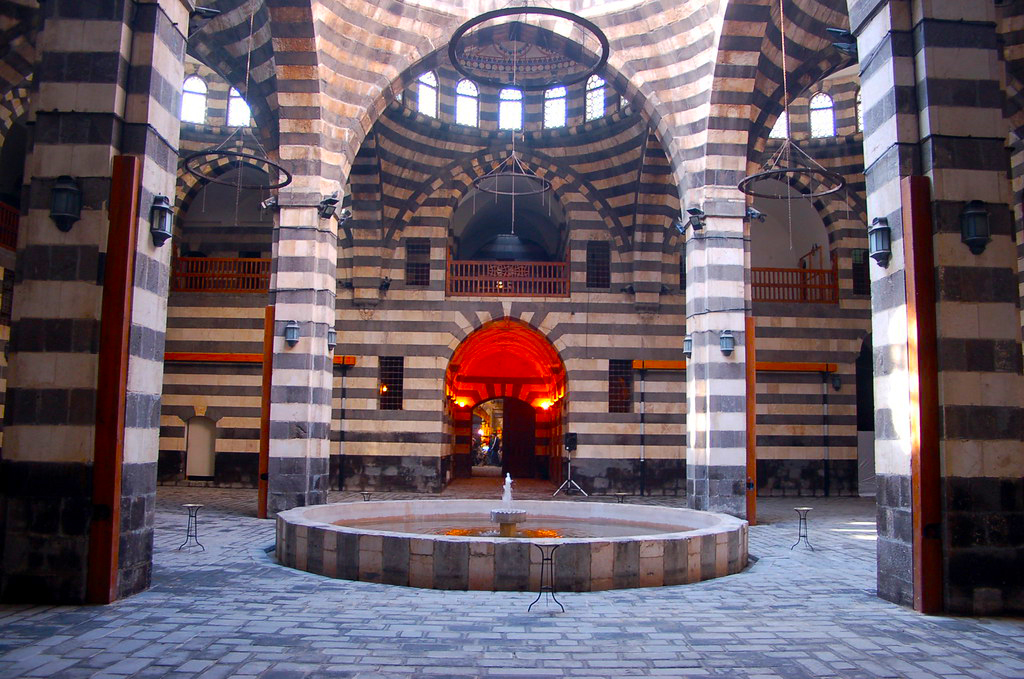
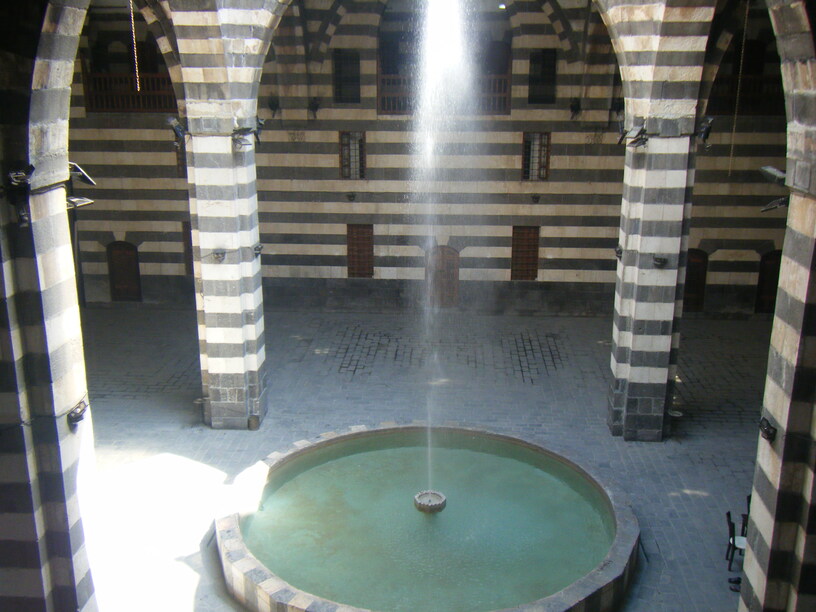
Khan As’ad Pasha (خَان أَسْعَد بَاشَا) Tucked inside the bustling Al-Buzuriyah Souq, Khan As’ad Pasha is one of the most impressive caravanserais in the Middle East. Built in 1752 during Ottoman rule, it once hosted merchants, travelers, and their goods passing through Damascus. Today, it stands as a beautifully restored cultural site, showcasing grand domes, symmetrical arches, and intricate black-and-white stonework. Its spacious courtyard and central dome hall are a peaceful escape from the busy souq outside. Whether you’re interested in history, architecture, or photography, Khan As’ad Pasha offers a glimpse into the elegant legacy of Ottoman Damascus. A hidden gem worth discovering.
| Feature | Details |
|---|---|
| Name | Khan As’ad Pasha (Arabic: خان أسعد باشا) |
| Location | Al-Buzuriyah Souq, Old Damascus |
| Built | 1752 by Ottoman governor As’ad Pasha al-Azm |
| Purpose | Caravanserai (inn for traders and travelers) |
| Architectural Style | Ottoman with Islamic dome structure and marble courtyards |
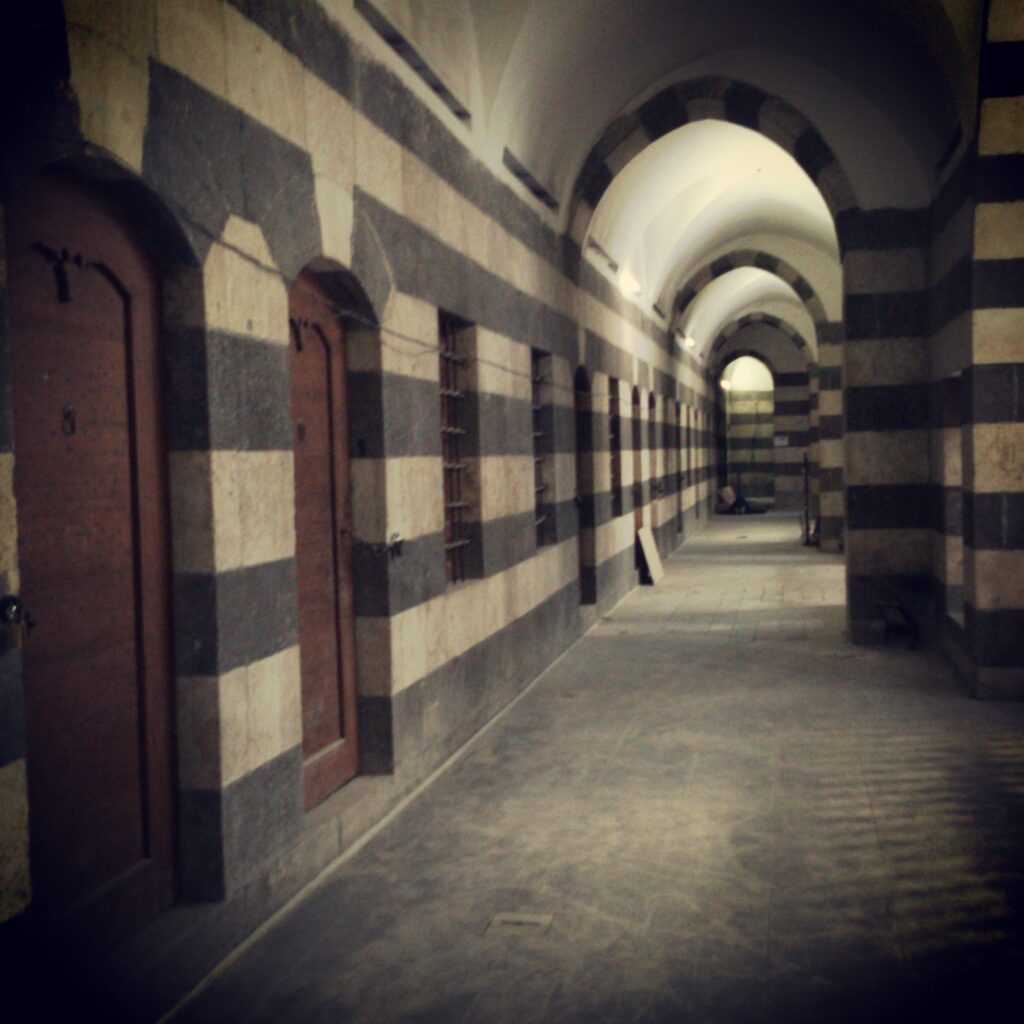
| Main Features | Central dome hall, black-and-white stonework (ablaq), large courtyard |
| Visiting Hours | Usually open daily during daytime hours |
| Dress Code | Modest clothing recommended |
| Photography | Allowed |
| Best Time to Visit | Morning or late afternoon for soft light and fewer crowds |
Why Visit?
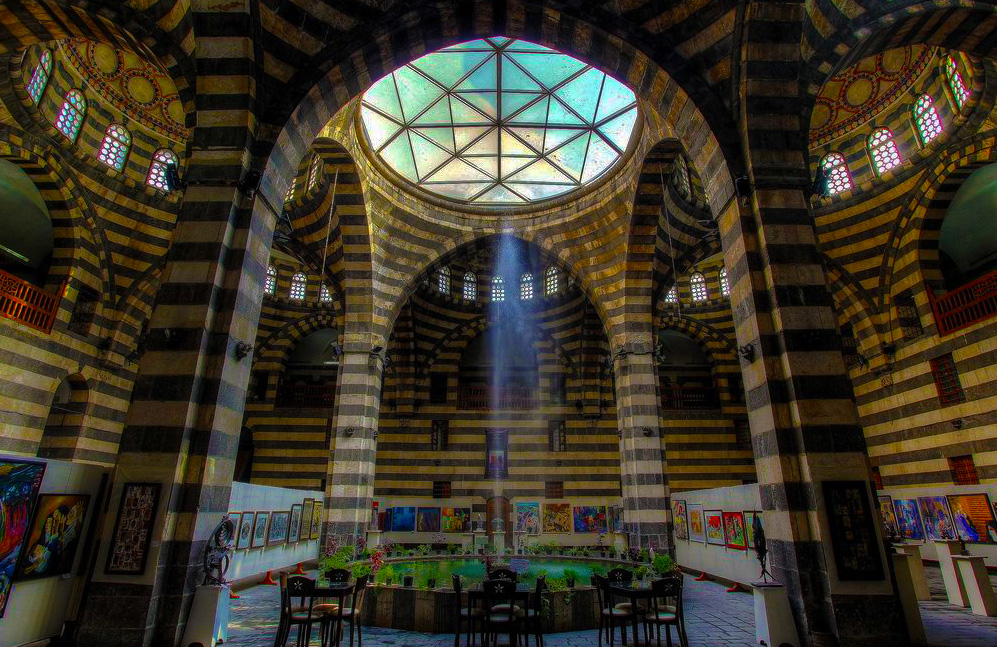
Khan As’ad Pasha is one of the most magnificent architectural landmarks in Old Damascus and a masterpiece of Ottoman urban design. Built in the mid-18th century by Governor As’ad Pasha al-Azm, it served as a grand caravanserai—an inn for merchants and travelers along the historic trade routes that connected Damascus to Baghdad, Mecca, and Istanbul. Today, Khan As’ad Pasha stands as a stunning reminder of the city’s prosperity during the Ottoman period and its importance as a commercial and cultural crossroads.
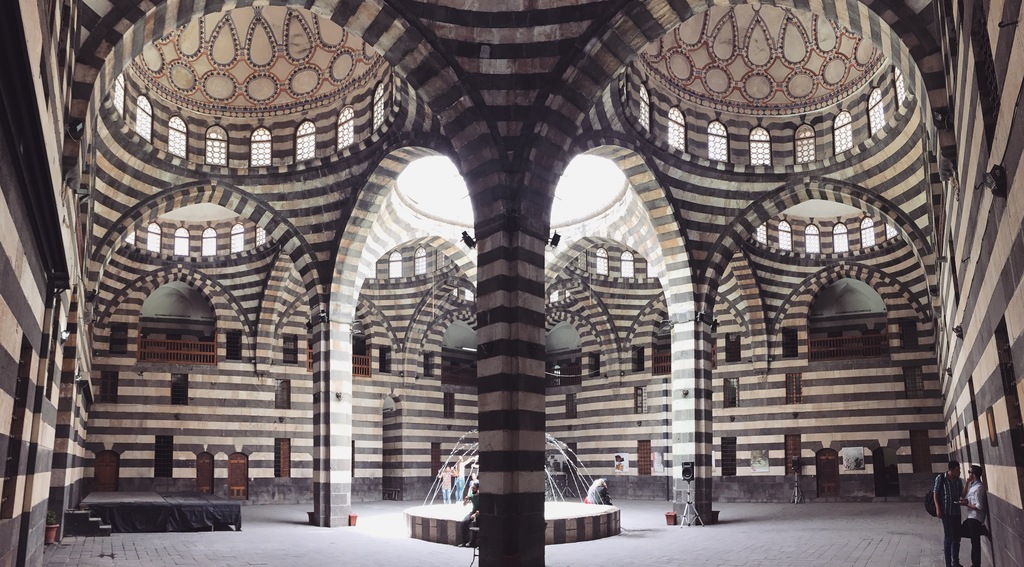
The khan is particularly admired for its striking architectural harmony and its impressive central courtyard, paved with black and white marble and topped with eight grand domes. The symmetrical layout, elegant arches, and balanced use of light and space make it one of the most photographed sites in Damascus. Visitors often describe it as a quiet escape from the bustling souqs around it—a place where the spirit of old Damascus comes alive.
In recent years, Khan As’ad Pasha has also become a cultural venue, hosting art exhibitions, concerts, and heritage festivals. Its large open courtyard and acoustically rich domed ceiling provide the perfect setting for these events. Whether you’re an architecture enthusiast, history lover, or traveler seeking an authentic local experience, this landmark offers both visual splendor and historical depth.
How to Reach
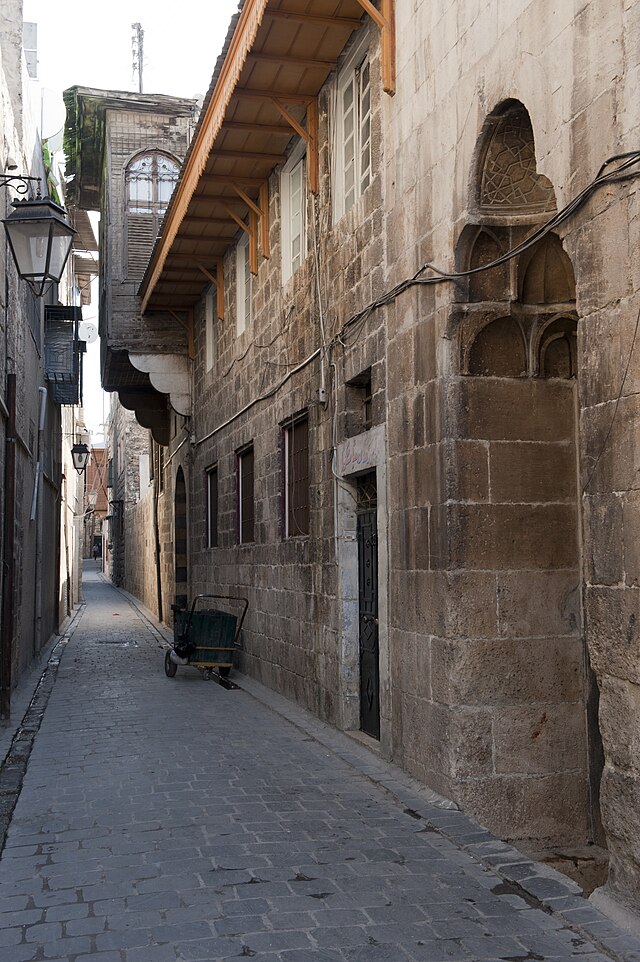
Khan As’ad Pasha is located right in the heart of Old Damascus, inside the famous Al-Buzuriyah Souq. It’s only a few minutes’ walk from the Great Mosque of Damascus (Umayyad Mosque), making it easy to include in your walking tour of the old city. If you’re coming from Bab al-Jabiya or Bab Sharqi—the main gates of Old Damascus—you can enter the souq and follow the signs or simply ask any local vendor. Everyone in the area knows this iconic khan.
Taxis and private cars can drop you near the souq entrances, as vehicles are not allowed inside the narrow historic lanes. Once you enter on foot, the short walk through spice shops, perfumeries, and sweet vendors makes the journey just as enjoyable as the destination.
What to Know Before You Go
- Entry fee is small or sometimes waived during events.
- No special dress code, but modest attire is respectful.
- The site may host temporary exhibitions—check ahead if you want to catch one.
- The area can get busy, so consider visiting early or during midday breaks.
Nearby Attractions
- Al-Buzuriyah Souq – Spice and sweet shops in a traditional market setting.
- Umayyad Mosque – Only 3–5 minutes away.
- Azem Palace – A well-preserved Ottoman house nearby.
- Straight Street (Via Recta) – A historic Roman road not far away.
- Mausoleum of Saladin – Near the Umayyad Mosque.
To read more about this topic, click here. To explore further, visit our Facebook Syria Collection for rare images and cultural highlights.