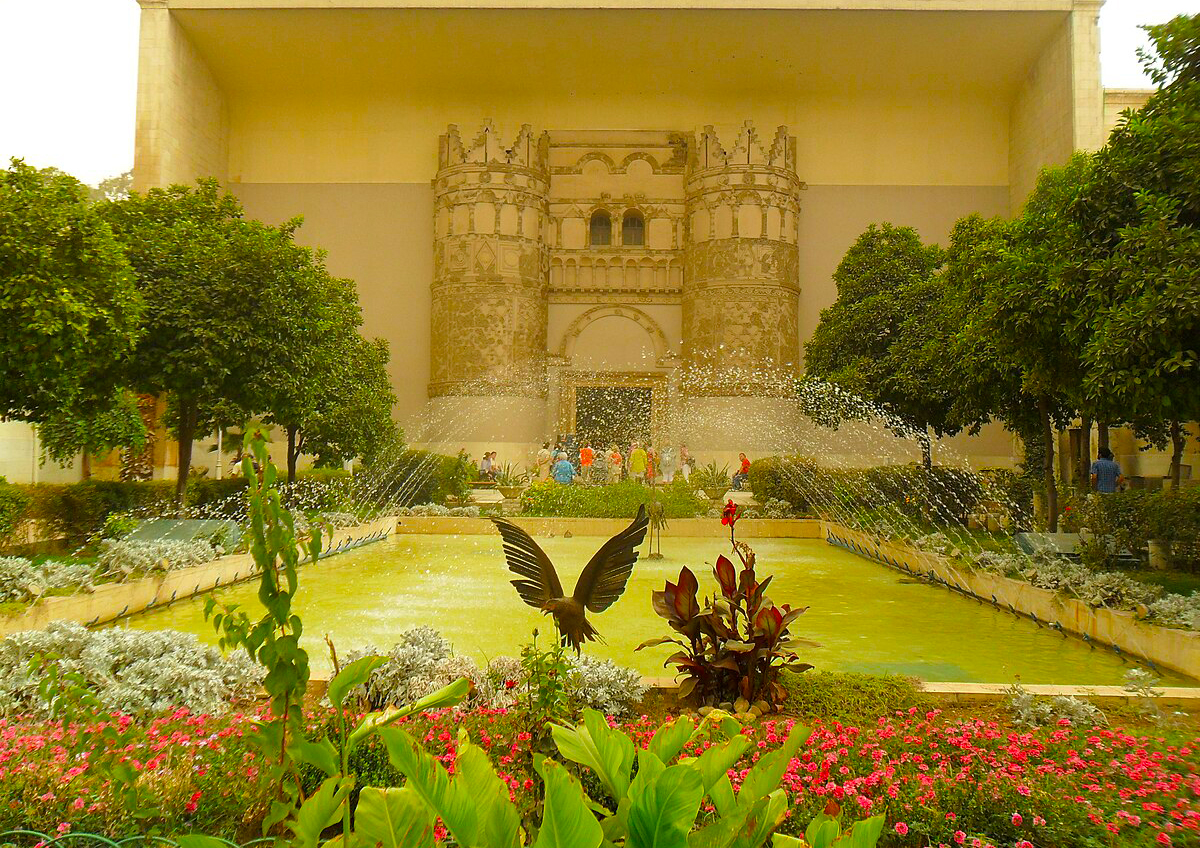
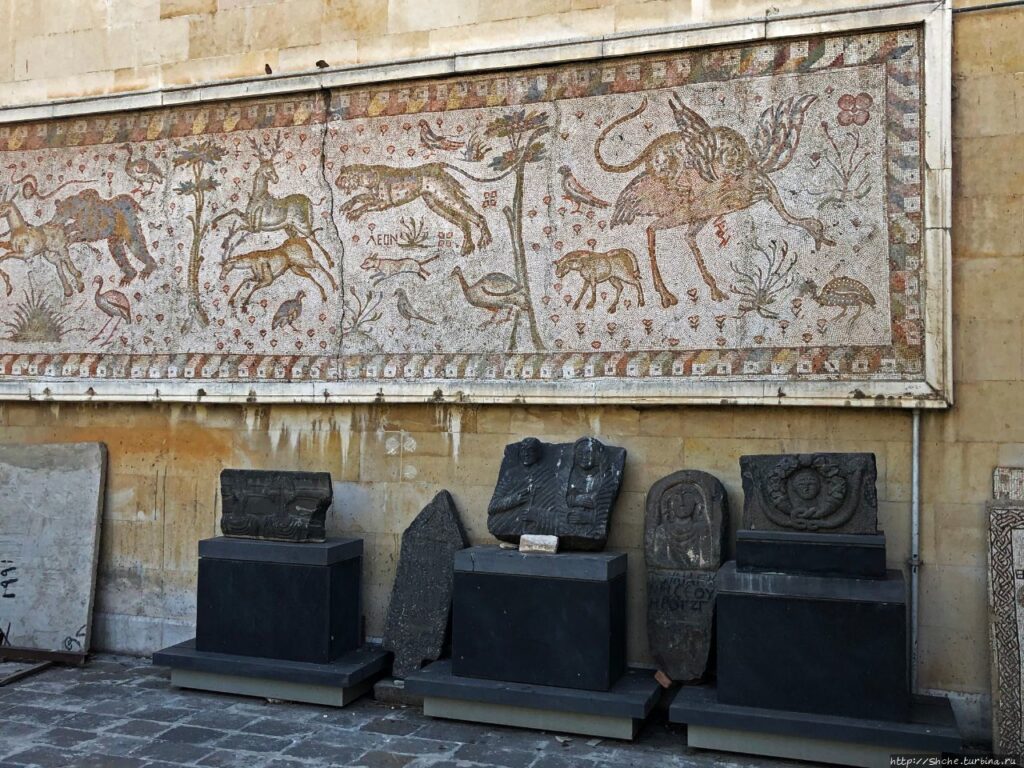
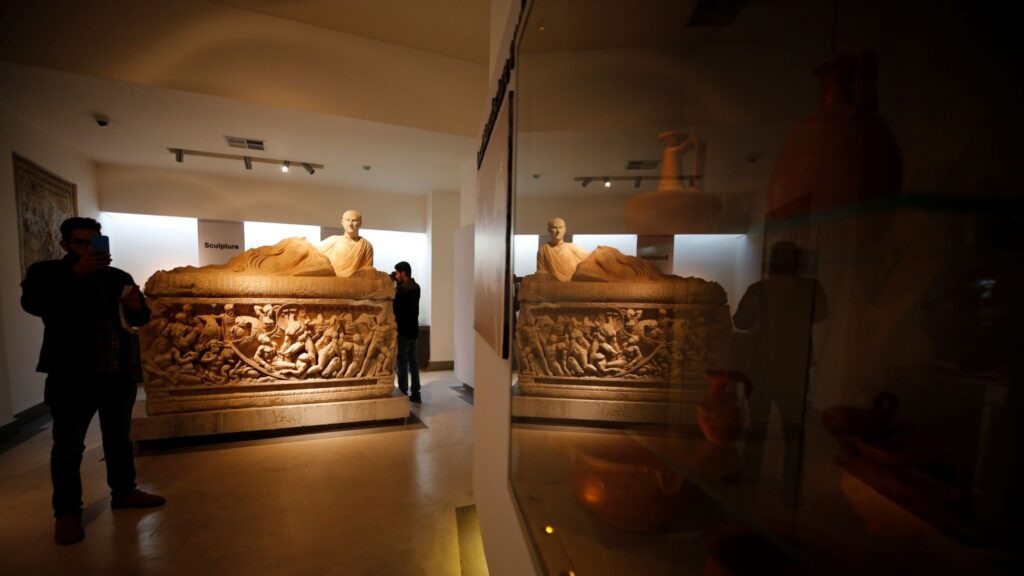
National Museum of Damascus (المتحف الوطني في دشق) is the largest and oldest museum in Syria, offering a fascinating journey through over 11,000 years of history. Established in 1919, the National Museum of Damascus houses a rich collection spanning the prehistoric, Mesopotamian, Greek, Roman, Byzantine, and Islamic eras. One of its most famous features is the full-scale reconstructed façade of the 8th-century Qasr al-Hayr al-Gharbi palace, which welcomes visitors at the entrance. Whether you are a history enthusiast, art lover, or curious traveler, the National Museum of Damascus provides unmatched insight into Syria’s ancient civilizations and cultural heritage, making it a perfect starting point for understanding the country’s deep historical roots.
| Feature | Details |
|---|---|
| Name | National Museum of Damascus (Arabic: المتحف الوطني بدمشق) |
| Location | Shukri al-Quwatli Street, near the entrance of Old Damascus |
| Established | 1919; current building opened in 1936 |
| Collection Highlights | Prehistoric tools, ancient cuneiform tablets, Greco-Roman sculptures, Islamic art |
| Special Exhibit | Reconstructed façade of the 8th-century Umayyad desert palace of Qasr al-Hayr al-Gharbi |
| Opening Hours | Typically open daily except Fridays and holidays; 9 AM – 5 PM |
| Dress Code | No strict code; modest dress recommended |
| Photography | Allowed in most areas (without flash) |
| Best Time to Visit | Weekday mornings for a quiet experience |
Why Visit?
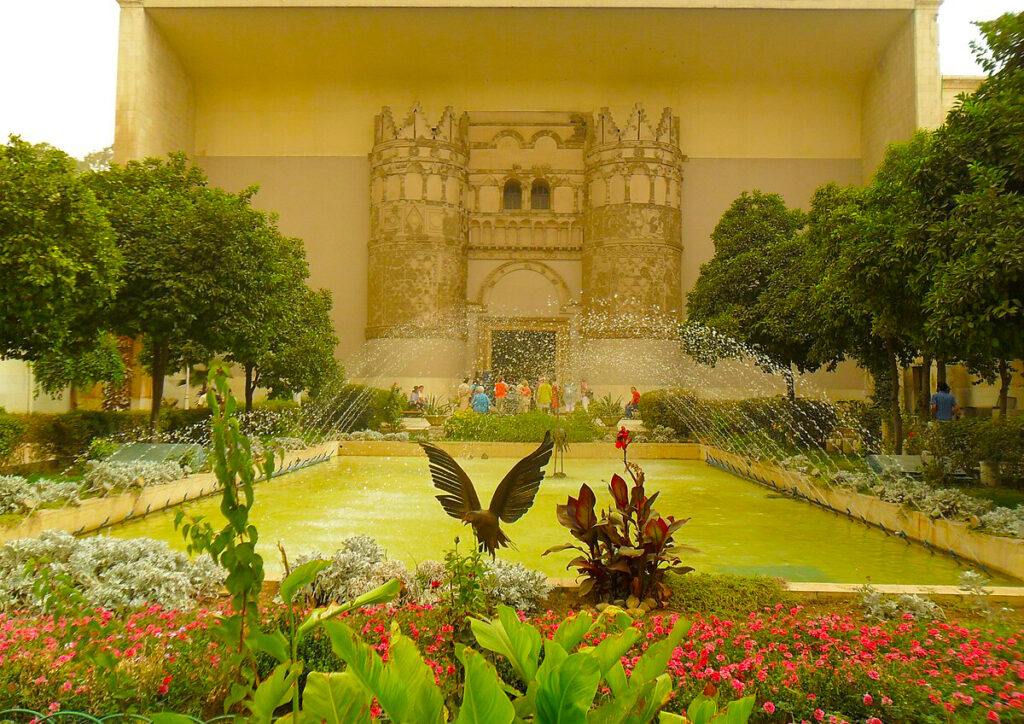
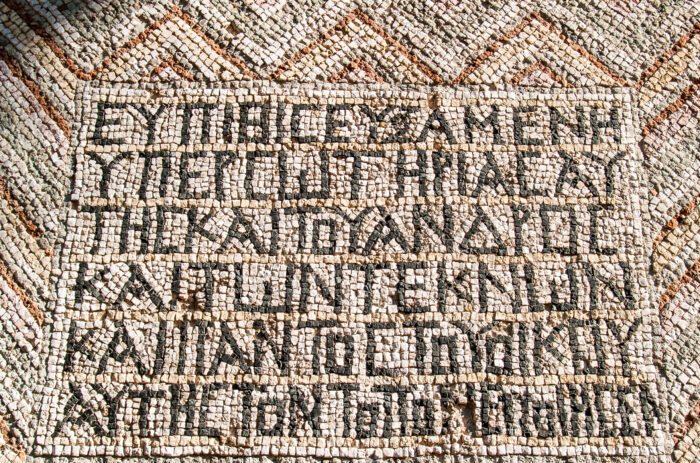
The National Museum of Damascus is a must-visit destination for anyone interested in the rich and diverse history of Syria. Its extensive collection spans over 11,000 years, covering periods from prehistoric times to the Ottoman era, offering visitors a comprehensive look at the evolution of civilization in the region. Among the museum’s most fascinating artifacts are rare pieces from Ugarit, the ancient city where the world’s first alphabet was discovered, providing invaluable insight into the origins of written language.
Visitors can also admire exquisite examples of Islamic calligraphy, textiles, ceramics, and metalwork, each showcasing the remarkable craftsmanship of past societies. One of the museum’s standout features is the reconstructed façade of the 8th-century Qasr al-Hayr al-Gharbi palace, displayed at the entrance. This full-scale architectural reconstruction allows visitors to experience a piece of Syria’s architectural heritage and provides context for the grandeur of early Islamic palaces. Beyond the artifacts, the National Museum of Damascus highlights how a diverse range of cultures—including Aramaean, Assyrian, Greek, Roman, Byzantine, and Arab civilizations—shaped the history, art, and traditions of Syria and the wider Near East.
The museum is an ideal destination for history enthusiasts, art lovers, scholars, and travelers seeking a deep understanding of Syrian culture. Whether exploring the prehistoric tools, classical sculptures, or Islamic art galleries, visitors will find a wealth of information that connects the ancient past to the modern world. The National Museum of Damascus also serves as an educational hub, offering visitors the opportunity to appreciate the role Syria played in global trade, law, religion, and art throughout the millennia.
How to Reach


The National Museum of Damascus is conveniently located on Shukri al-Quwatli Street, just outside the western walls of Old Damascus. If you are near Merjeh Square or Bab al-Jabiya, the museum is within walking distance. Taxis and rideshare services are familiar with the location—simply ask for “al-Matḥaf al-Waṭani.” The museum is also accessible via major bus routes and shared taxis, making it easy to reach from anywhere in central Damascus. Its location near the Old City makes it a perfect starting point for a historical and cultural tour of Damascus.
What to Know Before You Go
- Entry is affordable, with discounted prices for students and groups.
- Most exhibits have Arabic and English descriptions.
- Photography without flash is allowed—ask before photographing special items.
- Allow at least 1–2 hours to explore the museum thoroughly.
- Check opening times in advance, as they may vary slightly.
Nearby Attractions
- Tishreen Park – A nice green space for walking or resting after the museum.
- Umayyad Mosque – Around a 10–15 minute walk into the Old City.
- Al-Hamidiyah Souq – Traditional market experience, perfect for shopping and local snacks.
- Azem Palace – Another cultural highlight just inside Old Damascus.
- Khan As’ad Pasha – A beautiful caravanserai in the nearby souq area.



To read more about this topic, click here. To explore further, visit our Facebook Syria Collection for rare images and cultural highlights.