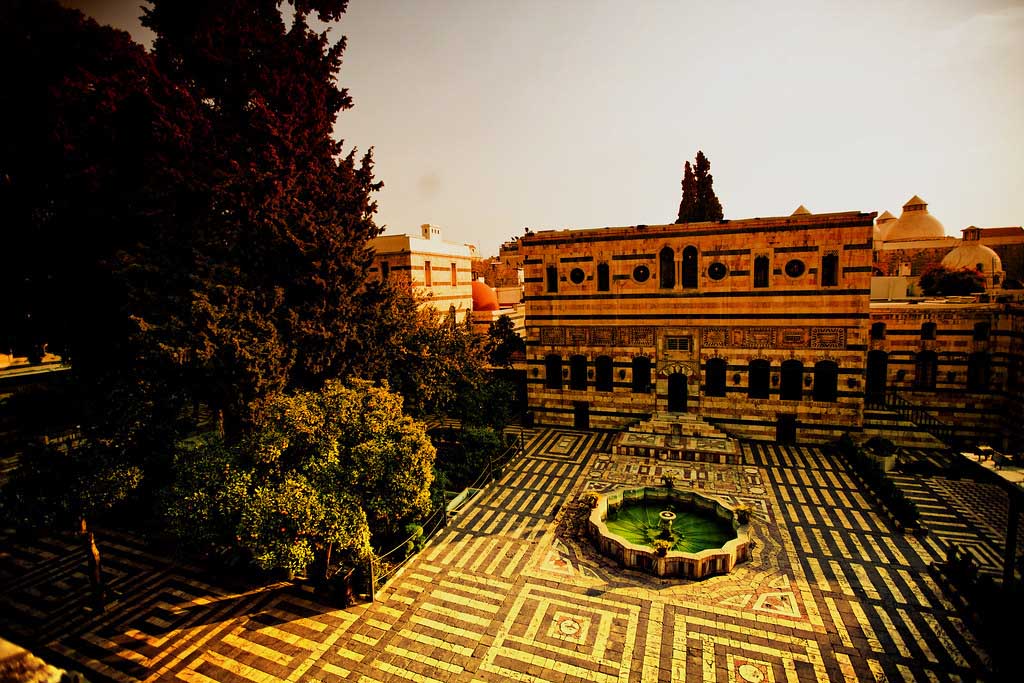
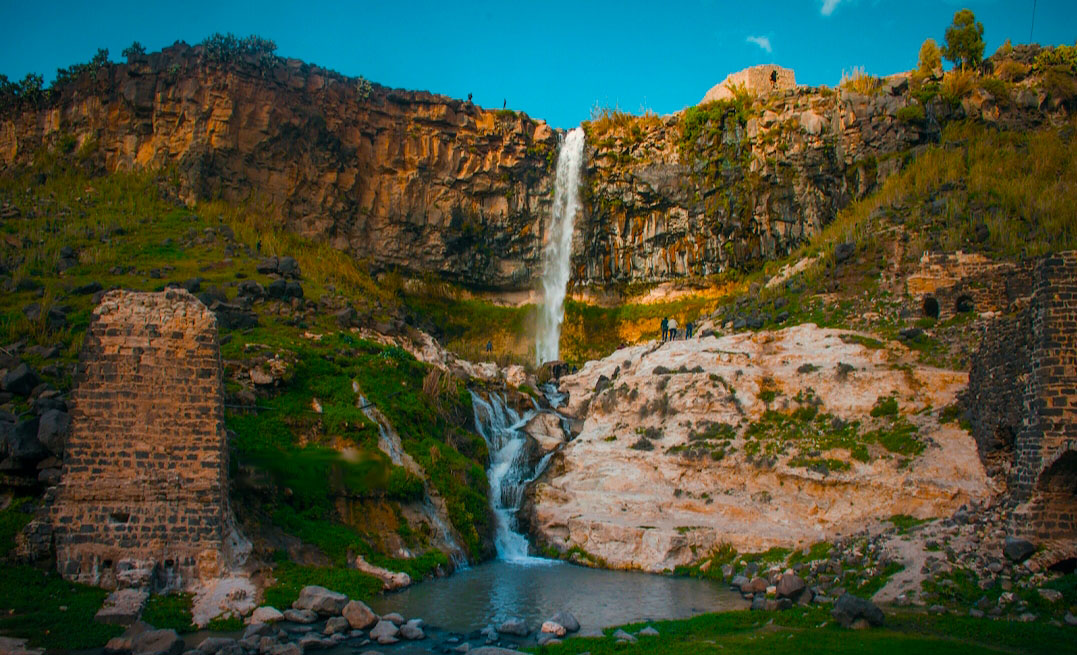
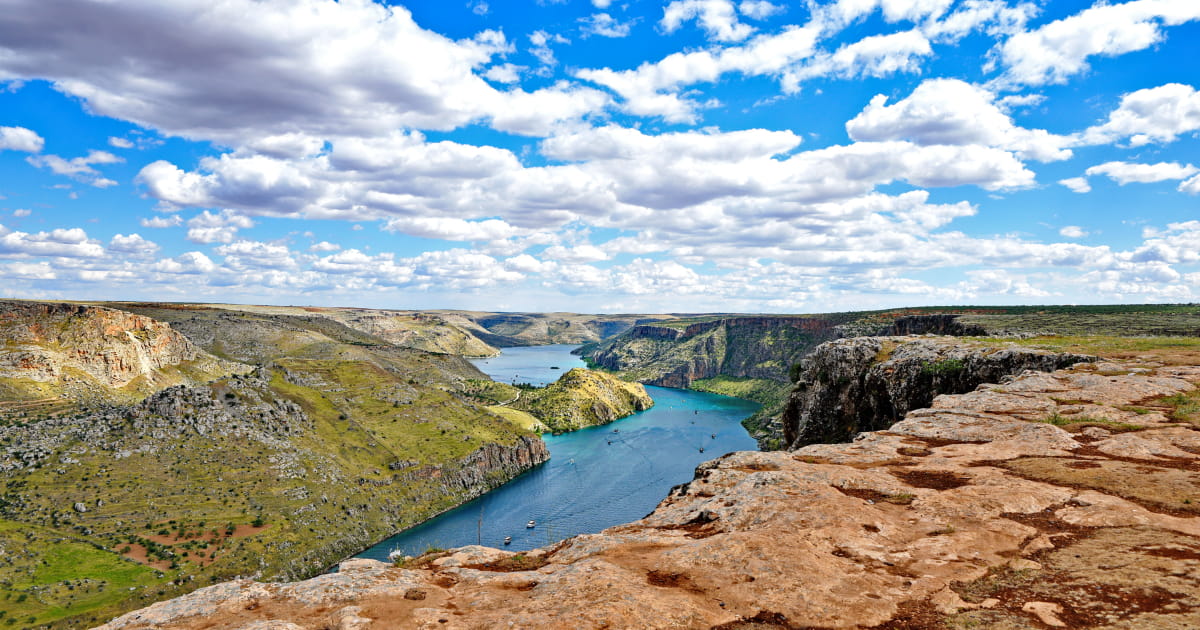
The Ancient City of Bosra: Theater, Fortress, and Roman Legacy: Nestled in southern Syria near the Jordanian border, Bosra al-Sham stands as one of the country’s most extraordinary archaeological treasures. Recognized by UNESCO as a World Heritage Site, Bosra offers visitors an unparalleled journey into Roman, Byzantine, and Islamic history, all contained within a single, walkable area. The city’s iconic Roman theater, enveloped by later Islamic fortifications, sits at the heart of a sprawling ancient city filled with temples, churches, gates, and bathhouses. This guide offers all the information a traveler needs to fully appreciate Bosra, whether they are history lovers, architecture enthusiasts, or simply curious visitors seeking something timeless.
Bosra | Quick Info
| Topic | Quick Info |
|---|---|
| Name | Bosra (Bosra al-Sham) / بصرى الشام |
| Location | Southern Syria, near the Jordanian border |
| Historical Period | Founded before Roman period, major Roman development c. 2nd century CE |
| UNESCO Status | World Heritage Site since 1980 |
| Archaeological Importance | Well-preserved Roman theater, Byzantine and Islamic fortifications, temples, churches, gates, and bathhouses |
| Key Features | Roman theater, city walls, Islamic fort, ancient streets and monuments |
| Role in History | Important Roman provincial capital and trade center; later Byzantine and Islamic city |
| Current Status | Open archaeological site and tourist destination |
| Significance | A rare site where Roman, Byzantine, and Islamic heritage coexist in a walkable ancient city |
Roman Theater of Bosra
A Theater of Black Basalt
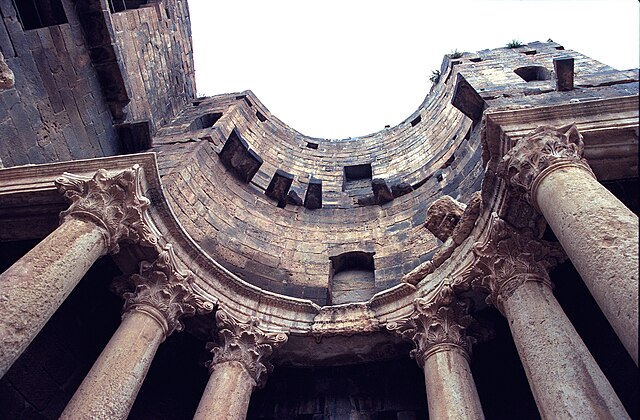
Bosra’s Roman theater is widely considered one of the best-preserved Roman theaters in the world. Built in the 2nd century AD, likely during the reign of Emperor Trajan, the theater is unique not only for its size and condition but also for the black basalt stone used in its construction—a material that sets it apart visually from other Roman theaters built in limestone or marble.
Design and Capacity
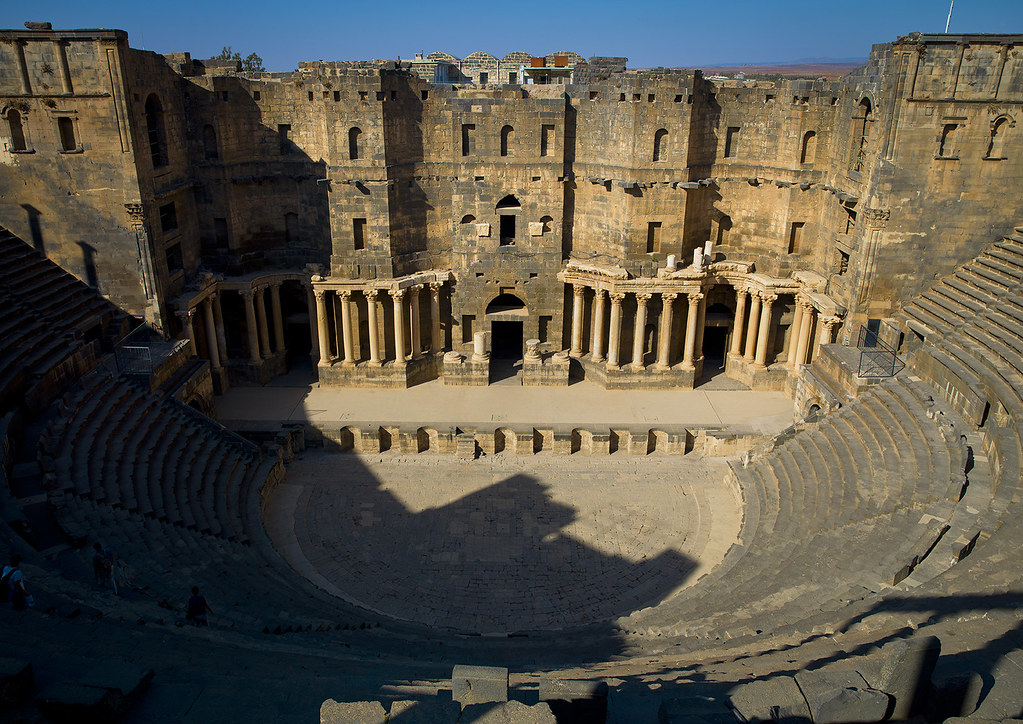
The theater originally seated around 15,000 people, making it one of the largest in the Roman Empire. It includes:
- A semi-circular orchestra
- Three tiers of seating divided by horizontal passageways (diazomata)
- A towering stage wall (scaenae frons) that remains intact
The acoustics are exceptional even today, and concerts have occasionally been held here during more peaceful times.
Unique Preservation
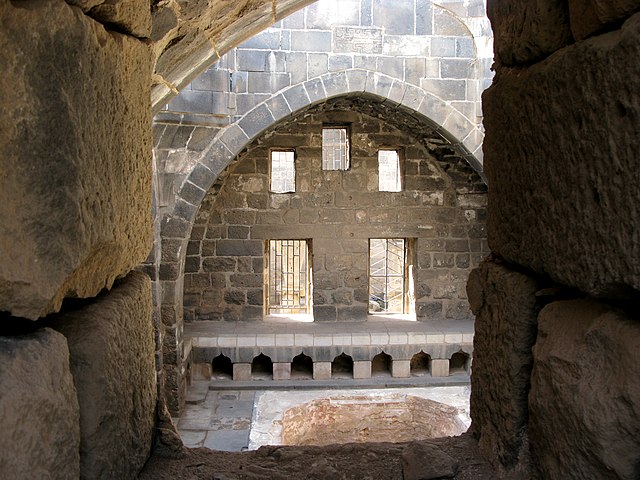
What makes Bosra’s theater especially unique is the fact that it was later encased by an Islamic fortress, preserving the inner structure from weather and damage over the centuries. This unexpected protection has allowed it to remain largely intact, offering visitors a rare chance to experience a Roman theater as it would have appeared in antiquity.
The Fortress of Bosra
A Fortress Built on Roman Foundations
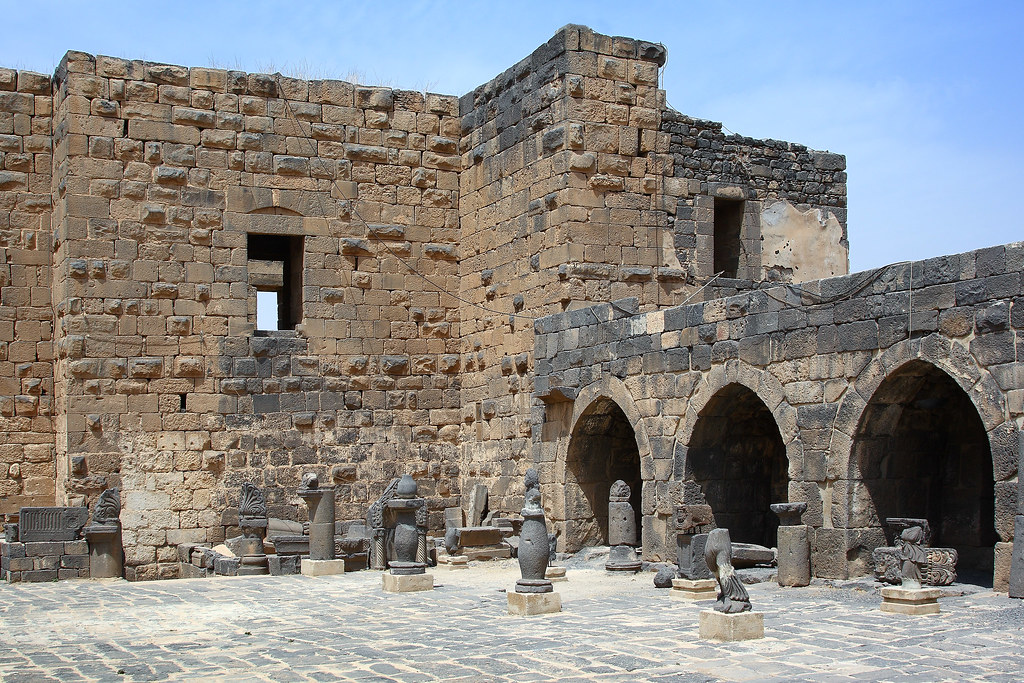
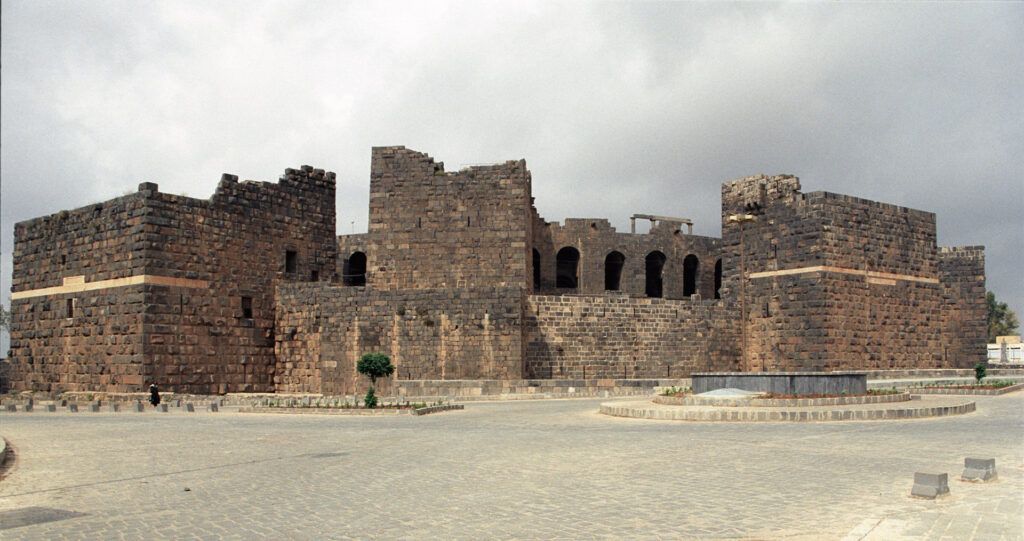
During the Islamic period, particularly in the Ayyubid and later Mamluk eras (12th to 14th centuries), the theater was transformed into a fortress. Massive stone towers and walls were added around the Roman structure, turning the entertainment venue into a military stronghold.
Strategic Purpose
Bosra sat on the frontier of Islamic territories, close to Crusader states and later Ottoman lands. Converting the Roman theater into a castle allowed the defenders to take advantage of its elevated seating and stone construction.
Touring the Fortress
Visitors today can climb the towers and walk along the ramparts, gaining stunning views of the theater interior, the ancient city, and the surrounding plains. Key features include:
- Eight massive defensive towers
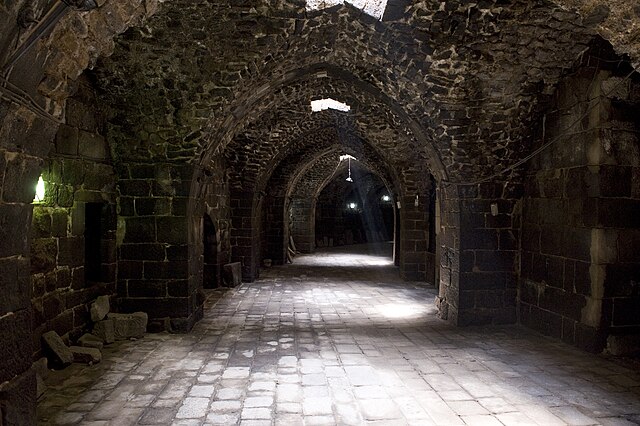
- Fortified gates and corridors
- Access points to the upper seating areas of the Roman theater
Walking through these fortifications provides a unique experience of military architecture layered directly atop Roman grandeur.
The Ancient City of Bosra
Streets of History
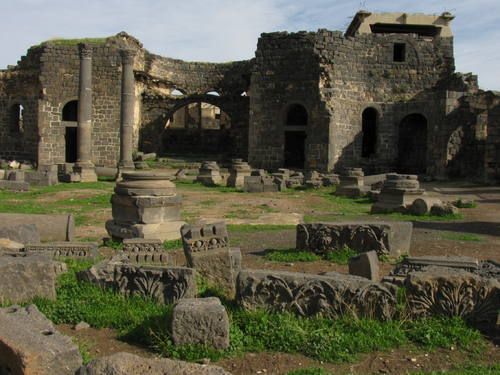
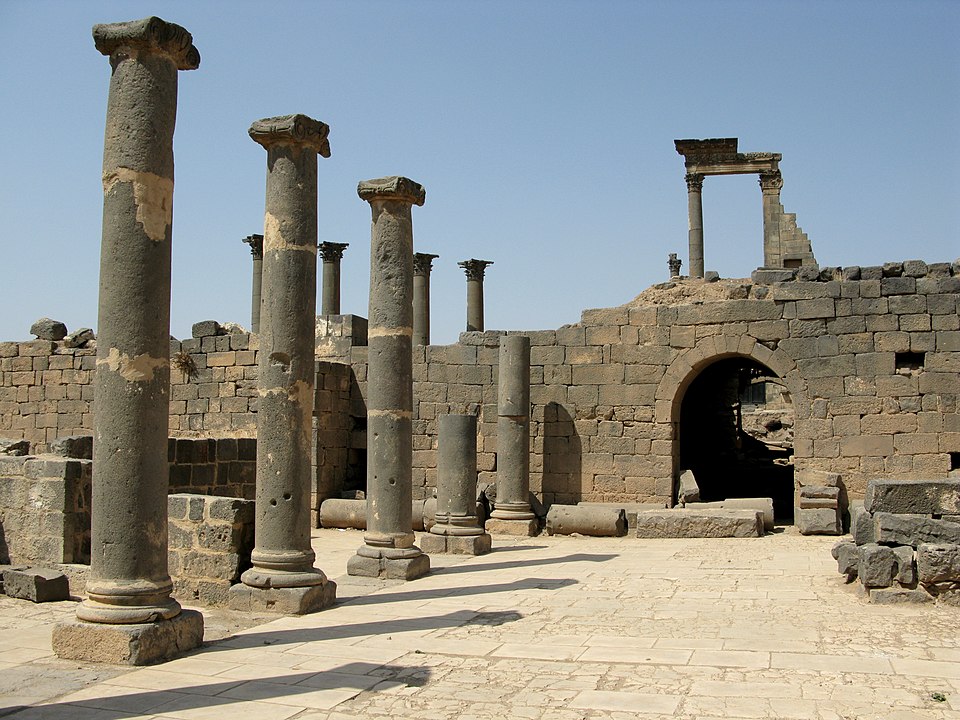
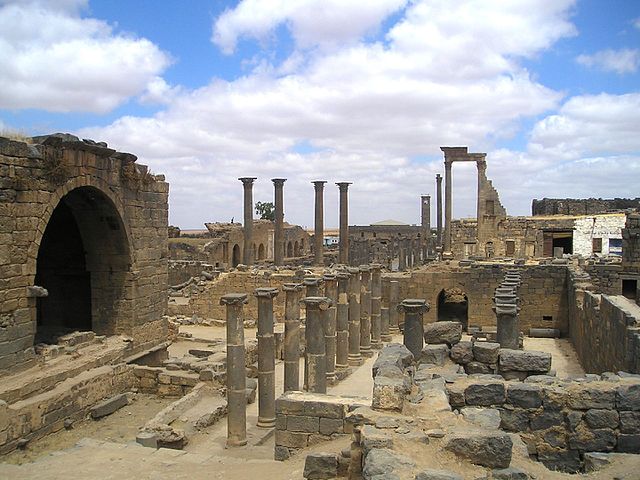
Outside the theater and fortress complex lies the broader archaeological site of Bosra—a city that once served as the capital of the Roman province of Arabia. The ruins stretch across a large area and include structures from Roman, Byzantine, and early Islamic times.
Notable Structures
Among the many remnants worth visiting are:
The Cardo Maximus
The main colonnaded street of Roman Bosra still bears ruts from ancient chariot wheels. Lined with column bases and fallen capitals, it gives a sense of the city’s past urban splendor.
Cathedral of Bosra
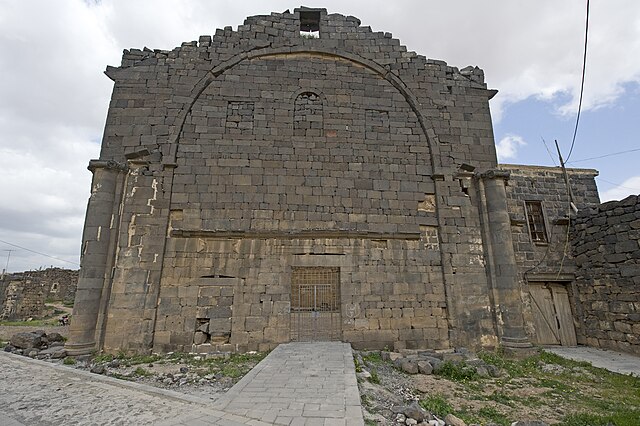
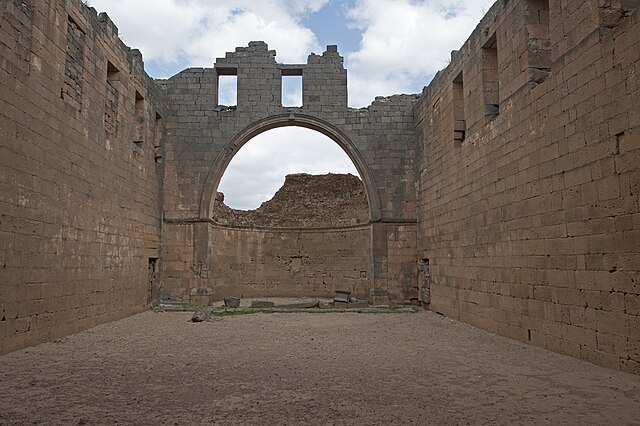
One of the oldest Christian churches in Syria, built in the 6th century. The structure is largely ruined but gives insight into early Byzantine architecture and the religious history of the region.
Roman Baths
The remains of thermal baths, including hot rooms, water channels, and furnaces, demonstrate the sophistication of Roman engineering and daily life.
Nabatean and Roman Temples
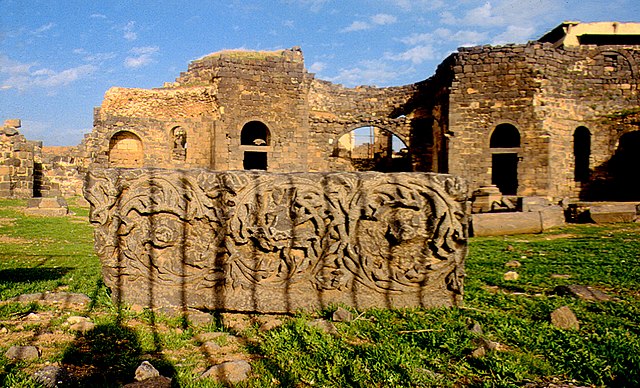
There are ruins of temples, including a large Nabatean temple that predates Roman rule, highlighting Bosra’s earlier connections with Petra and the Nabatean kingdom.
Markets and Caravanserais
The city was a key stop on the ancient trade routes, and you can still see remnants of large public buildings and marketplaces that served travelers, pilgrims, and merchants.
Living City Layers
What makes Bosra particularly special is that many of its ruins are integrated with more recent buildings. Even today, some families live among the ruins in modest homes built into ancient walls, giving Bosra a living, breathing atmosphere that bridges millennia.
Visiting Bosra Today
How to Get There
Bosra is located approximately 140 km south of Damascus and is accessible by car or organized tour. The drive takes about two to three hours, depending on road conditions.
Best Time to Visit
Spring (March to May) and early autumn (September to October) offer the best weather, with mild temperatures and green surroundings.
Tickets and Entry
As of the latest updates, tickets are available at the main entrance. Entry fees may vary for locals and foreigners, and guided tours are recommended for a deeper understanding of the site.
Safety and Considerations
Travelers should check current security conditions before planning a trip, as the region has experienced fluctuations in safety in recent years.
Highlights Not to Miss
1. Center Stage Photo
Stand at the exact center of the theater’s orchestra and speak—you’ll be amazed at how clearly your voice carries to the top row.
2. Climb the Fortress Walls
The view from the fortress tower over the city ruins and surrounding countryside is breathtaking.
3. Sunset Over the Black Stone
If you can time your visit for late afternoon, the black basalt glows softly in the setting sun—a perfect time for photography.
See Also: Shahba and Qanawat
Conclusion
Bosra al-Sham is more than a single monument; it’s an entire city of stone where Roman, Byzantine, and Islamic civilizations converge. Walking through Bosra is like flipping through a living textbook of world history, all set in the quiet and hauntingly beautiful landscape of southern Syria. Whether you’re fascinated by classical theaters, medieval fortifications, or ancient urban life, Bosra offers a rare and unforgettable experience that few places in the world can match.
Finally.. If you have any questions, please contact us. To explore further, visit our website gallery for rare images and cultural highlights.
Sources & References:
UNESCO – World Heritage Centre: https://whc.unesco.org
Archnet – Architecture & Heritage Database: https://www.archnet.org
World History Encyclopedia: https://www.worldhistory.org
Syrian Heritage Archive Project: https://syrian-heritage.org
Global Encyclopedia: Wikipedia