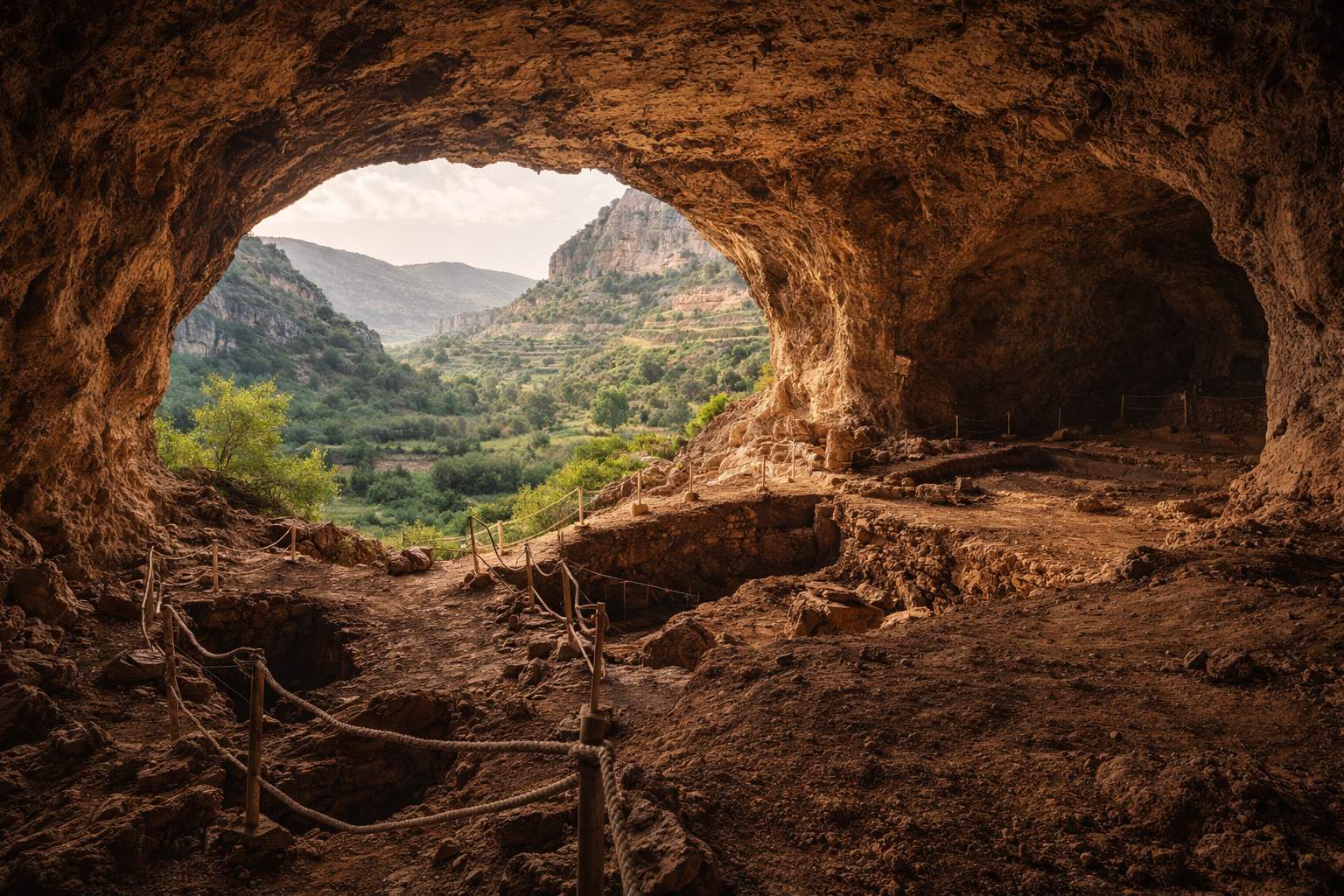
Caves in Syria: When people discuss Syrian tourism, they often focus on the Umayyad Mosque or the ruins of Palmyra. However, the true “hidden gems” of the Levant are the Caves in Syria. This country possesses a geological and archaeological heritage beneath its surface that rivals any in the world. From the prehistoric homes of early humans to the shimmering crystal cathedrals of the coastal mountains, exploring Caves in Syria offers a journey through millions of years of history.
This guide provides an in-depth look at 15 remarkable Caves in Syria, categorized to help travelers, scientists, and adventurers find their next destination.
Quick Facts: The Major Caves in Syria at a Glance
| Cave Name | Location | Category | Primary Significance |
| Dederiyeh | Afrin | Scientific | World-famous Neanderthal skeletons. |
| Musa Cave | Bloudan | Touristic | Underground lake; boat rides; art. |
| Al-Dawayat | Mashta al-Helou | Touristic | 20M-year-old “Windows of Light.” |
| St. Tekla | Maaloula | Religious | Sacred pilgrimage site; miraculous cleft. |
| Afqa Cave | Palmyra | Historical | Ancient sacred sulfur spring. |
| Beit al-Wadi | Dreikish | Adventure | Underground river; Neolithic history. |
| Jouit Cave | Sheikh Badr | Adventure | Massive lakes; the “Giant Pillar.” |
| Hwat al-Jabab | Al-Qadmous | Nature | 35m-deep prehistoric sinkhole. |
| Al-Durra | Tartus/Hama | Local Gem | The “Pearl” of luminous crystals. |
| Ariqa Cave | Suwayda | Touristic | The most famous and accessible volcanic lava tube in Syria. |
| Al-Huwa | Mashta al-Helou | Pro-Expert | Vertical chasm for rappelling. |
| Qanawat | Suwayda | Historical | Ancient Roman water conduits. |
| Al-Wadi Cave | Marmarita | Touristic | Popular valley cave in Wadi al-Nasara. |
| Dalba Spring | Dreikish | Nature | Lush cave surrounding a famous spring. |
| Al-Dabaa | Salanfeh | Archaeological | Stone Age tools and rugged hiking. |
I. Scientific and Religious Caves
Dederiyeh Cave (Afrin) – (مغارة الديدرية)
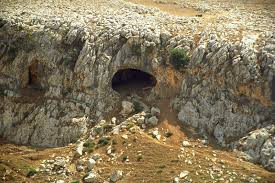
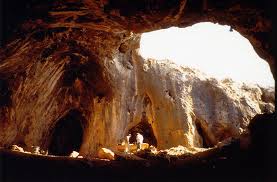
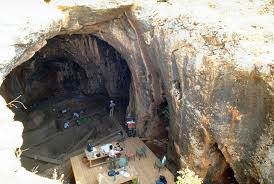
Located in the Afrin region, Dederiyeh Cave is globally recognized as one of the most important Paleolithic sites in the Middle East. Dederiyeh Cave gained international fame after the discovery of nearly complete Neanderthal infant skeletons, proving that early humans practiced intentional burial rituals over 50,000 years ago. As a premier archaeological monument, Dederiyeh Cave serves as a “Stone Age Archive,” housing thousands of prehistoric flint tools and ancient hearths. For researchers and history enthusiasts, Dederiyeh Cave remains an unmatched destination for understanding the dawn of human social complexity.
St. Tekla Grotto (Maaloula)
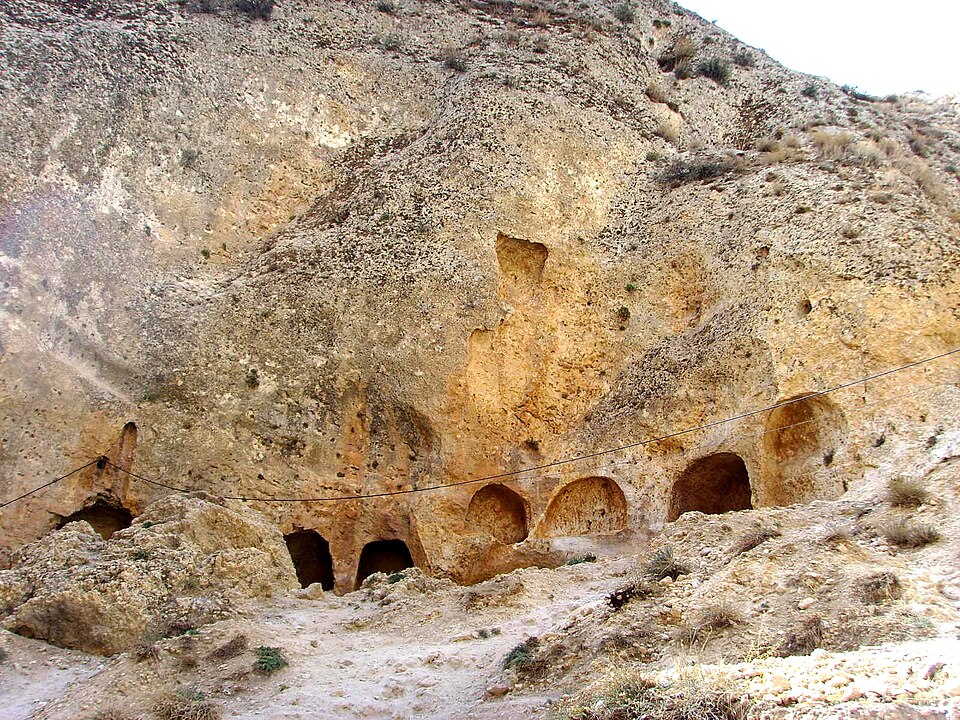
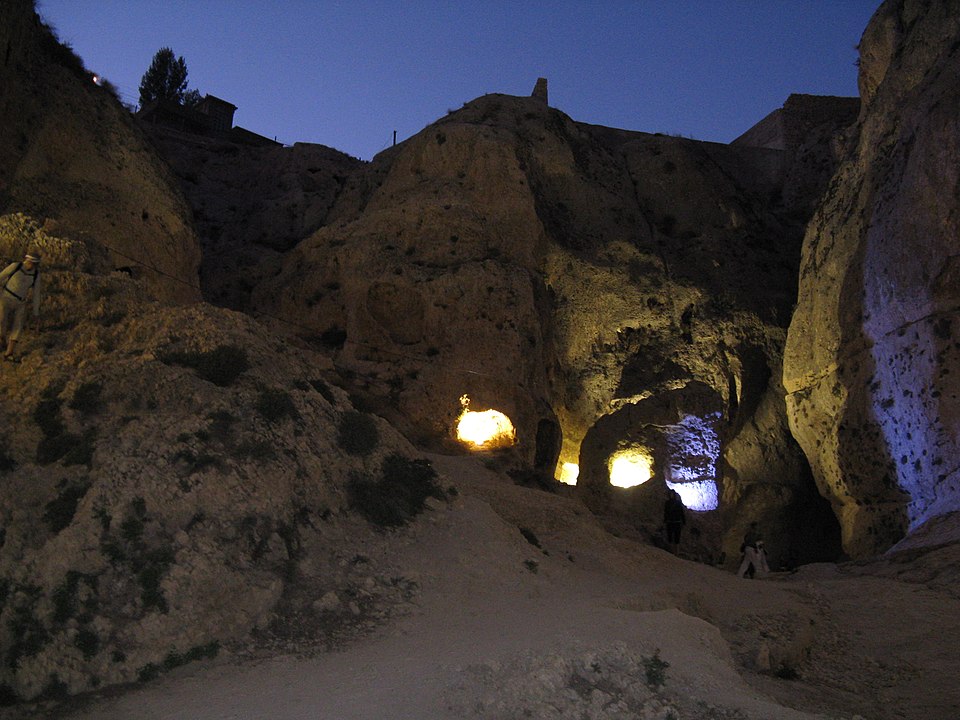
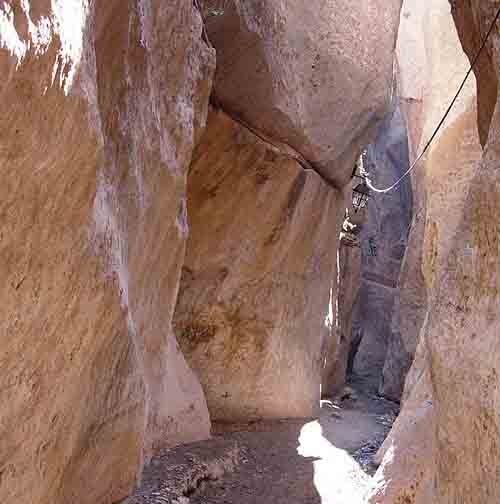
The Grotto of St. Tekla is one of the most visited religious Caves in Syria. Located in the historic village of Maaloula, where Aramaic is still spoken, this site is a place of pilgrimage. Legend says the mountain split open to provide a passage for St. Tekla. It features a sacred spring and an atmosphere of profound spiritual peace, making it a unique entry in the list of Caves in Syria.
Afqa Cave (Palmyra)
Palmyra’s greatness was built upon the Afqa Cave. This is one of the few desert-based Caves in Syria that houses a natural sulfur spring. In ancient times, the waters of Afqa were considered a gift from the gods, and the cave served as a sanctuary. It represents the vital link between the geological wonders and the survival of ancient desert civilizations.
II. Top Touristic Caves in Syria (Comfort & Splendor)
Musa Cave (Bloudan) – (مغارة موسى)
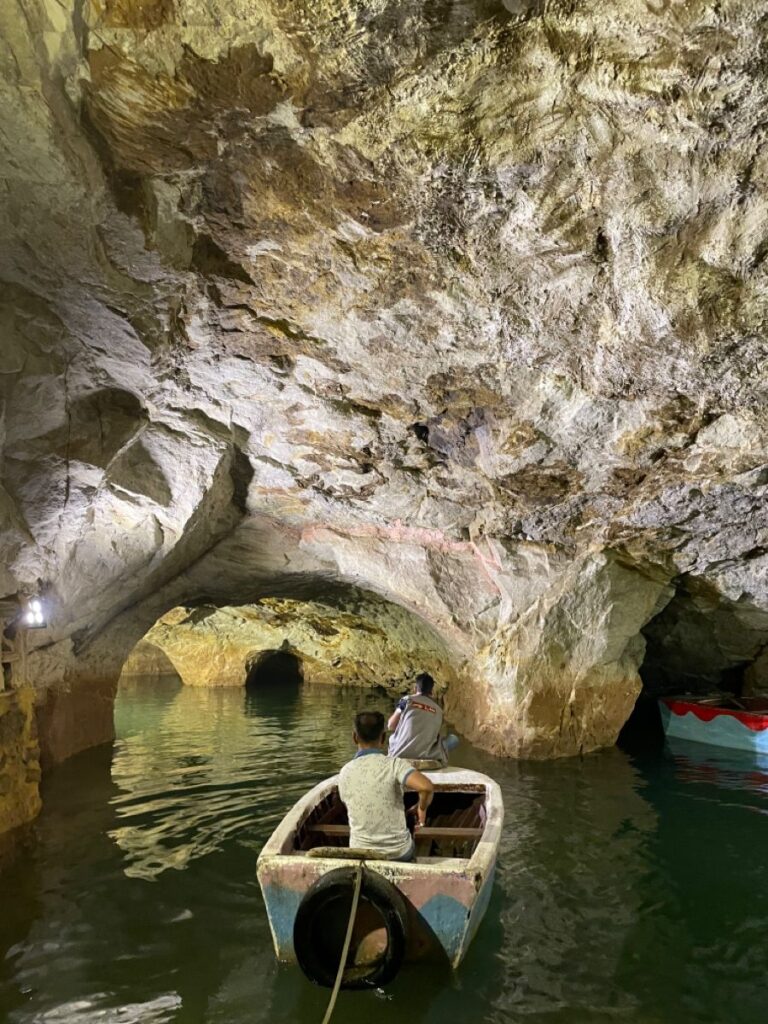
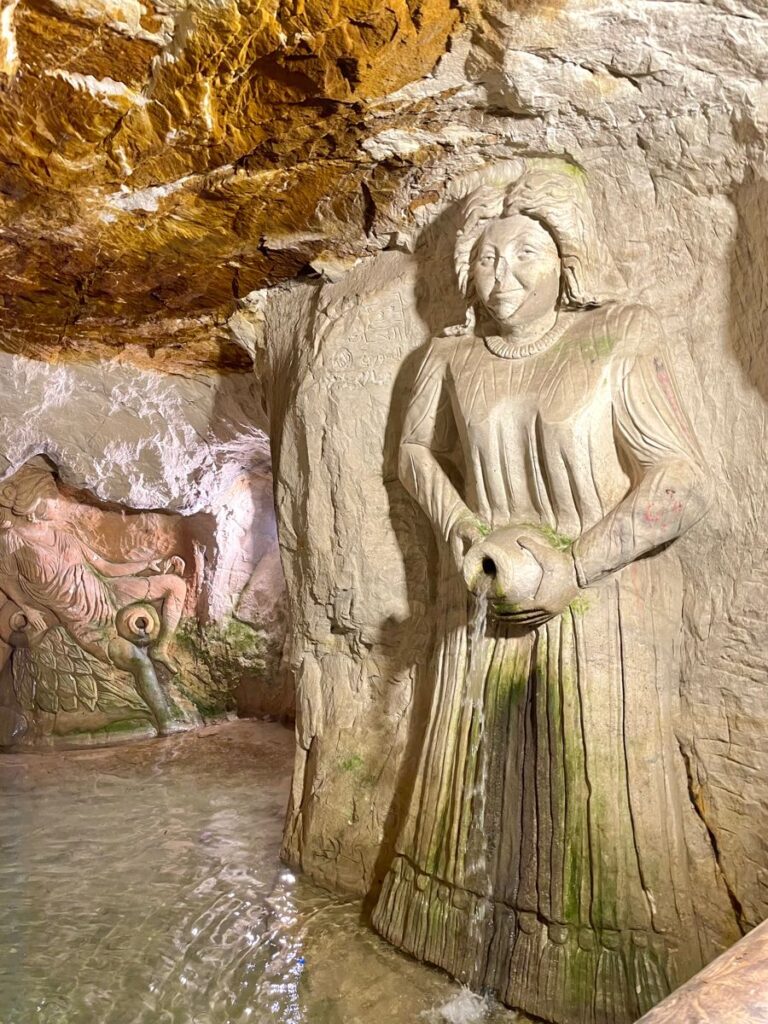
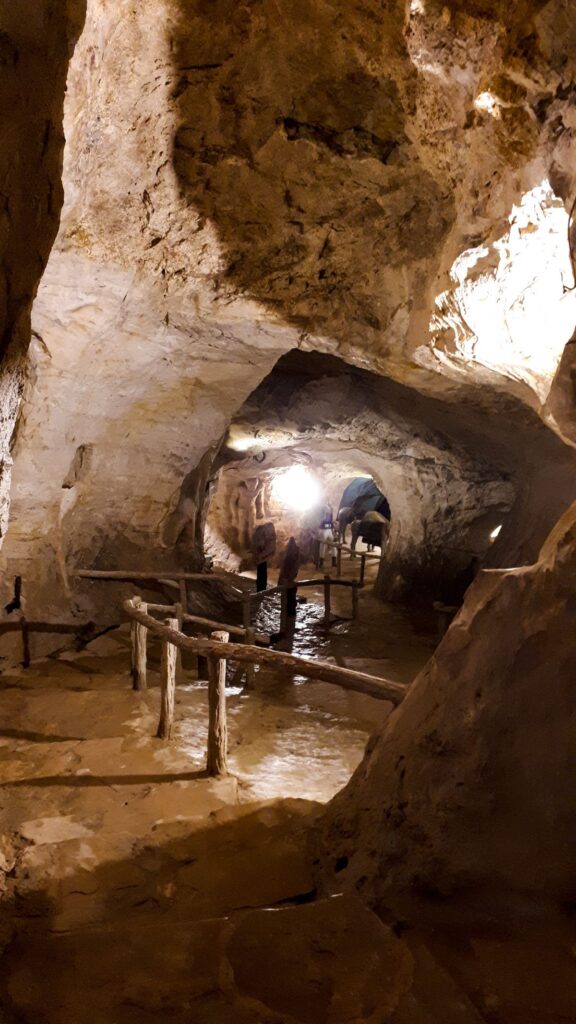
Located in the scenic heights of Bloudan, Musa Cave is widely considered the most popular and visitor-friendly cavern in the country. What sets Musa Cave apart is its unique blend of natural geology and hand-carved artistry, featuring an expansive underground lake where tourists can enjoy tranquil boat rides. As a top-tier destination, Musa Cave also houses an impressive collection of sculptures depicting traditional Syrian heritage, making it a cultural landmark as much as a natural one. With its modern lighting, cozy cafes, and vibrant atmosphere, Musa Cave remains a “must-visit” destination for families and travelers seeking the ultimate subterranean experience.
Al-Dawayat Cave (Mashta al-Helou) – (مغارة الضوايات)
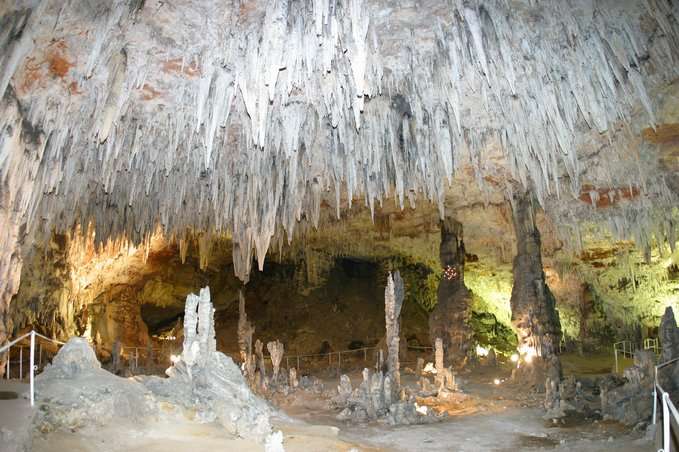
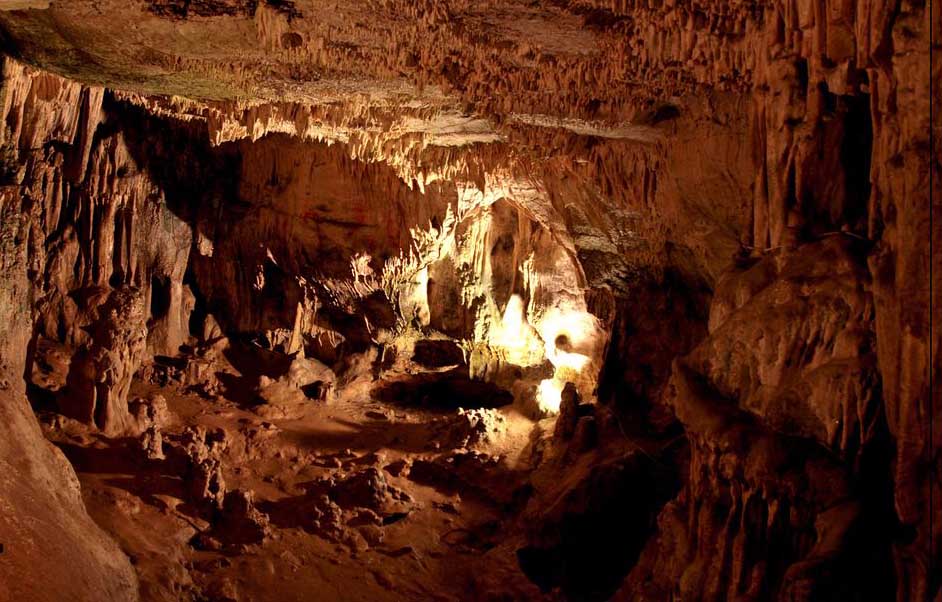
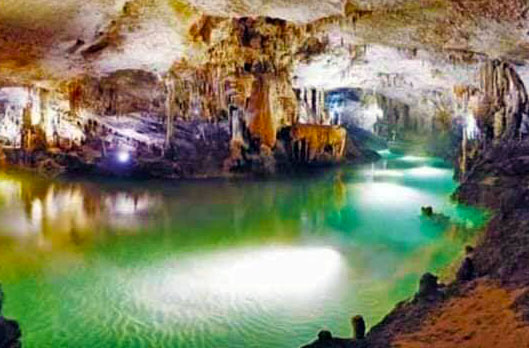
Estimated to be 20 million years old, Al-Dawayat Cave is a premier highlight for travelers exploring the mountainous region of Mashta al-Helou. Al-Dawayat Cave is famous for the natural skylights in its ceiling, which allow sunlight to filter through and illuminate the massive forest of stalactites and stalagmites within. As one of the most accessible and oldest Caves in Syria, it is fully equipped with paved walkways and professional lighting, making it safe for families and casual hikers. Whether you are interested in its ancient crystalline formations or its cathedral-like atmosphere, Al-Dawayat Cave offers a breathtaking visual experience that is unmatched in the region. A visit to Al-Dawayat Cave is truly a journey through millions of years of geological history.
Al-Wadi Cave (Marmarita)
Located in the heart of Wadi al-Nasara, Al-Wadi Cave is a popular destination for those visiting Krak des Chevaliers. Among the many Caves in Syria, this one is beloved for its cool breeze and its location in one of the most beautiful green valleys in the country.
Ariqa Cave (Suwayda)
One of the most accessible volcanic cave in Syria, located in the heart of the Lajat volcanic field in As-Suwayda. Formed by lava around 450,000 years ago, the cave stretches over 1.5 km through three connected basalt chambers. Unlike the limestone caves of coastal Syria, Ariqa features dark volcanic walls, paved walkways, and a stable 17°C temperature year-round. Easy to find on maps, it also offers basic visitor facilities, making it one of the most visitor-friendly caves in Syria.
III. Adventure and Nature: The “Wild” Caves
Beit al-Wadi Cave (Dreikish) – (مغارة بيت الوادي)
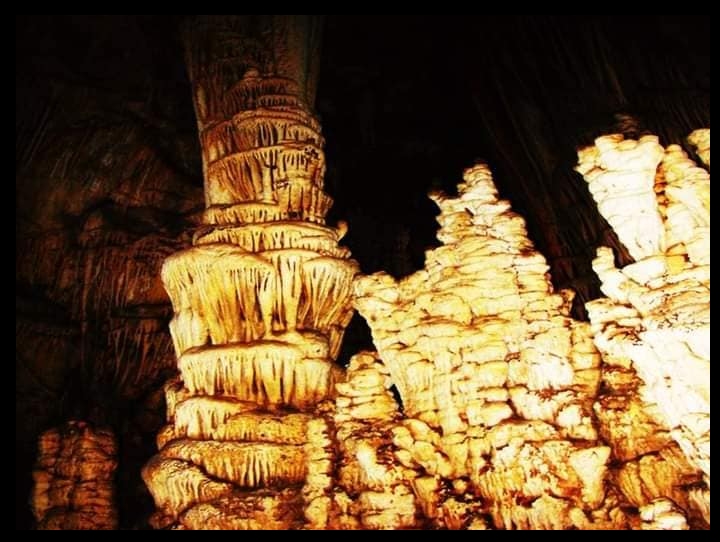
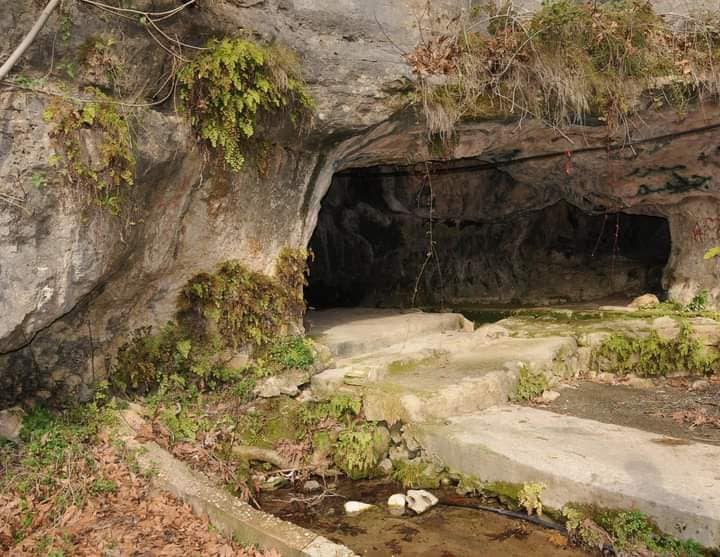
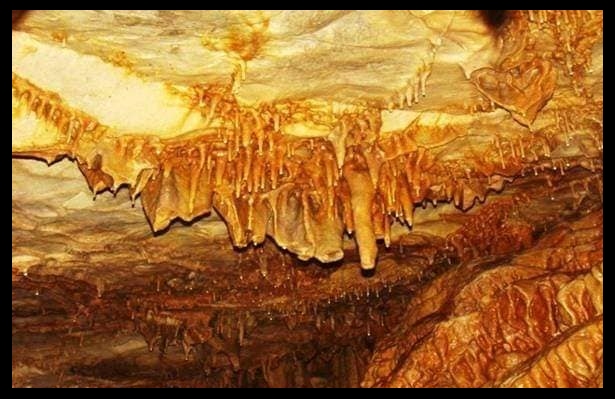
Hidden at the bottom of a lush valley near Dreikish, Beit al-Wadi Cave is a premier destination for those seeking the raw beauty of the Syrian coast. Beit al-Wadi Cave is uniquely famous for its permanent underground river, which flows through a 700-meter-long gallery of spectacular limestone formations. As one of the most historically significant Caves in Syria, excavations here have uncovered pottery and tools dating back to the Neolithic era, proving it has sheltered humans for thousands of years. Maintaining a perfect year-round temperature of 18°C, Beit al-Wadi Cave offers a cool sanctuary for hikers and adventure enthusiasts. For anyone exploring the subterranean landscape, the crystalline chambers and echoing waters of Beit al-Wadi Cave provide an unforgettable natural experience.
Jouit Cave (Sheikh Badr)
Jouit Cave is a dream for explorers. It is one of the most water-rich Caves in Syria, containing large underground pools and the “Giant Pillar,” a massive limestone column. Exploring Jouit often requires wading through water, providing a true adrenaline rush for nature lovers.
Hwat al-Jabab (Al-Qadmous)
This is one of the most unique Caves in Syria because it is a massive open-air sinkhole. At 35 meters deep, Hwat al-Jabab offers a wide floor that stays cool even in the hottest months. It serves as a natural community hub for the people of Al-Qadmous.
Dalba Spring Cave (Dreikish)
Located near the famous Dalba water source, this cave is an example of the lush, water-formed Caves in Syria. It is surrounded by plane trees and flowing streams, making it a top spot for photography and eco-tourism.
Al-Durra Cave (Tartus/Hama Border)
Often called “The Pearl,” Al-Durra is famous for its luminous, white crystals. While smaller than other Caves in Syria, its beauty is unmatched. The way the stalactites glisten under light makes it look like a palace made of diamonds.
Al-Dabaa Cave (Salanfeh)
High in the mountains of Salanfeh, Al-Dabaa Cave combines trekking with history. Stone Age tools found here make it one of the most historically significant Caves in Syria‘s coastal region.
IV. Volcanic and Expert-Only
Al-Huwa Cave (Mashta al-Helou)
A true vertical chasm. Al-Huwa is one of the deepest Caves in Syria, requiring rappelling skills to enter. It was famously used as a hideout during the Syrian revolution against the French Mandate.
Qanawat Caves (Suwayda)
These basalt Caves in Syria show how the Romans adapted to the environment. They were used as ancient water management systems, cooling the water as it traveled to the city of Qanawat.
See Also: Syria’s Forests
Conclusion
The variety of Caves in Syria—from volcanic tubes to sacred grottos—highlights the country’s incredible diversity. Whether you are a casual tourist or a professional caver, the Caves in Syria offer a world of mystery waiting to be discovered. As tourism grows, these sites are set to become the centerpiece of Syrian eco-adventure.
To explore further, visit our website gallery for rare images and cultural highlights.
Sources & References:
UNESCO – World Heritage Centre: https://whc.unesco.org
Archnet – Architecture & Heritage Database: https://www.archnet.org
World History Encyclopedia: https://www.worldhistory.org
Syrian Heritage Archive Project: https://syrian-heritage.org
Global Encyclopedia: Wikipedia