Damascus Historical Mosques: A Journey Through Time and Faith.. Damascus, one of the oldest continuously inhabited cities in the world, is home to some of the most remarkable Damascus Historical Mosques, which are treasures of history, culture, and faith. The city’s skyline is dominated by Damascus Historical Mosques that have witnessed centuries of religious, political, and architectural evolution. From the grandeur of the Umayyad Mosque to lesser-known gems tucked in narrow alleys, these Damascus Historical Mosques tell stories of devotion, artistry, and the city’s dynamic past.
This article explores several of the most significant Damascus Historical Mosques, examining their foundation, historical background, architectural importance, and role in Damascus’s vibrant urban fabric. By exploring these sites, you will gain a deeper appreciation for the enduring legacy of Damascus Historical Mosques throughout the centuries.
Damascus Historical Mosques | Summary Chart
| Mosque Name | Date of Construction | Historical Significance | Architectural Highlights |
|---|---|---|---|
| Mohi al-Din Bin Arabi Mosque جامع محي الدين بن عربي | 12th century (~1165 AD) | Named after Sufi mystic Ibn Arabi; spiritual and scholarly center | Traditional Damascene style, dome, stonework, courtyard |
| al-Sinaniyeh Mosque جامع السنانية | 14th century (Mamluk) | Neighborhood mosque; named after Sinan Pasha (Ottoman governor) | Mamluk minaret, geometric stone carvings, ablution fountain |
| al-Hanabaleh Mosque جامع الحنابلة | Early 14th century (~1330) | Hanbali jurisprudence center in Damascus | Square prayer hall, central dome, tall minaret |
| al-Darwishiyeh Mosque جامع الدرويشية | Late 13th/early 14th century (Mamluk) | Linked to Sufi dervishes | Muqarnas arches, ornamental wooden door, shaded courtyard |
| Nur al-Din al-Shahid Mosque جامع نور الدين الشهيد | Mid-12th century (~1160s) | Named after Nur al-Din Zangi; Ayyubid architectural style | Stone columns, Arabesque motifs, mixed Ayyubid-Mamluk minaret |
| Murad Basha Mosque جامع مراد باشا | 1568 (Ottoman) | Built by Ottoman governor Murad Pasha | Grand dome, Ottoman tile work, elegant minaret |
| al-Fathiyeh Mosque جامع الفتحية | 12th century (Ayyubid) | Commemorates Ayyubid conquest | Hypostyle prayer hall, simple stonework, sturdy minaret |
| Seidi Hisham Bin Ammar Mosque جامع سيدي هشام بن عمار | 14th century (Mamluk) | Dedicated to Sufi saint Hisham Bin Ammar | Courtyard with fountain, decorated mihrab, Mamluk minaret |
| al-Qalai Mosque جامع القلعي | 12th century (Ayyubid/Crusader era) | Named “the castle,” near city walls | Rectangular hall, fortified appearance, stone minaret |
| al-Sibaiyeh Mosque جامع السيبائية | 14th century (Mamluk) | Local neighborhood mosque | Single dome, stone walls, modest minaret |
| al-Ajami Mosque جامع العجمي | 15th century (late Mamluk/Ottoman) | Named after Persian patron (“Ajami”) | Central dome, stone arches, courtyard with fountain |
| al-Sabuniyeh Mosque جامع الصابونية | 14th century | Serves Sabouniyeh district | Geometric stone minaret, columned prayer hall |
| al-Shamiyeh Mosque جامع الشامية | 14th century | Neighborhood mosque serving Shamiyeh quarter | Courtyard, small dome, slender minaret |
| Tankiz Mosque جامع تنكز | Early 14th century (Mamluk) | Built by Mamluk governor Tankiz | Muqarnas decoration, elegant minaret, spacious hall |
| Small al-Sheikh Raslan Mosque جامع الشيخ رسلان | 15th century (Ottoman) | Associated with Sheikh Raslan, religious figure | Decorated wooden door, painted ceiling, small courtyard |
| al-Qasab Mosque جامع القصب | 14th century | Local mosque in Al-Qasab district | Stone minaret, stained glass windows |
| al-Toubeh Mosque جامع التوبة | 14th century | “Repentance Mosque,” possibly Sufi center | Small courtyard, tilework mihrab, geometric minaret |
| al-Maalaq Mosque جامع المعلق | 14th century | Known as “Suspended Mosque” due to architectural feature | Raised structure, stone construction, central dome |
| al-Tinabiyeh Mosque جامع التينبية | 15th century | Serves Tinabiyeh neighborhood | Courtyard, prayer hall, short minaret |
| Abi al-Dardaa Mosque جامع أبي الدرداء | 8th century original, rebuilt Mamluk/Ottoman | Dedicated to Companion of Prophet Muhammad, early scholar | Early Islamic foundations, Mamluk arches, Ottoman domes |
| al-Shadhbakiyeh Mosque جامع الشاذبكية | 14th century | Neighborhood mosque in Shadhbakiyah district | Stone walls, central dome, carved minaret |
| Faroukh Shah Mosque جامع فروخ شاه | 14th century | Named after Mamluk ruler Faroukh Shah | Tall minaret, stone construction, simple prayer hall |
| Manjak Mosque جامع منجك | 14th century | Local mosque in Manjak district | Modest hall, decorated mihrab, geometric minaret |
Damascus Historical Mosques : Notes to consider
- Architectural highlights focus on distinctive elements like domes, minarets, courtyards, and decorative techniques typical for their eras.
- The dates are approximate and sometimes reflect the original construction or significant restorations.
- Many mosques were built or rebuilt during the Mamluk period (13th-15th centuries), which was a golden age for architecture in Damascus.
- Some mosques, such as Abi al-Dardaa Mosque, have very ancient origins but were reconstructed later.
1. Mohi al-Din Bin Arabi Mosque (جامع محي الدين بن عربي)
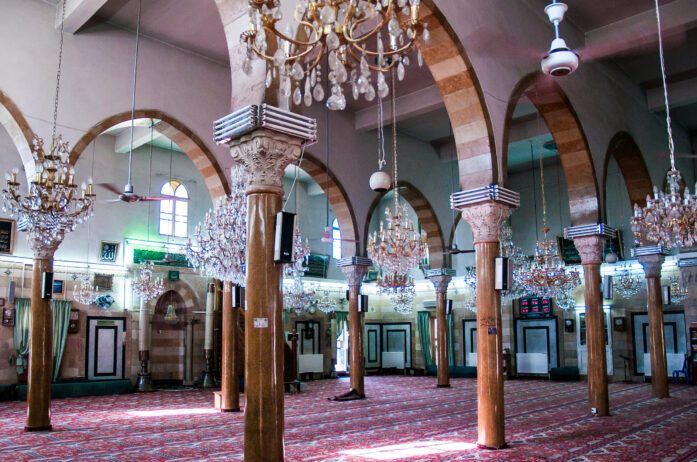
- Date of Construction: Originally built in the 12th century (circa 1165 AD), with major restorations in later centuries.
- Historical Significance: Named after the famous Andalusian mystic and philosopher Ibn Arabi (1165–1240), who spent his final years in Damascus. The mosque is not only a place of worship but also a mausoleum for Ibn Arabi.
- Architecture: The mosque features traditional Damascene style, with intricate stonework, an elegant dome, and a peaceful courtyard. It is a spiritual center for Sufi devotees and scholars.
2. al-Sinaniyeh Mosque (جامع السنانية)

- Date of Construction: Built in the 14th century during the Mamluk period.
- Historical Background: The mosque is named after Sinan Pasha, a prominent Ottoman governor, although some sources date it earlier under Mamluk patronage. It served as a neighborhood mosque and community hub.
- Architectural Features: It has classic Mamluk architectural elements, including a decorated minaret with geometric stone carvings, an ablution fountain, and a prayer hall with pointed arches.
3. al-Hanabaleh Mosque (جامع الحنابلة)
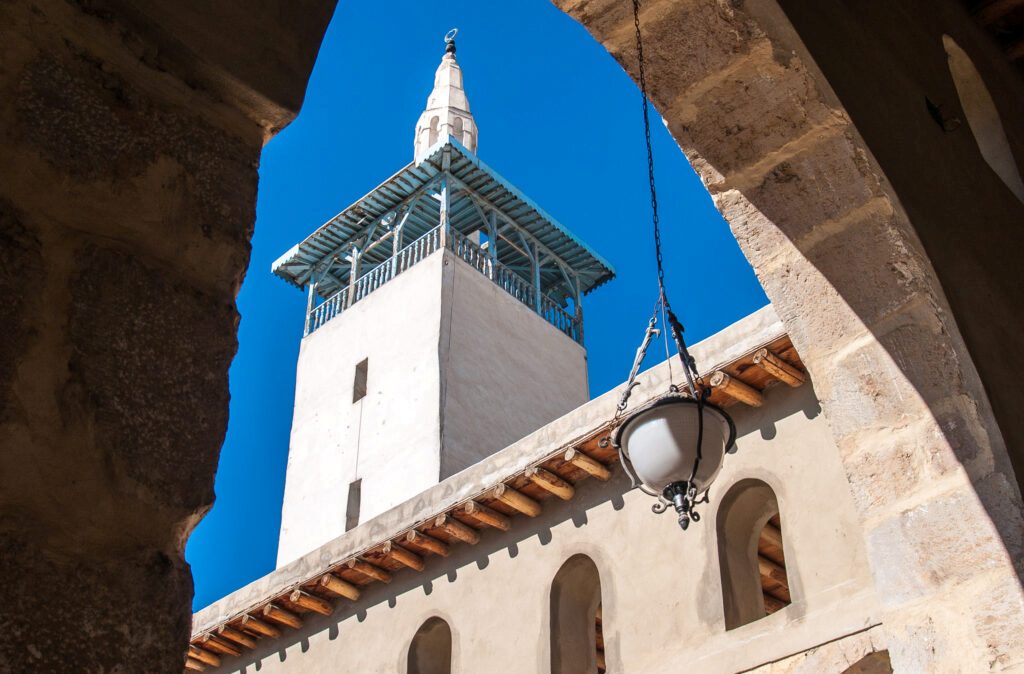
- Date of Construction: Built in the early 14th century (circa 1330 AD).
- Historical Importance: Named after the Hanbali school of Islamic jurisprudence, the mosque served as a center for Hanbali scholars and students in Damascus.
- Design: The mosque combines simplicity with elegance. Its square prayer hall, large central dome, and tall minaret reflect typical Mamluk-era construction.
4. al-Darwishiyeh Mosque (جامع الدرويشية)
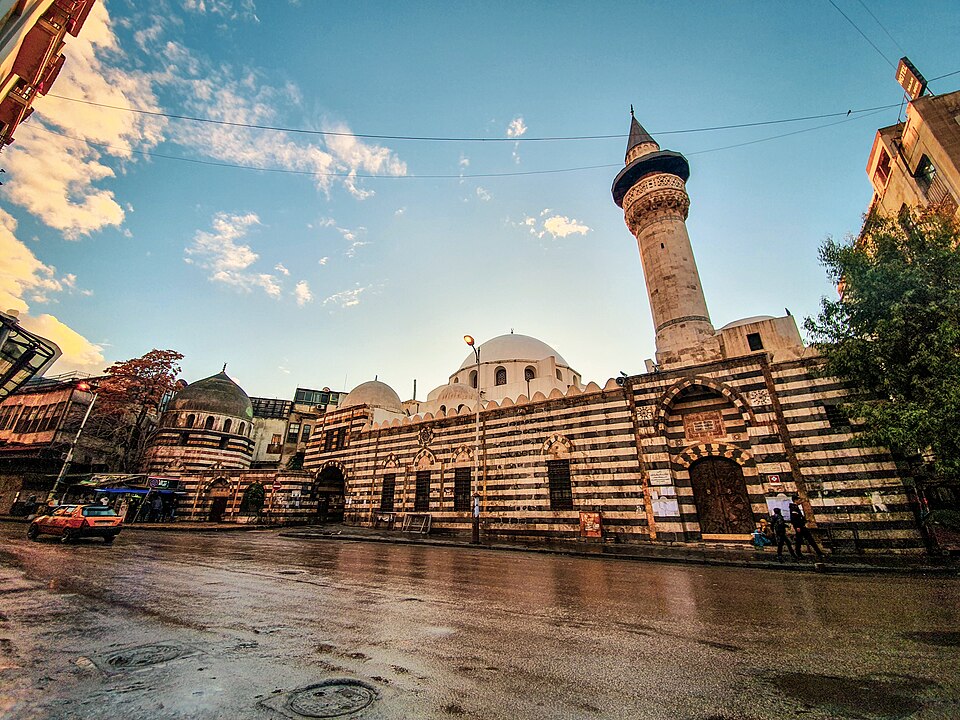
- Date of Construction: Established in the late 13th or early 14th century during the Mamluk Sultanate.
- Notable Facts: The mosque was named after the Dervishes, reflecting its connection to Sufi orders that were active in Damascus.
- Features: The mosque includes typical elements of Damascene architecture such as muqarnas in the arches, an ornamental wooden door, and a courtyard shaded by fig and olive trees.
5. Nur al-Din al-Shahid Mosque (جامع نور الدين الشهيد)
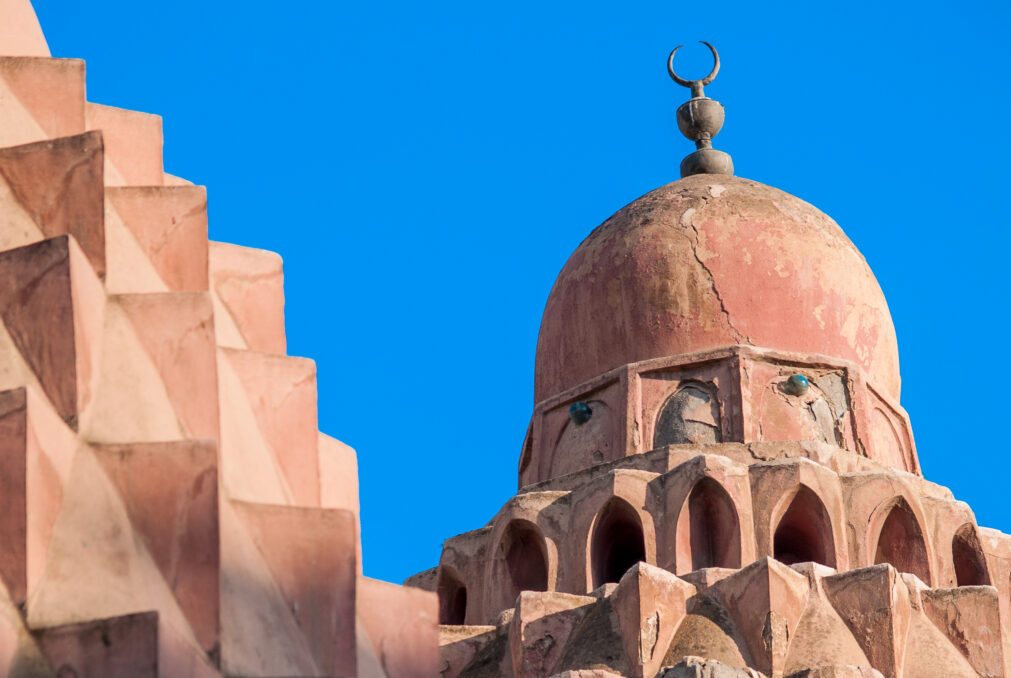
- Date of Construction: Founded in the mid-12th century (circa 1160s AD).
- Historical Context: Named in honor of Nur al-Din Zangi, the great Muslim ruler and warrior who united Syria and defended it against Crusaders. The mosque symbolizes the Ayyubid architectural renaissance.
- Architecture: It features a large prayer hall with stone columns, traditional Arabesque motifs, and a minaret combining Mamluk and Ayyubid influences.
6. Murad Basha Mosque (جامع مراد باشا)
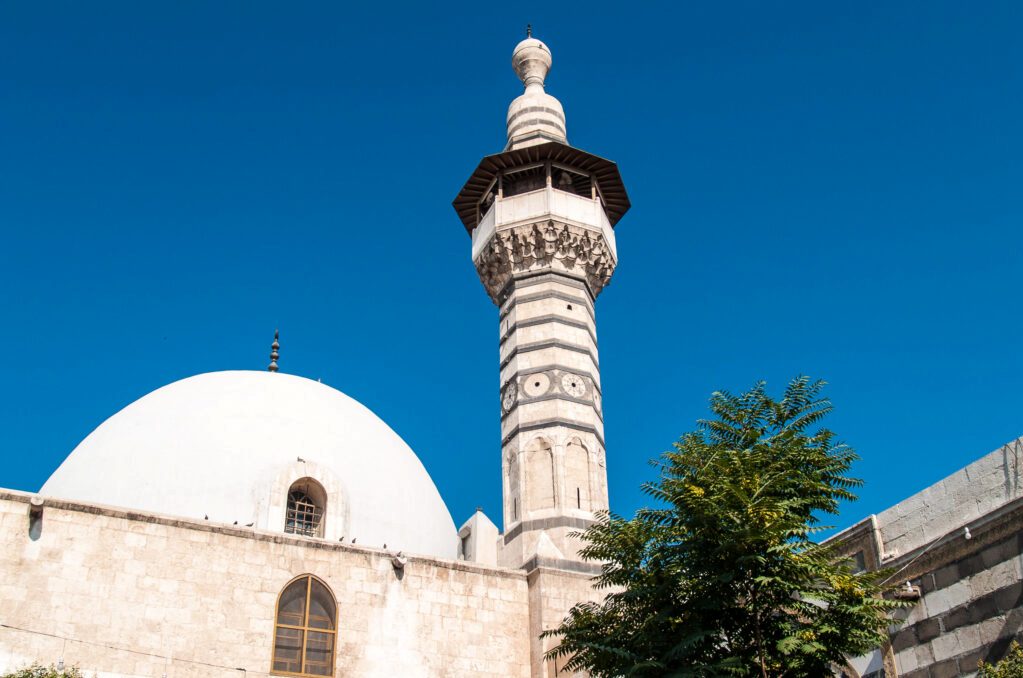
- Date of Construction: Completed in 1568 during the Ottoman period.
- Background: Built under the patronage of Murad Pasha, the Ottoman governor of Damascus, this mosque reflects the transition to Ottoman architectural styles while maintaining local traditions.
- Architectural Highlights: The mosque has a grand central dome, elegant minaret, and decorated tile work typical of Ottoman influence blended with Syrian stone craftsmanship.
7. al-Fathiyeh Mosque (جامع الفتحية)
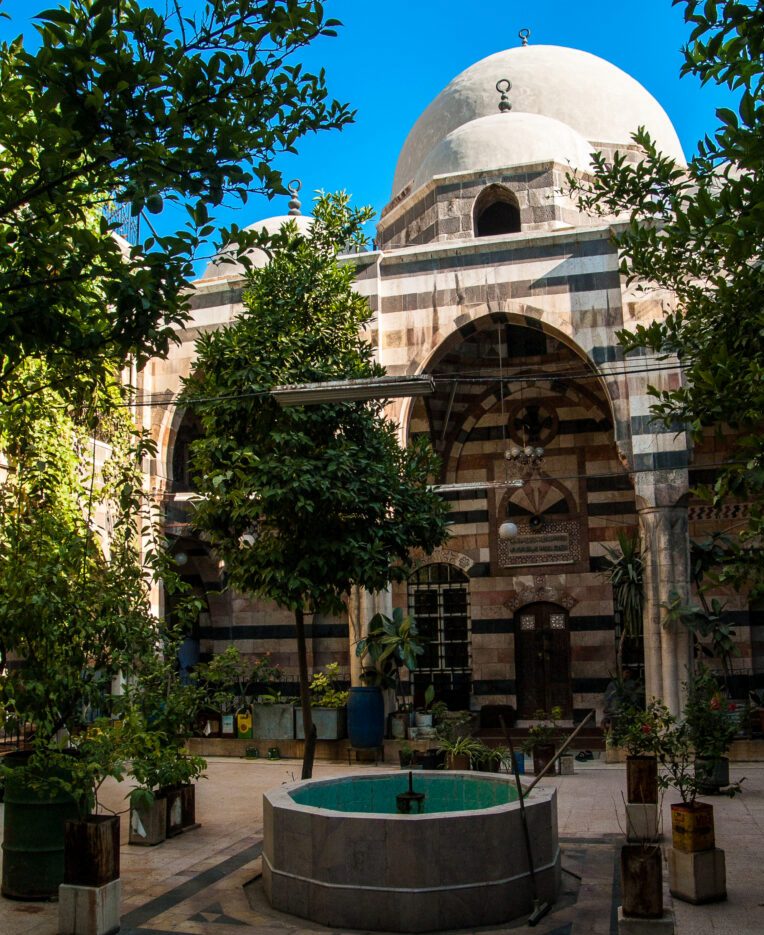
- Date of Construction: 12th century, during the Ayyubid dynasty.
- Significance: The mosque commemorates the Ayyubid conquest and is located in a historically strategic part of Damascus.
- Features: It exhibits early Islamic architectural elements such as a hypostyle prayer hall, simple stone decoration, and a sturdy minaret.
8. Seidi Hisham Bin Ammar Mosque (جامع سيدي هشام بن عمار)
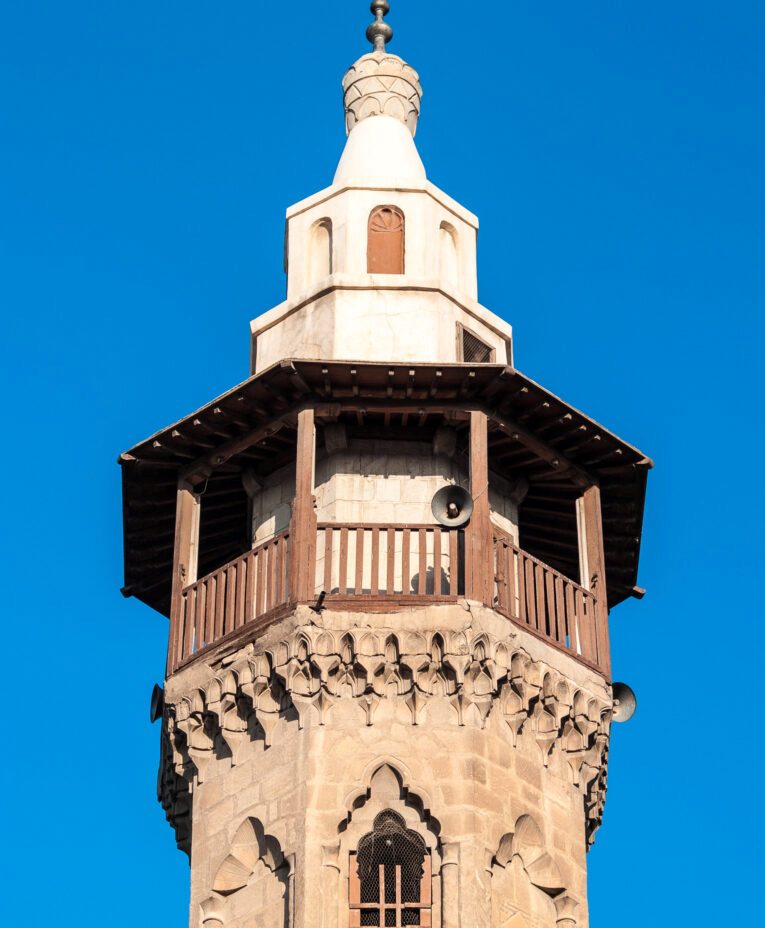
- Date of Construction: 14th century Mamluk period.
- Historical Importance: Dedicated to the revered Sufi saint Hisham Bin Ammar, the mosque became a spiritual center for Sufi followers.
- Design: Features a courtyard with a fountain, decorated mihrab, and a minaret typical of Mamluk style, with intricate stone carving and elegant proportions.
9. al-Qalai Mosque (جامع القلعي)
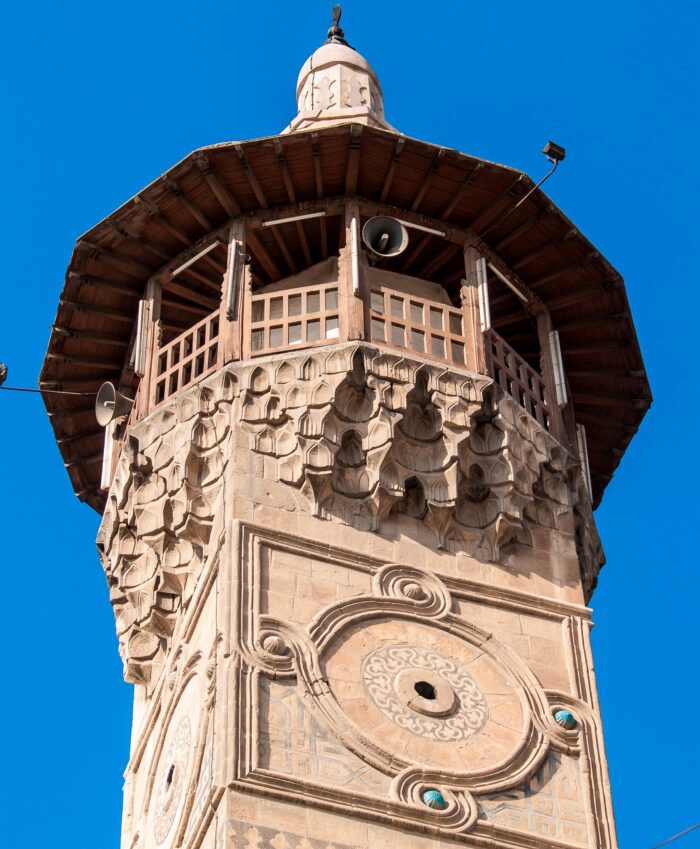
- Date of Construction: Built in the 12th century during the Crusader and Ayyubid era.
- Background: The mosque’s name “al-Qalai” means “the castle,” reflecting its proximity to the ancient city walls and its fortified appearance.
- Architecture: The mosque is relatively small but notable for its stonework, rectangular prayer hall, and defensive-style minaret.
10. al-Sibaiyeh Mosque (جامع السيبائية)
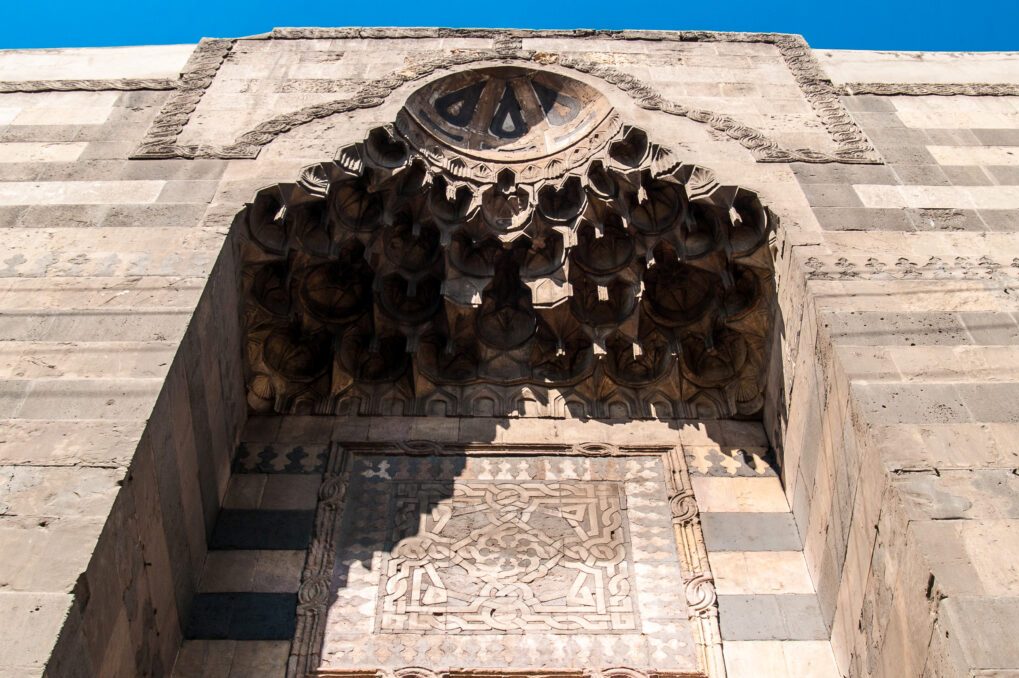
- Date of Construction: 14th century Mamluk era.
- Historical Notes: Named after the neighborhood it served, the mosque functioned as a local religious center.
- Features: The mosque has a simple layout with a single dome, stone walls, and a modest minaret with stone geometric decoration.
11. al-Ajami Mosque (جامع العجمي)

- Date of Construction: Built in the 15th century, late Mamluk or early Ottoman period.
- Significance: The mosque’s name “al-Ajami” refers to its founder or patron who was of Persian (Ajami) origin.
- Architecture: Characterized by a beautiful central dome, stone arches, and a courtyard with a small fountain.
12. al-Sabuniyeh Mosque (جامع الصابونية)
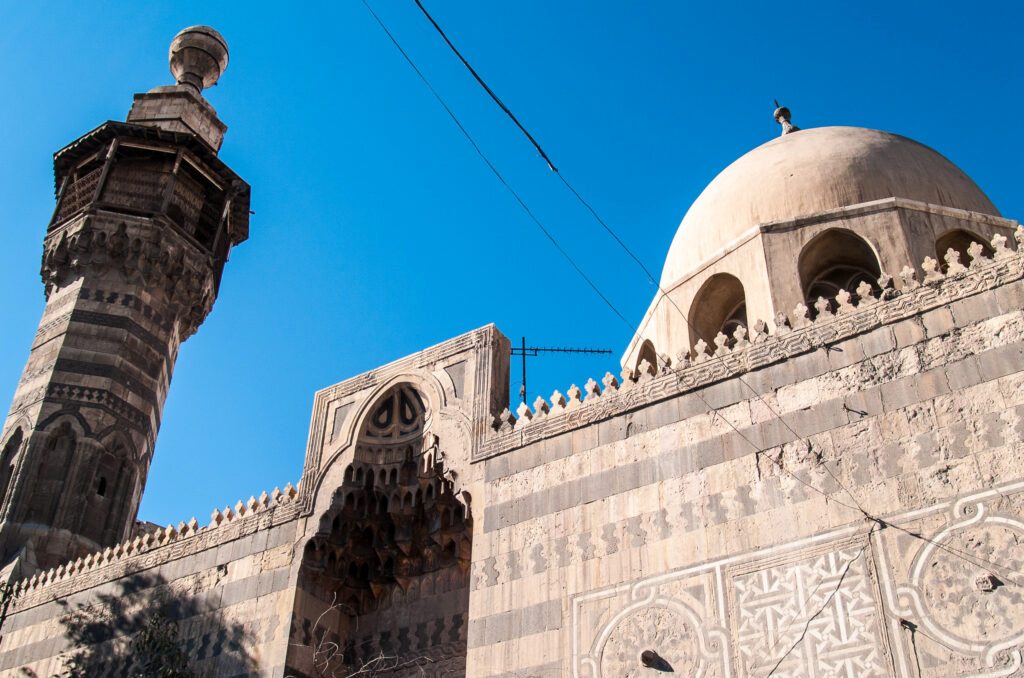
- Date of Construction: Built during the 14th century.
- Historical Background: Named after the Sabouniyeh district of Damascus.
- Features: It showcases Mamluk-era craftsmanship with a stone minaret decorated with geometric patterns and a prayer hall supported by stone columns.
13. al-Shamiyeh Mosque (جامع الشامية)
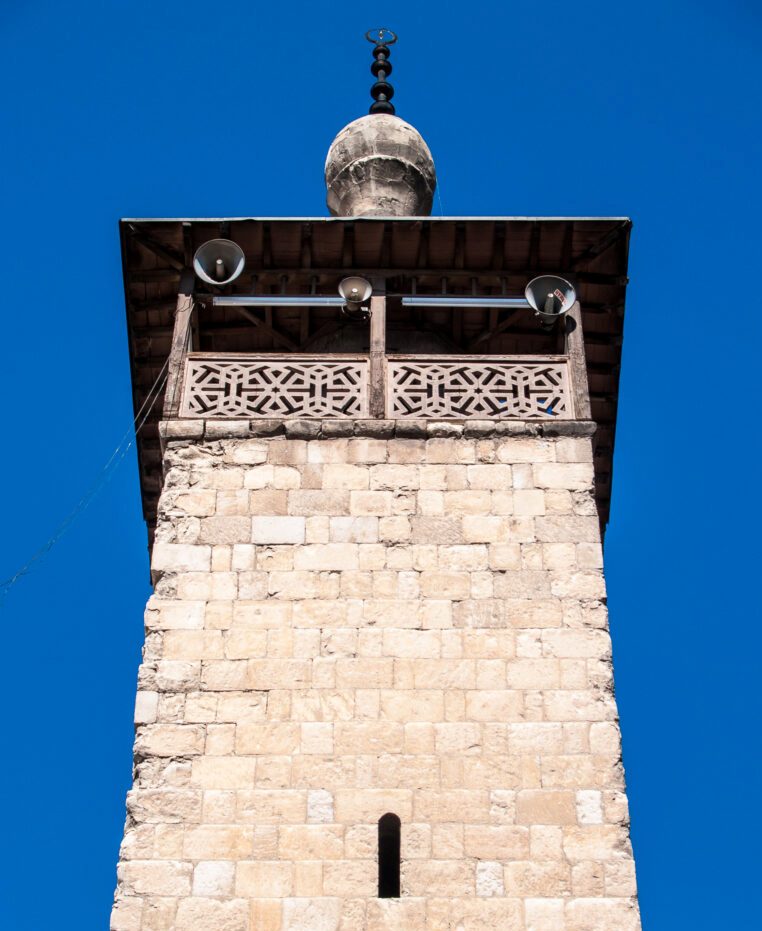
- Date of Construction: Built in the 14th century.
- Context: Known as a neighborhood mosque, it served the Shamiyeh quarter in Damascus.
- Architectural Elements: The mosque features a traditional courtyard, a small dome over the prayer hall, and a slender minaret.
14. Tankiz Mosque (جامع تنكز)

- Date of Construction: Early 14th century, built under the Mamluk governor Tankiz.
- Importance: The mosque is named after Tankiz, who was a powerful Mamluk governor and patron of architecture.
- Design: A fine example of Mamluk architecture, with an elegant minaret, extensive use of stone muqarnas decoration, and a spacious prayer hall.
15. The Small al-Sheikh Raslan Mosque (جامع الشيخ رسلان)

- Date of Construction: 15th century Ottoman period.
- Historical Context: This small mosque is associated with Sheikh Raslan, a respected religious figure in Damascus.
- Features: Modest in size but rich in architectural detail, with a decorated wooden door, painted ceiling, and a small courtyard.
16. al-Qasab Mosque (جامع القصب)

- Date of Construction: 14th century.
- Background: Located in the Al-Qasab district, it served as a local center of worship and education.
- Architectural Highlights: The mosque has a stone minaret with fine carvings and a prayer hall illuminated by stained glass windows.
17. al-Toubeh Mosque (جامع التوبة)

- Date of Construction: 14th century.
- Significance: Its name means “repentance,” indicating its possible role as a spiritual retreat or Sufi center.
- Architecture: Features a small courtyard, mihrab with intricate tilework, and a minaret with traditional geometric designs.
18. al-Maalaq Mosque (جامع المعلق)
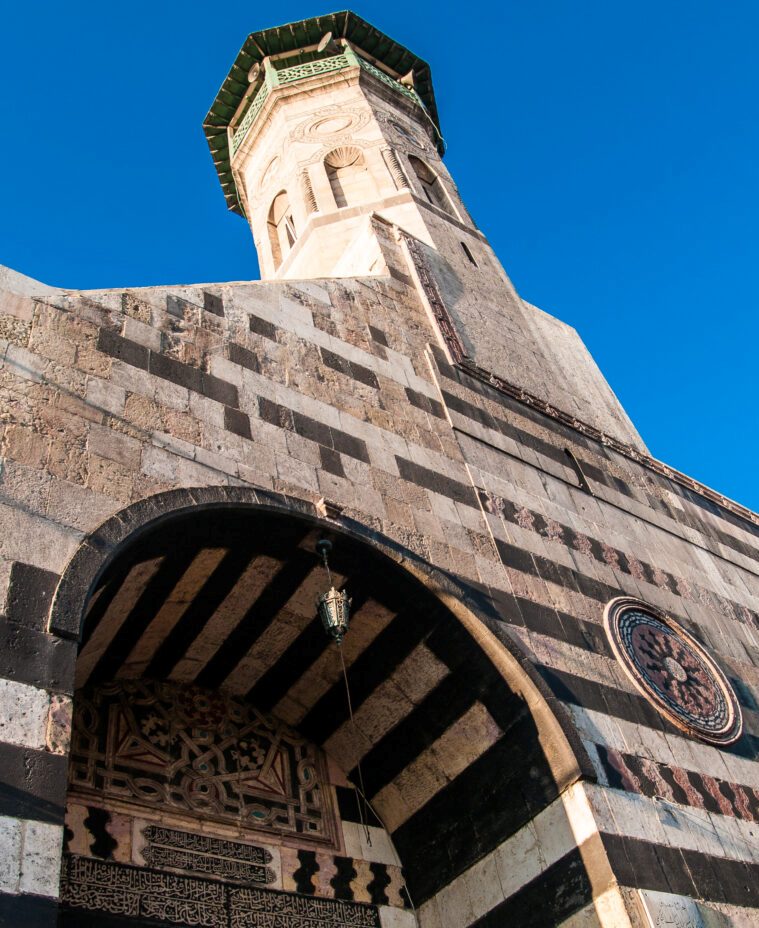
- Date of Construction: 14th century.
- Details: Known as the “Suspended Mosque,” it stands out for its unusual location or architectural feature where part of the structure is raised or suspended.
- Features: Stone construction, a central dome, and a modest minaret.
19. al-Tinabiyeh Mosque (جامع التينبية)

- Date of Construction: 15th century.
- Background: Serving the Tinabiyeh neighborhood, it was a hub for the local community.
- Architecture: A typical small Damascene mosque with a courtyard, prayer hall, and a short minaret.
20. Abi al-Dardaa Mosque (جامع أبي الدرداء)
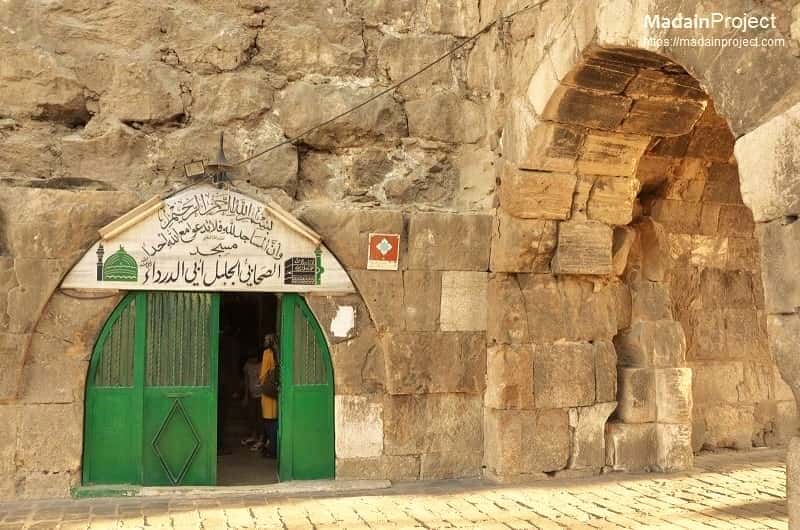
- Date of Construction: Originally built in the 8th century but rebuilt and restored multiple times, notably in the Mamluk and Ottoman periods.
- Historical Significance: Dedicated to Abu al-Darda, a companion of the Prophet Muhammad and renowned early Islamic scholar.
- Features: The mosque combines early Islamic foundations with later Mamluk arches, Ottoman domes, and a beautiful minaret.
21. al-Shadhbakiyeh Mosque (جامع الشاذبكية)
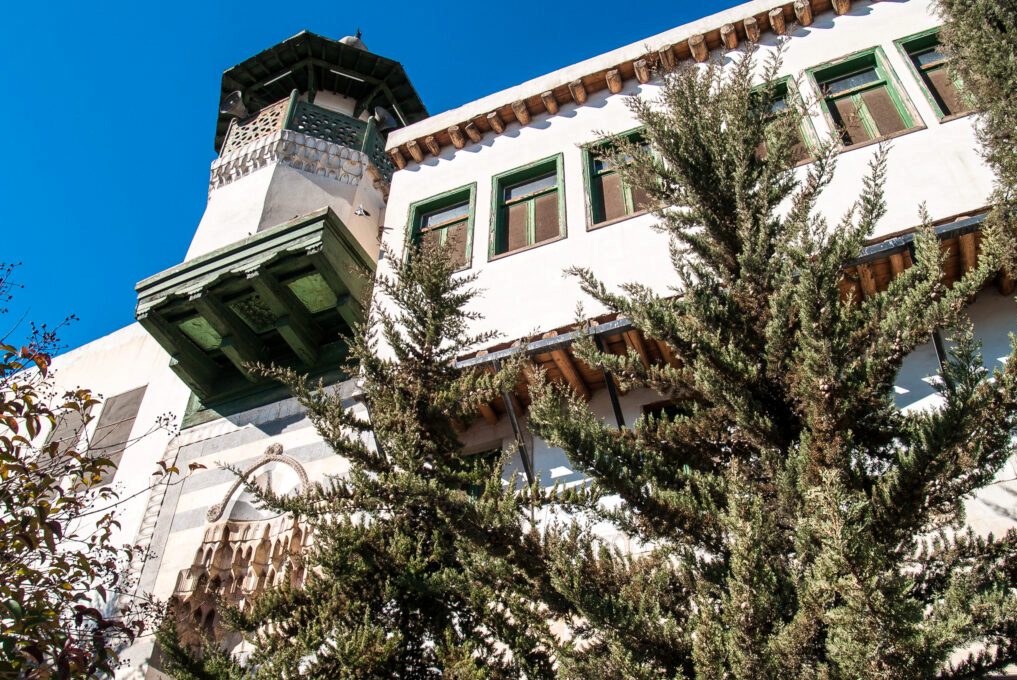
- Date of Construction: 14th century.
- Historical Context: Located in the Shadhbakiyah district, this mosque played a key religious and social role in the neighborhood.
- Architecture: Stone walls, a central dome, decorative arches, and a minaret with carved stone details.
22. Faroukh Shah Mosque (جامع فروخ شاه)
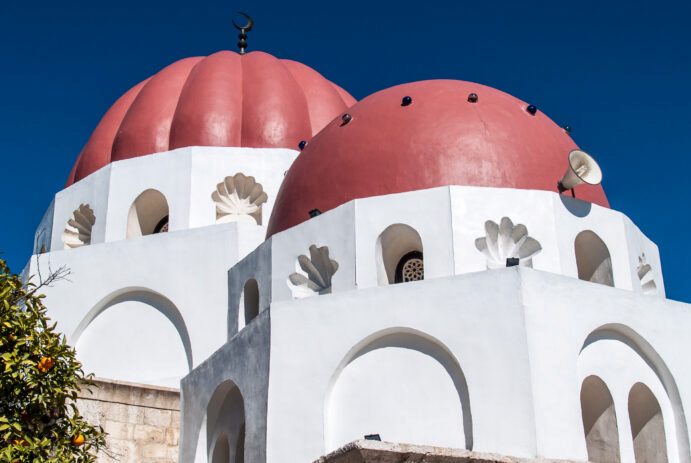
- Date of Construction: 14th century.
- Background: Named after Faroukh Shah, a Mamluk ruler or governor.
- Features: The mosque is known for its tall minaret, stone construction, and simple but elegant prayer hall.
23. Manjak Mosque (جامع منجك)
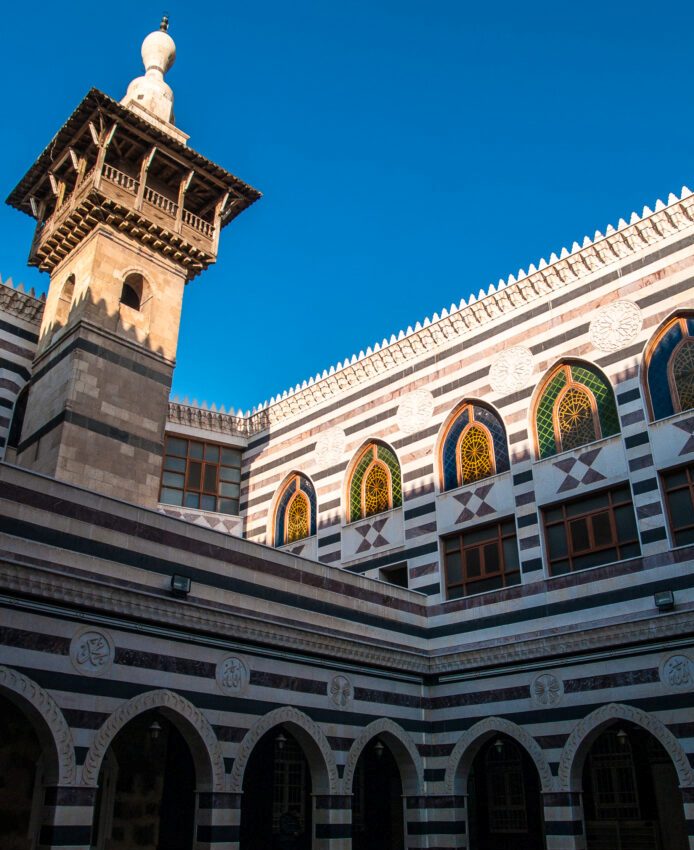
- Date of Construction: 14th century.
- Details: A neighborhood mosque, named after the Manjak district.
- Architecture: Characterized by a modest prayer hall, decorated mihrab, and a minaret with intricate geometric stone carving.
See Also : Aleppo Historical Mosques
Conclusion
The Damascus Historical Mosques are not merely places of worship; they are living archives of the city’s rich and diverse history. From grand monuments commemorating powerful rulers to small neighborhood mosques cherished by their communities, each of the Damascus Historical Mosques tells a story that enriches the city’s spiritual and cultural mosaic.
Visiting the Damascus Historical Mosques allows one to experience centuries of architectural innovation, religious devotion, and community life that have shaped one of the world’s oldest capitals. Whether tracing the footsteps of famous mystics like Ibn Arabi or admiring the fine stone carvings of Mamluk-era minarets, the Damascus Historical Mosques offer a timeless journey into the heart of Islamic civilization. Each visit to these Damascus Historical Mosques connects you directly to Damascus’s enduring heritage.
Finally.. If you have any questions, please contact us. To explore further, visit our website gallery for rare images and cultural highlights.
Sources & References:
UNESCO – World Heritage Centre: https://whc.unesco.org
Archnet – Architecture & Heritage Database: https://www.archnet.org
World History Encyclopedia: https://www.worldhistory.org
Syrian Heritage Archive Project: https://syrian-heritage.org
Global Encyclopedia: Wikipedia