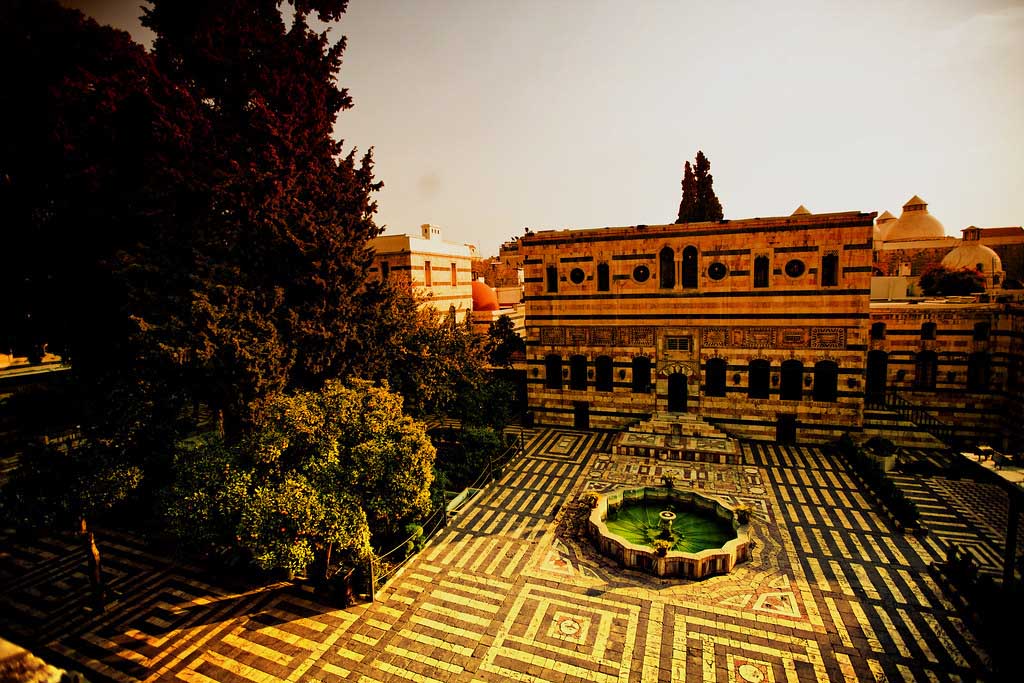
Damascus National Museum: Tucked along the historic Baramkeh district on Shukri al-Quwatli Street, just west of the Old City, the Damascus National Museum stands as Syria’s most important cultural institution. This museum is not just a building—it is a journey through more than 10,000 years of history, encompassing civilizations that shaped the cradle of human society, from the Stone Age to the Islamic Golden Age.
Inside the Damascus National Museum, visitors can explore thousands of priceless artifacts discovered across the country, including treasures from Palmyra, Ebla, Mari, Ugarit, and Dura-Europos. Each exhibit reveals a chapter of Syria’s remarkable story, blending art, archaeology, and heritage.
As the heart of Syria’s cultural identity, the Damascus National Museum continues to preserve and showcase the nation’s ancient legacy, offering the world an extraordinary window into one of humanity’s oldest continuous civilizations.
Damascus National Museum | Quick Info
| Topic | Quick Info |
|---|---|
| Name | Damascus National Museum / المتحف الوطني بدمشق |
| Location | Baramkeh district, Shukri al-Quwatli Street, west of the Old City, Damascus, Syria |
| Established | 1919 CE (early 20th century) |
| Historical Scope | Exhibits covering over 10,000 years of Syrian history — from the Stone Age to the Islamic period |
| Collections | Artifacts from Ebla, Ugarit, Mari, Palmyra, Dura-Europos, and other ancient sites |
| Highlights | The restored Palmyrene hall, Ugaritic tablets, Islamic manuscripts, and Bronze Age sculptures |
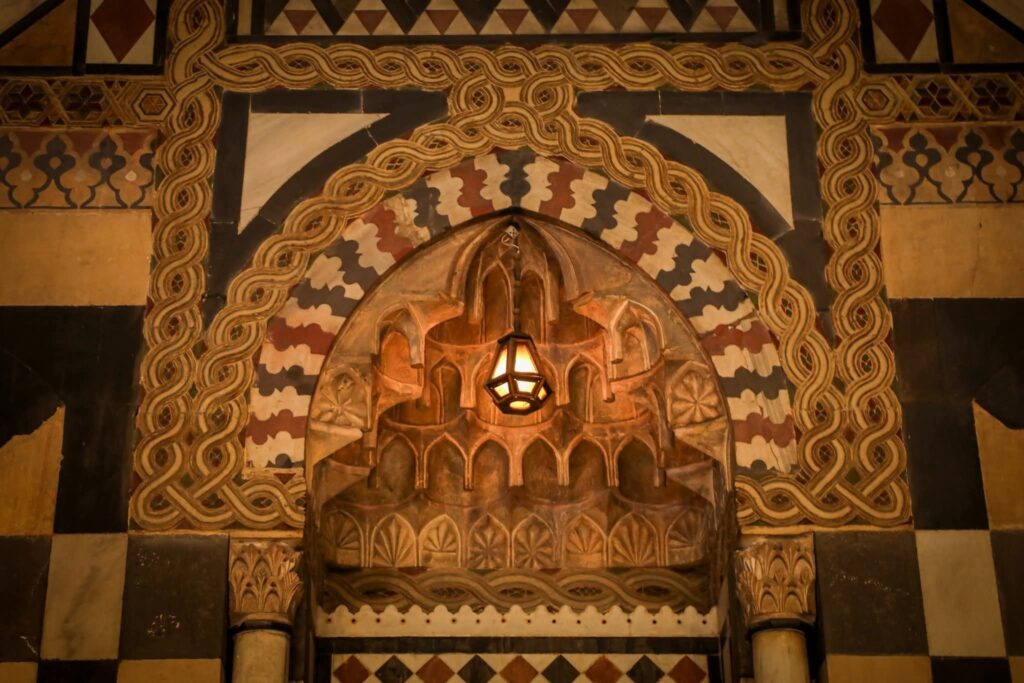
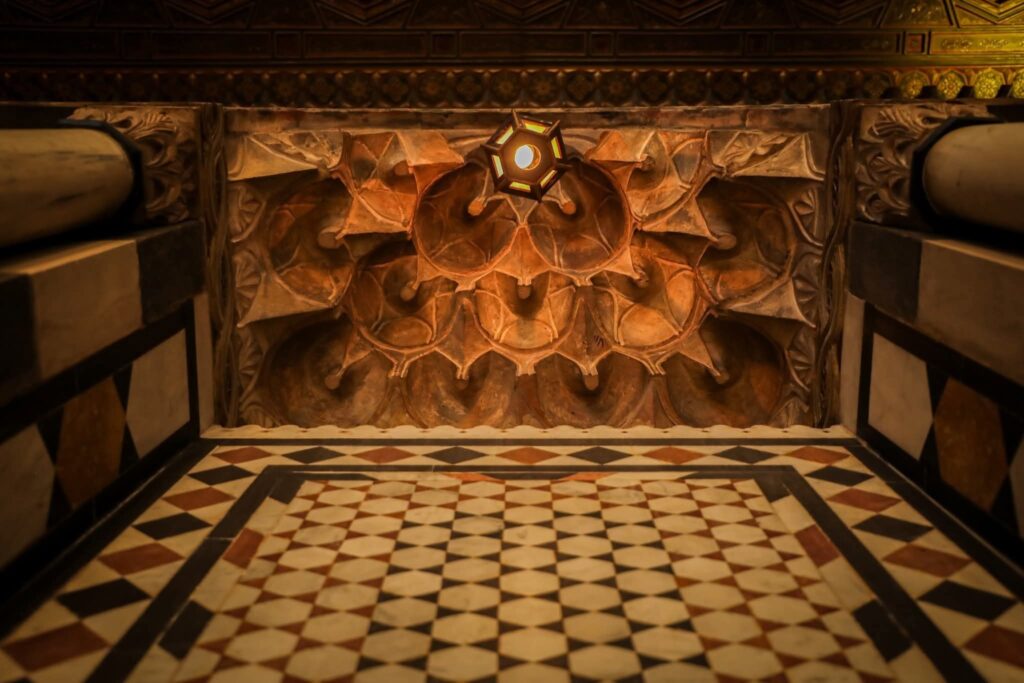
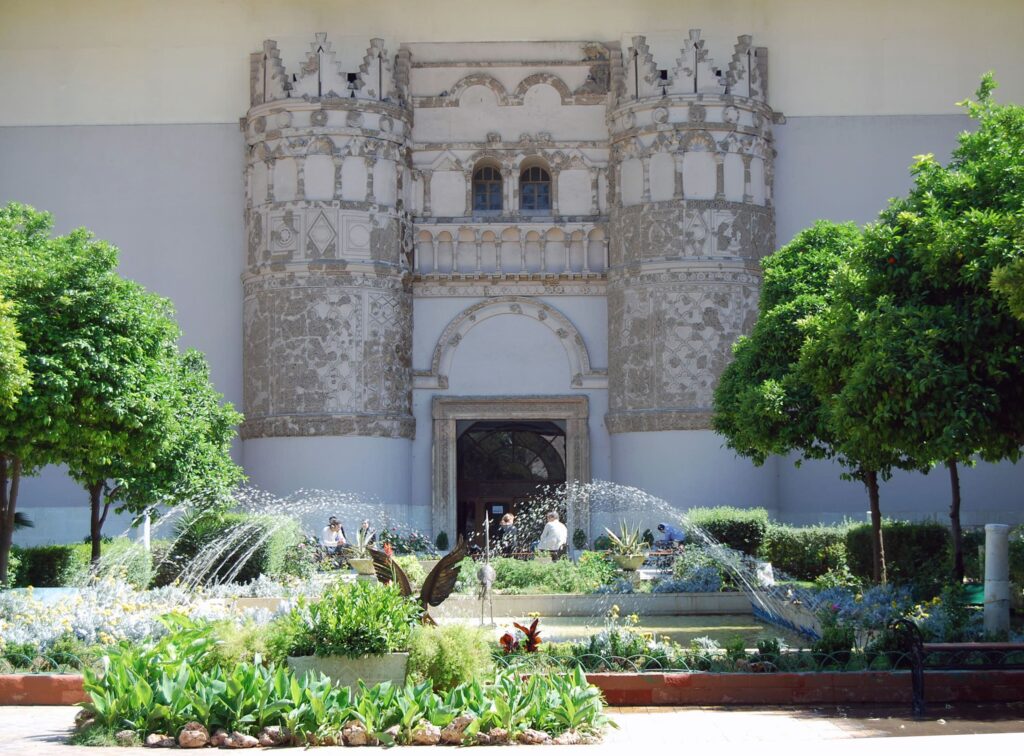
| Architectural Note | The museum entrance features the reconstructed façade of the Umayyad Palace from Qasr al-Hayr al-Gharbi |
| Significance | Syria’s largest and oldest archaeological and cultural museum, preserving the country’s diverse civilizations |
| Current Status | Reopened to visitors after restoration, continuing as a symbol of Syrian heritage preservation |
Historical Background
Founding and Early Years
The Damascus National Museum was originally established in 1919, during the early French Mandate period. It began as a modest collection displayed in a small building within the Ottoman military hospital of Al-Azariyya. As Syria’s archaeological discoveries grew and the need for a larger exhibition space became urgent, the current museum building was completed in 1936.
To reflect the grandeur of Syria’s ancient civilizations, the façade of the Damascus National Museum was created using the original gateway of the Umayyad-era Qasr al-Hayr al-Gharbi—a desert palace from the 8th century that was carefully transported and reconstructed at the entrance.
Renovations and Reopening
Over the decades, Damascus National Museum has undergone multiple expansions and renovations. After being temporarily closed during the Syrian conflict, it reopened partially in 2018, with ongoing efforts to restore damaged collections and present them safely to the public.
Today, the museum is not only a cultural landmark but a symbol of resilience, knowledge, and national pride.
Architectural Layout and Galleries
General Overview
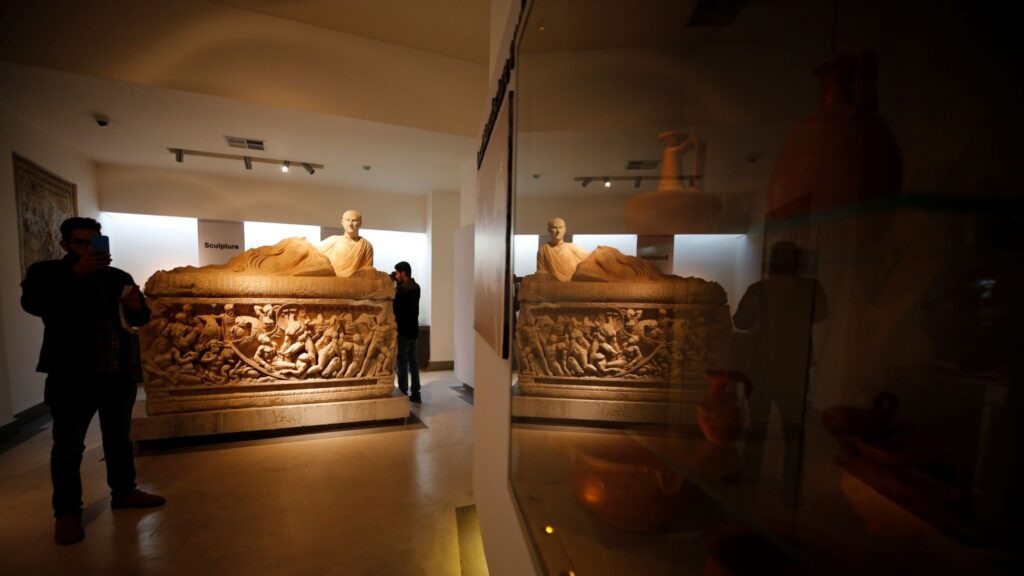
Damascus National Museum is divided into several thematic wings, each dedicated to a specific era or type of art. The layout allows visitors to move in chronological order from prehistoric Syria through classical antiquity, Islamic civilizations, and into modern art and ethnography.
The main sections include:
- Prehistoric Gallery
- Ancient Near East Gallery
- Classical Antiquity Gallery
- Islamic Art Gallery
- Contemporary Syrian Art Gallery
- Epigraphy and Manuscripts Section
- Temporary Exhibition Hall
Each gallery contains carefully curated artifacts, accompanied by interpretive panels in Arabic, English, and sometimes French.
Major Collections and Highlights

Prehistoric Gallery
This section displays the earliest human settlements in Syria, including flint tools from the Paleolithic and Neolithic periods, pottery shards, and figurines. One of the most important exhibits is the Ain Ghazal statues from Jordan, on loan, illustrating the human form from around 6500 BCE.
Ancient Near East Gallery
Here, visitors can admire artifacts from ancient Mesopotamian cities such as Mari, Ebla, and Ugarit. The highlight is the Ugaritic cuneiform tablets, some of which include the earliest known alphabet in human history.
Other fascinating objects include:
- Wall paintings from Mari Palace, dating to the 18th century BCE
- Sculptures of kings and deities from Ebla
- Seals, jewelry, and votive offerings from Bronze Age tombs
Classical Antiquity Gallery
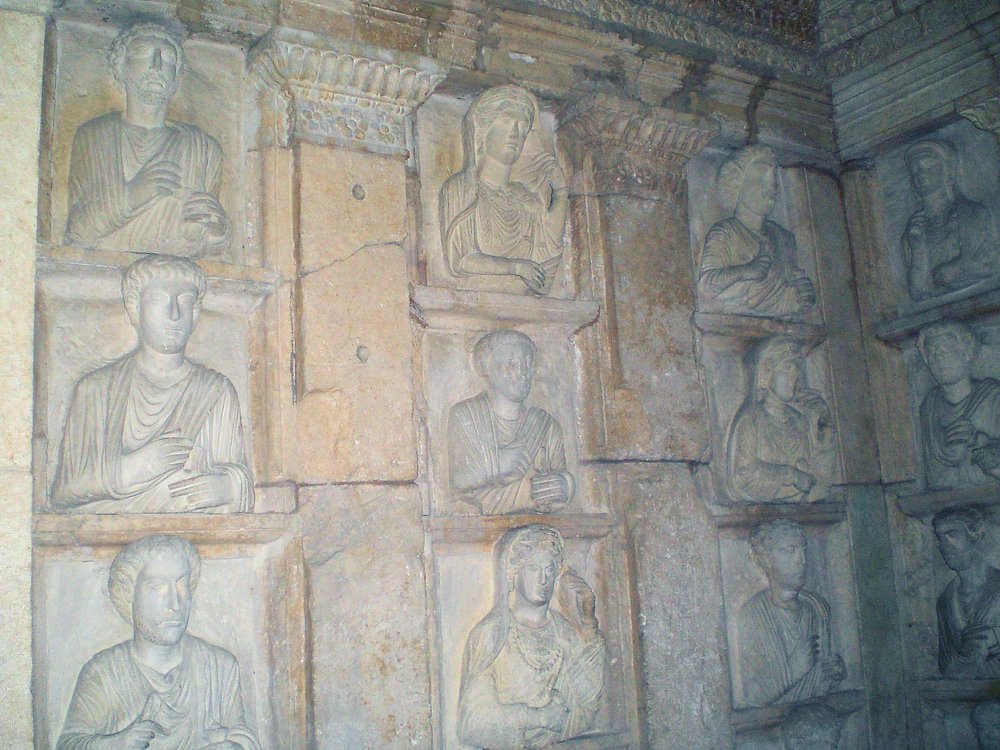

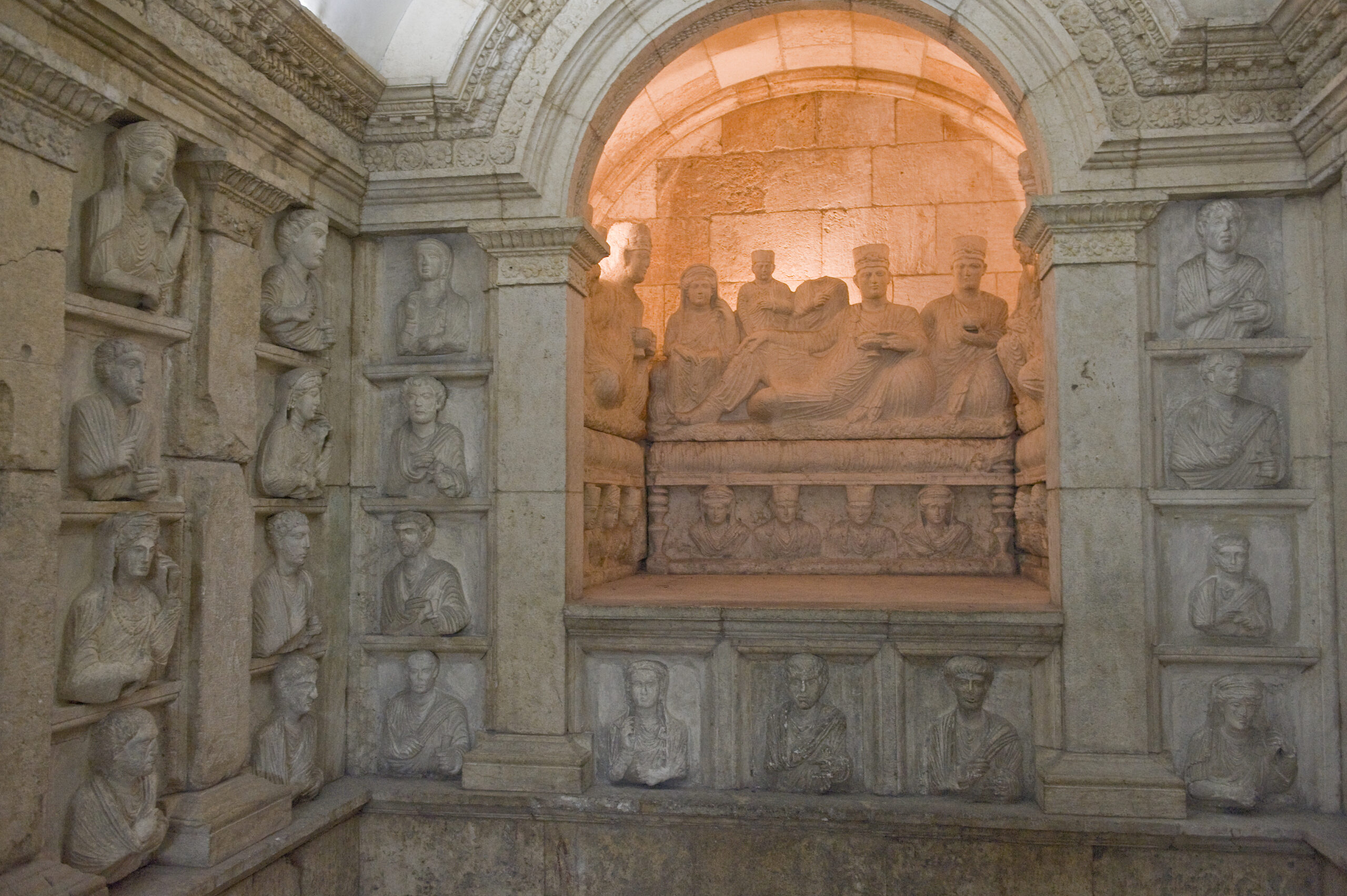
This section is a favorite for many visitors. It houses stunning relics from Greek, Roman, and Byzantine periods excavated in sites like Palmyra, Bosra, and Dura-Europos.
Notable artifacts include:
- Palmyrene funerary busts, with stylized Greco-Roman clothing and inscriptions in Aramaic
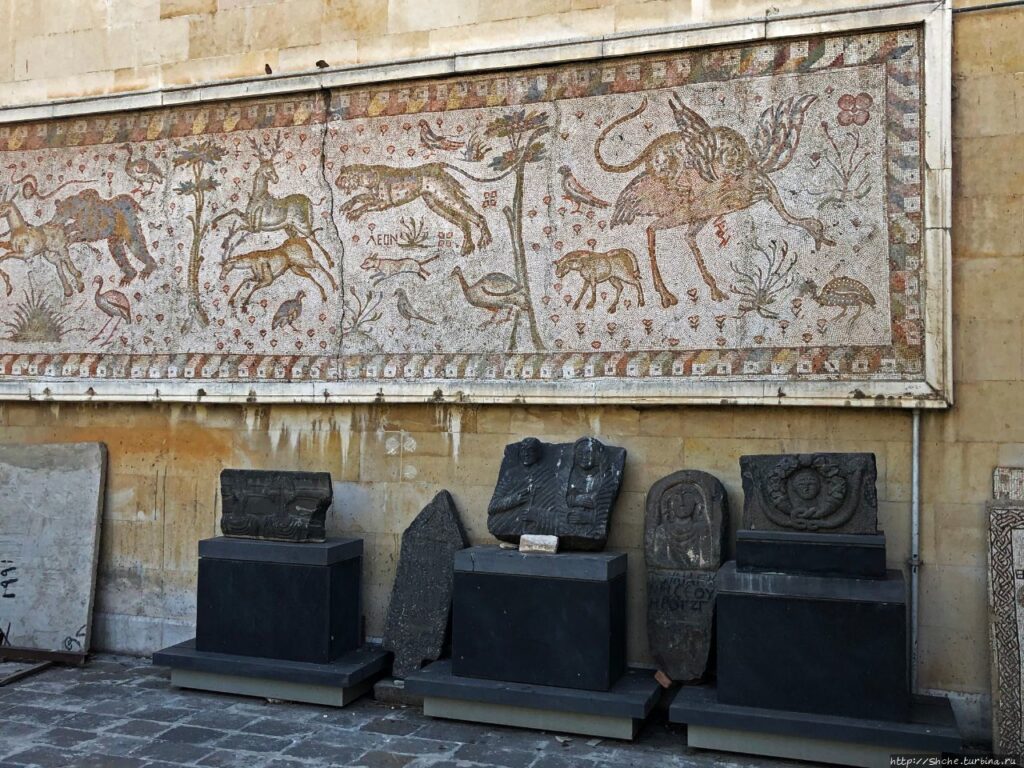
- Mosaic floors from Roman villas in Shahba and Hama
- A reconstructed room from Dura-Europos Synagogue, with colorful biblical frescoes
- Bronze statues of gods, emperors, and mythological figures
One of the rarest pieces in the museum is the hypostyle hall from a 3rd-century synagogue—reassembled stone by stone in its original layout.
Islamic Art Gallery
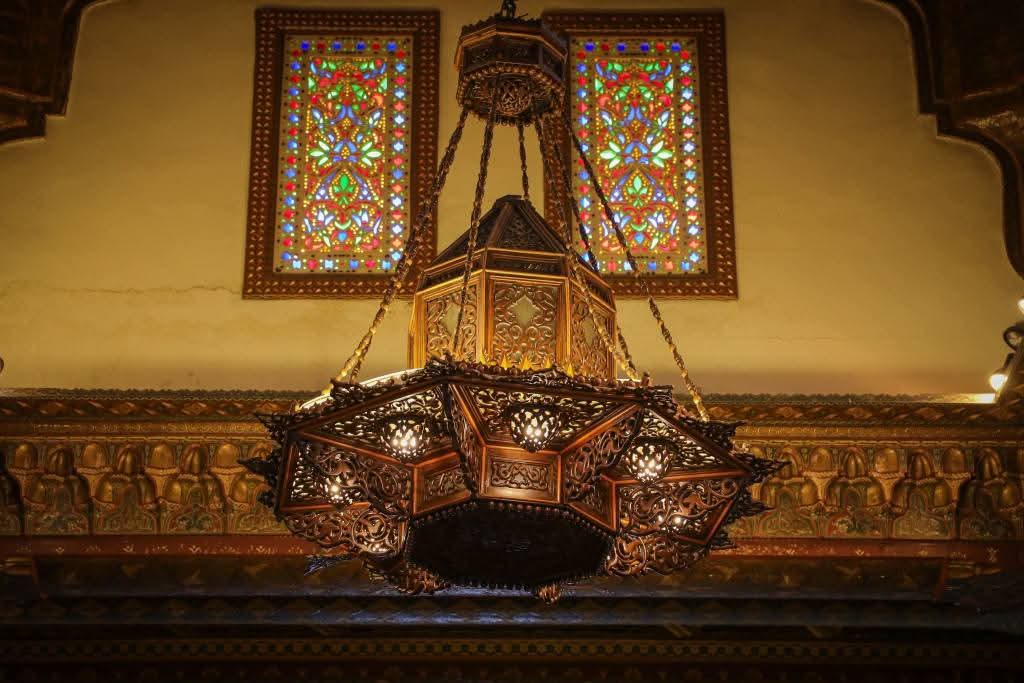
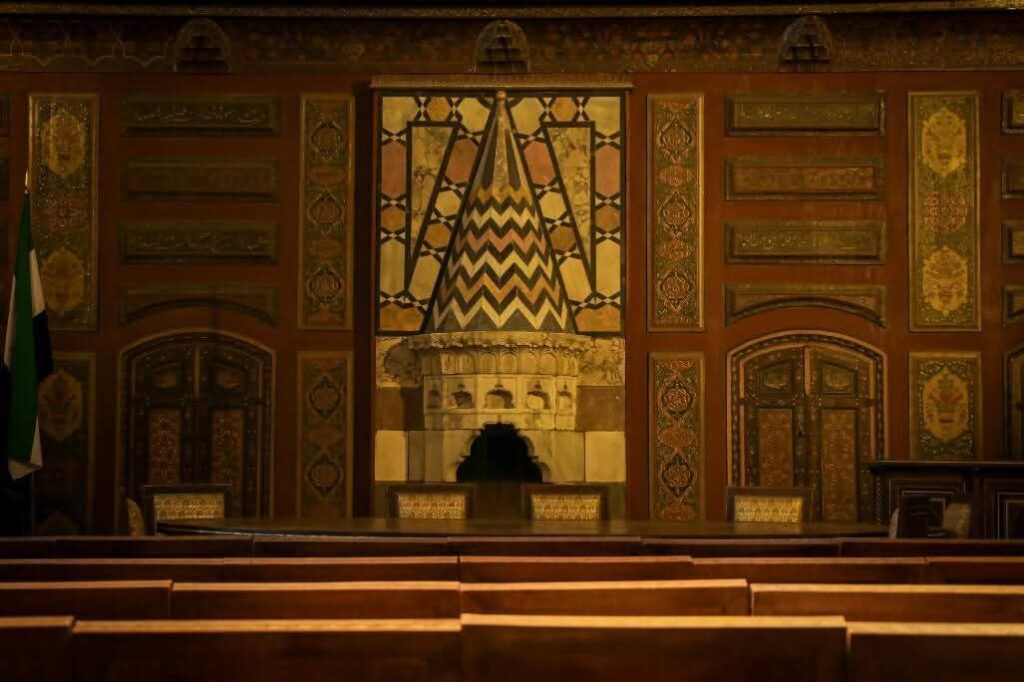
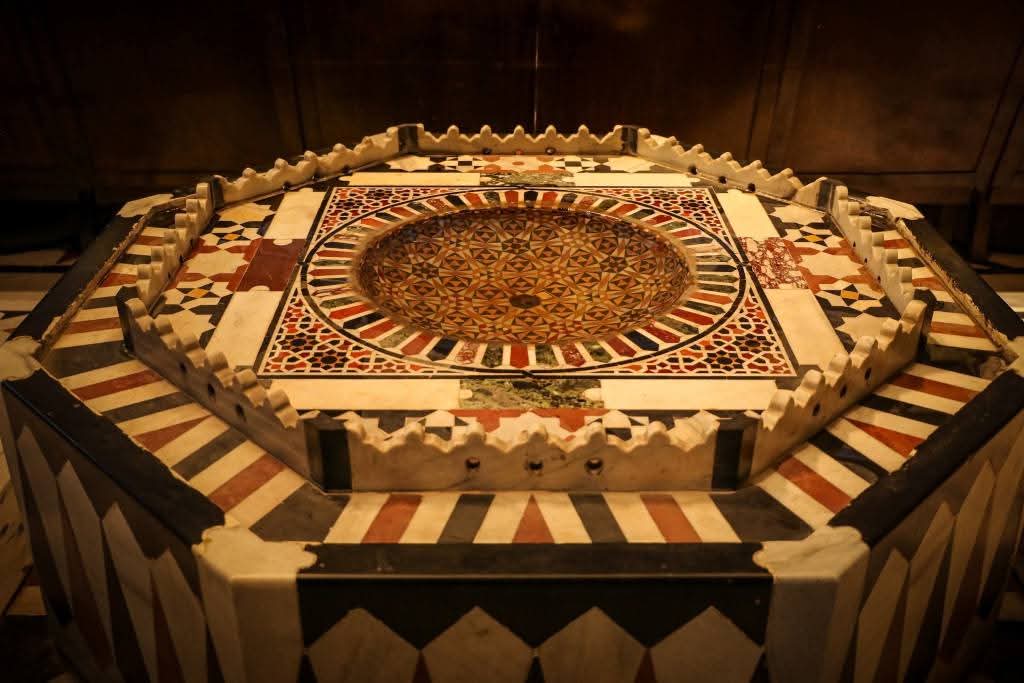
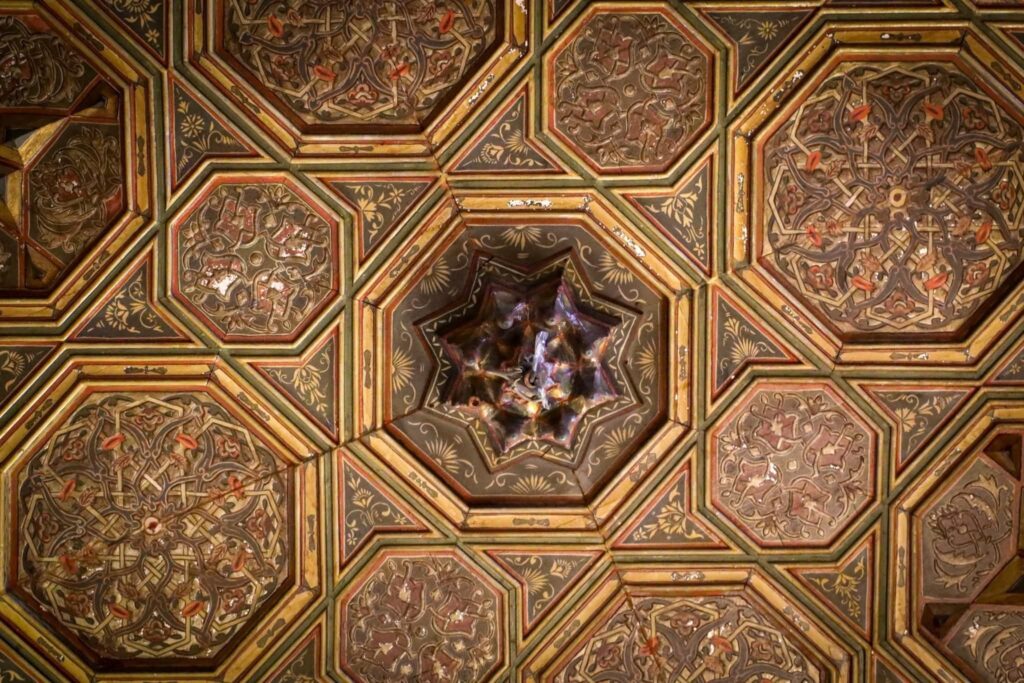
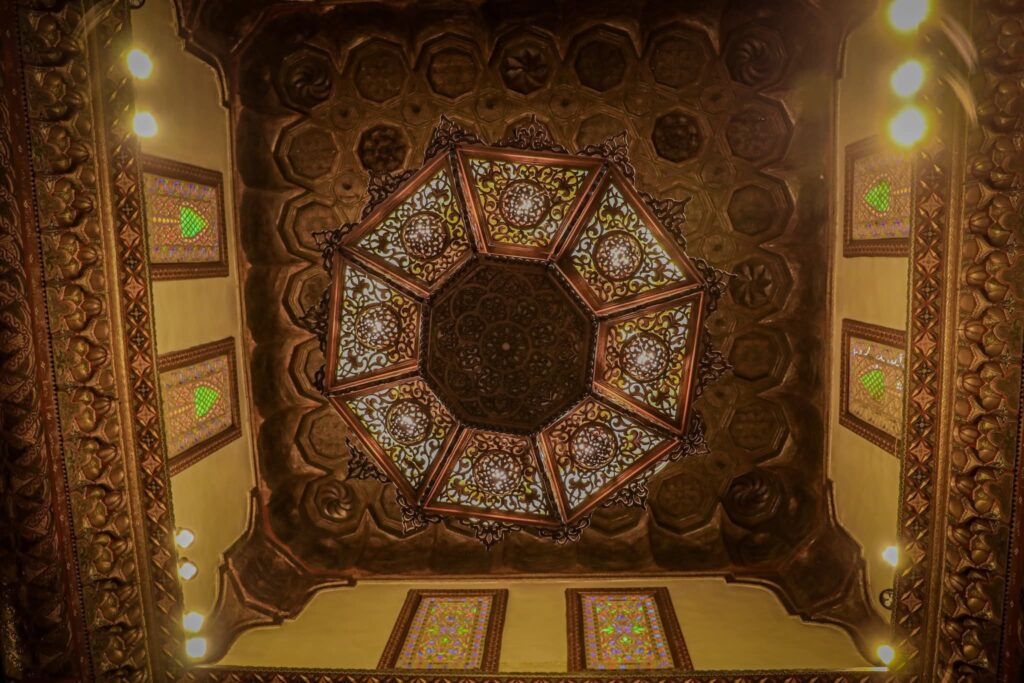
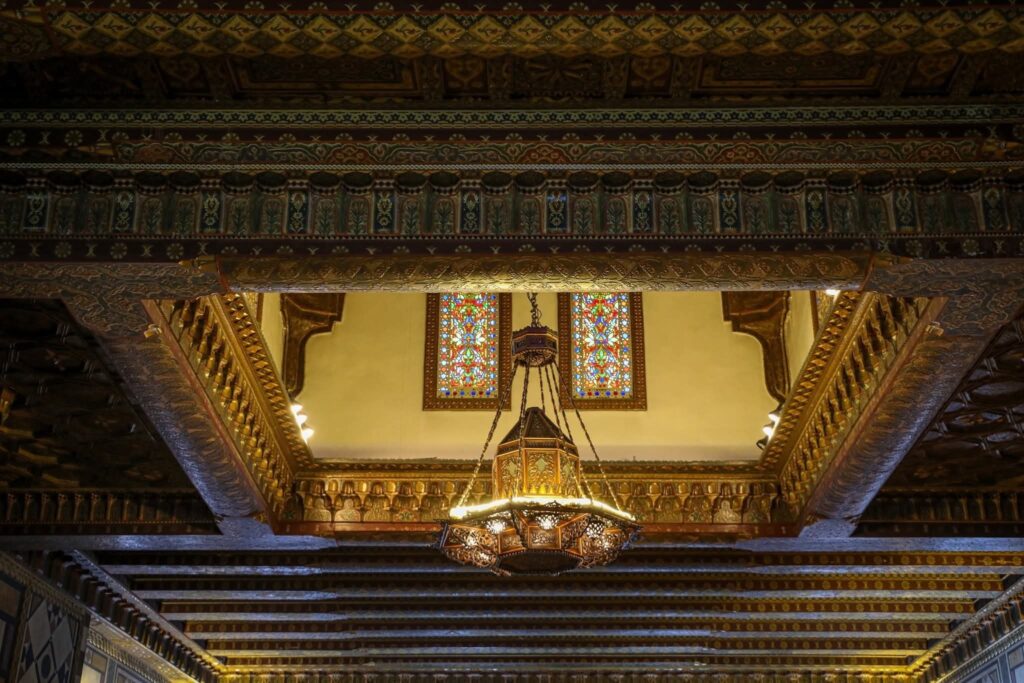
The Islamic wing reflects Syria’s deep contributions to Islamic art, science, and architecture. The collection spans from the Umayyad period through the Mamluk and Ottoman eras.
Key features include:
- Intricately carved wooden mihrabs and minbars from ancient mosques
- Glazed ceramics and lusterware from Raqqa, a city that was once a center for Islamic pottery
- Arabic calligraphy panels, Qur’anic manuscripts, and scientific tools
- A rare astrolabe, demonstrating the mathematical and astronomical advancements of the Islamic world
Epigraphy and Manuscripts Section
This smaller but powerful section features a variety of stone inscriptions, papyrus texts, and illuminated manuscripts. Languages include Akkadian, Aramaic, Greek, Latin, and Arabic—showcasing Syria’s diverse linguistic history.
One standout item is a 10th-century Qur’an written in Kufic script, preserved in near-perfect condition.
Ethnographic and Modern Art Section
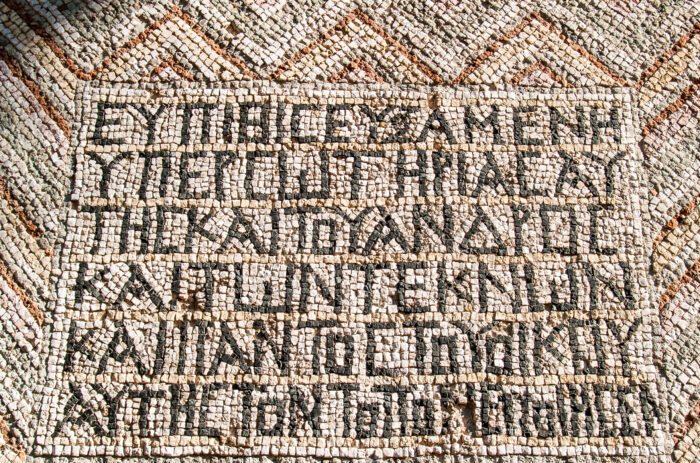
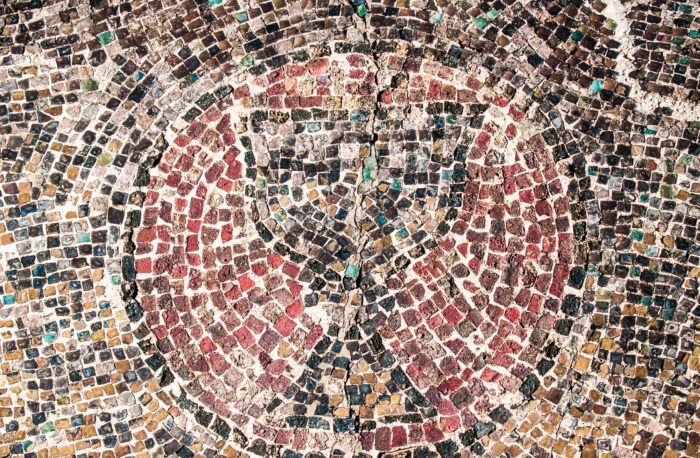
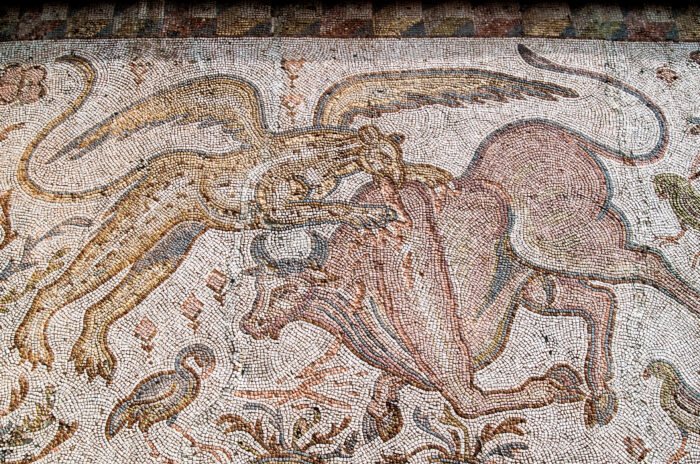
This area features traditional Syrian clothing, Bedouin jewelry, musical instruments, household tools, and examples of Damascene inlay work. There is also a rotating collection of modern Syrian art, connecting the past to the present.
Visitor Information
Location and Access
- Address: Shukri al-Quwatli Street, Baramkeh District, Damascus
- Nearby landmarks: Close to the University of Damascus and the Tishreen Park
- Distance from the Umayyad Mosque: Approximately 2.5 kilometers (10-minute drive)
Opening Hours
- Open Sunday to Thursday, 9:00 AM – 4:00 PM
- Closed on Fridays and some public holidays
- Hours may vary during Ramadan or due to restoration activities
Entrance Fees
- Modest admission fee (typically less than 5 USD)
- Discounts available for students, families, and large groups
- Free entry on World Heritage Day and select cultural holidays
Services and Amenities
- Guided tours are available in Arabic and English
- A small café and bookstore offer refreshments and souvenirs
- Clean restrooms, seating areas, and air-conditioned galleries
- Photography is allowed in most sections, but flash may be restricted
Practical Tips for Visitors
- Allocate at least 2 to 3 hours for a full visit
- Wear comfortable shoes, as some areas involve walking and stairs
- Bring a notebook or guidebook if you’re a history enthusiast—the details are rich
- Visiting in the morning offers the best lighting and quiet atmosphere
- If traveling in summer, enjoy the museum’s cool interiors as a break from the heat
Cultural and Educational Value
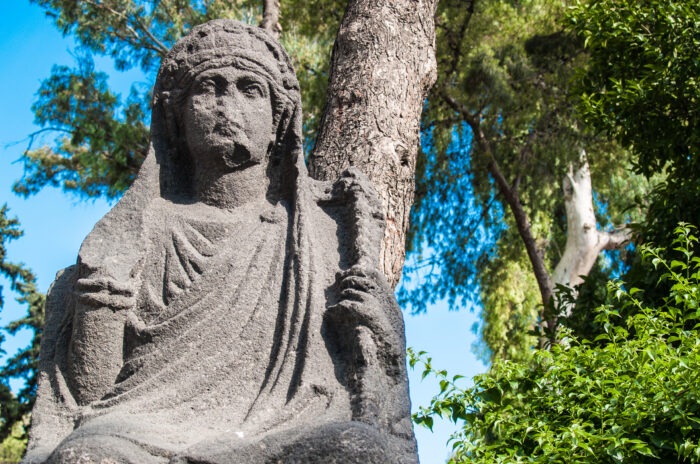


The Damascus National Museum is not only a space for admiration but also for education and dialogue. The museum frequently hosts:
- Temporary exhibitions on international archaeology and contemporary issues
- Workshops for students and children on Syrian heritage
- Lectures and seminars for professionals in art history, epigraphy, and museum studies
- Partnerships with UNESCO, ICOM, and other global heritage institutions
The Museum’s Role During Conflict
During the Syrian conflict, Damascus National Museum took precautionary measures to protect its priceless artifacts. Many items were safely removed, cataloged, and stored in secure locations. Since 2018, it has begun to reopen its galleries, gradually reintroducing treasures to the public while maintaining conservation standards.
The effort to revive the museum stands as a symbol of Syria’s commitment to preserving its identity, even in difficult times.
See Also: Qalaat Dimashq
Final Thoughts
For anyone visiting Damascus, Damascus National Museum is a must-see destination that embodies the depth and diversity of Syrian history. From the world’s oldest alphabet to the grandeur of Roman Palmyra and the beauty of Islamic calligraphy, every object tells a story—not only of Syria but of human civilization itself.
Whether you’re a seasoned historian, a student of culture, or simply a curious traveler, the Damascus National Museum will leave you with a profound respect for the civilizations that once flourished on this land—and an appreciation for the resilience of a nation proud of its heritage.
Finally.. If you have any questions, please contact us. To explore further, visit our website gallery for rare images and cultural highlights.
Sources & References:
UNESCO – World Heritage Centre: https://whc.unesco.org
Archnet – Architecture & Heritage Database: https://www.archnet.org
World History Encyclopedia: https://www.worldhistory.org
Syrian Heritage Archive Project: https://syrian-heritage.org
Global Encyclopedia: Wikipedia