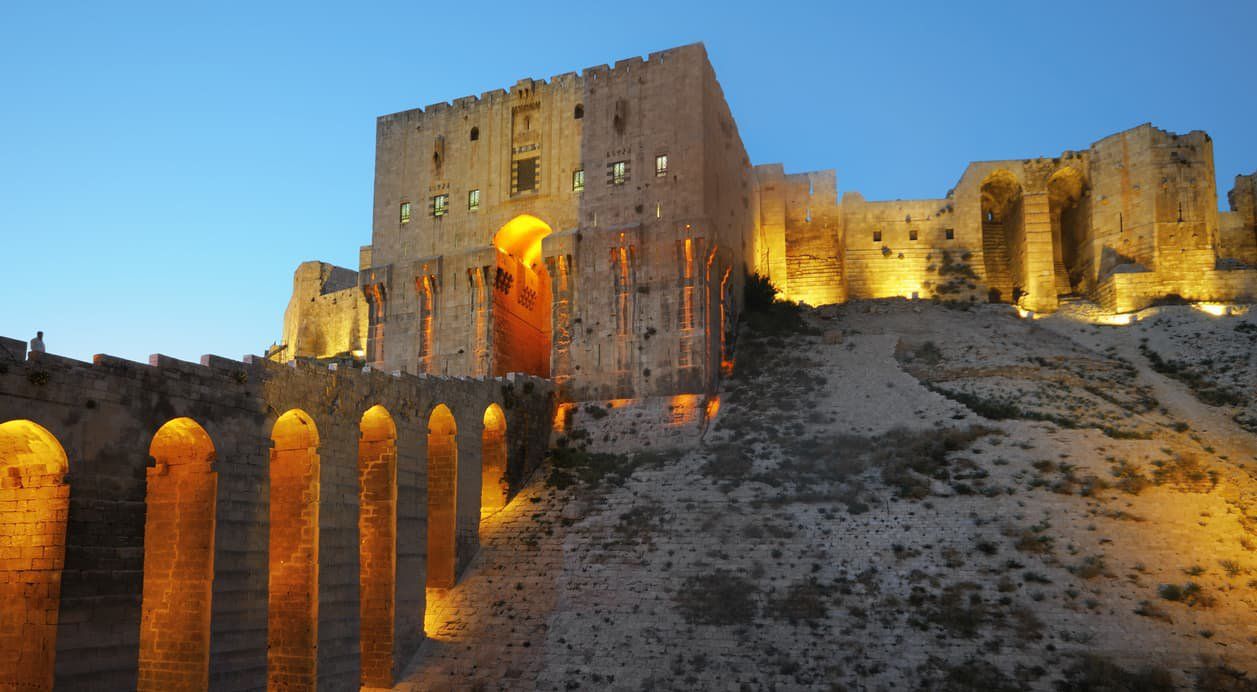
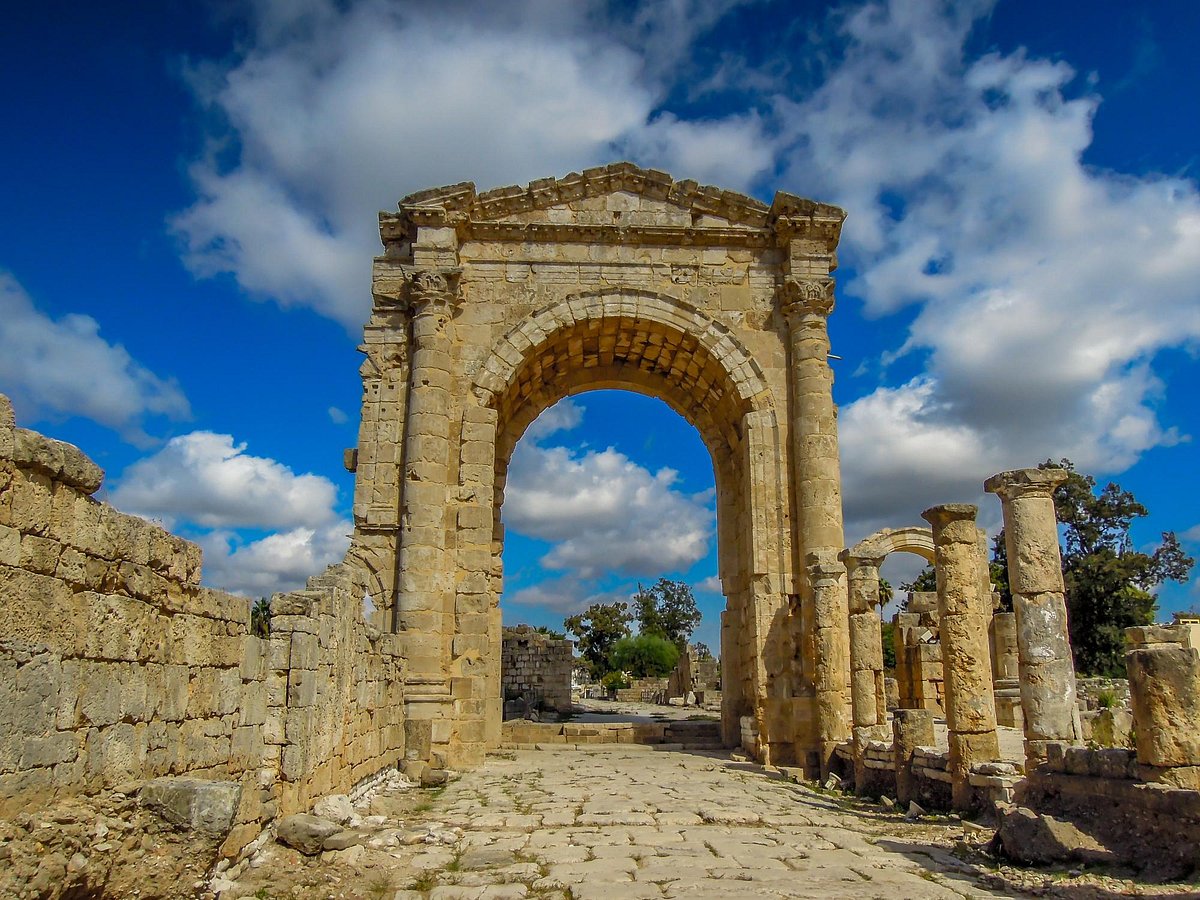
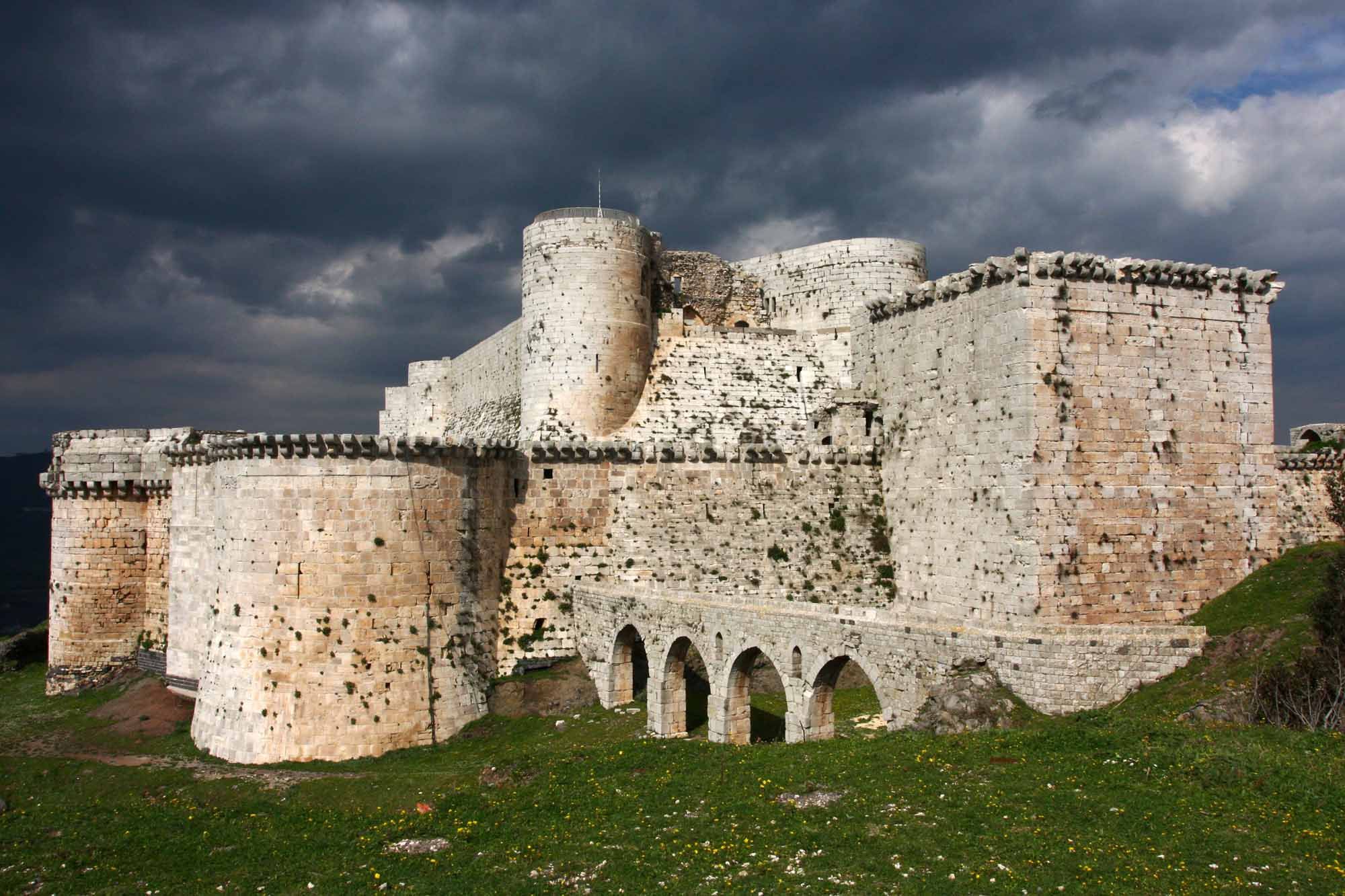
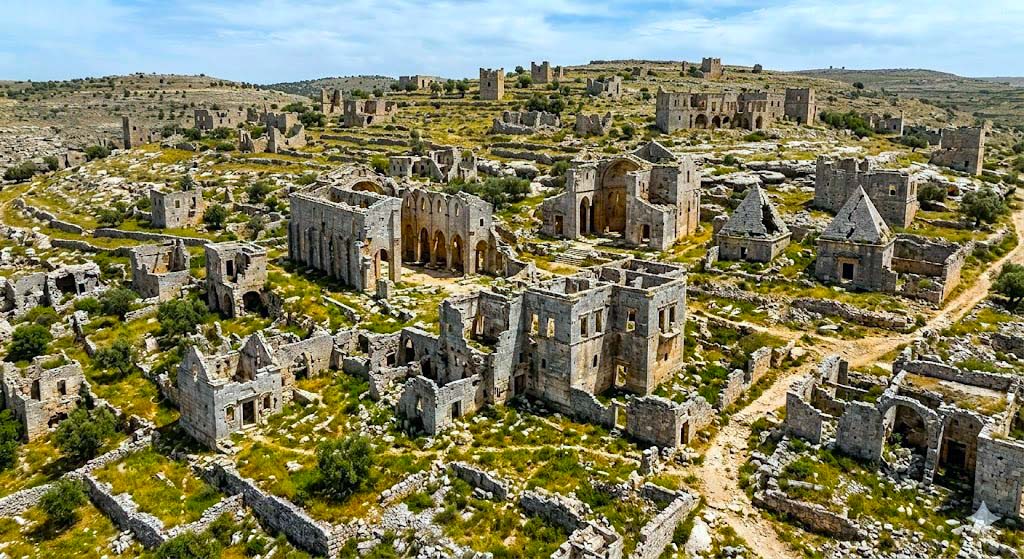
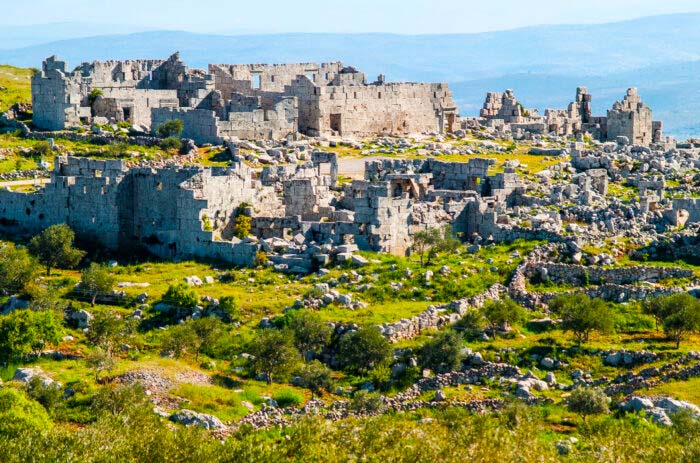
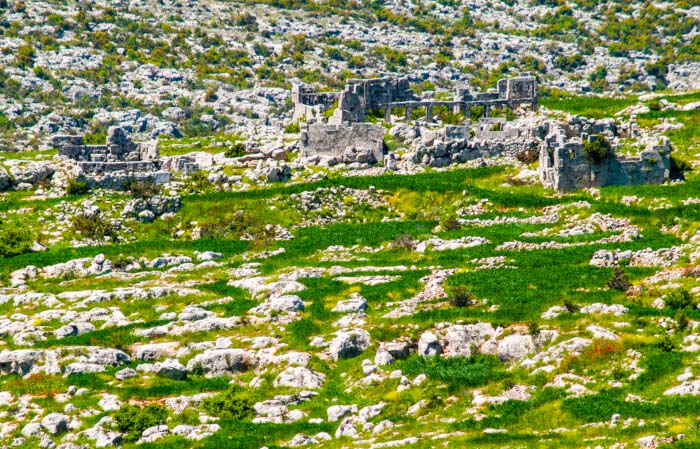
Dead Cities Tour in Syria: If you are a traveler who prefers silent ruins to crowded museums, a Dead Cities Tour in Syria is likely at the top of your bucket list. Known locally as the “Forgotten Cities,” these 700+ settlements in Northwest Syria offer a hauntingly beautiful look at Byzantine life between the 1st and 7th centuries.
In 2026, the accessibility of these sites has improved, making it the perfect time to plan a Dead Cities Tour in Syria. Whether you are a photographer, an academic, or a slow-travel enthusiast, this 10-day itinerary covers the absolute best of the Limestone Massif.
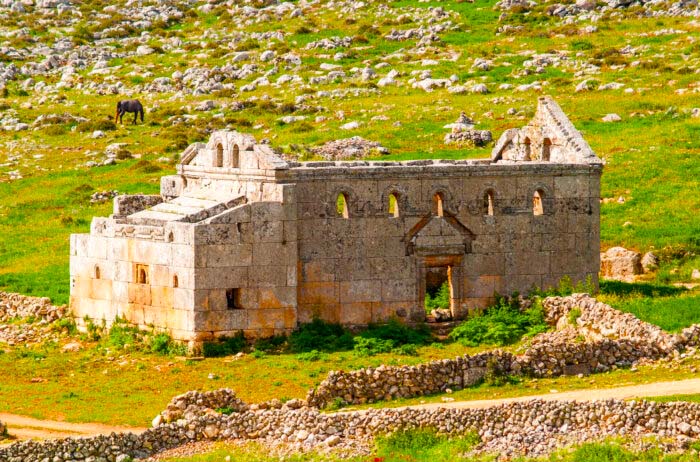
The Journey Begins: Arrival in Damascus
Your Journey officially begins the moment you touch down at Damascus International Airport.
- Day 1: Arrival & The Spirit of the South. After passing through immigration (ensure your 2026 visa approval document is ready), you’ll be driven into the heart of Old Damascus. Spend your first evening acclimating to the local culture with a walk through Souq al-Hamidiyah and a dinner in old city.
Days 2–3: The Southern Heartland (Jabal Zawiya)
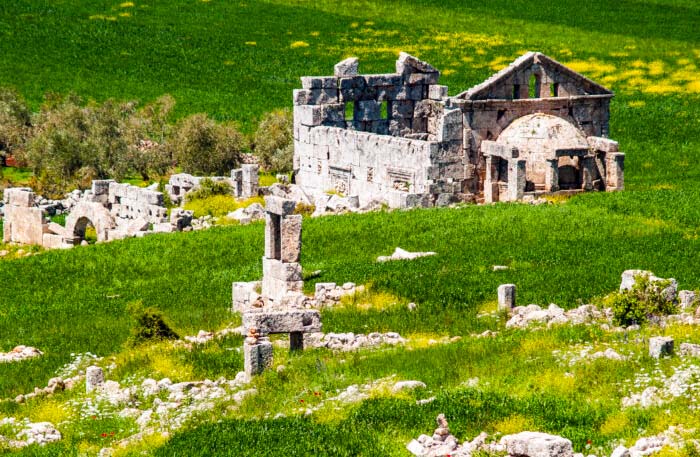
- Day 2: The Northward Push. On the second day of your Dead Cities Tour in Syria, you leave the capital and head north. The drive takes about 3.5 to 4 hours. We recommend stopping in Homs or Hama for lunch before entering the “Gateway to the Dead Cities”—the Jabal Zawiya region.
- Day 2: Al-Bara & Serjilla. Start with the “Big Two.” Al-Bara is the largest site on any Dead Cities Tour in Syria, sprawling with pyramidal tombs and olive presses. Follow this with Serjilla, famous for its perfectly preserved Roman-style baths and public tavern.
- Day 3: The Bizzos Trail. Visit Ruweiha to see the massive Bizzos Basilica and then move to Jerada, where a unique six-story Byzantine watchtower still stands guard over the valley.
- Day 3: Hidden Gems. Explore Shinshirah and Bauda. These sites are essential for a complete Dead Cities Tour in Syria as they showcase the transition from Roman paganism to early Christianity.
Days 4–6: The Architectural Revolution (Jabal Barisha)
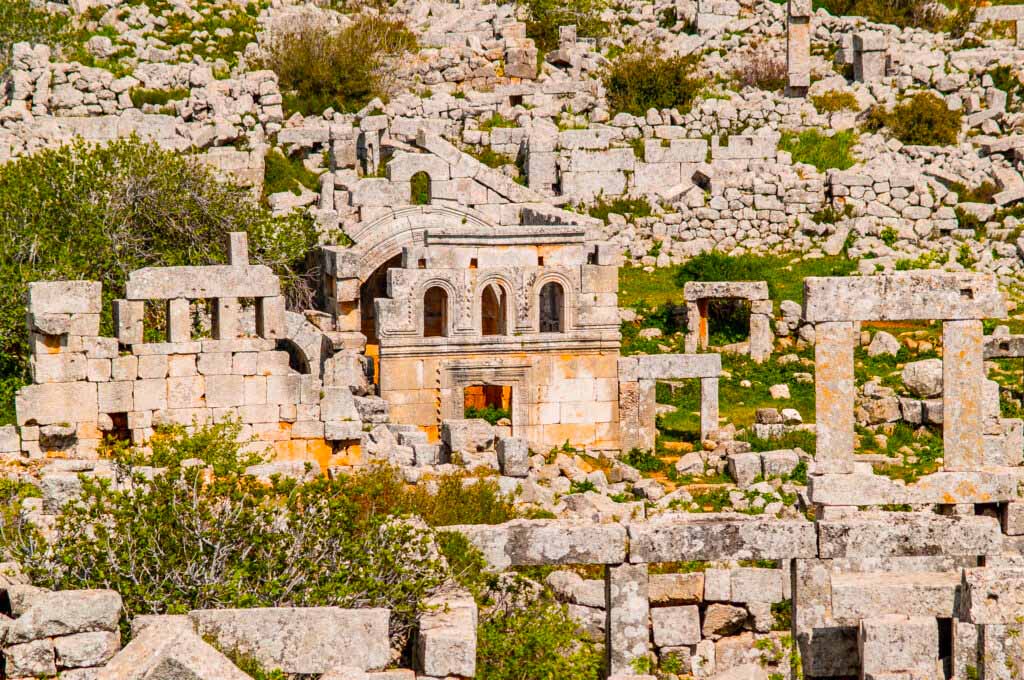
- Day 4: Qalb Loze. This is the crown jewel. The Church of Qalb Loze is widely considered the architectural prototype for the Romanesque cathedrals of Europe.
- Day 5: The Olive Oil Route. Explore Baqirha and Babisqa. These were the industrial hubs of the ancient world. Seeing the massive, intact stone olive presses is a highlight of a professional Dead Cities Tour in Syria.
- Day 6: Residential Life. Spend the day in Dehes and Behyo to walk through ancient villas and see how the elite families of the Byzantine era lived.
Days 7–10: The Northern Pilgrimage (Mount Simeon)
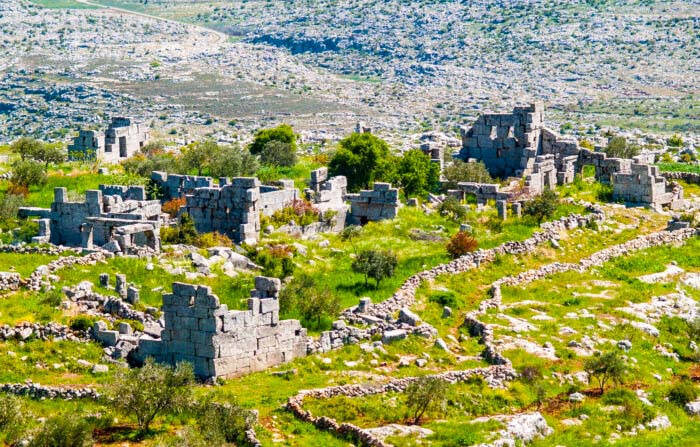
- Day 7: Qalaat Semaan. No Dead Cities Tour in Syria is complete without the Church of Saint Simeon Stylites. In its prime, this was the largest church in Christendom, built around the pillar where the hermit monk lived for 37 years.
- Day 8: The Administrative Capital. Visit Brad, the administrative center of the north and the traditional burial place of Saint Maron—a vital stop for history buffs on a Dead Cities Tour in Syria.
- Day 9: The Oldest Churches. Head to Fafertin and Kharab Shams. Here you will see the remains of the oldest dated churches in the world, some dating back to 372 AD.
- Day 10: Rock Reliefs & Farewell. Conclude your Dead Cities Tour in Syria at Qatura, famous for its Roman-era reliefs carved directly into the limestone cliffs, before returning to Aleppo or Damascus.
The Master Site Index (South to North)
| Site Name | Cluster | Time Duration | Site Rate | Why It’s “Worth It” |
| Al-Bara | South | 3 Hours | ⭐⭐⭐⭐⭐ | The largest city; massive scale. |
| Serjilla | South | 2 Hours | ⭐⭐⭐⭐⭐ | Best preservation; feels “lived in.” |
| Ruweiha | South | 1.5 Hours | ⭐⭐⭐⭐ | Incredible Byzantine stonework. |
| Bauda | South | 45 Mins | ⭐⭐⭐ | Iconic pyramidal tombs by the road. |
| Qalb Loze | Central | 1 Hour | ⭐⭐⭐⭐⭐ | The “Mother” of Romanesque architecture. |
| Baqirha | Central | 1.5 Hours | ⭐⭐⭐⭐ | High altitude ruins with Roman temples. |
| Dehes | Central | 2 Hours | ⭐⭐⭐⭐ | Perfect for seeing ancient “middle class” life. |
| Qalaat Semaan | North | 3 Hours | ⭐⭐⭐⭐⭐ | The crown jewel; Saint Simeon’s pillar. |
| Brad | North | 2 Hours | ⭐⭐⭐⭐ | The capital of the north; St. Maron’s tomb. |
| Mushabbak | North | 45 Mins | ⭐⭐⭐⭐ | An isolated, perfectly intact 5th-c. church. |
| Qatura | North | 1 Hour | ⭐⭐⭐ | Unique cliff-cut Roman reliefs. |
FAQ: Dead Cities Tour in Syria
Is a Dead Cities Tour in Syria safe in 2026?
Most UNESCO sites are accessible via government-secured routes. Always travel with a licensed local guide for real-time safety updates.
Do I need a visa for a Dead Cities Tour in Syria?
Yes. If flying into Damascus, you must arrange a “Visa Approval Document” at least 1-2 weeks in advance through your tour operator.
What should I pack?
Sturdy hiking boots are non-negotiable. The terrain is rocky and uneven. Also, bring a high-capacity power bank for long days in the ruins.
Can I use credit cards?
No. A Dead Cities Tour in Syria is a cash-only experience. Bring USD or Euros to exchange for Syrian Pounds (SYP) upon arrival.
Are drones allowed?
Drone laws are very strict in 2026. You must obtain special permits from the Ministry of Tourism, otherwise, stick to handheld cameras.
How do I get to the sites?
These sites are remote. You will need a private 4×4 or a dedicated driver who knows the mountain backroads of the Limestone Massif.
P.S. Before you start packing, make sure to check the Weather in Syria to ensure you are well-prepared for the seasonal temperatures during your visit.
Explore our complete archaeological index for deep-dives into the history, architecture, and scholarly research of each Dead City site.
Sources & References: UNESCO – World Heritage Centre: https://whc.unesco.org