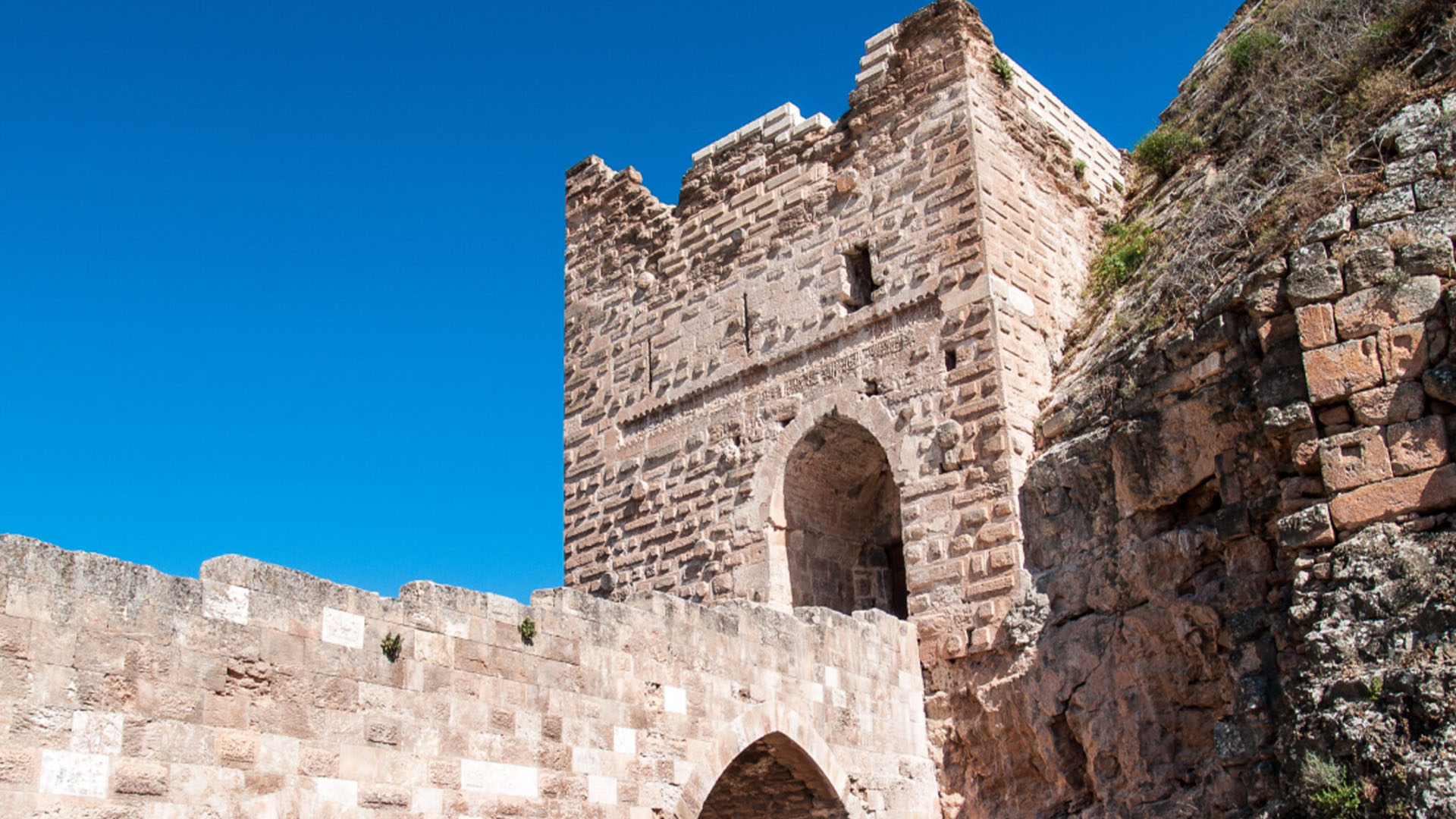
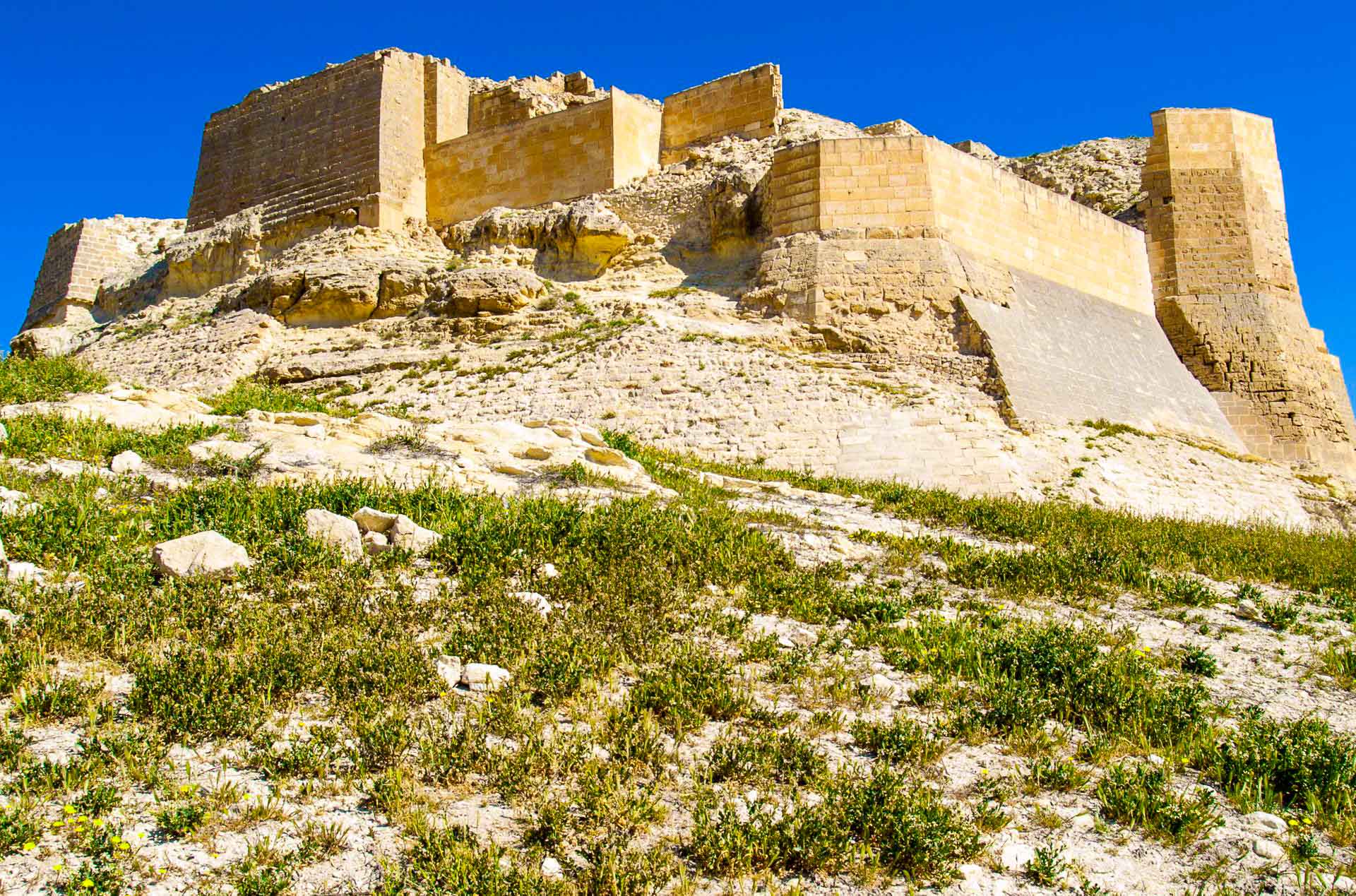
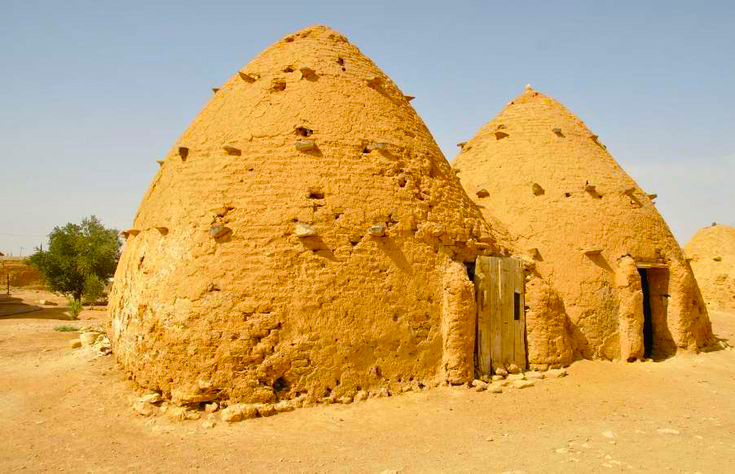
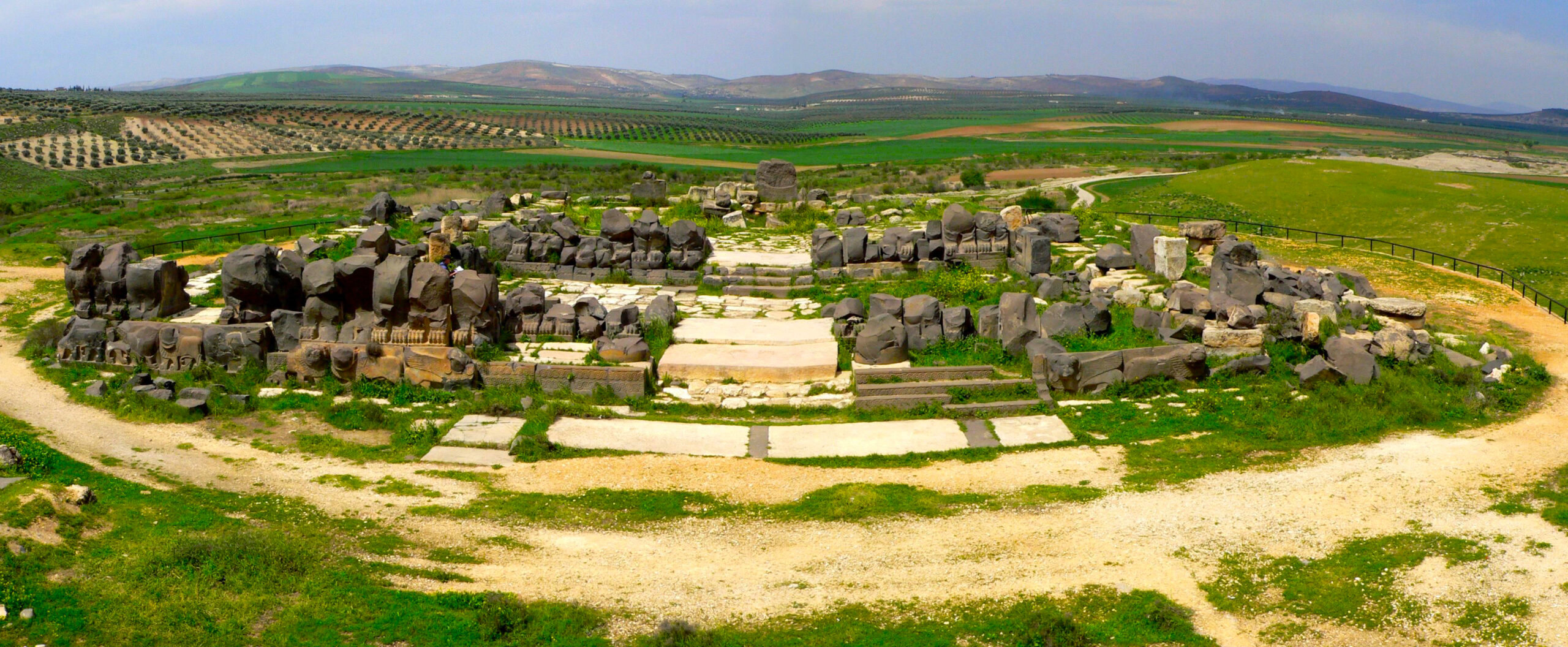
Ain Dara Temple Syria (عين داره) is one of the most fascinating archaeological treasures in the Middle East. Dating back more than 3,000 years, this remarkable site from the Syro-Hittite period continues to capture the imagination of historians, archaeologists, and spiritual travelers alike. Carved from massive basalt blocks and decorated with intricate stone reliefs, the Ain Dara Temple Syria stands as a powerful reminder of ancient craftsmanship and belief systems that shaped the region long before classical civilizations emerged.
| Category | Details |
|---|---|
| Location | ~6 km southwest of Afrin, ~70 km northwest of Aleppo |
| Other Names | Ayn Dara, Temple of Ain Dara |
| Founded | (C. 1300–740 BCE.) |
| Era | Syro-Hittite (Iron Age) |
| Size | Medium-sized temple complex (~30m long) |
| Needed Time to Visit | 30–45 minutes |
| Key Highlights | Giant footprints carved in stone, lion and sphinx sculptures |
| Accessibility | Accessible by car via Afrin; no public transport |
| Nearby Sites | Qalaat Samaan, Afrin valley ruins, Dead Cities |
| Why Visit | Mysterious Iron Age temple with artistic carvings and mythological features |
Why Visit
A visit to Ain Dara Temple Syria is an unforgettable experience for anyone fascinated by ancient art and mythology. The temple’s massive footprints and elaborate carvings spark curiosity about how people thousands of years ago perceived divinity. Walking through the remains, you can almost feel the spiritual energy that once filled this sanctuary. The site’s blend of history, legend, and artistry makes it a must-see for travelers exploring the ancient landscapes of northern Syria.
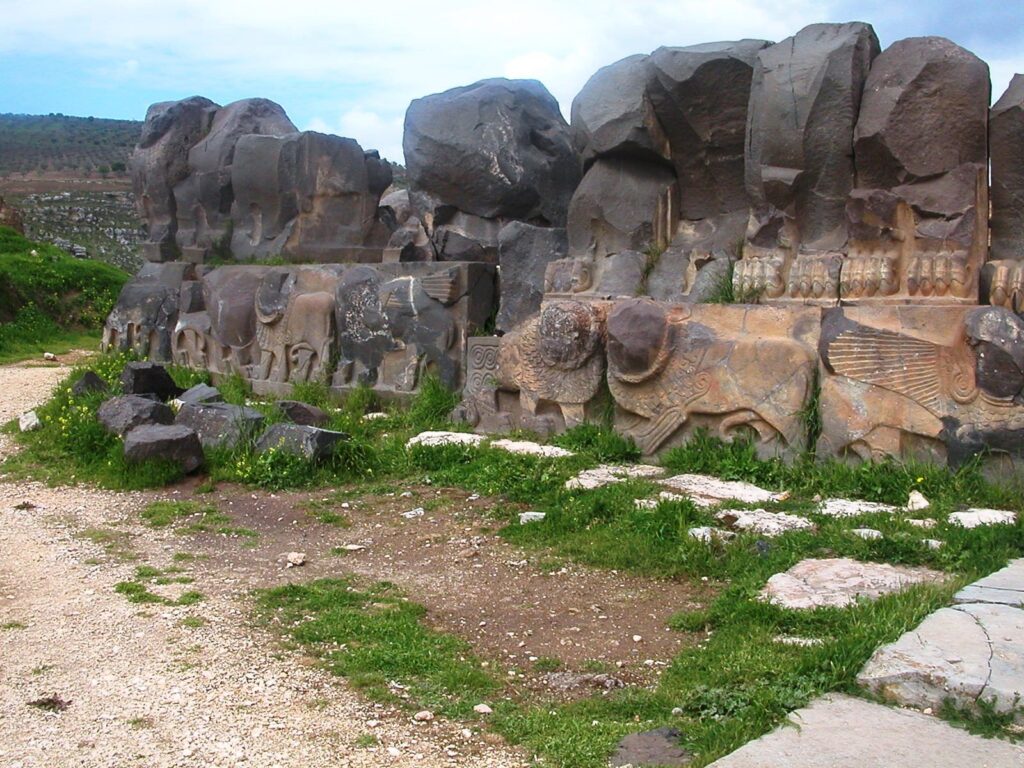
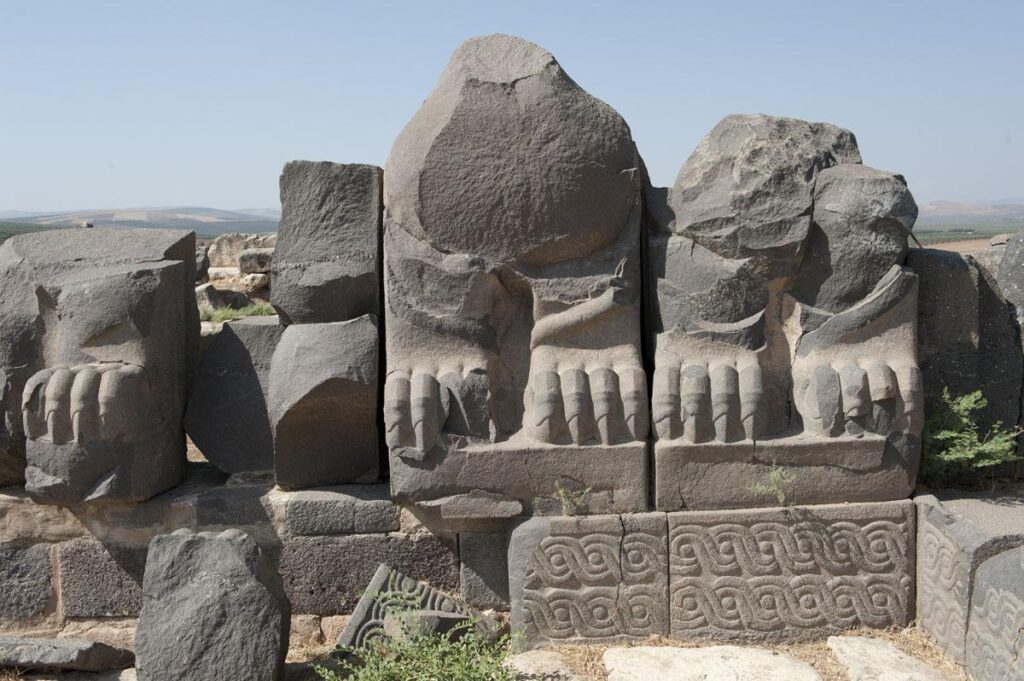
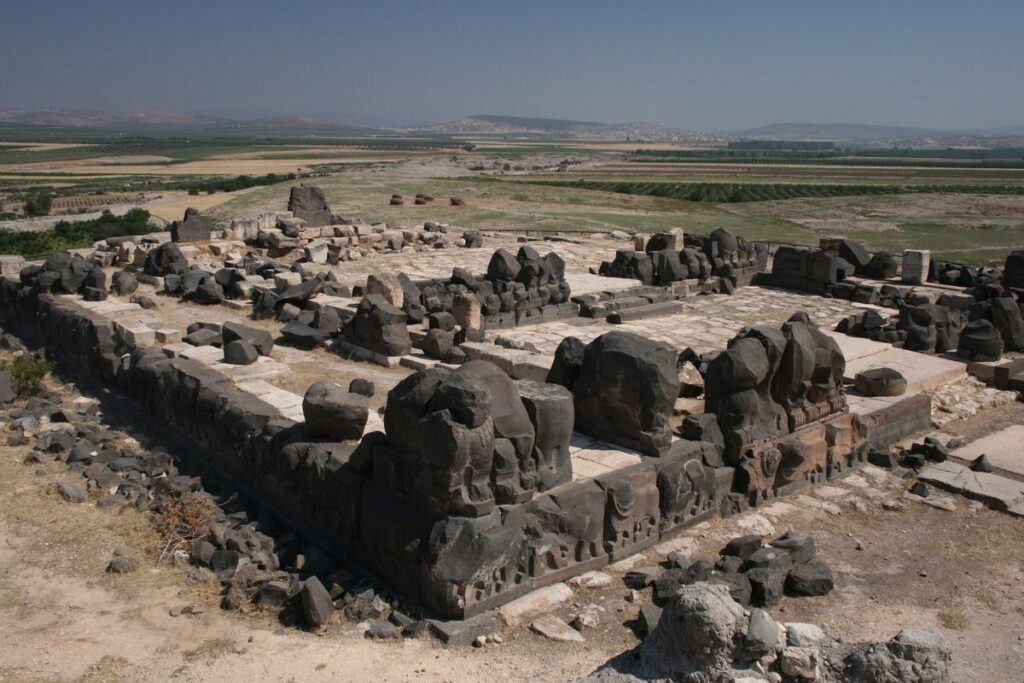
Located near Afrin, around 70 kilometers northwest of Aleppo, the Ain Dara Temple Syria once served as a place of worship for deities revered by the Syro-Hittite culture. Visitors are immediately struck by its colossal stone footprints carved at the entrance—believed to represent the steps of gods entering the sanctuary. These mysterious impressions, measuring nearly a meter long, have become a symbol of the temple’s mystical aura and are among the most iconic archaeological images from northern Syria.
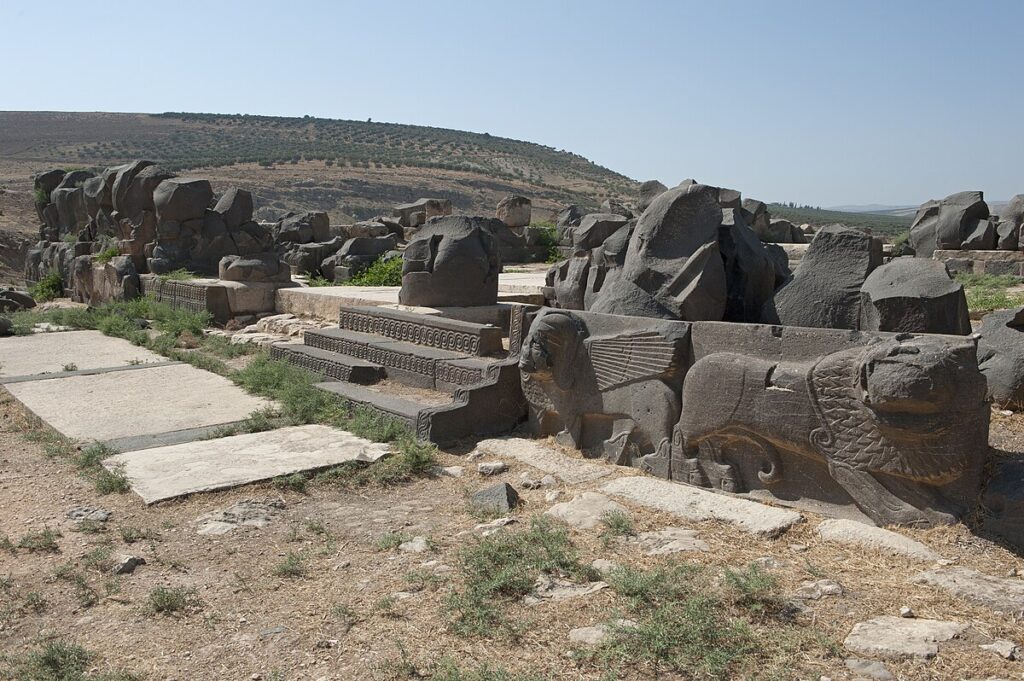
The structure of the Ain Dara Temple Syria shares surprising parallels with the biblical Solomon’s Temple described in the Old Testament. Both feature a tripartite layout—an entry porch, a main hall, and an inner sanctuary—suggesting cultural or architectural exchanges across ancient Near Eastern kingdoms. For scholars of biblical archaeology, this connection makes Ain Dara a crucial reference point for understanding the architectural evolution of sacred spaces in the Iron Age Levant.
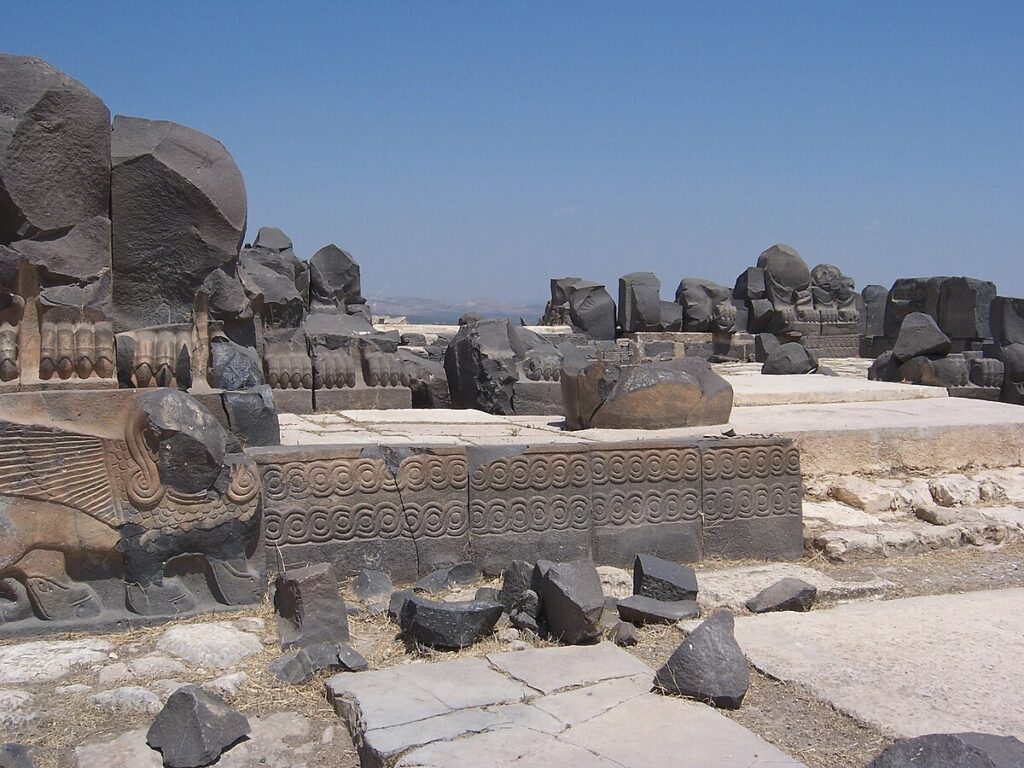
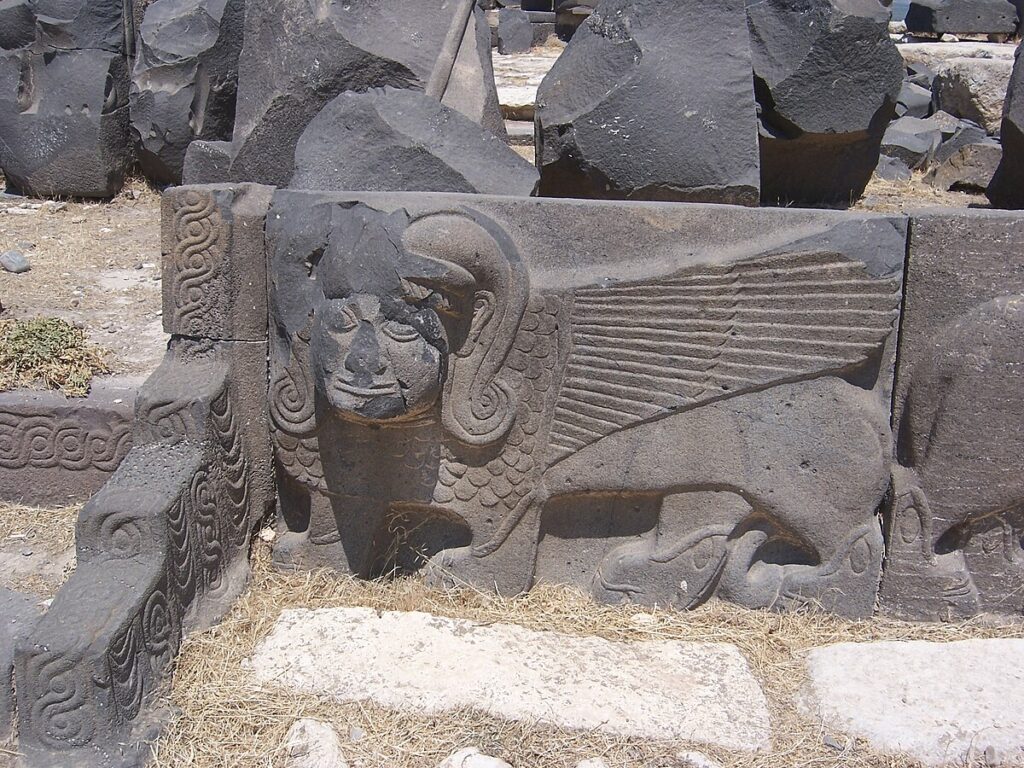
Inside the temple complex, detailed carvings of lions, sphinxes, and hybrid creatures decorate the basalt walls. These bas-reliefs, alongside floral and geometric motifs, demonstrate the artistic refinement of the Syro-Hittite civilization. Although parts of the temple suffered serious damage during 2018, many of its monumental features remain intact and visible. Despite the scars of time and conflict, Ain Dara Temple Syria continues to exude a sense of majesty and mystery.
What to Know Before You Go
- Recent Damage: Parts of the temple were damaged in 2018, but many features remain visible and worth exploring.
- No Entrance Fee: Typically no ticket is required, but the site is unattended.
- Footwear: Wear sturdy shoes as the terrain is rocky and uneven.
- Photography: Allowed and recommended; early morning or late afternoon gives the best light.
- Local Guidance: There are no official guides on-site, so reading up in advance is helpful.
- Security: Check the latest travel safety updates before planning your visit, as the region has seen unrest.
How to Reach
Ain Dara Temple Syria is located approximately 70 km northwest of Aleppo, near the town of Afrin.
- By Car: The most practical way to reach Ain Dara is by private car or hired driver. From Aleppo, it takes about 1.5 to 2 hours via the road through Afrin.
- Public Transport: Currently, no direct public transportation is available to the site. Access is limited, and road conditions may vary, especially near Afrin.
- Travel Tip: It’s recommended to visit with a local guide or driver familiar with the area, especially due to changing security conditions.
Nearby Attractions
- Qalaat Samaan (Church of Saint Simeon Stylites): Just an hour’s drive away, this monumental Byzantine complex is one of the oldest surviving Christian churches.
- Afrin Valley: Offers scenic views, olive groves, and traditional villages with local culture.
- Dead Cities: The region is rich in “forgotten towns” with Greco-Roman and Byzantine ruins scattered across the hills.
- Mount Simeon Region: Known for early Christian monasteries and remote spiritual retreats.


To read more about this topic, click here. To explore further, visit our Facebook Syria Collection for rare images and cultural highlights.