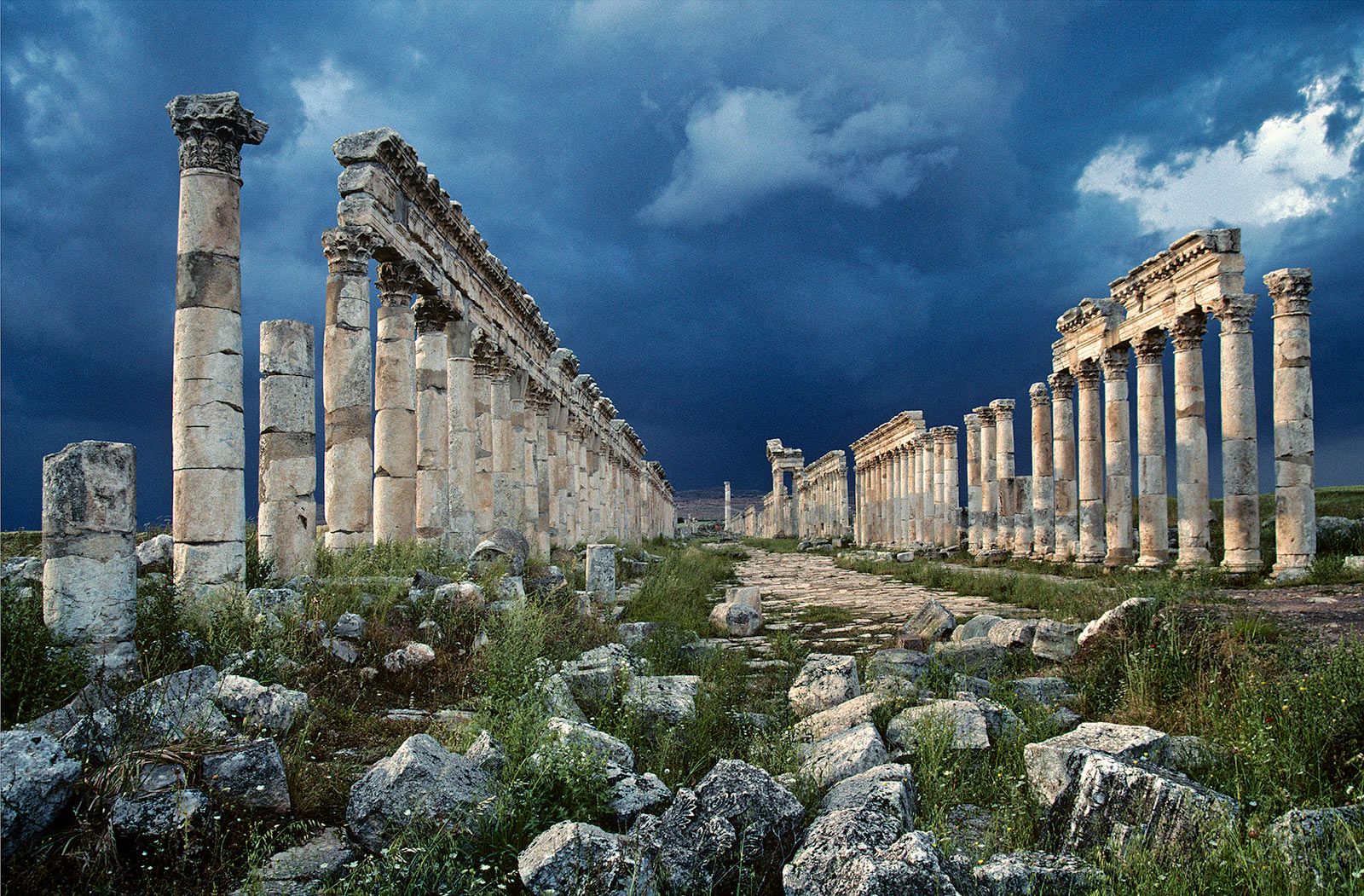
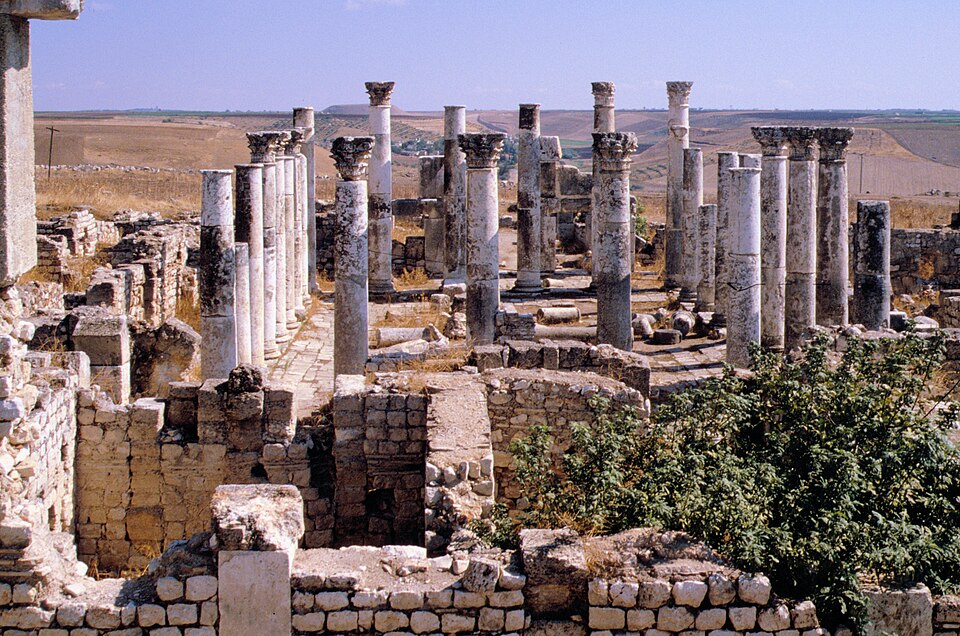
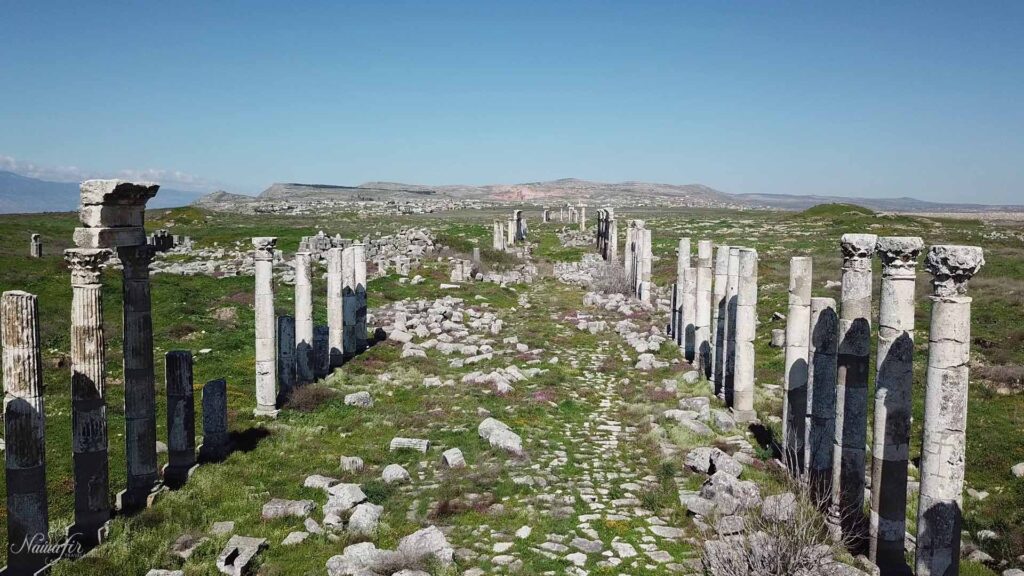
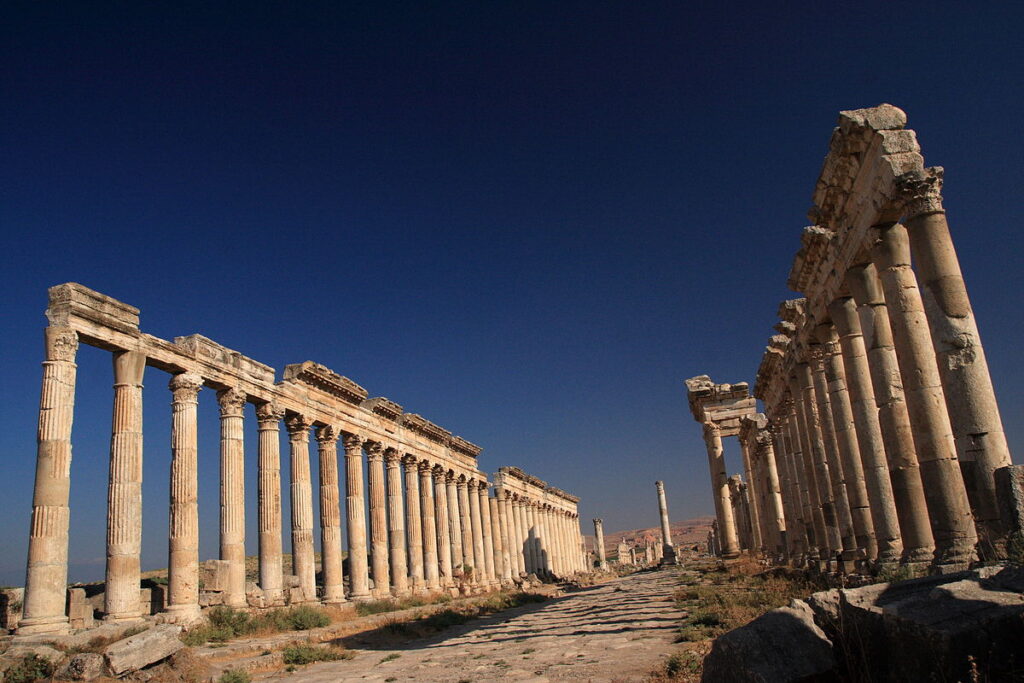
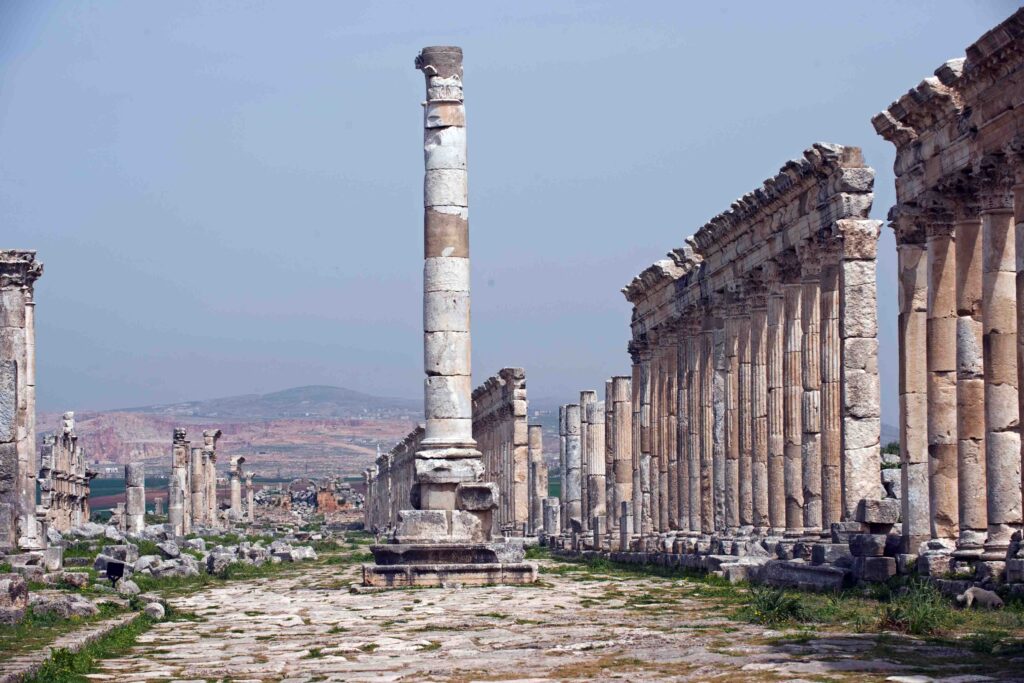
Apamea (افاميا) Set against the lush Orontes Valley, Apamea is one of Syria’s most captivating archaeological treasures. Founded in the 3rd century BCE as a Greek city and later flourishing under Roman rule, it became a major center of culture, commerce, and military power. Visitors can walk along its legendary 2-kilometer colonnaded street, explore ancient temples, theatres, and civic spaces, and imagine the bustling markets and public life that once filled the city. With panoramic views over the al-Ghab Plain and ruins spread across a wide plateau, Apamea offers a fascinating journey into the ancient world.
| Name | Apamea |
|---|---|
| Location | Near Al-Madiq town, western Hama Governorate, Syria |
| Founded | 300 BCE by Seleucus I Nicator (Seleucid Empire) |
| Era | Hellenistic, Roman, Byzantine |
| Type | Ancient city and archaeological site |
| Famous For | Roman colonnaded street (over 2 km), massive Roman ruins |
| Size | Estimated 250 hectares |
| Material | Limestone, marble |
| Time Needed | 1.5 to 2 hours for full visit |
| Accessibility | Easily reached from Hama (60 km) or Homs |
| Suggested Duration | 1–2 hours |
Why Visit
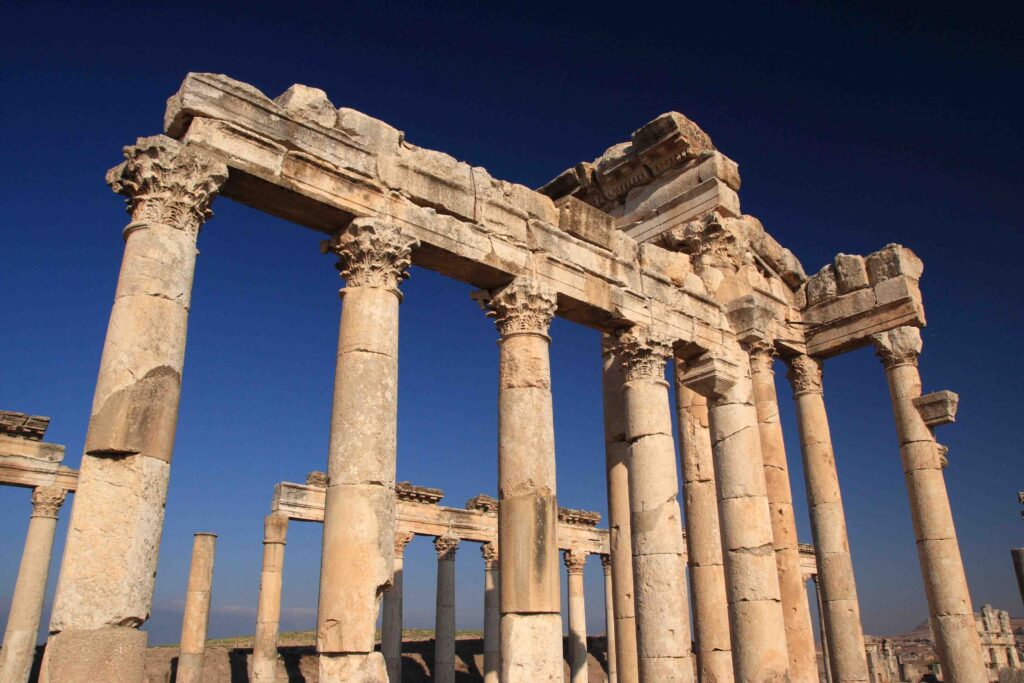
- Massive Roman Colonnade: One of the highlights of Apamea is its remarkable colonnaded street. Over 1,200 columns once lined this iconic road, making it one of the longest surviving Roman streets in the world. Walking along it today, visitors can sense the grandeur and scale of urban life in antiquity.
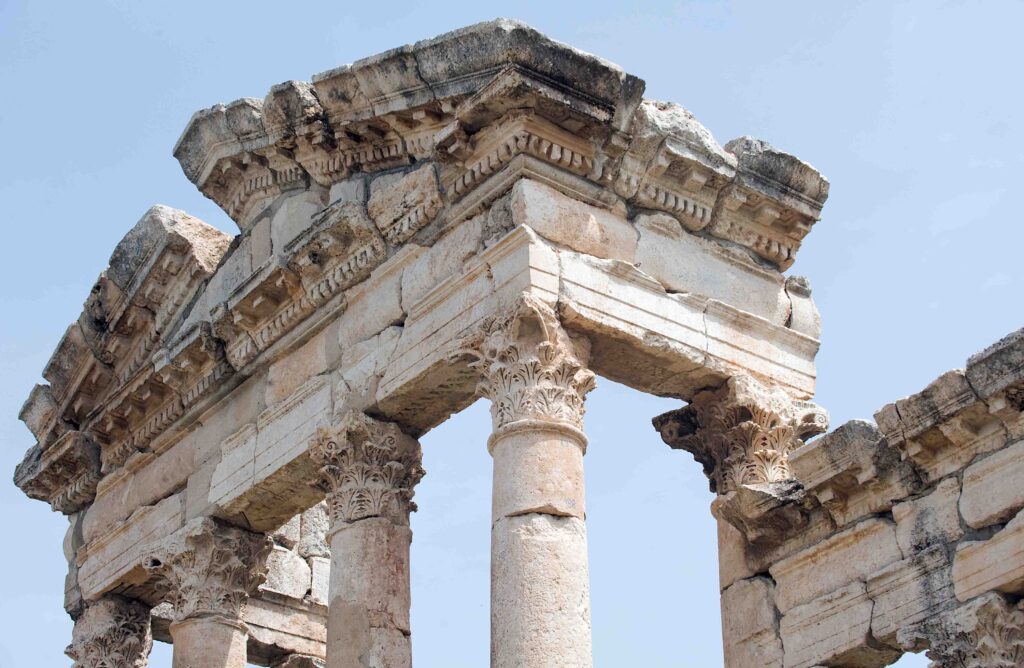
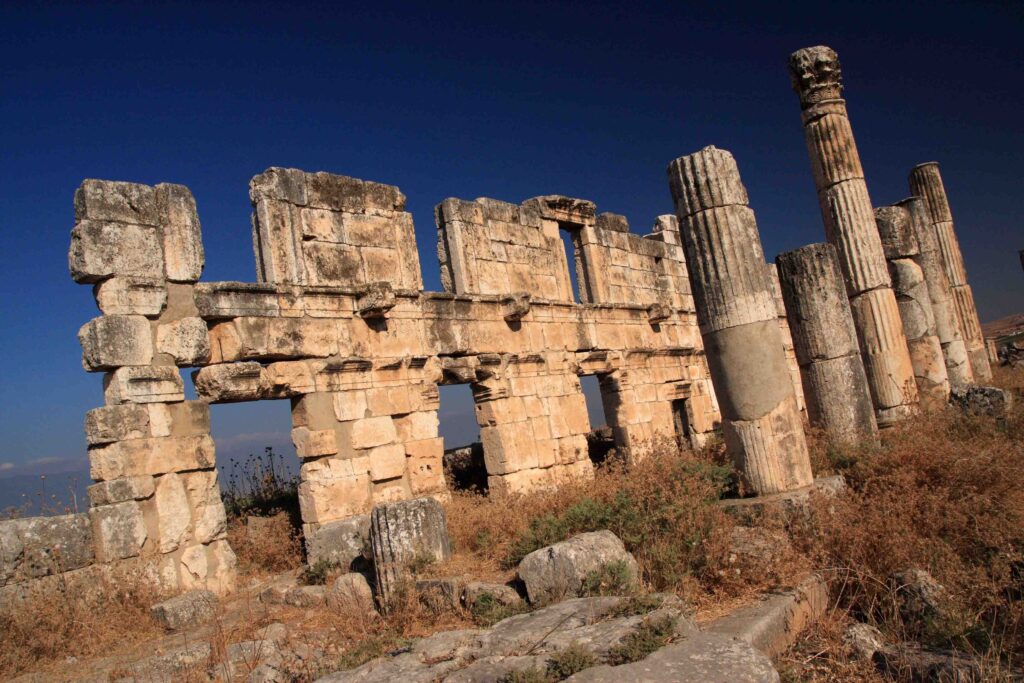
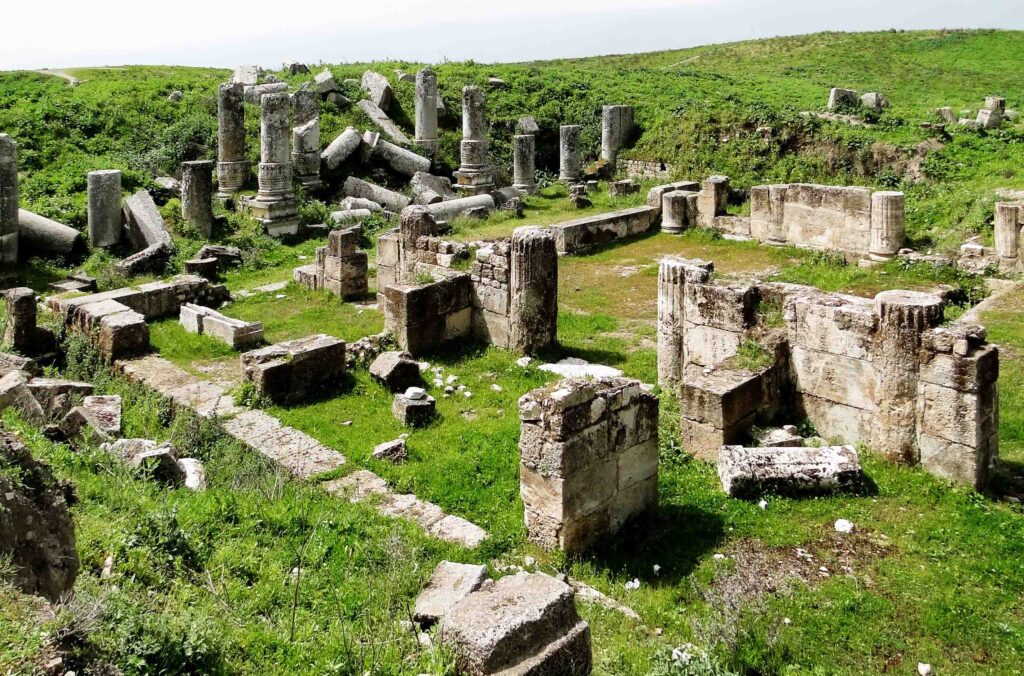
- Archaeological Richness: Apamea offers a wealth of structures for history enthusiasts to explore. Remains include Roman baths, temples, theatres, Byzantine churches, and city walls. Each ruin tells a story of the city’s evolution from its Greek origins through Roman and later Byzantine periods.
- Uncrowded Exploration: Unlike many popular archaeological sites, Apamea sees relatively few visitors, allowing for quiet, self-paced exploration. Travelers can wander freely among the ruins, imagining daily life thousands of years ago without distraction.
- Photography Paradise: The combination of open landscapes, ancient ruins, and dramatic skies makes Apamea ideal for photographers. Sunrise and late afternoon provide the best light, highlighting the textures of stone and the scale of the monumental colonnades.
- Cultural and Historical Significance: Visiting Apamea provides a deep understanding of the interplay between Greek, Roman, and Byzantine civilizations in Syria. Its streets, monuments, and layout reveal not only architectural mastery but also the social and religious dynamics of a thriving ancient metropolis.
How to Reach
Location: Apamea lies about 60 km northwest of Hama, just a few minutes’ drive from Qalaat al-Madiq.
By Car: The journey from Hama takes roughly one hour. Driving through the surrounding countryside offers scenic views of the Orontes River and the fertile al-Ghab Plain.
Tours: There are no direct public buses to the site. The best options are hiring a taxi or private driver from Hama or Homs, or joining a private tour that includes Qalaat al-Madiq and Apamea in a single day.
What to Know Before You Go
With its monumental colonnades, rich archaeological remains, and stunning natural setting, Apamea (افاميا) is more than just a historical site—it is a journey back into the heart of ancient Greek and Roman civilization. For history lovers, archaeologists, or travelers seeking a quieter and more immersive experience in Syria, Apamea offers a remarkable combination of history, culture, and breathtaking landscapes.
- Wear sturdy shoes: The terrain is uneven and the site spans a wide area.
- Bring essentials: There are no facilities, so water, snacks, and sun protection are recommended.
- Guides: Local guides may be available at the site or in nearby al-Madiq town, providing valuable historical context.
- Visit during daylight: Mornings and late afternoons offer cooler temperatures and optimal lighting for photography.
Nearby Attractions
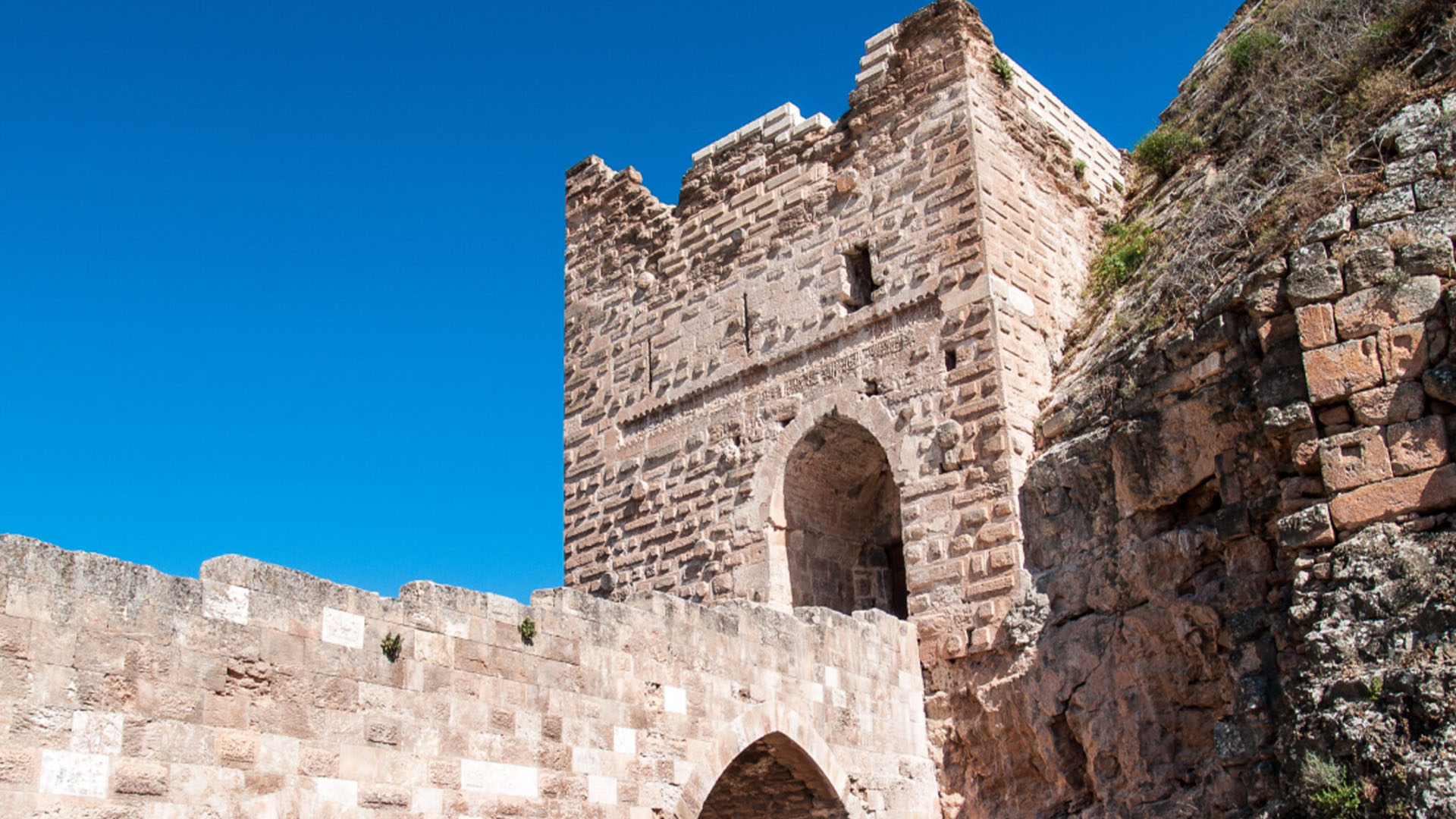
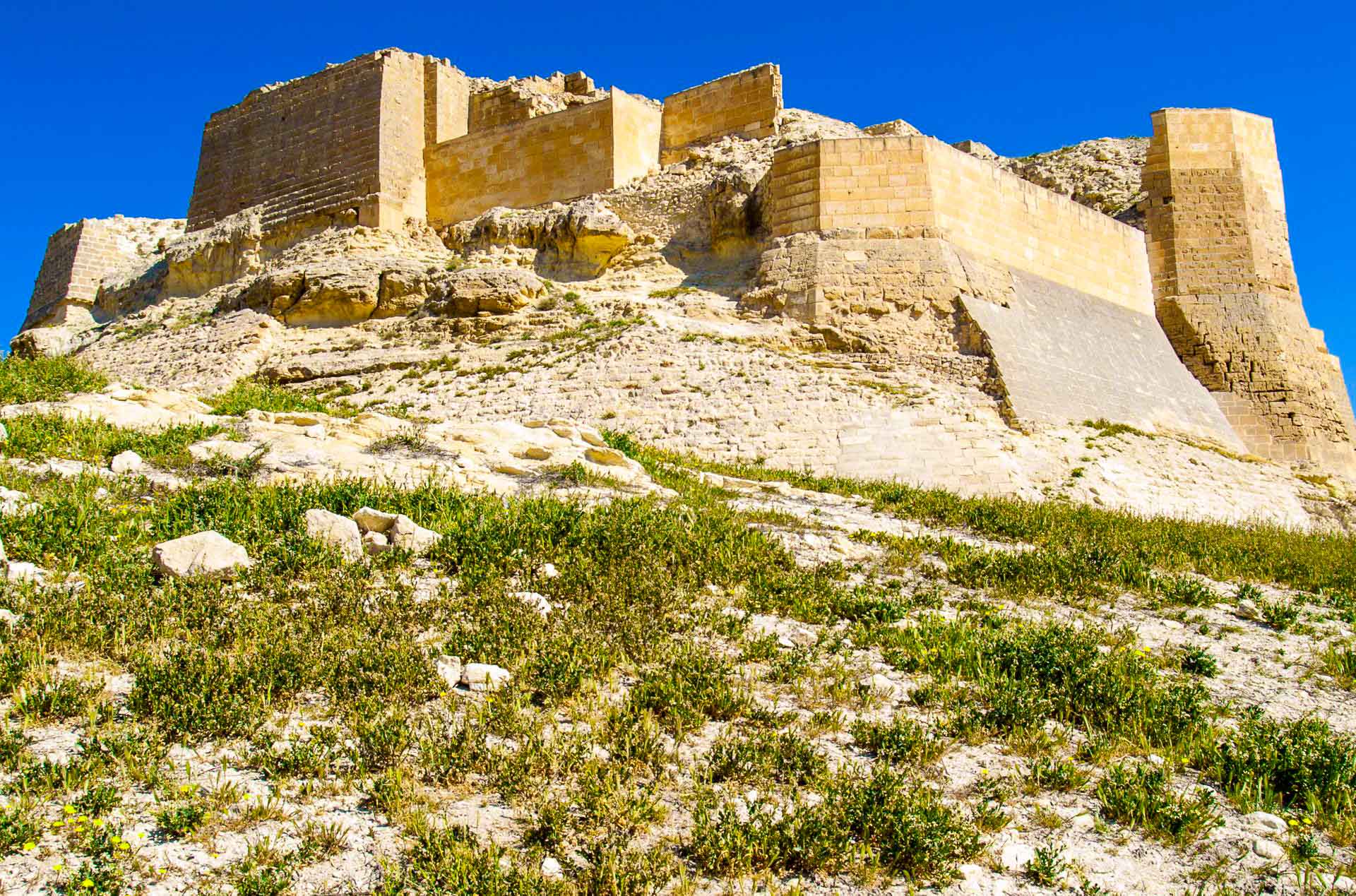
- Qalaat al-Madiq: Just beside Apamea, this hilltop fortress was built over ancient ruins.
- Orontes River: Great for scenic views and picnics in the valley.
- Al-Ghab Plain: A lush agricultural area perfect for countryside drives or walks.
To read more about Hama City, click here. To explore further, visit our Facebook Syria Collection for rare images and cultural highlights.