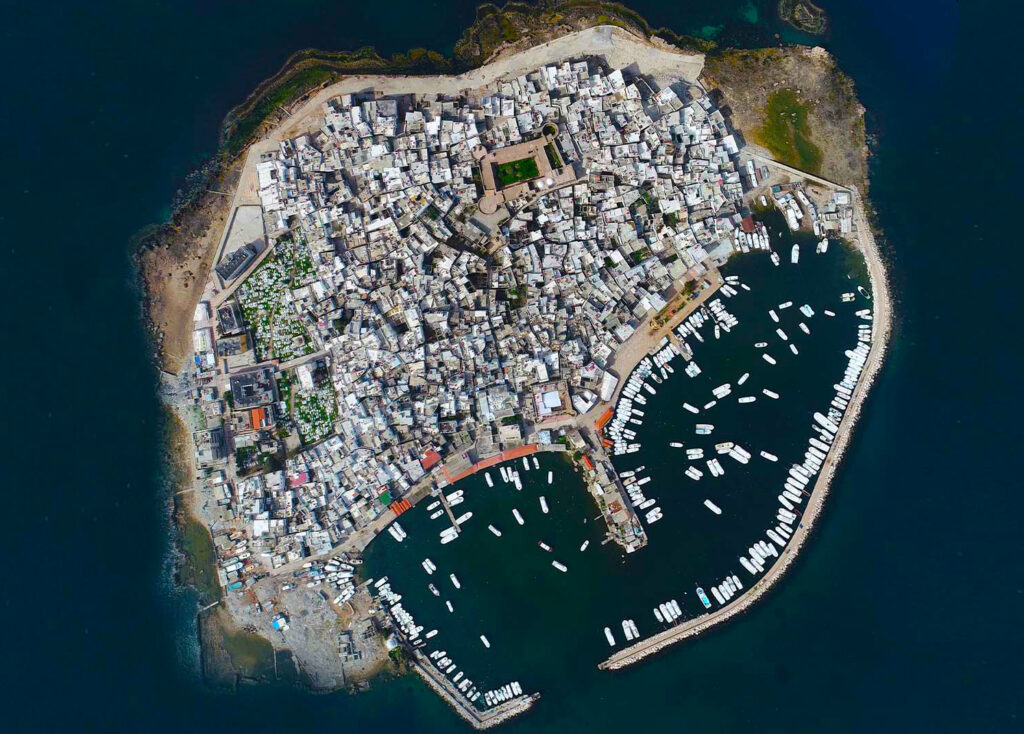
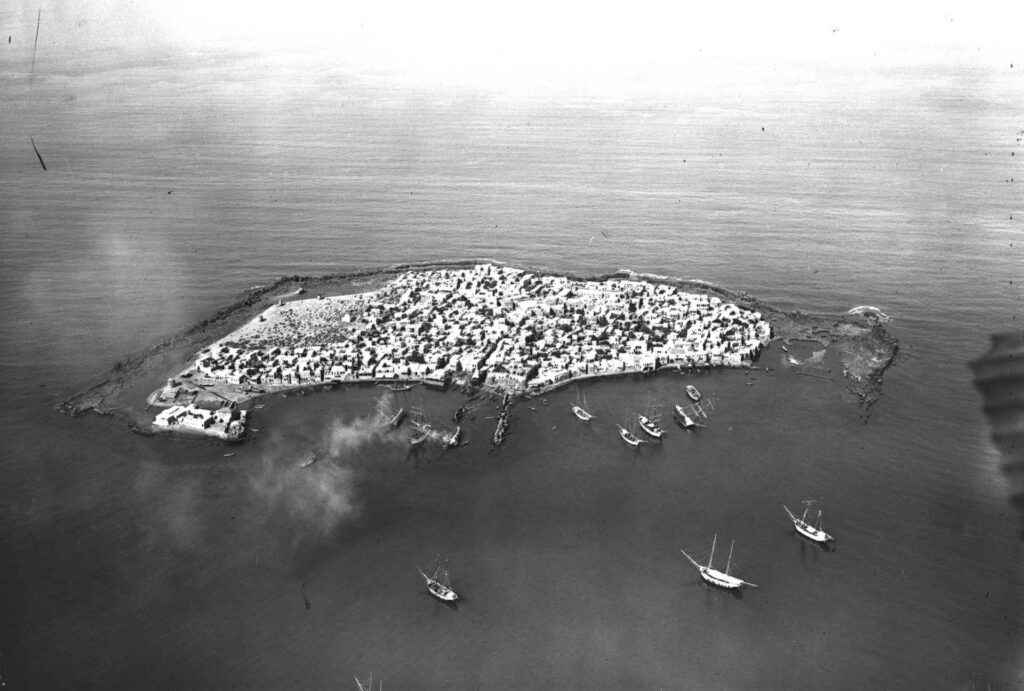
Arwad Island Syria (جزيرة أرواد), known in ancient Greek as Aradus (Ἄραδος), is the country’s only inhabited island and one of the most atmospheric destinations along the eastern Mediterranean coast. Just a short boat ride from Tartus, Arwad Island Syria blends rich Phoenician history, maritime culture, and a peaceful island lifestyle that feels untouched by time. With its narrow car-free alleys, sea-washed stone houses, and warm local community, the island offers a unique escape for travelers seeking authenticity, heritage, and calm away from busy city life.
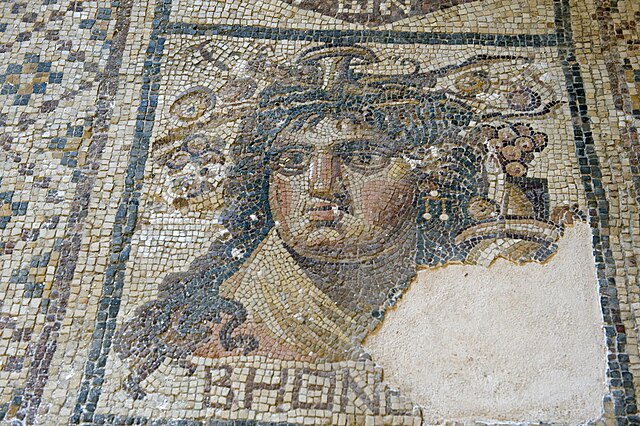
For thousands of years, Arwad Island Syria was a powerful Phoenician city-state known for its skilled sailors and shipbuilders. Ancient texts describe Aradus as a center of trade and diplomacy, connecting the Levantine coast with Cyprus, Anatolia, and beyond. Today, visitors can still sense echoes of that maritime legacy in the small traditional workshops along the harbor, where craftsmen continue the island’s centuries-old boatbuilding tradition. Exploring the island’s old quarter, with its maze of stone passages and intimate courtyards, gives travelers a deeper appreciation for the resilience and continuity of Arwad’s local culture.
| Feature | Details |
|---|---|
| Location | Just off the coast of Tartus, Syria (about 3 km offshore) |
| Access | Reachable by small boat from Tartus port (approx. 20–30 min ride) |
| Historical Era | Phoenician, Roman, Crusader, and Islamic periods |
| Notable For | Syria’s only inhabited island |
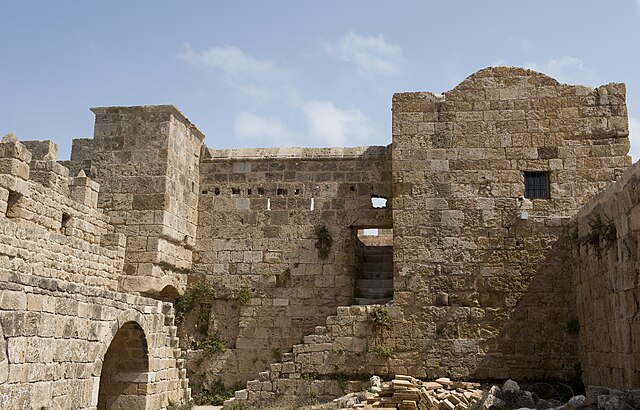
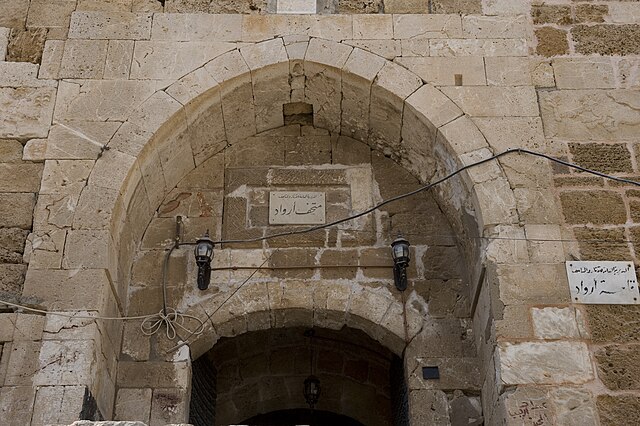
| Main Attractions | Ancient walls, narrow alleys, sea views, boatyards, Crusader ruins |
| Size | ~0.2 km² (easily walkable island) |
| Visit Duration | 2–3 hours minimum; half-day trip recommended |
| Vibe | Quiet, authentic, car-free, traditional fishing community |
| Best Time to Visit | Spring or early summer for good weather and calm seas |
| Why It’s Unique | A living island museum with Phoenician roots and maritime charm |
| Facilities | Cafes, small shops, and local eateries; no cars |
Why Visit
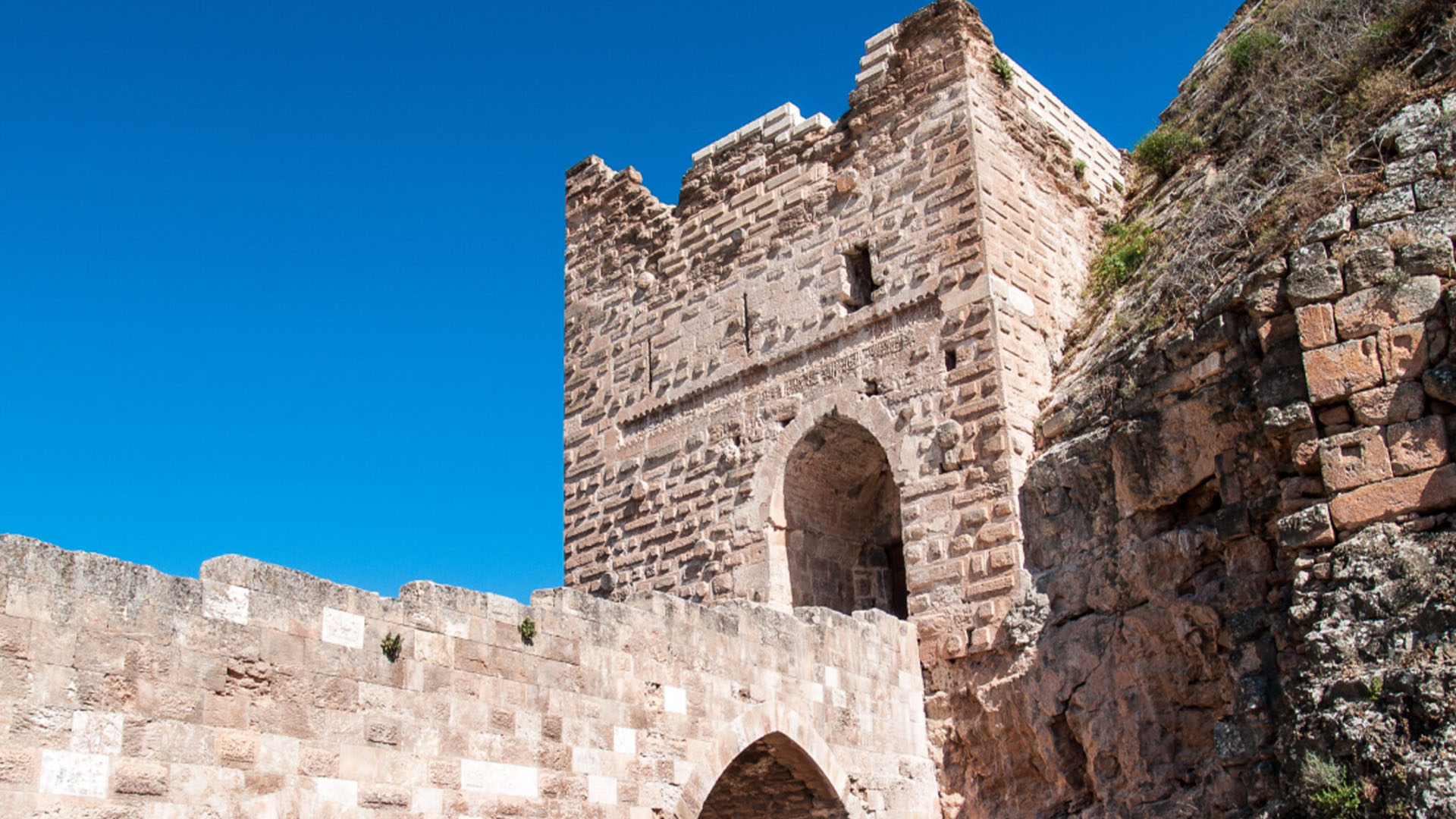
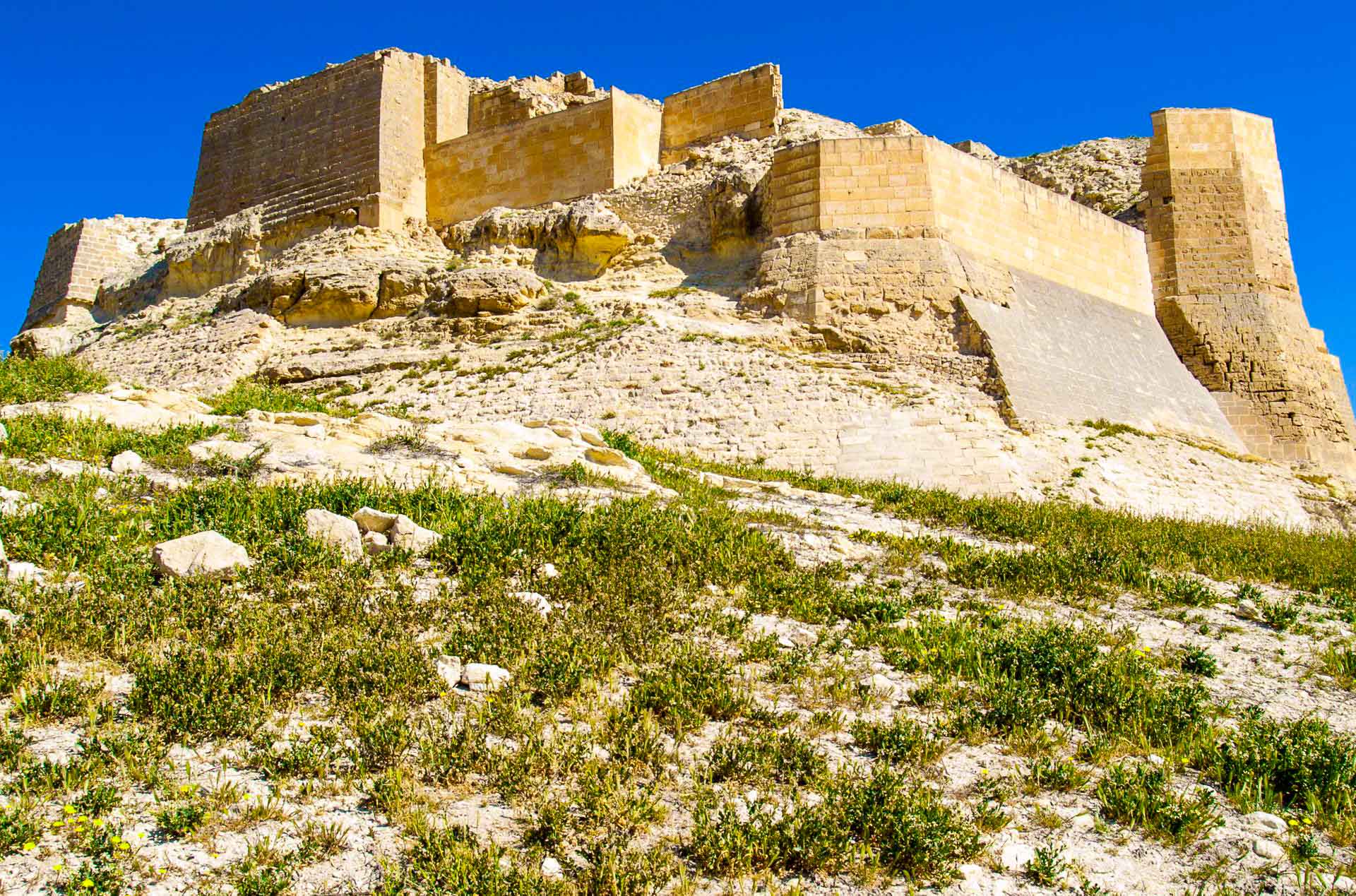
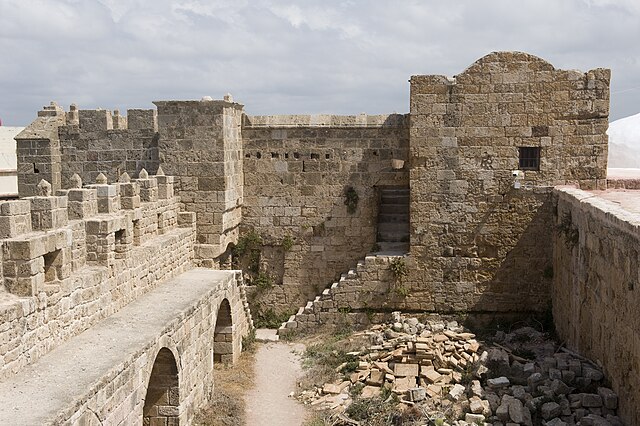
This charming island offers a rare blend of history and tranquility. Visitors can stroll through its compact historic core, discovering remnants of Crusader fortifications, ancient walls, and traditional stone homes. The elevated edges of Arwad Island Syria provide sweeping views of the Mediterranean and the Tartus coastline, making it a beautiful setting for photography and quiet reflection. Beyond its ruins and scenic vistas, the island’s charm lies in its people—fishermen preparing their nets, families relaxing by the water, and artisans shaping wood for the next fishing boat.
Reasons to visit include:
- A deep Phoenician and Crusader history in a walkable, car-free setting
- Charming alleyways filled with island traditions
- Beautiful seafront views and photo opportunities
- A chance to witness traditional boatbuilding
- Calm atmosphere ideal for short escapes
How to Reach
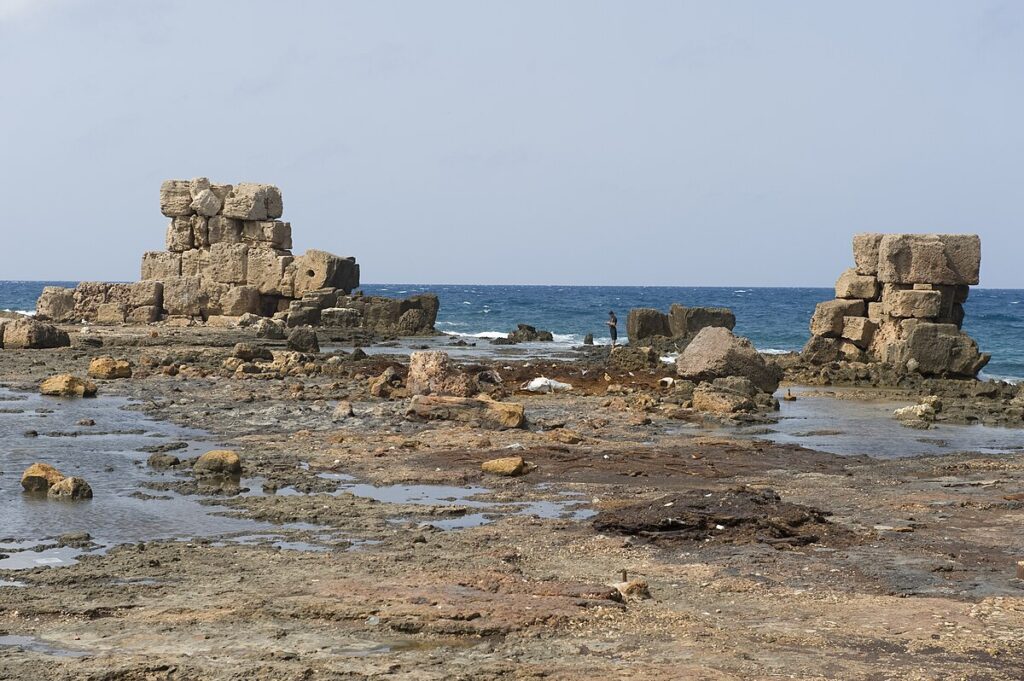

Reaching the island is simple. Head to Tartus Port, where small boats depart regularly for the island; schedules may vary, so asking locals is the best approach. The trip to Arwad Island Syria takes about 20–30 minutes by motorboat and offers a refreshing sea experience. As you approach the island, the stone houses clustered along the coastline come into view, giving you a first look at the island’s distinctive architectural style.
What to Know Before You Go
The island is small and best explored on foot. Wear comfortable shoes, as some paths are uneven and narrow. Food options are limited, so carrying water and light snacks is recommended, especially during warmer months. Arwad Island Syria is ideal for half-day trips, though some visitors enjoy staying longer to soak in the tranquility. The lack of cars helps preserve the peaceful atmosphere, making the island perfect for slow-paced exploration and photography.
Nearby Attractions
- Tartus Old City
- Amrit ruins (ancient Phoenician site)
- Qalaat al-Marqab (Crusader fortress with sea views)
- Tartus Corniche and beaches for a relaxing end to your trip

To read more about this topic, click here. To explore further, visit our Facebook Syria Collection for rare images and cultural highlights.