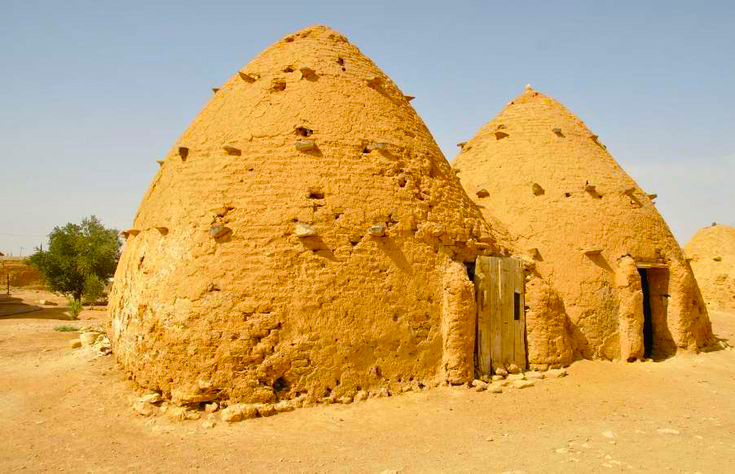
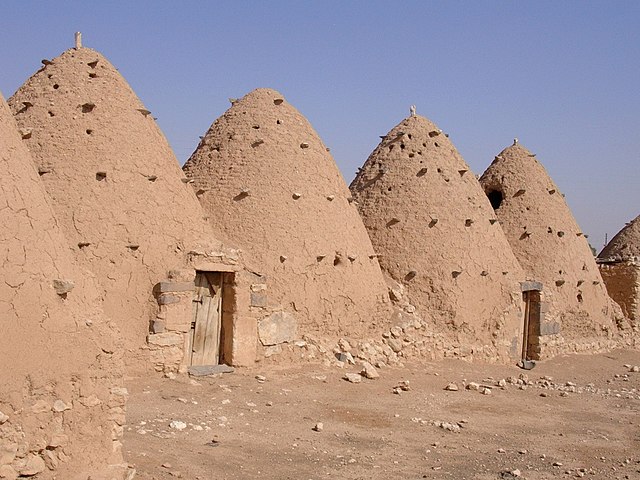
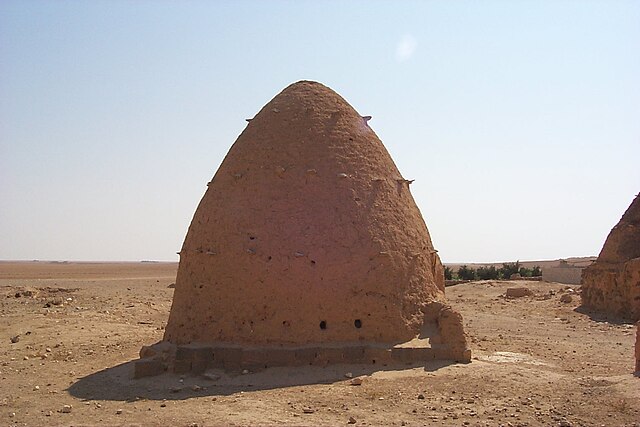
Beehive Houses (القبب) When driving through the dusty, sun-drenched plains of the Syrian steppe south of Aleppo and north of Hama, the horizon is occasionally broken by silhouettes that look less like human dwellings and more like something from a science fiction movie. These are the Beehive Houses—ancient, conical structures that have defined the landscape of rural Syria for millennia.
For the intrepid traveler, visiting these structures offers more than just a photo opportunity; it provides a glimpse into an ancient way of life that perfectly adapted to the harsh desert environment. While the region has suffered greatly during recent conflicts, the resilience of the culture remains.
| Feature | Details |
| Location | Rural plains east of the Hama-Aleppo highway; notable villages include Sarouj and Twalid Dabaghein. |
| Era (When Built) | Design originates c. 3,700 B.C. (ancient tradition); Physical structures are continually rebuilt with new mud, often dating back less than 100 years. |
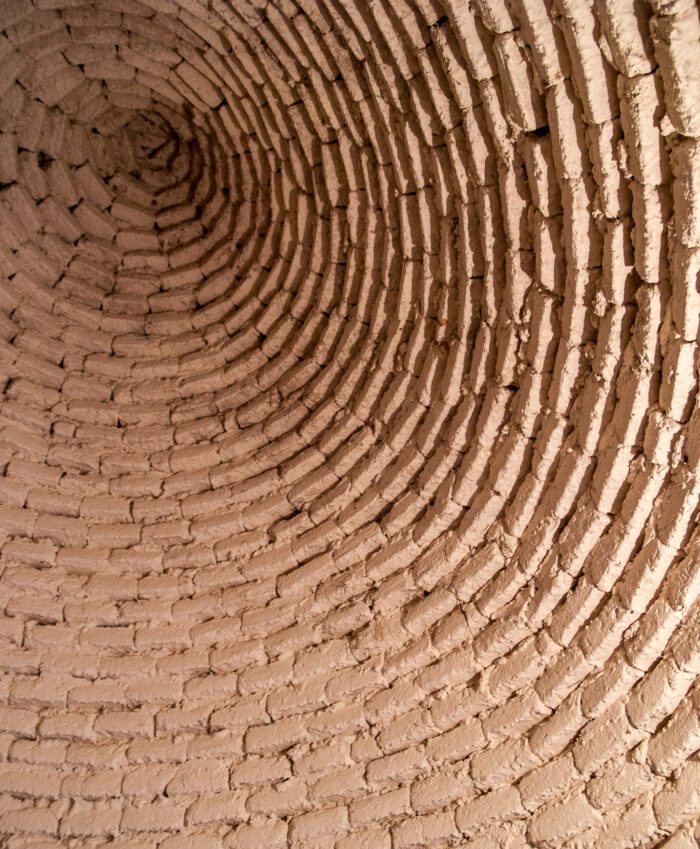
| Material | Sun-dried mud bricks (adobe) mixed with straw; rare use of stone for foundations; no wood or metal supports. |
| Architecture | High, conical domes (approx. 2–5 meters wide) designed for natural cooling; often windowless to block sunlight. |
| Area Capacity | Historically spread across ~53 villages covering a region approx. 50 km wide by 240 km long; a single village (e.g., Umm Amuda Kabira) can contain ~200 individual domes. |
| Visit Duration | 1–2 hours is sufficient to tour the exteriors, take photos, and perhaps have tea with a local host. |
| Accessibility | Low accessibility. Requires off-road driving; ground is uneven dirt/mud, making it difficult for wheelchairs. |
| Best Time to Visit | Spring (March–May) or Autumn (Sept–Nov) to avoid the intense summer heat inside the plains. |
| Why to Visit | To witness a living example of ancient sustainable engineering and unique “Star Wars-esque” photography. |
Why Visit?
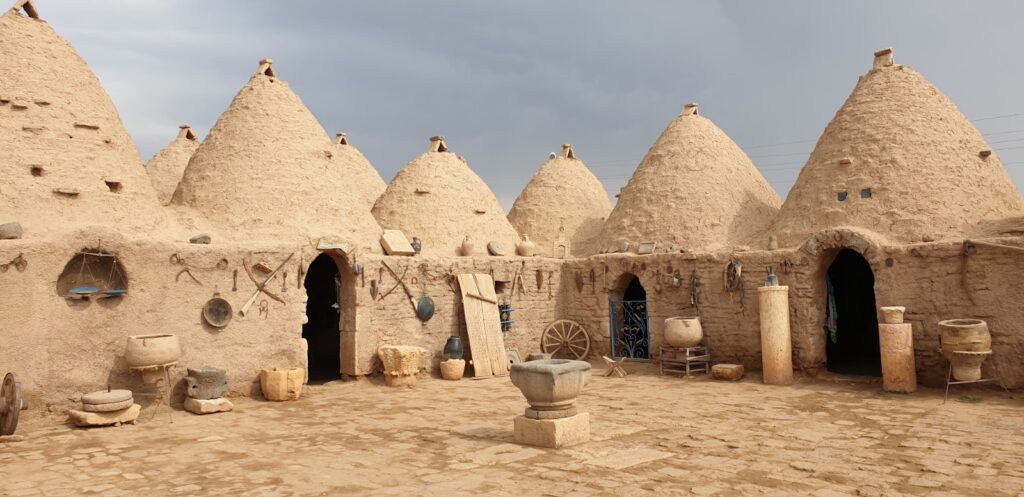
The primary allure of the Beehive Houses lies in their genius engineering, utilizing local earth where wood and stone are scarce.
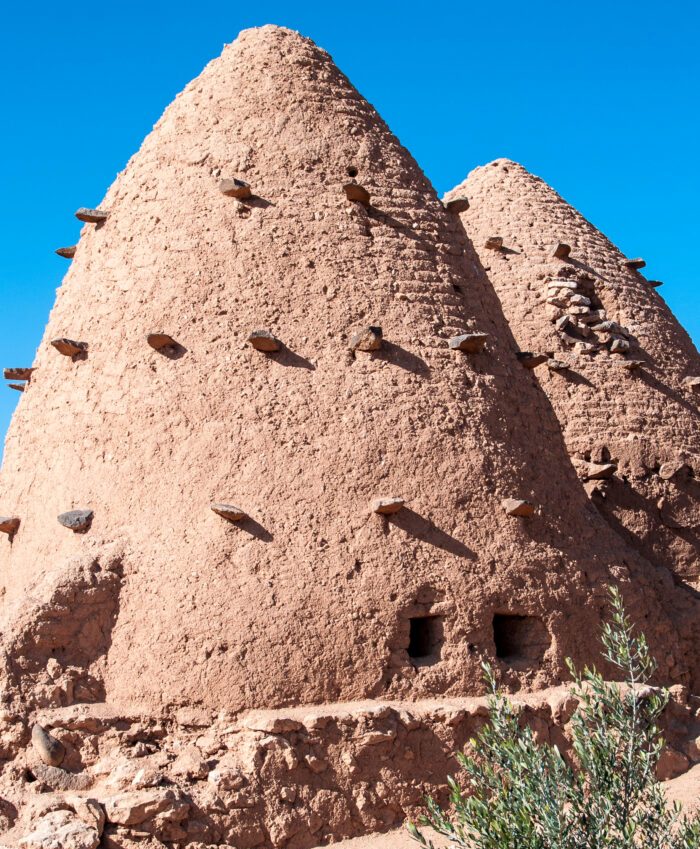
1. Sustainable Architecture The high, conical domes are a masterclass in eco-design. They allow hot air to escape through top vents while thick mud walls insulate against the desert cold, keeping the Beehive Houses comfortable year-round without modern technology.
2. Ancient Roots The architectural design dates back as far as 3,700 B.C. While the physical houses themselves are continually rebuilt due to the nature of the mud material, they represent a living building tradition that has survived empires and wars, spanning millennia.
3. Photographic Appeal Resembling a sci-fi colony (often compared to Star Wars’ Tatooine), the reddish-brown mud against the blue sky makes the Beehive Houses a dream for photographers seeking unique geometry.
Things to Know Before You Go
Visiting this region requires planning and sensitivity. Here is what you must keep in mind:
- Status & Respect: Many Beehive Houses were damaged during the Syrian Civil War (notably in Sarouj). As restoration is ongoing, approach these sites of recent trauma and ancient history with respect.
- Cultural Etiquette: These are private homes in conservative rural villages. Always ask for permission before entering or photographing residents.
- Amenities are Scarce: This is deep rural Syria. Do not expect tourist cafes or restrooms; carry plenty of water and snacks for your visit.
How to Reach
Visiting this region requires planning and sensitivity. Here is what you must keep in mind:
- Status & Respect: Many Beehive Houses were damaged during the Syrian Civil War. Approach these sites of recent trauma and ancient history with respect, especially as restoration is ongoing.
- Cultural Etiquette: These are private homes. Always ask for permission before entering or photographing residents in these conservative rural villages.
- Amenities: This is deep rural Syria. Carry your own water and snacks, as tourist facilities (cafes, restrooms) are nonexistent.
| Governorate | Arabic Name | English Transliteration |
| Hama | ساروج | Sarouj (Most Visited) |
| Hama | الشيخ هلال | Al-Sheikh Halal |
| Hama | أبو قصور | Abul Kusour |
| Hama | طواليد دباغين | Twalid Dabaghein |
| Aleppo | أم عامود الكبيرة | Umm Amuda Kabira |
| Aleppo | عاقولة | Aqla |
| Aleppo | فجدان | Fajdan |
| Aleppo | الحاجب | Al Hajib |
Nearby Attractions
- The Norias of Hama: If you are coming from the south, the giant, ancient wooden waterwheels of Hama are a mandatory stop.
- The Citadel of Aleppo: One of the oldest and largest castles in the world, dominating the city skyline.
- The Dead Cities: Scattered throughout the limestone massif of northwest Syria, these abandoned Byzantine settlements offer a ghostly but beautiful counterpart to the mud-brick architecture of the plains.

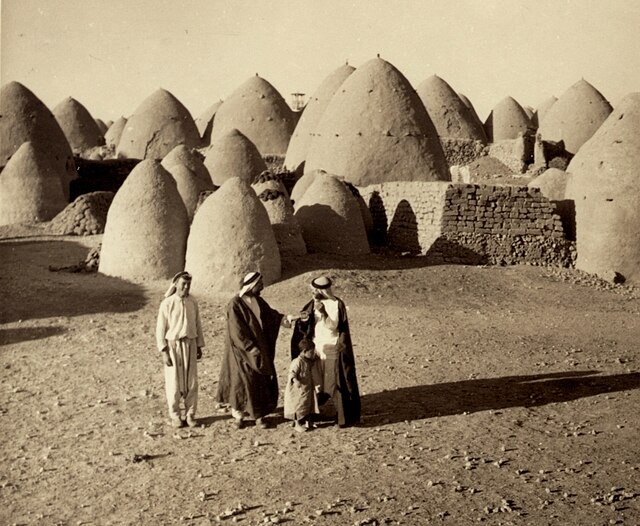

To read more about this topic, click here. To explore further, visit our Facebook Syria Collection for rare images and cultural highlights.