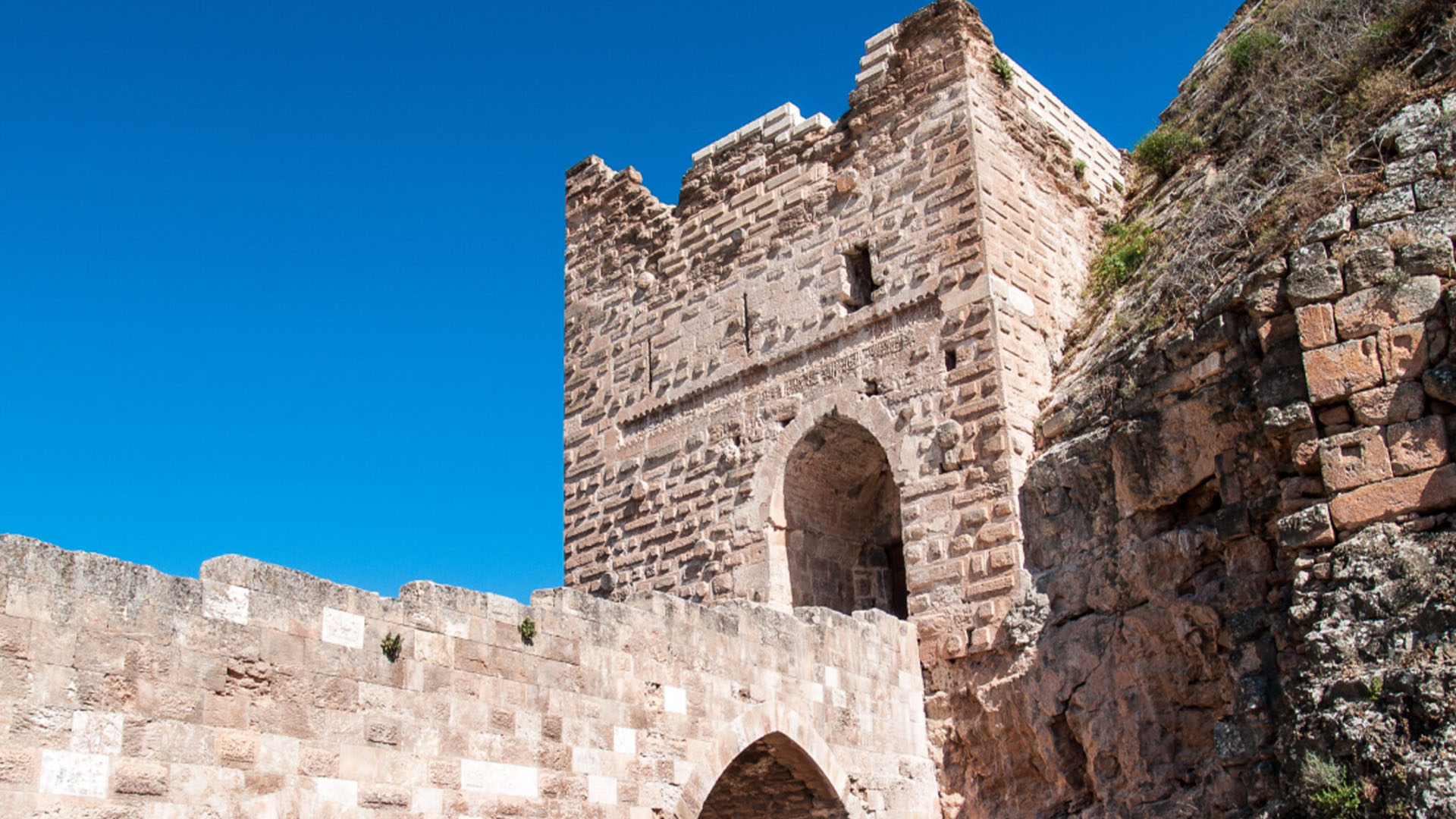
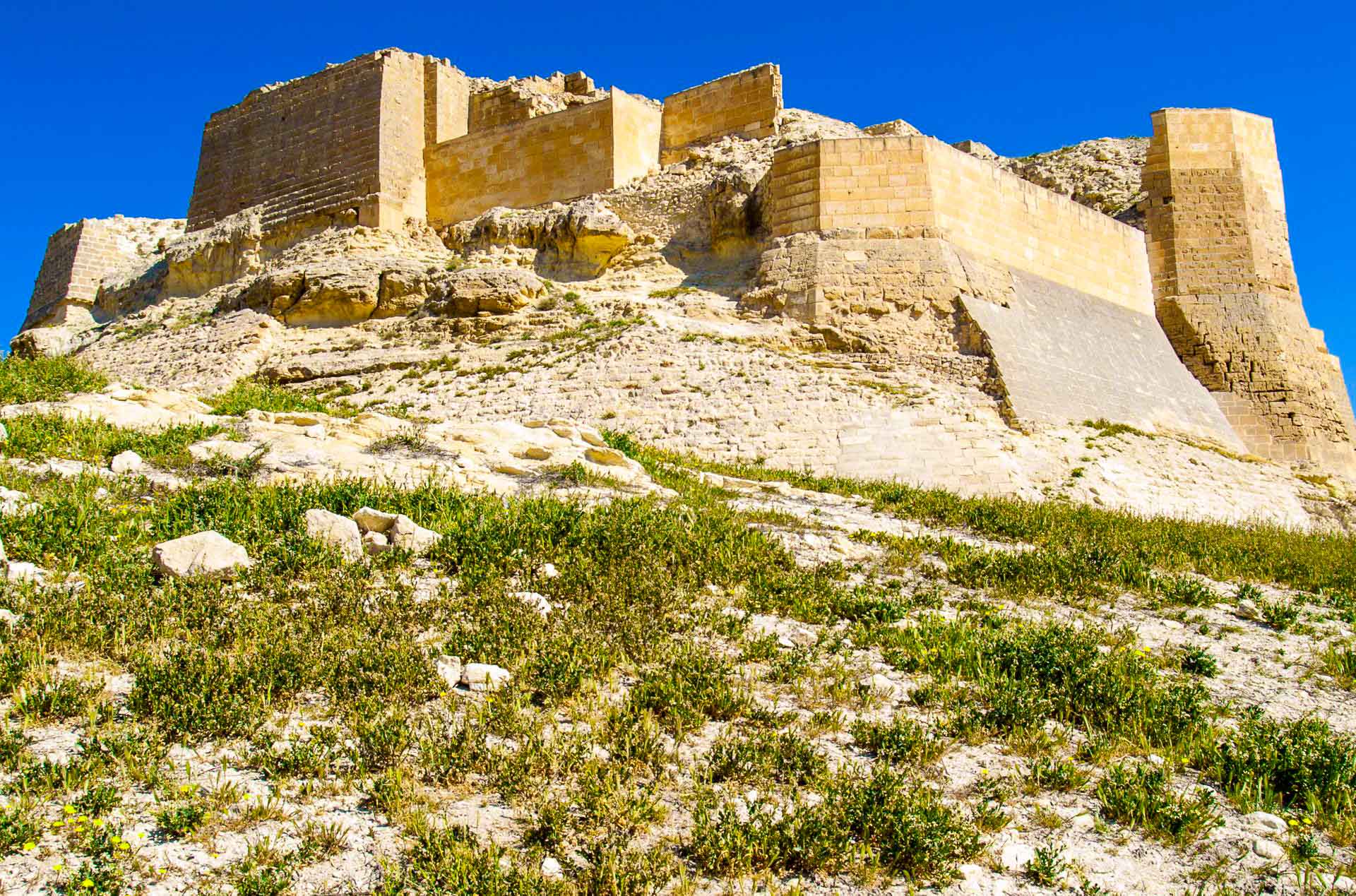
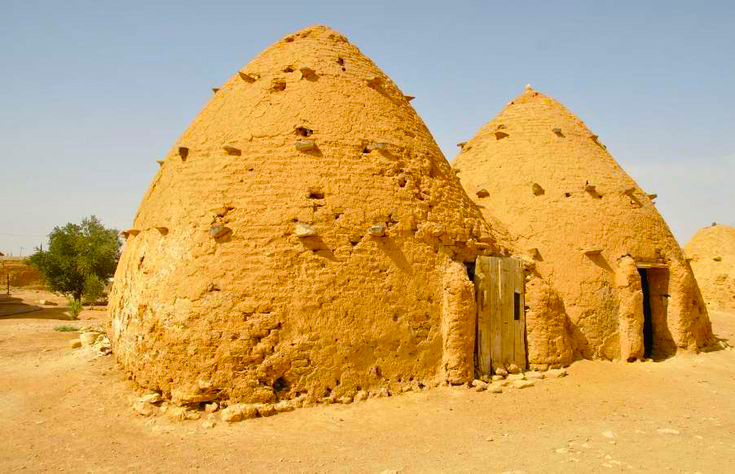
Dura Europos Ruins (دورا أوروبوس) stand as one of the most extraordinary archaeological treasures of Syria and the ancient Near East. Founded around the 3rd century BCE, this fortified city rose to prominence as a strategic and cultural crossroads on the Euphrates River. Over the centuries, the city witnessed the influences of Hellenistic, Parthian, Roman, and early Christian civilizations, each leaving their distinct mark on its architecture and art. Often called the “Pompeii of the Desert,” Dura Europos was abruptly abandoned after a siege in 256 CE, which sealed and preserved its streets, frescoes, temples, and fortifications in remarkable condition.
| Category | Details |
|---|---|
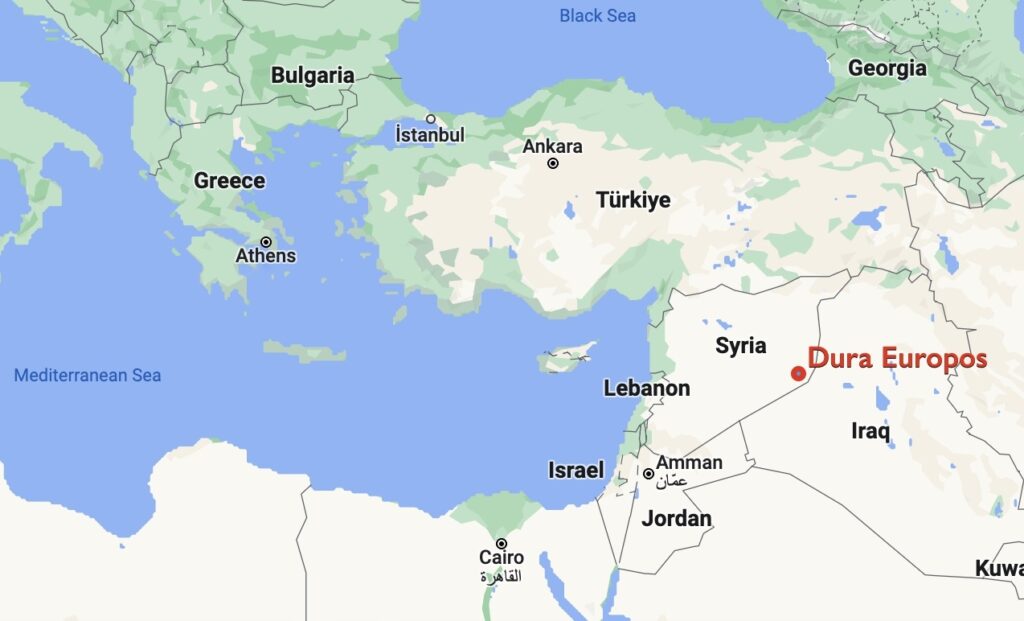
| Location | On the eastern bank of the Euphrates River, near modern-day Syria-Iraq border |
| Founded | Circa 300 BC |
| Era | Hellenistic, Parthian, Roman, and early Christian periods |
| UNESCO Status | Tentative World Heritage Site |
| Size | Approx. 14 hectares |
| Key Features | City walls, temples, synagogue, early Christian house church, military fortress |
| Time to Visit | 2 to 3 hours |
| Accessibility | Reachable by car from Deir ez-Zor or Al-Hasakah |
| Nearby Sites | Palmyra, Mari, Qalaat Jaabar |
Why Visit?
Visiting the Dura Europos Ruins is like stepping into a perfectly preserved snapshot of ancient multicultural life. The site’s greatest significance lies in the coexistence of diverse religious, cultural, and artistic traditions within a single urban space. Walking through the ruins, visitors encounter an astonishing blend of temples, houses, and defensive walls that reflect a world where multiple faiths and cultures flourished side by side.
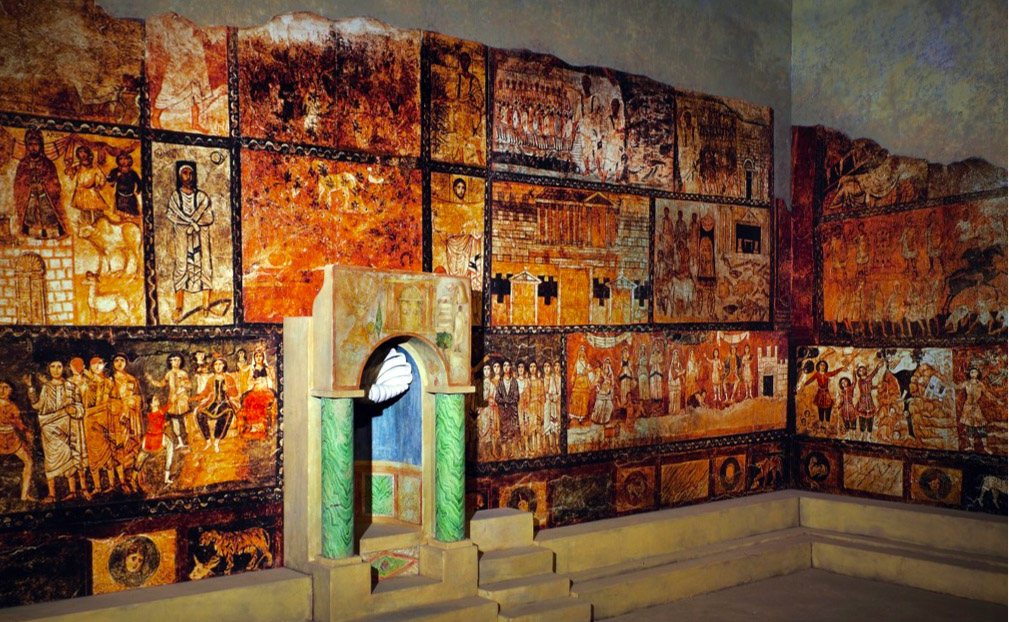
Among the city’s most famous discoveries is the Synagogue of Dura Europos, adorned with stunning biblical frescoes dating to the 3rd century CE. These paintings, depicting scenes from the Hebrew Bible, are considered among the earliest known examples of Jewish religious art and have provided invaluable insight into ancient Jewish visual culture.
Equally fascinating is the House Church, one of the earliest Christian places of worship ever found. This modest building, converted from a private home, preserves frescoes of Christ and early Christian symbols, offering a rare glimpse into the origins of Christian art and architecture.
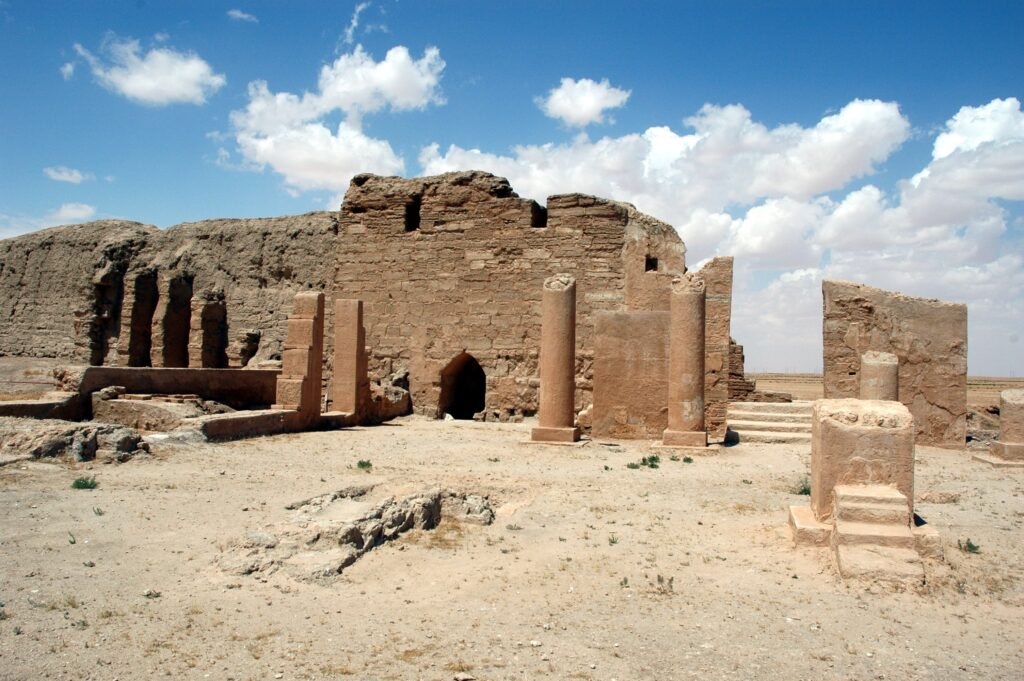
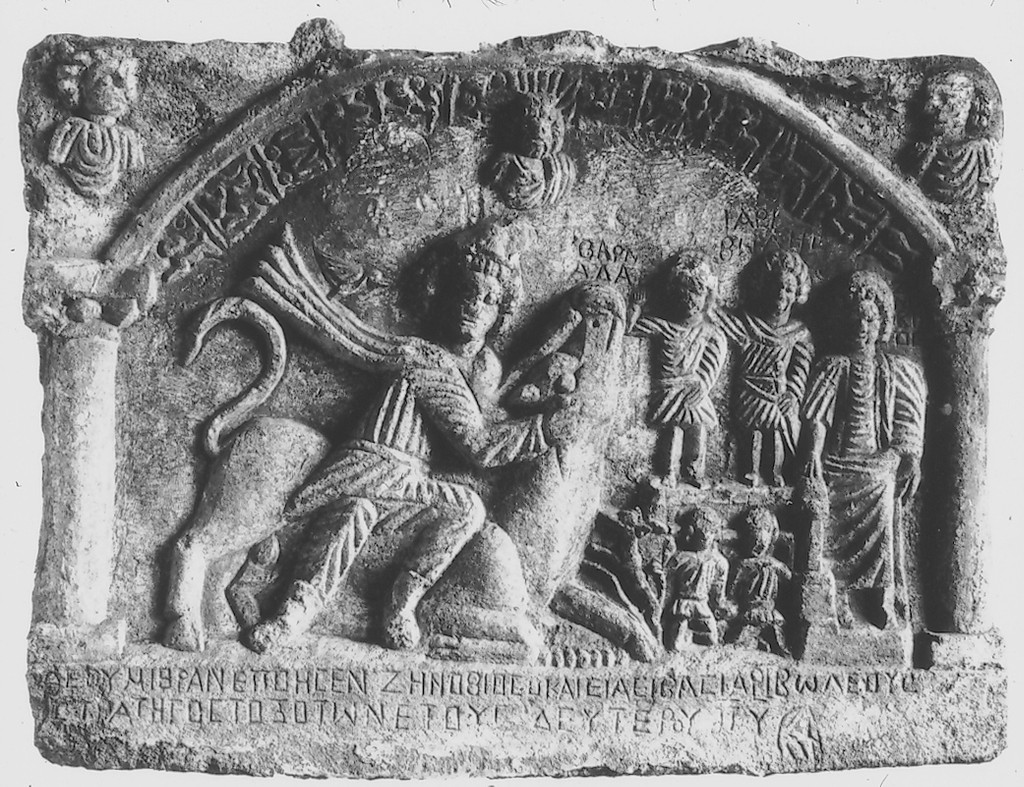
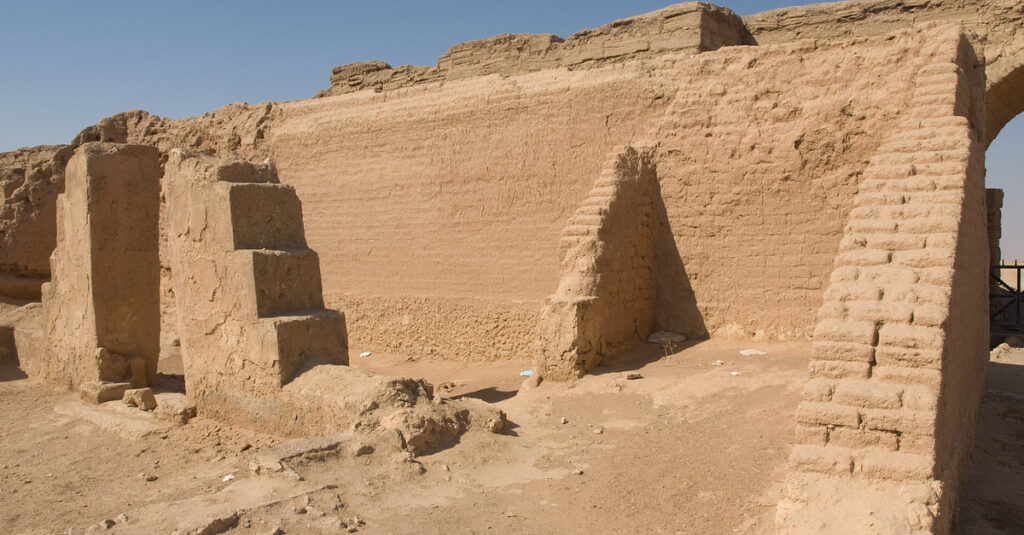
In addition to its religious landmarks, the Dura Europos Ruins feature several temples dedicated to gods from Greek, Roman, and Palmyrene traditions, highlighting the city’s cosmopolitan spirit. The remains of its military fortress and thick city walls reveal its role as a crucial frontier post during the Roman period.
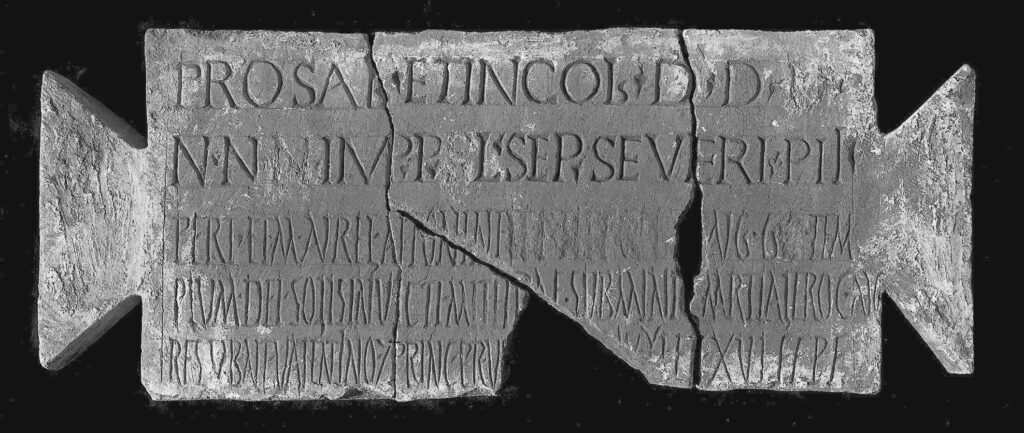
Exceptional Preservation: The sudden abandonment of Dura Europos after the Sasanian siege of 256 CE paradoxically ensured its preservation. Layers of sand and debris covered the site, protecting frescoes, household items, inscriptions, and even graffiti for nearly two millennia. As a result, the Dura Europos Ruins provide archaeologists with an unparalleled time capsule of daily life, religion, and art in the ancient Near East.
What to Know Before You Go
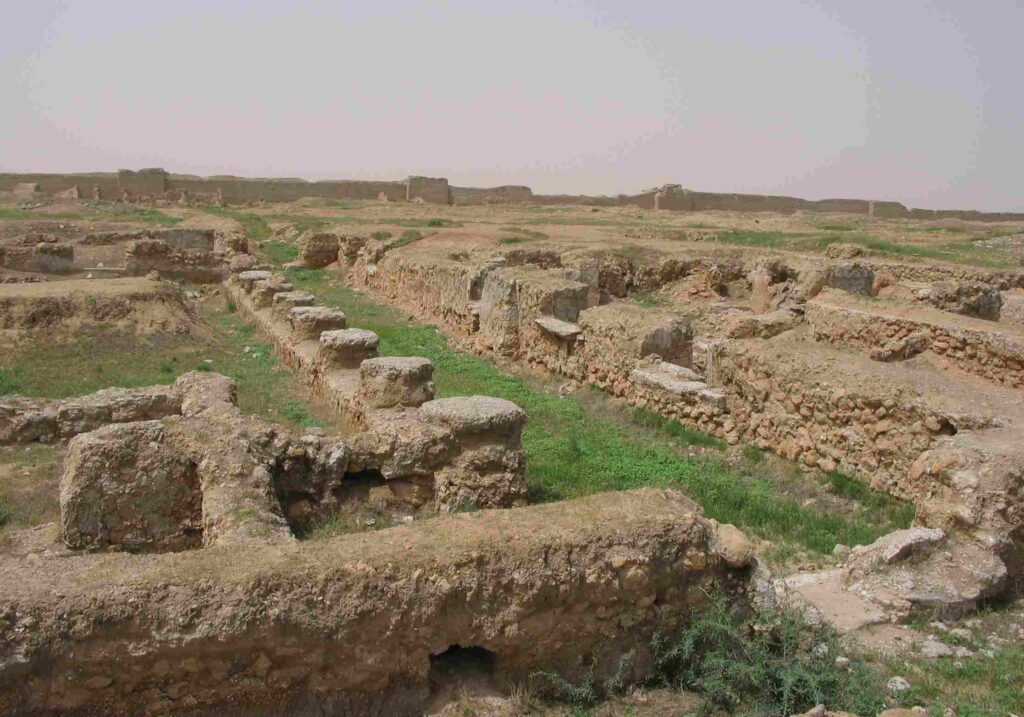

Exploring the Dura Europos Ruins requires preparation. The site lies in a desert region, so visitors should wear sun protection and carry sufficient water. Access roads may be rough, and guided tours are strongly recommended to fully appreciate the site’s historical depth. Due to conservation and security conditions, some areas might be restricted, so it’s best to check local guidance before visiting.
How to Reach Dura Europos Ruins
The ruins are located near the Euphrates River, about 90 km southeast of Deir ez-Zor and accessible from Al-Hasakah. Most visitors reach the site by private car or as part of an organized archaeological tour. From Damascus, the journey is long but rewarding for those passionate about ancient history.
Nearby Attractions
- Palmyra: The legendary oasis city with towering colonnades and temples.
- Mari: Another ancient city known for its royal palace and cuneiform archives.
- Qalaat Jaabar: A medieval fortress overlooking the Euphrates River.
To read more about this topic, click here. To explore further, visit our Facebook Syria Collection for rare images and cultural highlights.