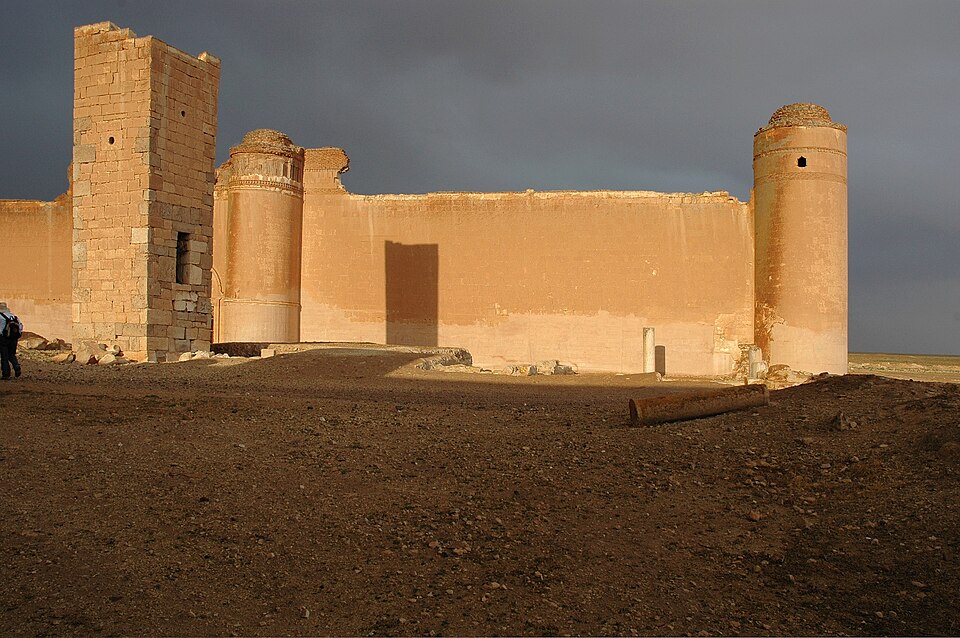
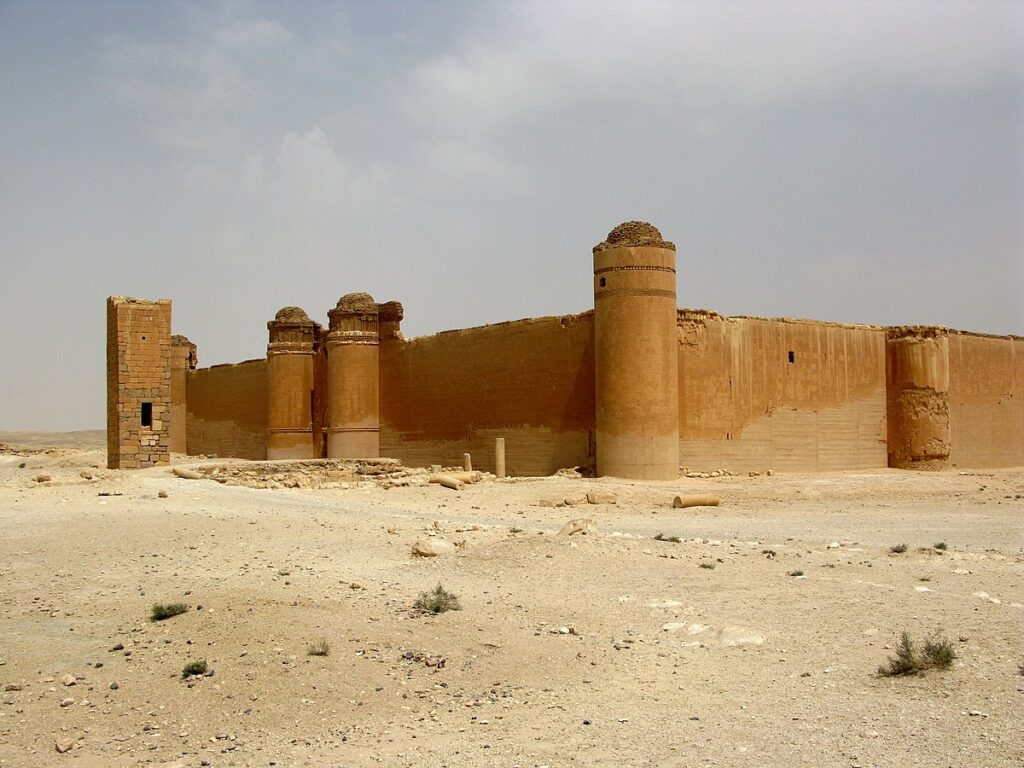
Eastern Alheer Palace (قصر الحير الشرقي) A Jewel of the Syrian Desert: Qasr al‑Hayr al‑Sharqi is a striking example of Umayyad ingenuity nestled in the heart of the Syrian Desert. Built between 728 and 729 CE under Caliph Hisham ibn ‘Abd al‑Malik, Eastern Alheer Palace once served as a luxurious hunting retreat and administrative hub in the arid expanse east of Palmyra. Its twin-square enclosures, monumental towers, mosque, bathhouse, and ancient water systems reflect a sophisticated vision of desert urban planning and royal comfort. For travelers, history enthusiasts, and archaeology lovers, Eastern Alheer Palace offers a unique glimpse into the early Islamic period and the lifestyle of the Umayyad elite.
| Feature | Details |
|---|---|
| Name | Eastern Alheer Palace (Qasr al‑Hayr al‑Sharqi) |
| Location | Central Syrian Desert, Homs Governorate, ~100 km from Resafa (Sergiopolis) |
| Built | 728–729 CE by Umayyad Caliph Hisham ibn ‘Abd al-Malik |
| Original Purpose | Military-hunting palace, caravanserai, agricultural-admin center |
| UNESCO Status | Tentative World Heritage Site (since June 8, 1999) |
| Key Features | Two massive enclosures (300 m and 100 m sides), 26 towers, mosque, bathhouse, gardens, khan |
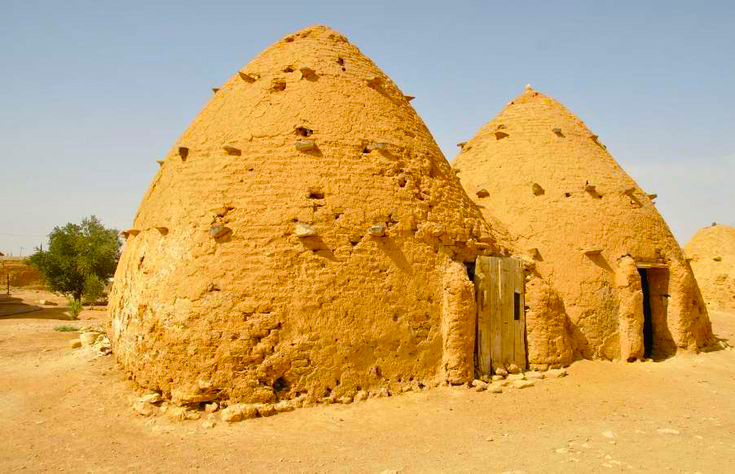
| Materials/Style | Adobe and stone influenced by Byzantine and Sasanian architecture |
| Accessibility | Reachable by car or private tour (~3 h from Damascus, ~100 km east of Palmyra) |
| Best Time to Visit | Spring or autumn; early morning for cooler climate |
Why Visit
Visiting Eastern Alheer Palace allows you to step into the world of 8th-century Umayyad architecture and desert life. The palace’s size, layout, and distinctive towers were designed not only for prestige but also for practical adaptation to harsh desert conditions. The twin enclosures separated administrative and private quarters, while the mosque and bathhouse highlight the integration of religious, social, and leisure functions.
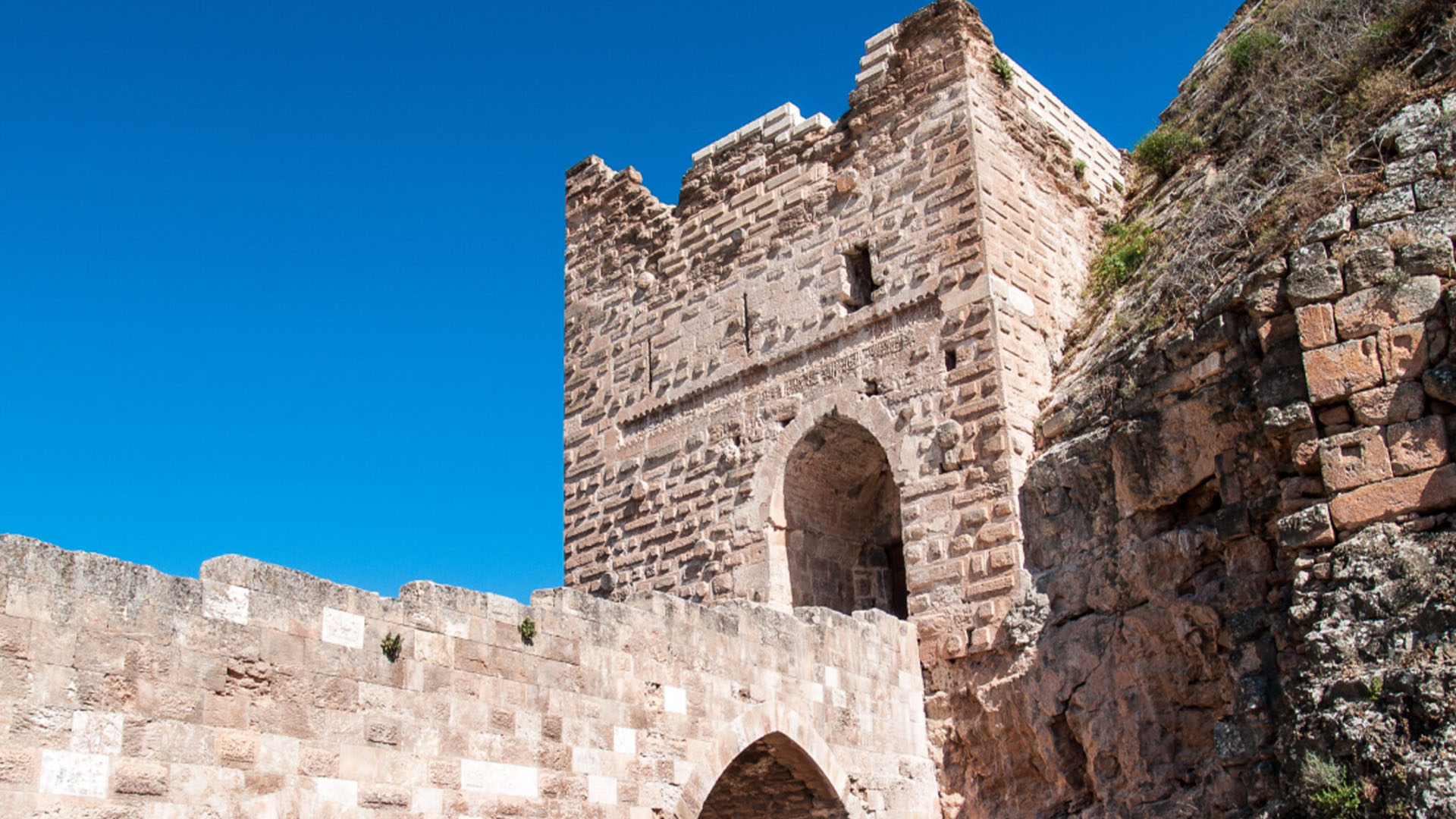
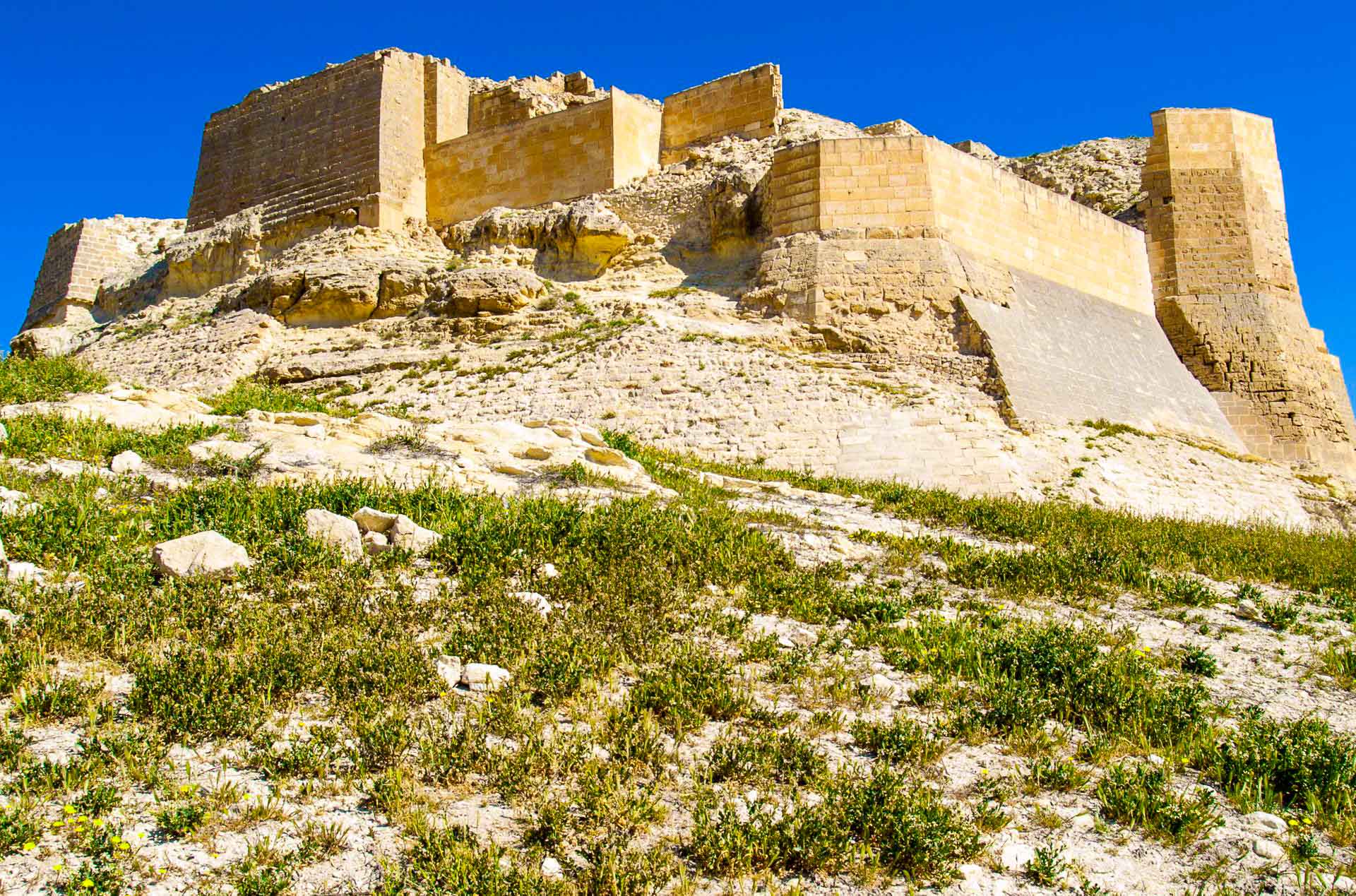
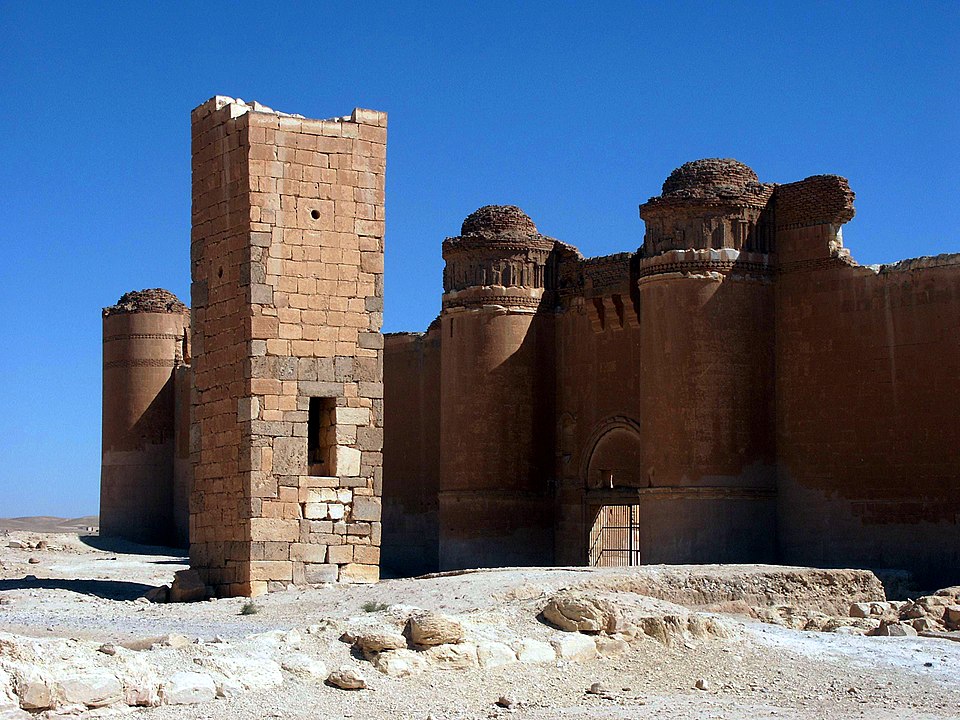
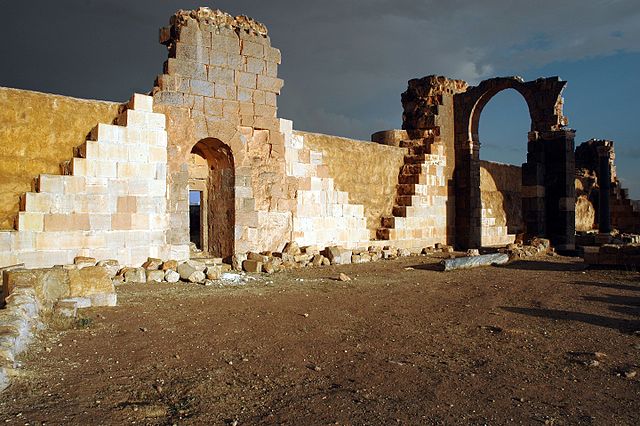
Excavations led by the renowned historian Oleg Grabar in the 1960s revealed extensive evidence of urban planning, ceramics, and art, making Eastern Alheer Palace a key site for scholars studying early Islamic architecture and desert settlements. Visitors today can still see the monumental gates, corner towers, and sections of the original walls, offering a tangible connection to the Umayyad era.
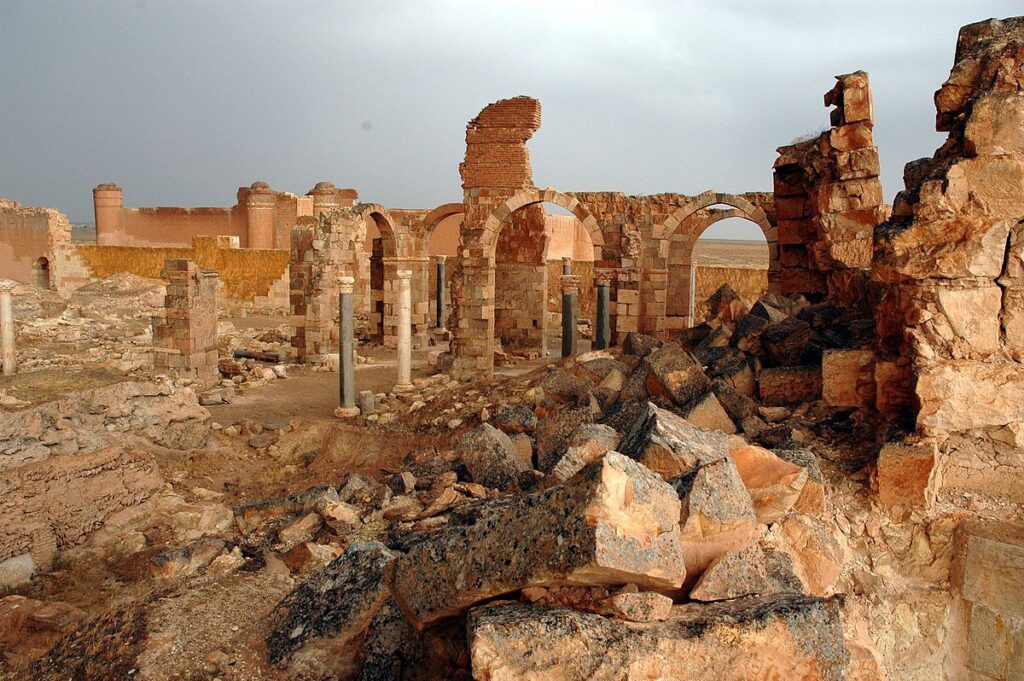
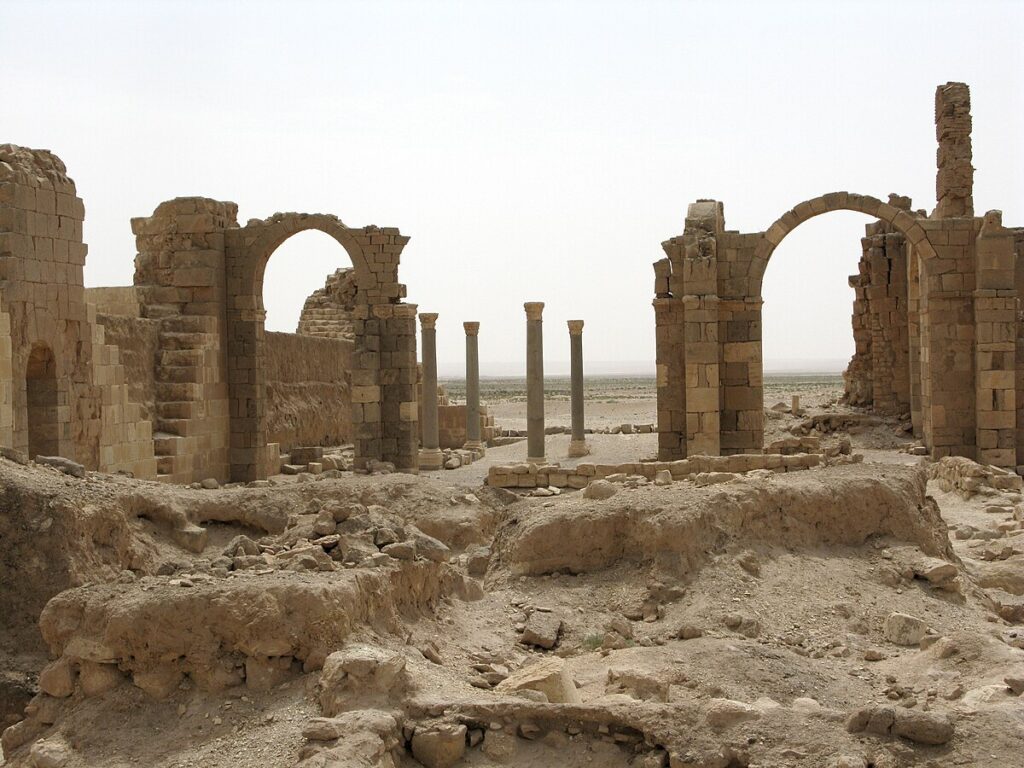
Eastern Alheer Palace stands out for its combination of luxury, defense, and desert ingenuity. Its monumental towers and walls offered protection, while the palace’s interior spaces—courtyards, bathhouses, and mosques—display the Umayyads’ emphasis on comfort, ritual, and social interaction. The ancient water systems demonstrate sophisticated engineering designed to sustain life in the desert.
For visitors, Eastern Alheer Palace is more than just ruins; it is a storybook of 8th-century Umayyad life, revealing how rulers adapted to desert conditions while asserting their authority and artistic vision. Its location, east of Palmyra along desert trade routes, emphasizes its strategic and cultural significance.
How to Reach
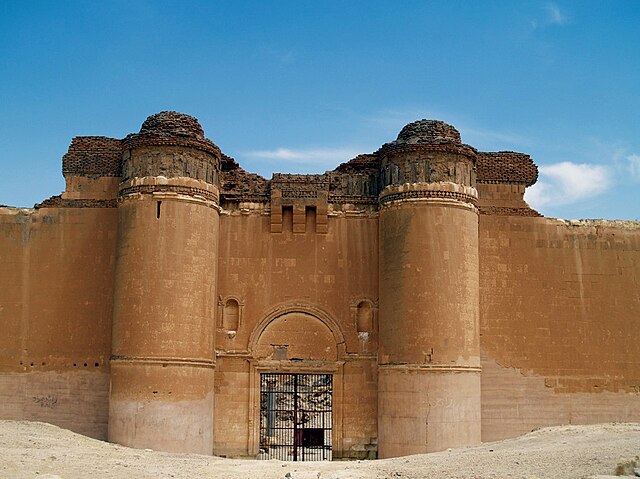
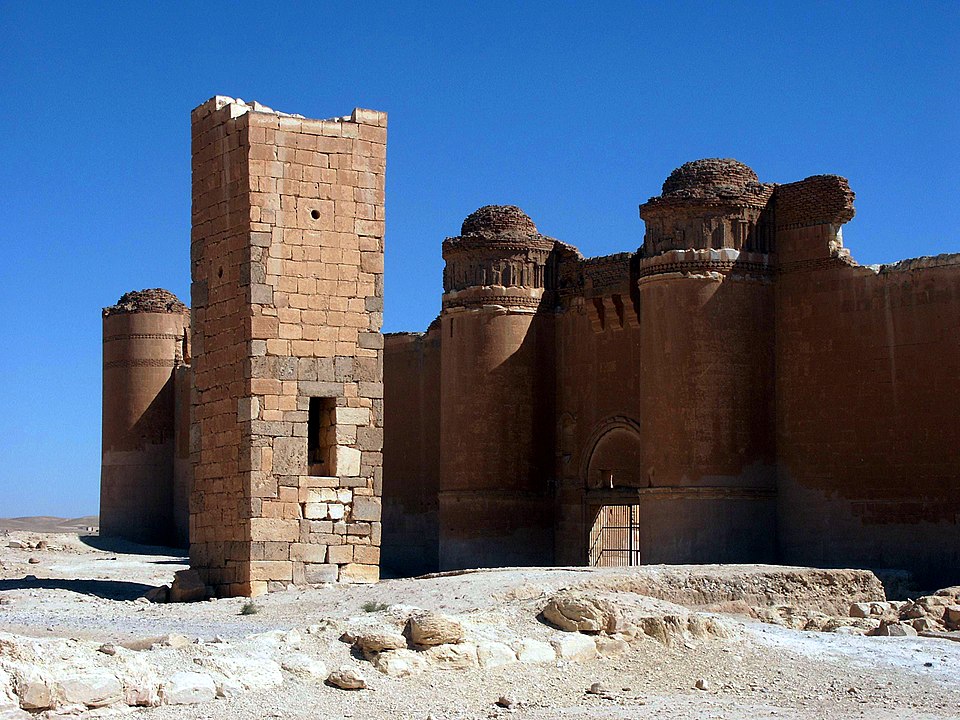
Eastern Alheer Palace is located approximately 100 km east of Palmyra and 28 km from al‑Sukhnah. The best access is by car from Damascus or Palmyra, taking about 3 hours along the desert highway. Many guided tours combine Eastern Alheer Palace with visits to Qasr al‑Hayr al‑Gharbi (its western twin) and the ancient city of Resafa, providing a full exploration of Umayyad desert architecture.
What to Know Before You Go
- The site is open and free to explore; no formal ticket required.
- Facilities are minimal—carry water, sun protection, and sturdy footwear.
- Weather can be intense; avoid summer midday heat.
- Respect the fragile archaeological remains—some parts have been looted or damaged during recent conflicts
- Best to hire a local guide for history, context, and safe navigation.
Nearby Attractions
- Qasr al‑Hayr al‑Gharbi, its western twin castle built a year earlier, is located nearby.
- Resafa (Sergiopolis) with its mosaics and ruins lies ~100 km northwest.
- Palmyra to the west offers classic Roman-era monuments.
- Bishri Mountains and desert landscapes for hiking and nature.

To read more about this topic, click here. To explore further, visit our Facebook Syria Collection for rare images and cultural highlights.