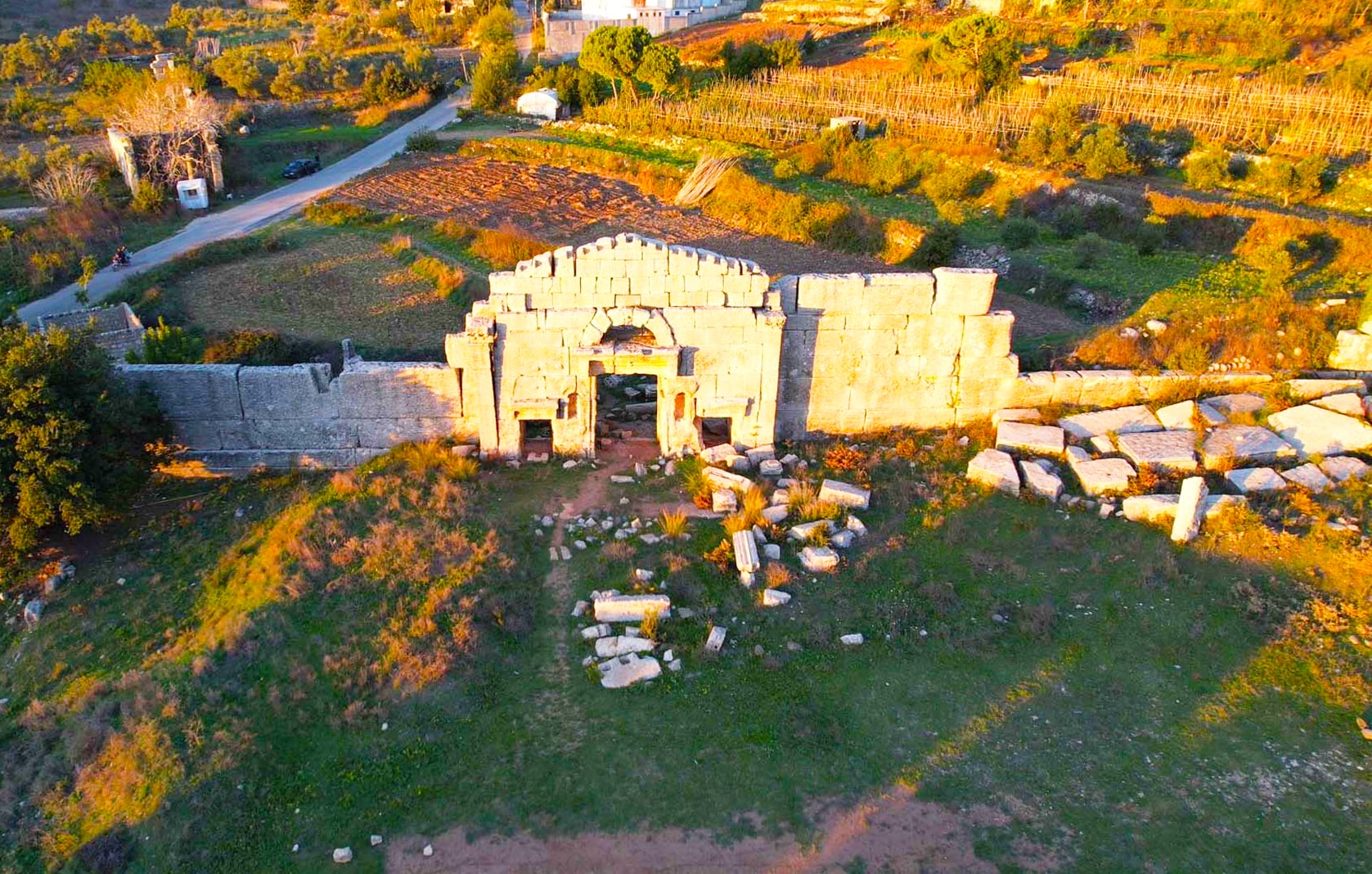
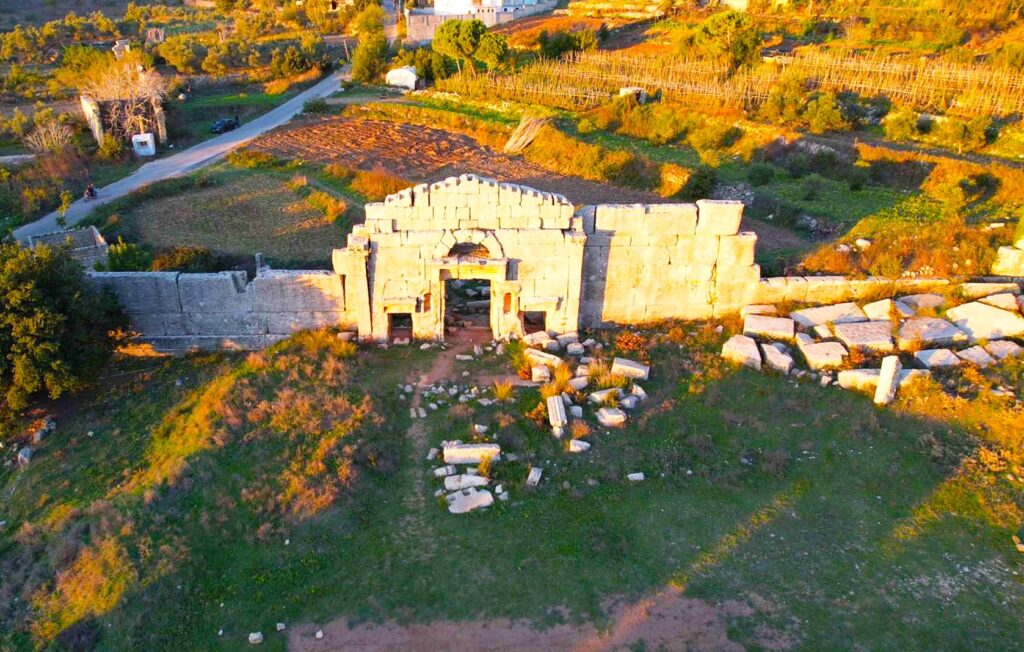
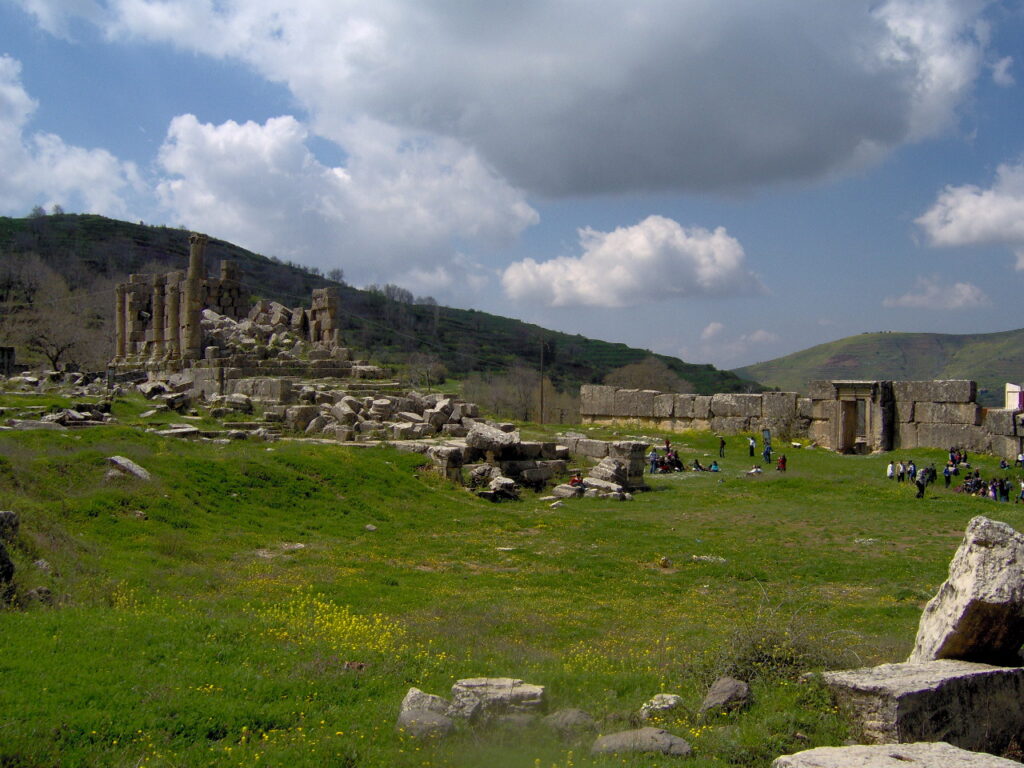
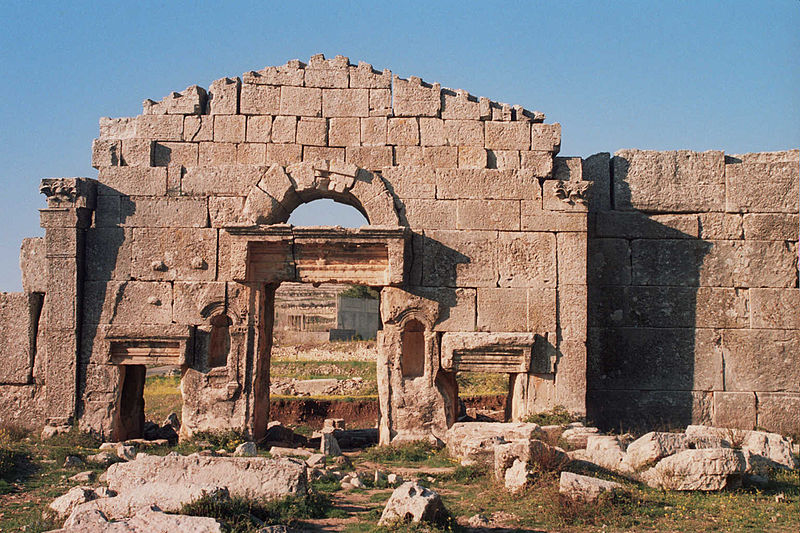
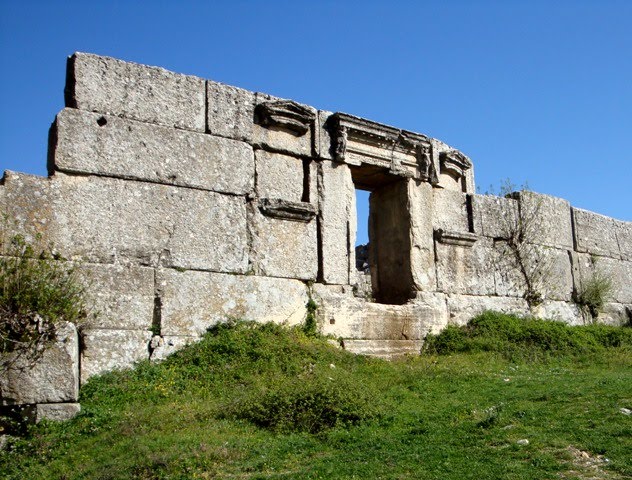
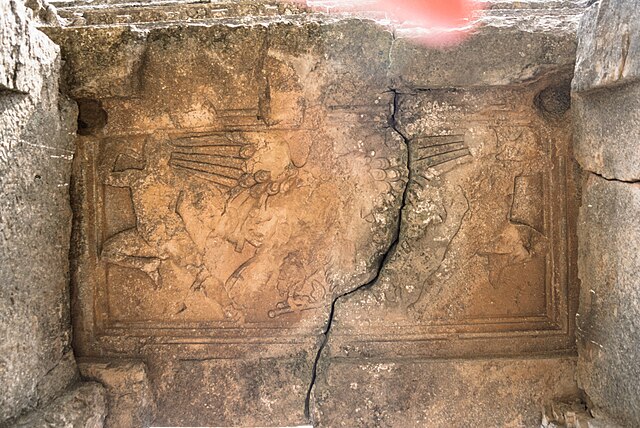
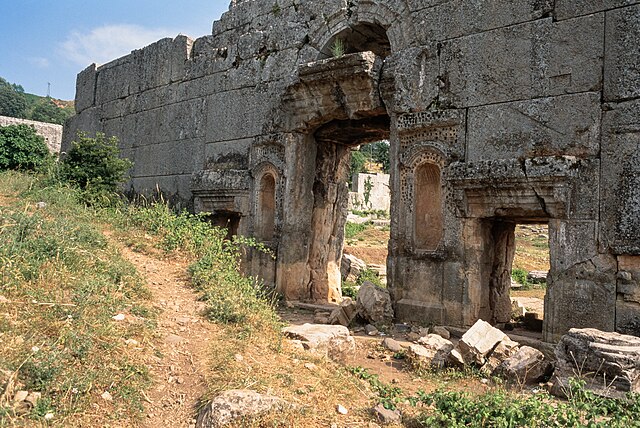
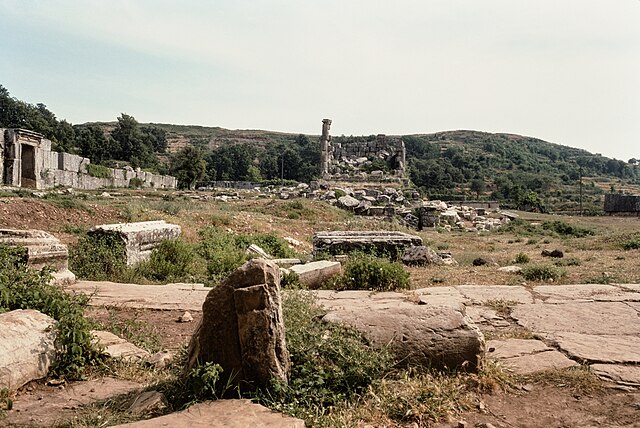
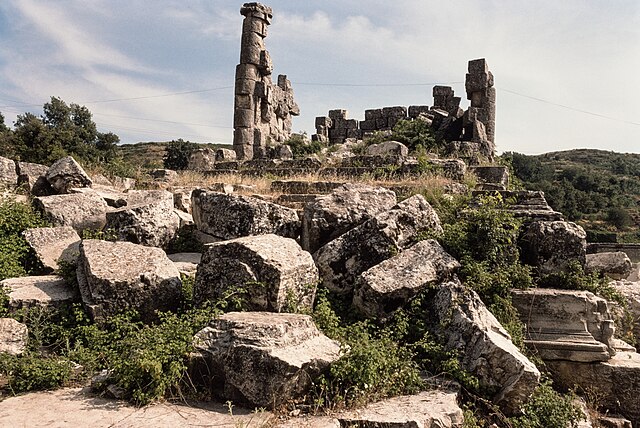
Hosn Suleiman Temple (حصن سليمان) Ancient Mountain Sanctuary: Perched high in the misty mountains of Tartus, Syria, the site is a breathtaking archaeological site that blends ancient spirituality with engineering marvels. Originally a sacred Phoenician location, the site was later transformed into a grand Roman temple complex, incorporating some of the largest stone blocks ever used in antiquity—some weighing over 500 tons. The temple’s massive walls, terraces, and stone platforms reflect centuries of religious devotion, architectural skill, and regional significance. Surrounded by lush forests and winding mountain paths, Hosn Suleiman Temple provides a serene escape for history enthusiasts, photographers, and nature lovers.
| Name | Hosn Suleiman Temple |
|---|---|
| Location | Near Dreikish, Tartus Governorate, Syria |
| Altitude | Around 950 meters above sea level |
| Built By | Originally Phoenician, rebuilt in Roman times |
| Known For | Gigantic stone blocks, Roman temple, mountain views |
| Best Time to Visit | Spring or fall |
| Accessibility | Reachable by car; mountain road access |
| Photography | Allowed |
| Duration | 1–1.5 hours visit |
Why Visit
Architectural Marvel: The temple’s massive stone construction rivals better-known sites like Baalbek in Lebanon. The enormous blocks, some monolithic, were precisely cut and placed, demonstrating advanced engineering techniques of the Roman era. Walking through the temple, visitors can appreciate the skill, effort, and religious significance embedded in every wall, column, and terrace.
Historical Significance: Hosn Suleiman Temple has layers of history that span Phoenician, Hellenistic, and Roman periods. Originally dedicated to local deities, it became a Roman temple complex, possibly linked to the cult of Zeus Baetocaece, emphasizing the site’s importance as a regional religious center. Its location atop a mountain not only provided protection but also enhanced its spiritual presence, as devotees could feel close to the heavens.
Scenic and Peaceful: The temple overlooks valleys, pine forests, and rolling hills, offering some of the most dramatic mountain views in Syria. The combination of history and natural beauty makes Hosn Suleiman Temple ideal for quiet reflection, photography, or simply enjoying the serenity of the surroundings.
Cultural and Spiritual Atmosphere: Walking among the massive stone blocks, courtyards, and terraces, visitors can sense the centuries of religious devotion and spiritual energy that once made this site sacred. The temple remains a symbol of the region’s rich cultural heritage and continuity of worship practices over millennia.
How to Reach
Location: The site is located near Dreikish, approximately 40 km east of Tartus.
By Car or Taxi: A private car or taxi is recommended for safety and convenience. The scenic drive through winding mountain roads takes about 1.5 hours from Tartus.
Public Transport: Limited options exist; local buses may go to nearby villages, but direct access is easiest via private transport.
Combined Visits: Many visitors pair a trip to Hosn Suleiman Temple with nearby historical and cultural sites, such as Masyaf Castle or the Tartus coastal area, for a full-day exploration of the region.
What to Know Before You Go
- Terrain: The site is uneven with stairs, terraces, and rocky paths; sturdy footwear is essential.
- Facilities: There are no on-site restaurants, cafes, or formal guided tours; bring water, snacks, and sun protection.
- Best Times: Morning or late afternoon visits are ideal to avoid the midday heat and to capture the best light for photography.
- Safety: The temple is generally safe and quiet, but visiting with company or a local guide is advisable, especially for first-time travelers.
Nearby Attractions
- Dreikish town (natural springs and local eateries)
- Tartus coastal city and Arwad Island
- Masyaf Castle (a few hours to the east)
- Hosn al-Akrad (Krak des Chevaliers) for history lovers willing to travel further
To read more about this topic, click here. To explore further, visit our Facebook Syria Collection for rare images and cultural highlights.