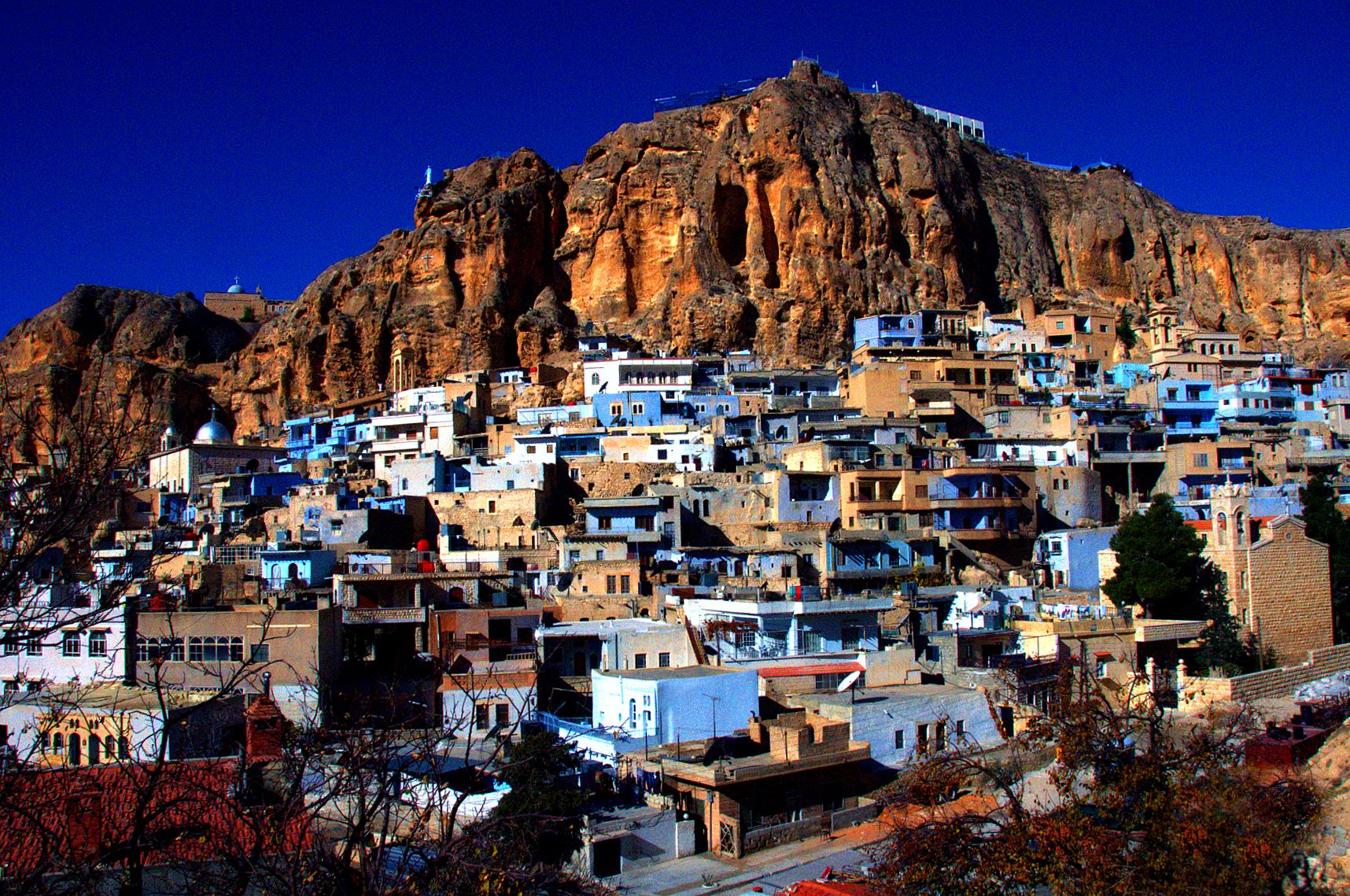
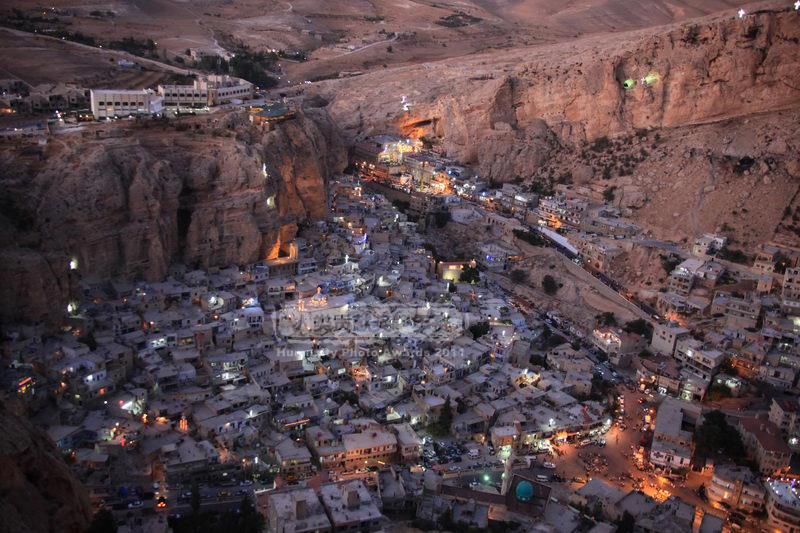
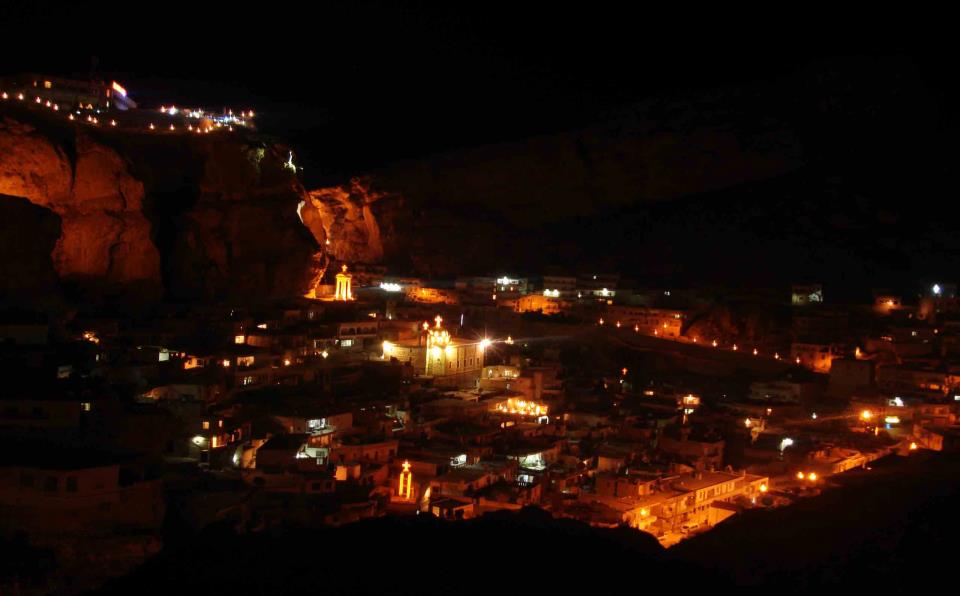
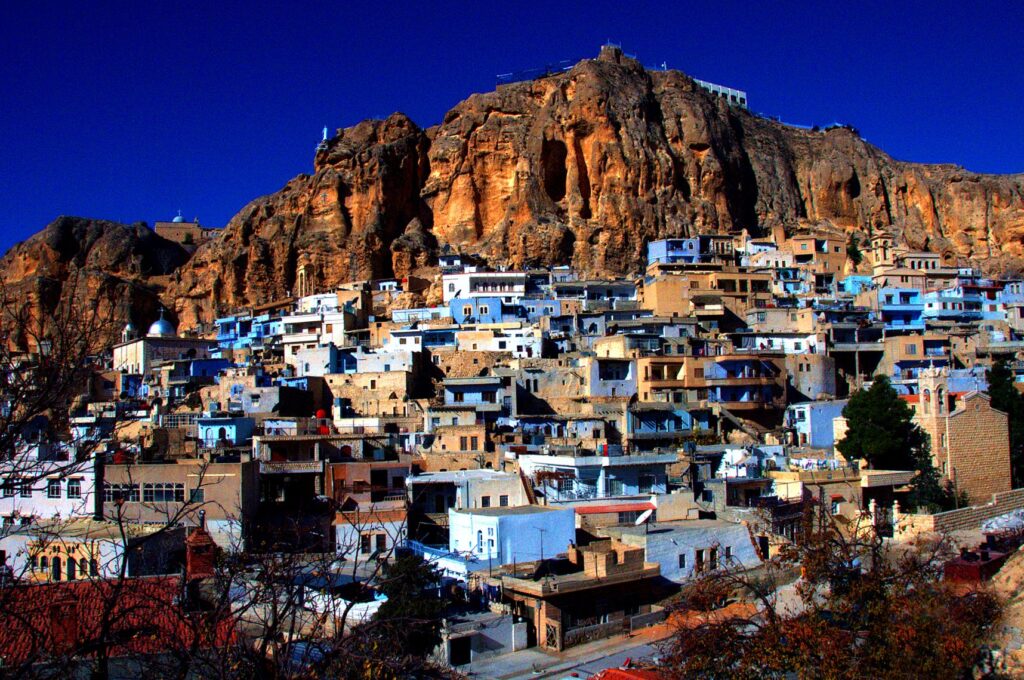
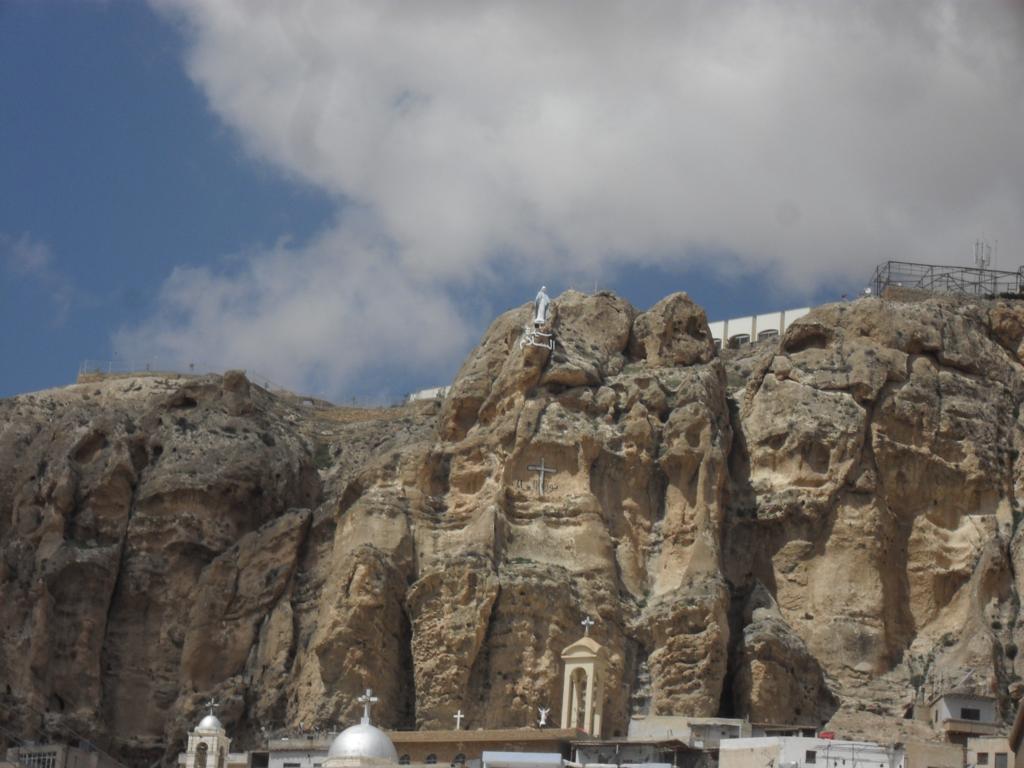
Maaloula Christian Village (معلولا) is one of Syria’s most unique destinations, perched high in the rugged mountains northeast of Damascus. Known for its deep religious and cultural heritage, this village is one of the last places on Earth where Aramaic—the language spoken by Jesus—is still used in daily life and prayer. With its dramatic cliffs, whitewashed monasteries, and narrow winding streets, Maaloula Christian Village feels like a step back in time, offering visitors an experience that is both spiritually uplifting and historically rich.
| Name | Maaloula | Mariamme (Μαριάμμη) |
|---|---|
| Location | Around 56 km northeast of Damascus |
| Known For | Ancient Christian heritage, Aramaic-speaking community |
| Elevation | Approx. 1,500 meters above sea level |
| Main Sites | Mar Sarkis Monastery, Mar Takla Monastery, Aramaic inscriptions |
| Language | Some residents still speak Western Aramaic |
| Accessibility | Reachable by car or private tour (1–1.5 hours from Damascus) |
| Dress Code | Modest attire, especially for entering religious sites |
| Best Time to Visit | Spring and autumn for pleasant weather |
| Photography | Allowed; respectful behavior expected |
| Popular Activities | Sightseeing, pilgrimage, hiking nearby cliffs |
Why Visit
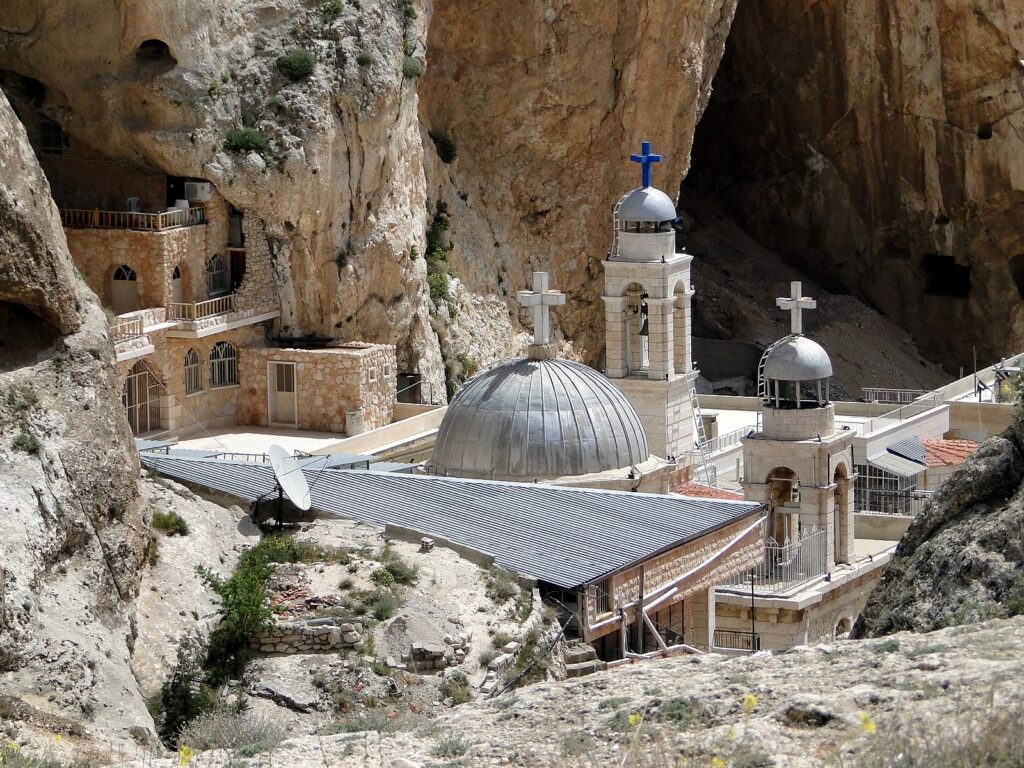
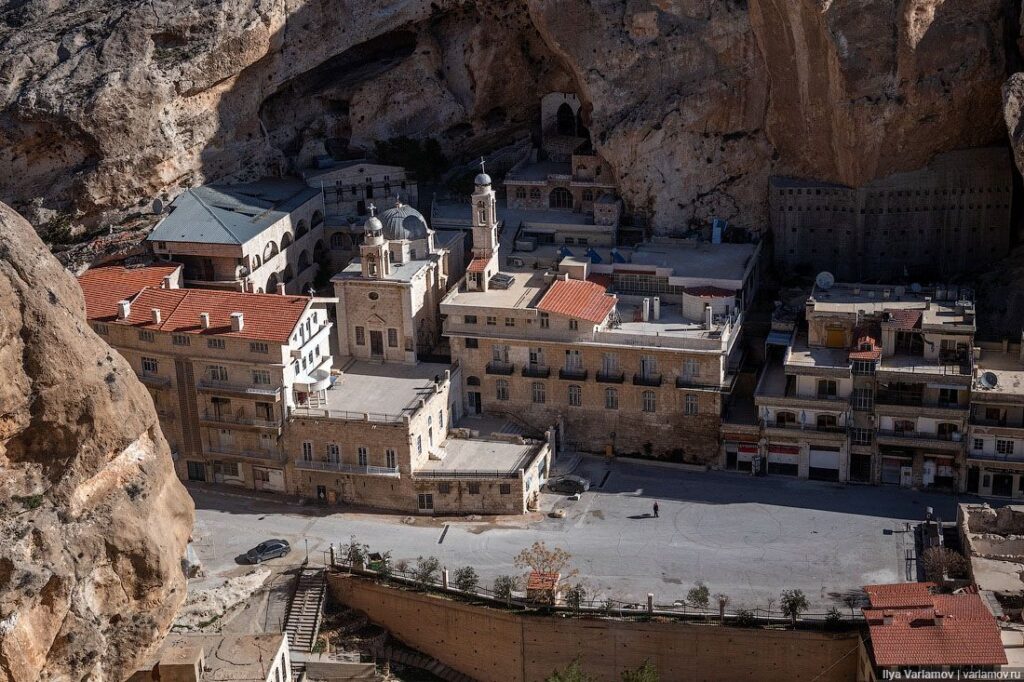
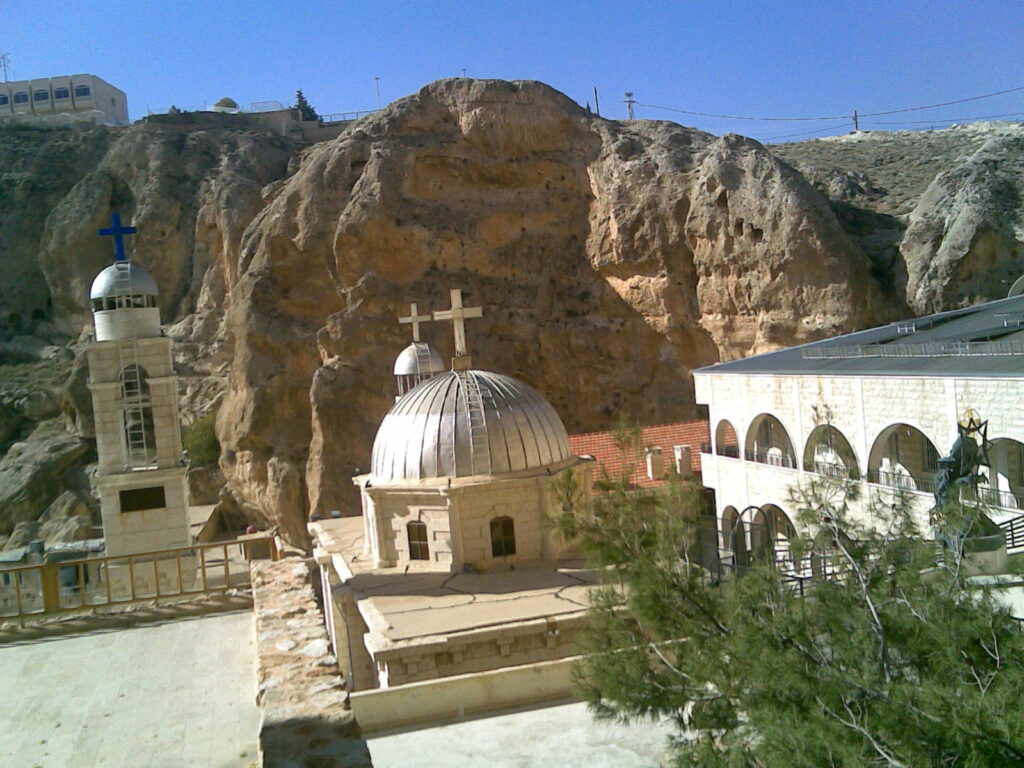
A visit to Maaloula Christian Village allows travelers to explore a rare combination of sacred heritage and stunning natural landscapes. The Monastery of Mar Takla, built into a cliff face, houses relics of Saint Thecla, attracting pilgrims and history enthusiasts alike. The Monastery of Mar Sarkis is another highlight, one of the oldest functioning monasteries in the world, where centuries of devotion and monastic life are still visible.
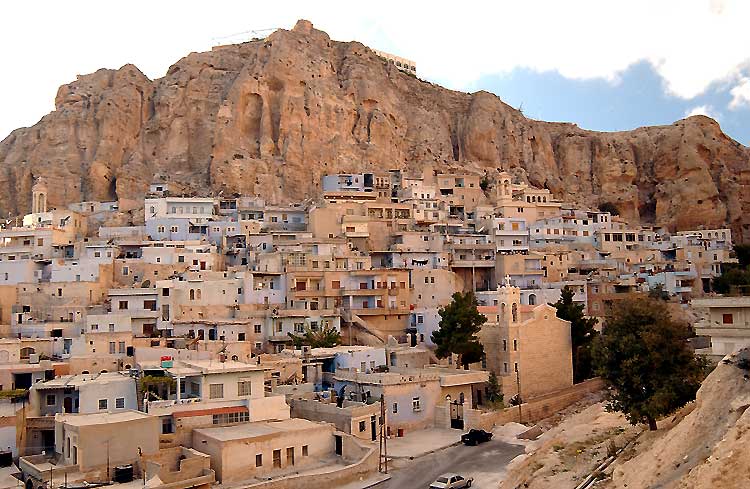
Walking through Maaloula Christian Village, you’ll discover Thekla’s Passage, a narrow gorge steeped in legend and perfect for scenic walks. The village’s stone houses, painted façades, and hidden chapels convey centuries of continuous Christian presence. Visitors often remark on the peaceful ambiance and the sense of continuity that pervades every street, alley, and monastery in Maaloula Christian Village.
The village is also culturally significant as a center of intergenerational transmission of Aramaic. Local residents maintain their language, prayers, and traditions, making Maaloula Christian Village a living testament to ancient Middle Eastern heritage. Its monasteries, chapels, and community events offer a rare glimpse into how faith and culture have been preserved through turbulent centuries.
How to Reach
Maaloula Christian Village is best reached by car or private taxi from Damascus. The journey takes approximately 1 to 1.5 hours via the Damascus-Homs highway, turning off near Al-Nabek. The drive is scenic, with winding mountain roads that offer panoramic views of valleys and distant peaks. Guided day tours are also available and often include nearby Christian sites, such as Saidnaya and other villages in the Qalamoun region. Public buses operate less frequently, so private transport is recommended for convenience.
Once in Maaloula Christian Village, most key sites—including monasteries, chapels, and scenic viewpoints—are within walking distance, though some paths can be steep or rocky. Comfortable shoes, water, and modest clothing are recommended for a safe and respectful visit.
What to Know Before You Go
- Timing: Visit during daylight hours; mountain roads can be difficult to navigate at night.
- Clothing: Modest attire is recommended inside monasteries; women may wear headscarves.
- Behavior: Respect religious customs, silence during prayer, and local traditions.
- Walking: Prepare for rocky terrain, steep paths, and Thekla’s Passage.
- Interaction: If you know Arabic or Aramaic, locals often share stories, legends, and the village’s history.
Nearby Attractions
- Saidnaya: A key Christian pilgrimage site, 40–45 minutes away.
- Mar Takla Monastery: Houses relics of Saint Thecla with cliffside architecture.
- Mar Sarkis Monastery: One of the world’s oldest active monasteries.
- Thekla’s Gorge: Scenic and historic walking route through the village.
- Cafés and eateries: Enjoy traditional Syrian food with mountain views.
- Rock-carved chapels and homes: Reflect centuries of religious life.
- Viewpoints: Stunning vistas of the Qalamoun Mountains and valleys.
To read more about this topic, click here. To explore further, visit our Facebook Syria Collection for rare images and cultural highlights.