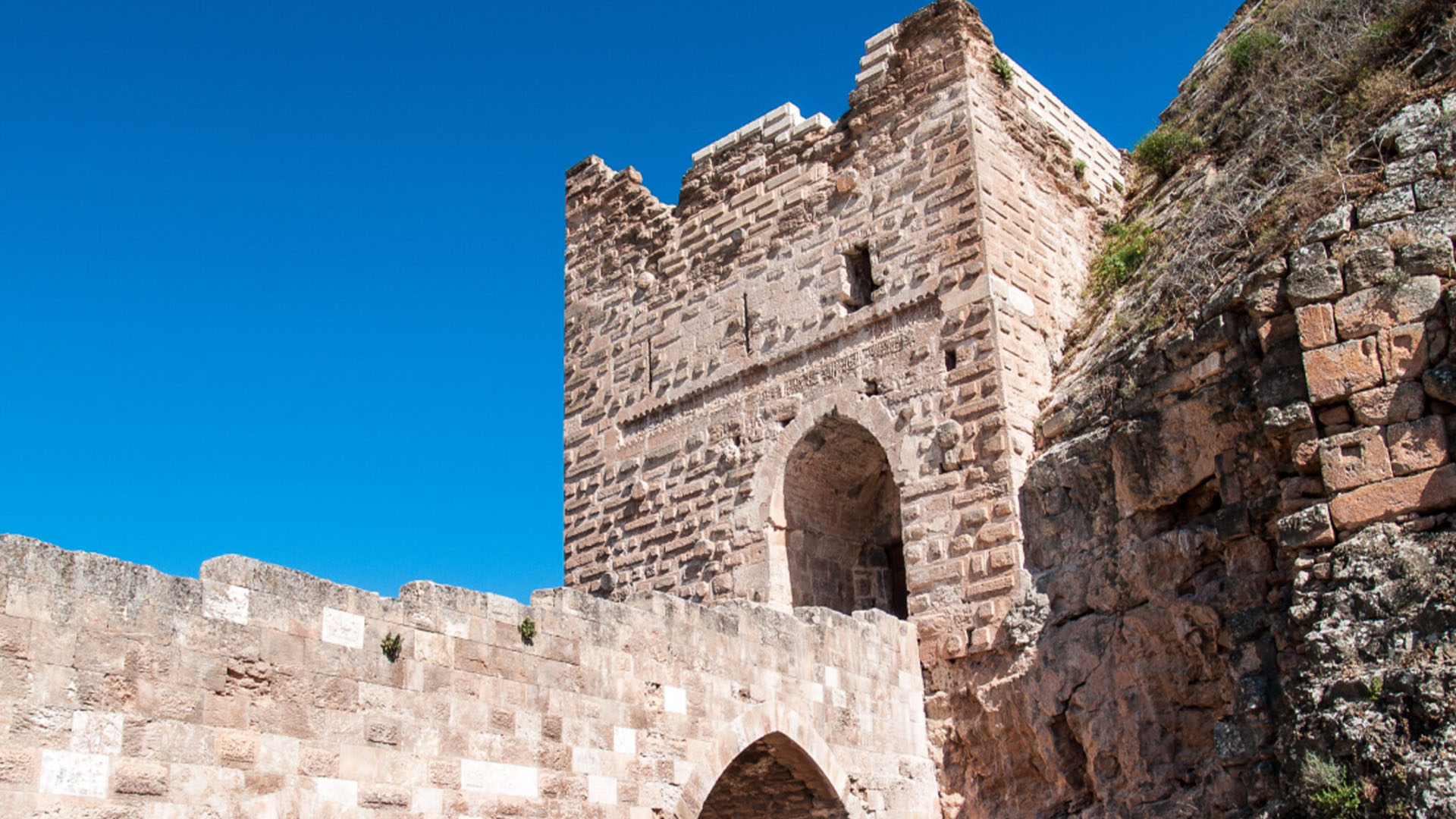
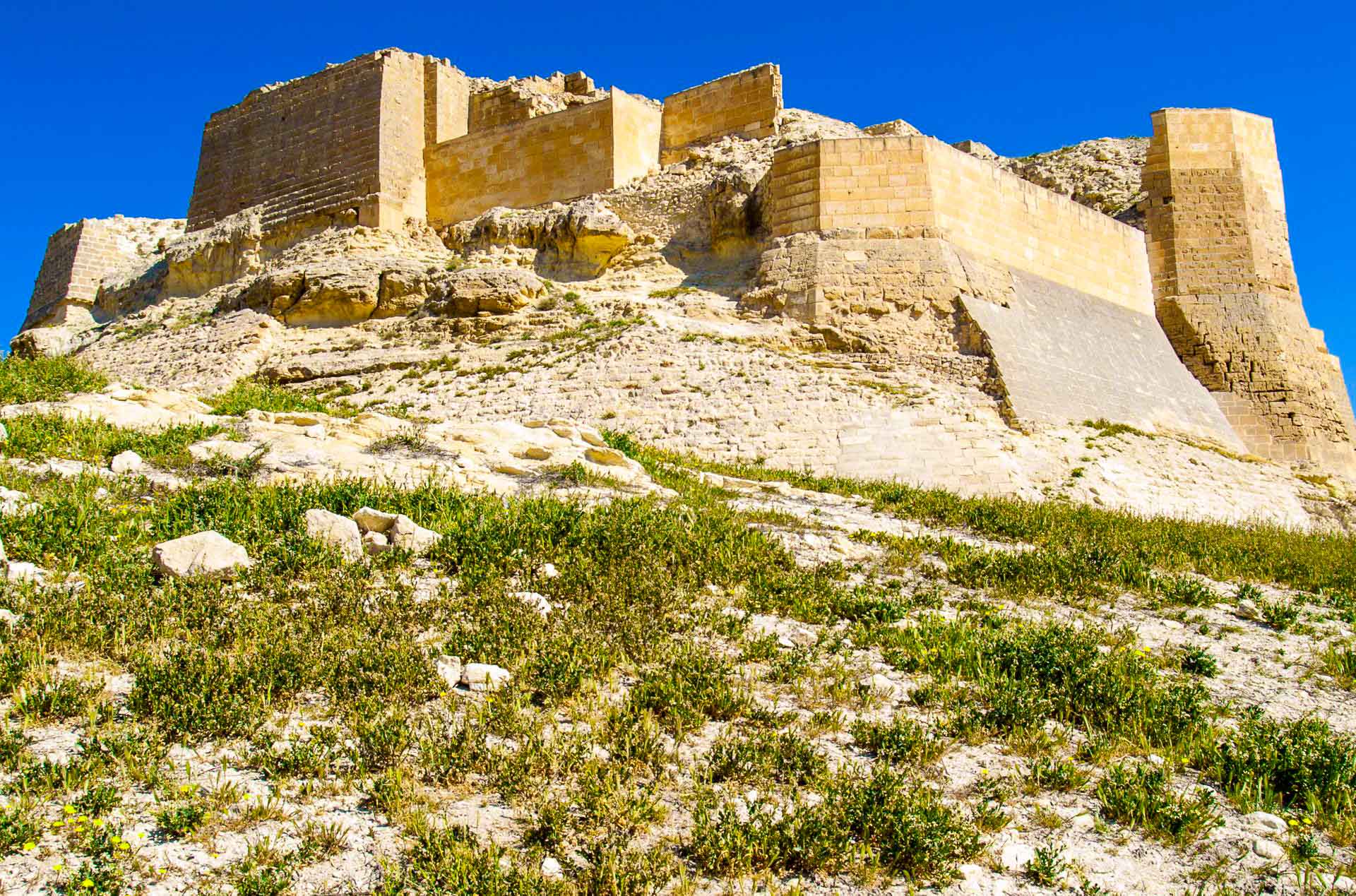
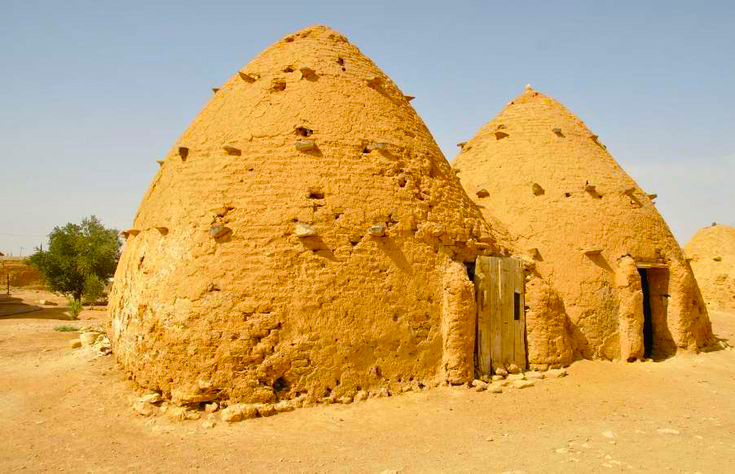
Old Aleppo (حلب القديمة) Wander through the timeworn alleyways of Old Aleppo, and you’ll find yourself in one of the oldest continuously inhabited cities on Earth. Its soul lives in its carved stone archways, bustling bazaars, and neighborhoods that have seen Roman garrisons, Crusader attacks, Mamluk expansions, and Ottoman restorations.
Once the heart of the Silk Road, Old Aleppo was a crossroads of merchants, scholars, artisans, and empires. Today, despite years of conflict and damage, it remains a place of resilience — a city rebirthing from its own rubble.
| Category | Details |
|---|---|
| Location | Aleppo, Northern Syria |
| UNESCO Status | World Heritage Site (since 1986) |
| Historical Layers | Hittite, Roman, Byzantine, Islamic, Ottoman |
| Famous Quarters | Al-Jdeideh, Al-Zarab, Bab Antakya, Bab al-Nasr, Al-Farafira |
| Main Attractions | Aleppo Citadel, Umayyad Mosque, Al-Madina Souq, Khan al-Wazir |
| Entry Fee | No entry fee for city quarters – sites may have individual ticket prices |
| Recommended Time | Half-day to 2 days |
| Best Time to Visit | Spring and Autumn |
Why Visit?
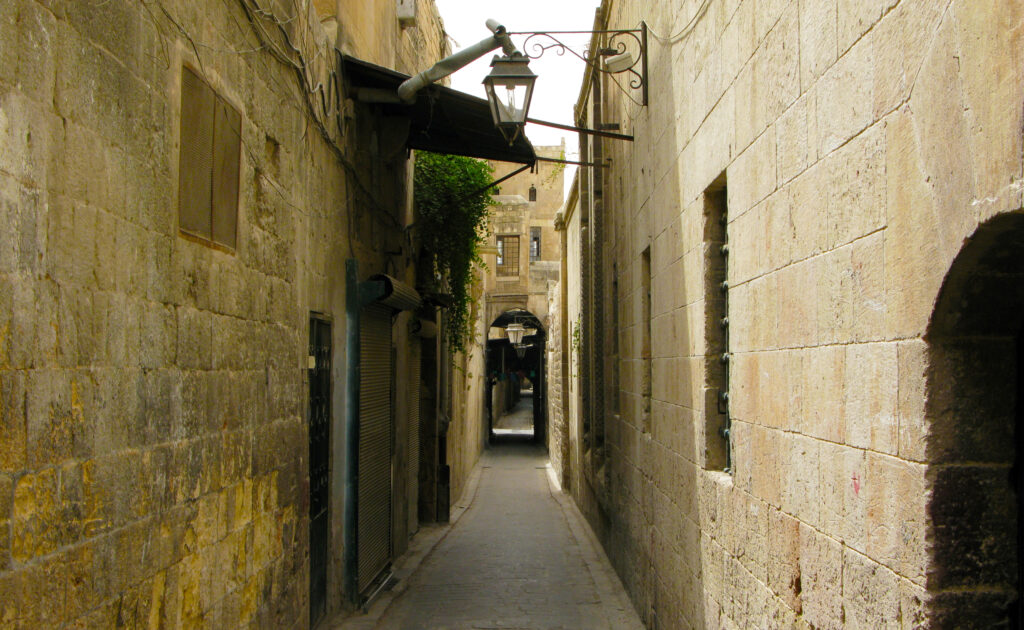
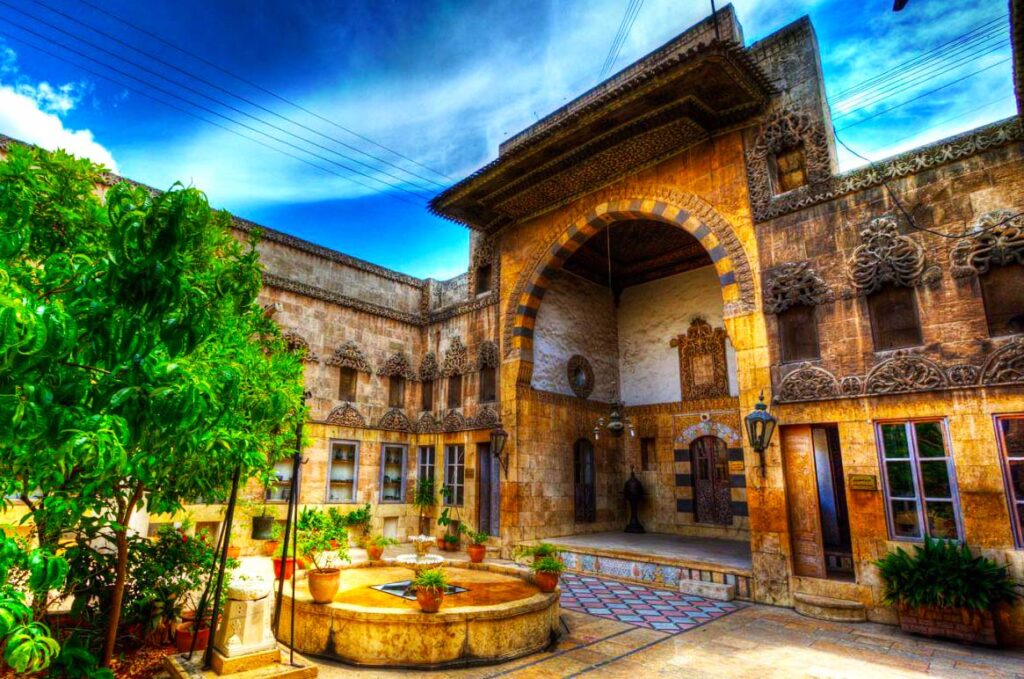
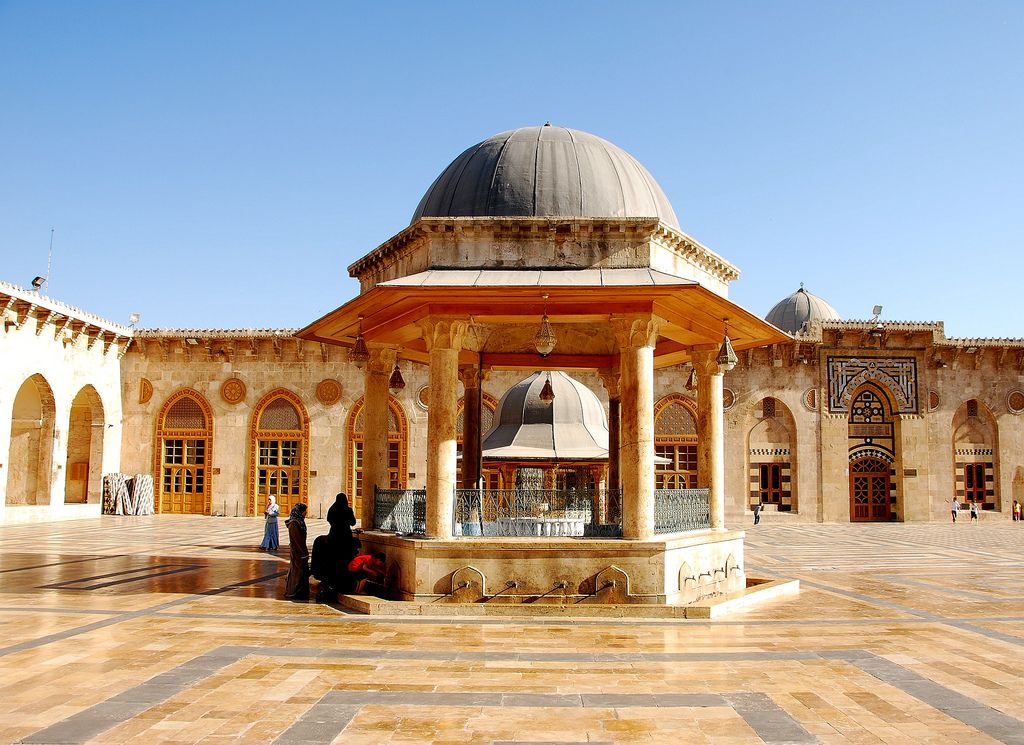
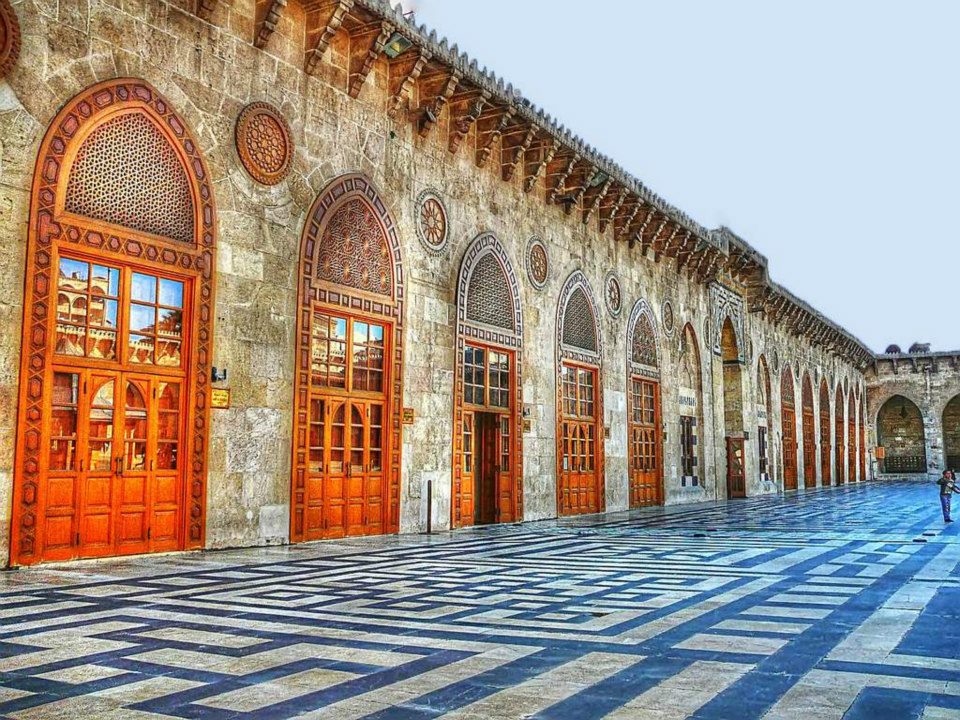
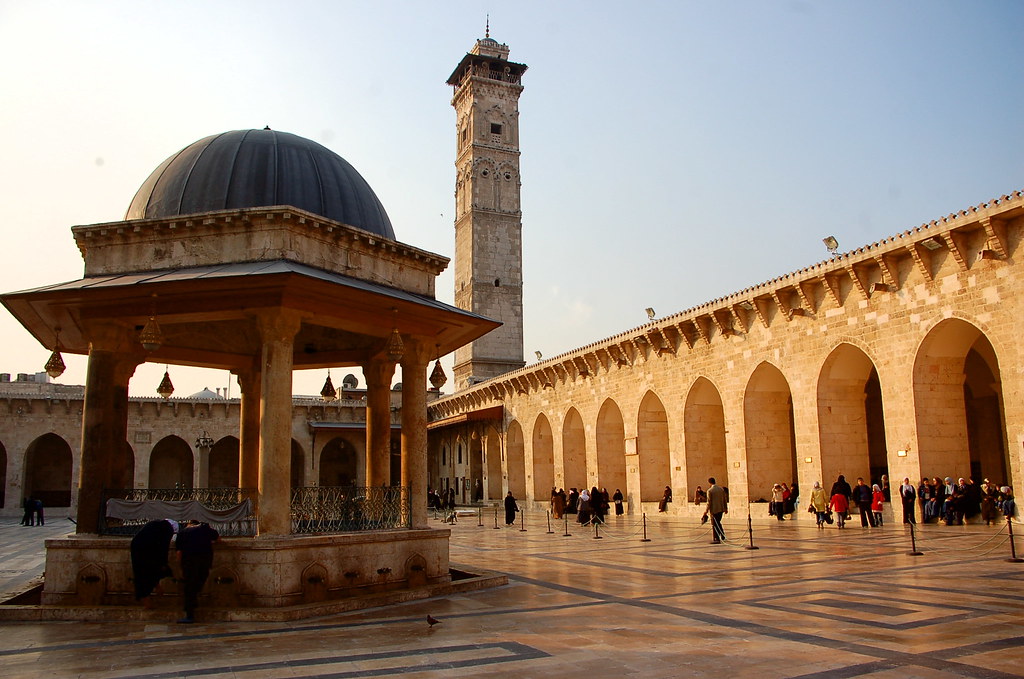
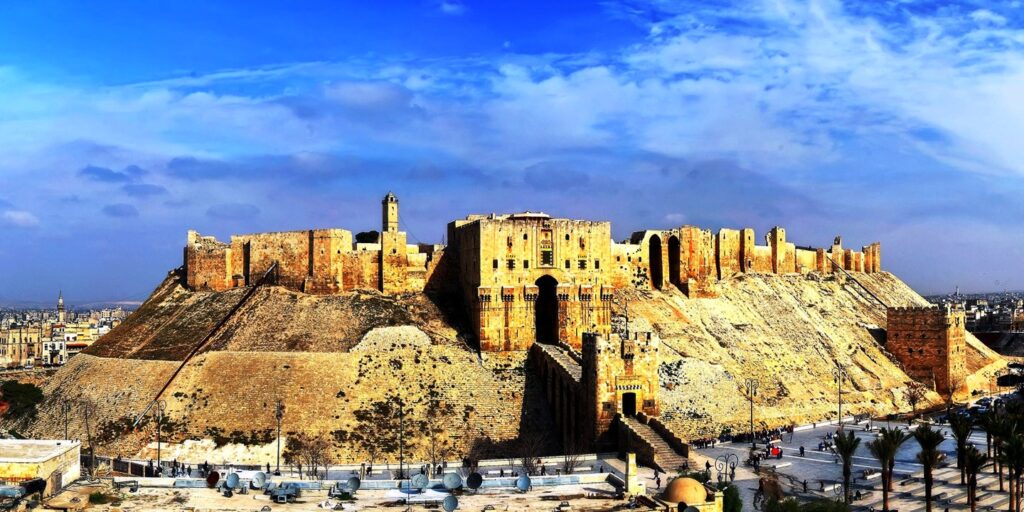
Timeless Architecture: Old Aleppo is a masterpiece of design and urban planning. Its narrow, winding cobblestone streets, arched stone doors, traditional bay windows, and hidden courtyards reflect centuries of ingenuity. At the heart of the city, the Aleppo Citadel, dating back to the Medieval period (12th century CE), dominates the skyline with its formidable walls and towers. The Great Umayyad Mosque, with its reconstructed 11th-century minaret, remains a spiritual and architectural centerpiece, showcasing Islamic artistry.
Ottoman-era khans like Khan al-Wazir and Khan al-Saboun reveal Aleppo’s history as a bustling Silk Road hub, where merchants once traded spices, textiles, and luxury goods. These structures highlight both functional design and aesthetic elegance, giving visitors a tangible connection to the past.
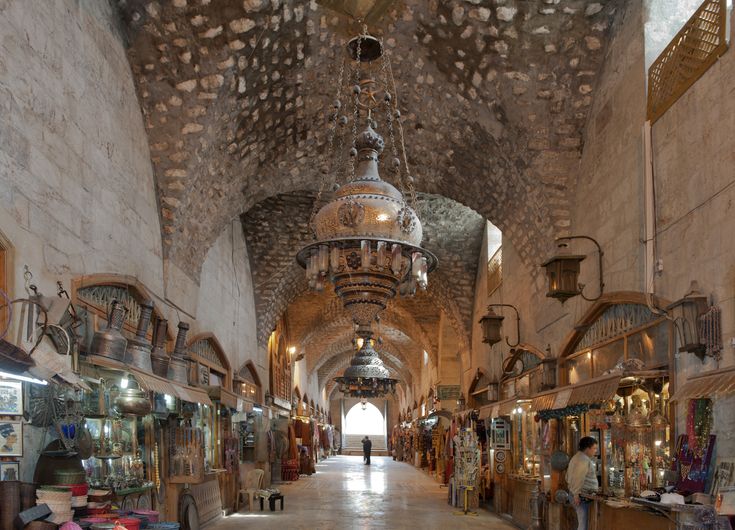
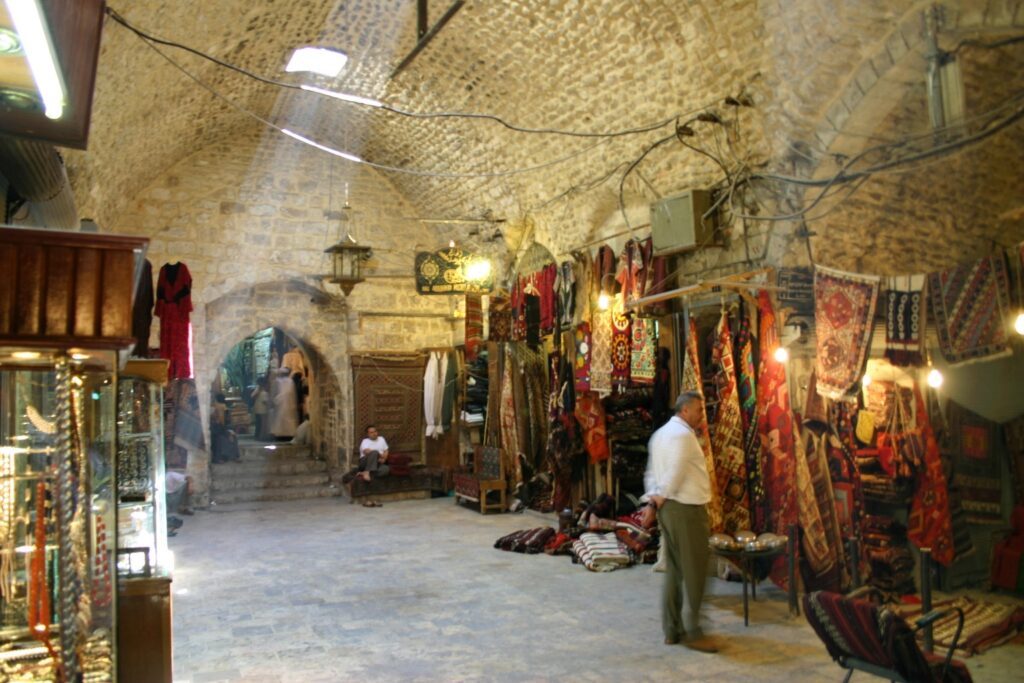
Vibrant Markets: Old Aleppo’s Al-Madina Souq was historically one of the world’s largest covered markets, stretching over 13 km of vaulted halls and narrow alleys. Despite partial destruction during recent conflicts, restoration efforts have begun, allowing visitors to explore shops filled with textiles, spices, traditional soaps, and sweets. Walking through the souq is not just shopping — it’s a journey into Aleppo’s multicultural commercial history.
Multicultural Heritage: The neighborhoods of Old Aleppo reflect a rich tapestry of religious and cultural identities:
- Christian Quarter (Al-Jdeideh): Features churches, Armenian heritage buildings, and quiet courtyards.
- Jewish Quarter (Al-Farafira): Known for its unique architecture and historical cultural intersections.
- Muslim Quarters: Blend Sunni, Shia, and Sufi traditions, visible in mosques, madrasas, and zawiyas.
This diversity illustrates centuries of peaceful coexistence and cross-cultural exchange.
What to Know Before You Go
- Safety: Check local travel advisories. Some areas are still under restoration or limited access.
- Local Guides: Hiring a licensed guide adds deep value — they can show you secret passageways and untold stories.
- Dress Code: Modest clothing is appreciated in religious and traditional areas.
- Shopping Tips: Bargaining is expected. Supporting artisans is a great way to preserve cultural craft.
How to Reach Old Aleppo
- From Damascus: Around 5–6 hours by car or bus.
- From Aleppo Airport: A 25–40 minute drive depending on traffic.
- From Aleppo Train Station: The Old City is easily reached by taxi or minibus.
Once inside the city, it’s best to explore on foot. The streets are narrow and perfect for walking — just be ready for uneven paths and occasional construction.
Nearby Attractions
- Aleppo Citadel: A dominant fortress with centuries of history — you’ll likely start or end your visit here.
- Al-Shibani School: A cultural hub for exhibitions and events in a restored Ottoman building.
- Traditional Hammams: Try Hammam al-Nahhasin for a relaxing dip in history.
- Museum of Popular Traditions: Showcasing Aleppine customs, costumes, and folklore.
- Khan al-Wazir: A historic inn with a tranquil courtyard.
- Souq al-Attarin: Spice traders’ corner — full of fragrance and color.
To read more about this topic, click here. To explore further, visit our Facebook Syria Collection for rare images and cultural highlights.