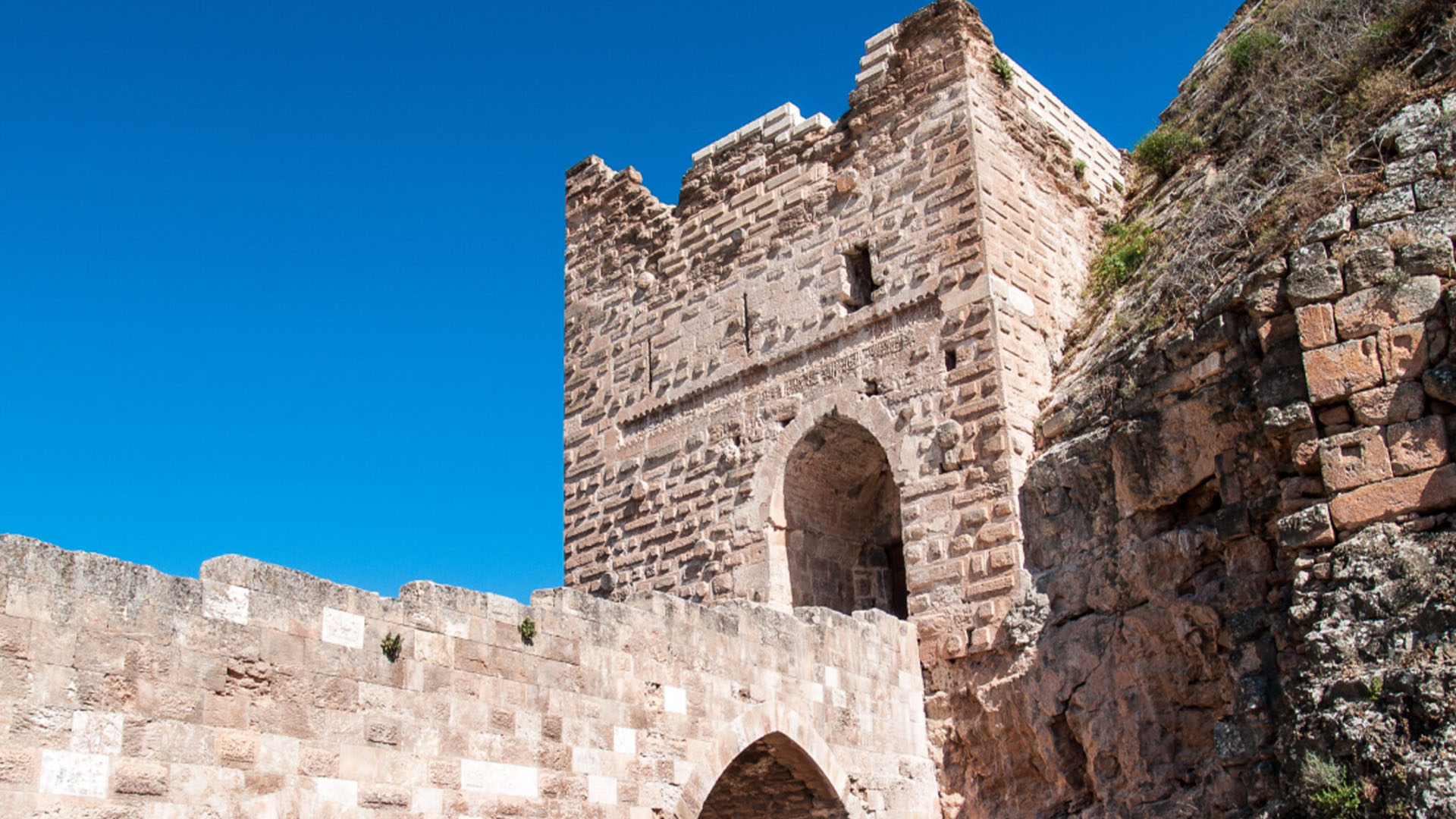
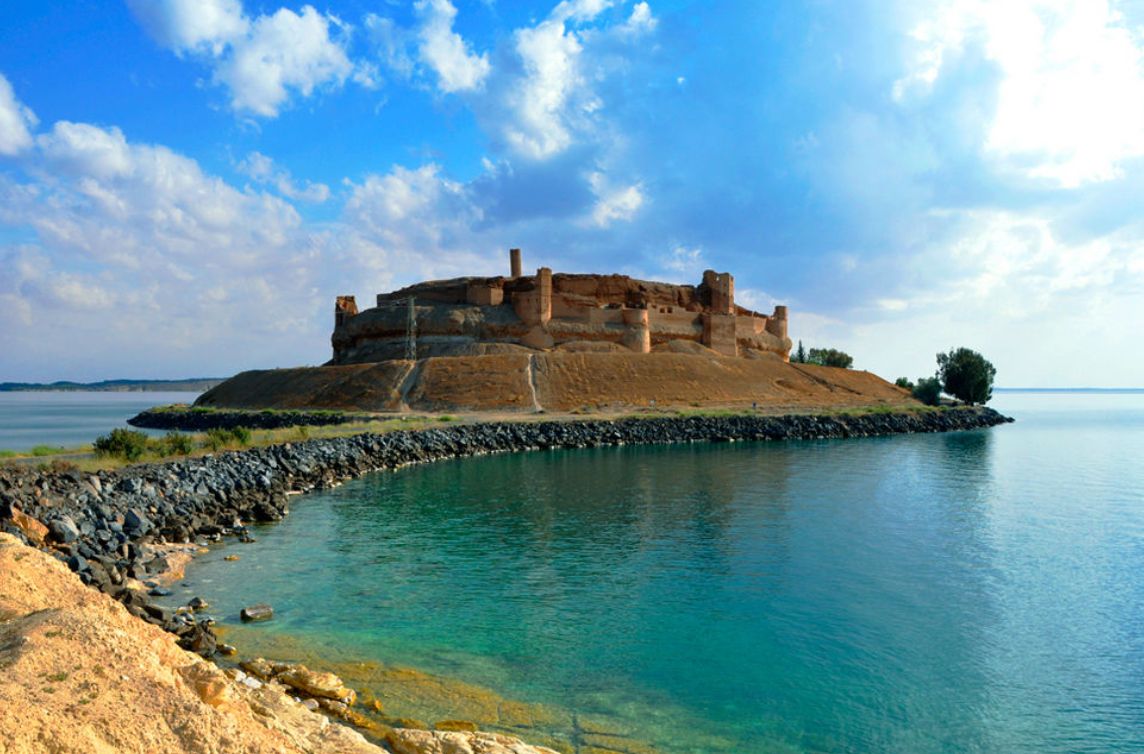
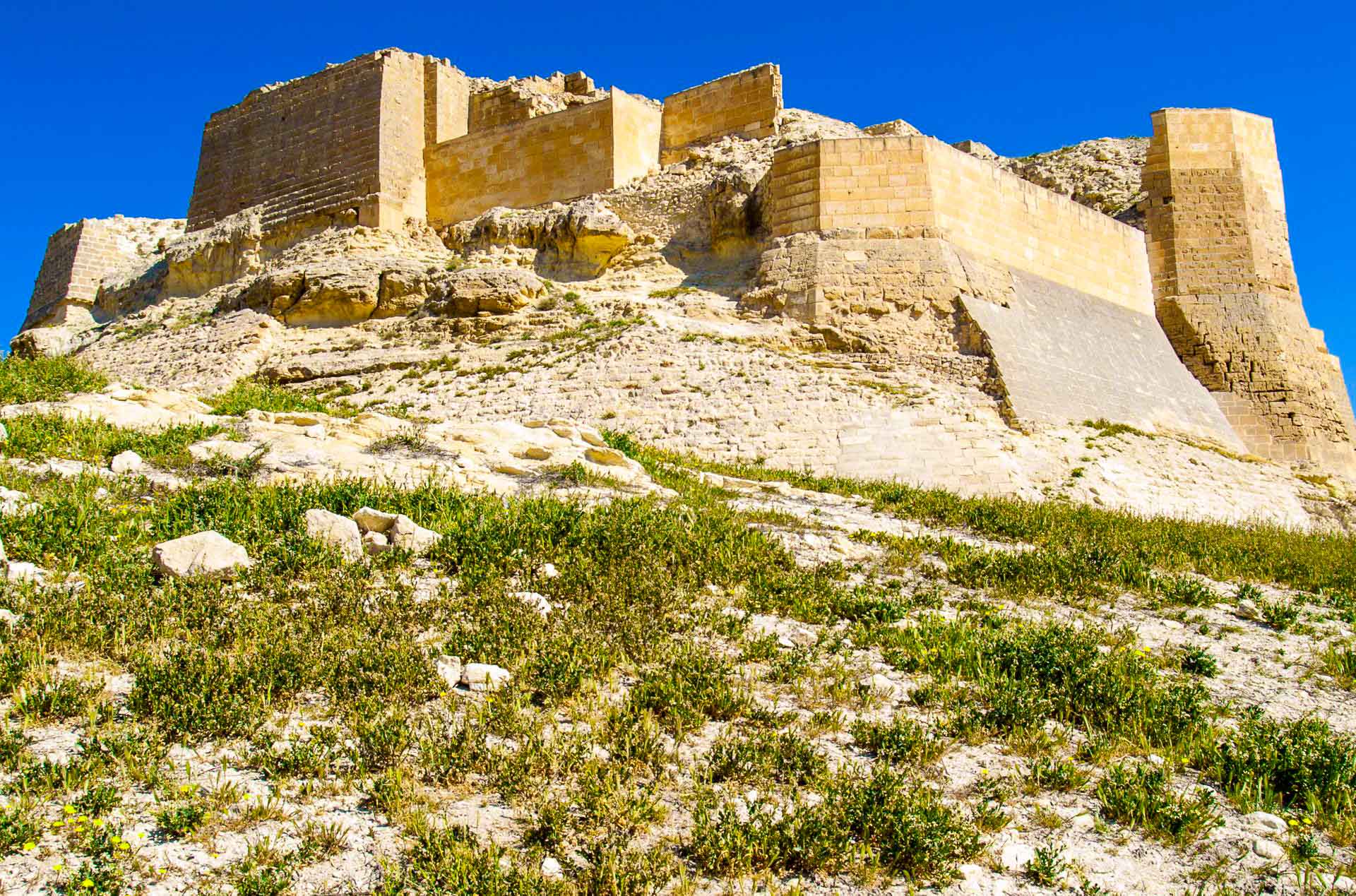
Qalaat Najm (قلعة نجم) rising dramatically from the western bank of the mighty Euphrates River is unforgettable. Known as the “Star Castle” (as Najm means star in Arabic), this medieval fortress is more than just a magnificent ruin; it is one of the best-preserved examples of Islamic military architecture in the region. Its strategic location controlled one of the most vital crossing points on the Euphrates, making it a pivotal site for centuries of trade, pilgrimage, and warfare. For visitors interested in the Crusades, the Ayyubid dynasty, and the history of the Levant, Qalaat Najm offers a rare and powerful glimpse into the past.
| Feature | Details |
| Location | West bank of the Euphrates River, near Manbij, Northern Syria |
| Built/Fortified | Predominantly 12th–13th centuries (Zengid & Ayyubid eras) |
| Name Meaning | Star Castle (Najm means star) |
| Significance | Controlled the main ferry crossing and vital trade routes between Iraq and Anatolia |
| Architecture Highlight | Monumental gatehouse and well-preserved inner courtyard |
| Current Status | Fragile due to conflict, but structure remains largely intact |
Why Visit
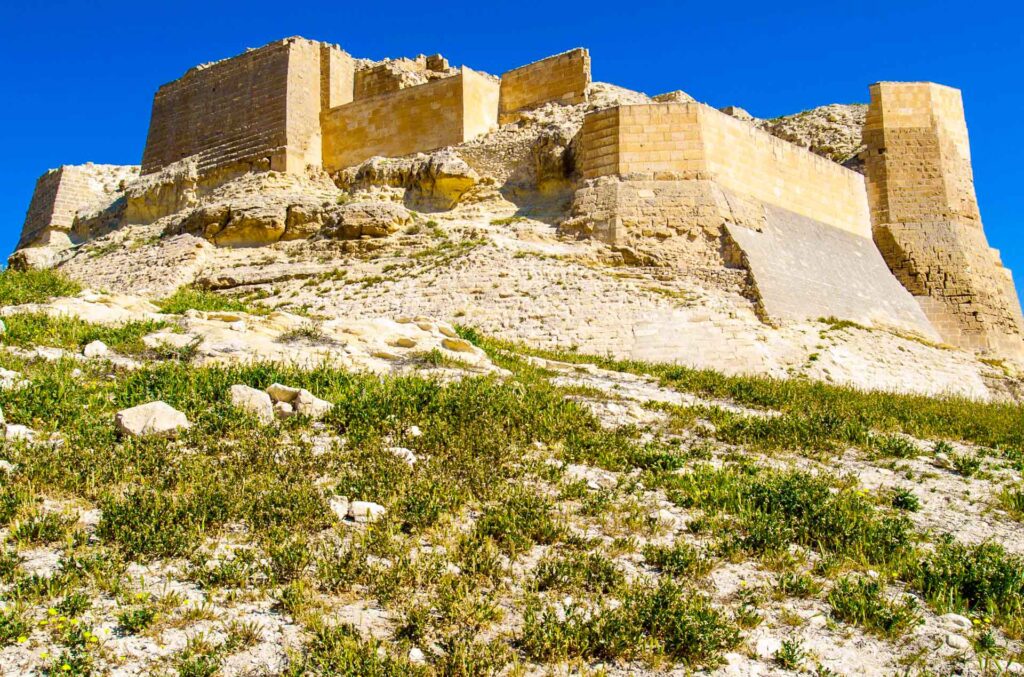
Visitors are drawn to Qalaat Najm not just for its scenic views overlooking the river, but for its incredible architectural integrity and historical weight. The fortress stands as a testament to the sophistication of medieval military engineering.
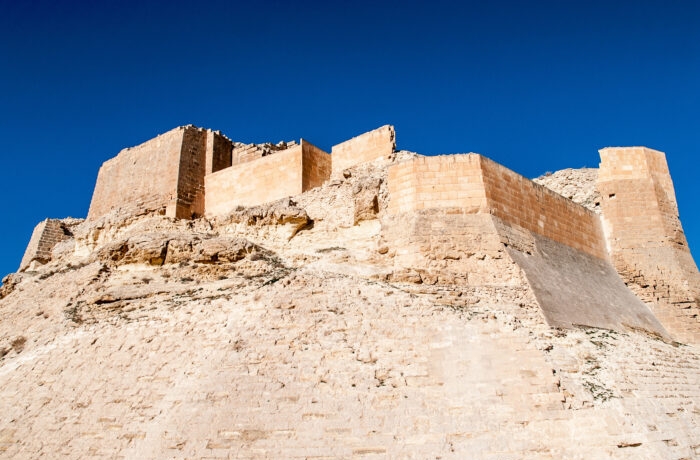
- Architectural Masterpiece: The most impressive feature is the towering, seven-sided entrance complex, a masterpiece of defense designed with intricate flanking towers, machicolations (openings for dropping materials on attackers), and a winding entry path to slow down any invading force.
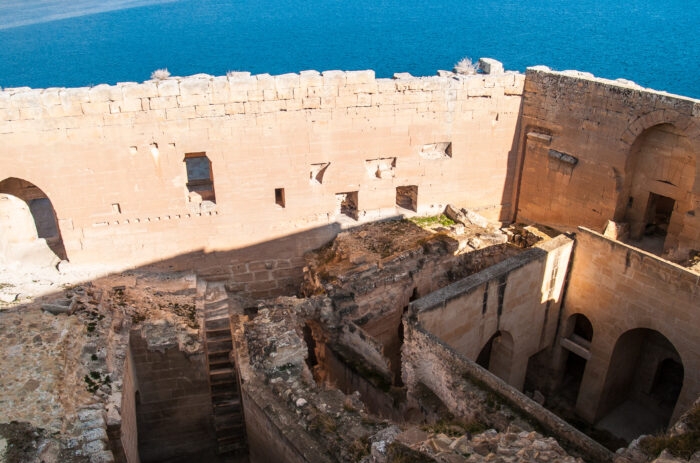
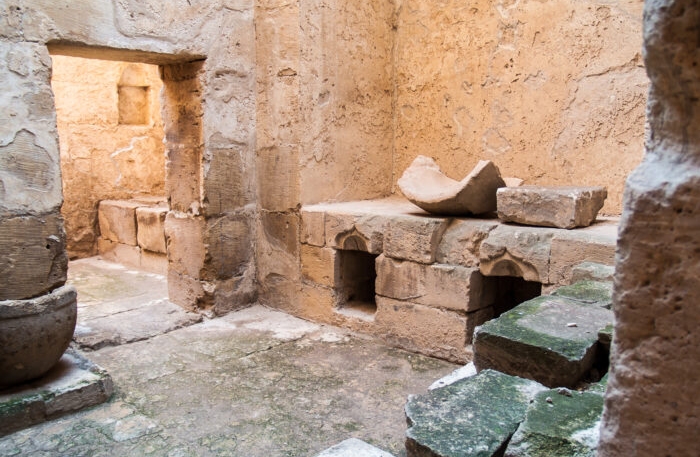
- Ayyubid Defence: The current form of the castle owes much to the Ayyubid ruler Nur ad-Din Zengi, who rebuilt and reinforced it in the 12th century, followed by enhancements from the Ayyubid sultans. Exploring the deep moat, the complex ramparts, and the internal structures gives you a genuine feel for life in a medieval citadel.
- Strategic Location: Understanding the site’s history is key. Qalaat Najm controlled the entire upstream ferry traffic, making it a necessary stop for anyone—from merchants and pilgrims to armies—crossing the great river. Its visual drama and historical importance make it unique among Syrian castles.
Things to Know Before You Go


Visiting Qalaat Najm is a unique experience that requires careful planning and acute awareness of the security environment.
- Security: This region of Northern Syria has been severely affected by conflict. While the castle itself remains relatively intact compared to other sites, the surrounding areas have faced significant fighting. Independent travel is highly discouraged.
- Permits and Guides: Accessing Qalaat Najm necessitates official permissions from relevant local authorities, and travelers must be accompanied by licensed guides or security personnel familiar with the current political and military landscape.
- River Level: Historically, the construction of the Tabqa Dam downstream has led to rising water levels that sometimes threatened the base of the castle. The appearance of the castle can vary depending on the current level of the Euphrates.
- Amenities: Do not expect any tourist amenities, cafes, or organized visitor centers. Be prepared to carry all your own supplies, including food and water.
How to Reach
The fortress is located roughly 100 km northeast of Aleppo. Reaching Qalaat Najm involves a journey from the nearest major operational hub.
- Base City: Aleppo is the traditional starting point for the region, although the political divisions mean that access to Manbij (the closest large town) is highly regulated.
- Transport: Access requires pre-arranged, secured transport, usually a private vehicle with local escorts. Public transportation to the area is not feasible.
- The Journey: The drive takes you through the Syrian steppe toward the Euphrates valley. Because of the security risks, all routes must be checked and cleared by authorities immediately before travel.
Nearby Attractions
A visit to Qalaat Najm typically fits into a broader itinerary focused on the history of the Euphrates River Valley:
- Manbij: The nearby town of Manbij has its own ancient history, though few visible historical remains compared to the castle.
- The Euphrates River: The river itself is the main draw, as the history of the region is inextricably linked to the ‘cradle of civilization.’
- Tell sites: The area is dotted with historical tells (mounds) marking ancient cities, such as Jerablus, an important Bronze Age site further north.


To discover more about this topic, click here. To explore further, visit our Facebook Syria Collection for rare images and cultural highlights.