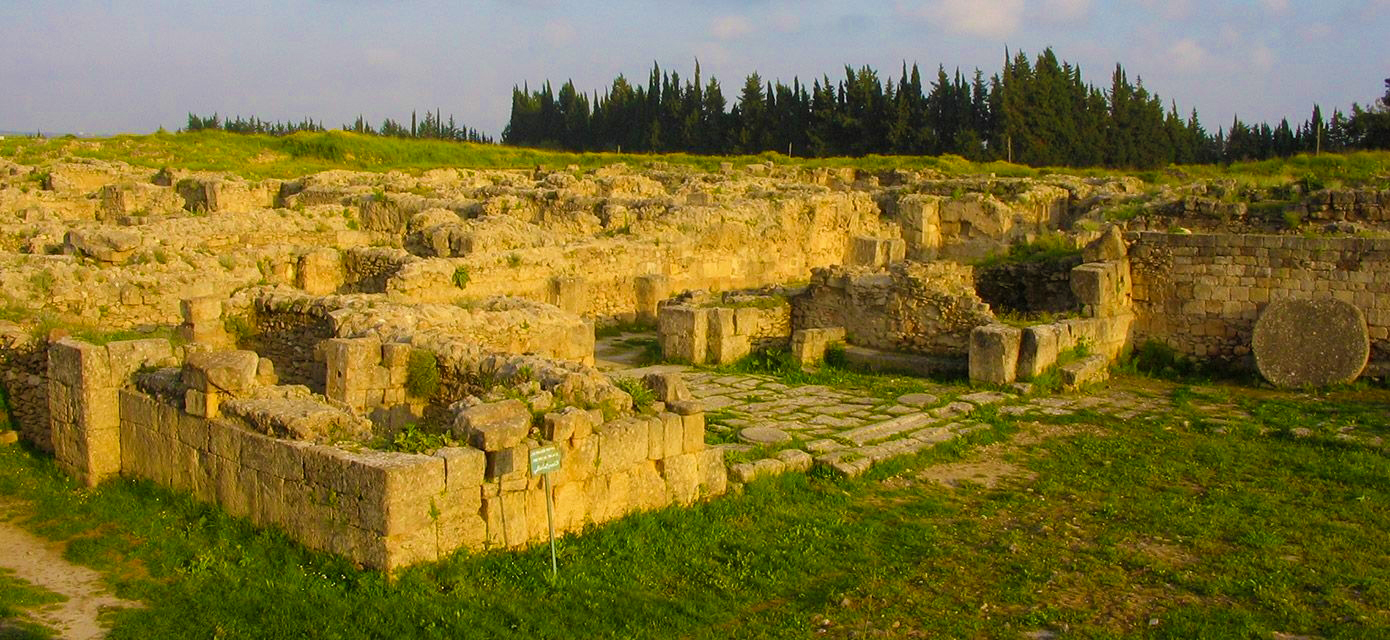
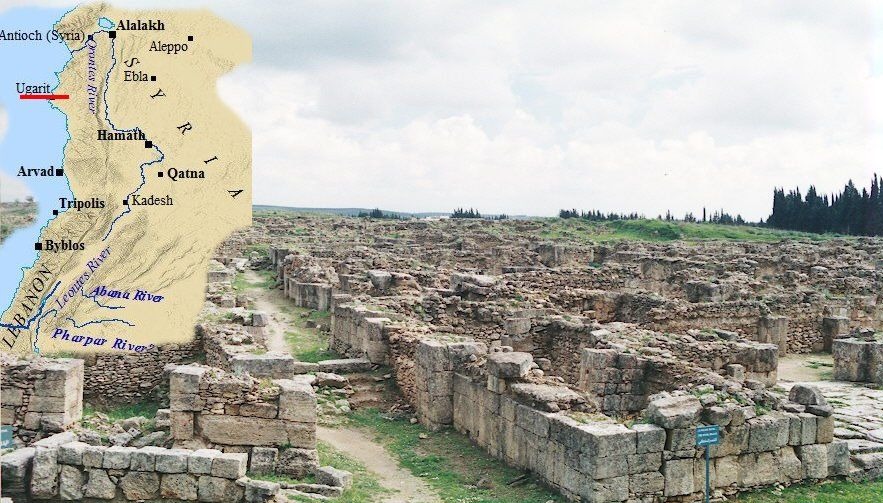
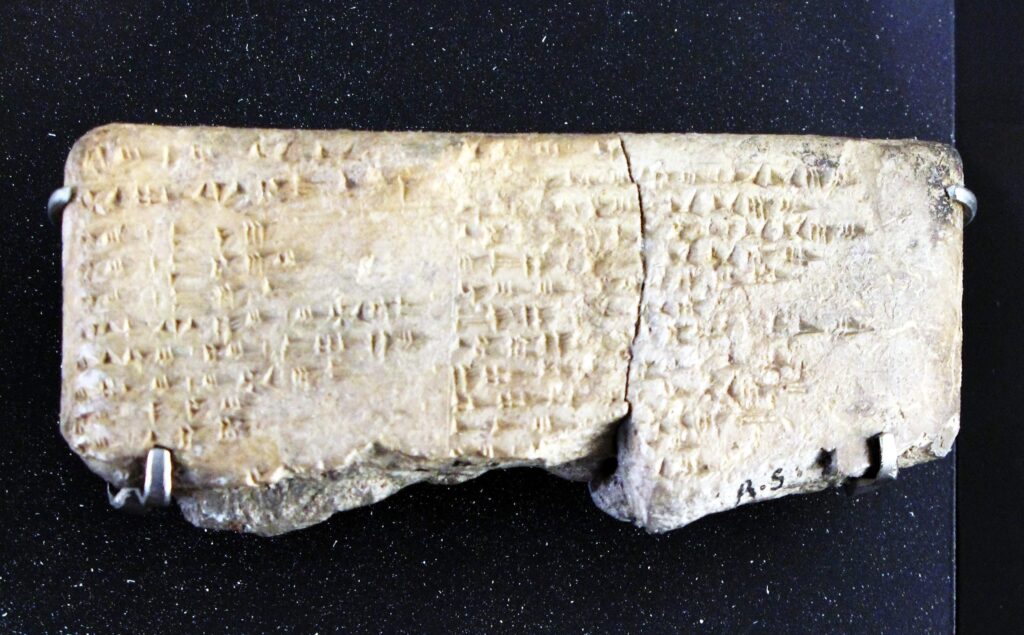
Ras Shamra (راس شمرة) the archaeological site of ancient Ugarit, is one of Syria’s most important and fascinating historical treasures. Located just north of Latakia, Ras Shamra was once a thriving port city and a major cultural hub during the Late Bronze Age. Its global significance was cemented with the discovery of the Ugaritic tablets, which unveiled one of the earliest known alphabets and revolutionized our understanding of writing systems. Today, visitors to Ras Shamra can walk among the ruins of temples, a royal palace, and city streets that once connected with Egypt, Cyprus, and Mesopotamia. For history enthusiasts, Ras Shamra is an unparalleled glimpse into a long-lost civilization.
| Feature | Details |
|---|---|
| Location | 10 km north of Latakia, Syria |
| Founded | Around 6000 BCE (Neolithic origins), flourished 1400–1200 BCE |
| Era | Bronze Age |
| Size | Medium archaeological site with multiple excavation zones |
| Estimated Visit Time | 1 to 1.5 hours |
| UNESCO Status | Not individually listed, but globally recognized for historical value |
| Highlights | Royal palace ruins, Ugaritic tablets (early alphabet), temples |
| Best Time to Visit | Spring and autumn for mild weather |
| Why It’s Unique | Birthplace of one of the world’s earliest alphabets |
| Accessibility | Reachable by taxi or car from Latakia (15–20 min drive) |
Why Visit
- Ancient Ugaritic Legacy: Ras Shamra allows visitors to explore the birthplace of the Ugaritic script, a precursor to many modern alphabets. Walking through its ruins, you can see the foundations of a city that played a pivotal role in the cultural and commercial networks of the Eastern Mediterranean.
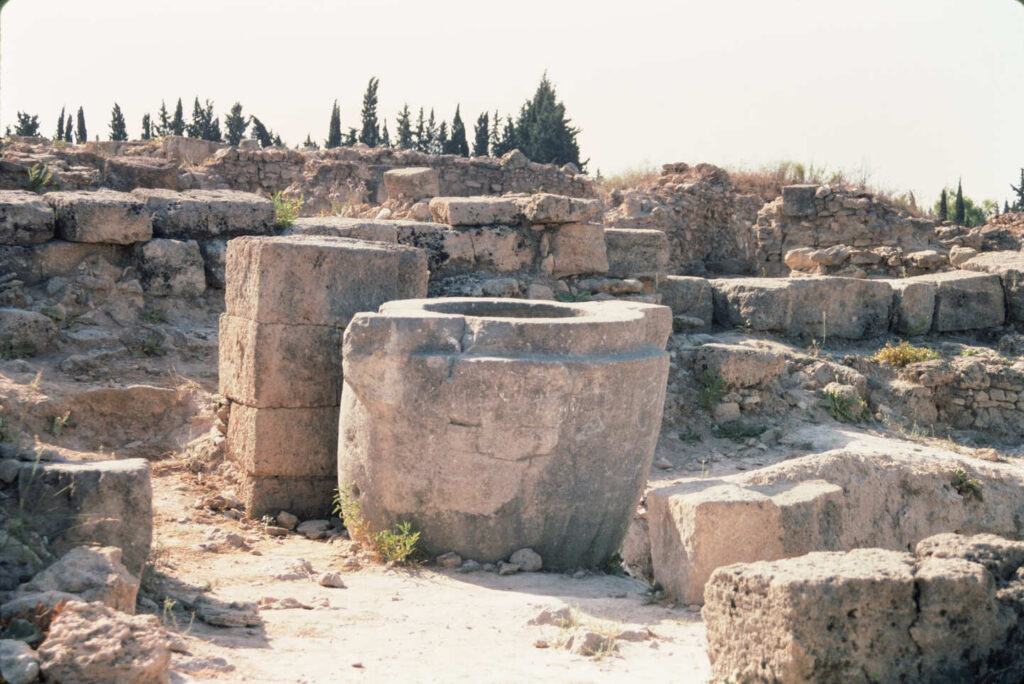
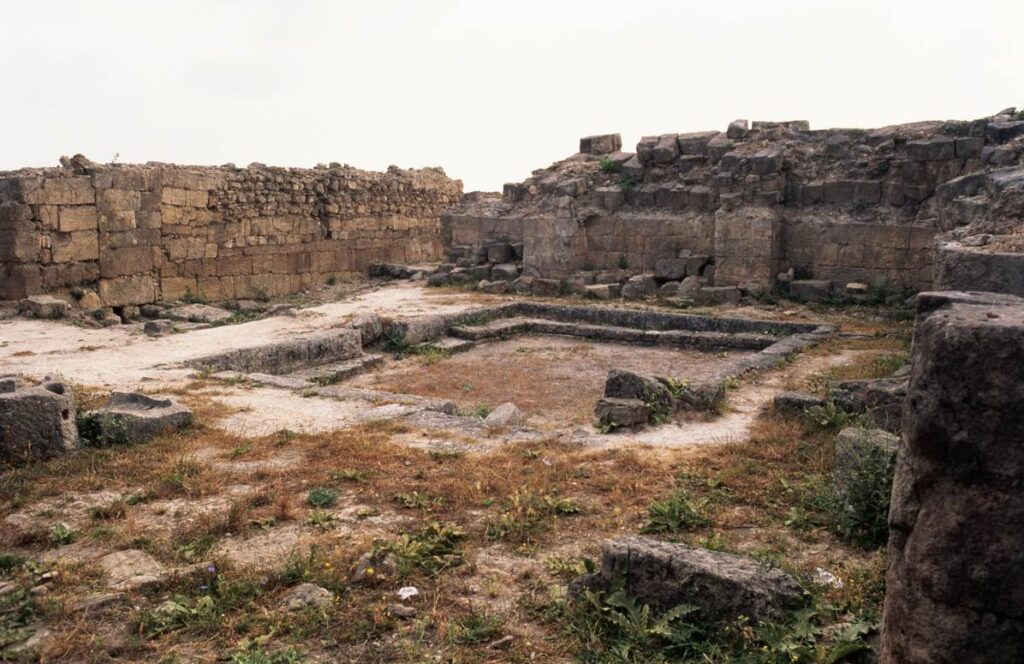
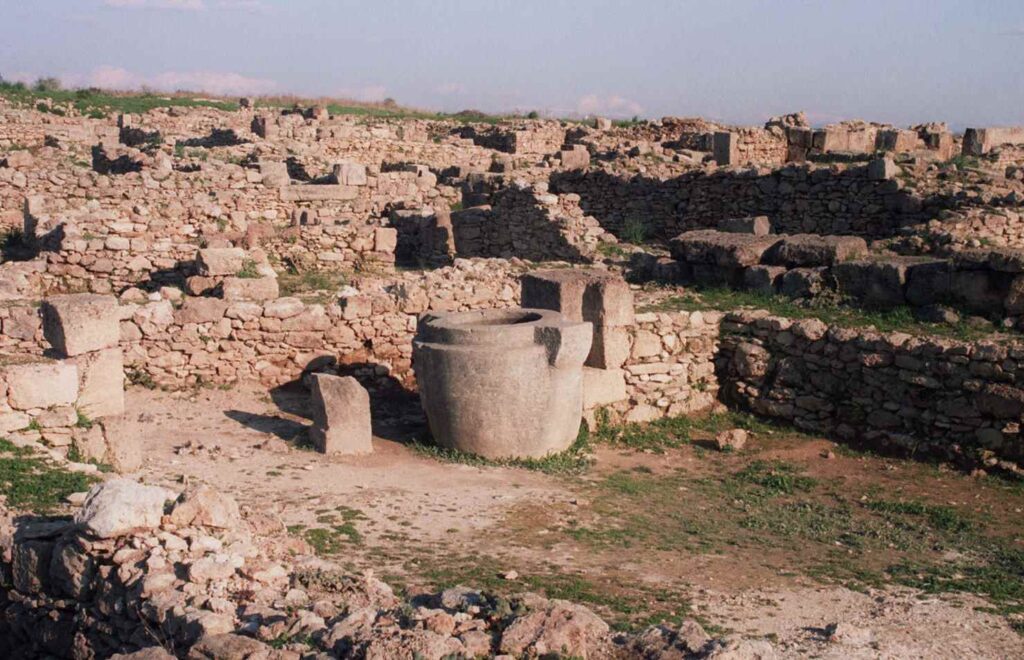
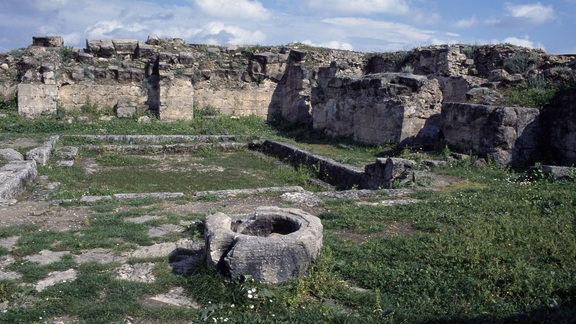
- Historic Temples and Palaces: The site contains remnants of ancient religious structures, including temples dedicated to Ugarit’s gods, and the royal palace, which hints at the city’s former wealth and sophistication. These structures, though partially ruined, convey the grandeur of the city and its political and spiritual life.
- Quiet Exploration: Unlike larger archaeological sites, Ras Shamra is rarely crowded, giving visitors the chance to reflect quietly on history. The peaceful setting along the Syrian coastline adds to the contemplative experience, making it ideal for photographers, scholars, or travelers seeking cultural immersion.
- Cultural Connections: The artifacts found at Ras Shamra demonstrate the city’s extensive trade and interaction with neighboring civilizations. Pottery, inscriptions, and imported materials reveal a cosmopolitan society that influenced and was influenced by surrounding regions.
What to Know Before You Go

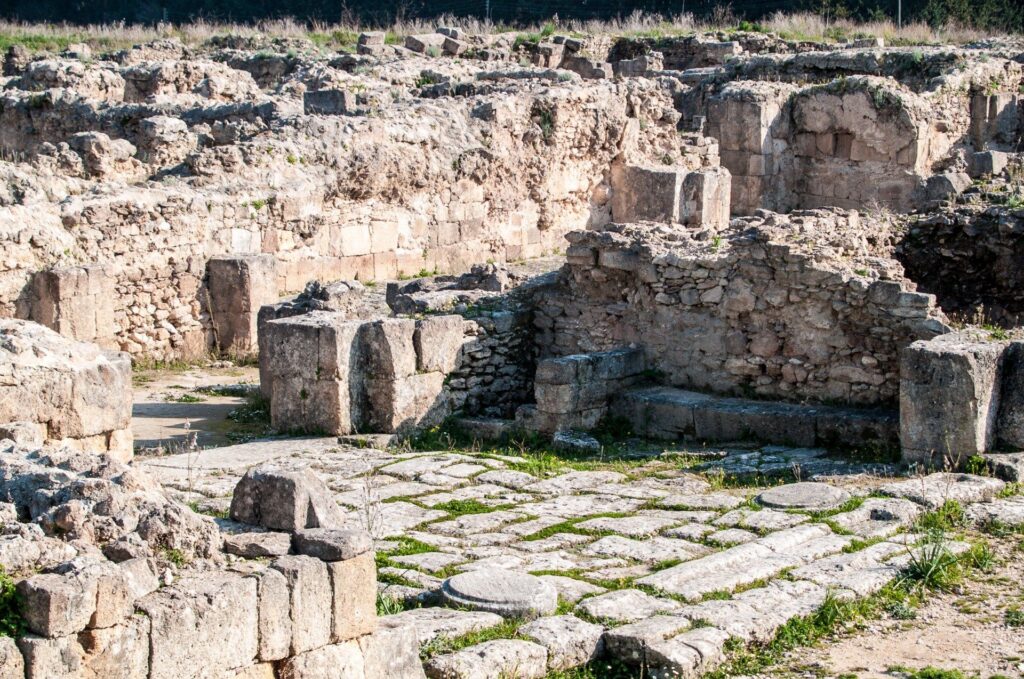
For those planning a visit to Ras Shamra, take your time to absorb the significance of each structure. Imagine the bustling streets, the traders bringing goods from across the Mediterranean, and the scribes recording messages in the Ugaritic script. A visit here is not just sightseeing—it is stepping into the very foundation of written language and ancient civilization. Pair your trip with a visit to local museums in Latakia to see some of the artifacts recovered from Ras Shamra, which include clay tablets, pottery, and inscriptions that connect the city to its wider historical context. consider:
- No crowds: Ras Shamra is generally quiet, perfect for relaxed exploration.
- Little shade: Wear a hat and sunscreen during warmer months, as the site is exposed.
- No major signs: Hiring a local guide can enrich your visit with detailed historical context.
- No on-site facilities: Bring water and snacks, as there are no cafes or shops.
- Photography: Allowed and highly encouraged; the ruins and surrounding scenery provide stunning photo opportunities.
Whether you are a history enthusiast, an archaeologist, or a traveler seeking unique experiences, Ras Shamra offers an unforgettable journey into the heart of ancient Ugarit. Its combination of well-preserved ruins, cultural significance, and serene Orontes River views (for nearby sites) makes it one of Syria’s must-visit archaeological treasures.
How to Reach
- From Latakia: Approximately 10 km north, a 15–20 minute drive.
- Transport: Best reached by taxi or private car; no public buses go directly to the site.
- Day trips: Ras Shamra can easily be combined with nearby attractions like Qalaat Salah al-Din or the Latakia Corniche for a full day of sightseeing.
Nearby Attractions
- Qalaat Salah al-Din – Dramatic medieval fortress in the mountains
- Latakia Corniche – Coastal promenade with dining and sea views
- Hosn Suleiman – Ancient temple ruins set in lush forest
- Amrit – Pre-Roman ruins near Tartus
To read more about this topic, click here. To explore further, visit our Facebook Syria Collection for rare images and cultural highlights.