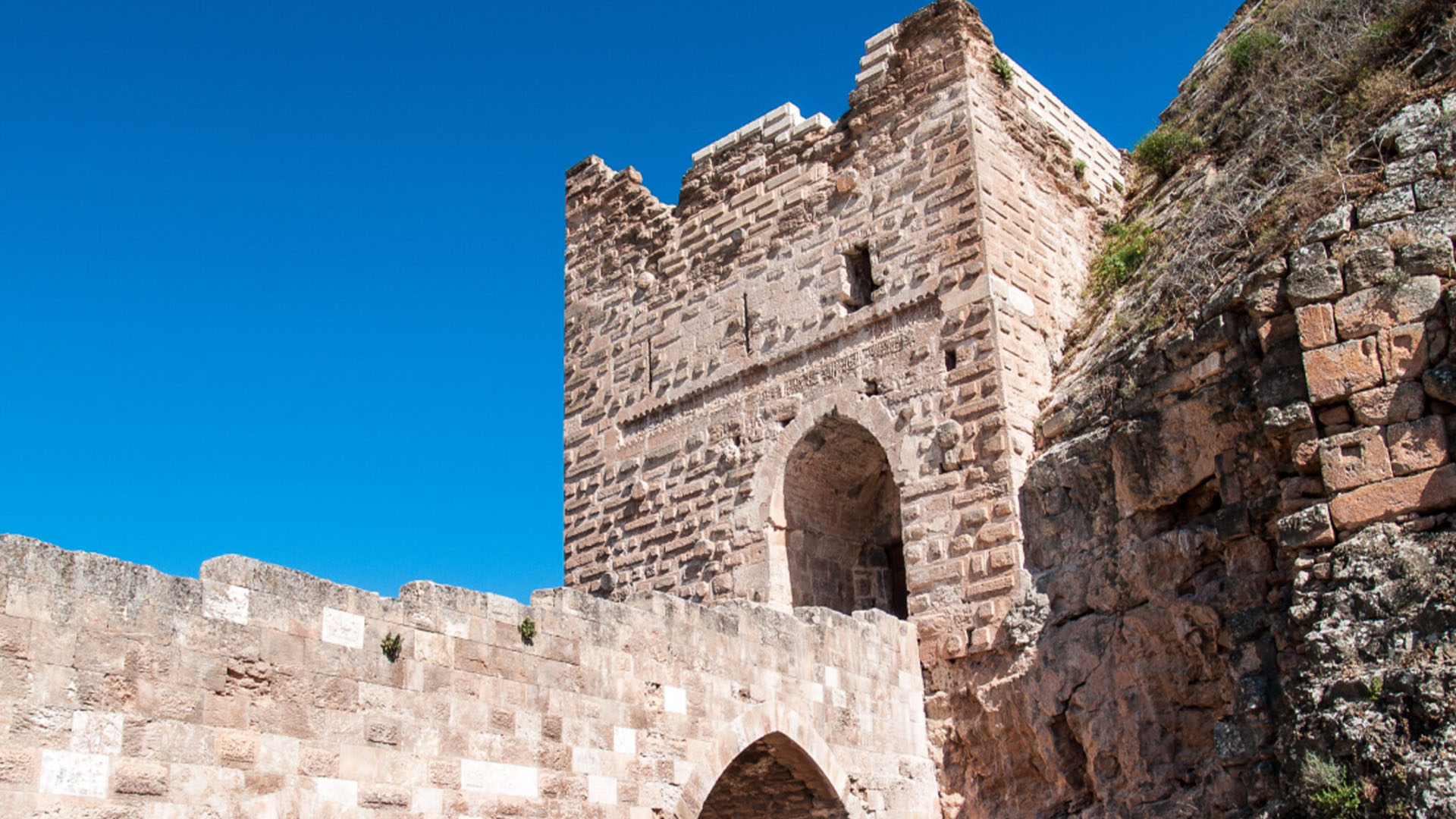
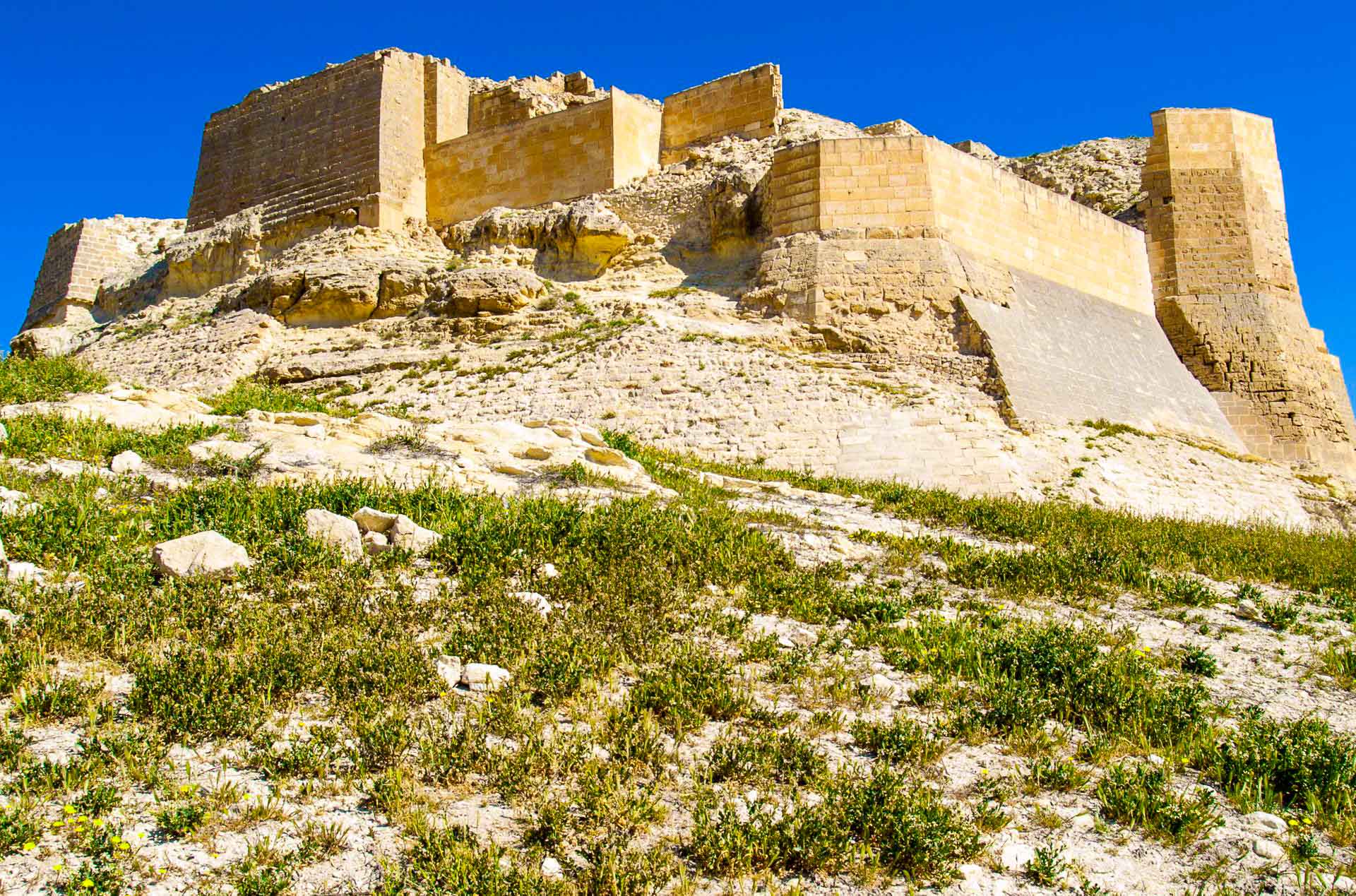
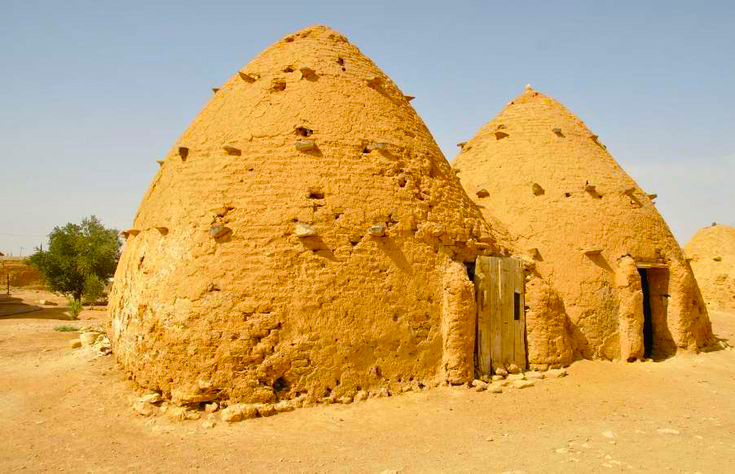
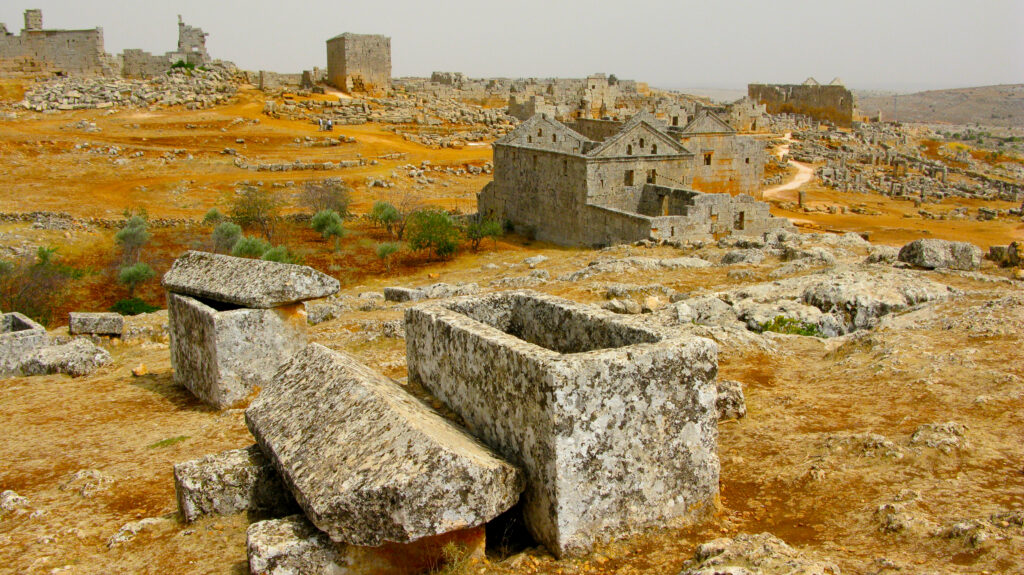
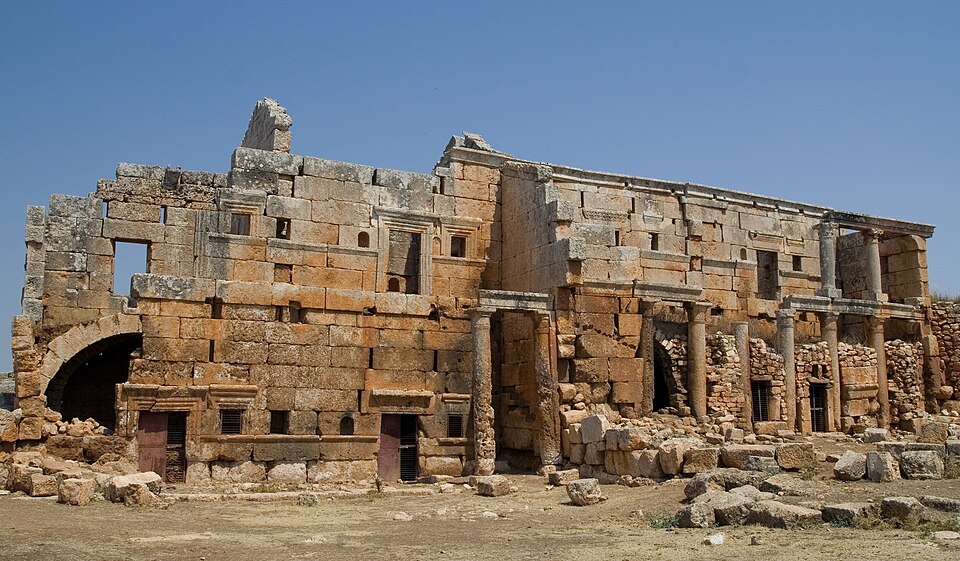
Serjilla Dead Cities (سرجيلا) is one of Syria’s most enchanting and best-preserved archaeological sites, nestled in the scenic hills of Jebel al-Zawiya in northern Syria. This ancient Byzantine village, part of the larger network known as the Dead Cities, offers a rare and tangible connection to life during the 5th and 6th centuries CE. Spread across the limestone highlands, Serjilla stands as a silent witness to a once-flourishing community of farmers, traders, and craftsmen who built stone homes, churches, and bathhouses that still endure after more than 1,500 years.
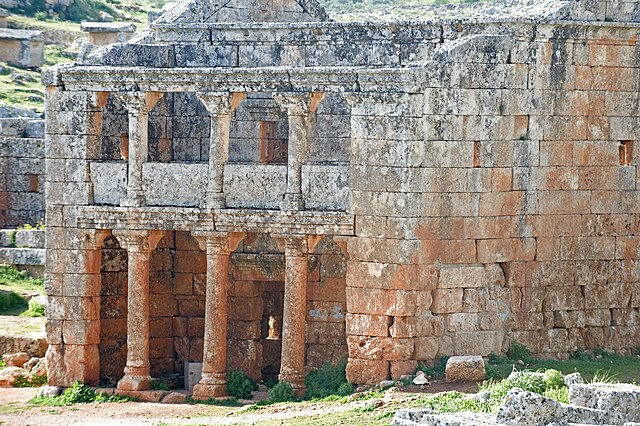
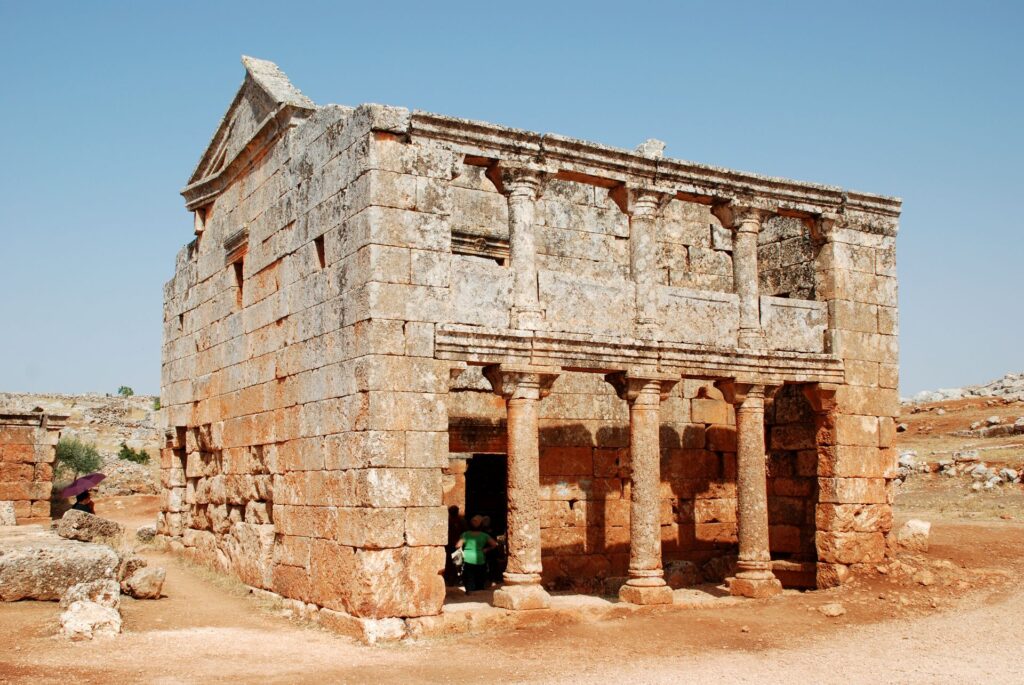
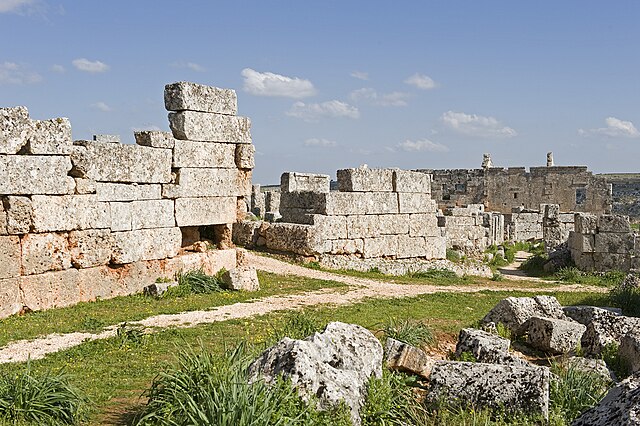
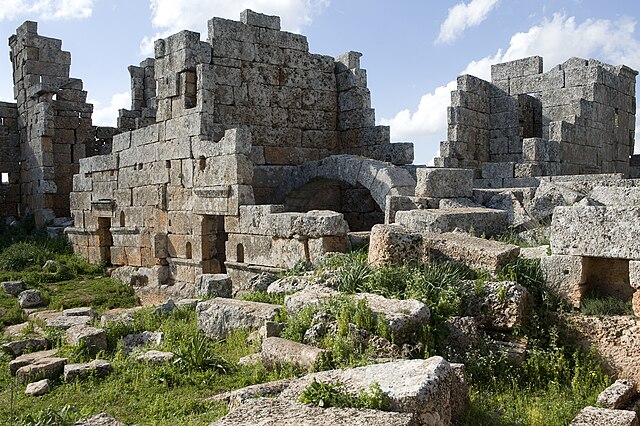
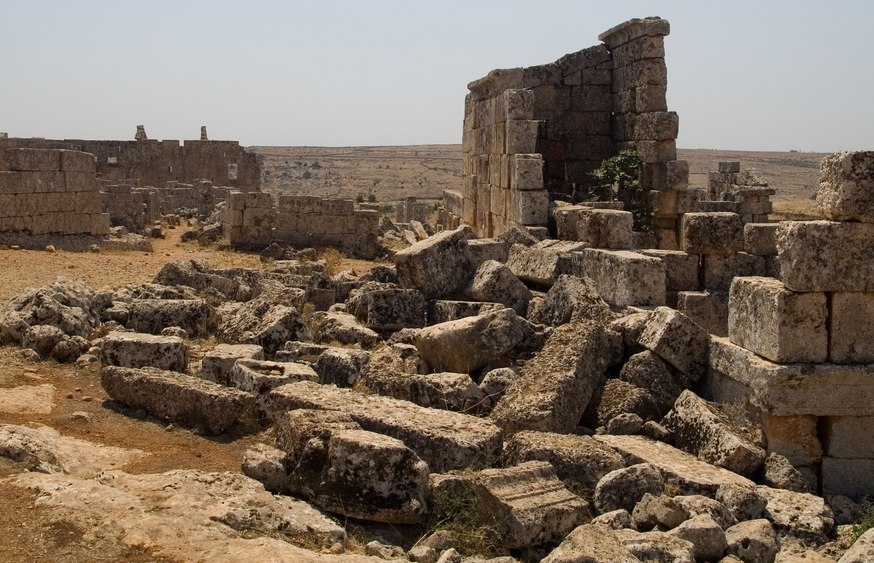
Walking through Serjilla Dead Cities feels like stepping into an open-air museum. Unlike many ancient ruins that survive only as foundations, Serjilla’s stone structures rise almost to their original height. The site includes two-story houses with staircases, olive presses, cisterns, and underground tombs — all remarkably intact. These features give visitors a vivid sense of what daily life was like in a prosperous Byzantine-era rural town.
| Category | Details |
|---|---|
| Location | Jebel al-Zawiya, Idlib Governorate (approx. 90 km NW of Hama) |
| Founded | Mid-5th century AD |
| Era | Byzantine / Late Roman |
| UNESCO Status | Part of “Ancient Villages of Northern Syria” World Heritage Site (2011) |
| Size | Approx. 20 hectares |
| Preservation Level | One of the best-preserved Dead Cities |
| Time to Visit | 1.5 to 2 hours |
| Accessibility | Reachable by car; requires some walking |
| Nearby Sites | Al-Bara (5 km), Ruweiha (8 km), Qalb Lozeh (~40 km) |
Why Visit?
A Complete Glimpse of Byzantine Life: Serjilla Dead Cities preserves nearly every element of a functioning ancient settlement. You can explore:
- The Bathhouse, one of the most complete in the region, featuring separate hot and cold chambers.
- The Tavern, a 5th-century public gathering space with carved stone benches — a unique feature that reflects the social habits of the time.
- The Basilica, with its arches and columns still standing, a testament to early Christian architecture.
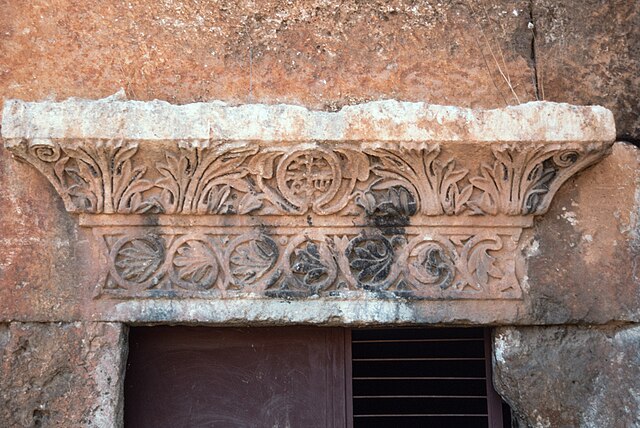
- Residential Homes, multi-room dwellings with visible stairways, courtyards, and lintels that once supported wooden roofs.
These buildings show how advanced and self-sufficient rural Byzantine communities were — combining architecture, agriculture, and faith in one harmonious landscape.
Nature and Tranquility: Surrounded by olive groves and rolling hills, Serjilla Dead Cities offers a blend of history and serenity. In spring, the ruins are framed by wildflowers and green pastures, creating a surreal contrast between life and the ancient stones. Photographers and history enthusiasts alike find the setting ideal for capturing Syria’s timeless beauty.
Off-the-Beaten-Path Heritage: While sites like Palmyra once attracted large crowds, Serjilla Dead Cities remains relatively undiscovered. Its peaceful atmosphere allows visitors to wander at their own pace, making it perfect for reflection, study, or quiet exploration away from modern distractions.
What to Know Before You Go
In every corner of Serjilla Dead Cities, the past feels vividly alive — offering a rare, unspoiled glimpse into the spiritual and social fabric of Byzantine Syria, consider the following before you go:
- Footwear: Wear sturdy shoes; paths are uneven, and ruins require climbing.
- Bring Water and Snacks: No facilities on-site.
- Local Guides: Hiring a local guide can help uncover the stories behind unmarked ruins.
- Best Time to Visit: Spring and autumn offer the best weather and scenery.
- Safety Note: Always check local travel advisories before planning your trip to northern Syria.
How to Reach
- From Hama: ~90 km (2 to 2.5 hours) by car.
- From Aleppo: ~120 km via Maarat al-Numan.
- From Damascus: Around 320 km (~5.5 to 6 hours).
- It’s best visited by private car or with a local guide/driver familiar with the terrain.
Nearby Attractions
- Al-Bara (5 km): A larger dead city with underground tombs and pyramidal mausoleums.
- Ruweiha (8 km): Known for its triple-apse basilica and refined architecture.
- Qalb Lozeh (UNESCO): A remarkable 5th-century church often compared to Notre-Dame.
- Khirbet Hass: Another dead city with similar features but less touristy.

To read more about this topic, click here. To explore further, visit our Facebook Syria Collection for rare images and cultural highlights.