Tadmor (تدمر) Ancient Oasis of the Syrian Desert: Palmyra was one of the most magnificent ancient cities of the Middle East, a powerful oasis on the Silk Road that blended Greco-Roman architecture with Persian and local Semitic influences. Once a thriving trade hub connecting East and West, Tadmor is renowned for its long colonnaded streets, monumental temples, and dramatic desert landscape that glows golden at sunrise and sunset.
| Feature | Details |
|---|---|
| Location | Homs Governorate, central Syria |
| Famous For | Ancient ruins, Greco-Roman & Eastern architecture, Silk Road trade hub |
| Main Sites | Temple of Bel, Roman Theater, Monumental Arch, Necropolis, Colonnaded Street |
| UNESCO Status | World Heritage Site (since 1980) |
| Best Time to Visit | March–May, September–November |
| How to Reach | By road from Homs (160 km), or from Damascus (approx. 240 km) |
| Recommended For | History lovers, archaeologists, cultural travelers |
| Current Status | Partially damaged (restoration underway), limited access |
| Travel Tip | Travel with a local guide or agency familiar with current security updates |
Why Visit
A visit to Tadmor offers one of the richest archaeological experiences in the region. Travelers are drawn by the city’s grand temples, long-axis colonnaded avenues, funerary towers, and the harmony between ancient stonework and desert silence. The mix of cultures—Roman, Greek, Persian, and Arabian—makes Tadmor feel like a living museum of ancient civilizations. Photographers, historians, and adventure travelers all find the atmosphere unforgettable. Here Main Highlights:
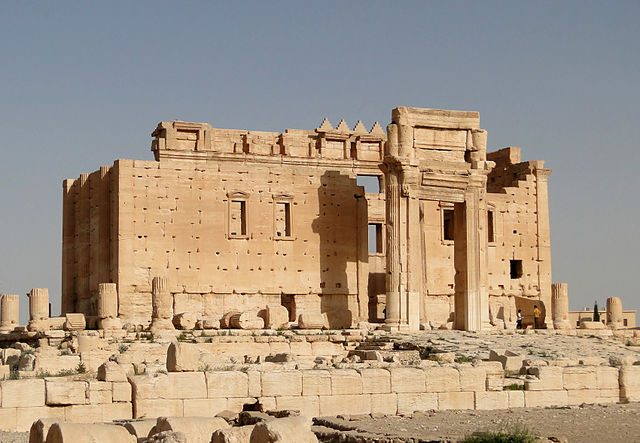
- Temple of Bel: The main temple of Tadmor, dedicated to Bel, blended Roman, Greek, and Semitic styles, making it a major religious landmark in the ancient Near East.
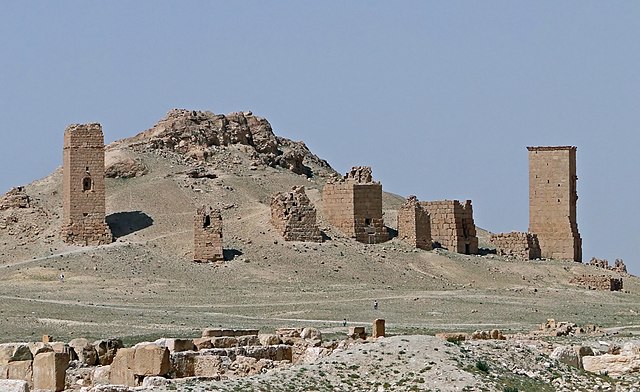
- Necropolis: Desert tombs and funerary towers outside the city walls show how Tadmor’s people honored their dead with sculptures and inscriptions.
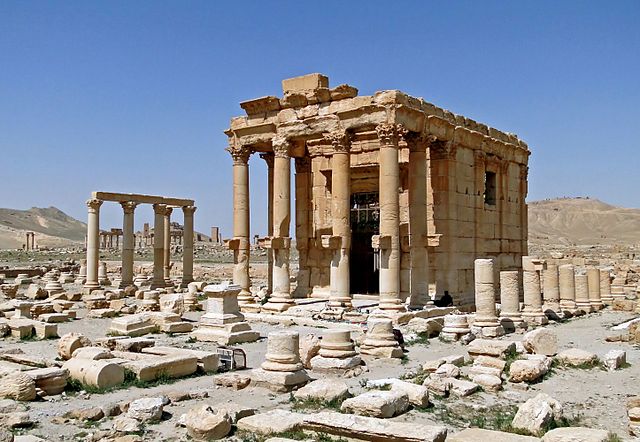
- Temple of Baal-Shamin: This Phoenician temple, dedicated to the god of storms, reflects the city’s religious diversity despite recent damage.
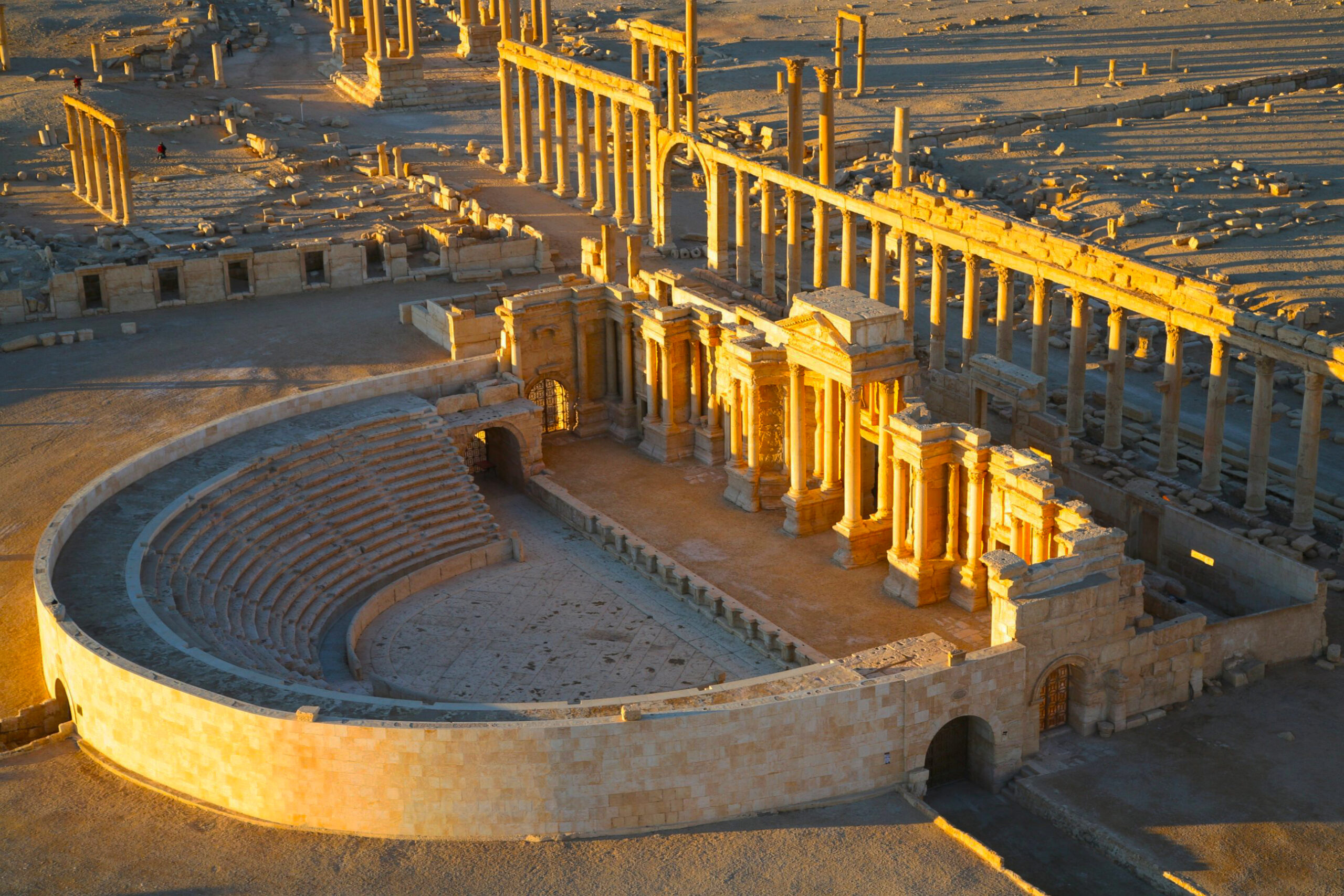
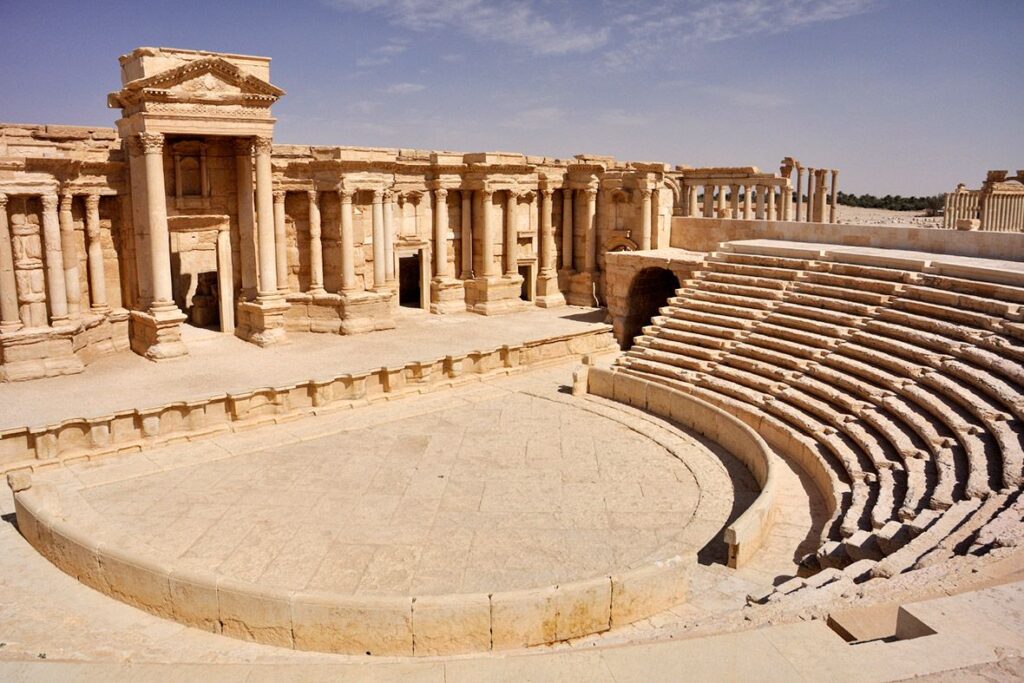
- Roman Theater: A semi-circular theater with excellent acoustics, once hosting performances and modern events, still impresses with its preserved structure.
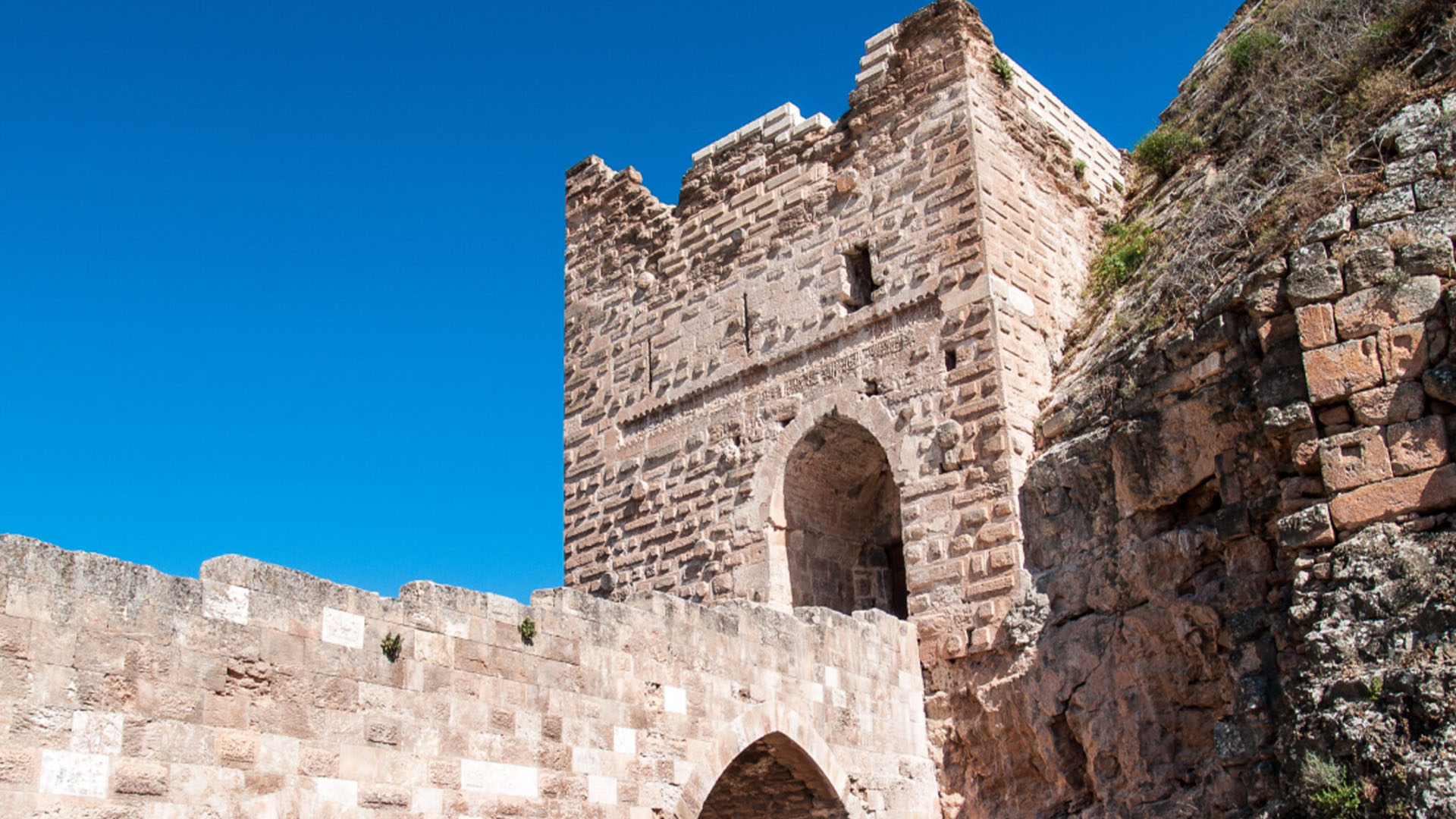
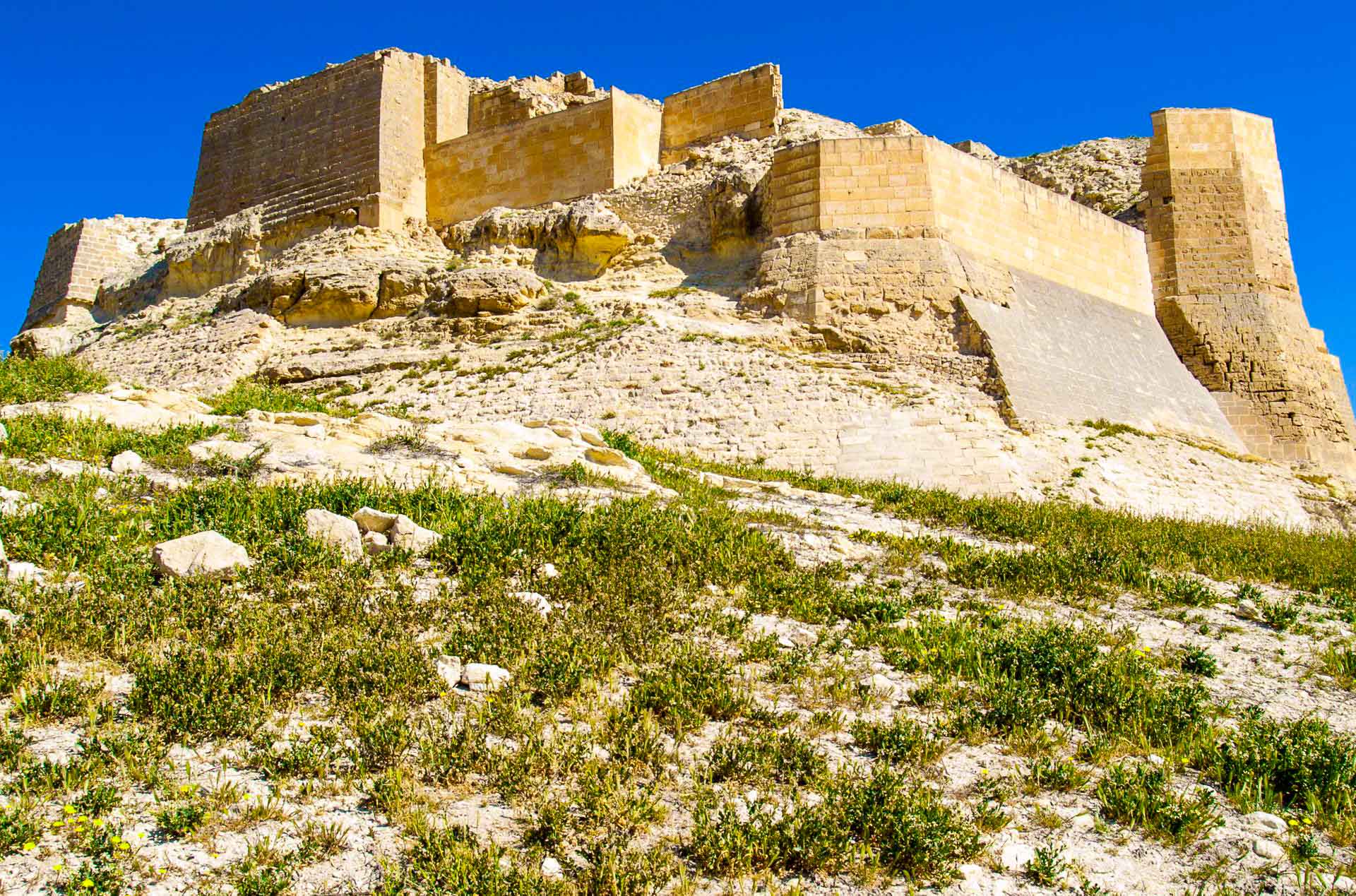
- Tadmor Castle: A 13th-century fortress on a hill offering panoramic views of Tadmor’s ruins and desert surroundings.
- Funerary Temple: A unique combination of temple and tomb, highlighting Tadmor’s hybrid architectural style.
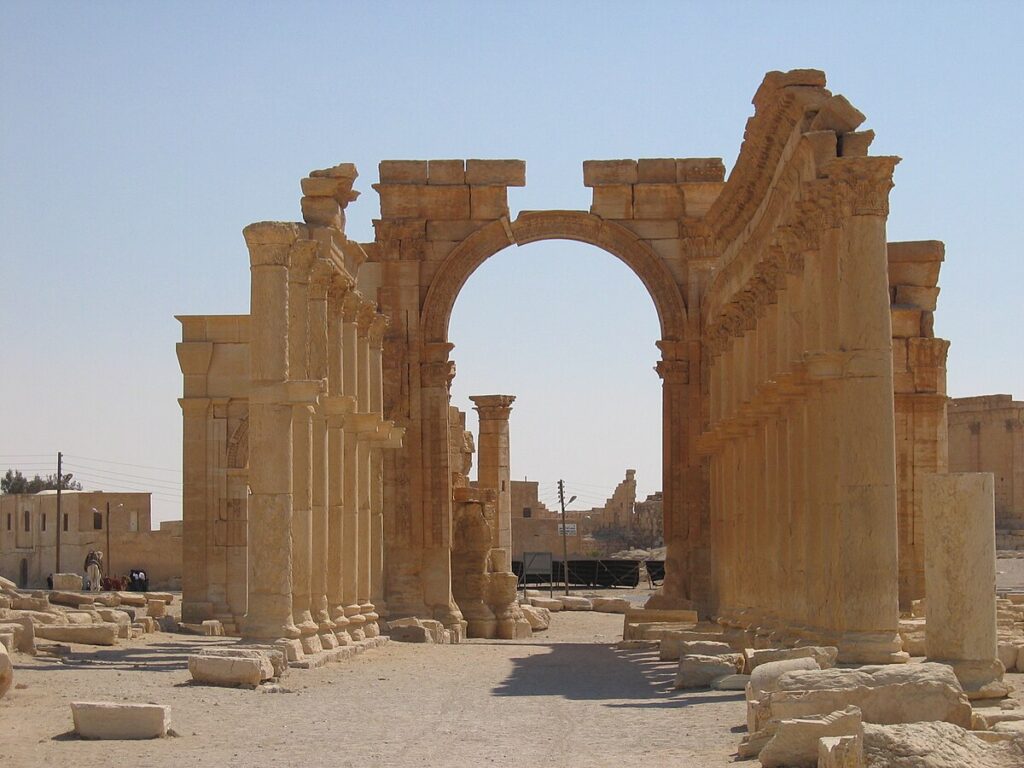
- Monumental Arch (Arch of Triumph): A grand gateway to the colonnaded street, symbolizing the city’s former grandeur.
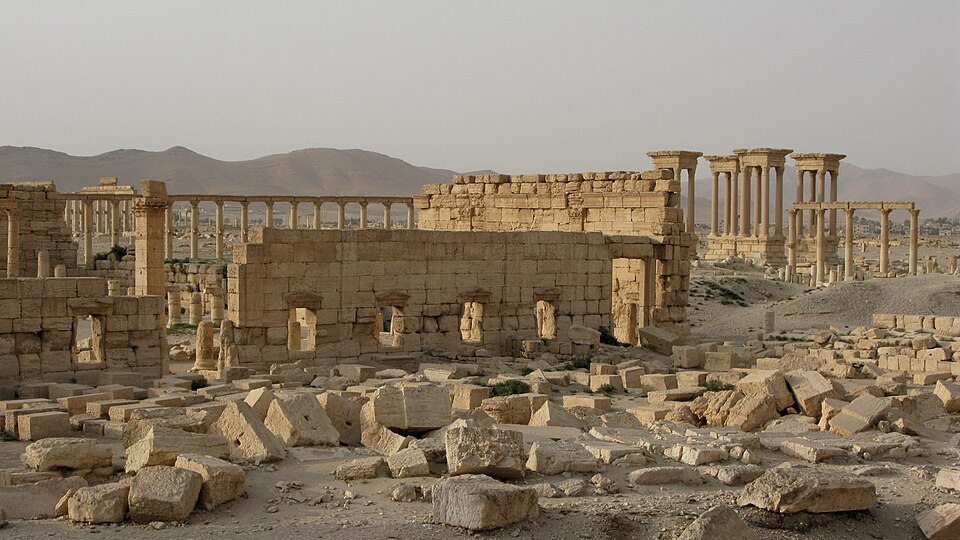
- Colonnaded Streets: Over a kilometer long, lined with Corinthian columns, once hosting shops, public buildings, and temples.
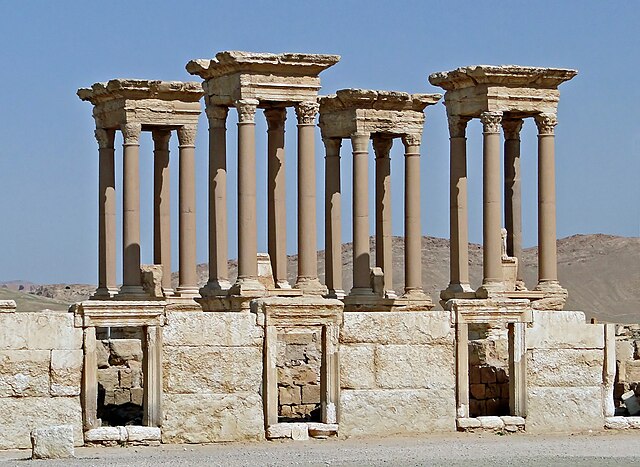
- Tetrapylon: A four-pillared monument at a key intersection, built with red granite imported from Egypt.
- Camp of Diocletian: Roman military complex built after Queen Zenobia’s rebellion, reflecting Tadmor’s strategic role.
- Baths, Agora & Tariff Court: Public buildings showing the city’s social and commercial life, including engraved tax laws.
- Tadmor Museum: Once housed statues, reliefs, and inscriptions; some artifacts were saved during conflicts.
How to Reach

- From Damascus: Approx. 240 km by car; around 4–5 hours’ drive via Homs.
- From Homs: Approx. 160 km by road; about 2.5–3 hours.
- It’s best to arrange private transportation or travel with a licensed guide or tour agency due to variable road conditions and security updates.
What to Know Before You Go
- Security: Check latest travel advisories. Entry may be restricted in some areas.
- Best Time to Visit: Spring (March–May) or autumn (September–November) for milder weather.
- Clothing: Wear light, breathable clothes, and comfortable shoes for walking.
- Services: Limited restaurants and facilities near the site—bring water and essentials.
- Guides: Hire a local expert to fully appreciate the historical depth and safely explore the area.
| What Remains Standing | What Was Destroyed in War |
|---|---|
| Necropolis (many tombs and funerary towers) | Temple of Bel (main structure, carvings, roof) |
| Roman Theater (seating rows and stage area) | Temple of Baal-Shamin (walls, reliefs, most structure) |
| Tadmor Castle (fortress walls and towers) | Monumental Arch / Arch of Triumph (most of arch collapsed) |
| Funerary Temple (foundations and tomb layout) | Colonnaded Streets (many columns toppled, market structures lost) |
| Colonnaded Streets (street layout and some columns) | Tetrapylon (several columns destroyed or removed) |
| Tetrapylon (bases and some columns) | Tadmor Museum (artifacts and exhibits partially destroyed or looted) |
| Camp of Diocletian (foundations and walls) | |
| Baths, Agora & Tariff Court (ruins and hypocaust floors) |
Nearby Attractions
- Qasr al-Heir al-Sharqi – A desert Umayyad palace east of Palmyra.
- Deir Mar Musa – A scenic monastery near Nabk, known for its murals and hospitality.
- Qaryatayn – An ancient town with early Christian heritage.
- Homs – Major city with its own landmarks, en route to Palmyra.
- Krak des Chevaliers (a bit farther) – One of the best-preserved Crusader castles in the world.
To read more about this topic, click here. To explore further, visit our Facebook Syria Collection for rare images and cultural highlights.