Historic Ruins Syria : Northern Syria is a land rich with history, culture, and archaeological marvels that have witnessed the rise and fall of civilizations across millennia. While many travelers flock to the famous landmarks, the region also hides countless Historic Ruins Syria is known for — places where time stands still amid ancient stones and forgotten cities.
This article uncovers fourteen remarkable sites, from quiet villages to centuries-old fortresses, each reflecting the depth of Syria’s cultural heritage. Whether exploring Historic Ruins Syria along rugged hills or wandering through timeless settlements once alive with trade and faith, visitors will find endless stories carved in stone.
Together, these hidden gems showcase the beauty and resilience of Historic Ruins Syria, revealing how the past continues to shape the identity and spirit of the northern region today.
Historic Ruins Syria | Quick info
| Site | Approximate Date / Era | Brief Information |
|---|---|---|
| Bashkuh باشكوح | Medieval | Mountain lookout with remnants of fortifications |
| Kukaniyeh كوكانية | Byzantine era | Archaeological site with pottery shards and ruins |
| Bamuqa باموقا | Traditional rural village | Preserves local culture and vernacular architecture |
| Burj Aizarara برج عيزارارا | Medieval | Watchtower guarding trade routes |
| Beshandlaya بشندلايا | Early Islamic period | Ancient village with mosque foundations |
| al-Kfeir الكفير | Unknown / Rural settlement | Remote village with traditional lifestyle |
| Behyo بحيو | Ancient to Medieval | Village surrounded by fertile lands and ruins |
| Beitar بيتر | Medieval | Historic crossroads with old walls and fortifications |
| Banabel بنابل | Medieval | Gateway village for pilgrims and traders |
| Jebel Sarir جبل سرير | Ancient to Medieval | Mountain refuge, possible ancient inscriptions |
| Kafr Lusein كفر لوسين | Traditional village | Known for stone houses and agricultural terraces |
| Serjableh سرجبله | Early Christian period | Site with church ruins and religious artifacts |
Bashkuh باشكوح
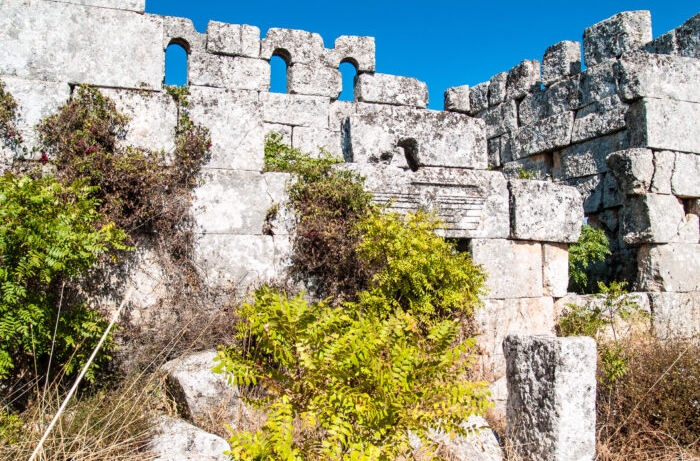
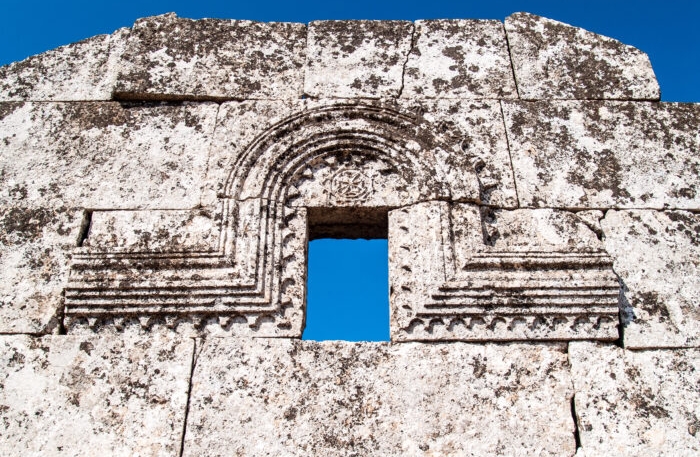
Bashkuh (باشكوح) is nestled within the rugged terrain of northern Syria. Its name, combining “bash” (head) and “kuh” (mountain) in Persian, means “mountaintop,” reflecting its strategic location. The site served as a lookout point during various military campaigns due to its commanding views of the surrounding areas. Remnants of ancient fortifications and watchtowers indicate its historical military role.
Kukaniyeh كوكانية
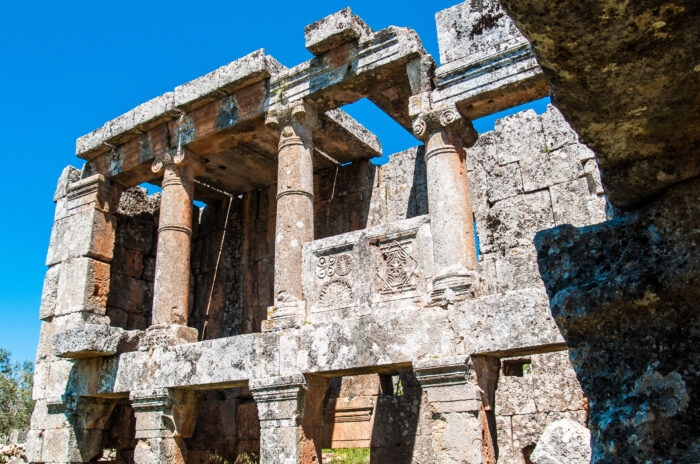
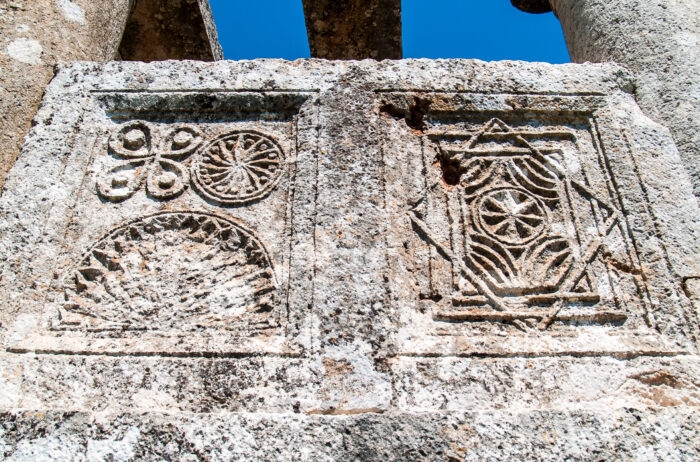
Kukaniyeh (كوكانية) is a relatively obscure archaeological site. Excavations have uncovered pottery shards and ruins that date back to the Byzantine era. Though little remains above ground, ongoing studies are revealing its importance as a regional trade post. Visitors to Kukaniyeh will find the landscape evocative of Syria’s layered past, where every stone tells a story of civilizations long gone.
Bamuqa باموقا
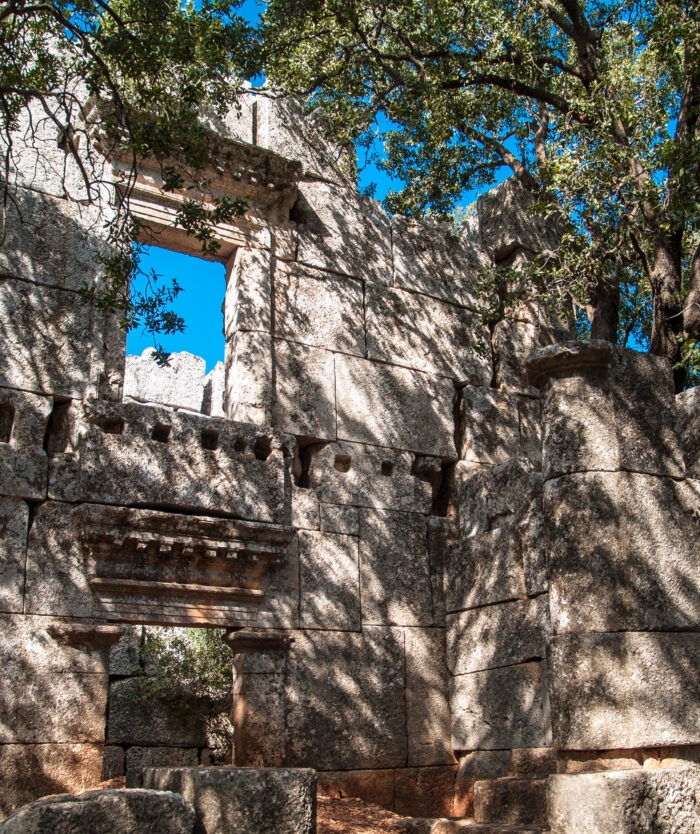
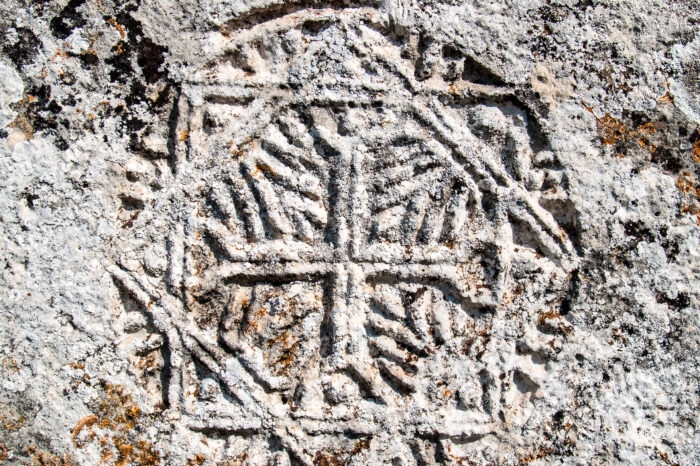
Bamuqa (باموقا) is a village that exemplifies the traditional rural communities of northern Syria. Its cultural practices, folk traditions, and oral histories have been passed down for generations, preserving a living history of the region. The village showcases distinctive building techniques using local stone and clay, offering insights into sustainable, vernacular architecture.
Burj Aizarara برج عيزارا
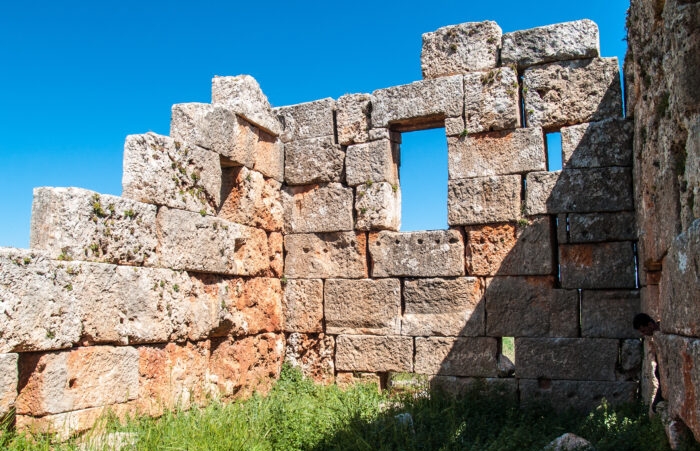

Burj Aizarara (برج عيزارارا) translates to “Tower of Aizarara,” hinting at its defensive origins. This site is known for the remains of a medieval watchtower that guarded important trade routes. Its elevated position provided early warnings against invaders, playing a crucial role in regional security during the Middle Ages.
Beshandlaya بشندلايا


Beshandlaya (بشندلايا) is referenced in historical texts as a settlement during the early Islamic period. It holds archaeological interest for its remnants of early mosques and community structures. Excavations have revealed foundations of buildings that suggest a once-thriving community engaged in agriculture and trade.
al-Kfeir الكفير

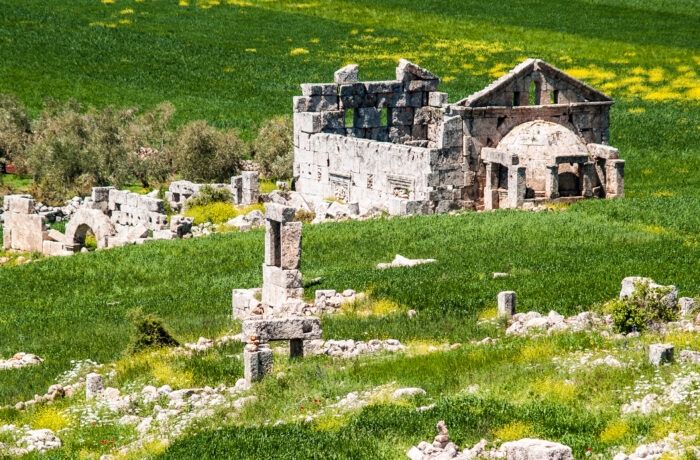
Al-Kfeir (الكفير) remains somewhat enigmatic due to its remote location and limited archaeological exploration. Despite this, the village’s traditional lifestyle and the local oral histories enrich the understanding of rural Syrian communities and their adaptations over centuries.
Behyo بحيو
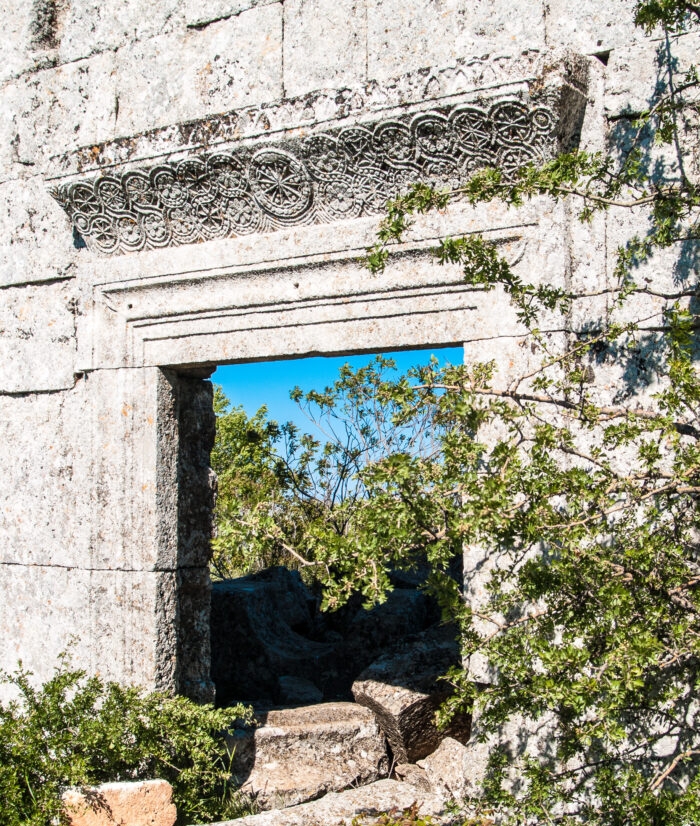
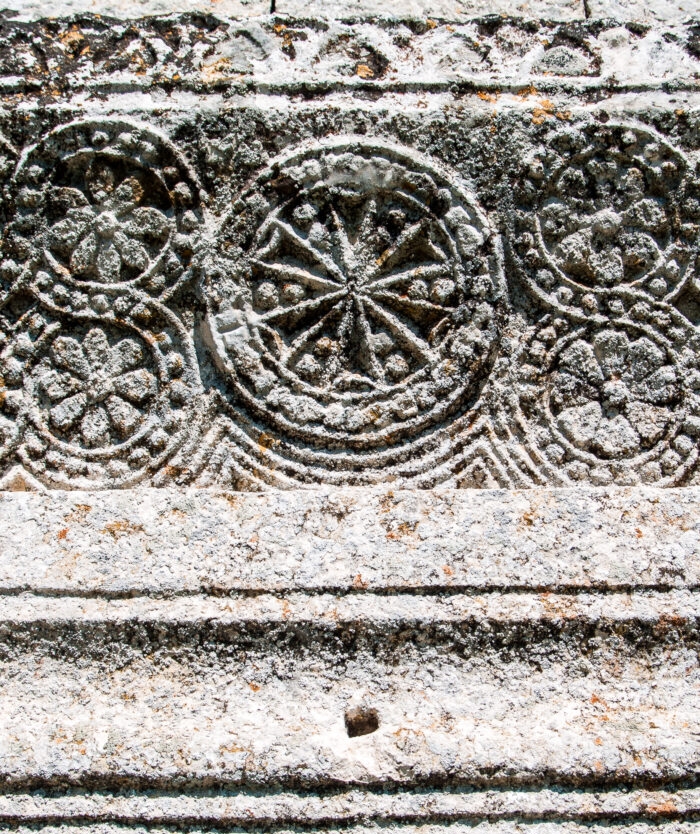
Behyo (بحيو) offers a blend of natural beauty and historical interest. The village is surrounded by fertile lands and has a small collection of ancient ruins nearby. These ruins, mostly foundations and fragments, suggest that Behyo once held greater strategic and economic importance.
Beitar بيتر


Beitar (بيتر) historically acted as a crossroads connecting various trade and military routes. Its position contributed to its development as a bustling local center in past centuries. Today, Beitar retains vestiges of its old walls and fortifications, attracting visitors interested in Syria’s medieval architecture.
Banabel بنابل


Banabel (بنابل) served as a gateway village for pilgrims and traders traveling through northern Syria. Its proximity to other historical sites made it a critical stopover point. Banabel’s local festivals and cultural traditions continue to celebrate its historical role as a hub of hospitality.
Jebel Sarir جبل سرير
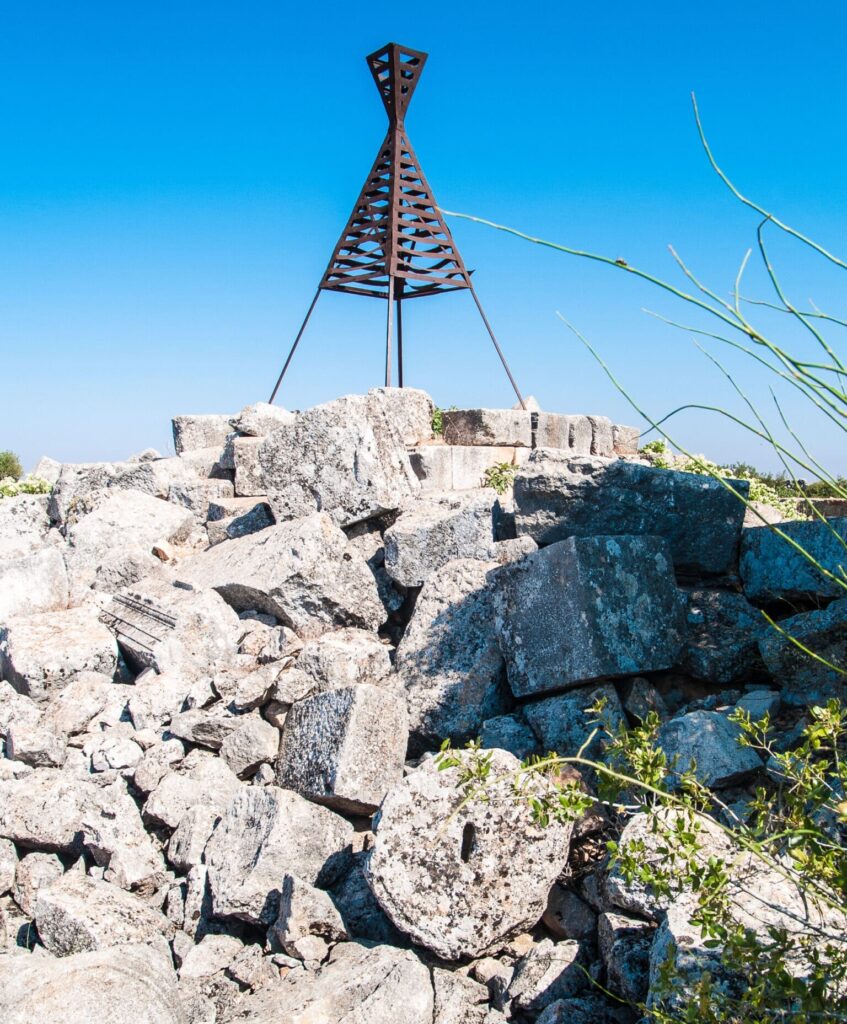
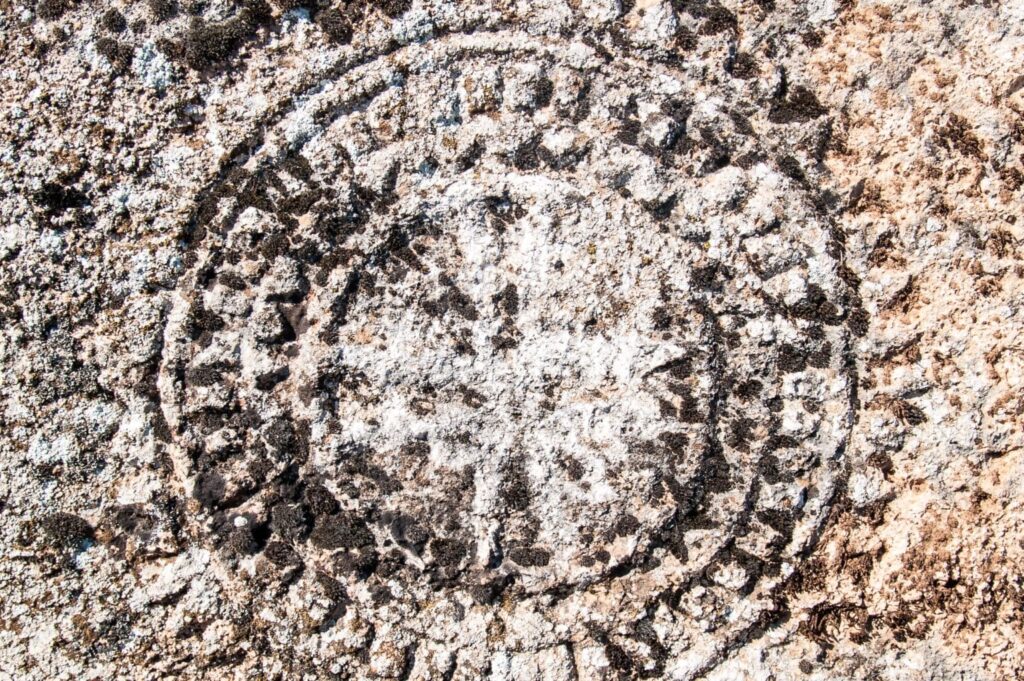
Jebel Sarir (جبل سرير) is a prominent mountain in northern Syria. Its elevation provided natural defense and refuge for ancient peoples. Historical records suggest it was used as a hideout during periods of conflict and may host ancient inscriptions or carvings yet to be fully studied.
Kafr Lusein كفر لوسين
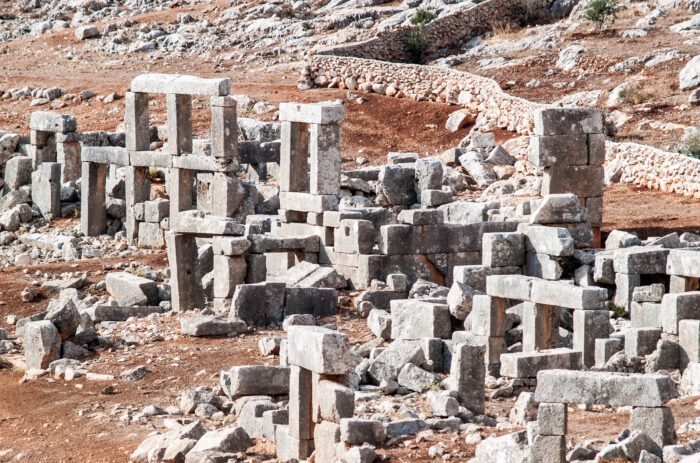
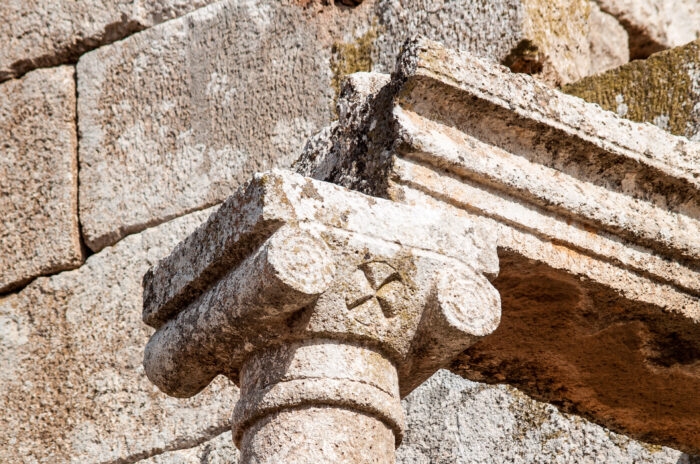
Kafr Lusein (كفر لوسين) is a village with a long history, reflected in its traditional stone houses and ancient agricultural terraces. The village is known for preserving traditional crafts and hosting community events that reflect its historical continuity.
Serjableh سرجبله
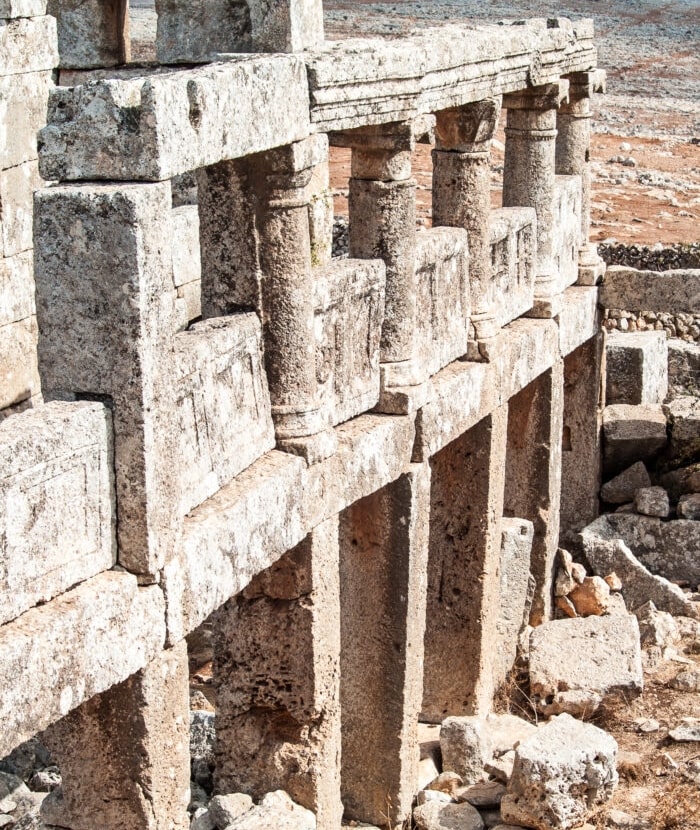
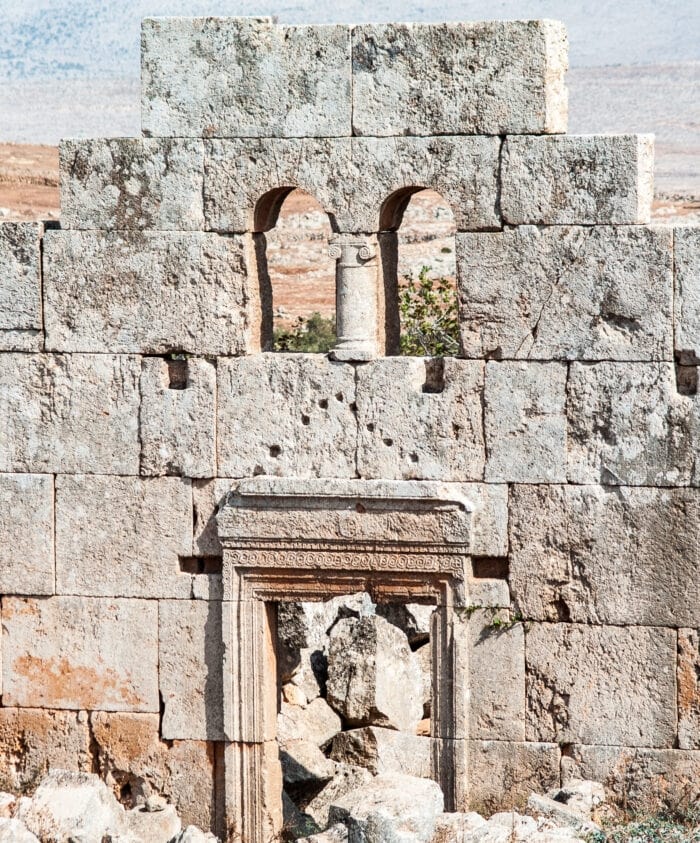
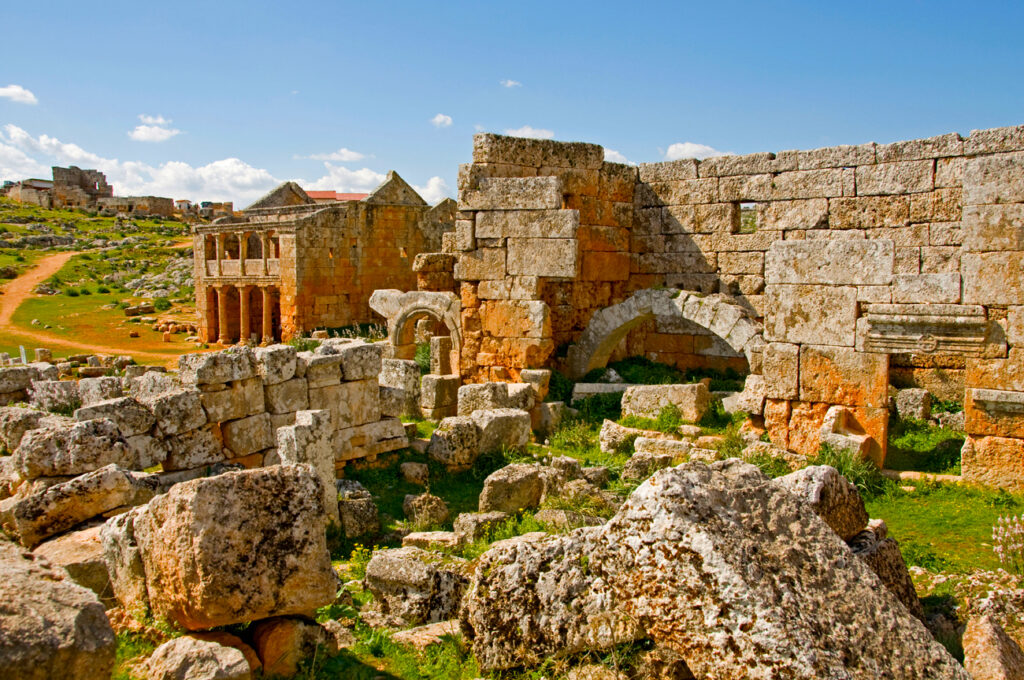
Serjableh (سرجبله) is known for its archaeological remains that point to early Christian settlements in the area. The site contains ruins of churches and religious artifacts that highlight the region’s spiritual heritage.
See Also: North Echoes I
Conclusion: The Untapped Wealth of Northern Syria
Across the northern landscapes, every corner of Historic Ruins Syria tells a story of civilizations that once flourished and faded, leaving behind traces of art, faith, and resilience. From remote hilltop fortresses to forgotten caravan routes, these sites capture the spirit of a region shaped by centuries of human achievement.
Travelers who seek authenticity will find that Historic Ruins Syria offers far more than ancient stones — it offers connection, continuity, and cultural memory. Exploring these hidden places reveals the living essence of Historic Ruins Syria, where history breathes through every wall and courtyard.
Whether you’re an archaeologist, a historian, or a traveler in search of meaning, the enduring beauty of Historic Ruins Syria invites you to step beyond the familiar and experience the timeless soul of the land.
Finally.. If you have any questions, please contact us. To explore further, visit our website gallery for rare images and cultural highlights.
Sources & References:
UNESCO – World Heritage Centre: https://whc.unesco.org
Archnet – Architecture & Heritage Database: https://www.archnet.org
World History Encyclopedia: https://www.worldhistory.org
Syrian Heritage Archive Project: https://syrian-heritage.org
Global Encyclopedia: Wikipedia