Homs Attractions —Known in Arabic as Ḥimṣ, Homs sits at the heart of Syria both geographically and historically. Often overlooked by travelers in favor of Damascus or Aleppo, the city offers a rich blend of ancient empires, Islamic dynasties, and diverse faiths that have coexisted for centuries. Its Old City is filled with architectural treasures, sacred landmarks, and the quiet charm of traditional Syrian life.
Despite the effects of recent conflict, many Homs attractions remain beautifully intact or are being carefully restored, giving visitors a chance to experience both history and resilience. From Ottoman palaces to medieval mosques and early Christian churches, Homs attractions reveal a city that has stood the test of time. In this guide, we’ll explore the most iconic Homs attractions worth visiting — where every corner tells a story of Syria’s enduring spirit.
| Attraction | Description | Era / Type | Location ) |
|---|---|---|---|
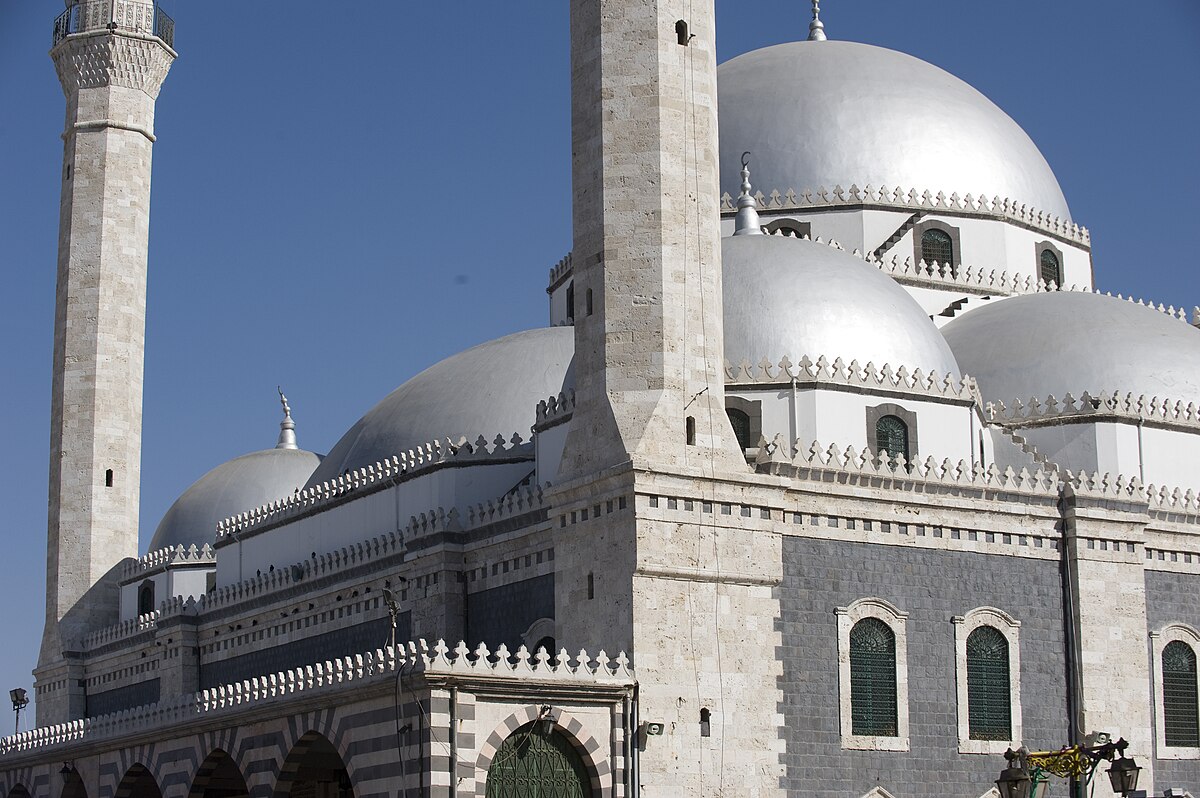
| Khalid ibn al-Walid Mosque | Grand Ottoman-era mosque known for its twin minarets and the tomb of Khalid ibn al-Walid. | Ottoman (13th–20th century restorations) | Al-Khalidiya district |
| Citadel of Homs | Ancient fortress offering panoramic views of the city, with layers from Roman, Byzantine, and Islamic periods. | Roman / Islamic | City center |
| Old Souq of Homs | Traditional market with narrow alleys selling spices, textiles, and handmade goods. | Medieval / Traditional | Near Old City |
| Church of Saint Elian | Early Christian church known for ancient frescoes and the tomb of Saint Elian. | Byzantine / Early Christian | Al-Hamidiya |
| Church of Um al-Zunnar (Church of the Holy Belt) | One of Syria’s oldest churches, famous for housing the Virgin Mary’s holy belt relic. | 1st century AD origins | Old City |
| Al-Nouri Mosque | Historic mosque built in the 12th century by Nur ad-Din Zangi, a key Islamic landmark in Homs. | Ayyubid | Central Homs |
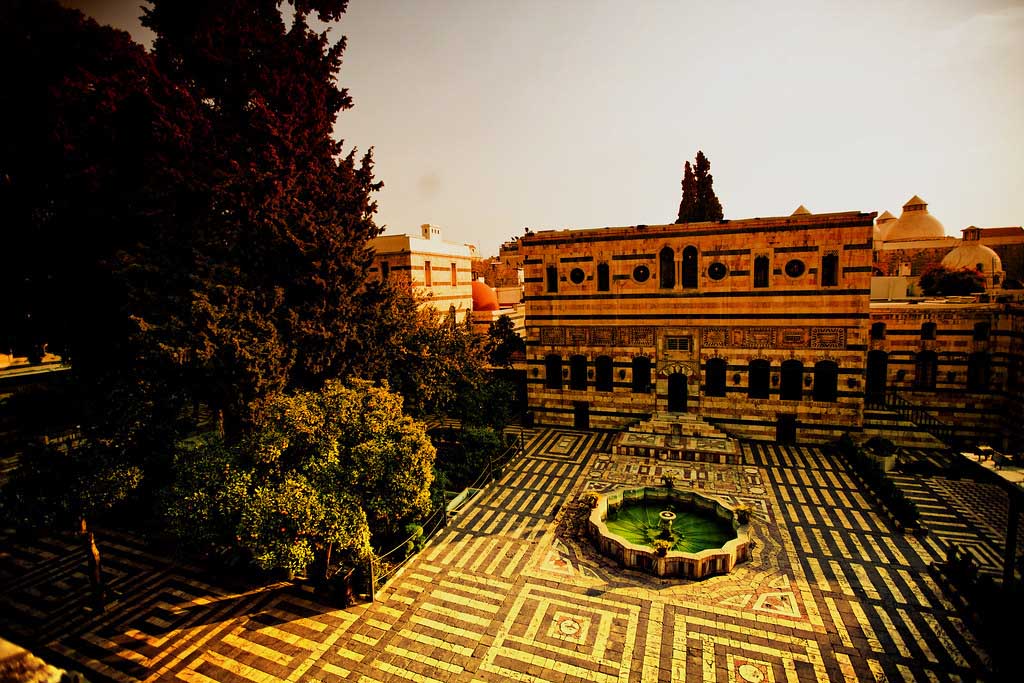
| Zahrawi Palace (Beit al-Zahrawi) | Elegant 13th-century palace showcasing traditional Syrian courtyard architecture, now part of the Museum of Popular Traditions. | Ayyubid / Mamluk | Old City |
| Krak des Chevaliers (near Homs) | UNESCO World Heritage Crusader castle, one of the best-preserved in the world. | Crusader (12th century) | 60 km west of Homs |
Homs Attractions
Khalid Ibn al-Walid Mosque
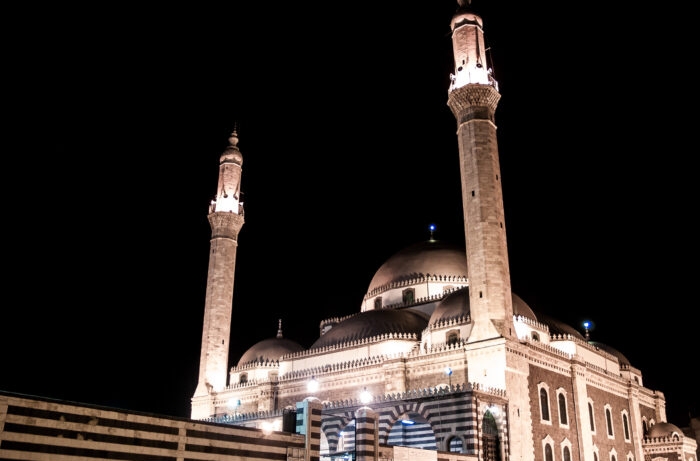
No visit to Homs is complete without seeing the Khalid Ibn al-Walid Mosque, dedicated to one of Islam’s greatest military commanders and a revered companion of the Prophet Muhammad: Khalid Ibn al-Walid.
Historical and Architectural Importance
- The mosque was first built in the 13th century, during the Mamluk era, but was extensively rebuilt in the early 20th century under Ottoman influence.
- The mosque’s architecture blends Neo-Ottoman design with local stonework, giving it a distinctive look that sets it apart from other Syrian mosques.
What to See
- Twin minarets: Slender and majestic, the minarets flank the main dome with balance and beauty.
- Interior: The interior features elegant calligraphy, finely detailed mihrab, and stained glass windows.
- Mausoleum of Khalid Ibn al-Walid: His tomb lies within the mosque complex and draws both religious pilgrims and curious visitors.
This mosque is not only a place of worship but also a symbol of Syria’s Islamic heritage and national pride.
Qasr al-Zahrawi (Zahrawi Palace)

Qasr al-Zahrawi is an exquisite example of Ottoman-era architecture in Homs and one of the best-preserved palaces in the city. Originally a private mansion, it has been restored to function as a museum of traditional life and crafts.
Highlights of the Palace
- Courtyard: A beautifully maintained garden courtyard, with a central fountain, trees, and shaded arches.
- Architecture: Ablaq stonework (alternating dark and light stone bands), intricate wooden ceilings, and mashrabiyas reflect traditional Syrian taste.
- Museum exhibits: Displays of old costumes, textiles, instruments, and household tools show daily life in Homs during the 18th and 19th centuries.
Visiting Qasr al-Zahrawi is like stepping into an elegant, time-frozen corner of Old Syria—quiet, graceful, and dignified.
Homs Citadel (Qala’at Homs)
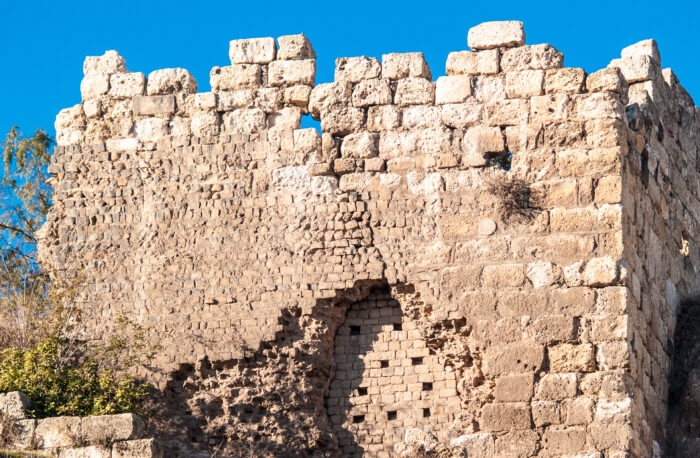
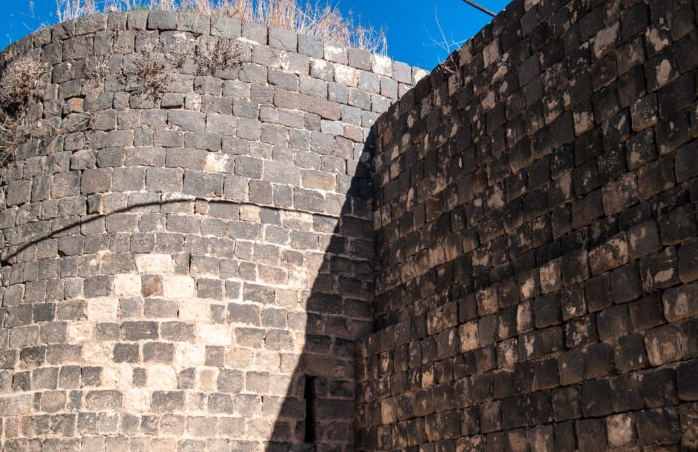
Rising subtly in the heart of the Old City is the Citadel of Homs, an archaeological site with layers of history going back to the Bronze Age. While today only remnants remain above ground, the citadel once served as a Roman fort, a Byzantine stronghold, and an Islamic garrison.
What to Expect
- Panoramic views: The elevated site gives visitors a scenic view over the Old City.
- Remains of fortifications: Ruins of defensive walls, towers, and gates.
- Archaeological layers: Excavations have revealed traces from Hittite, Assyrian, and Islamic periods.
While not as visually dramatic as Krak des Chevaliers or Aleppo’s citadel, the historic weight of Homs Citadel is undeniable, and it remains one of the city’s foundational sites.
The Historic Churches of Homs
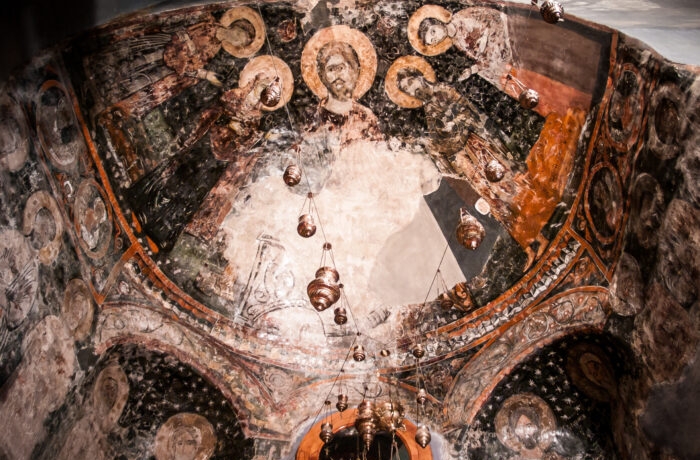

Homs has long been known as a city of coexistence, and its Christian heritage is deeply embedded in the Old City. Some churches date back to the early Byzantine era, and many have been lovingly restored after recent conflict.
Church of Saint Elian (Mar Elian)
- Founded in the 5th century, this church is dedicated to Saint Elian, a local Christian martyr.
- The church’s crypt contains his tomb, and many miracles are attributed to him.
- A blend of Romanesque and Eastern Orthodox architecture makes this church unique.
Um al-Zunnar (Church of the Holy Belt)
- This church is named after the Holy Girdle (Zunnar), believed to be a piece of the Virgin Mary’s belt.
- It’s one of the most sacred Orthodox churches in Syria.
- A pilgrimage site for Christians across the Levant.
Other Noteworthy Churches
- Church of Saint George (Mar Jirjis)
- Saint Mary Church (Al-Adra)
- The Armenian Apostolic Church, also found in the Old City, reflects the city’s Armenian community.
Walking between minarets and bell towers is part of Homs’ charm. It’s one of the few places where calls to prayer and church bells coexist peacefully.
Traditional Markets in the Old City
Souq al-Hamidiyya and Surrounding Bazaars

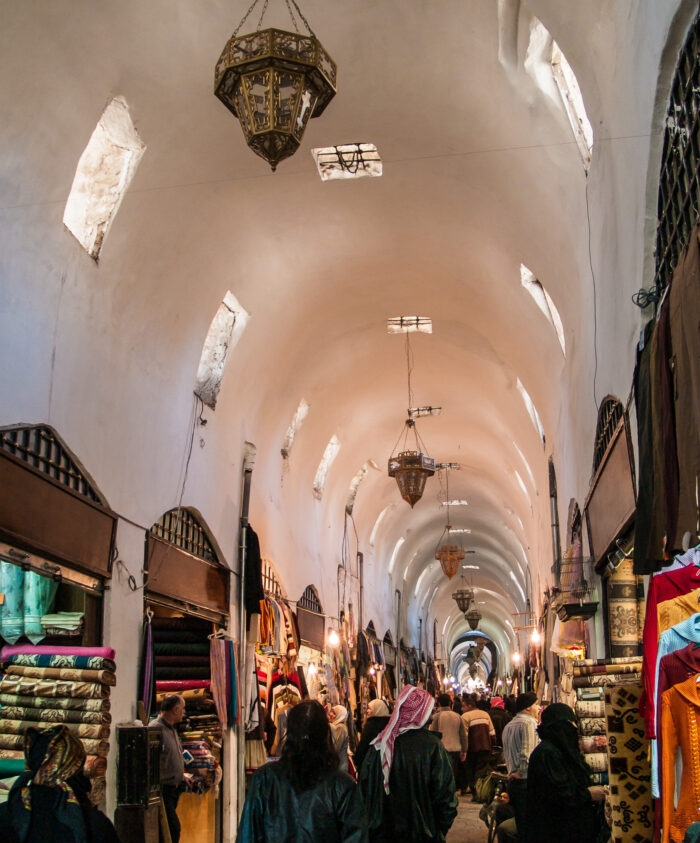
The traditional souks of Homs are smaller than those of Aleppo or Damascus, but they offer an intimate, authentic experience of Syrian daily life.
- Souq al-Hamidiyya: Not to be confused with the larger one in Damascus, this market sells local sweets, spices, and textiles. It sits near several churches and mosques, offering a blend of the city’s spiritual and commercial life.
- Gold Market: For those interested in Syrian jewelry and craftsmanship.
- Souq al-Khan: A former caravanserai turned into a market area.
These markets are perfect for wandering, people-watching, and purchasing traditional Homs-made soap, sweets like ma’amoul, and handwoven fabrics.
Old Houses of Homs
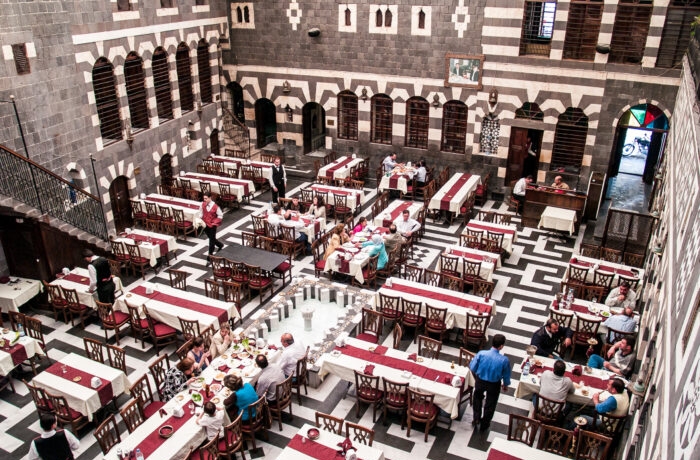
Like other Syrian cities, Homs’ Old City was built around private courtyard homes, many of which still survive—some inhabited, others abandoned or converted into cafes and galleries.
Bayt al-Agha
One of the most charming surviving homes, Bayt al-Agha shows:
- Wooden ceilings painted in the Aleppine style
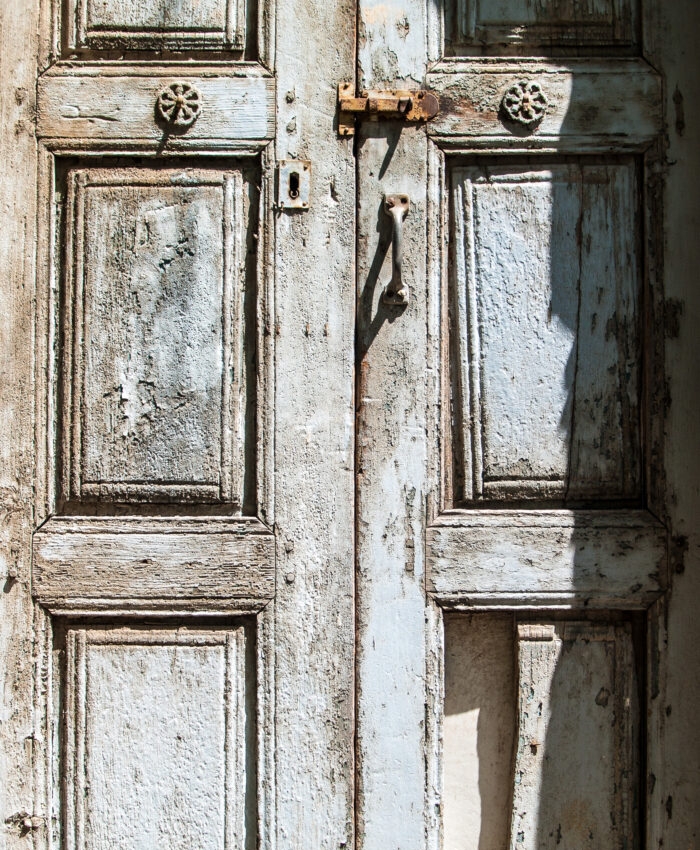
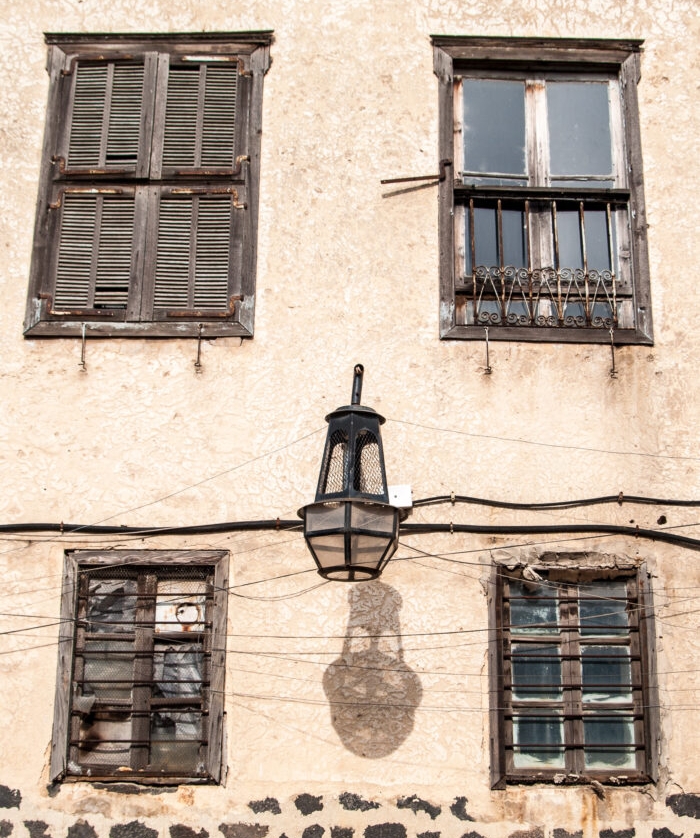
- Hand-carved doors and mashrabiyas
- Central courtyard with jasmine and orange trees
Bayt al-Tahhan
A less restored, but equally authentic example, Bayt al-Tahhan gives insight into upper-middle-class life in Homs before modern development.
Many of these homes are tucked behind narrow alleys and offer an atmosphere of privacy and calm. While few are open to the public, some can be visited through local connections or cultural events.
Other Worthwhile Mosques in the Old City
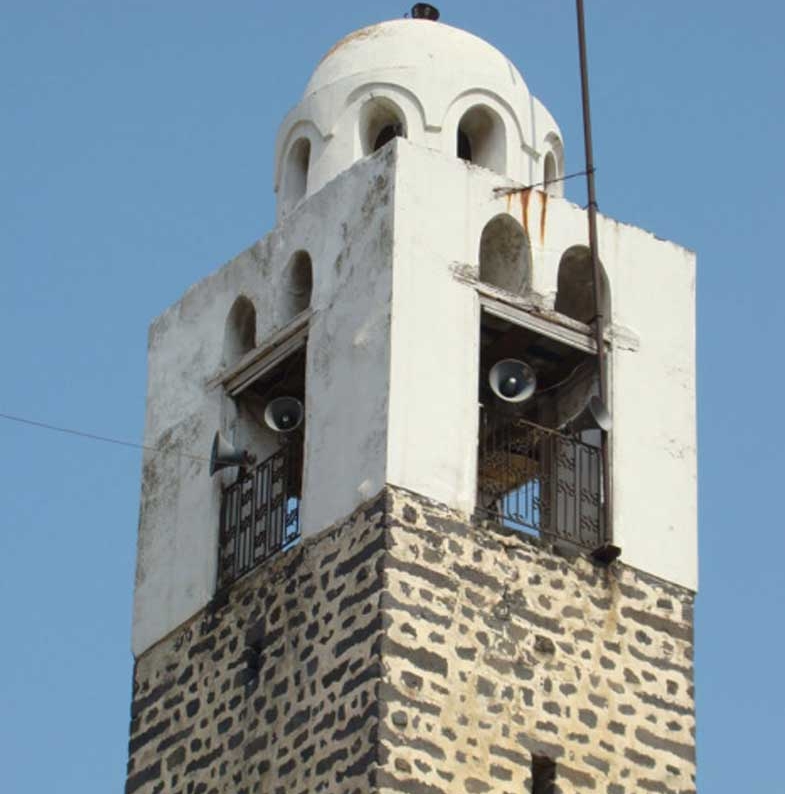
While Khalid Ibn al-Walid Mosque is the crown jewel, Homs has other fascinating mosques with deep roots in Islamic tradition.
Al-Nuri Mosque of Homs
- Likely built during the Zengid or Ayyubid era.
- Similar in spirit to the Al-Nuri mosques of Damascus and Hama.
- Simple but beautifully proportioned and located near central souqs.
Al-Qusur Mosque
- Known for its tall minaret and old inscriptions.
- Reflects the urban planning of the medieval Islamic city.
These mosques are quieter and less visited but offer a more intimate connection to the spiritual life of Homs.
Cultural Landmarks and Museums
Al-Bayt al-Thaqafi (Cultural House of Homs)
- Often hosts poetry readings, exhibitions, and musical performances.
- Located in a restored Ottoman building near the Old City.
- A great spot for travelers who wish to engage with contemporary Syrian culture.
Suggested “Best Ever” Experience in Homs Old City
If you have only one afternoon or evening to spend in Old Homs and want the richest possible experience, here’s a suggested route:
Sunset Visit to Khalid Ibn al-Walid Mosque Followed by a Walk to Qasr al-Zahrawi and Dinner Near the Souqs
- Start late afternoon at Khalid Ibn al-Walid Mosque, when the golden sunlight strikes its stone and the call to prayer echoes across the city.
- Walk south toward Qasr al-Zahrawi, entering through its ornate wooden doors into a cooler, older world.
- As night falls, explore the nearby souks, have a cup of tea in a traditional cafe, and taste some local sweets or grilled meats in a small restaurant by the market.
This loop gives you architecture, history, spirituality, shopping, and culture all in one unforgettable visit.
See Also: Hama Attractions
Final Thoughts
Homs may not be as polished or widely promoted as Syria’s other major cities, but its quiet charm, proud history, and enduring humanity make it truly unique. From its mosques and churches to palaces and historic homes, the Homs attractions reveal stories of faith, resilience, and creativity spanning thousands of years.
To walk through Old Homs is to walk through layers of civilization—from Roman columns to Mamluk minarets, from Byzantine churches to Ottoman mansions. Whether you’re a pilgrim, a history buff, or a curious traveler, Homs attractions offer treasures few cities can match. With each step, the richness of Homs attractions becomes clear, showing a city that embodies Syria’s cultural depth. For anyone exploring Syria, the Homs attractions in the Old City are a must-see experience.
Finally.. If you have any questions, please contact us. To explore further, visit our website gallery for rare images and cultural highlights.
Sources & References:
UNESCO – World Heritage Centre: https://whc.unesco.org
Archnet – Architecture & Heritage Database: https://www.archnet.org
World History Encyclopedia: https://www.worldhistory.org
Syrian Heritage Archive Project: https://syrian-heritage.org
Global Encyclopedia: Wikipedia