Krak des Chevaliers: The Crown Jewel of Crusader Castles in the Middle East: Perched atop a strategic hill in western Syria, Krak des Chevaliers stands as one of the best-preserved and most majestic medieval castles in the world. Known in Arabic as Qal’at al-Hosn, this legendary fortress has watched over trade routes, mountain passes, and cultural crossroads for nearly 1,000 years.
From its massive stone walls to its breathtaking panoramic views, Krak des Chevaliers offers travelers a vivid glimpse into the turbulent and heroic chapters of the Crusader and Islamic eras. Visiting this castle is not only a journey into history, but also an experience of architecture, landscape, and legend.
Krak des Chevaliers | Quick Info
| Topic | Quick Info |
|---|---|
| Name | Krak des Chevaliers / قلعة الحصن |
| Location | Western Syria, near the city of Homs, overlooking the Homs Gap |
| Historical Period | Medieval Crusader and Ayyubid periods (11th–13th centuries CE) |
| Founded / Built | Original fortress built around 1030 CE by the Emir of Homs; expanded by the Knights Hospitaller (1142–1271) |
| Architectural Style | Medieval military architecture with concentric defensive walls, towers, and inner keep |
| Historical Role | Strategic Crusader stronghold guarding trade and pilgrimage routes between the coast and inland Syria |
| Later History | Captured and renovated by Sultan Baybars in 1271 during the Mamluk conquest |
| Current Status | UNESCO World Heritage Site (since 2006) and one of the best-preserved medieval castles globally |
| Significance | Symbol of medieval fortification excellence and cultural interaction between East and West |
Historical Background
Early Foundations
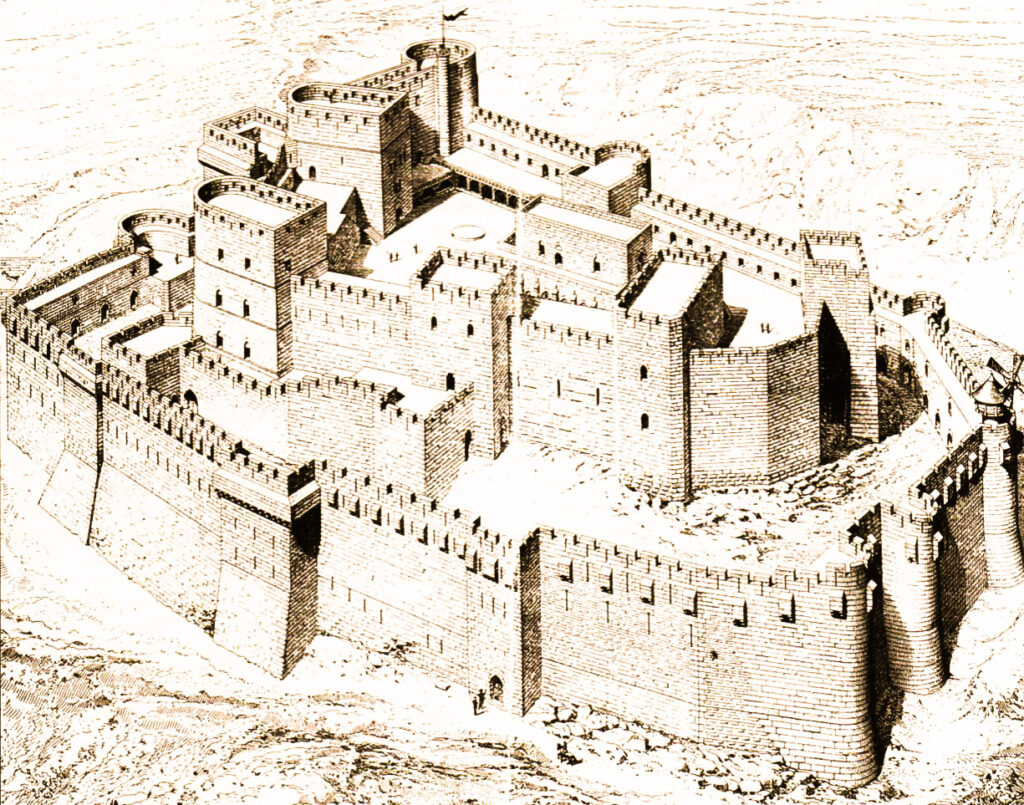
The earliest fortifications on this site were likely built in the 11th century by the Emir of Aleppo as part of a network of defensive posts across Syria. Originally constructed as a small Kurdish garrison, the site was modest until the arrival of the Crusaders.
Crusader Occupation and Expansion
In 1110, Raymond IV of Toulouse and the Crusaders of the First Crusade captured the castle. It later came under the control of the Knights Hospitaller, a powerful military order also known as the Knights of St. John.
From 1142 to 1271, the Hospitallers transformed the site into an impenetrable fortress, capable of housing over 2,000 soldiers. They expanded the outer and inner walls, built towers, storage rooms, living quarters, and a chapel, and ensured that the castle could withstand sieges for months.
Krak des Chevaliers became the most important Crusader stronghold in the Levant, guarding the Homs Gap — the main corridor between the interior of Syria and the Mediterranean coast.
Recapture by the Mamluks
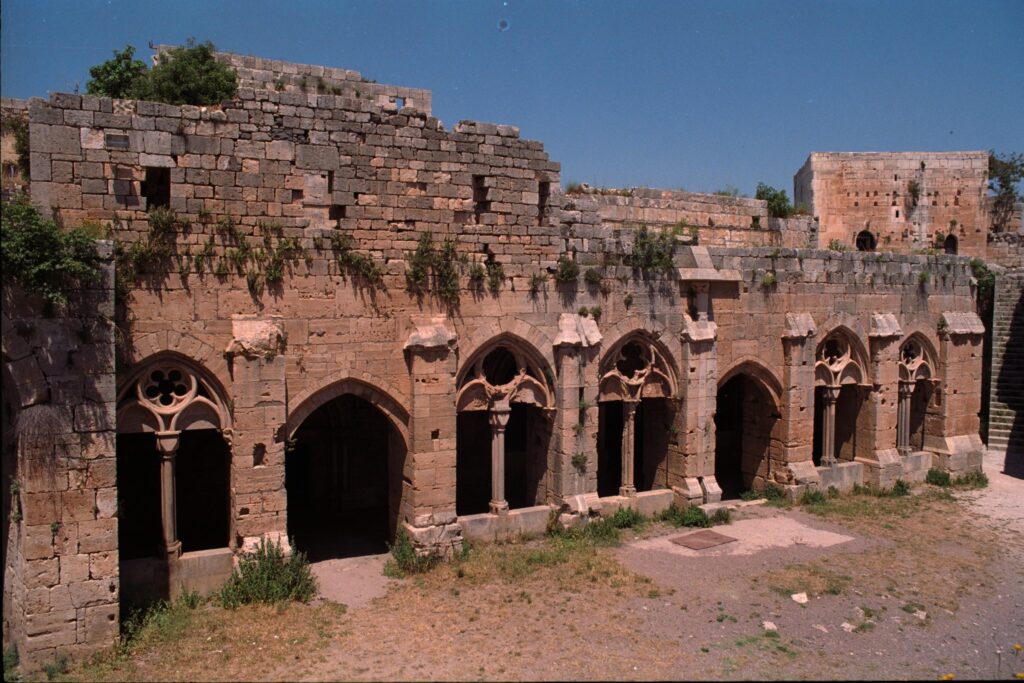
In 1271, the Mamluk Sultan Baybars retook the castle after a short siege. Cleverly forging a letter from the Crusader Grand Master, Baybars convinced the garrison to surrender, allowing him to seize the fortress with minimal destruction.
Following its capture, Baybars added Islamic architectural features, including a small mosque, Arabic inscriptions, and additional defensive reinforcements.
Architectural Features
An Engineering Marvel
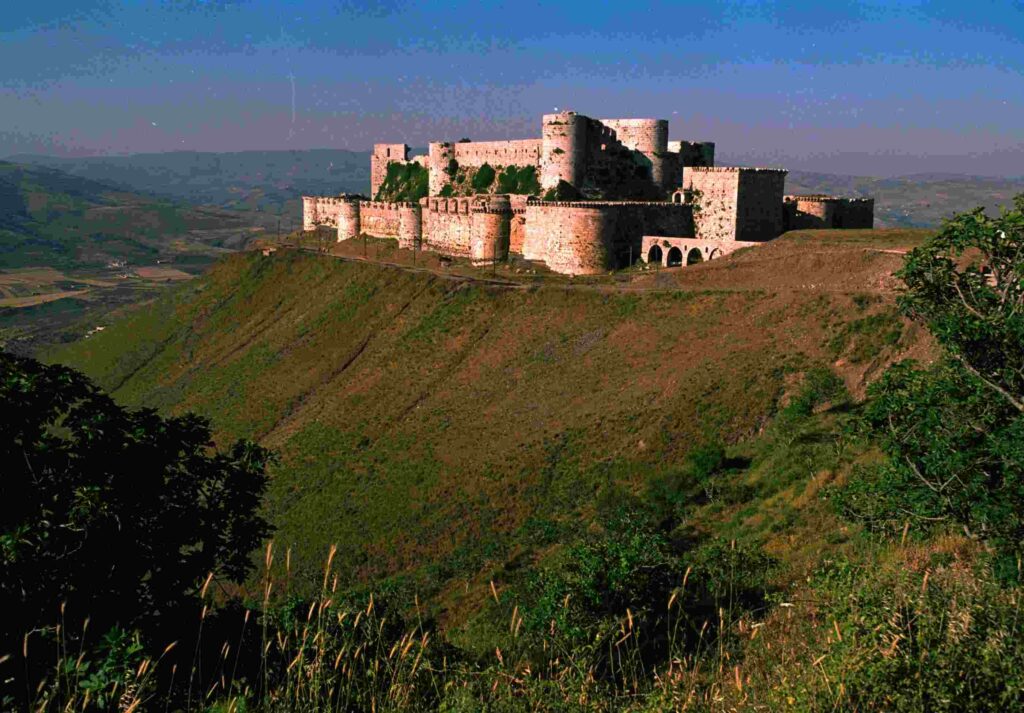
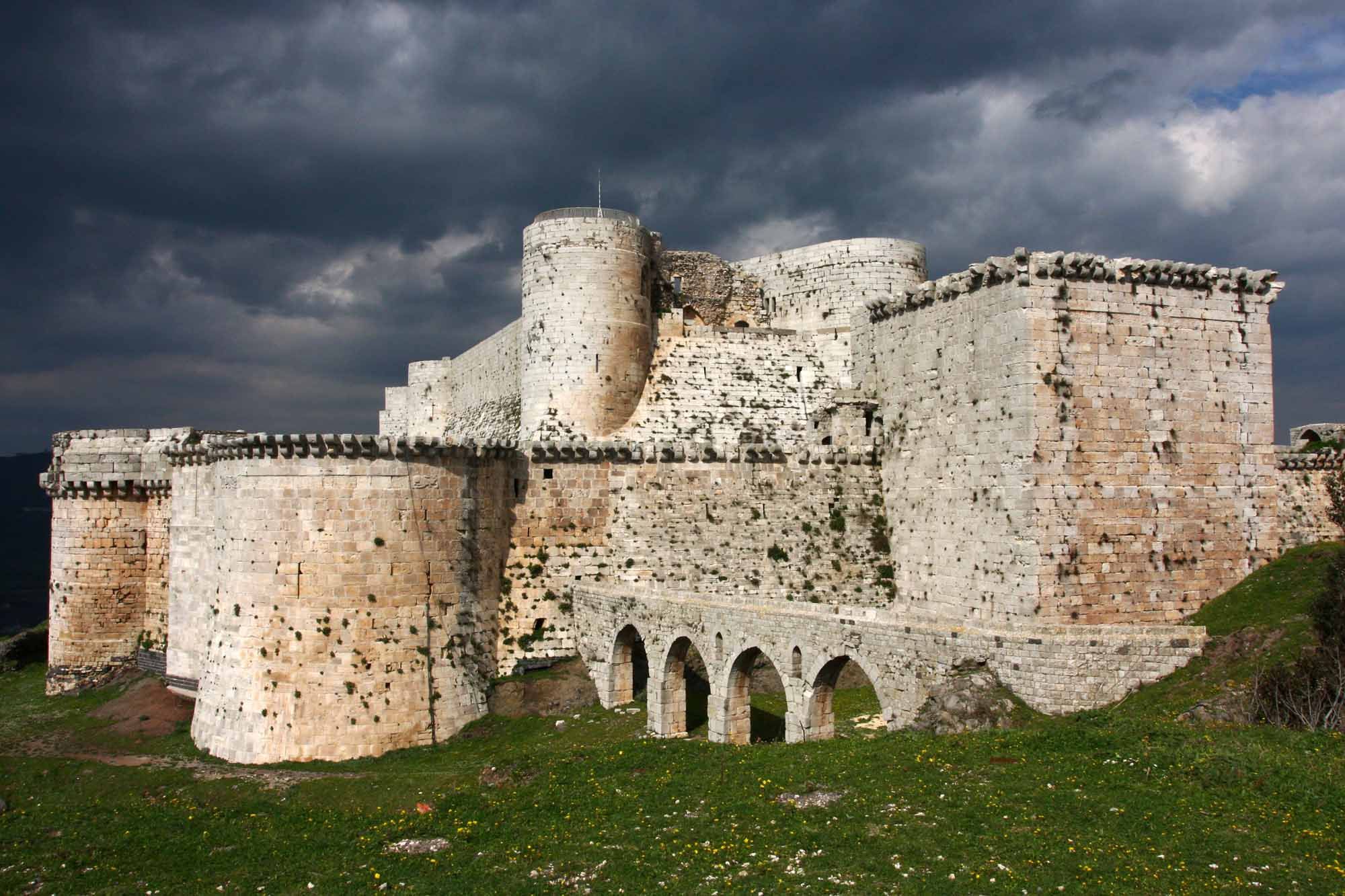
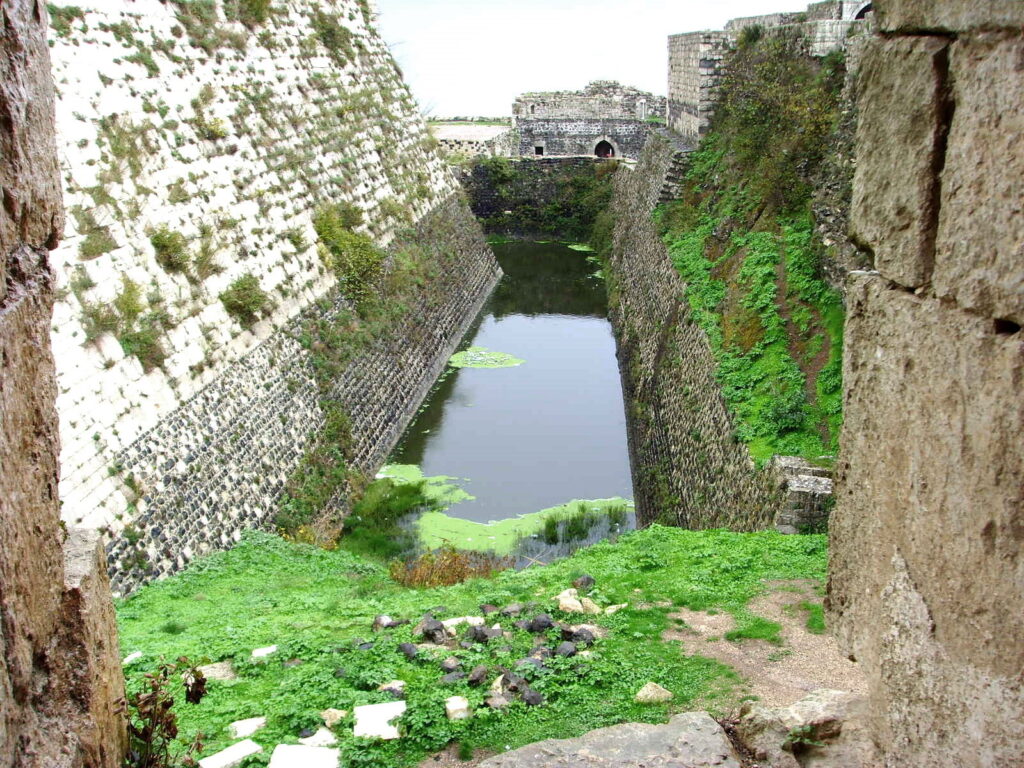
Krak des Chevaliers is a textbook example of medieval military architecture. It features two concentric layers of defensive walls, numerous watchtowers, a deep moat, and only one main gate.
The outer wall is fortified with seven large towers, each over 10 meters in diameter. Between the outer and inner walls lies a wide courtyard with access to soldiers’ quarters, horse stables, and granaries.
The Inner Fortress
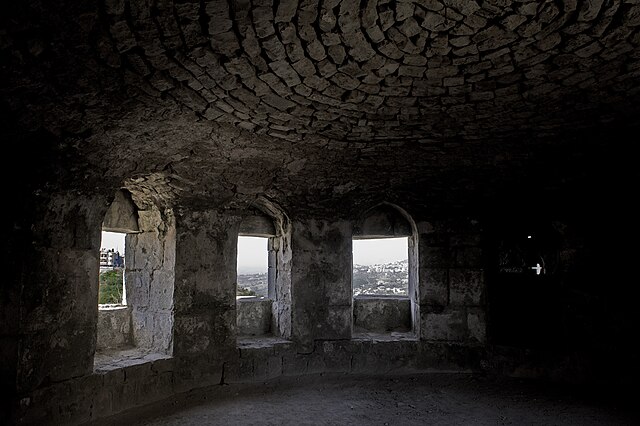
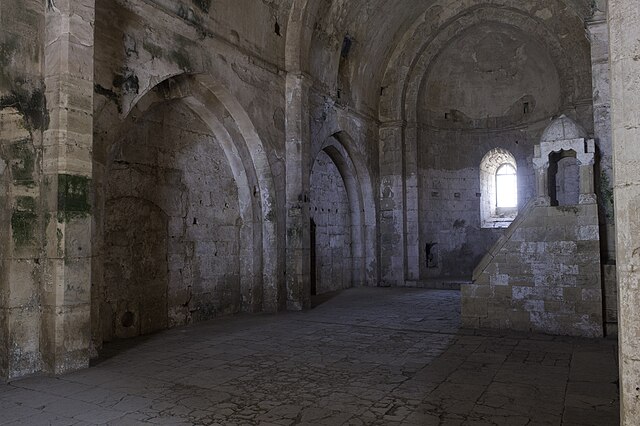
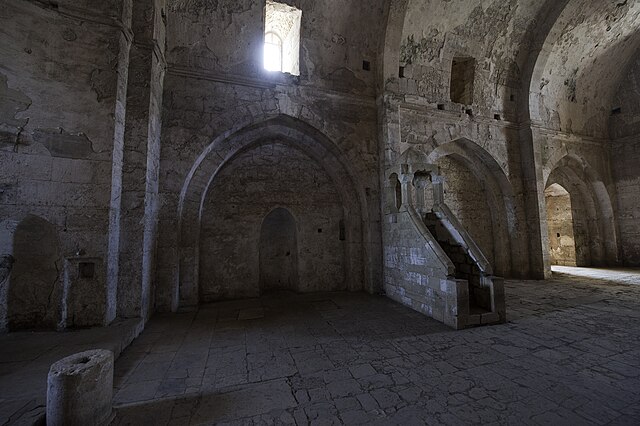
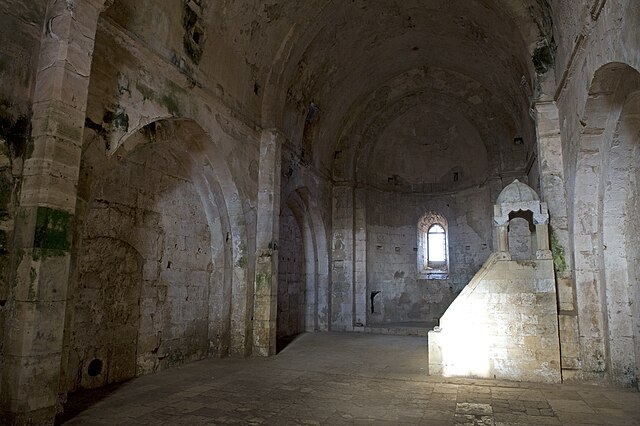
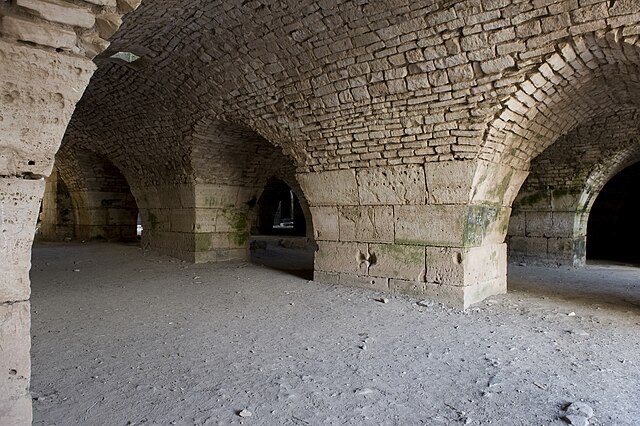
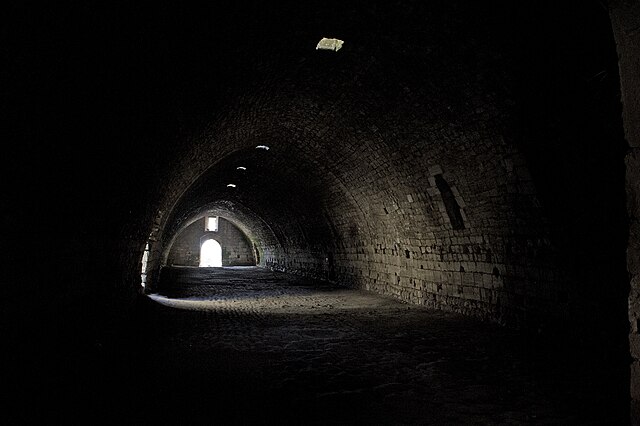
The inner structure contains:
- A large central keep (donjon)
- A Romanesque-style chapel built by the Crusaders
- A great hall for feasts and meetings
- Defensive slits and towers for archers
- Rainwater collection systems for long-term survival
The castle’s design allowed defenders to maintain visibility in all directions, protect themselves from attackers, and survive long periods without resupply.
Baybars’ Additions

After the Mamluk takeover, additions included:
- Arabic inscriptions carved into the stone walls
- A small mosque built near the chapel
- A stone lion emblem, symbol of Baybars
- Modifications to the main entrance to enhance defense
What to See Today
Krak des Chevaliers is remarkably well-preserved. Visitors can walk through much of the fortress, climb its towers, and explore its many rooms, passageways, and hidden corners.
The Chapel and Mosque
The original Crusader chapel still stands with Romanesque columns and traces of frescoes on the walls. The mosque, added later by Baybars, is a rare example of Islamic reuse of a Crusader religious space.
The Great Hall


This massive vaulted chamber was once used for gatherings and banquets. Today, it remains one of the most atmospheric parts of the castle, echoing with the past.
Towers and Ramparts
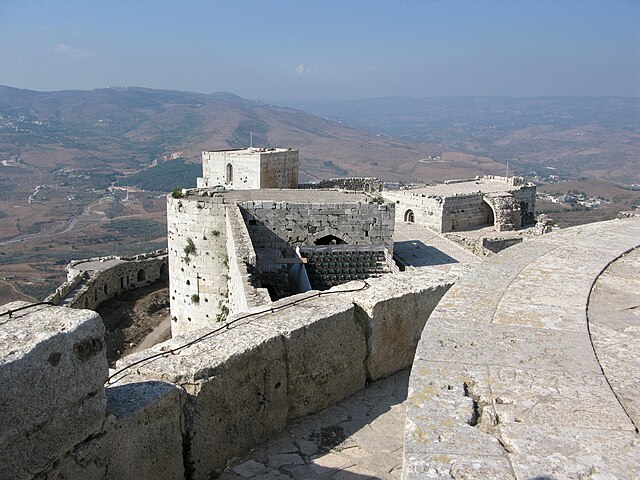
Climbing the towers rewards visitors with breathtaking views over the surrounding green hills and valleys of Wadi al-Nasara (Valley of the Christians). On clear days, you can see all the way to the Mediterranean.
The Courtyards
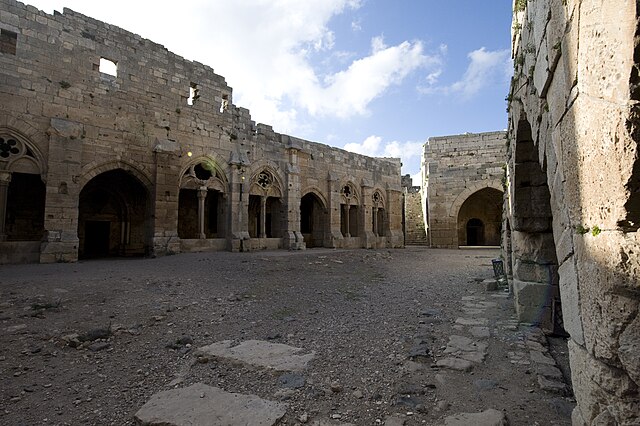
Multiple open spaces between walls provide insight into how soldiers lived, trained, and organized during both Crusader and Mamluk periods. Some still contain the remains of ovens, wells, and animal pens.
Visitor Information
Location
Krak des Chevaliers is located near the town of al-Hosn, roughly 60 kilometers west of Homs and 150 kilometers northwest of Damascus. The castle is easily accessible by car and is a common stop on tours between the coast and interior.
Opening Hours
- Typically open from 9:00 AM to 5:00 PM
- May close early in winter or during holidays
- Best visited in spring or autumn for mild weather and clear views
Entrance Fees
A small fee is charged for entry. Discounts may apply for students, children, or group visits.
Facilities
- On-site parking is available
- A small café and shop near the entrance
- Local guides available for hire to enhance your visit
- Wear sturdy shoes, as stairs and pathways can be uneven
Nearby Attractions
Krak des Chevaliers is located in Wadi al-Nasara, a culturally rich and scenic region of western Syria. After exploring the castle, visitors can explore:
- Monastery of Saint George (Deir Mar Gerges) in al-Mishtaya
- Qal’at al-Marqab (Citadel of Margat) near Baniyas
- Valley villages known for traditional food and Christian heritage
- Homs city center, with its old souq and Khalid ibn al-Walid Mosque
See Also: Qalaat Masyaf
Cultural Significance
Krak des Chevaliers is more than just an ancient fortification. It represents centuries of conflict and cooperation between Christian and Muslim civilizations, and a legacy of architectural and military ingenuity.
Krak des Chevaliers was designated a UNESCO World Heritage Site in 2006 as part of the “Crac des Chevaliers and Qal’at Salah al-Din” listing. Despite recent damage from conflict, Krak remains a symbol of resilience and pride for Syrians and heritage lovers worldwide.
Photography and Experience
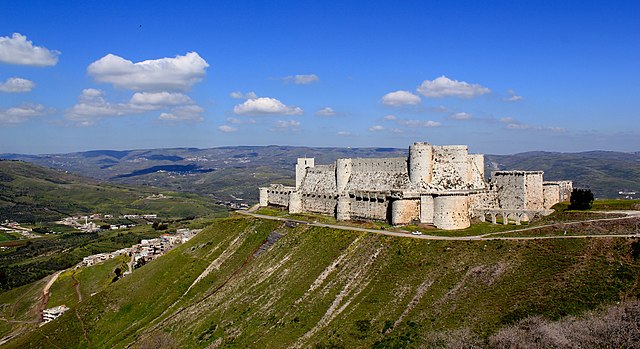

Krak des Chevaliers is highly photogenic, with dramatic lighting at different times of the day. Sunrise and sunset offer especially beautiful scenes. Drones are not typically allowed, but handheld photography is permitted and encouraged.
Allow at least two to three hours to explore the entire site. Bring a flashlight if you’re curious about the darker underground passages.
Final Thoughts
Krak des Chevaliers is a must-visit destination for travelers interested in medieval history, military architecture, or simply stunning landscapes. Unlike many tourist attractions, Krak offers the opportunity to freely explore at your own pace, connect with the silence of stone, and imagine life in the age of knights and empires.
Whether you are a seasoned history enthusiast or a first-time visitor to Syria, this castle will leave you inspired, humbled, and deeply moved by the layers of human achievement and endurance it represents.
Finally.. If you have any questions, please contact us. To explore further, visit our website gallery for rare images and cultural highlights.
Sources & References:
UNESCO – World Heritage Centre: https://whc.unesco.org
Archnet – Architecture & Heritage Database: https://www.archnet.org
World History Encyclopedia: https://www.worldhistory.org
Syrian Heritage Archive Project: https://syrian-heritage.org
Global Encyclopedia: Wikipedia