Late Antiquity Syria : Beyond Syria’s famous cities like Palmyra and Aleppo lies the quieter world of Late Antiquity Syria. In the north, forgotten villages such as Bauda al-Janoubiyeh, Maaz, and Barish al-Shamali reveal how rural life thrived between faith and simplicity.
These modest ruins showcase the architecture, devotion, and resilience of ordinary people who once shaped the land. As historians revisit Late Antiquity Syria, its hidden sites emerge as rare windows into a vanished era. The spirit of Late Antiquity Syria still lingers in these silent hills and timeless stones.
Late Antiquity Syria | Quick Info.
| Name | Era | Location / Region | Main Features | Historical Significance |
|---|---|---|---|---|
| Bauda al-Janoubiyeh (Southern Bauda) | Byzantine (4th–7th centuries CE) | Jebel Zawiya, Northern Syria | Stone house foundations, olive presses, cisterns, small chapels | Reflects rural Christian life and agricultural practices during the Byzantine era |
| Bauda al-Shamaliyeh (Northern Bauda) | Byzantine (4th–7th centuries CE) | Jebel Zawiya, Northern Syria | Similar layout to Southern Bauda; domestic ruins and agrarian structures | Possibly part of a unified twin settlement showing village expansion and adaptation |
| Maaz | Late Roman to Byzantine | Northern Syria, near trade routes | Scattered stone walls, shelter remains, elevated terrain | Likely served as a lookout or way-station; shows rural resilience and regional connectivity |
| Barish al-Shamali | Late Roman / Early Byzantine | Near Sarmada or Baqirha, Northern Syria | Remains of homes, agricultural tools, stones with crosses | Example of rural Christian settlement; illustrates local adaptation and gradual ruralization |
Bauda al-Janoubiyeh & Bauda al-Shamaliyeh (Twin Villages)
The Twin Identity
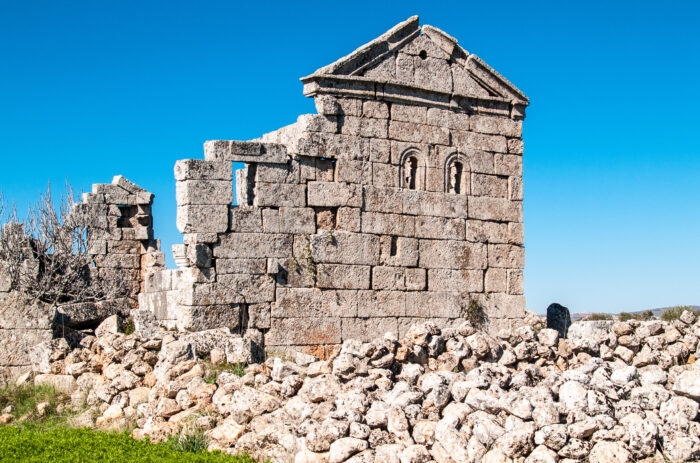
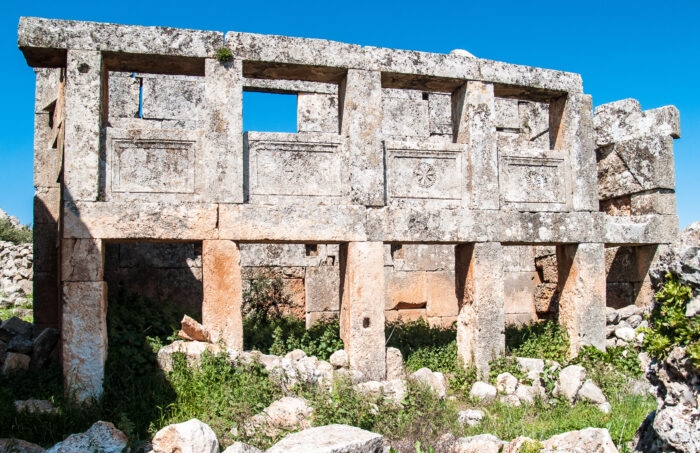
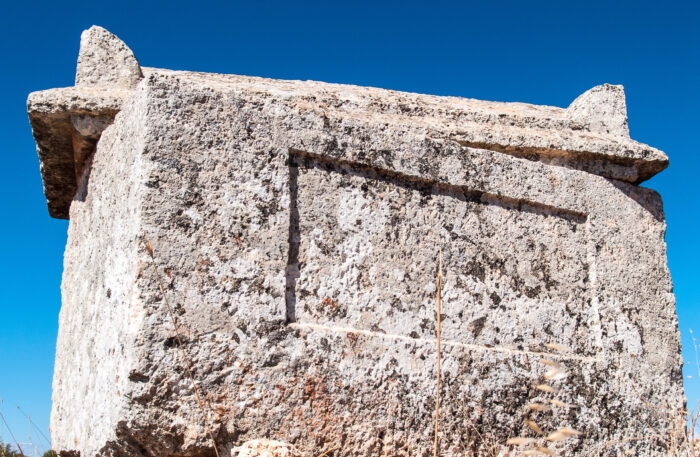
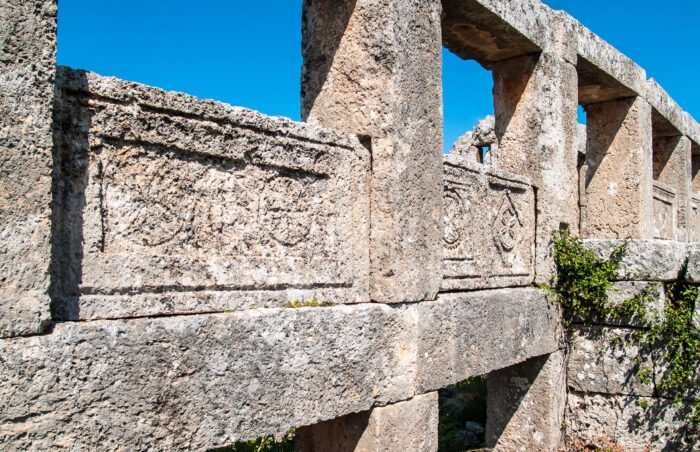
The names Bauda al-Janoubiyeh (Southern Bauda) and Bauda al-Shamaliyeh (Northern Bauda) suggest a once-unified settlement that eventually split or expanded into two parts. These villages are located in the Jebel Zawiya region—a mountainous area rich in Byzantine and early Christian heritage. Although little excavated, the topography and patterns of construction resemble those of other “Dead Cities” of Syria.
Architectural Traces
Both Baudas consist of ancient stone house foundations, possible olive presses, cisterns, and fragments of small churches or chapels—hints of a once-thriving agrarian Christian community during the Byzantine period (4th–7th centuries CE). Their orientation and construction materials mirror those found in better-known sites like Jeradeh or Deir Qeita, though in a more degraded state.
Why They Matter
While they lack monumental temples or citadels, these villages are significant because they represent the domestic and agricultural life of rural Byzantine Syria. Studying these sites helps archaeologists reconstruct regional economies, land use, and the spread of Christianity into remote mountain areas.
Maaz
Geographic Isolation, Strategic Interest
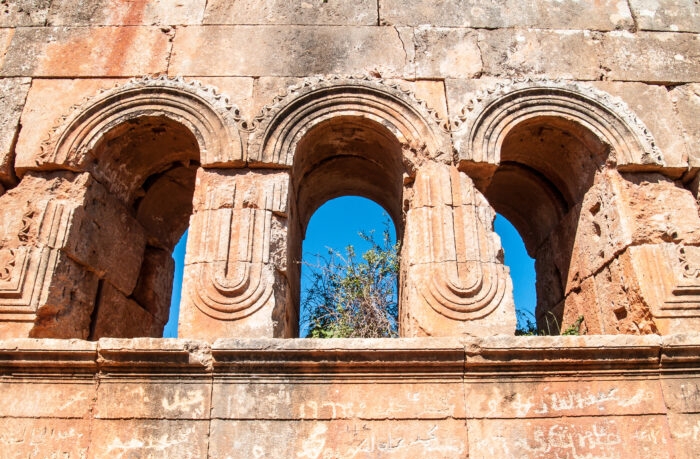
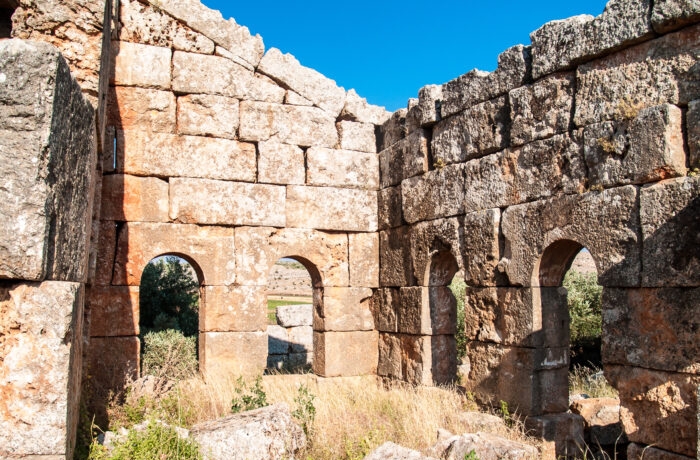
Located further from main clusters of ruins, Maaz is one of those sites whose historical value lies in its geographical context. Likely used as a way-station or lookout between trade paths or small agricultural domains, Maaz played a minor yet continuous role in local sustainability.
Archaeological Footprint
Ruins at Maaz are extremely limited—mainly stone piles, walls, and maybe a rudimentary shelter or farmhouse. However, its elevated location may suggest that it was once part of a small surveillance or signaling system, especially during the Byzantine-Arab conflicts or during the Crusader period.
Cultural Insight
Despite its low architectural value, Maaz contributes to the larger mosaic of settlement dispersion patterns in northern Syria. These micro-sites remind us that not all heritage is monumental—sometimes it’s the everyday spaces that hold the keys to understanding the past.
Barish al-Shamali
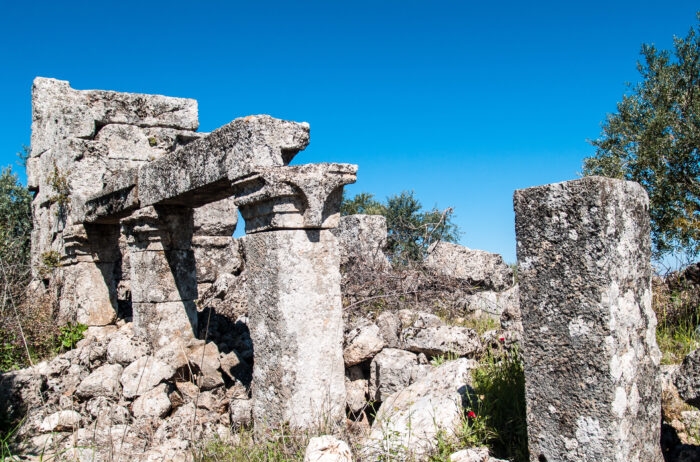
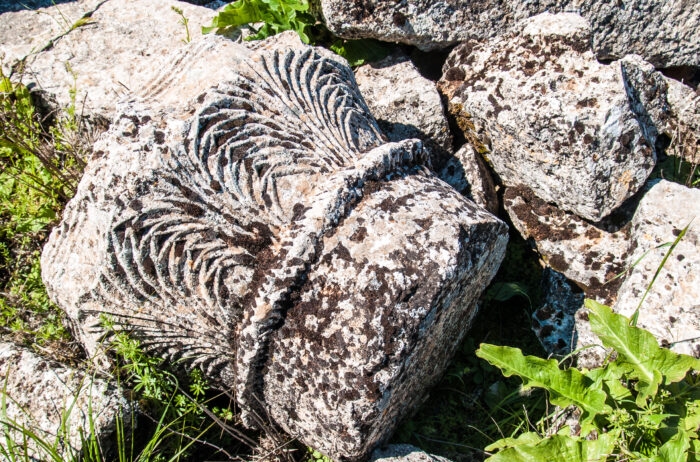
Overlooked Among the “Dead Cities”
Nestled not far from major early Christian towns, Barish al-Shamali appears to have been a modest satellite settlement—perhaps serving larger urban centers like Sarmada or Baqirha. With its fragmented remains of homes and agricultural tools, Barish illustrates the widespread ruralization that occurred during the Late Roman and Early Byzantine periods.
Signs of Early Christianity
Though no major church structure has been documented, stones with crosses or reused decorative lintels hint at Christian influence. The use of basalt or limestone blocks, common in this region, shows local adaptation to available materials.
Preservation and Challenges
Unfortunately, due to erosion, looting, and lack of official excavation, Barish al-Shamali remains poorly understood. Yet, for historians and archaeologists, it serves as a call to action to document small rural heritage before it disappears entirely.
Why These Sites Deserve Attention
1. Completing the Historical Picture
Major cities like Apamea, Bosra, or Palmyra often dominate the narrative of Syrian history. But sites like Bauda, Maaz, and Barish fill in the gaps of ordinary life, showing how villagers lived, worshipped, and farmed.
2. Archaeological Potential
These locations may still yield inscriptions, tools, or coins that offer new insights into trade networks or religious transformations in the region. Even surface surveys could deepen our understanding of the Byzantine-to-Islamic transition in rural Syria.
3. Sustainable Tourism Possibilities
If preserved and studied, these sites could be part of eco-tourism or heritage trails, drawing niche travelers interested in slow travel and authentic experiences. With proper infrastructure, they can become a model for community-led cultural preservation.
See Also: North Echoes II
Conclusion: The Value of the Forgotten
Bauda al-Janoubiyeh, Bauda al-Shamaliyeh, Maaz, and Barish al-Shamali may not impress with towering walls or gilded mosaics, but their quiet stories are deeply woven into the fabric of Late Antiquity Syria. These villages reflect the lives of farmers, local builders, and early believers who formed the foundation of rural civilization.
Their enduring stones and modest ruins reveal how everyday people shaped the culture, faith, and resilience of Late Antiquity Syria. Preserving and studying these sites is more than archaeology—it’s a way to rediscover the essence of Late Antiquity Syria and the simple strength of those who once called it home.
Finally.. If you have any questions, please contact us. To explore further, visit our website gallery for rare images and cultural highlights.
Sources & References:
UNESCO – World Heritage Centre: https://whc.unesco.org
Archnet – Architecture & Heritage Database: https://www.archnet.org
World History Encyclopedia: https://www.worldhistory.org
Syrian Heritage Archive Project: https://syrian-heritage.org
Global Encyclopedia: Wikipedia